
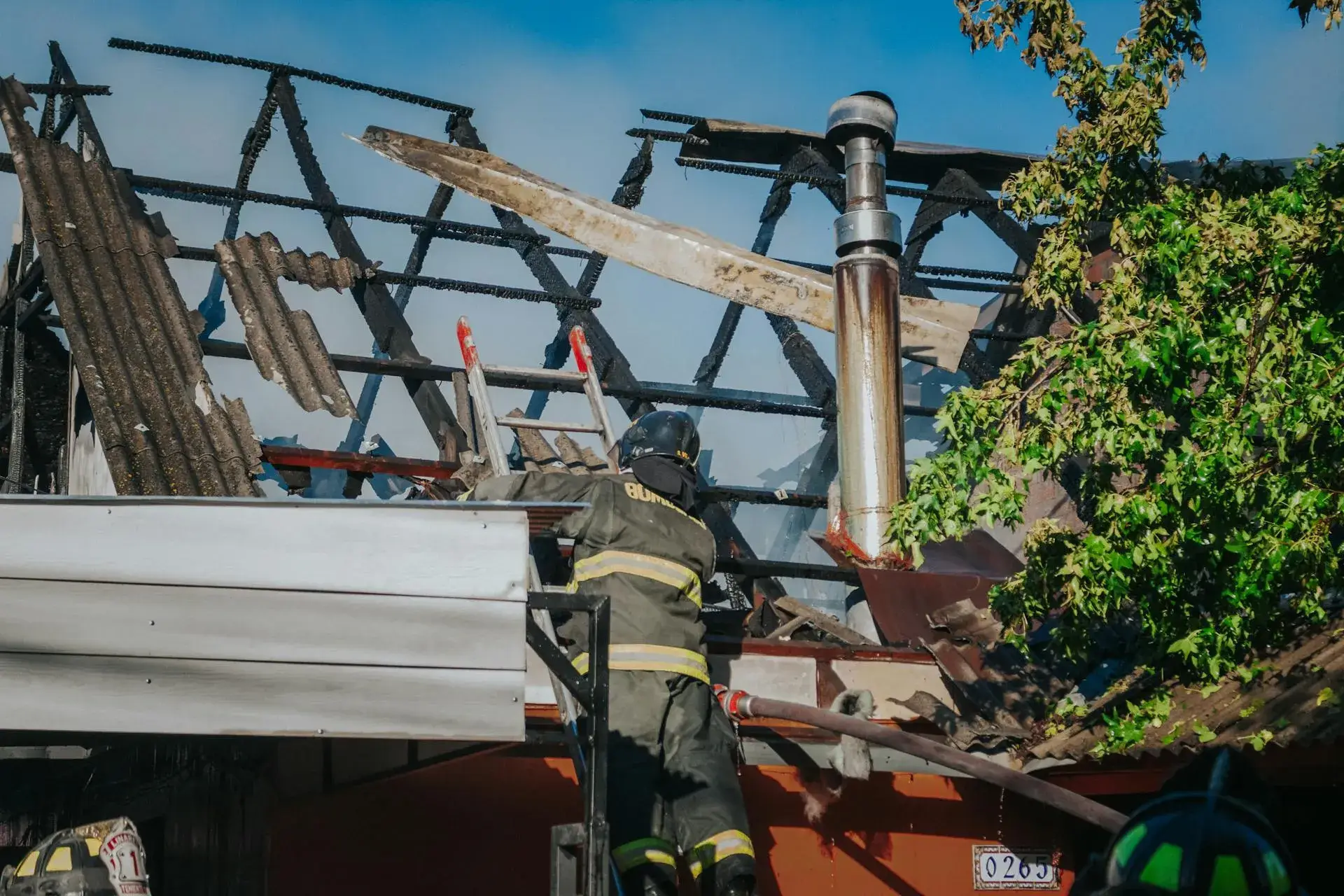
Fire Damage Restoration in Lincolnwood, IL
Fire damage worsens every hour as soot corrodes surfaces and smoke penetrates deeper into your home's structure. Our local team responds to Lincolnwood emergencies within 60 minutes.
What Happens When You Call
A real person answers, not a call center. We assess your situation, ask the right questions, and begin coordinating your response immediately.
Your dedicated restoration team is dispatched from our local base serving Lincolnwood and the surrounding Cook County communities.
Team arrives with board-up materials, HEPA filtration, soot removal equipment, and structural assessment tools. Emergency stabilization begins immediately.
Property secured, immediate threats addressed, restoration plan documented. You know exactly what comes next.
A fire just tore through part of your home and you need someone who knows what to do next. Not a claims hotline, not a callback queue. X Response exists for exactly this moment. When you reach out, your restoration team is mobilized within minutes and on site within the hour. From that point forward, one team manages everything: stabilization, smoke removal, structural repair, and insurance documentation. You are never left guessing about the next step. Call now. Your team is standing by.
Why Lincolnwood Homes Are Vulnerable to Fire Damage
Lincolnwood is a village of 13,463 residents in Niles Township, Cook County, Illinois, covering approximately 2.5 square miles directly north of Chicago's city limits. The village shares boundaries with Chicago on three sides and Skokie to the north and west, with the North Shore Channel forming its eastern border. Originally incorporated as Tessville in 1911, the community was renamed Lincolnwood in 1936 and experienced its most significant growth during the postwar suburban boom of the 1940s and 1950s. More than half of the village's housing stock was constructed during that two-decade period, establishing the densely built residential character that defines Lincolnwood today. The Lincolnwood Fire Department was established in 1990 under contract with Paramedic Services of Illinois, providing fire suppression, special rescue, and emergency medical services from a centralized station. The department operates as part of the Mutual Aid Box Alarm System (MABAS) Division 3, which provides automatic mutual aid from neighboring departments including Skokie, Niles, Morton Grove, and Chicago when a structure fire exceeds single-department capacity.
On March 2, 2026, a fire that started in an attached garage in the 6400 block of Kolmar Avenue, just north of Devon Avenue and just outside Chicago's city limits, spread to the two-story home and caused the roof to collapse. Six residents were displaced from the home, which was declared a total loss. No injuries were reported. The Lincolnwood Fire Department responded with mutual aid assistance and extinguished the fire, but not before flames reached the back of the house and compromised the roof structure. This incident illustrates a recurring fire pattern in Lincolnwood and similar postwar suburbs: garage-origin fires that spread to attached living spaces through shared walls, attic connections, and structural penetrations that allow flames to travel from the garage into the home's interior before occupants are aware of the threat. A June 2021 fire on North Karlov Avenue followed a nearly identical pattern, starting in a garage and spreading to the home, resulting in one fatality. On New Year's Day 2020, another Lincolnwood house fire pushed through the roof and caused the first floor to collapse before crews could enter the structure.
Attached Garage Fire Spread in Postwar Construction
Lincolnwood's housing stock, predominantly built between 1940 and 1959, was constructed before modern fire-separation codes required one-hour fire-rated assemblies between attached garages and living spaces. Many of these homes have garages that share a common wall with the kitchen, family room, or a bedroom, separated only by a single layer of drywall or wood paneling without fire-rated sheathing. The ceiling between the garage and any living space above may lack the 5/8-inch Type X gypsum board that current codes require. Door openings between garages and homes often use hollow-core interior doors rather than solid-core or fire-rated doors with self-closing hardware. These construction details mean that a garage fire, whether from a vehicle, stored chemicals, electrical equipment, or discarded materials, has a direct path into the living space. The March 2026 Kolmar Avenue fire demonstrated how quickly flames can travel through these unprotected connections: the fire started in the attached garage and reached the roof in less time than it took residents to evacuate.
Residential Density and Radiant Heat Exposure
Lincolnwood's 2.5 square miles contain densely packed residential blocks with homes built on narrow lots, typically 40 to 50 feet wide with setbacks of 5 to 10 feet between structures. This proximity means that a fully involved structure fire generates radiant heat sufficient to ignite siding, roof materials, and combustible elements on adjacent homes. Vinyl siding, which has been installed on many Lincolnwood homes as a replacement for original wood clapboard or aluminum, melts and ignites at relatively low radiant heat levels. The village's building code now requires fire-resistive exterior materials for new construction near property lines, but the majority of existing homes predate these requirements. During a major structure fire, the Lincolnwood Fire Department must simultaneously fight the active fire and protect exposures on adjacent properties, a task that frequently requires mutual aid resources from Skokie, Niles, and Chicago.
Electrical Systems in Aging Housing
Homes built in the 1940s and 1950s were originally wired for the electrical loads of that era: a few ceiling lights, a radio, a refrigerator, and perhaps a window air conditioner. Original wiring in these homes was typically 60-amp service with cloth-insulated copper conductors, knob-and-tube wiring in the oldest examples, or early Romex with deteriorating insulation. Over seven decades, homeowners have added air conditioning systems, multiple kitchen appliances, home offices, entertainment systems, electric vehicle chargers, and other high-draw devices to these original circuits. Many homes have been partially rewired over the years, creating junctions between old and new wiring that can develop resistance heating at connections. Overloaded circuits, deteriorating insulation, and improper modifications by previous owners contribute to electrical fires that often start inside walls where they smolder undetected until breaking through to visible flame. By the time smoke detectors activate, the fire may have traveled through wall and ceiling cavities beyond the point of origin.
Kitchen Fire Risk in Single-Family Homes
Kitchen fires remain the leading cause of residential structure fires nationally, and Lincolnwood's housing layout amplifies the damage potential. In many postwar ranch-style and split-level homes, the kitchen is centrally located and open to adjacent living spaces without fire-separation walls. A grease fire or appliance failure that extends beyond the stovetop has immediate access to combustible cabinetry, countertops, wall finishes, and ceiling materials across a broad floor area. The open floor plans that many homeowners have created by removing walls between kitchens and family rooms eliminate the compartmentalization that would otherwise slow fire spread. Once flames reach the ceiling, they travel horizontally along the underside of the roof deck or through the attic space, spreading to areas far from the point of origin. Even a kitchen fire that is quickly extinguished typically generates heavy smoke and soot damage throughout the home because the HVAC system distributes combustion products to every room connected to the ductwork.
Fire Department Response and Mutual Aid
The Lincolnwood Fire Department operates from a single centralized station and is staffed under contract with professional firefighters and paramedics. For a structure fire that requires interior attack, ventilation, search and rescue, and exposure protection simultaneously, the department relies on MABAS Division 3 mutual aid to provide sufficient personnel and apparatus. Skokie, Niles, Morton Grove, and Chicago all provide automatic mutual aid to Lincolnwood on confirmed structure fires. Response times from the central station to the village's perimeter are generally under five minutes, but the time from ignition to full involvement in a garage or attic fire can be equally short in Lincolnwood's older construction. The speed of fire spread through unprotected assemblies in postwar homes means that by the time crews arrive with mutual aid and establish water supply, the fire may have already extended beyond the room of origin into concealed spaces. The department's 32-year chief retired in 2022, and the current leadership continues to emphasize prevention education and rapid mutual-aid activation for structure fires.
These factors create a community where residential fire damage frequently extends well beyond the ignition point. Attached garages without modern fire separation, dense lot spacing, aging electrical systems, open floor plans, and fast-spreading concealed fires all contribute to incidents where damage encompasses smoke penetration, soot deposition, water damage from suppression, and structural compromise across large portions of the home. Effective fire damage restoration in Lincolnwood requires a team that understands how postwar construction behaves during and after a fire, where hidden damage accumulates, and how to restore a property that may have smoke damage in areas untouched by flames.
What Happens to Your Home While You Wait
Within 1 Hour
Active flames are extinguished but damage is still progressing. Soot particles, which are acidic, begin etching metal surfaces, discoloring plastics, and bonding to painted walls and ceilings. The longer soot remains on a surface, the more difficult and costly it becomes to remove without damaging the underlying finish. Water from fire suppression pools in basements and low-lying areas, beginning its own damage cycle. Structural members that were heated but not consumed may have lost load-bearing capacity. Windows and exterior openings broken during firefighting or ventilation leave the home exposed to weather and intrusion.
1–24 Hours
Acidic soot residue continues to corrode metal fixtures, appliances, and electronics. Smoke odor penetrates deeper into porous materials: upholstered furniture, carpet, drapery, clothing, and the paper facing of drywall. Humidity from suppression water combines with soot to form corrosive films on surfaces throughout the home, including rooms not directly damaged by flame. In Lincolnwood homes where the HVAC system distributed smoke during the fire, every room connected to the ductwork now contains soot deposits that worsen with each hour of exposure. Standing water from firefighting begins damaging flooring, subfloor materials, and lower wall sections through the same mechanisms as any water intrusion event.
24–48 Hours
Permanent staining develops on surfaces where soot has been allowed to remain. Chrome and nickel fixtures pit and discolor irreversibly. Painted walls yellow and develop a sticky residue that cannot be removed with standard cleaning methods. The boundary between salvageable and non-salvageable contents shifts dramatically: items that could have been professionally cleaned within the first day may now require replacement. Fire-suppression water that has pooled for over 24 hours creates secondary mold risk, particularly during warm months in Cook County's humid climate. The home is now experiencing two concurrent damage processes: ongoing soot corrosion and active water damage from suppression.
48–72 Hours
Mold growth begins on wet materials in areas soaked by fire suppression water. Soot damage becomes increasingly permanent on porous surfaces. Structural wood that was charred or heated during the fire absorbs moisture from suppression water and humidity, accelerating deterioration at fire-weakened connections. Smoke odor saturates insulation in wall and attic cavities, making it impossible to deodorize without removal. The scope of necessary restoration continues expanding as secondary damage compounds the original fire damage. Contents left in the smoke-saturated environment for this long may develop permanent odor that no cleaning process can fully remove.
One Week and Beyond
Corrosion damage to mechanical systems, electrical components, and metal surfaces becomes irreversible. Mold growth from suppression water establishes throughout affected areas. Structural members show accelerated decay where fire damage and moisture intersect. Smoke odor has permeated every porous material in the home, including framing lumber, subfloor sheathing, and concrete. The cost difference between restoration performed within the first 24 hours and restoration attempted after a week can be measured in tens of thousands of dollars in additional materials, labor, and contents replacement.
Every hour of delay after a fire increases the permanent damage to your home and belongings. Contact X Response now. Our Lincolnwood team responds within 60 minutes to begin stabilization and prevent secondary damage from compounding your loss.
How We Restore Fire-Damaged Lincolnwood Homes
From the moment our team arrives, every step is documented, measured, and verified. Here is exactly what the fire damage restoration process involves for Lincolnwood properties.
Emergency Stabilization and Board-Up
Our team secures the property immediately. Broken windows, compromised roofing, and openings created during firefighting or ventilation are boarded and tarped to prevent weather exposure, unauthorized entry, and further deterioration. In Lincolnwood homes where garage fires have burned through shared walls or roof connections, stabilization includes temporary structural shoring to prevent collapse of compromised framing above. We assess whether the structure is safe for interior work and identify any immediate hazards including weakened floors, hanging debris, exposed electrical, or gas leaks. The property is secured against both the elements and the secondary damage that begins the moment a fire-damaged structure is left open and unprotected.
Damage Assessment and Scope Documentation
Once the property is stabilized, our team conducts a comprehensive assessment of fire, smoke, soot, and water damage throughout the structure. We identify the fire's point of origin and trace the path of flame spread, smoke travel, and suppression-water flow to map every affected area. In Lincolnwood's postwar homes, this means inspecting shared walls between garages and living spaces, checking attic and ceiling cavities for hidden fire extension, assessing electrical systems for heat damage, and documenting smoke penetration into ductwork and concealed spaces. Thermal imaging helps identify hot spots and hidden moisture from suppression water. Every finding is documented with photos, measurements, and a detailed scope of work that forms the foundation of your insurance claim.
Smoke and Soot Removal
Soot removal begins as soon as possible to prevent permanent surface damage. We use specialized techniques matched to each surface type: dry sponging for painted walls before wet cleaning, HEPA vacuuming for upholstery and textiles, chemical sponges for delicate finishes, and alkaline cleaners for heavy protein-based soot deposits from kitchen fires. Every surface in the smoke path receives attention, including walls, ceilings, trim, light fixtures, cabinet interiors, and closet contents in rooms far from the fire origin. HVAC ductwork is cleaned or replaced depending on the severity of smoke contamination. In homes where the forced-air system distributed combustion products throughout the structure, duct cleaning is essential to prevent re-contaminating cleaned spaces when the system operates.
Structural Repair and Reconstruction
Fire-damaged structural elements are removed and replaced to restore the home's integrity and safety. In Lincolnwood homes where garage fires have burned through roof trusses, wall studs, or floor joists, we rebuild these assemblies to current code standards, often improving fire separation in the process. Charred framing that has lost structural capacity is sistered or replaced. Fire-damaged electrical wiring is removed and replaced by licensed electricians. Insulation contaminated by smoke is removed and replaced. The goal is to return the structure to pre-loss condition or better, meeting current building codes where the scope of work triggers code-upgrade requirements under Village of Lincolnwood building regulations.
Deodorization and Air Quality Restoration
Smoke odor is the last element to resolve and requires targeted treatment beyond surface cleaning. We deploy thermal fogging, ozone generation, and hydroxyl generators depending on the severity and type of smoke odor present. In Lincolnwood homes with forced-air HVAC systems, we treat the entire duct system and mechanical closet to eliminate residual odor sources. Wall cavities, attic insulation, and subfloor assemblies that absorbed smoke during the fire receive direct treatment or removal if saturation exceeds what deodorization can resolve. Air quality testing confirms that particulate levels and odor concentrations have returned to acceptable levels before we consider the project complete. The standard is a home that smells and tests clean, not one that merely looks clean while retaining embedded smoke residue.
The X Response Difference
When you contact X Response after a fire, you get a single team that handles everything from emergency stabilization through complete restoration. One team, one point of contact, one standard of work from board-up to move-in.
Insurance Claim Guidance for Lincolnwood Homeowners
Fire damage insurance claims in Illinois are typically covered under standard homeowner's policies as a named peril, meaning the fire itself and the resulting smoke and water damage are covered regardless of cause (except arson by the insured). However, the claims process after a significant fire is more complex than most other property damage events. Your policy likely covers the structure, personal property (contents), additional living expenses while displaced, and debris removal, but each category has sublimits, depreciation schedules, and documentation requirements that affect your actual recovery. The March 2026 Kolmar Avenue fire, which displaced six residents and destroyed their home entirely, illustrates the scale of claim that Lincolnwood homeowners may face: total loss of structure, total loss of contents, extended displacement, and complete rebuild. Even partial fires that damage one room but distribute smoke throughout the home can generate claims that span structural repair, contents cleaning, HVAC decontamination, and temporary housing.
How X Response Helps
- Document all damage with professional photos, room-by-room inventory, and a detailed scope of work before any cleanup begins
- Separate fire damage, smoke damage, water damage from suppression, and structural damage into distinct categories that align with your policy's coverage sections
- Create a comprehensive contents inventory with descriptions, estimated values, and condition documentation for personal property claims
- Provide scope and timeline documentation that supports your additional living expense claim for the full duration of displacement
- Explain your policy's coverage structure before you file, so you understand replacement cost versus actual cash value, sublimits, and deductible application
X Response does not file claims on your behalf, adjust claims, or make coverage determinations. We provide documentation and guidance to help you make informed decisions about your property and your policy. Coverage decisions are made solely by your insurance carrier.
Certified Restoration Specialists Serving Lincolnwood
When you contact X Response after a fire in Lincolnwood, your restoration team is drawn from certified professionals who work across Cook County's North Shore suburbs and understand the specific challenges of restoring fire-damaged postwar homes. They know how attached garages connect to living spaces in 1940s and 1950s construction, where fire spreads through concealed pathways in these structures, how smoke travels through forced-air systems and deposits soot in rooms far from the flames, and how suppression water creates secondary damage that must be addressed concurrently with fire restoration. They have worked through garage fires that spread to homes, kitchen fires in open-plan renovations, electrical fires that traveled through wall cavities, and total-loss incidents requiring complete reconstruction. This is not a crew dispatched from hours away with no local context. It is a local team with local expertise, operating under national quality standards.
Every technician on your team holds current IICRC certification in fire and smoke restoration (FSRT) and carries the appropriate Illinois state licensing for the work being performed. Equipment includes HEPA filtration units, thermal foggers, ozone generators, hydroxyl generators for occupied-space deodorization, negative air machines for containment, and the full complement of structural tools needed for demolition and reconstruction. When your team arrives, they bring everything needed to begin stabilization immediately and transition into full restoration without waiting for additional equipment or subcontractors.
In Lincolnwood, X Response works with Scene Cleaners, an independent local restoration partner serving Cook County.
Fire Damage Restoration FAQ for Lincolnwood Homeowners
Other Emergency Services in Lincolnwood
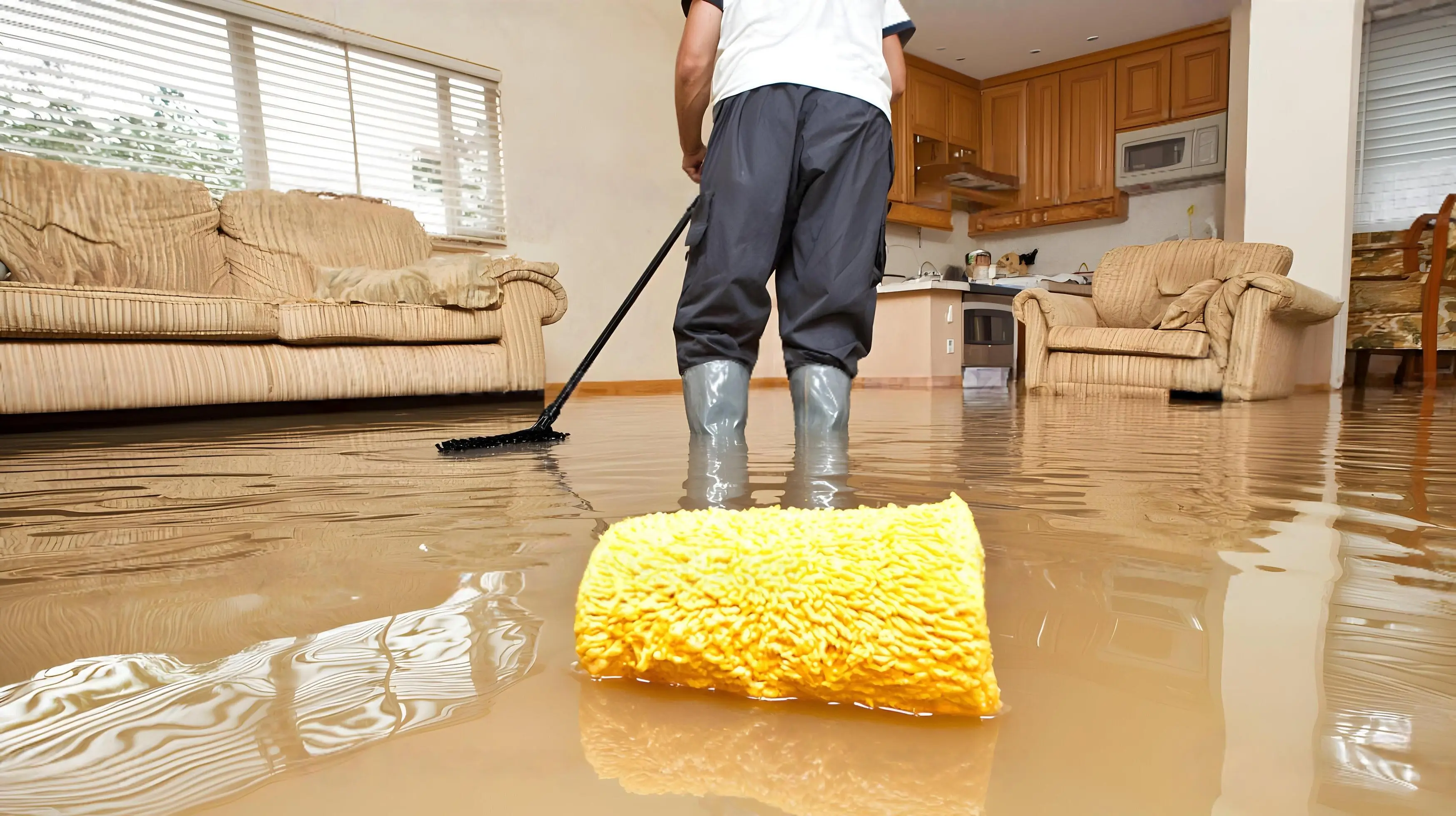
Water Damage Restoration
Burst pipes, storm flooding, standing water. We extract, dry, and restore before mold sets in.
Learn more
Smoke Damage Restoration
Soot residue, chemical odors, HVAC contamination. We decontaminate surfaces, eliminate odors, and restore air quality.
Learn more
Mold Remediation
Testing, containment, removal, prevention. We find the source, eliminate the growth, and stop it from returning.
Learn more
Sewage Cleanup
Sewer backups, contaminated water, biohazard. We extract, sanitize, and restore safely.
Learn more