
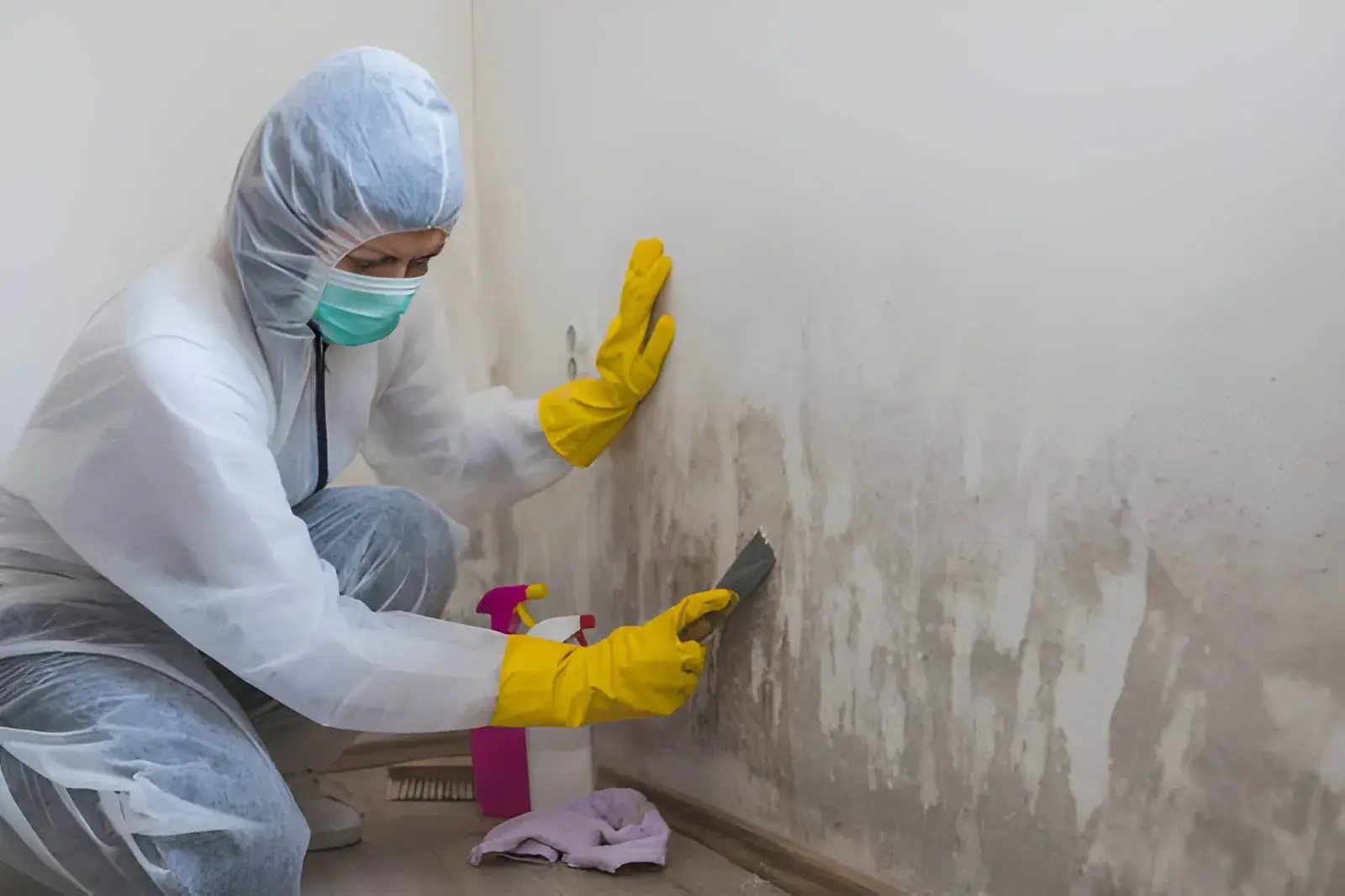
Mold Remediation in Evanston, IL
Mold spreads behind walls and beneath flooring where you cannot see it. Our local team provides professional testing, safe removal, and source correction for Evanston homes.
What Happens When You Call
A real person answers. We ask about what you are seeing, smelling, and any recent water events. We schedule your inspection and begin coordinating immediately.
Our team arrives with moisture meters, thermal imaging, and air sampling equipment. We identify all visible and hidden mold, trace the moisture source, and collect lab samples.
Samples are analyzed by an accredited laboratory to identify mold species and spore concentrations. Results guide the remediation approach and provide documentation for your insurance claim.
Containment established, negative air pressure activated, HEPA filtration running. Safe removal begins with full documentation at every step.
You found mold in your basement. Maybe behind the plaster during a renovation. Maybe a musty smell that has been getting worse for months. Maybe visible growth after a sewer backup or flood that was not properly dried. Whatever brought you here, the next step is the same: professional testing to understand what you are dealing with, followed by safe removal that eliminates the growth and corrects the moisture source so it does not return. Call now. We can help.
Why Evanston Homes Are Vulnerable to Mold
Mold needs three things to grow: moisture, organic material, and time. Evanston homes supply all three in abundance. The below-grade environment is naturally humid because the city sits on the Lake Michigan shore where the water table is high and groundwater presses against foundations year-round. The walls and ceilings of century-old homes are lined with plaster, lath, and old paper-faced insulation, the floors are framed in wood, and the basements are full. And because so many Evanston basements are finished living spaces that homeowners never inspect behind the walls, mold can grow for months or years before anyone discovers it.
Built on the lakefront in northern Cook County and served entirely by a combined sewer system, Evanston combines a high water table, dense century-old construction, and a climate that swings between humid summers and freeze-thaw moisture in winter. That makes the North Shore one of the more mold-prone environments in the region. Every water event that is not dried within 48 hours becomes a mold event, as the city saw after the July 2, 2023 storm dropped more than seven inches of rain and backed water up into basements across the area. And because Illinois law requires sellers to disclose known material defects, undiscovered mold can become a real financial liability when it is time to sell.
Lakefront Water Table and Chronic Basement Humidity
Evanston sits directly on Lake Michigan, and the eastern and low-lying neighborhoods carry a high groundwater table that keeps basements damp even between storms. Groundwater pressure forces moisture vapor through foundation walls and slabs continuously, and the lake keeps the city cooler and more humid than communities a few miles inland. That steady moisture raises humidity inside basement wall cavities above the threshold where mold grows. Homes without interior vapor barriers or active dehumidification, which describes much of Evanston's older housing, are especially vulnerable to chronic low-level dampness that feeds mold for months without any dramatic flooding event.
Sewer Backups Leave Contaminated Moisture Behind
Because Evanston is served entirely by a combined sewer that can surcharge during heavy rain, basement floor drains are a common entry point for contaminated water. A sewer backup leaves behind Category 3 water, which carries bacteria and organic material that accelerate mold growth far faster than clean water. Even after the visible water is pumped out, the moisture and contamination soak into drywall, plaster, and the wall-floor junction. Without professional drying and antimicrobial treatment, that residue becomes a fast-growing mold problem in exactly the spaces homeowners cannot see.
Plaster, Lath, and Old Materials Feed Mold
Evanston's century-old homes are built with materials that mold thrives on. Plaster over wood lath, old paper-faced insulation, original wood framing, and decades of accumulated organic dust all provide food for mold once moisture is present. Many of these homes were built before vapor barriers were standard, so the foundation walls and crawl spaces breathe moisture directly into the structure. When you combine porous, organic, century-old building materials with chronic lakefront dampness, you get an environment where mold can establish and spread inside walls long before any sign reaches the living space.
Post-Flood Mold from Inadequate Drying
Every sump pump failure, sewer backup, or pipe burst that is not professionally dried within 48 hours becomes a mold problem. The July 2, 2023 storm that dropped more than seven inches of rain on Evanston left many homeowners trying to handle the cleanup with shop vacuums and box fans. That removes standing water but does not dry wall cavities, plaster, carpet padding, or the concrete-to-framing junction where moisture lingers. Mold colonizes those hidden spaces within days and can grow undetected for months behind walls that look dry on the surface, so remediation later means removing finished materials to reach the contaminated structure behind them.
Ice Dams and Roof Leaks Feed Hidden Winter Mold
Evanston winters bring heavy snow and repeated freeze-thaw cycles, and the steep roofs of older homes are prone to ice dams. When attic heat melts snow that refreezes at the eaves, water backs up under the shingles and seeps into attic insulation, ceilings, and the tops of exterior walls. This moisture often goes unnoticed until spring, by which point mold has had weeks to colonize attic sheathing and wall cavities. Roof and flashing leaks on century-old homes do the same thing more slowly. Mold that starts high in the structure is just as serious as basement growth and is often discovered far later.
Finished Basements and Crawl Spaces Hide Growth
Many Evanston homes have finished basement living spaces, and many older houses sit over damp crawl spaces that are rarely entered. Both hide mold from view. In a finished basement, moisture entering through the foundation grows mold on the back of drywall, inside wall cavities, and beneath carpet padding where it is invisible from the room. In a crawl space, exposed soil and poor ventilation create a constant humidity source feeding mold on floor joists and subflooring above. By the time a musty odor or visible growth appears in the living space, the colony behind the scenes is usually far more extensive.
These factors create a cycle. The lakefront water table and combined sewer push moisture into the basement. Century-old materials hold it. Mold grows behind finished walls and in crawl spaces where no one can see it. A storm or sewer backup accelerates the growth. And because the spaces are finished or rarely entered, the homeowner does not discover the problem until it has spread. Professional remediation in Evanston means understanding this cycle: removing the mold is only half the job. Correcting the moisture source and preventing recurrence is what makes the remediation permanent rather than temporary.
What Happens to Your Home While You Wait
24–48 Hours
After a water event, or when humidity exceeds 60% consistently, mold spores that are naturally present in all air begin germinating on damp organic surfaces. Growth starts in hidden locations: the back side of drywall and plaster, inside wall cavities, beneath carpet padding against the slab. Nothing is visible yet from the living space.
1–2 Weeks
Colonies establish and begin producing spores. A musty odor may become noticeable. Mold spreads along drywall paper, plaster, and lath, and into insulation within the wall cavity. The affected area expands beyond the original moisture contact point as spores travel through air currents inside the wall.
1–3 Months
Extensive growth behind walls. Spore counts in the living space begin rising as colonies mature and release spores through outlets, gaps in baseboards, and any HVAC returns. Occupants may experience respiratory symptoms, allergic reactions, or persistent headaches. Visible mold may begin appearing on the room side of walls at seams and corners.
3+ Months
Structural materials begin degrading. Drywall paper and plaster are consumed. Wood framing and old-growth joists show visible fungal growth and may begin softening. Mold has likely spread to multiple wall cavities and potentially into the attic or any HVAC system. Remediation scope and cost increase significantly as more materials require removal. Health risks escalate for all occupants.
The earlier mold is identified and addressed, the smaller the remediation scope and the lower the cost. If you suspect mold in your Evanston home, contact X Response for professional testing. Knowing what you are dealing with is the first step.
How We Restore Mold-Affected Evanston Homes
Professional mold remediation is not surface cleaning. It is containment, safe removal, source correction, and verified clearance, in that order.
Inspection and Mold Testing
Our remediation specialists conduct a thorough inspection using moisture meters and thermal imaging to detect hidden moisture behind walls, under flooring, and inside ceiling cavities. In Evanston homes, we pay particular attention to the wall-floor junction, the back side of finished walls and plaster, crawl spaces, and the areas around plumbing penetrations and floor drains where moisture commonly enters. Air and surface samples are collected and sent to an accredited laboratory to identify the mold species present and measure spore concentrations. The inspection produces a detailed scope of work and the documentation your insurance company needs.
Containment and Negative Air Pressure
Before any mold is disturbed, the contaminated area is sealed off from the rest of the home using polyethylene sheeting and physical barriers. Negative air pressure is established inside the containment zone using exhaust fans that vent filtered air to the exterior. This pressure differential ensures that when mold spores are released during removal, they flow inward toward filtration equipment rather than escaping into unaffected areas. In basement and crawl space remediation, containment at the stairwell is critical to prevent spores from migrating to upper floors through natural air convection, and in attached two-flats and condos we also seal shared-wall penetrations.
Mold Removal and Antimicrobial Treatment
Contaminated porous materials that cannot be salvaged, such as mold-damaged drywall, plaster, insulation, carpet, and padding, are carefully removed, bagged in sealed polyethylene, and disposed of properly. Non-porous surfaces like wood framing and concrete are cleaned using HEPA-filtered vacuums, wire brushing, and sanding to remove all visible growth, with care taken around original woodwork worth preserving. After physical removal, every surface within the containment zone is treated with EPA-registered antimicrobial solutions to eliminate residual mold and inhibit regrowth. HEPA air scrubbers run continuously throughout the process to capture airborne spores. Every removed material is documented for your insurance claim.
Source Correction and Drying
This is the step that separates professional remediation from surface-level cleanup. Our team addresses the moisture source that caused the mold. In Evanston homes, that may mean repairing plumbing leaks, sealing foundation and wall-floor joints, recommending a backwater valve or improved drainage to reduce sewer backup risk, adding crawl space vapor barriers and dehumidification, or correcting attic ventilation that drives ice dams. The affected area is dried to target moisture levels using commercial dehumidifiers and air movers. Without correcting the source, mold returns no matter how thoroughly it was removed. We provide specific recommendations for long-term moisture management based on your home's age, construction, and the conditions we found.
Clearance Testing and Documentation
Once remediation and drying are complete, an independent clearance test is performed. Air and surface samples are collected and analyzed by an accredited laboratory to confirm that mold spore levels have returned to normal background concentrations. This clearance documentation proves the remediation was successful and provides the evidence needed for insurance claims, real estate transactions, and your own peace of mind. Under Illinois disclosure law, it protects your property value by demonstrating that a known issue was professionally resolved. A walkthrough with you confirms everything meets our standards and yours before the project closes.
The X Response Difference
Mold remediation done right means the problem is gone permanently, not temporarily. X Response delivers containment, removal, source correction, and verified clearance, the complete solution, not a surface treatment.
Insurance Claim Guidance for Evanston Homeowners
Mold coverage in Illinois depends entirely on what caused the mold. If mold resulted from a sudden, covered peril, such as a burst pipe, an appliance failure, or a roof leak from storm damage, remediation is typically covered under your homeowner's policy. If mold resulted from a sewer or drain backup, coverage depends on whether you carry the water backup endorsement, which is an important add-on in Evanston given the citywide combined sewer system. If mold resulted from chronic humidity, gradual seepage, or deferred maintenance, it is almost always excluded. The critical question is not "do I have mold?" but "what caused the moisture that allowed the mold to grow?"
How X Response Helps
- Identify and document the moisture source that caused the mold, which determines which coverage provision applies
- Provide lab testing results showing mold species and spore concentrations before and after remediation
- Document the full scope of contamination with photos, moisture readings, and a detailed work plan
- Align our remediation scope with standard insurance coverage categories
- Help you understand your specific policy language regarding mold coverage and any sublimits that may apply
X Response does not file claims on your behalf, adjust claims, or make coverage determinations. We provide documentation and guidance to help you make informed decisions about your property and your policy. Coverage decisions are made solely by your insurance carrier.
Certified Restoration Specialists Serving Evanston
When you contact X Response for mold remediation in Evanston, your team is drawn from certified professionals who work throughout the North Shore and northern Cook County and understand the specific conditions that drive mold growth here. They know how the lakefront water table and combined sewer create chronic moisture in below-grade spaces. They know how century-old plaster, lath, and crawl spaces hold dampness behind finished walls. They know where to look for hidden growth in homes that have weathered sewer backups, post-storm flooding, or years of elevated humidity without adequate dehumidification.
Every technician holds current IICRC certification in mold remediation and follows the IICRC S520 standard for professional work. As of January 1, 2025, Illinois requires mold remediation providers to hold third-party certification and register with the state under the Mold Remediation Registration Act, and our teams operate in line with those requirements. Equipment includes professional moisture meters and thermal imaging for hidden moisture detection, air sampling pumps for laboratory analysis, full containment systems with negative air machines, HEPA-filtered vacuums and air scrubbers, and commercial drying equipment for post-remediation moisture control.
In Evanston, X Response works with Scene Cleaners, an independent local restoration partner serving Cook County County.
Mold Remediation FAQ for Evanston Homeowners
Other Emergency Services in Evanston
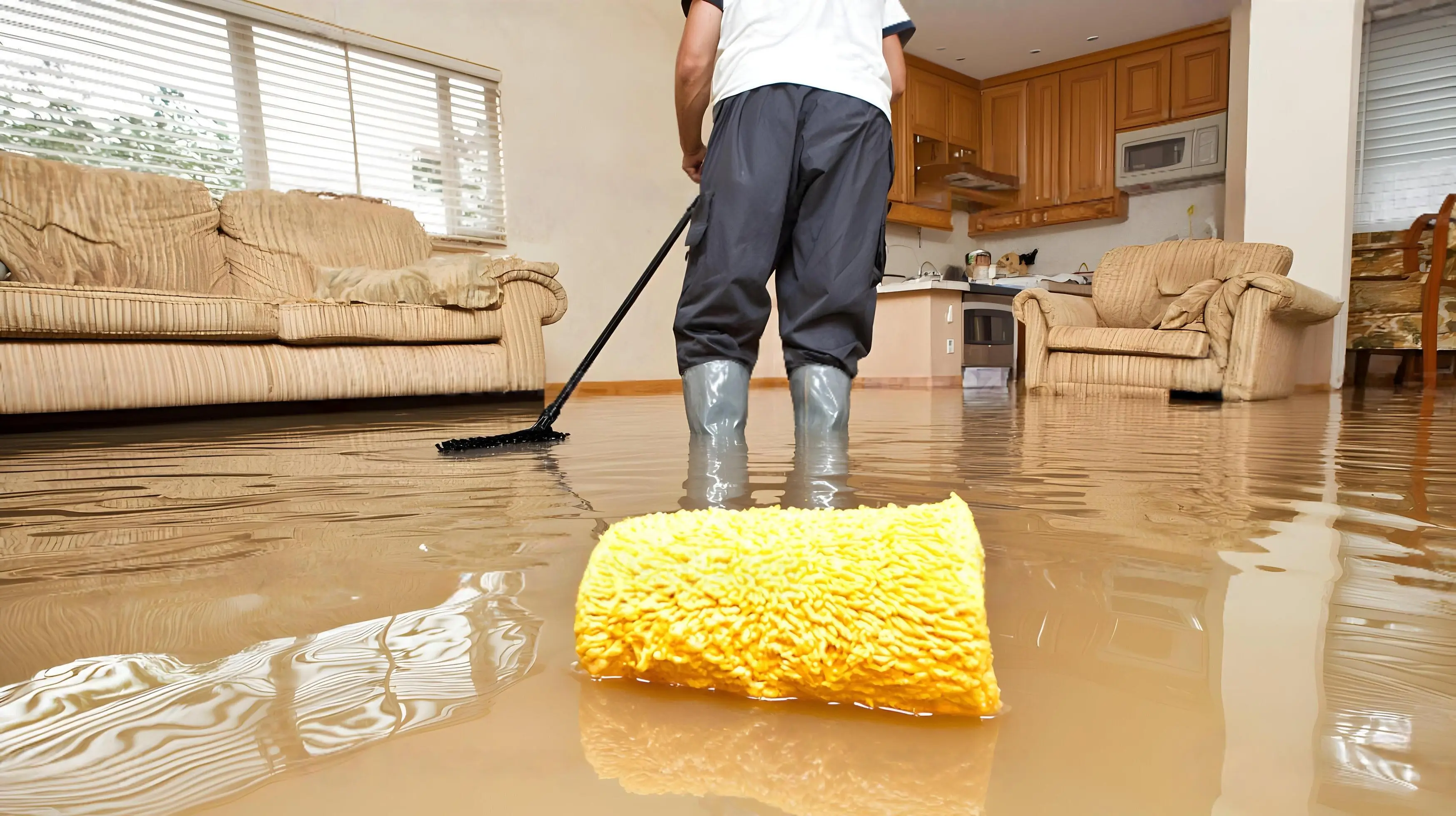
Water Damage Restoration
Burst pipes, storm flooding, standing water. We extract, dry, and restore before mold sets in.
Learn more
Fire Damage Restoration
Structural damage, soot, debris. We stabilize, clean, and rebuild what fire destroyed.
Learn more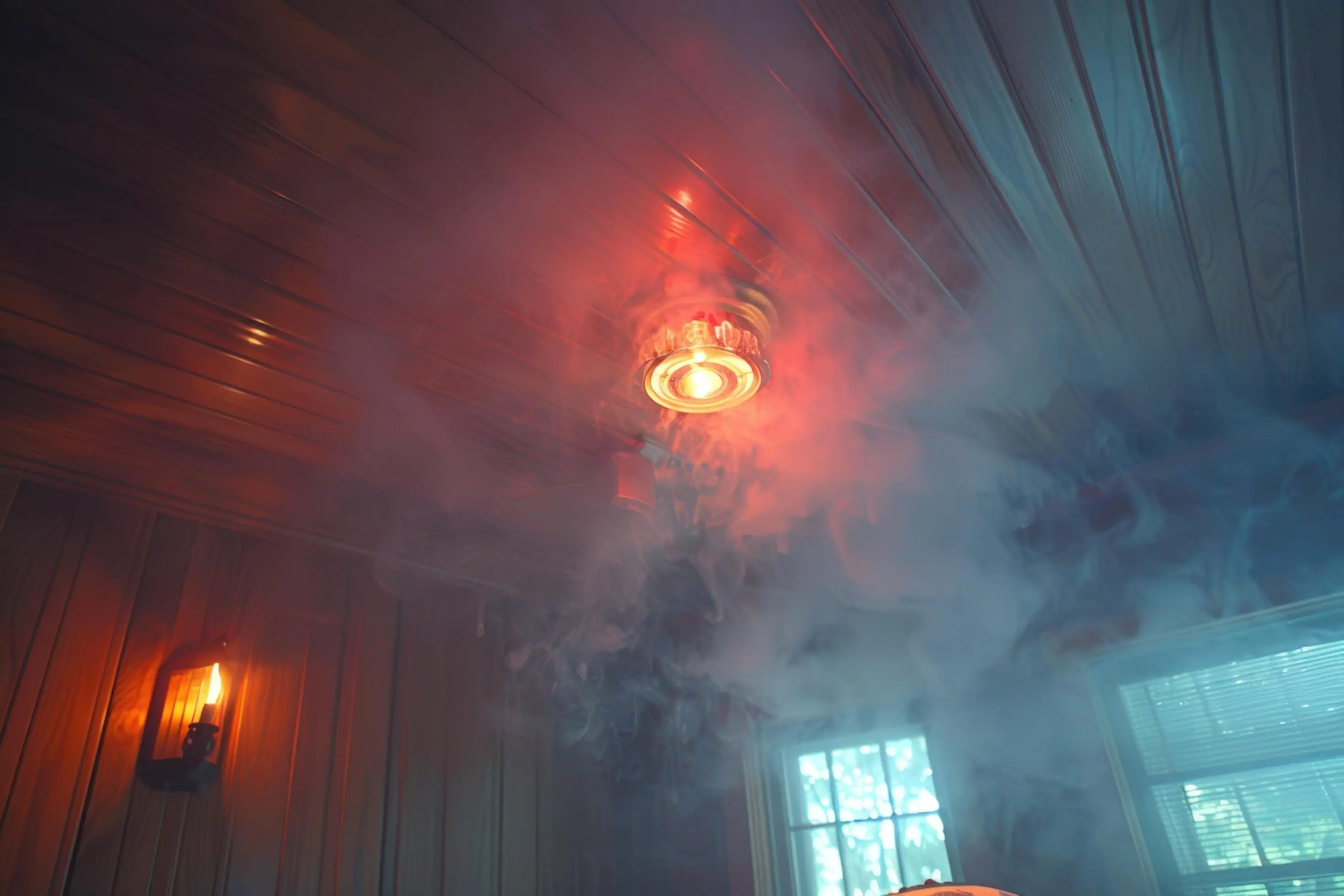
Smoke Damage Restoration
Soot residue, chemical odors, HVAC contamination. We decontaminate surfaces, eliminate odors, and restore air quality.
Learn more
Sewage Cleanup
Sewer backups, contaminated water, biohazard. We extract, sanitize, and restore safely.
Learn more