
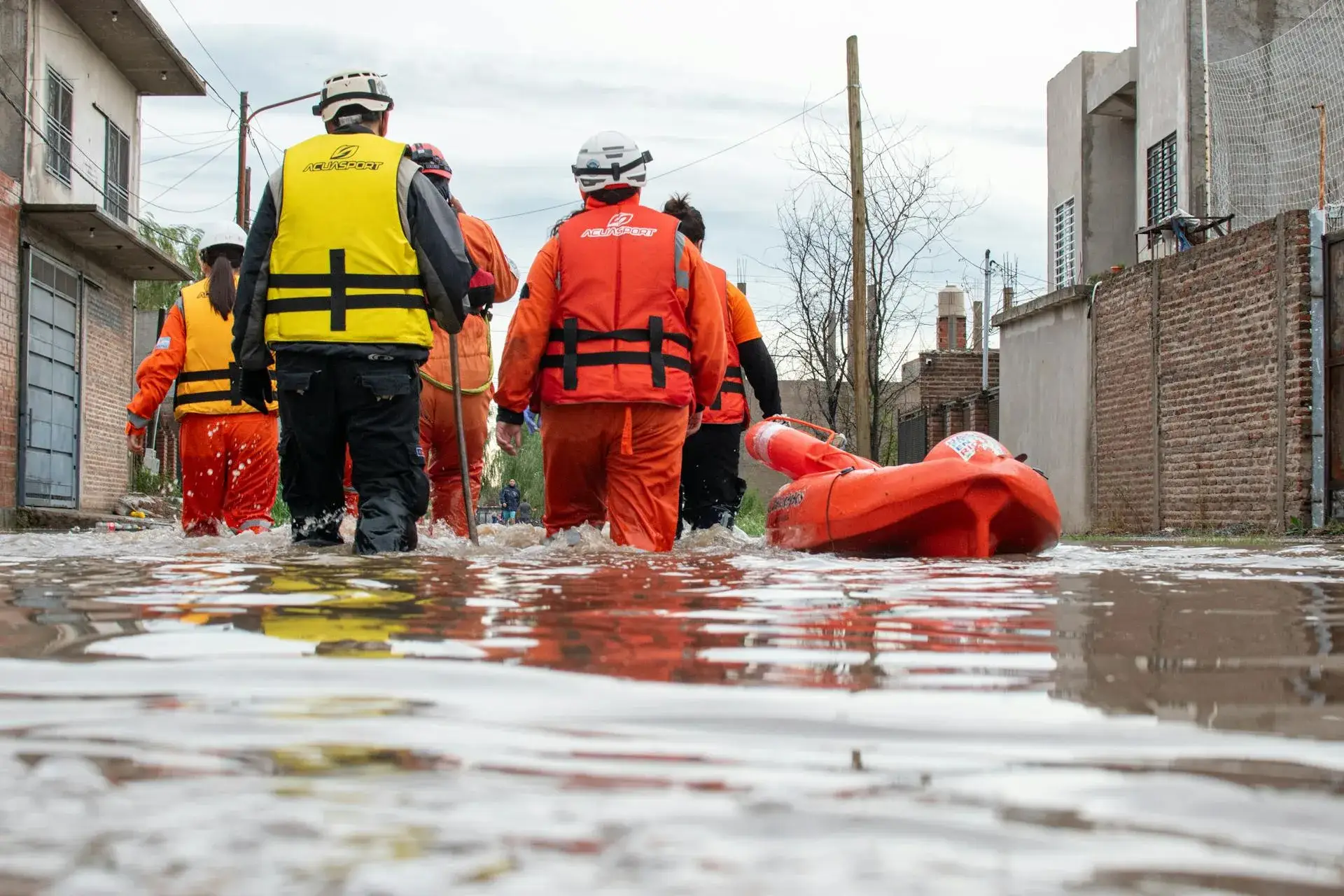
Water Damage Restoration in Evanston, IL
Every hour of standing water in your basement increases structural damage and mold risk. Our local team responds to Evanston emergencies within 60 minutes.
What Happens When You Call
A real person answers, not a call center. We assess your situation, ask the right questions, and begin coordinating your response immediately.
Your dedicated restoration team is dispatched from our local base serving Evanston and the surrounding North Shore suburbs.
Team arrives with industrial extractors, commercial dehumidifiers, and moisture detection equipment. Emergency mitigation begins in your basement.
Water extracted, drying equipment placed and calibrated, restoration plan documented. You know exactly what comes next.
Your basement is taking on water and you need it handled now. Not tomorrow, not after a callback queue. X Response exists for exactly this moment. When you reach out, your restoration team is mobilized within minutes and on site within the hour. From that point forward, one team manages everything: extraction, drying, documentation, and insurance guidance. You are never left wondering what happens next. Call now. Your team is standing by.
Why Evanston Homes Are Vulnerable to Water Damage
Evanston sits on the shore of Lake Michigan in northern Cook County, the first suburb north of Chicago and the southern anchor of the North Shore. Methodist business leaders founded the city in 1857, and it incorporated in 1863, six years after Northwestern University took root on the lakefront in 1851. That early start matters when you understand water damage here. Evanston is not a postwar subdivision of slab ranches. It is a dense, mature community of roughly 78,000 residents living in a housing stock that runs heavily to brick and masonry homes built between the 1890s and the 1930s, with many neighborhoods, including the Northeast Evanston, Lakeshore, Ridge, and Oakton historic districts, dominated by century-old construction. Nearly all of these homes have full basements, and those basements were built with the materials and drainage assumptions of a different era. That single fact shapes how water damage occurs in Evanston and why restoration here demands a different approach than a newer suburb.
The region receives close to 39 inches of precipitation a year along with roughly 38 inches of snow that melts off through late winter and spring. Lake Michigan moderates the temperature but adds its own complications. The lake keeps the lakefront cooler and damper than communities a few miles inland, a local effect often described as cooler by the lake, which means surfaces stay wet longer and basements near the shore contend with a persistently high water table. But the defining factor in Evanston water damage is below the streets. The entire city is served by a combined sewer system, meaning a single network of pipes carries both household sewage and stormwater runoff. When an intense storm hits, as happened on July 2, 2023, when more than seven inches of rain fell on Evanston in a single day, that combined system can fill faster than it can drain to the Metropolitan Water Reclamation District. The result is water and sewage pushing back up through basement floor drains, the signature water emergency in this city.
A Combined Sewer System Citywide
Unlike newer suburbs built with separate sanitary and storm sewers, Evanston is served entirely by a combined sewer system that carries household waste and stormwater in the same pipes. During heavy rain, stormwater can surcharge the system beyond capacity, and the excess pushes back up through the lowest openings in a home, which are almost always the basement floor drains. This is the single most common cause of basement water damage in Evanston, and it is why backwater valves, overhead sewer conversions, and the city's relief sewer work all exist in the first place.
Century-Old Homes and Aging Foundations
Much of Evanston's housing was built between the 1890s and the 1930s, with brick and masonry foundations, original clay tile drains, and cast iron plumbing. These materials degrade over a century of freeze-thaw cycles. Mortar joints loosen, foundation walls develop hairline cracks, and old drain tile clogs or collapses. Water that a newer poured-concrete foundation would shed instead seeps through porous masonry and pooled mortar joints. Restoring these homes requires understanding how moisture moves through old brick, plaster, and lath, not just how to dry modern drywall.
Lakefront Water Table and Lake-Effect Damp
Evanston's eastern neighborhoods sit close to Lake Michigan, where the groundwater table is high and basements near the shore stay damp even between storms. The lake keeps the city cooler and wetter than communities just a few miles inland, so surfaces and basements dry more slowly. A high water table presses constantly against foundation walls through hydrostatic pressure, finding any crack or weak mortar joint. Homes in low-lying pockets and near the lakefront face seepage that has nothing to do with a single storm and everything to do with where they sit.
Decades of Documented Basement Flooding
Sewage backing up into basements was a routine event in Evanston for more than 50 years, severe enough that the city launched a Long Range Sewer Improvement Program in 1990 and ultimately invested roughly 188 million dollars in a multi-phase combined relief sewer project. The work added larger relief sewers that carry overflow to the Metropolitan Water Reclamation District deep tunnel beneath the North Shore Channel, plus flow restrictors that hold back inlet flow during extreme storms. The improvements help enormously, but a 2021 Chicago Tribune report documented that low-lying neighborhoods still flood as storms grow more intense.
Harsh Winters, Frozen Pipes, and Ice Dams
Evanston winters are cold, snowy, and windy, with lows that fall into the teens and below zero during Arctic outbreaks. Pipes running through exterior masonry walls, unheated porches, and uninsulated basement perimeters are vulnerable to freezing, and a single burst supply line can release hundreds of gallons before anyone shuts the water off. Ice dams form on the steep roofs common to older Evanston homes when attic heat melts snow that refreezes at the eaves, forcing water back under the shingles and into wall cavities and ceilings. With roughly 38 inches of snow a year and repeated freeze-thaw swings, both are recurring winter threats.
Intense Storms Overwhelming the System
The July 2, 2023 storm dropped more than seven inches of rain on Evanston in a single day, ranking the city among the hardest hit in the region and forcing the closure of lakefront beaches for days afterward over contamination concerns. Storms of this intensity are becoming more frequent, and they overwhelm even an upgraded combined sewer designed for a 100-year event. When that much water arrives in a few hours, the system surcharges, surface water pools against foundations and window wells, and basements take on water regardless of how diligent a homeowner has been about maintenance.
These factors compound each other. A combined sewer surcharges during a downpour, a century-old foundation seeps under the same hydrostatic pressure, and a basement floor drain becomes the entry point for both. Or a January cold snap freezes a pipe in an exterior masonry wall, it bursts while the family is away, and by evening a finished basement has sustained catastrophic damage. Professional restoration in Evanston requires understanding combined sewer hydraulics, lakefront groundwater, and how moisture behaves in old masonry and plaster. It is a fundamentally different job than drying a slab home in Florida or a crawl space in Georgia.
What Happens to Your Home While You Wait
Within 1 Hour
Water spreads across the basement floor and begins wicking into drywall, plaster, baseboards, and any belongings stored at ground level. Carpet padding absorbs water like a sponge and holds it against the slab. If the basement is finished, the bottom of every wall starts drawing moisture upward.
1–24 Hours
Drywall and old plaster saturate upward through capillary action, often reaching 12 to 18 inches above the visible water line. Laminate flooring delaminates. Particle board furniture swells and breaks down. Metal framing and fasteners begin to corrode. Musty odors develop as bacteria multiply in the warm, wet environment.
24–48 Hours
Mold colonization begins behind wet drywall, inside wall cavities, and beneath carpet padding. In a finished basement with insulation between the studs, mold can establish in hidden spaces that are impossible to see without opening the wall. Drywall loses structural integrity and starts to sag.
48–72 Hours
Mold spreads to basement HVAC ductwork and can distribute spores to upper floors through the forced-air system. Contamination moves well beyond the original wet area. Restoration scope and cost climb as more materials require removal rather than drying in place.
One Week and Beyond
Extensive mold growth throughout basement wall cavities. If sewage from a combined sewer backup was involved, biological contamination makes the space hazardous. What started as a water extraction job becomes a full mold remediation, demolition, and rebuild project. Insurance claims grow more complex and more likely to be contested at this stage.
The difference between drying your basement in place and gutting it to the studs is often just a few hours of response time. Contact X Response now. Our Evanston team responds within 60 minutes.
How We Restore Water-Damaged Evanston Homes
From the moment our team arrives, every step is documented, measured, and verified. Here is exactly what the restoration process involves.
Emergency Assessment and Documentation
Our team arrives with thermal imaging cameras and professional moisture meters to map the full extent of water intrusion. In an older Evanston home, moisture travels behind plaster and lath, through brick foundation walls, and beneath flooring in ways that are invisible from the surface. We check wall cavities, the masonry perimeter, and the slab. We document everything with photos, moisture readings, and a written scope of work. This documentation guides the restoration plan and provides the evidence your insurance company needs to process your claim.
Water Extraction
Standing water is removed using truck-mounted and portable extraction units capable of pulling hundreds of gallons per hour. For basements with carpet, we extract from the carpet and pad separately, because pad holds many times its weight in water against the slab. Hard-surface floors require weighted extraction along the perimeter where water pools against masonry walls. If a combined sewer backup is the source, extraction is handled as contaminated water with the appropriate containment and disposal. Every gallon removed mechanically is a gallon that does not need to be evaporated, which shortens the drying timeline significantly.
Structural Drying and Dehumidification
This is the longest and most critical phase. We deploy commercial dehumidifiers and high-velocity air movers in a calculated pattern designed to create airflow across all wet surfaces. Evanston basements present unique drying challenges because they sit below grade with limited natural ventilation, and old brick and concrete release moisture slowly over days. Where drywall has absorbed water, we make strategic flood cuts to expose the wall cavity and allow airflow behind the wall. Our team returns daily to take moisture readings, reposition equipment, and verify progress. Equipment stays until meters confirm the structure has reached its dry standard.
Antimicrobial Treatment and Mold Prevention
Once surfaces are dry, we apply EPA-registered antimicrobial treatments to all affected areas. In basements where flood cuts were made, this includes treating the exposed wall cavity, studs, and the back side of any remaining drywall. HEPA air scrubbers run throughout the project to capture airborne spores and maintain indoor air quality. For homes where a combined sewer backup was involved, antimicrobial treatment is more extensive and covers every surface that contacted contaminated water. Illinois law requires sellers to disclose known mold issues, so thorough prevention and documentation protect both your health and your property value.
Quality Verification and Completion
Before we consider the job complete, a final inspection verifies that all moisture readings have returned to acceptable levels, all treated areas are clean and dry, and the scope of work has been fully executed. We provide you with completion documentation including before-and-after photos, final moisture readings, and a summary of all work performed. This record supports your insurance claim and gives you a clear account of what was done. If any area does not pass our quality check, we keep working until it does.
The X Response Difference
When you contact X Response, you get a dedicated restoration team that manages everything, from emergency mitigation through insurance documentation to final quality verification. One team, one point of contact, one standard of work from start to finish.
Insurance Claim Guidance for Evanston Homeowners
Water damage insurance claims in Illinois turn almost entirely on the source of the water. Standard homeowner's policies cover sudden and accidental events such as burst pipes, appliance failures, and ice dam leaks. However, the most common cause of basement flooding in Evanston, sewer and drain backup, is not covered under a standard policy. It requires a separate water backup and sump overflow endorsement. Because the entire city is served by a combined sewer that can surcharge during heavy rain, many Evanston homeowners carry this coverage, though some do not realize they need it until the basement floods. Flood damage from rising surface water falls outside both, requiring a separate NFIP or private flood policy entirely.
How X Response Helps
- Document all damage with professional photos, moisture readings, and a detailed scope of work from day one
- Identify the water source clearly, which determines which coverage applies under your policy
- Align our restoration scope with standard insurance coverage categories so your adjuster can process the claim efficiently
- Explain your policy's likely coverage before you file, so you understand your options and potential out-of-pocket exposure
- Guide you on timing: when to file, what to include, and what to expect from the process
X Response does not file claims on your behalf, adjust claims, or make coverage determinations. We provide documentation and guidance to help you make informed decisions about your property and your policy. Coverage decisions are made solely by your insurance carrier.
Certified Restoration Specialists Serving Evanston
When you contact X Response for a water damage emergency in Evanston, your restoration team is drawn from certified professionals who work throughout the North Shore and northern Cook County and understand the specific challenges of restoring homes in this area. They know how a combined sewer surcharges during a storm and pushes water up through floor drains. They know how moisture moves through century-old brick foundations, plaster, and lath. They have worked through the aftermath of sewer backups, frozen pipe bursts, and lakefront seepage across communities like Evanston, Skokie, and Wilmette. This is not a crew dispatched from across the Chicago metro. It is a local team with local knowledge, operating under national quality standards.
Every technician on your team holds current IICRC certification in water damage restoration and carries the appropriate Illinois state licensing for the work being performed. Equipment is commercial-grade and maintained to manufacturer specifications. When your team arrives, they bring everything needed to begin mitigation immediately, including basement-specific extraction tools, commercial dehumidifiers sized for below-grade environments, and containment equipment for contaminated water from sewer backups.
In Evanston, X Response works with Scene Cleaners, an independent local restoration partner serving Cook County County.
Water Damage Restoration FAQ for Evanston Homeowners
Other Emergency Services in Evanston
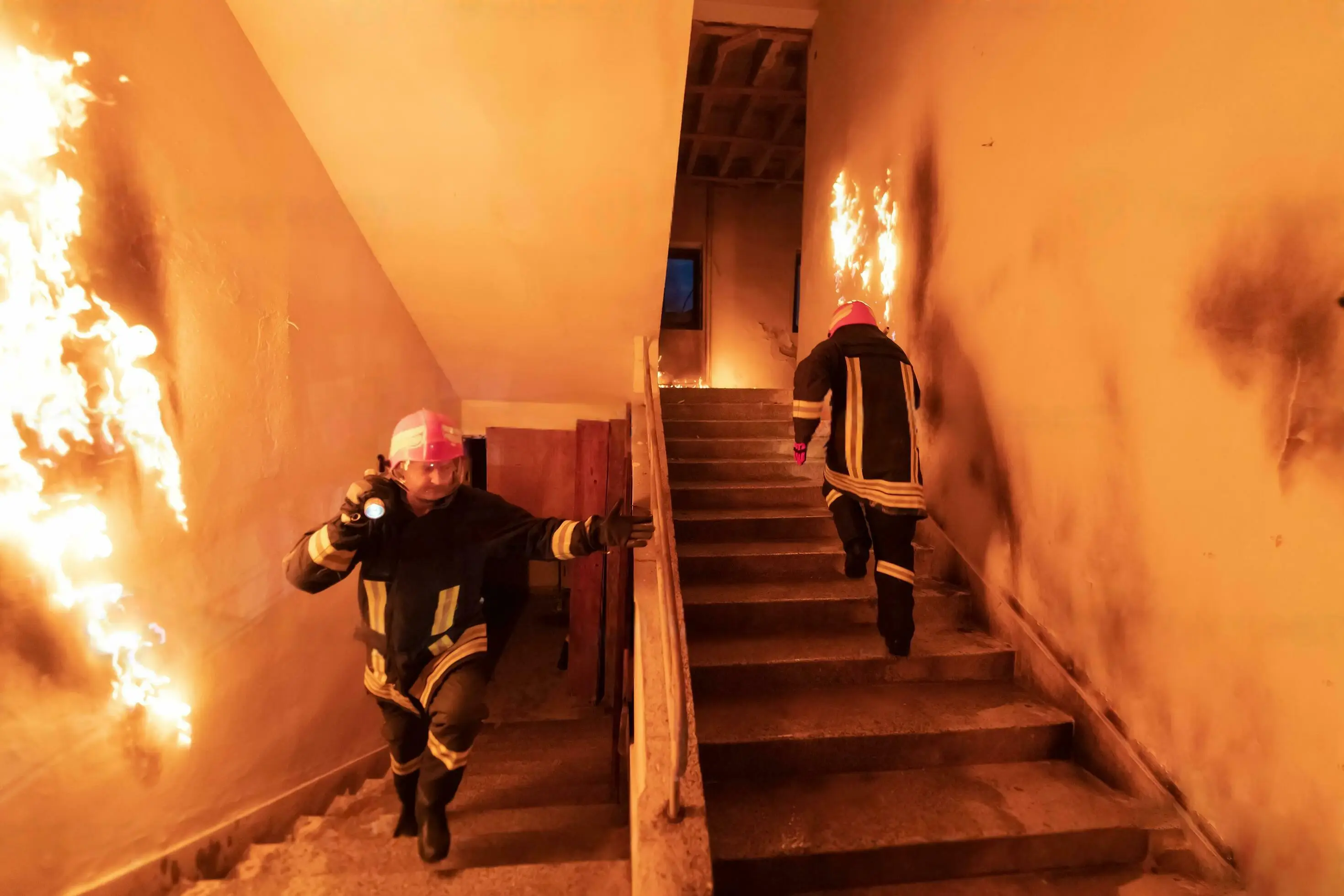
Fire Damage Restoration
Structural damage, soot, debris. We stabilize, clean, and rebuild what fire destroyed.
Learn more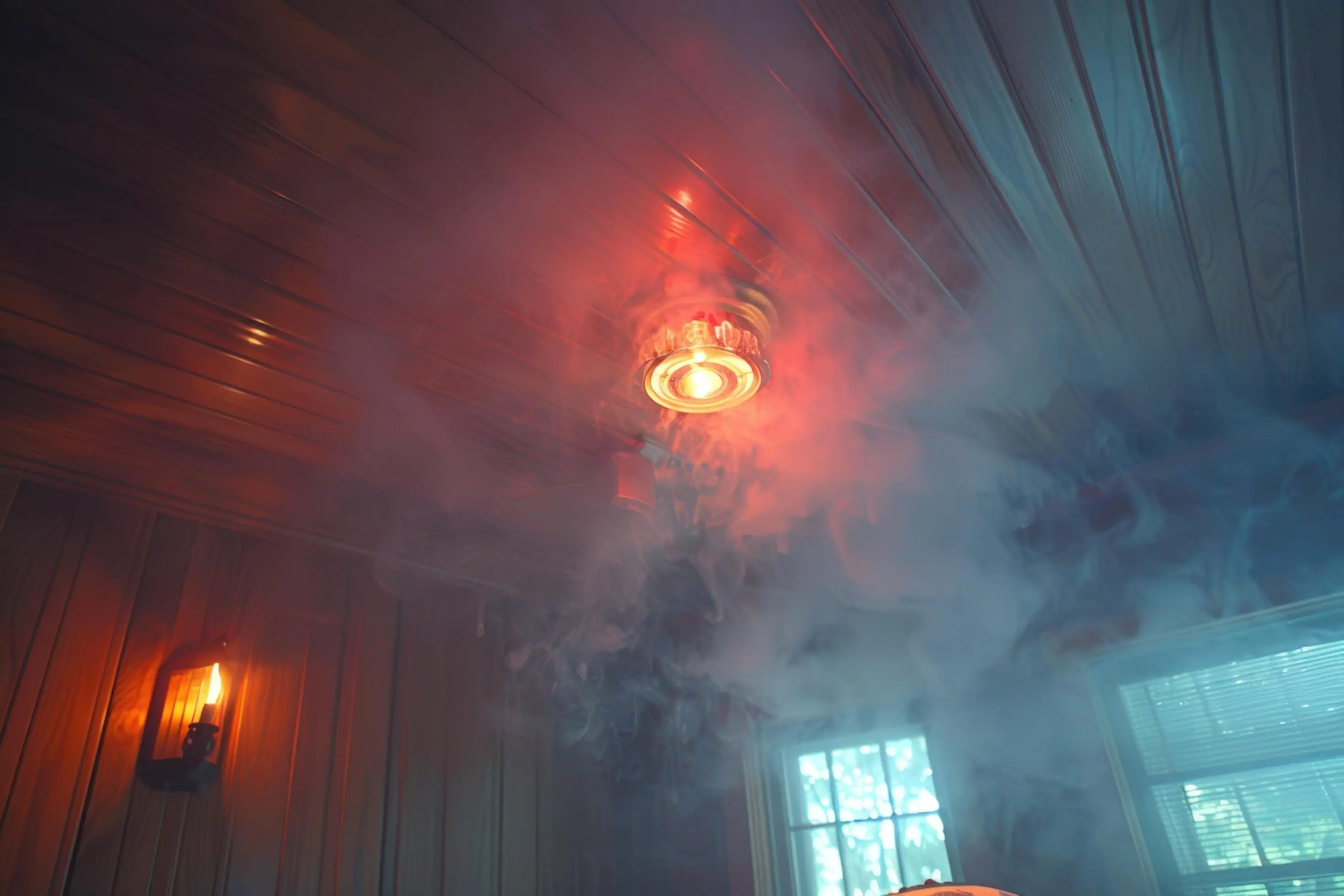
Smoke Damage Restoration
Soot residue, chemical odors, HVAC contamination. We decontaminate surfaces, eliminate odors, and restore air quality.
Learn more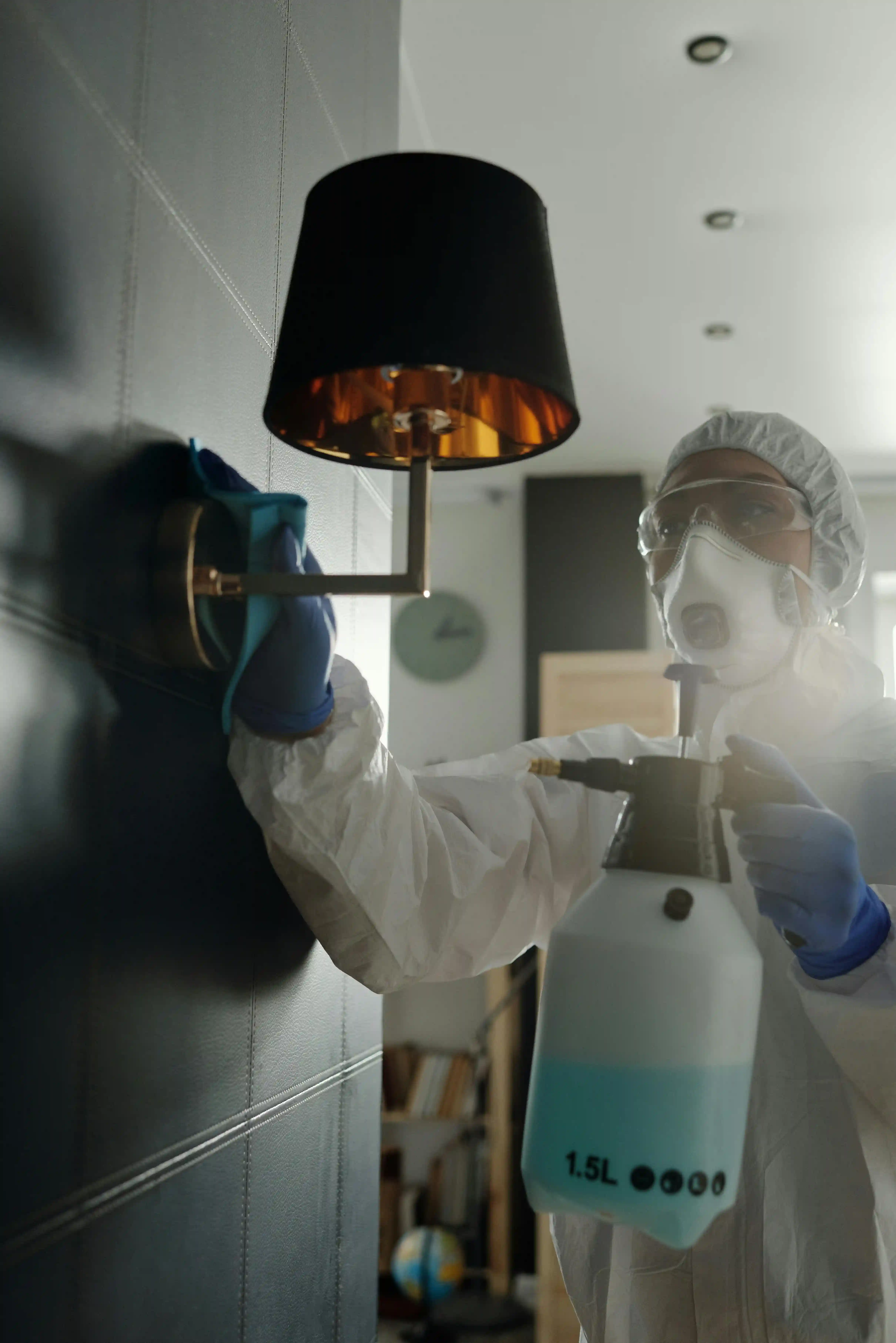
Mold Remediation
Testing, containment, removal, prevention. We find the source, eliminate the growth, and stop it from returning.
Learn more
Sewage Cleanup
Sewer backups, contaminated water, biohazard. We extract, sanitize, and restore safely.
Learn more