
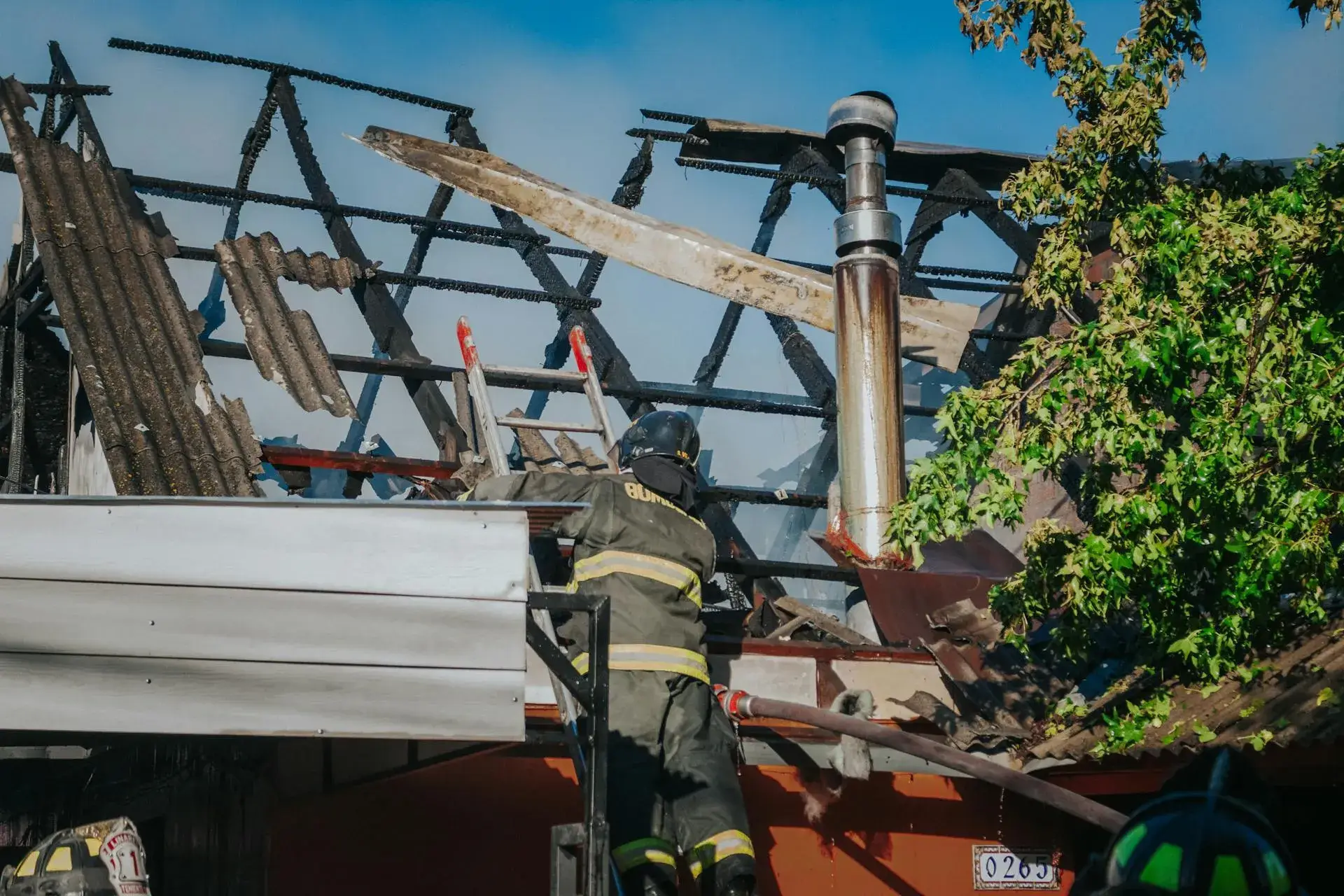
Fire Damage Restoration in Wilmette, IL
Fire damage spreads through smoke, soot, and moisture long after flames are out. Our local team responds to Wilmette emergencies within 60 minutes to stop secondary damage before it compounds.
What Happens When You Call
A real person answers, not a call center. We assess your situation, ask the right questions, and begin coordinating your response immediately.
Your dedicated restoration team is dispatched from our local base serving Wilmette and the surrounding North Shore communities.
Team arrives with board-up materials, air scrubbers, and assessment equipment. Emergency stabilization begins immediately to prevent further damage from weather, trespass, or structural failure.
Property secured, initial soot and smoke assessment documented, restoration plan outlined. You know exactly what comes next.
The fire is out, but the damage is still moving. Smoke residue, acidic soot, and the water used to fight the fire are all actively degrading your home right now. Every hour you wait, restoration becomes more complex and more expensive. X Response exists for exactly this moment. When you reach out, your restoration team is mobilized within minutes and on site within the hour. From that point forward, one team manages everything: stabilization, cleaning, structural assessment, and insurance documentation. Call now. Your team is standing by.
Why Wilmette Homes Are Vulnerable to Fire Damage
Wilmette is a village of 28,170 residents on Chicago's North Shore, situated in Cook County between Lake Michigan and the communities of Evanston, Kenilworth, and Skokie. The village's residential character is defined by its pre-war housing stock: thousands of homes built between the 1880s and 1940s in architectural styles from Victorian through Tudor Revival and Colonial Revival, many featuring balloon-frame construction, plaster-and-lath walls, and original wood trim that has dried over more than a century. The Wilmette Fire Department serves the entire village from a single station at 728 12th Street, responding to an average of 40 to 70 fire incidents annually according to National Fire Incident Reporting System data, with mutual aid agreements linking it to departments in Winnetka, Evanston, Glenview, Skokie, Kenilworth, and Northfield. The village's compact geography and dense development mean that structure fires often threaten adjacent properties, and the pre-war construction materials present specific challenges that differentiate Wilmette fire restoration from work in communities with predominantly modern building stock.
On February 17, 2015, a fire broke out at the Woman's Club of Wilmette, a landmark building at 930 Greenleaf Avenue that had housed the organization since 1910. Firefighters arriving at 9:44 a.m. found heavy smoke visible from two blocks away. Within an hour, the fire was upgraded to a box alarm, bringing mutual aid from a dozen surrounding departments and more than 50 firefighters to the scene. The roof collapsed, a north wall fell into an adjacent alley striking power lines, and firefighters were ordered out of the structure to fight the fire defensively. The blaze took more than seven hours to fully extinguish. A space heater in a second-floor apartment was the suspected ignition source, though an official cause was never formally determined. The fire destroyed irreplaceable artwork and historic documents accumulated over more than a century. The building required six years of reconstruction before reopening in late 2021. This event demonstrated how quickly fire overwhelms century-old construction, how mutual aid from neighboring communities is essential for major incidents, and how the insurance and rebuilding process for historic structures extends far beyond what homeowners typically expect.
Pre-War Construction and Balloon-Frame Fire Behavior
A significant portion of Wilmette's housing stock dates from before 1940, built using construction methods that differ fundamentally from modern homes in their fire behavior. Balloon-frame construction, common in homes built before 1930, uses continuous wall studs that run from the sill plate to the roof plate without horizontal fire blocking between floors. In platform-frame homes (the modern standard), each floor creates a natural fire stop. In balloon-frame homes, fire that reaches a wall cavity at the first floor can travel unimpeded to the attic through the continuous stud bays, spreading vertically in minutes rather than being contained to the floor of origin. Many Wilmette homes that were built as balloon-frame structures have never had fire blocking retrofitted because it requires opening finished walls. The restoration implications are significant: what appears to be a contained kitchen fire may have already spread through wall cavities to the attic before suppression arrives. Assessment must include opening wall and ceiling cavities to check for hidden fire extension, even in areas that show no visible damage from the living space.
Knob-and-Tube Wiring and Electrical Fire Risk
Wilmette's oldest homes, those built before the 1930s, were originally wired with knob-and-tube electrical systems. While many have been partially or fully rewired over the decades, it is common to find remnant knob-and-tube circuits in attics, wall cavities, and areas that were never renovated. Knob-and-tube wiring becomes a fire hazard when insulation is blown over it (trapping heat that the system was designed to dissipate into open air), when connections deteriorate and arc, or when circuits are overloaded beyond their original 15-amp design capacity by modern appliance loads. Electrical fires that originate in wall cavities or attic spaces often smolder for extended periods before flames become visible, producing significant smoke damage throughout the home before the fire itself is discovered. Restoration after an electrical fire in a pre-war Wilmette home frequently uncovers additional wiring deficiencies that must be addressed before the home can be re-occupied, extending the project scope beyond the fire damage itself.
The 2016 Fire Cluster and Aging Infrastructure
In the summer of 2016, the Wilmette Fire Department responded to six house fires in approximately five weeks between late July and late August, including fires on 9th Street, Elmwood Avenue, and other residential streets. Fire Chief Mike McGreal publicly noted the unusual concentration of incidents during this period. While each fire had its own cause, the cluster highlighted the accumulated risk in a community where much of the housing stock is 80 to 140 years old with original roofing assemblies, aged mechanical systems, and electrical infrastructure that predates modern safety standards. For homeowners, these incidents reinforced that fire risk in Wilmette is not theoretical but recurrent, and that the age of the surrounding housing stock means a neighbor's fire can produce smoke and soot damage to adjacent properties even when your own home's systems are maintained. The compact lot sizes typical of North Shore development, with homes sometimes only 10 to 15 feet apart, mean that radiant heat and ember exposure during a neighbor's fire can damage siding, roofing, and window assemblies on adjacent homes.
Water Damage From Fire Suppression
Structure fires in Wilmette homes almost always produce a secondary water damage event from the suppression effort itself. Fire hoses deliver hundreds of gallons per minute, and that water cascades through the structure from the point of application downward. In Wilmette's multi-story homes with finished basements, suppression water that enters on the second floor can travel through the first floor and into the basement, damaging areas far removed from the fire itself. Plaster-and-lath walls absorb suppression water and hold it against wood lath for days, creating concealed moisture pockets that foster mold growth if not identified and dried. Hardwood floors that survived the fire itself can be destroyed by suppression water that pools beneath them and causes cupping, buckling, or delamination. The restoration process must address both the fire damage and the water damage simultaneously, treating suppression water under the same extraction and drying protocols used for any water intrusion event, with the added complexity of soot contamination in the water itself.
Smoke Migration in Interconnected Spaces
Smoke and soot from a structure fire do not respect room boundaries. They travel through HVAC ductwork, around door frames, through electrical outlets and plumbing penetrations, and via any air pathway that connects the fire origin to other areas of the home. In Wilmette's older homes, the abundance of air pathways is far greater than in modern construction. Balloon-frame wall cavities act as chimneys during a fire and as smoke highways afterward. Gaps around old cast-iron plumbing stacks provide vertical smoke paths between floors. Original HVAC ductwork, especially gravity-fed systems in the oldest homes, distributes smoke particles to every room with a register. The result is that a fire contained to a single room can produce smoke damage throughout an entire 3,000 to 4,000 square foot home. Professional restoration requires identifying every affected surface and material, which in pre-war homes means inspecting inside wall cavities, above plaster ceilings, in attic spaces, and throughout ductwork, not just cleaning the visible soot on exposed surfaces.
Fire restoration in Wilmette is shaped by the community's architectural heritage. The balloon-frame construction, the knob-and-tube wiring remnants, the plaster-and-lath wall systems, the compact lot spacing, and the multi-story layouts all create fire behavior and smoke migration patterns that differ from what restoration crews encounter in newer suburban communities. Effective restoration here requires understanding how fire moves through century-old structures, how smoke finds pathways that modern homes do not provide, and how suppression water interacts with plaster, hardwood, and dimensional lumber in ways that drywall and engineered materials do not replicate. The Woman's Club fire demonstrated at a community scale what individual homeowners face in miniature: fire in historic structures spreads faster, fights harder, damages more extensively, and recovers more slowly than in modern construction.
What Happens to Your Home While You Wait
Within 1 Hour
Soot particles settle on every horizontal surface and begin bonding to finishes. Acidic smoke residue starts etching metal fixtures, appliance surfaces, and glass. Suppression water pools on floors and begins wicking into wall cavities and beneath hardwood flooring. In Wilmette's pre-war homes with balloon-frame walls, smoke continues to circulate through open stud bays even after the fire is out, depositing soot in areas far removed from the origin. Emergency board-up prevents weather intrusion through broken windows and compromised roof sections.
1–24 Hours
Soot bonds permanently to porous surfaces like plaster, unfinished wood, and fabric upholstery if not addressed. Acidic residues corrode chrome, copper, and brass fixtures. Smoke odor penetrates deeply into soft furnishings, clothing, and porous building materials. Suppression water begins causing secondary damage: hardwood floors cup, plaster absorbs moisture and softens, and wood lath behind plaster walls holds water against the framing. The distinction between cleanable surfaces and those requiring replacement shifts rapidly during this window.
24–48 Hours
Permanent staining sets into countertops, porcelain, and light-colored finishes. Smoke-damaged HVAC ductwork continues distributing odor particles with every fan cycle. Mold begins colonizing in moisture-trapped areas from suppression water, particularly behind plaster walls and beneath flooring where water sits without airflow. Metal surfaces develop visible corrosion. Restoration scope and cost increase substantially as more materials cross the line from cleanable to requiring replacement.
48–72 Hours
Soot and smoke residues cause irreversible yellowing of walls, ceilings, and painted surfaces throughout the home. Suppression water trapped in wall cavities produces active mold growth. Wood structural members at connection points swell from moisture absorption. The combination of fire, smoke, and water damage creates a compound remediation scope that grows more complex and expensive with each day of delay.
One Week and Beyond
Extensive secondary damage from neglected suppression water, including mold throughout wall cavities and beneath flooring systems. Smoke odor becomes deeply embedded in structural materials and cannot be removed by surface cleaning alone; thermal fogging, ozone treatment, or material replacement becomes necessary. Corrosion damage to mechanical systems, wiring, and fixtures may require full replacement rather than cleaning. Insurance claims grow more complex as carriers question the boundary between fire damage and neglect-related secondary damage.
Fire damage does not stop when the flames go out. Smoke, soot, and suppression water continue degrading your home every hour. Contact X Response now. Our Wilmette team responds within 60 minutes to begin stabilization.
How We Restore Fire-Damaged Wilmette Homes
From the moment our team arrives, every step is documented, measured, and verified. Here is exactly what the fire damage restoration process involves for Wilmette properties.
Emergency Stabilization and Board-Up
Our first priority is securing your property against further damage. We board up broken windows, tarp compromised roof sections, and secure any openings that allow weather, animals, or unauthorized access. In Wilmette's pre-war homes where structural integrity may be compromised by fire damage to load-bearing elements, we assess immediate safety concerns and coordinate with the Wilmette Fire Department and building officials if structural shoring is needed. We establish perimeter protection for adjacent properties if debris or continued smoke pose a risk. This work begins immediately upon arrival so that no additional damage accumulates while the full restoration scope is being determined.
Damage Assessment and Scope Documentation
Once the property is secured, we conduct a thorough assessment of all fire, smoke, and water damage. In Wilmette homes with balloon-frame construction, this means opening wall and ceiling cavities to check for hidden fire extension beyond the visible burn area. We inspect attic spaces, crawl spaces, wall cavities at every floor transition, and the full length of HVAC ductwork. Thermal imaging identifies hot spots and moisture from suppression water. Every damaged area is documented with photographs, measurements, and a detailed written scope. This documentation serves both the restoration plan and your insurance claim. For homes with historic architectural elements, we note which original features can be restored versus which require replacement, information that matters for both insurance valuation and preservation.
Smoke and Soot Removal
Professional smoke and soot removal uses techniques matched to the surface type and the chemical composition of the smoke residue. Protein-based soot from kitchen fires requires different cleaning agents than synthetic soot from burning plastics or petroleum-based residues from structural fires. In Wilmette's older homes, cleaning plaster walls, original woodwork, and hardwood floors requires methods that remove soot without damaging the underlying surface. We clean all affected structural surfaces, contents, and HVAC components. Air scrubbers with HEPA and activated-carbon filtration run continuously during this phase to remove airborne particulates and volatile organic compounds. Thermal fogging or hydroxyl generators may be deployed to neutralize smoke odors embedded in porous materials that survive the fire.
Water Extraction and Structural Drying
Suppression water creates a parallel water damage event that must be addressed simultaneously with fire damage. We extract standing water, remove saturated materials that cannot be salvaged (particularly porous materials contaminated with both soot and water), and deploy commercial dehumidifiers and air movers to dry the structure. In Wilmette homes with plaster-and-lath walls, trapped suppression water behind walls requires monitoring and in some cases directed drying through access points cut into the plaster. Hardwood floors with suppression water beneath them need extraction from below if accessible, or surface extraction with weighted tools. The drying protocol accounts for the soot contamination in the suppression water, which can spread secondary damage to previously unaffected materials if not managed properly.
Structural Repair and Reconstruction
Once cleaning, decontamination, and drying are complete, structural repairs and reconstruction begin. This ranges from replacing drywall and repainting in minor incidents to full structural rebuilding of fire-compromised framing, roofing, and exterior walls in severe events. In Wilmette's historic homes, reconstruction may involve matching original architectural details, sourcing period-appropriate materials, or working with the village's historic preservation guidelines. We manage the full reconstruction process, coordinating licensed trades for electrical, plumbing, HVAC, and finish work. Throughout reconstruction, we maintain the documentation trail that connects every repair to the original fire damage, ensuring your insurance claim remains coherent and defensible.
The X Response Difference
When you contact X Response after a fire in Wilmette, you get a team that handles everything, from the first board-up through final reconstruction, with the expertise to work correctly in your home's specific construction type. One team, one standard, one outcome.
Insurance Claim Guidance for Wilmette Homeowners
Fire damage insurance claims in Illinois are generally more straightforward than water damage claims because standard homeowner's policies cover fire as a named peril without the endorsement complexities of water and sewer coverage. However, the claim process for fire damage in Wilmette's pre-war homes introduces its own complications. Replacement cost versus actual cash value disputes arise when original materials (old-growth hardwood, leaded glass, hand-carved trim) cost significantly more to replicate than their depreciated value. Code upgrade requirements trigger when rebuilding fire-damaged sections of homes built before current building codes, potentially requiring the homeowner to bring the entire affected area up to current electrical, structural, and energy codes at additional cost that may or may not be covered depending on policy terms. Smoke damage to areas distant from the fire itself can be disputed as to whether it constitutes covered fire damage or pre-existing condition. And the timeline for claims on historic properties often extends well beyond standard resolution periods because of material sourcing delays and specialized trade availability.
How X Response Helps
- Document all fire, smoke, and water damage with professional photos, measurements, and a detailed scope of work immediately after the incident
- Identify and inventory all damaged contents with pre-loss value documentation where available
- Document original architectural features and materials that require specialized replacement or restoration
- Track code-upgrade requirements triggered by the fire damage so coverage under your policy's ordinance-or-law provision can be evaluated
- Maintain a continuous documentation trail connecting every repair to the original fire event, preventing gaps that carriers can dispute
X Response does not file claims on your behalf, adjust claims, or make coverage determinations. We provide documentation and guidance to help you make informed decisions about your property and your policy. Coverage decisions are made solely by your insurance carrier.
Certified Restoration Specialists Serving Wilmette
When you contact X Response for fire damage restoration in Wilmette, your team is drawn from certified professionals who work across the North Shore and understand the specific challenges of restoring fire-damaged properties in communities with historic housing stock. They know how balloon-frame construction allows fire to spread vertically through open stud bays, how plaster-and-lath walls hold suppression water against framing members, how smoke migrates through the abundant air pathways in pre-war homes, and how original architectural details require specialized cleaning and restoration rather than wholesale demolition. They have worked through structure fires in pre-war North Shore homes, kitchen fires that extended into adjacent spaces through unblocked wall cavities, electrical fires originating in aged wiring systems, and smoke damage events from neighboring properties separated by only 10 to 15 feet. This is not a generic crew applying one-size-fits-all methods. It is a team that understands how fire behaves differently in the kind of home you own.
Every technician on your team holds current IICRC certification in fire and smoke restoration (FSRT) and carries the appropriate Illinois state licensing for the work being performed. Equipment includes HEPA air scrubbers, hydroxyl generators for odor neutralization, thermal imaging for hidden damage detection, commercial dehumidifiers for suppression water management, and the full range of cleaning and decontamination tools required for fire restoration. For structural repairs and reconstruction, we coordinate licensed trades with experience working on pre-war North Shore homes, including electricians familiar with upgrading knob-and-tube remnants, plasterers capable of matching original finishes, and carpenters who can replicate period millwork and trim profiles.
In Wilmette, X Response works with Scene Cleaners, an independent local restoration partner serving Cook County.
Fire Damage Restoration FAQ for Wilmette Homeowners
Other Emergency Services in Wilmette
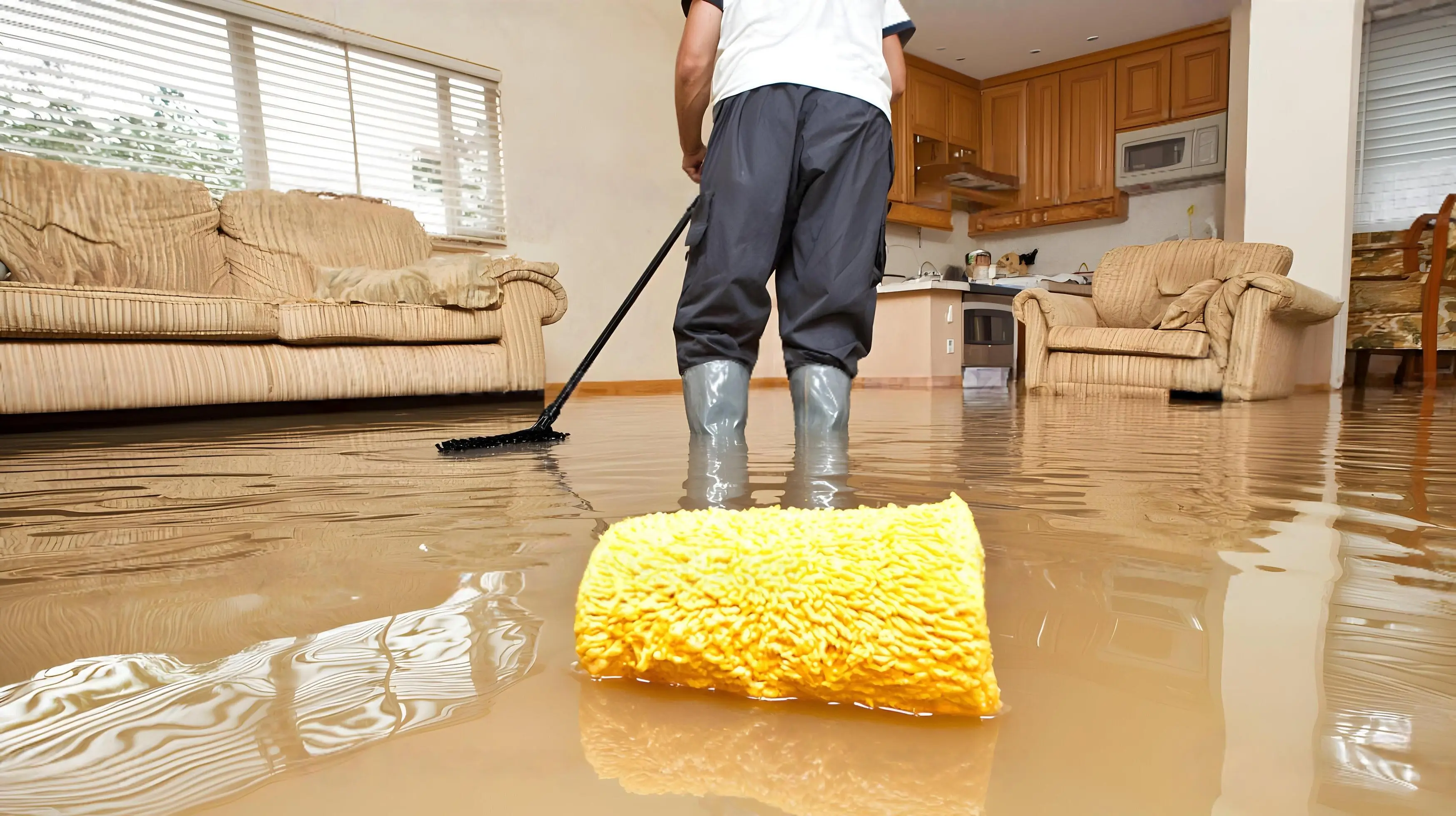
Water Damage Restoration
Burst pipes, storm flooding, standing water. We extract, dry, and restore before mold sets in.
Learn more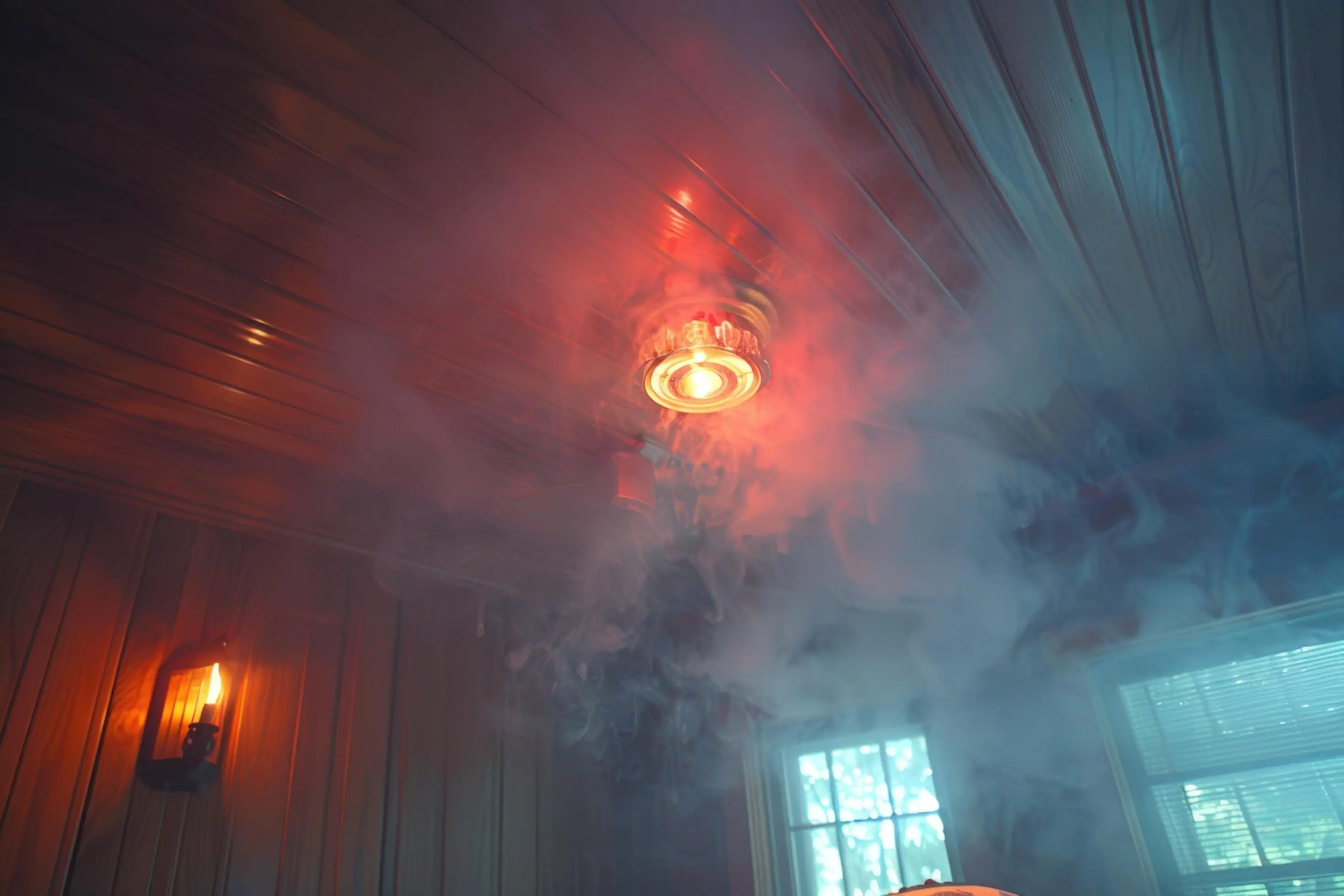
Smoke Damage Restoration
Soot residue, chemical odors, HVAC contamination. We decontaminate surfaces, eliminate odors, and restore air quality.
Learn more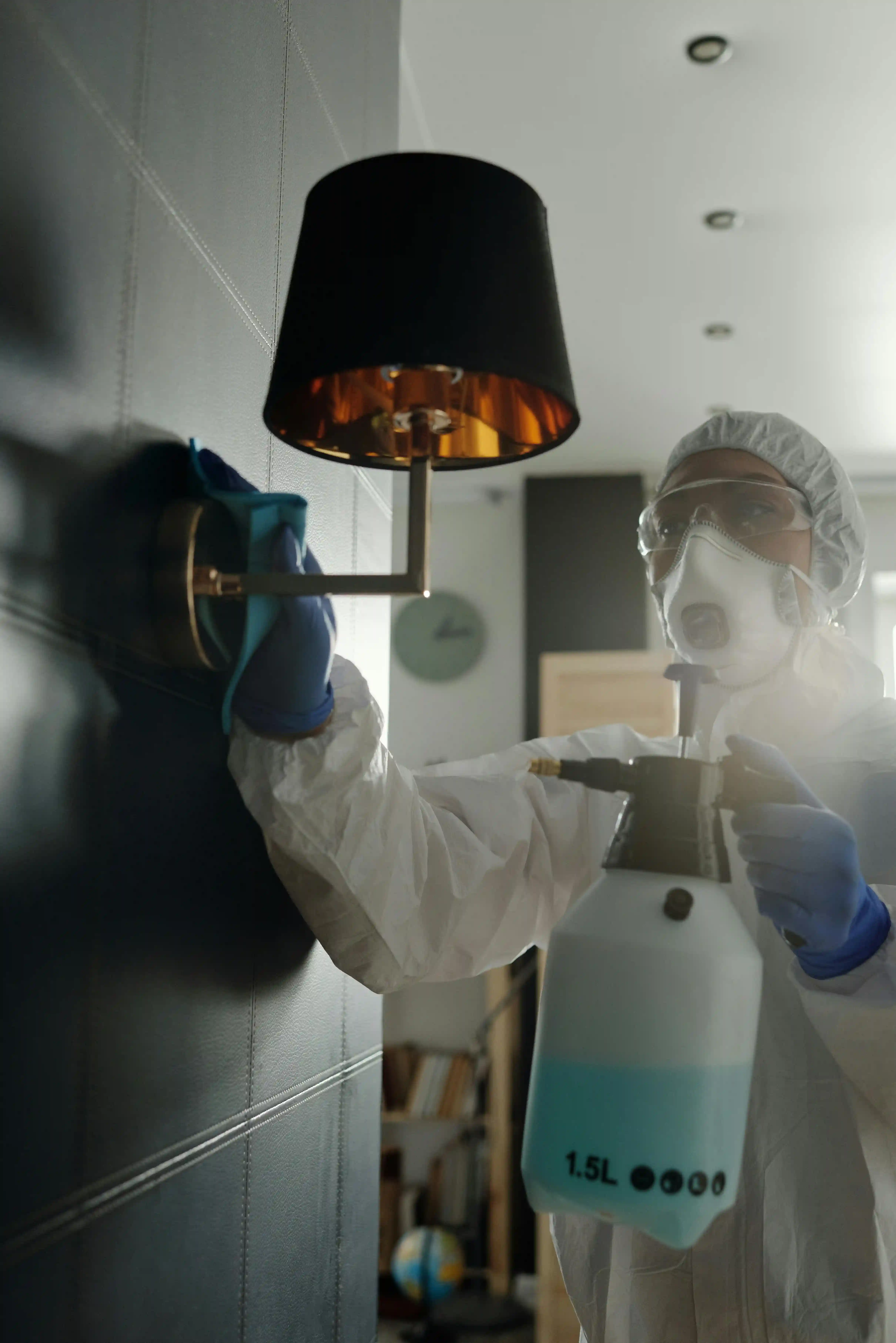
Mold Remediation
Testing, containment, removal, prevention. We find the source, eliminate the growth, and stop it from returning.
Learn more
Sewage Cleanup
Sewer backups, contaminated water, biohazard. We extract, sanitize, and restore safely.
Learn moreNearby Service Areas
Also serving nearby: