
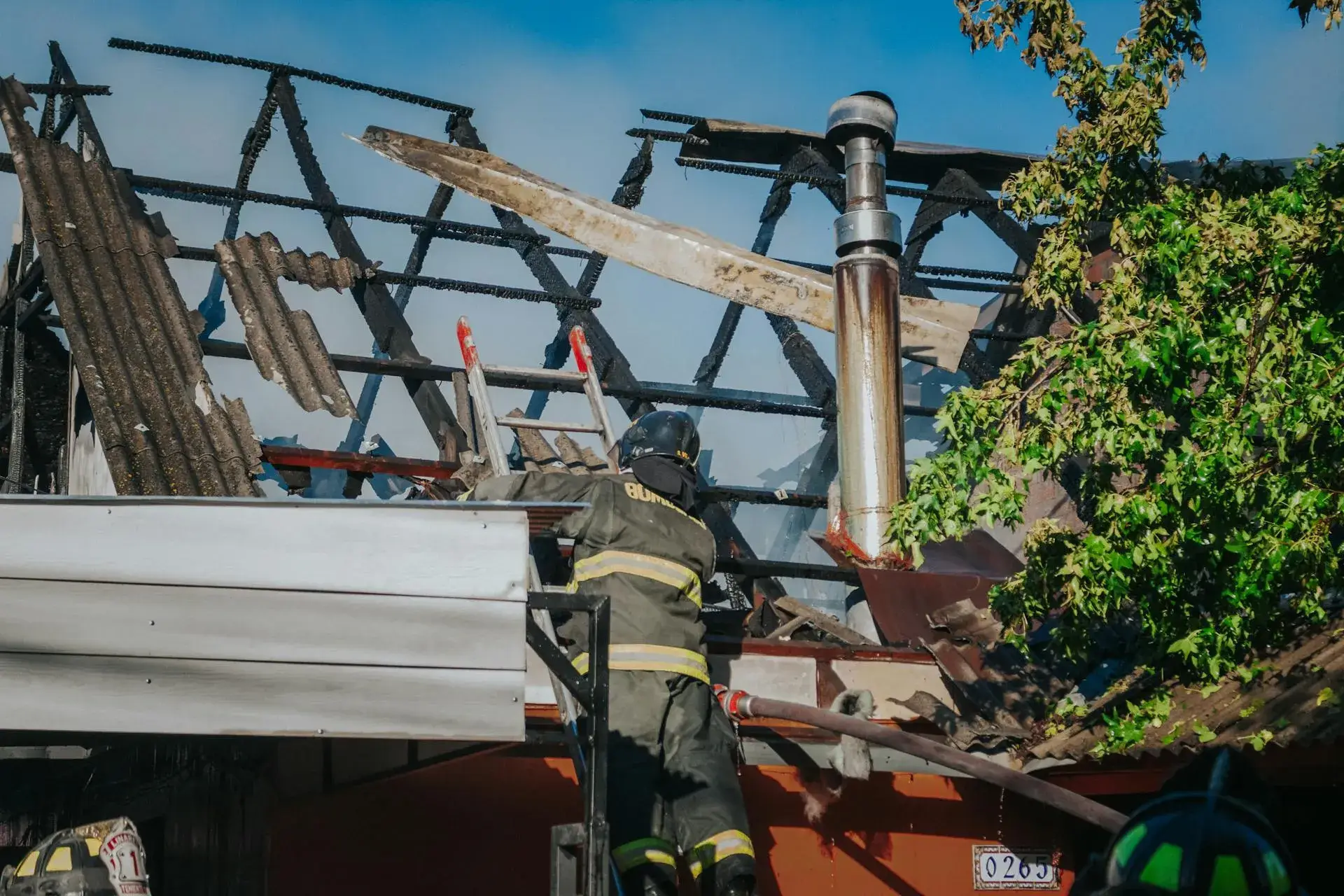
Fire Damage Restoration in Streamwood, IL
Fire damage compounds every hour as soot corrodes surfaces, smoke penetrates deeper into materials, and structural integrity remains uncertain. Our team responds to Streamwood emergencies within 60 minutes.
What Happens When You Call
A real person answers, not a call center. We assess your situation, confirm fire department clearance, and begin coordinating your response immediately.
Your dedicated restoration team is dispatched from our local base serving Streamwood and the surrounding northwest Cook County communities.
Team arrives with board-up materials, structural assessment tools, and initial cleaning equipment. Emergency stabilization begins immediately.
Property secured, initial damage documented, restoration plan outlined. You know exactly what comes next and what the timeline looks like.
Your home just experienced a fire. Whether the flames were contained to one room or spread through the structure, you need a team on site now, not tomorrow, not after the insurance company sends someone. X Response exists for exactly this moment. When you reach out, your restoration team is mobilized within minutes and on site within the hour. From that point forward, one team manages everything: emergency stabilization, damage assessment, soot removal, structural cleaning, and rebuild coordination. Call now. Your team is standing by.
Why Streamwood Homes Are Vulnerable to Fire Damage
Streamwood is a village of approximately 39,577 residents in Cook County, Illinois, protected by the Streamwood Fire Department from two stations serving a 7.85-square-mile jurisdiction. The village's housing stock spans nearly seven decades, from prefabricated ranch homes built in the late 1950s by Maxon Construction Company through split-level and two-story homes from the 1970s and 1980s to custom residences on wooded lots built in the 1990s and later. This architectural diversity means the fire department and restoration teams encounter fundamentally different construction methods, materials, and structural systems depending on the neighborhood and era. The Streamwood Fire Department maintains mutual aid agreements with neighboring departments including Schaumburg, a pact formalized in 1992 that provides automatic dispatch of neighboring companies to fires near jurisdictional boundaries. The village's location within Schaumburg Township, surrounded by Hoffman Estates, Hanover Park, Bartlett, and Roselle, means that major fires often draw resources from multiple departments simultaneously.
In June 2025, a basement fire in the 1200 block of North Green Meadows Boulevard in Streamwood killed three members of one family after flames and smoke trapped them in the two-story home. The Streamwood Fire Department responded at approximately 1:15 a.m. and found fire and smoke coming from the structure, with a large fire located and extinguished in the basement. Three victims were found trapped inside; paramedics performed life-saving measures on all three, but a father and his adult son died at the scene and a third family member died later from injuries sustained in the fire. The tragedy illustrated how rapidly a basement-origin fire can cut off escape routes in a two-story residential structure, particularly during overnight hours when occupants are asleep and detection may be delayed. In July 2024, another residential fire on Poplar Creek Court caused approximately $150,000 in damage to a Streamwood home, with fire crews responding at 3:23 a.m. to find fire conditions in the structure.
Multi-Era Housing Stock and Construction Variability
Streamwood's residential construction spans from the late 1950s through the present, creating a village where fire risk profiles vary dramatically by neighborhood. The original 1957-era homes were prefabricated ranch structures assembled rapidly by construction crews on former agricultural land. A 1989 Chicago Tribune report noted that some of these original homes 'weren't of the best quality,' with minimal fire separation between living spaces and limited fire-stopping in wall cavities. Homes built in the 1970s and 1980s introduced split-level and two-story designs with greater vertical separation between floors but also more complex void spaces where fire can travel hidden within walls. The 1990s and 2000s brought larger custom homes on wooded lots in western Streamwood with modern fire-rated drywall but also open floor plans, engineered lumber, and synthetic materials that burn faster and produce more toxic smoke than traditional solid-wood framing. Each era's construction method responds differently to fire, burns at different rates, and requires different restoration approaches after the fire is extinguished.
Basement-Origin Fires and Escape Route Vulnerability
The June 2025 Green Meadows Boulevard fire that killed three family members originated in the basement of a two-story home, a scenario that represents one of the most dangerous residential fire configurations. When fire starts in a basement, the natural convection of heat and smoke drives toxic gases upward through the same stairwell that occupants must descend to escape. In two-story homes common throughout Streamwood's newer neighborhoods, occupants sleeping on the second floor face a gauntlet of superheated smoke on the stairway while the fire below intensifies. Basement fires are particularly insidious during overnight hours because they can burn undetected for extended periods before smoke reaches sleeping areas above, allowing the fire to grow substantially before detection occurs. Streamwood's housing stock includes thousands of two-story and split-level homes with occupied basements, finished lower levels, and a single interior stairway, all characteristics that amplify the danger of basement-origin fires.
Overnight Fire Risk and Detection Challenges
Both the June 2025 fatal fire and the July 2024 Poplar Creek Court fire occurred during the early morning hours, between 1:00 and 3:30 a.m., when occupants were asleep. Residential fires that start during sleeping hours account for a disproportionate share of fire fatalities nationwide because detection is delayed, escape preparation time is compressed, and decision-making is impaired by sudden waking. In Streamwood's older homes from the 1950s and 1960s, original smoke detector placements may not include basement coverage, and hardwired interconnected detection systems that alert the entire household simultaneously were not required at construction. While Illinois law requires smoke detectors on every level including basements, compliance and maintenance in older housing stock varies. Battery-powered detectors in remote basement locations may fail without occupants noticing, particularly in homes where the basement is used primarily for storage or utilities rather than regular living space.
Mutual Aid Response and Multi-Department Coordination
Streamwood's 1992 mutual aid pact with Schaumburg provides automatic dispatch of neighboring fire companies to structural fires near jurisdictional boundaries, recognizing that the first minutes of a fire response determine whether occupants can be rescued and whether the fire remains contained or spreads. This agreement extends to other surrounding departments in Hoffman Estates, Hanover Park, Bartlett, and Roselle, creating a regional response network across Schaumburg Township. For restoration purposes, mutual aid means that even well-fought fires may result in significant water damage from multiple engine companies flowing water simultaneously, structural ventilation cuts that open the roof to weather, and extensive overhaul operations where firefighters pull down ceilings and open walls to check for hidden fire extension. The restoration scope after a multi-department fire response typically includes not only fire and smoke damage but substantial water damage from suppression operations and weather exposure from ventilation openings.
Fire Damage Restoration in Finished Basement Environments
Many Streamwood homes feature finished basements with drywall, carpet, entertainment systems, bedrooms, and full bathrooms, representing significant investment that is particularly vulnerable in basement-origin fires. When fire originates in or travels through a finished basement, the combination of synthetic carpet fibers, engineered materials, plastic-encased electronics, foam padding, and petroleum-based products produces dense, toxic smoke that deposits aggressive soot residues on every surface throughout the home. Even when the fire itself is contained to the basement, the smoke and soot damage typically extends to every floor above through the HVAC system, open stairways, and natural stack effect that pulls contaminated air upward. Restoration of fire-damaged properties in Streamwood must address not only the fire-origin area but the pervasive secondary smoke damage throughout the entire structure, which can be more extensive and costly to remediate than the primary fire damage in the basement itself.
These factors create a community where fire damage restoration must account for construction methods spanning seven decades, the particular danger of basement-origin fires in multi-story homes, the secondary water damage from mutual aid suppression operations, and the pervasive smoke contamination that travels throughout homes via HVAC systems and natural convection. Effective restoration in Streamwood requires identifying the fire's origin point, mapping the smoke migration path through the structure, assessing structural integrity across different construction eras, addressing water damage from suppression, and developing a restoration plan that accounts for the specific materials and methods used in the home's era of construction.
What Happens to Your Home While You Wait
Within 1 Hour
Immediately after fire suppression, soot begins settling on every exposed surface throughout the home. The acid content in smoke residue starts a chemical reaction with metals, appliances, electronics, and plumbing fixtures. In Streamwood homes where the HVAC system distributed smoke throughout the structure during the fire, soot particles reach rooms far from the fire origin within minutes. Exposed food, clothing, and soft goods absorb smoke odor that becomes increasingly difficult to remove with each passing hour. Structural members that were superheated begin cooling and may crack or warp as thermal stress releases. If the roof was ventilated during firefighting operations, the structure is now exposed to weather.
1–24 Hours
Acidic soot residues begin etching and discoloring metal surfaces, light fixtures, glass, and countertops. Synthetic fabrics, plastics, and painted surfaces yellow as smoke residue bonds chemically with the material surface. In homes with forced-air heating and cooling, soot deposited inside ductwork continues to release odor and particles every time the system cycles. Water from fire suppression begins causing secondary damage: drywall swells, carpet pads trap moisture against subfloors, and standing water in the basement where the fire originated mixes with debris and creates contaminated conditions. What could be cleaned with professional intervention at this stage may become permanently damaged if left untreated.
24–48 Hours
Soot corrosion accelerates on chrome, brass, and copper surfaces. Grout, natural stone, and porous tile absorb smoke discoloration permanently if not pre-treated. Fire-suppression water that was not extracted creates conditions for mold colonization, introducing a second category of damage on top of the fire and smoke damage. In Streamwood homes with finished basements that experienced both fire and water from suppression hoses, the combined damage makes materials unsalvageable far faster than either condition alone. Electronics and appliances exposed to corrosive soot residue suffer progressive internal damage that may not become apparent until they are powered on.
48–72 Hours
Permanent staining sets into painted drywall, wood finishes, and cabinetry as smoke residue chemically bonds with surface coatings. Rust develops on exposed metal surfaces and inside mechanical systems. Mold growth begins in areas where fire-suppression water was not extracted, compounding the damage scope and contamination level. The distinction between items that can be professionally cleaned and items that must be replaced shifts dramatically in favor of replacement. Structural materials saturated with water from suppression begin deteriorating, especially in areas where fire weakened the wood but did not fully consume it.
One Week and Beyond
Corrosion damage to mechanical systems, electronics, and fixtures becomes permanent. Smoke odor penetrates deep into structural framing, concrete, and masonry where it becomes extremely difficult to remediate without aggressive treatment methods. Mold contamination from unaddressed suppression water requires separate remediation protocols with containment, adding scope and cost to an already complex restoration. The property continues to deteriorate from weather exposure through ventilation cuts and broken windows if not boarded and tarped immediately after fire department clearance. Insurance claims become more complex as carriers question whether delay contributed to avoidable secondary damage.
Every hour of delay after a fire allows corrosive soot to etch surfaces, smoke to bond permanently with materials, and suppression water to start a second wave of damage. Contact X Response now. Our Streamwood team responds within 60 minutes of fire department clearance.
How We Restore Fire-Damaged Streamwood Homes
Fire damage restoration is one of the most complex categories of property restoration because it involves multiple damage types simultaneously: structural fire damage, pervasive smoke and soot contamination, water damage from suppression, and potential weather exposure. Here is exactly how our team approaches fire restoration for Streamwood properties.
Emergency Stabilization and Board-Up
After the fire department clears the structure, our team arrives to secure the property against further damage. That means boarding broken windows, tarping ventilation cuts in the roof, securing entry points against unauthorized access, and establishing temporary weather protection for any areas where the building envelope was breached during firefighting. In Streamwood, where storms can arrive with little warning, getting the structure weather-tight within hours of fire department clearance prevents rain from compounding the damage. We also address immediate safety hazards: unstable structural members, dangling electrical fixtures, weakened floors, and sharp debris. The property must be safe for our crews to work before detailed assessment and restoration can begin.
Comprehensive Damage Assessment
With the structure secured, our team conducts a detailed assessment mapping the fire damage, smoke migration, soot deposition, water intrusion from suppression, and structural impact zone by zone. We use thermal imaging to identify hidden hot spots where fire may have traveled inside walls or above ceilings, moisture meters to map the extent of suppression water intrusion, and air quality testing to determine the scope of smoke contamination. In Streamwood homes spanning different construction eras, this assessment must account for the specific materials and void spaces characteristic of each era. A 1950s ranch with balloon framing has different fire-spread patterns than a 1990s two-story with modern platform framing and fire-stopping. The assessment produces a detailed scope of work with zone-by-zone restoration protocols.
Water Extraction from Suppression
Fire suppression typically introduces hundreds to thousands of gallons of water into the structure, creating water damage that compounds the fire and smoke damage. Our team extracts all standing water, deploys commercial dehumidifiers and air movers to dry the structure, and treats wet areas with antimicrobial agents to prevent mold growth. In Streamwood homes where the fire originated in the basement, suppression water may have pooled throughout the lower level, saturating remaining materials and creating a contaminated slurry of water, soot, and debris that must be removed before structural drying can begin. This phase runs concurrently with the smoke damage remediation above to prevent mold colonization in the 24-to-48-hour window that summer humidity creates.
Smoke and Soot Remediation
Smoke damage often extends far beyond the visible fire damage, reaching every room connected by HVAC ductwork, open doorways, and natural air circulation. Our team uses a combination of dry sponging, wet cleaning, and specialized chemical treatments matched to the type of soot residue present. Protein-based soot from kitchen fires requires different treatment than synthetic soot from burning plastics and petroleum products. HEPA air scrubbers and hydroxyl generators run continuously to capture airborne particles and neutralize embedded smoke odors. In Streamwood homes where the HVAC system circulated smoke throughout the structure during the fire, the entire duct system is cleaned and sealed before the system is returned to service. Contents that can be restored are inventoried, packed, and transported to our controlled cleaning facility.
Structural Repair and Rebuild
Once the structure is clean, dry, and verified free of hidden damage, the rebuild phase begins. This includes replacing structural members that were compromised by fire, installing new drywall, flooring, cabinetry, fixtures, and finishes to match the pre-loss condition of the home. For Streamwood homes, rebuild specifications account for current building code requirements, which may differ significantly from the codes in effect when older homes were originally constructed. A 1960s home undergoing significant fire restoration may require upgrades to electrical systems, insulation, fire-stopping, and smoke detection as a condition of the building permit. Our team manages the full rebuild including permit acquisition, inspections, and coordination with the Village of Streamwood building department.
The X Response Difference
Fire damage restoration is complex, but your experience of it does not have to be. X Response manages the entire process from emergency response through final rebuild, so you deal with one team and one standard of work throughout.
Insurance Claim Guidance for Streamwood Homeowners
Fire damage claims in Illinois are typically covered under standard homeowner's policies as a named peril, making fire one of the more straightforward coverage categories compared to water or mold damage. However, the complexity of fire claims comes not from whether the loss is covered but from how the total scope is documented. A residential fire produces multiple categories of damage simultaneously: structural fire damage, smoke and soot contamination often extending well beyond the fire area, water damage from suppression operations, potential weather damage through breached walls and rooflines, and contents damage from all of the above. Each category must be documented separately with evidence supporting the scope claimed. Insurance carriers employ their own adjusters and engineers who will assess whether the scope is reasonable, whether materials claimed as damaged were actually damaged by this specific fire, and whether timely mitigation could have prevented some portion of the loss. Thorough initial documentation is the difference between a straightforward claim and a disputed one.
How X Response Helps
- Document all damage categories separately: fire/char, smoke/soot, water from suppression, weather exposure, and contents
- Photograph and inventory every affected room, surface, and item before any cleaning or demolition begins
- Maintain a clear chain of documentation showing progressive mitigation steps and their necessity
- Align our scope of work with standard insurance restoration categories so your adjuster can process efficiently
- Provide detailed moisture mapping of suppression water so the water damage component has independent documentation
X Response does not file claims on your behalf, adjust claims, or make coverage determinations. We provide documentation and guidance to help you make informed decisions about your property and your policy. Coverage decisions are made solely by your insurance carrier.
Certified Restoration Specialists Serving Streamwood
When you contact X Response after a fire in Streamwood, your restoration team is drawn from certified professionals who work across Cook County's northwest suburbs and understand the specific challenges of restoring fire-damaged properties in this community. They know the construction methods used in each era of Streamwood's housing stock, from the 1957 prefabricated ranches through the split-levels of the 1970s to the custom two-story homes of the 1990s. They understand how fire travels differently through balloon-framed walls versus platform-framed construction, how finished basements with synthetic materials produce particularly aggressive soot, and how mutual aid responses from multiple departments affect the water damage component of the restoration. They have restored homes after basement fires, kitchen fires, electrical fires, and garage fires in communities throughout Schaumburg Township and bring that experience to every project.
Every technician on your team holds current IICRC certification in fire and smoke restoration, and our structural assessment team includes professionals experienced in evaluating fire-compromised framing, connections, and load paths. Equipment includes thermal imaging for detecting hidden fire extension, commercial air scrubbers and hydroxyl generators for smoke odor remediation, specialized soot-removal chemicals for different residue types, and the full suite of water extraction and drying equipment needed to address suppression damage simultaneously. When the rebuild phase begins, our construction team holds appropriate Illinois licensing and manages all permitting through the Village of Streamwood building department.
In Streamwood, X Response works with Scene Cleaners, an independent local restoration partner serving Cook County.
Fire Damage Restoration FAQ for Streamwood Homeowners
Other Emergency Services in Streamwood
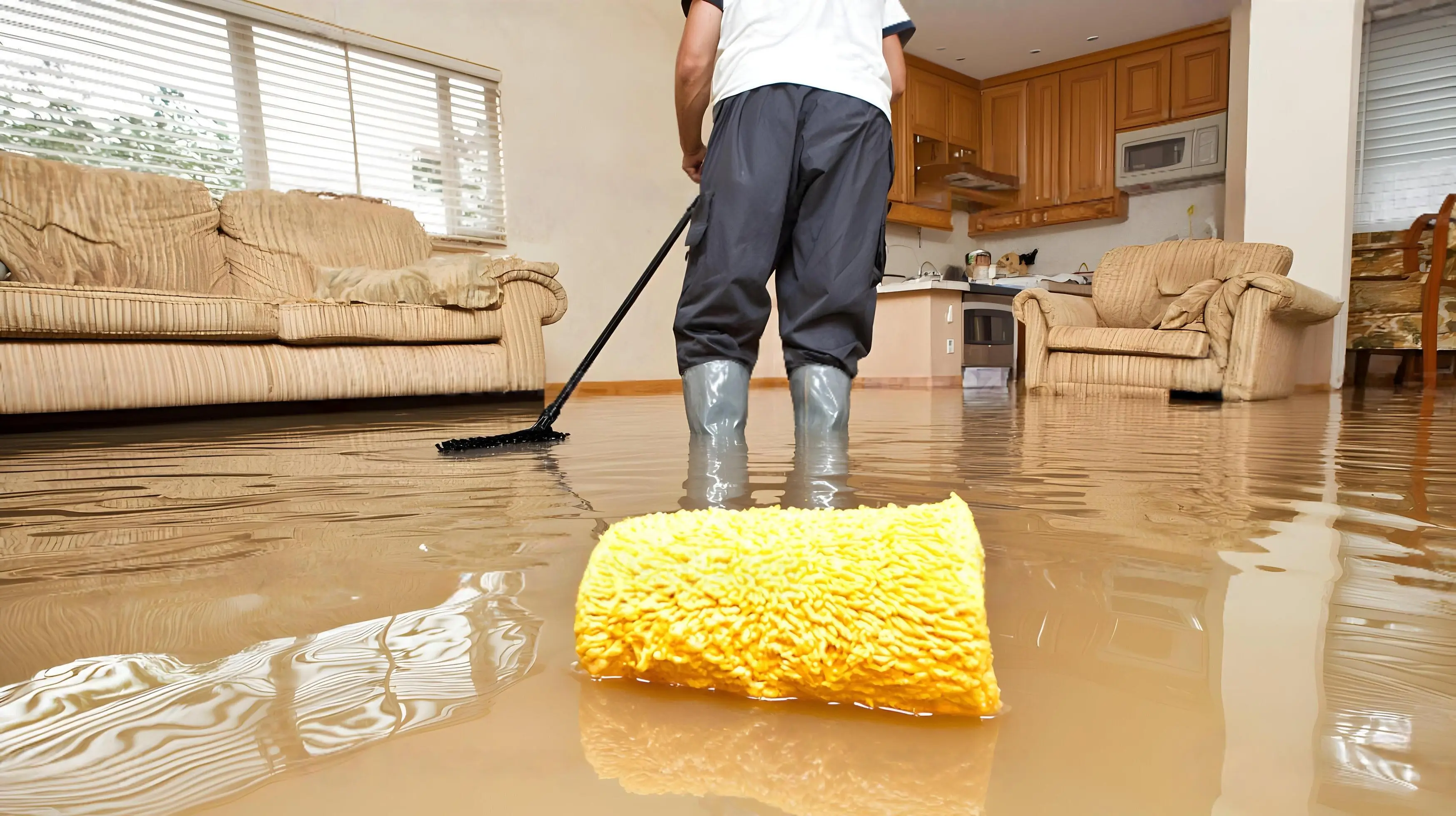
Water Damage Restoration
Burst pipes, storm flooding, standing water. We extract, dry, and restore before mold sets in.
Learn more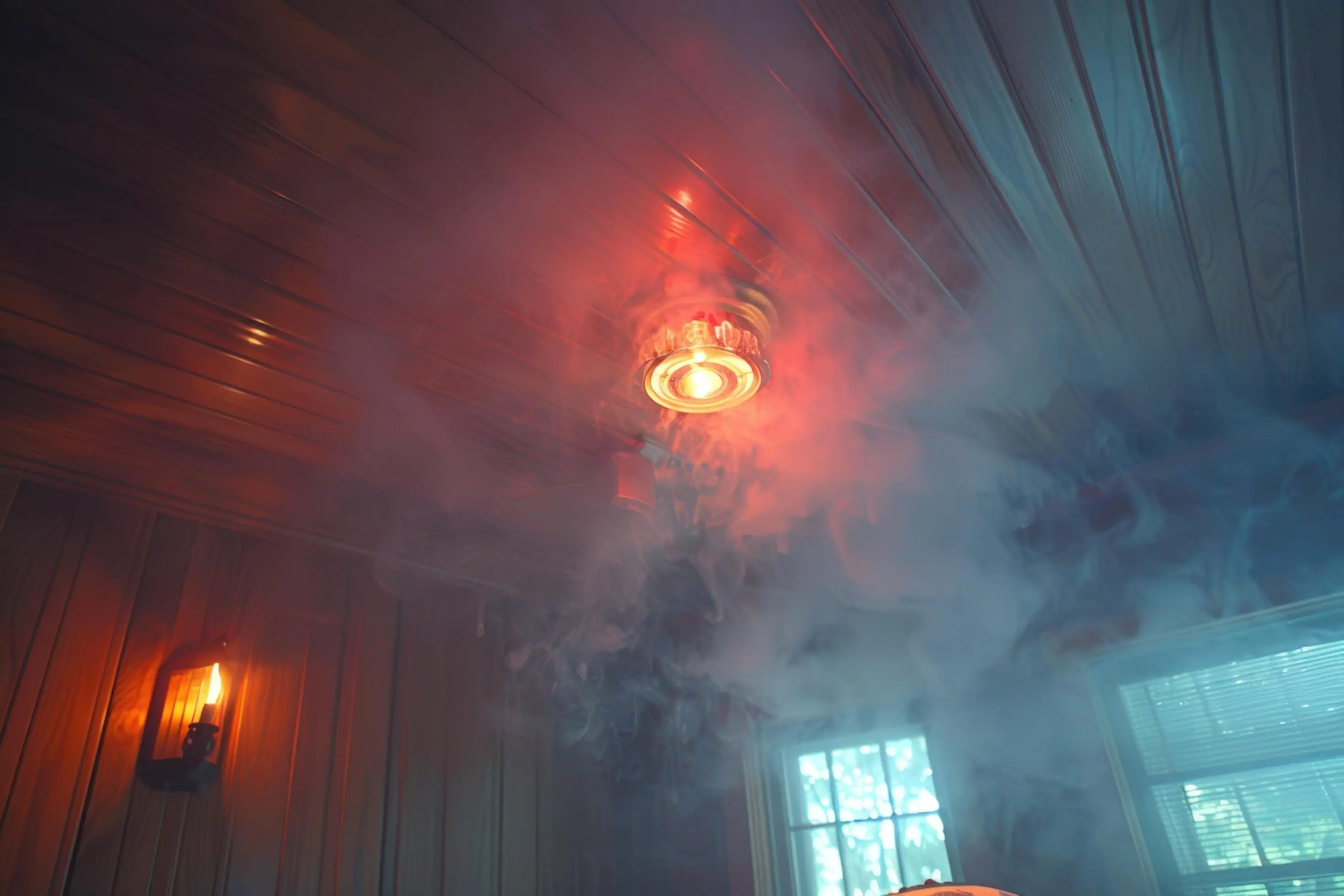
Smoke Damage Restoration
Soot residue, chemical odors, HVAC contamination. We decontaminate surfaces, eliminate odors, and restore air quality.
Learn more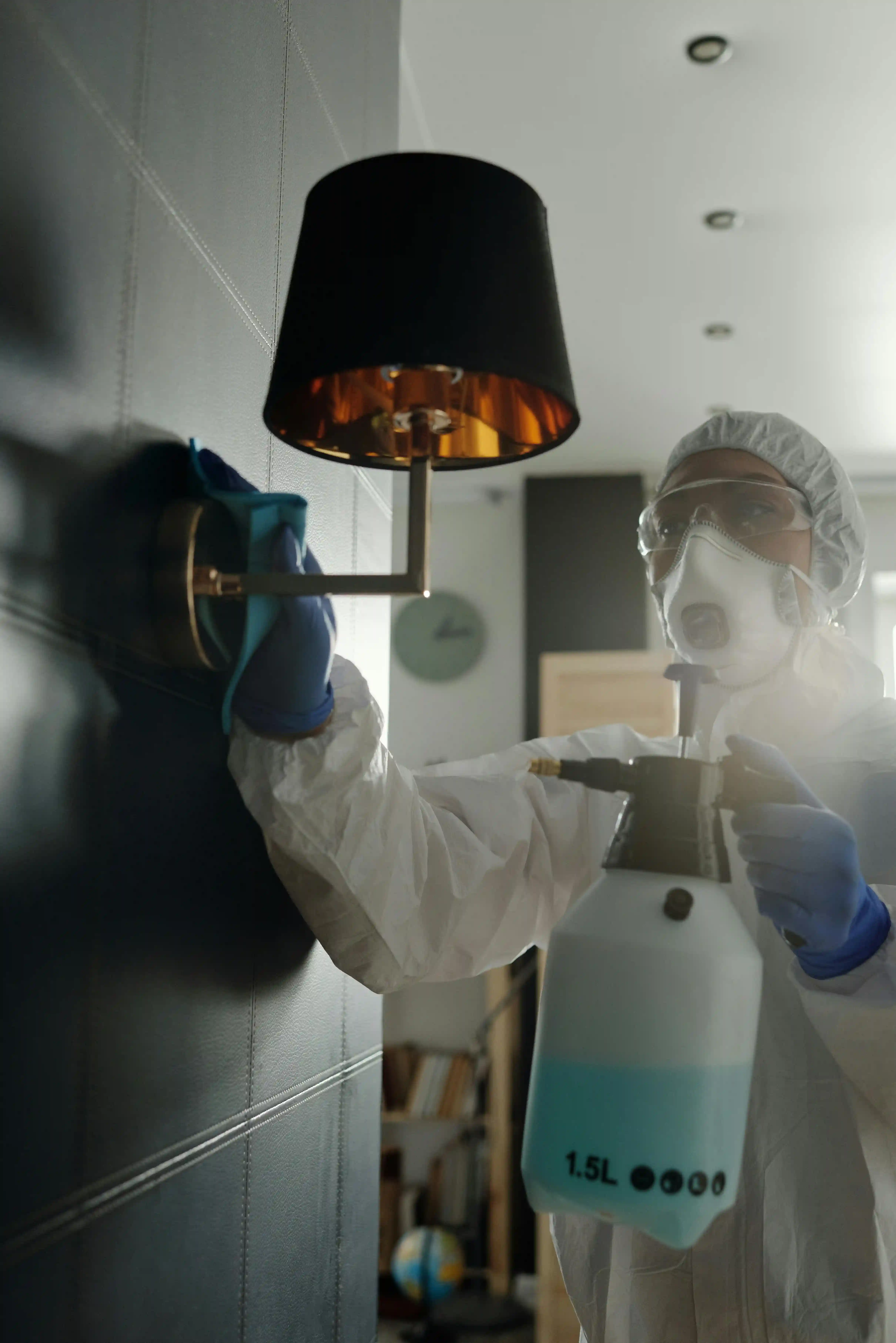
Mold Remediation
Testing, containment, removal, prevention. We find the source, eliminate the growth, and stop it from returning.
Learn more
Sewage Cleanup
Sewer backups, contaminated water, biohazard. We extract, sanitize, and restore safely.
Learn more