
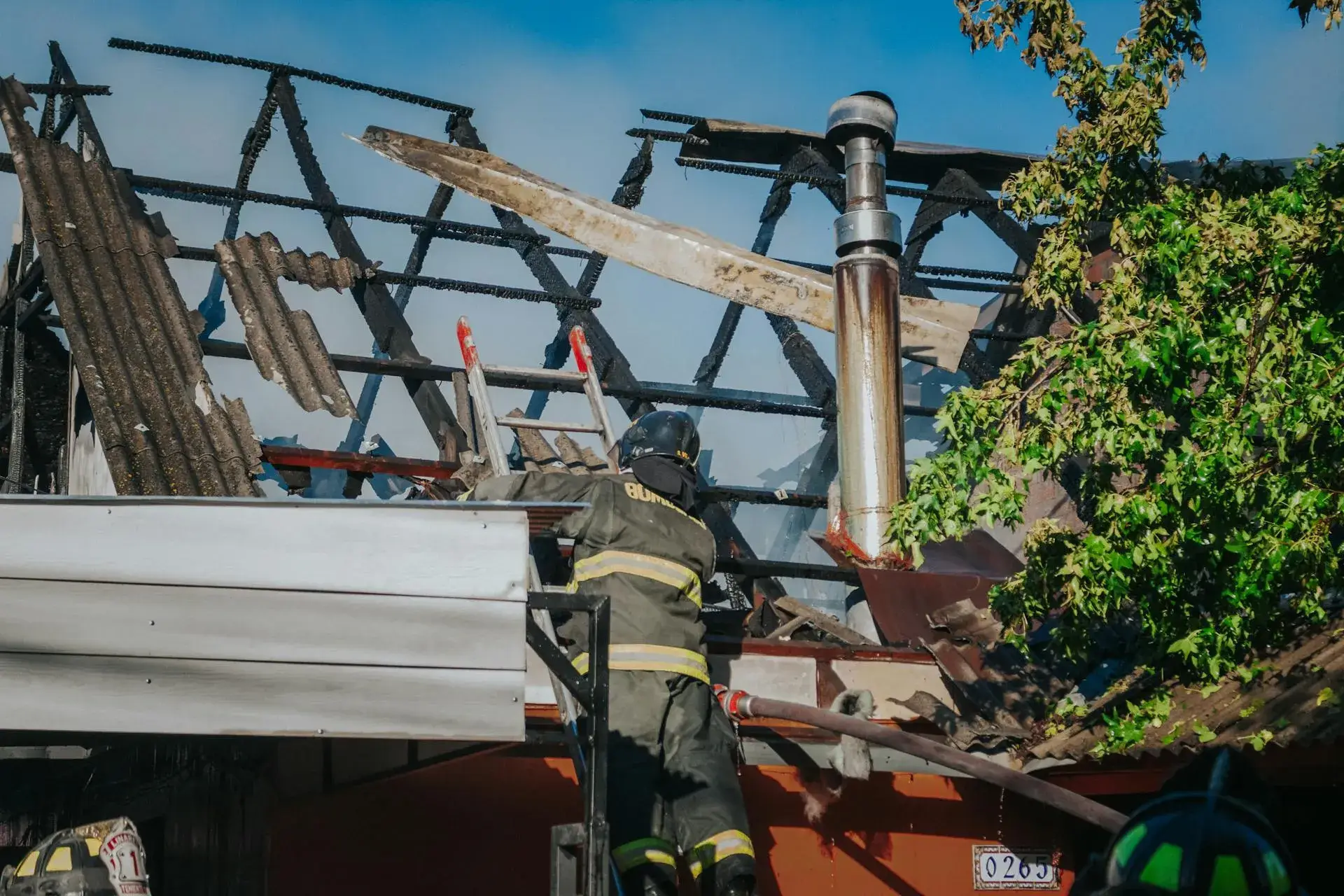
Fire Damage Restoration in Roselle, IL
Fire damage worsens every hour as soot corrodes surfaces and smoke penetrates deeper into your home's structure. Our local team responds to Roselle emergencies within 60 minutes.
What Happens When You Call
A real person answers, not a call center. We assess your situation, ask the right questions, and begin coordinating your response immediately.
Your dedicated restoration team is dispatched from our local base serving Roselle and the surrounding DuPage County communities.
Team arrives with board-up materials, HEPA filtration, soot removal equipment, and structural assessment tools. Emergency stabilization begins immediately.
Property secured, immediate threats addressed, restoration plan documented. You know exactly what comes next.
A fire just tore through part of your home and you need someone who knows what to do next. Not a claims hotline, not a callback queue. X Response exists for exactly this moment. When you reach out, your restoration team is mobilized within minutes and on site within the hour. From that point forward, one team manages everything: stabilization, smoke removal, structural repair, and insurance documentation. You are never left guessing about the next step. Call now. Your team is standing by.
Why Roselle Homes Are Vulnerable to Fire Damage
Roselle is a village of approximately 22,900 residents straddling DuPage and Cook counties in Illinois, located 24 miles west of downtown Chicago in Bloomingdale Township. The village covers roughly 5.5 square miles of residential, commercial, and light-industrial property served by the Roselle Fire Department, which operates from a single station on East Maple Avenue. The department provides fire suppression, emergency medical services, and technical rescue to the village and participates in the Mutual Aid Box Alarm System (MABAS) Division 27, ensuring that working structure fires bring automatic mutual aid from neighboring departments in Schaumburg, Bloomingdale, Itasca, Hanover Park, and Medinah. Roselle's building stock ranges from 1960s ranch homes and split-levels along its older residential streets to 1990s and 2000s subdivision construction in its newer sections, with a commercial and light-industrial corridor along Irving Park Road and Lake Street that includes auto service businesses, small manufacturing, offices, and retail properties.
On June 10, 2021, the Roselle Fire Department responded to a fire at a van conversion business on the 0-100 block of West Irving Park Road. Chief Mark Bozik reported that firefighters encountered heavy smoke upon arrival to the front office space. When they made entry to the rear workshop area, the fire was discovered and required roughly 45 minutes to extinguish. Extra precautions were taken because of vehicles inside the shop and the risk of tires and other car parts exploding. Firefighters remained on scene for approximately three hours checking for hot spots and performing salvage operations. The fire caused significant damage to the rear of the building and remains under investigation, though the chief reported it appeared to have started in the interior of the workshop area rather than from a vehicle. The 2021 Irving Park Road fire illustrates the challenge Roselle's fire department faces across a mixed-use community where commercial and industrial properties with high fuel loads sit adjacent to or within blocks of residential neighborhoods.
Mixed-Era Housing Stock and Fire Behavior Differences
Roselle's residential construction spans five decades, from 1960s ranch homes and split-levels in the village's original neighborhoods to two-story colonial and contemporary designs built through the 1990s and early 2000s in newer subdivisions. These different eras of construction behave very differently during and after a fire. Older 1960s and 1970s homes were built with dimensional lumber framing, plaster or early drywall walls, hardwood floors, and relatively compartmentalized floor plans with separate rooms connected by hallways. These homes contain fire to individual rooms longer because the solid-wood framing resists collapse and the compartmentalized layout limits horizontal smoke and heat spread. However, they also contain more legacy materials including lead-based paint in pre-1978 construction, asbestos in floor tiles, pipe insulation, and textured ceilings, and older electrical wiring that requires specialized handling during demolition. Newer homes built in the 1990s and 2000s feature open floor plans, engineered-wood truss systems, oriented-strand-board sheathing, and lighter-weight construction that allows fire to spread faster and compromises structural integrity sooner. Understanding which era of construction the damaged property represents determines the restoration approach, the hazardous material protocols required, and the timeline for structural repair.
Electrical System Age and Ignition Risk in Older Neighborhoods
Roselle's oldest residential neighborhoods contain homes built during the 1960s and early 1970s with electrical systems that are now 55 to 65 years old. These systems were designed for the electrical loads of that era: a few overhead lights per room, a television, basic kitchen appliances, and perhaps a window air conditioner. They were not designed for the modern household's demand of central air conditioning, multiple computers, electric vehicle chargers, high-draw kitchen equipment, and the dozens of devices that characterize today's home. Original aluminum wiring, which was common in homes built between approximately 1965 and 1973, develops high-resistance connections at outlets, switches, and junction points over decades of thermal cycling. These connections generate enough heat to ignite surrounding combustible materials without tripping the breaker. Federal Pacific Electric and Zinsco breaker panels, common in this era's homes and later found to have failure rates far exceeding acceptable standards, remain installed in many Roselle properties where they may not trip during overcurrent events. Arc-fault circuit interrupter (AFCI) protection, which detects dangerous arcing before ignition occurs, was not required by code until 1999 for bedrooms and 2014 for most other circuits, meaning that Roselle homes built before these dates lack this critical fire prevention technology unless specifically upgraded.
The Irving Park Road Commercial Corridor and Adjacent Residential Exposure
Irving Park Road runs through the center of Roselle and serves as the village's primary commercial and light-industrial corridor. The mix of uses along this corridor includes auto service and body shops, small manufacturing operations, retail businesses, restaurants, and mixed-use buildings with commercial ground floors and residential units above. Commercial and industrial fires along this corridor produce intense heat and heavy smoke that can affect residential properties in adjacent neighborhoods. The June 2021 fire at the van conversion business demonstrated the particular hazard of automotive service businesses: vehicles, tires, fuels, solvents, paints, and other materials create high fuel loads that burn intensely and produce toxic smoke containing petroleum-based compounds, isocyanates from burning polyurethane foam, and heavy metals from burning automotive finishes. When these businesses catch fire, smoke plumes drift into surrounding residential areas and deposit contaminants on homes, vehicles, and outdoor surfaces even at significant distances from the fire origin. Residents may find soot on their home's exterior surfaces, detect chemical odors inside their home from smoke entering through open windows or HVAC intakes, and discover that their cars, patios, and outdoor furniture have been coated with oily residue requiring professional cleaning.
Attached Garage Fires in Residential Properties
Attached garages are standard in Roselle homes built from the 1970s forward, and they represent one of the most common origins of residential structure fires in suburban communities. Garages concentrate multiple ignition sources and fuel loads in a single space: vehicles with fuel tanks and increasingly lithium-ion battery systems, stored gasoline and propane containers, lawn equipment, chemical products, paint and solvents, and electrical circuits serving door openers, chargers, and power tools. The fire separation between an attached garage and the living space, typically a layer of 5/8-inch Type X drywall on the garage side of the shared wall, provides limited fire resistance when flames reach the ceiling level and attack the roof structure above. In older Roselle homes built before modern fire-separation codes were adopted, the garage-to-house barrier may be standard half-inch drywall or even no drywall at all if the space was never finished. Once fire breaches the separation, smoke enters the living space through the shared wall, through HVAC returns in adjacent rooms, and through the service door connecting the garage to the house. A garage fire that is extinguished before reaching the living space still produces smoke damage throughout the home because combustion products enter the HVAC system and distribute to every connected room before the fire department arrives.
Single-Station Department and Mutual Aid Response Dynamics
The Roselle Fire Department operates from a single station, meaning that a confirmed working structure fire commits the department's primary apparatus to a single location and immediately draws mutual aid for secondary coverage and additional fireground resources. When a working fire is confirmed, MABAS Division 27 protocols bring apparatus from Schaumburg, Bloomingdale, Itasca, and other neighboring departments, but these units travel from their own stations and arrive on a staggered timeline rather than simultaneously. The initial attack crew from Roselle's station begins operations with the resources they bring on the first-due engine, and the pace of fire suppression depends on how quickly additional water supply, ventilation, and interior search crews arrive from mutual aid partners. For Roselle homeowners, this means that a fire burning during periods of high call volume across the division, or during severe weather when multiple departments are handling simultaneous emergencies, may burn longer before full suppression resources are assembled. Longer burn time produces more extensive structural damage, deeper smoke penetration into materials, greater water damage from prolonged suppression operations, and a larger restoration scope. Understanding Roselle's single-station coverage model helps explain why even relatively small fires can produce extensive damage: it is not a failure of response, but a function of the time required to assemble the full complement of resources a working fire demands.
These factors create a community where residential fire damage varies significantly based on the era of construction, the ignition source, and the proximity to commercial properties along the Irving Park Road corridor. Older homes with aging electrical systems face elevated ignition risk and may contain hazardous materials requiring specialized handling during restoration. Newer homes with open floor plans and engineered construction allow rapid fire and smoke spread. Commercial fires along the corridor expose residential properties to heavy toxic smoke. And the single-station fire department model means that full suppression resources require mutual aid assembly time during which fire and smoke damage continue progressing. Effective fire damage restoration in Roselle requires understanding which construction era the property represents, what materials burned and what contaminants were produced, where smoke traveled through the structure's HVAC and building envelope systems, and how to restore a property where damage extends far beyond the visible flame origin.
What Happens to Your Home While You Wait
Within 1 Hour
The fire is out, but damage continues advancing. Soot particles, many of which are acidic, settle on every surface in the home: countertops, appliances, glass, chrome fixtures, and fabrics. In Roselle homes where the HVAC system ran during or after the fire, soot has already been distributed through ductwork to rooms far from the fire origin. Acidic soot begins etching metal surfaces, tarnishing fixtures, and discoloring painted and varnished finishes. Water from fire suppression pools in basements, saturates carpet and pad, and soaks through to subfloor systems. In older Roselle homes with plaster walls, suppression water migrates through cracks and saturates the lath behind, beginning a deterioration process that accelerates over the following days.
1–24 Hours
Soot penetrates beyond surface deposits into porous materials: fabric upholstery absorbs smoke compounds, painted walls begin showing yellowing as tars migrate through the finish, and HVAC systems continue distributing soot and odor throughout the home with every blower cycle. Metal surfaces develop permanent etching if soot is not removed within this window. Electronics, especially circuit boards and connection points, begin corroding where acidic residue has settled. Clothing, bedding, and window treatments absorb volatile organic compounds that become progressively more difficult to remove as they cross-link with fabric fibers. In Roselle's older homes with hardwood floors, smoke compounds begin migrating beneath the polyurethane finish where surface cleaning alone cannot reach them.
24–48 Hours
Oxidation and corrosion accelerate throughout the property. Chrome and brass fixtures develop permanent discoloration. Grout lines absorb soot that becomes nearly impossible to extract once it migrates below the surface. Unsealed concrete in garages and basements develops deep smoke staining. Water from suppression efforts that pooled in wall cavities and basements begins generating mold growth in DuPage County's humid summer conditions, adding biological contamination to existing smoke and soot damage. What was a cleaning job at 12 hours becomes a refinishing job as smoke compounds penetrate through paint and varnish films into the substrate beneath.
48–72 Hours
Permanent damage becomes widespread. Paint and varnish finishes that might have been cleaned successfully now require stripping and refinishing as smoke compounds penetrate completely through the film. Upholstered furniture crosses from cleanable to replacement territory as volatile compounds bond permanently with foam and fabric. Hardwood floors develop smoke staining beneath their finish coats that requires sanding to bare wood. The scope of necessary restoration expands significantly: what was a cleaning job at 12 hours becomes a refinishing job at 48 and a replacement job at 72. Insurance adjusters who assess the property at this stage document higher damage levels than those who arrive within the first day.
One Week and Beyond
Corrosion completes on unprotected metal surfaces. Smoke odor becomes permanently embedded in structural wood, concrete, insulation, and HVAC ductwork, requiring sealing or replacement rather than cleaning. Mold from suppression water reaches visible colonization in wall cavities and beneath flooring. The property now requires comprehensive restoration including structural repairs, complete surface refinishing, HVAC system cleaning or replacement, and potentially demolition of fire-adjacent areas where smoke and water damage have rendered materials unsalvageable. Total restoration cost at this point often exceeds the initial estimate by 40 to 60 percent compared to what timely intervention would have required.
The difference between cleaning your home's surfaces and replacing them is often just a few hours of response time after the fire is out. Contact X Response now. Our Roselle team responds within 60 minutes.
How We Restore Fire-Damaged Roselle Homes
From the moment our team arrives, every step is documented, measured, and verified. Here is exactly what the fire damage restoration process involves for Roselle properties.
Emergency Stabilization and Board-Up
Our team arrives to secure the property against weather, unauthorized entry, and further damage. In Roselle, where storms can follow fires and open structures are vulnerable to rain entering through compromised roofs and walls, board-up and tarping are immediate priorities. We seal window openings, cover roof damage with heavy-duty tarps, and secure doors that were forced during firefighting operations. For homes where the fire compromised structural elements, we assess load-bearing walls and roof assemblies before entering and flag any areas requiring shoring. In older Roselle homes with plaster-and-lath construction, we evaluate ceiling stability before working beneath fire-damaged upper floors. The property is documented with photos and video showing pre-restoration conditions from every angle, establishing the baseline your insurance adjuster will use to evaluate the claim.
Smoke and Soot Assessment
Fire produces different types of soot depending on what burned: protein-based soot from kitchen fires, oily soot from petroleum products, dry soot from wood and paper, and synthetic soot from plastics and modern furnishings. Each type requires a different cleaning approach and chemistry. Our team identifies the soot type throughout the home, maps its distribution across surfaces and into HVAC systems, and documents which materials can be cleaned, which require refinishing, and which must be replaced. In Roselle homes where the fire involved garage contents, we test for petroleum-based and synthetic soot compounds that require specialized solvents. In older homes with pre-1978 construction, we test painted surfaces for lead content before disturbing them during cleaning or demolition.
Structural Repair and Reconstruction
Once unstable structure is shored and the restoration plan is documented, our team begins reconstruction of fire-damaged areas. This includes removing and replacing charred framing, installing new sheathing and insulation, rebuilding wall assemblies, and restoring the home to pre-loss condition. In Roselle's older homes with dimensional-lumber framing, fire damage assessment involves checking char depth against the remaining cross-section of structural members. In newer homes with engineered-wood truss systems, the lightweight web members lose structural capacity at lower temperatures than solid lumber, requiring replacement of affected trusses even when char appears minor. Electrical and plumbing systems in fire-affected areas are evaluated and replaced as needed. In homes with aluminum wiring or outdated breaker panels that may have contributed to the fire, we recommend upgrading the system to current code during the rebuild rather than reinstating the same hazard.
Smoke Odor Elimination
Smoke odor embeds in porous materials at a molecular level and cannot be resolved with surface cleaning alone. We deploy thermal fogging, hydroxyl generators, and ozone treatment in a controlled sequence to neutralize volatile smoke compounds in structural wood, concrete, insulation, and other materials being retained. HVAC ductwork is professionally cleaned or replaced depending on contamination level. Air scrubbers with activated carbon filtration run continuously to capture residual volatiles during the restoration period. For Roselle homes where smoke penetrated into attic insulation, wall cavities, and the porous plaster or concrete block common in older construction, we may recommend insulation replacement and surface sealing where odor treatment alone cannot achieve acceptable air quality.
Contents Cleaning and Restoration
Personal belongings, furniture, electronics, and clothing affected by smoke are inventoried, documented with photos, and either cleaned on-site or packed out to our controlled facility for specialized treatment. Soft goods undergo ultrasonic cleaning, ozone treatment, or specialized laundering depending on the material. Electronics are evaluated for corrosion damage and cleaned at the component level where viable. Hard goods are cleaned using appropriate solvents for the soot type identified during assessment. Items that cannot be restored are documented for your insurance claim with pre-loss value and replacement cost. Your inventory is returned clean, deodorized, and organized for placement back in the restored home.
The X Response Difference
When you contact X Response, you get a dedicated restoration team that manages everything, from emergency stabilization through structural repair to final odor verification. One team, one point of contact, one standard of work from start to finish.
Insurance Claim Guidance for Roselle Homeowners
Fire damage claims in Illinois are typically covered under the dwelling and personal property sections of a standard homeowner's policy, but the claims process is more complex than most homeowners expect. Coverage generally extends to the fire damage itself, smoke damage throughout the home even in areas not touched by flame, water damage from suppression efforts, and additional living expenses while the home is uninhabitable. However, disputes arise over the scope of smoke damage, the necessity of odor treatment versus material replacement, whether pre-existing conditions contributed to the loss, and the line between repair and code-required upgrades during reconstruction. In Roselle's older homes, fire damage restoration often triggers code-upgrade requirements because the reconstruction must meet current building code rather than the code in effect when the home was originally built. Your policy may or may not include ordinance or law coverage that pays for mandatory code upgrades. Understanding your policy's structure before the loss occurs, or working with a team that understands it immediately after, significantly affects how your claim resolves.
How X Response Helps
- Document all damage with professional photos and a detailed scope of work before any cleaning or demolition begins
- Map smoke distribution through the entire home, including HVAC ductwork, because your claim should reflect whole-home contamination when it exists
- Identify code-upgrade requirements that will apply during reconstruction so ordinance-or-law coverage is triggered early in the claim
- Separate fire damage, smoke damage, and water damage from suppression into distinct line items because they are assessed and valued differently by adjusters
- Document contents damage with photos, descriptions, pre-loss values, and replacement costs to support your personal property claim
X Response does not file claims on your behalf, adjust claims, or make coverage determinations. We provide documentation and guidance to help you make informed decisions about your property and your policy. Coverage decisions are made solely by your insurance carrier.
Certified Restoration Specialists Serving Roselle
When you contact X Response for a fire damage emergency in Roselle, your restoration team is drawn from certified professionals who work across DuPage County and understand the specific challenges of restoring properties in this community. They know how Roselle's mixed-era housing stock behaves during and after a fire, which older neighborhoods may contain hazardous materials requiring specialized handling, how the Irving Park Road commercial corridor creates smoke exposure risk for adjacent residential properties, and how the single-station fire department's mutual aid model affects fire duration and resulting damage scope. They have restored homes across the range of Roselle's construction, from 1960s ranches with plaster walls and hardwood floors to 1990s subdivisions with open floor plans and engineered framing. This is not a crew dispatched from hours away with no local context. It is a local team with local expertise, operating under national quality standards.
Every technician on your team holds current IICRC certification in fire and smoke restoration and carries appropriate Illinois state licensing for the work being performed. Equipment is commercial-grade and maintained to manufacturer specifications. When your team arrives, they bring everything needed to begin stabilization immediately: board-up materials for securing openings, HEPA-filtered air scrubbers to begin improving indoor air quality, chemical sponges and cleaning agents for emergency soot removal from sensitive surfaces, thermal imaging equipment to identify hidden hot spots in walls and ceilings, and the documentation tools to build your insurance case from the first hour.
In Roselle, X Response works with Scene Cleaners, an independent local restoration partner serving DuPage County.
Fire Damage Restoration FAQ for Roselle Homeowners
Other Emergency Services in Roselle
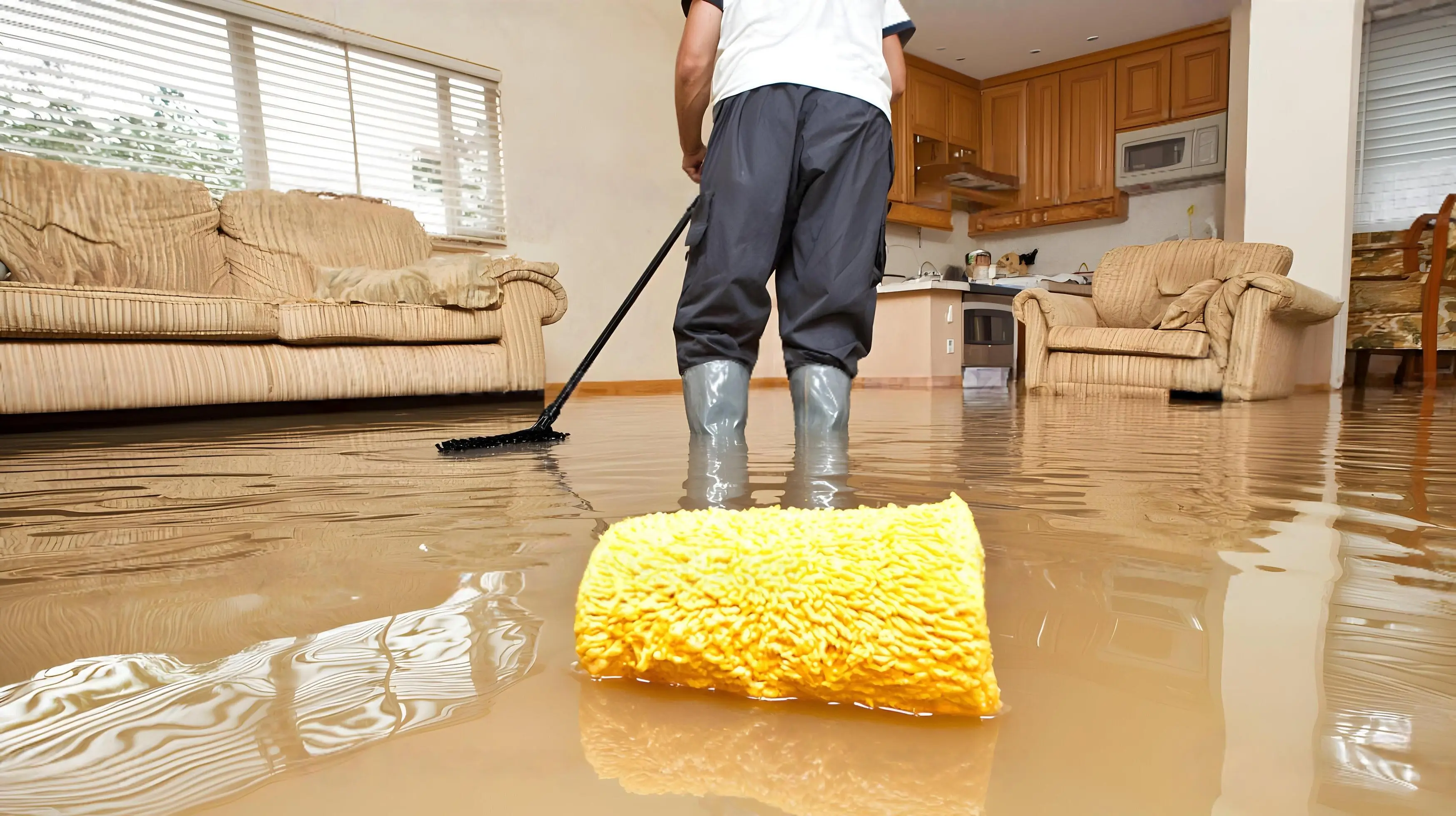
Water Damage Restoration
Burst pipes, storm flooding, standing water. We extract, dry, and restore before mold sets in.
Learn more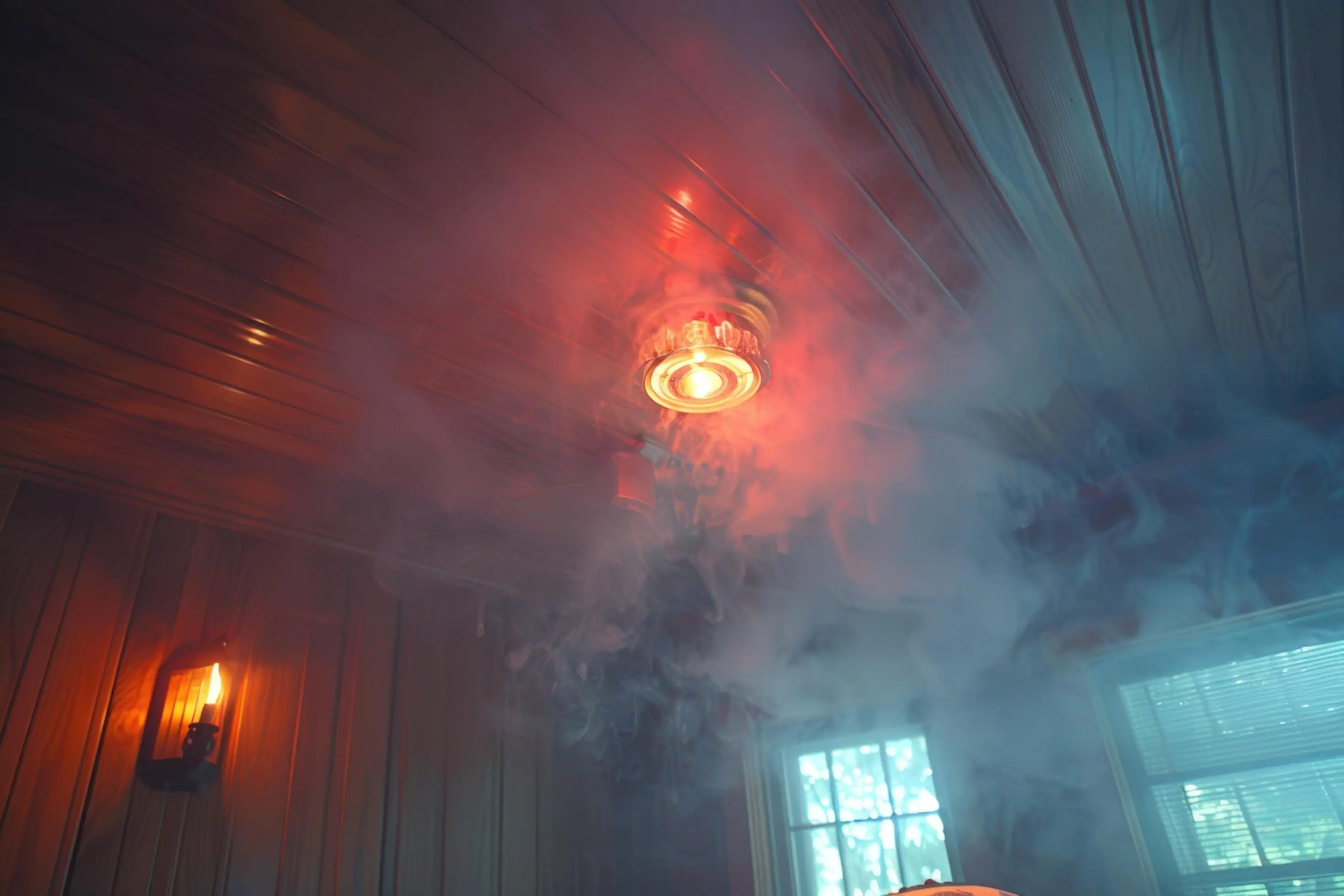
Smoke Damage Restoration
Soot residue, chemical odors, HVAC contamination. We decontaminate surfaces, eliminate odors, and restore air quality.
Learn more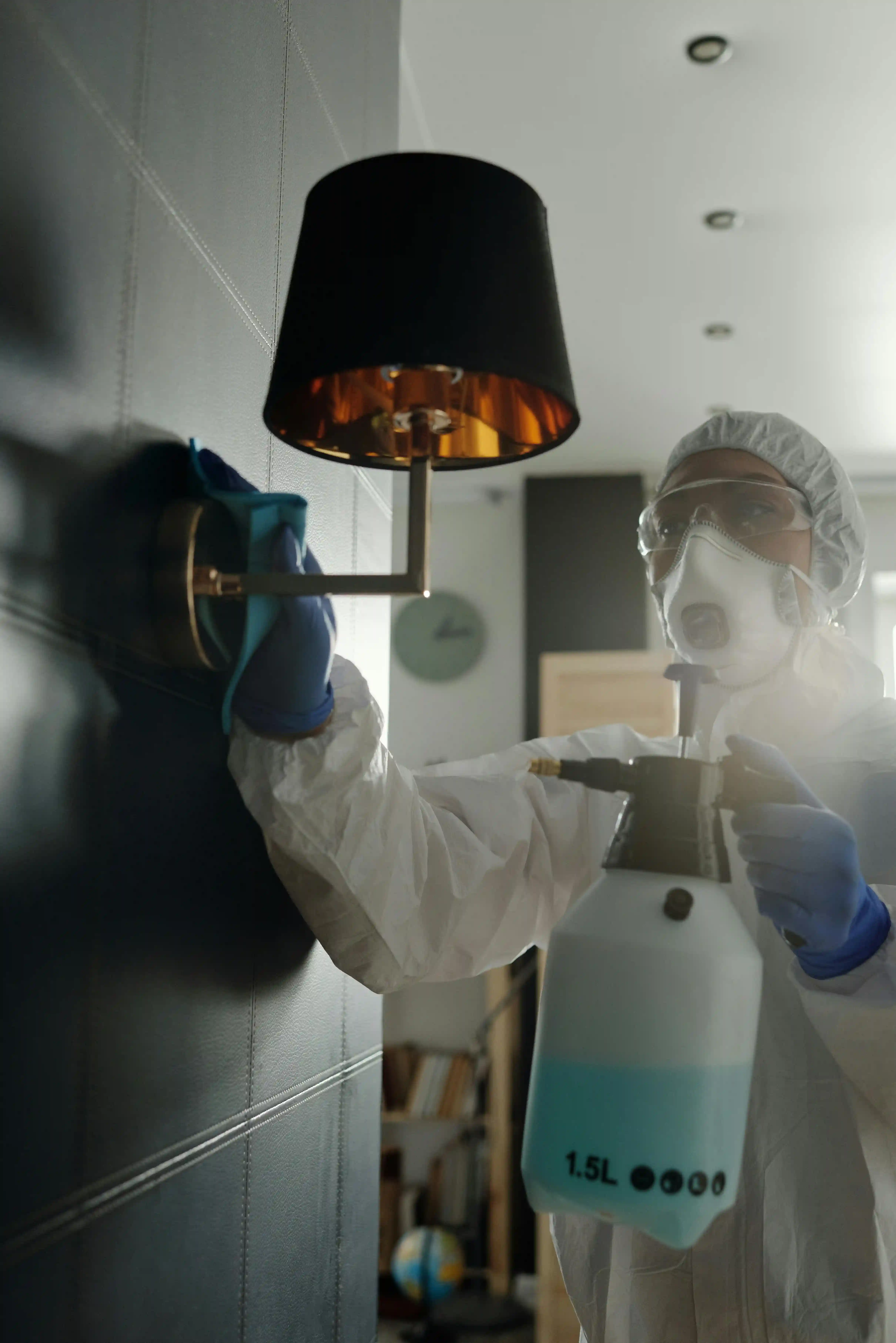
Mold Remediation
Testing, containment, removal, prevention. We find the source, eliminate the growth, and stop it from returning.
Learn more
Sewage Cleanup
Sewer backups, contaminated water, biohazard. We extract, sanitize, and restore safely.
Learn more