
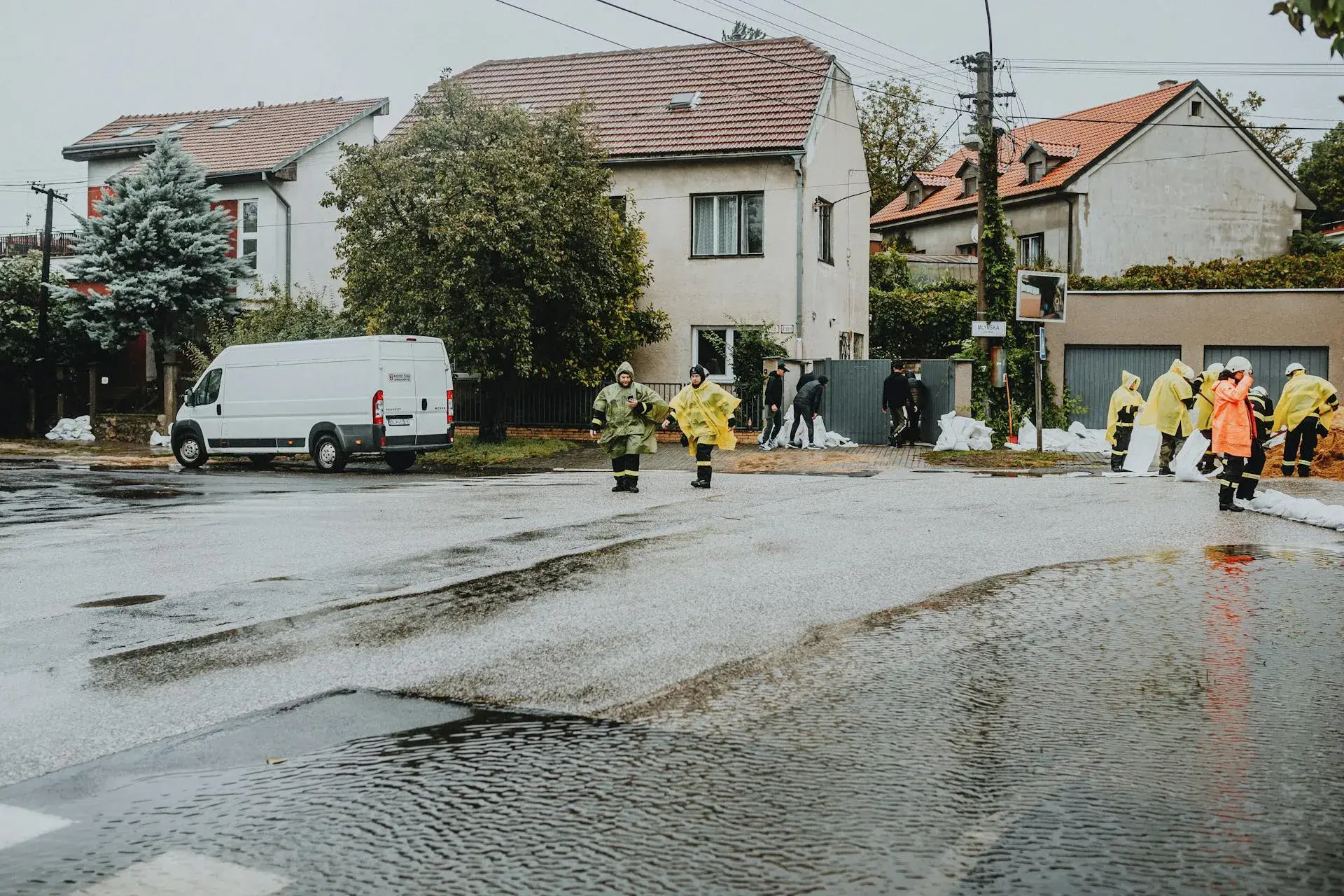
Sewage Cleanup in Streamwood, IL
Sewage contains bacteria, viruses, and parasites that create immediate health hazards. Every hour of exposure increases contamination spread and health risk. Our team responds to Streamwood emergencies within 60 minutes.
What Happens When You Call
A real person answers, not a call center. We assess your situation, confirm the contamination type, and begin coordinating your biohazard response immediately.
Your dedicated cleanup team is dispatched from our local base serving Streamwood and the surrounding northwest Cook County communities.
Team arrives with biohazard PPE, industrial extractors, antimicrobial agents, and contamination containment materials. Emergency extraction and decontamination begins immediately.
Sewage extracted, contaminated materials removed, structural decontamination applied. You know exactly what comes next and when your home will be safe for re-entry.
Sewage is in your home and it is a biohazard emergency. This is not a situation where you wait for morning, call around for estimates, or try to clean it yourself. Raw or partially treated sewage contains pathogens including E. coli, Salmonella, Hepatitis A, norovirus, and parasitic organisms that create immediate health risks for anyone in the structure. X Response exists for exactly this moment. When you reach out, your cleanup team is mobilized within minutes and on site within the hour with the PPE, extraction equipment, and decontamination protocols required for biohazard-category water. Call now. Your team is standing by.
Why Streamwood Homes Are Vulnerable to Sewage
Streamwood is a village of approximately 39,577 residents in Cook County, Illinois, served by a sanitary sewer system that collects wastewater and conveys it to the Metropolitan Water Reclamation District of Greater Chicago's Hanover Park Water Reclamation Plant for treatment. The Hanover Park facility treats up to 22 million gallons of wastewater per day from communities across the Poplar Creek watershed, including Streamwood, Hanover Park, portions of Hoffman Estates, and other northwest suburban communities. Streamwood's sanitary sewer system is separate from its storm sewer system, meaning that under normal conditions, stormwater enters the storm drains and flows to Poplar Creek while sanitary waste flows through a dedicated pipe network to the treatment plant. However, this separation does not eliminate the risk of sewage backup into homes, because the sanitary system can become overwhelmed during sustained storm events when groundwater infiltrates aging sewer lines through cracks and joints, a phenomenon called inflow and infiltration (I&I) that effectively adds stormwater volume to the sanitary system.
The Illinois Pollution Control Board documented that the sewage treatment plant serving Streamwood, designed to treat 1.2 million gallons per day, became grievously overloaded by the continued allowance of increased waste discharges that exceeded the facility's treatment capacity as the community grew. While this historical capacity issue has since been addressed through the connection to MWRD's Hanover Park facility with its 22 MGD capacity, the underlying infrastructure challenge persists in a different form: the local collection system, with pipes originally sized for a smaller community and now decades old, remains vulnerable to capacity constraints during peak flow events. When the collection system's capacity is exceeded during major storms, or when downstream blockages restrict flow, the sanitary sewer surcharges and seeks the lowest available outlet, which in residential areas is typically a basement floor drain or a lower-level fixture connected to the sewer lateral.
Inflow and Infiltration in Aging Sanitary Sewers
Streamwood's sanitary sewer collection system includes infrastructure dating to the village's initial development in the late 1950s and through subsequent growth periods in the 1960s, 1970s, and 1980s. After six decades of service, joints in vitrified clay and early concrete pipe deteriorate, developing cracks and separations that allow groundwater to enter the sanitary system. During major storm events, when the clay soils surrounding the pipes become fully saturated and the water table rises, groundwater flows into the sanitary sewer through every deteriorated joint along the system. This inflow and infiltration can multiply the system's actual flow volume far beyond the sanitary demand alone, overwhelming the collection system's designed capacity and causing surcharging. The problem is compounded by the Poplar Creek watershed's documented 64 percent increase in peak stormwater flows, which elevates the water table around sewer infrastructure more frequently and for longer durations than the system was designed to withstand. When the collection system surcharges, sewage seeks relief through the lowest available connection, which in most Streamwood homes is the basement floor drain or a below-grade fixture.
Separate Sewer System Misconceptions
Many Streamwood homeowners assume that because the village has separate storm and sanitary sewer systems (unlike Chicago's combined sewers), sewer backup is not a risk. This assumption is incorrect. While a combined sewer system intentionally mixes stormwater with sewage and overflows during storms by design, a separate sanitary system is vulnerable to backup through different mechanisms: I&I groundwater overloading the sanitary system during storms, blockages in the sewer main or lateral from root intrusion or debris, pump station failures in low-lying areas where sewage must be lifted, and sewer lateral deterioration on the private property side where the homeowner is responsible for maintenance. The backup event in a separate system is often more concentrated and more contaminated than a combined sewer overflow, because the entering material is undiluted sanitary waste rather than a mixture of mostly stormwater with some sewage. When a Streamwood home experiences sewer backup through the floor drain, the material is Category 3 (black water) biohazard regardless of the cause.
Private Sewer Lateral Responsibility
In Streamwood, as in most Illinois municipalities, the homeowner is responsible for the sewer lateral that connects the home to the public sewer main in the street. This lateral, typically a 4-inch pipe running from the home's foundation to the main, is the homeowner's maintenance and financial responsibility. Laterals installed during Streamwood's initial development in the late 1950s and 1960s are now over 60 years old, with many constructed of Orangeburg pipe (bituminous fiber), vitrified clay, or early concrete that has deteriorated significantly over time. Root intrusion from mature trees planted decades ago is the most common cause of lateral blockages: tree roots seek the moisture inside sewer pipes and penetrate through joints or cracks, eventually creating partial or complete obstructions that cause backup into the home. Because the lateral is on private property and below grade, homeowners typically have no awareness of its condition until a backup event occurs. The Village of Streamwood does not inspect or maintain private laterals, meaning deterioration progresses until failure.
Basement Floor Drains as Sewage Entry Points
Nearly every Streamwood home has a basement floor drain connected to the sanitary sewer lateral. Under normal conditions, this drain handles water from the laundry area, water heater overflow, or minor seepage. But during a sewer backup event, the floor drain becomes the entry point for sewage into the home because it is the lowest connection to the system and has no check valve in most installations built before the 1990s. When the sewer system surcharges due to I&I, a downstream blockage, or a lateral obstruction, sewage rises through the floor drain and floods the basement floor. In homes with finished basements, this means raw sewage contacts carpet, drywall at the floor line, stored items, and furniture before the homeowner is aware of the backup. A backwater prevention valve (also called a backflow preventer) installed on the sewer lateral can prevent this scenario, but many Streamwood homes built in the 1950s through 1980s were not equipped with one at construction, and retrofitting requires excavation of the basement slab to access the lateral.
MWRD Overflow Action Alerts and System Stress
The Metropolitan Water Reclamation District of Greater Chicago issues Overflow Action Alerts when sustained rainfall threatens to exceed the capacity of the combined and separate sewer systems across Cook County. During these events, MWRD urges residents to reduce water use, delay showers and laundry, and avoid running dishwashers to reduce load on the treatment system. The MWRD treats an average of 1.47 billion gallons of wastewater per day across its seven treatment plants, but that volume can exceed 2 billion gallons during intensive storms. For Streamwood specifically, the Hanover Park Water Reclamation Plant serves the Poplar Creek watershed communities, and during major storm events, the plant's influent volume increases significantly as I&I adds groundwater to the sanitary collection system. While the plant's 22 MGD capacity provides substantial headroom for Streamwood's normal flows, the combined volume from all communities in the watershed during sustained storm events can approach system constraints, contributing to surcharging conditions in the upstream collection system that serves individual homes.
These factors create a village where sewage backup risk is driven by aging sanitary infrastructure vulnerable to groundwater infiltration during storms, private sewer laterals that deteriorate without owner awareness until failure, basement floor drains that provide a direct entry point for surcharged sewage when no backflow prevention is installed, a watershed with dramatically increased stormwater volumes that elevate groundwater around sewer infrastructure, and the gap between homeowner assumptions about separate sewers and the actual backup mechanisms that affect them. Effective sewage cleanup in Streamwood requires treating every backup event as a Category 3 biohazard emergency, removing all contaminated porous materials, decontaminating structural surfaces with hospital-grade antimicrobial treatment, and addressing the underlying cause to prevent recurrence.
What Happens to Your Home While You Wait
Within 1 Hour
Sewage spreads across the basement floor, contacting every surface and material at floor level. Carpet, pad, drywall at the floor line, stored items, and furniture legs absorb contaminated water. Pathogens including bacteria, viruses, and parasites are now present on every contacted surface. The home is unsafe for unprotected occupants. In Streamwood homes with finished basements, sewage wicks into drywall, soaks into carpet pad beneath the carpet surface where it is invisible, and migrates under baseboards into wall cavities. The biohazard contamination zone expands with every minute as the material continues entering through the floor drain or lateral connection.
1–24 Hours
Bacterial colonies multiply rapidly on contaminated organic materials at room temperature. Sewage that soaked into carpet pad, drywall paper facing, and cardboard creates a nutrient-rich environment for pathogen growth. Hydrogen sulfide and other gases from decomposing sewage produce increasingly strong odor throughout the structure. The HVAC system, if running, distributes contaminated air and particulates to upper levels. In Streamwood's summer humidity, bacterial and fungal growth accelerates in the warm, nutrient-rich moisture environment. All porous materials contacted by sewage at this stage are non-salvageable and require removal regardless of apparent condition.
24–48 Hours
Mold colonization begins on any organic material that remains wet, compounding the biohazard contamination with fungal contamination. The combination of sewage pathogens and mold spores creates a complex contamination environment that requires more extensive remediation protocols. Structural materials including wood framing at the sill plate and subfloor sheathing begin absorbing contaminated moisture through capillary action, extending the contamination deeper into the building structure. Odor compounds penetrate into porous structural materials including concrete, making complete odor elimination more difficult with each passing hour.
48–72 Hours
Extended sewage exposure saturates structural wood at the foundation interface. Sill plates, rim joists, and the bottom chords of floor trusses absorb contaminated moisture that will require antimicrobial treatment and evaluation for structural integrity. Drywall that was only partially wetted initially has now wicked contamination several feet above the original water line through capillary action in the paper facing. The remediation scope expands significantly beyond the original wet footprint as contamination migrates into materials that appeared unaffected during the first 24 hours.
One Week and Beyond
Structural wood in sustained contact with sewage-contaminated moisture shows signs of deterioration and biological degradation. Extensive mold growth throughout contaminated areas has produced secondary contamination that requires separate remediation protocols. The entire basement environment is heavily contaminated with both sewage pathogens and mold, requiring comprehensive demolition of all porous materials and aggressive antimicrobial treatment of remaining structural surfaces. Health risks from airborne pathogens, mold spores, and decomposition gases make the structure unsafe for unprotected entry. Restoration at this stage is a major project with timeline and costs far exceeding what early intervention would have required.
Sewage is a biohazard that worsens every hour it remains in contact with your home. Contact X Response now. Our Streamwood team responds within 60 minutes with full biohazard protocols.
How We Restore Sewage-Damaged Streamwood Homes
Sewage cleanup is the highest-risk category of property restoration because it combines biohazard contamination with water damage. Every step must follow strict safety and contamination control protocols. Here is exactly how our team approaches sewage cleanup for Streamwood properties.
Biohazard Assessment and Safety Establishment
Our team arrives in full personal protective equipment appropriate for Category 3 biohazard conditions: Tyvek suits, nitrile gloves, rubber boots, and respiratory protection. Before any work begins, we assess the contamination extent, identify the sewage source (sewer main backup, lateral blockage, pump station failure, or fixture overflow), and determine whether the backup is ongoing or has stopped. If sewage is still actively entering the home through the floor drain, we establish the cause and take immediate action to stop the flow before cleanup can proceed. The contamination zone is mapped and access is restricted to protect occupants and unaffected areas. We document the scene with photos, contamination boundaries, and the depth and extent of sewage contact for your insurance documentation.
Sewage Extraction and Contaminated Material Removal
Standing sewage is extracted using industrial equipment rated for biohazard materials. All porous materials that contacted sewage are removed without exception: carpet, carpet pad, drywall to a minimum of 12 inches above the visible water line (higher if moisture testing indicates wicking above that point), baseboards, insulation, cardboard, fabric items, and any porous stored goods. These materials cannot be cleaned or sanitized after sewage contact and are disposed of as contaminated waste. In Streamwood homes with finished basements, this often means removing the entire lower portion of a basement finishing system including drywall, framing insulation, and flooring. Removal is conducted within containment where the basement connects to upper living spaces to prevent cross-contamination during the demolition process.
Structural Decontamination
After all contaminated porous materials are removed, exposed structural surfaces receive hospital-grade antimicrobial treatment. Concrete floor slabs, foundation walls, wood framing members (sill plates, studs, rim joists), subfloor sheathing, and any remaining non-porous surfaces are scrubbed and treated with EPA-registered biocidal agents effective against the full spectrum of sewage-borne pathogens. This is not a single application; the treatment protocol involves initial cleaning to remove visible contamination, followed by antimicrobial application, appropriate dwell time for the product to achieve kill rates, and then a second treatment to ensure complete coverage. Metal surfaces including ductwork registers, plumbing fixtures, and HVAC equipment in the contamination zone are disinfected separately with appropriate agents. The goal is to reduce pathogen levels to safe thresholds verified by post-treatment testing.
Structural Drying and Environmental Restoration
Once decontamination is complete, the structure must be thoroughly dried before reconstruction can begin. Commercial dehumidifiers and air movers are positioned to dry concrete slabs, foundation walls, exposed wood framing, and subfloor materials. In Streamwood homes where clay soils maintain moisture against the exterior foundation, drying may require extended monitoring as the concrete continues releasing stored moisture over days. We verify drying through daily moisture readings until all structural materials reach acceptable levels. HEPA air scrubbers run throughout the drying period to maintain air quality as residual moisture evaporates. Odor neutralization using hydroxyl generators or thermal fogging addresses any persistent sewage odor that has penetrated into concrete or structural wood during the exposure period.
Verification, Documentation, and Clearance
Before the space is cleared for reconstruction, we conduct final verification including moisture readings confirming full structural drying, visual inspection confirming complete removal of contaminated materials, and air quality testing confirming pathogen levels have returned to acceptable thresholds. Post-treatment surface swabs may be collected in high-risk areas to verify antimicrobial treatment achieved adequate pathogen reduction. Complete documentation is provided including contamination maps, extraction records, material removal inventory, antimicrobial treatment logs with product data sheets, drying records with daily moisture readings, and clearance test results. This documentation package supports your insurance claim and provides the evidence needed for permits and inspections during the reconstruction phase.
The X Response Difference
Sewage cleanup requires biohazard expertise, not general cleaning. X Response brings the PPE, protocols, and verification standards that protect your family's health and support your insurance claim.
Insurance Claim Guidance for Streamwood Homeowners
Sewage backup insurance coverage in Illinois depends on your specific policy endorsements. Standard homeowner's policies typically do not cover sewer backup damage without a separate endorsement, often called 'sewer and drain backup' or 'water backup' coverage. This endorsement is not included by default and carries its own sublimit, commonly $10,000 to $25,000, which may be less than the total restoration cost for a finished basement affected by sewage. If the backup resulted from a municipal sewer system failure rather than a blockage in your private lateral, you may have a claim against the municipality, but governmental immunity often limits recovery. If the backup occurred because of I&I overloading during a storm event, some carriers classify it differently than a mechanical blockage, affecting how coverage applies. The critical insurance action for Streamwood homeowners is confirming whether they carry the sewer backup endorsement before an event occurs, and understanding its sublimit relative to their actual basement finishing investment.
How X Response Helps
- Document the sewage source and entry point with photos and description to establish whether the cause was a private lateral issue or a system-wide surcharge event
- Photograph contamination extent, depth, and all affected materials before any cleanup begins
- Maintain a clear timeline showing when the backup was discovered and when professional cleanup began to demonstrate reasonable mitigation
- Provide itemized documentation of all removed materials, treatments applied, and structural work performed
- Identify your policy's sewer backup endorsement and its sublimit so you can make informed decisions about scope and out-of-pocket exposure
X Response does not file claims on your behalf, adjust claims, or make coverage determinations. We provide documentation and guidance to help you make informed decisions about your property and your policy. Coverage decisions are made solely by your insurance carrier.
Certified Restoration Specialists Serving Streamwood
When you contact X Response for a sewage emergency in Streamwood, your cleanup team is drawn from certified professionals trained in biohazard protocols who work across Cook County's northwest suburbs and understand the specific sanitary infrastructure challenges in this community. They know how Streamwood's separate sewer system still produces backup events through I&I during major storms in the Poplar Creek watershed, how the aging collection system's joints and connections deteriorate below grade without visible indicators, how private laterals from the 1950s and 1960s are particularly vulnerable to root intrusion and joint failure, and how the clay soils surrounding the infrastructure maintain the high water table that drives groundwater into the sanitary system. They have cleaned sewage backups from surcharged mains during regional storm events, from root-obstructed laterals in older neighborhoods, and from failed ejector pumps in below-grade bathrooms throughout Schaumburg Township.
Every technician on your team holds current IICRC certification in water damage restoration with specific training in Category 3 biohazard water handling. All crew members are equipped with appropriate PPE for sewage contact: full Tyvek suits, double-layer nitrile gloves, rubber boots, and respiratory protection. Equipment includes industrial extractors rated for contaminated water, antimicrobial application systems for large structural areas, HEPA air scrubbers, commercial dehumidifiers for post-cleanup structural drying, and hydroxyl generators for residual odor treatment. Waste disposal follows all Cook County and Illinois EPA regulations for biohazard materials.
In Streamwood, X Response works with Scene Cleaners, an independent local restoration partner serving Cook County.
Sewage Cleanup FAQ for Streamwood Homeowners
Other Emergency Services in Streamwood
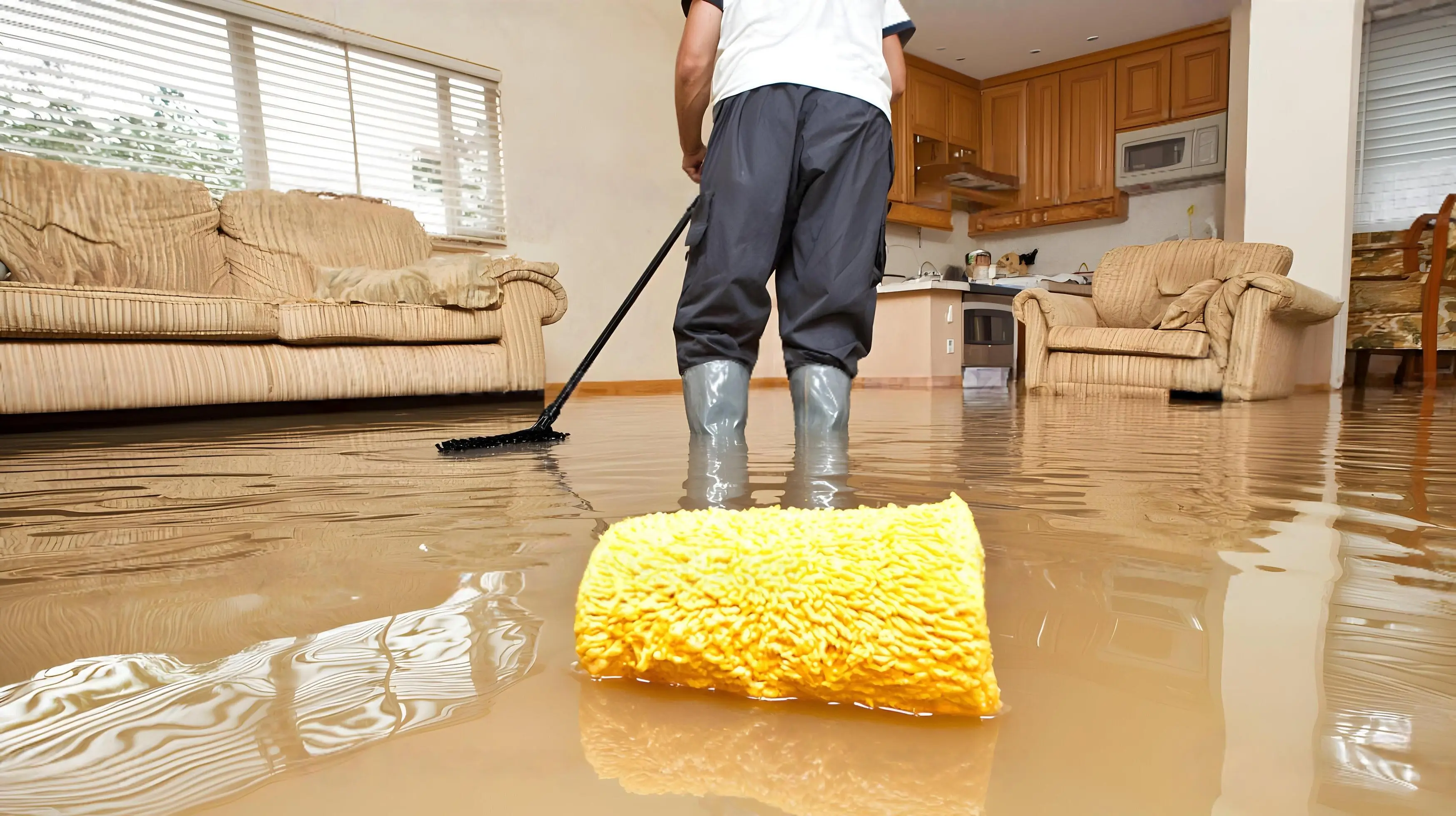
Water Damage Restoration
Burst pipes, storm flooding, standing water. We extract, dry, and restore before mold sets in.
Learn more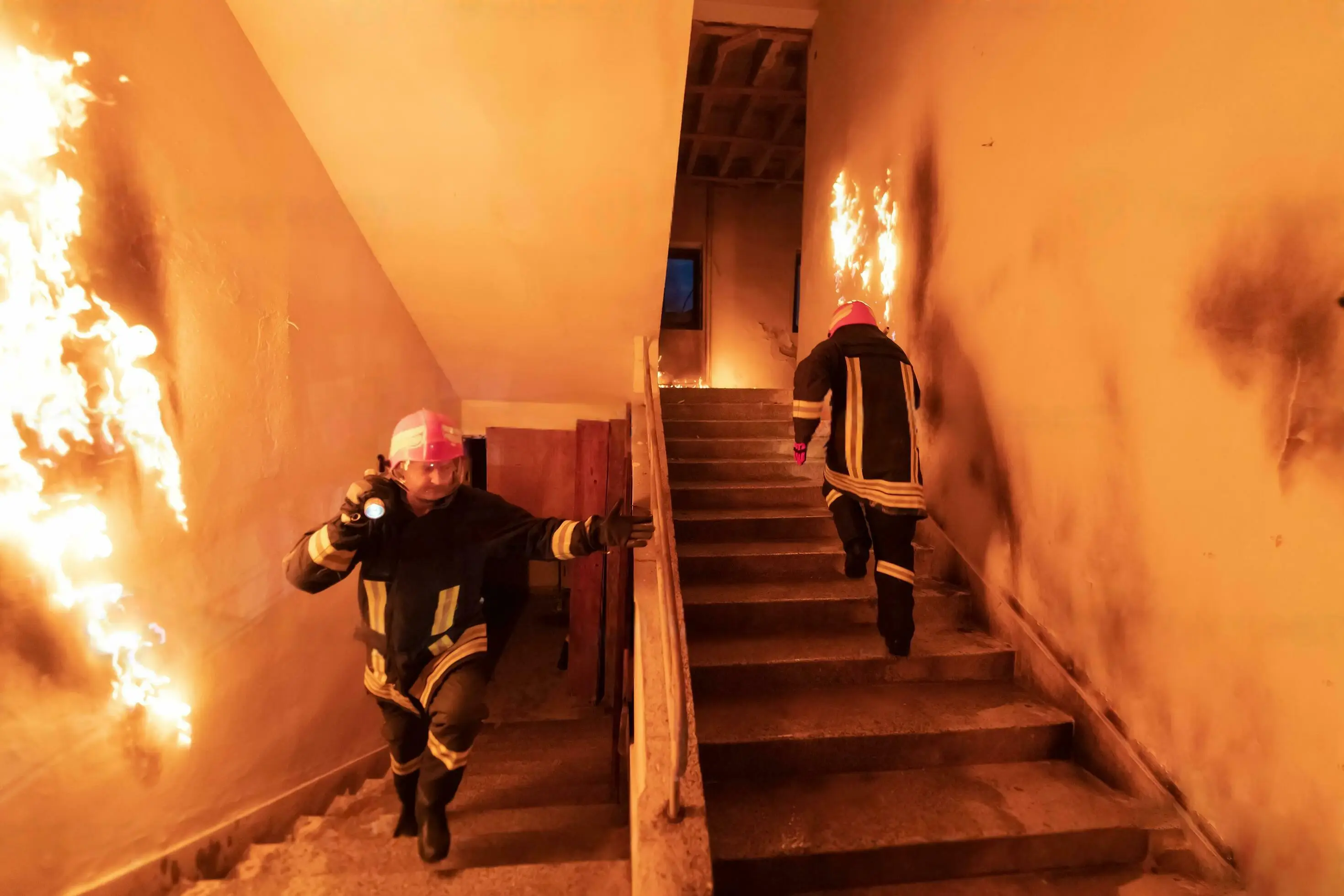
Fire Damage Restoration
Structural damage, soot, debris. We stabilize, clean, and rebuild what fire destroyed.
Learn more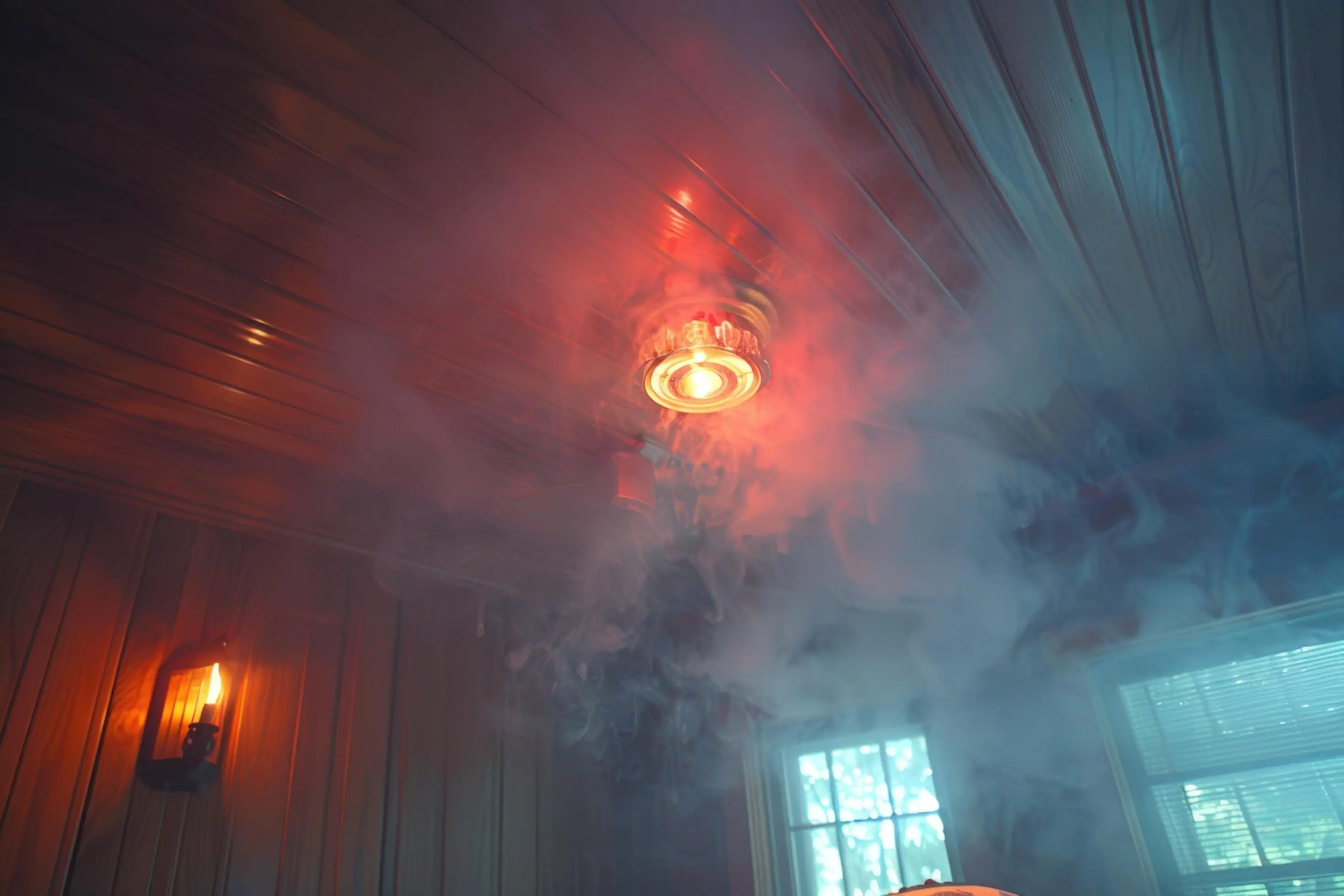
Smoke Damage Restoration
Soot residue, chemical odors, HVAC contamination. We decontaminate surfaces, eliminate odors, and restore air quality.
Learn more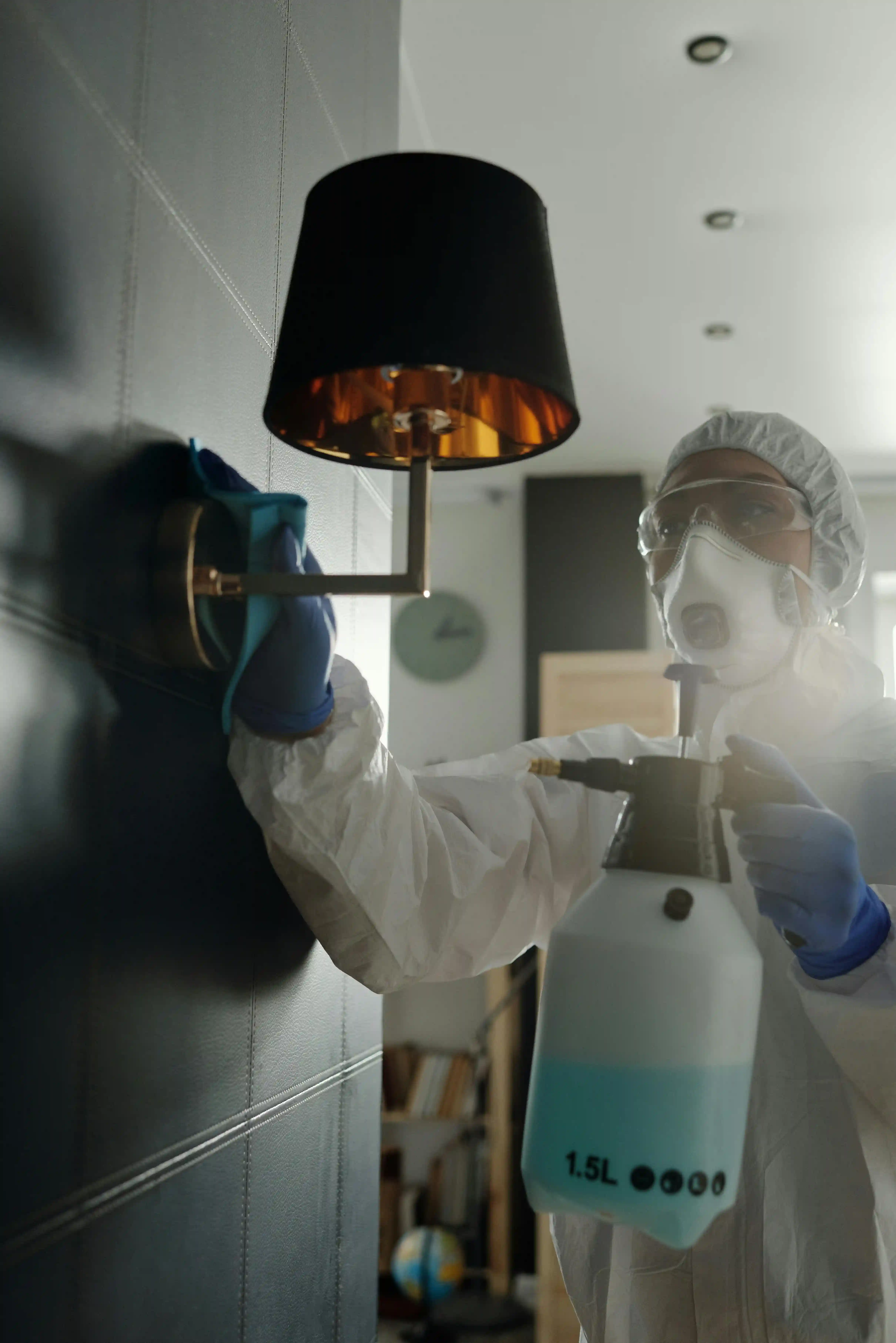
Mold Remediation
Testing, containment, removal, prevention. We find the source, eliminate the growth, and stop it from returning.
Learn more