
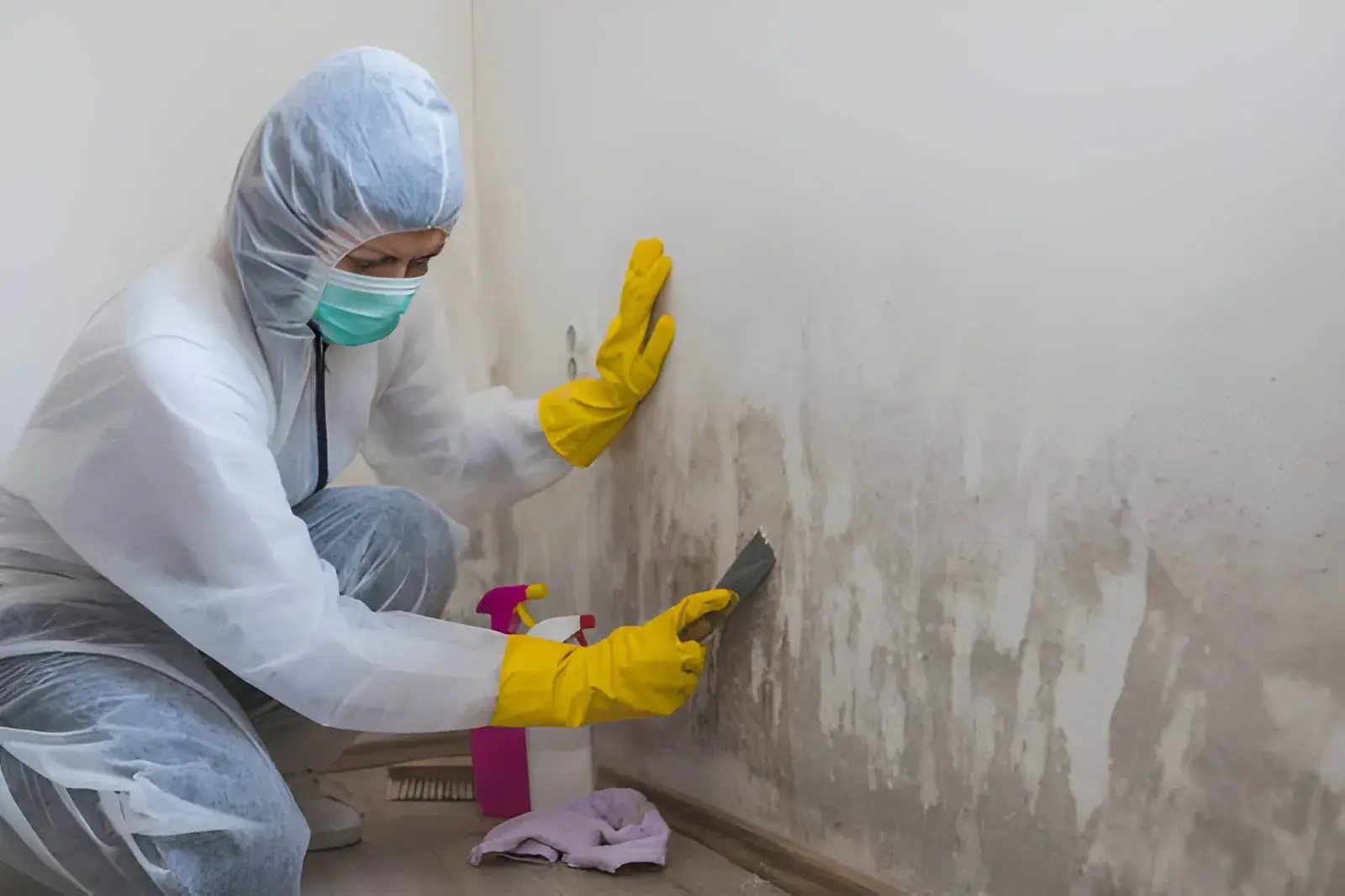
Mold Remediation in Streamwood, IL
Mold doubles its colonized area every 24 to 48 hours in favorable conditions. Every day of delay expands the scope, increases the cost, and deepens the health risk. Our team responds to Streamwood properties within 60 minutes.
What Happens When You Call
A real person answers, not a call center. We assess your situation, ask about moisture history and symptoms, and begin coordinating your response immediately.
Your dedicated remediation team is dispatched from our local base serving Streamwood and the surrounding northwest Cook County communities.
Team arrives with moisture detection equipment, air sampling supplies, and containment materials. Inspection and assessment begins immediately.
Moisture source identified, contamination extent mapped, remediation plan documented. You know exactly what comes next and what the timeline looks like.
You have found mold in your home, or you suspect it is there based on persistent musty odor, unexplained respiratory symptoms, or visible discoloration in a damp area. Either way, the problem is not going to resolve itself. Mold in an environment with moisture will continue growing until the moisture source is eliminated and the colonized materials are properly remediated. X Response exists for exactly this moment. When you reach out, your remediation team is mobilized within minutes and on site within the hour. Call now. Your team is standing by.
Why Streamwood Homes Are Vulnerable to Mold
Streamwood is a village of approximately 39,577 residents in Cook County, Illinois, where the combination of the Poplar Creek watershed's flood dynamics, clay soils with minimal permeability, a housing stock spanning seven decades of construction methods, and the humid continental climate of the Chicago metropolitan area creates persistent conditions favorable to mold growth in residential structures. The village's location within the 83.5-square-mile Poplar Creek watershed means that major storm events produce sustained elevated soil moisture levels around foundations for days after rainfall stops, maintaining the damp conditions that support mold colonization in basements and crawl spaces. The MWRD's three regional reservoirs within Streamwood (Dolphin Park, Hillside Park, and Oak Hill Park) provide substantial stormwater detention but cannot eliminate the groundwater saturation that reaches individual residential foundations through the clay soil matrix surrounding every home in the village.
The Illinois Department of Public Health advises that mold problems often result from building or property maintenance code violations and recommends that residents in incorporated areas like Streamwood contact their municipality for assistance. Critically, Illinois has no state licensing requirement for mold remediation contractors, meaning there is no regulatory minimum qualification for companies performing mold work in Streamwood homes. The IDPH recommends that homeowners verify contractor credentials, check references, and confirm that remediation follows established industry protocols. This regulatory gap makes contractor selection particularly important for Streamwood homeowners, who must rely on industry certifications like IICRC and ACAC rather than state-mandated licensing to ensure their remediation contractor is qualified. The Village of Streamwood's building department may require permits for work that involves structural modification, but the mold remediation itself falls outside state oversight.
Clay Soils and Chronic Foundation Moisture
The glacial till soils underlying Streamwood consist of clay-rich deposits that hold water against basement foundations rather than allowing it to percolate downward. After any significant rainfall event, soil surrounding residential foundations becomes saturated, applying hydrostatic pressure against basement walls and floor slabs. This pressure forces water through microscopic cracks, cold joints, form-tie penetrations, and any imperfection in the concrete. In Streamwood's 1950s and 1960s-era homes, where foundation waterproofing was minimal by modern standards, this moisture intrusion is often chronic rather than episodic. The dampness may not produce standing water visible to the homeowner, but it maintains relative humidity levels above 60 percent in basement wall cavities, behind storage items against walls, and beneath carpeting or floating floors, all conditions that support mold colonization over time. Even in newer construction with improved waterproofing, the sheer persistence of clay soil moisture after storms in the Poplar Creek watershed means that any gap in the waterproofing system eventually admits enough moisture to create mold-favorable conditions.
Multi-Era Construction and Hidden Moisture Pathways
Streamwood's housing stock spans from 1957 through the present, with each era's construction creating different moisture vulnerabilities. The original 1950s prefabricated ranches have shallow foundations with minimal waterproofing, limited vapor barriers, and wall cavities that connect basement air directly to living spaces above through unsealed top plates and electrical penetrations. Homes from the 1970s and 1980s introduced finished basements with drywall framed directly against concrete walls, creating hidden cavities where moisture migrates from the concrete into the paper-faced drywall without any visible indication until mold growth is extensive. Newer homes from the 1990s and later may have better waterproofing but often feature thicker insulation packages that reduce airflow near foundation walls, trapping moisture in dead-air spaces where it cannot dry. Each era presents different mold inspection challenges because the likely locations of hidden growth differ based on how the structure was assembled and where moisture pathways exist within the wall system.
Sump Pump Dependency and Intermittent Failure
Virtually every home in Streamwood relies on a sump pump system to actively manage groundwater, and the chronic nature of clay soil moisture means these systems run frequently. Each pump cycle removes water that would otherwise accumulate against and beneath the foundation slab. When pumps fail, even briefly, the water table rises against the foundation and introduces moisture into areas that are normally kept dry. But mold does not require a catastrophic sump pump failure to establish itself. Minor issues like partially clogged drain tiles that slow water delivery to the pit, a pump that short-cycles due to a malfunctioning float switch, or a discharge line that freezes during winter and causes temporary backup all create intermittent moisture events that are too brief to notice as flooding but sufficient to establish mold colonization in susceptible materials. The homeowner sees no standing water and has no reason to suspect a problem until visible mold appears or occupants develop respiratory symptoms, by which time the colony may be well established behind walls or beneath flooring.
Humid Continental Climate and Seasonal Condensation
The Chicago metropolitan area's humid continental climate produces summer dew points that frequently run high from June through September, creating conditions where warm, humid outdoor air condensates on cooler basement surfaces. In Streamwood homes, basement walls and floors remain cooler than the outdoor air during summer because they are in contact with the relatively stable temperature of the surrounding earth. When humid outdoor air enters the basement through open windows, basement egress openings, or the HVAC system's fresh-air intake, the moisture in that air condenses on the cooler concrete surfaces, on metal ductwork, on cold-water pipes, and on any surface below the dew point. This condensation mechanism operates independently of groundwater intrusion and can sustain mold growth even in homes with perfectly functioning waterproofing and sump systems. Homeowners who open basement windows during summer to ventilate, believing fresh air prevents mold, actually introduce moisture that condensates and accelerates growth.
Post-Flood Mold Colonization in the Poplar Creek Watershed
Streamwood's position within the Poplar Creek watershed means that significant flood events, whether from creek overbank flooding, storm sewer surcharging, or sump pump failure during sustained storms, introduce large volumes of water into homes that then create optimal mold conditions during the drying period that follows. Mold colonization begins within 24 to 48 hours on wetted organic materials at typical summer temperatures, meaning that any flood event in Streamwood that is not professionally dried within that window will produce mold growth. The challenge is compounded by the village's clay soils, which hold moisture against foundations for days after the rainfall stops, maintaining elevated humidity even after standing water is removed from the interior. Homeowners who use consumer fans and dehumidifiers after a basement flood may achieve visually dry conditions while hidden moisture persists in wall cavities, beneath floating floors, and within the concrete slab itself, providing the sustained dampness that mold requires without any visible water present. By the time mold becomes visible or produces detectable odor, the colony has typically been growing for weeks in concealed spaces.
These factors create a village where mold risk is driven by the interaction between persistent clay-soil moisture against foundations, construction methods spanning seven decades with different hidden moisture pathways, sump pump systems managing chronic groundwater pressure with intermittent imperfection, summer humidity that produces condensation on cool basement surfaces independent of water intrusion, and the Poplar Creek watershed's flood events that introduce large volumes of water requiring rapid professional drying to prevent colonization. Effective mold remediation in Streamwood requires identifying and eliminating the moisture source first, then mapping the full extent of colonization through professional inspection including concealed spaces, and finally removing contaminated materials under proper containment to prevent cross-contamination to unaffected areas.
What Happens to Your Home While You Wait
24–48 Hours After Moisture Introduction
Mold spores, which are ubiquitous in ambient air, begin germinating on wet organic materials when moisture conditions are sustained. Paper-faced drywall, carpet backing, cardboard storage boxes, wood framing, and dust accumulations on concrete surfaces all provide sufficient nutrients. At summer temperatures typical of Streamwood basements (65 to 75 degrees), germination begins within 24 hours on ideal substrates. Growth is invisible at this stage, occurring at the microscopic level, but the colony has established itself and will continue expanding as long as moisture persists. This is the window where drying intervention prevents mold from developing at all.
3–7 Days
Visible mold growth appears on the most susceptible surfaces first: the paper facing of drywall at the floor line where wicking is highest, the underside of carpet pad trapped against a damp slab, the backing of baseboards against concrete walls, and the surfaces of cardboard items stored against basement walls. Musty volatile organic compounds become detectable by smell before visible growth appears in many cases. The colony is actively producing spores that become airborne and distribute through the affected space, potentially colonizing additional surfaces and entering the HVAC system for distribution to other areas of the home.
1–4 Weeks
Mold colonies expand behind drywall into wall cavities where they are invisible from the living space. Growth follows moisture pathways upward through drywall paper facing and along the back side of drywall panels where they contact framing members holding residual moisture. Carpet and pad that appeared dry on the surface may harbor extensive growth underneath where trapped moisture persisted between the pad and slab. The remediation scope at this stage typically requires removal of affected drywall, carpet, pad, and baseboards rather than surface cleaning alone. Occupants with mold sensitivities may begin experiencing respiratory symptoms, allergic reactions, or chronic sinus inflammation.
1–3 Months
Established colonies penetrate into structural framing members, particularly at the sill plate where wood contacts the concrete foundation wall. Growth extends vertically through wall cavities toward the first-floor living space, potentially reaching upper levels through unsealed penetrations. The affected area is typically significantly larger than any visible growth suggests because the hidden growth behind walls and beneath floors may extend several feet beyond visible indicators. Professional remediation at this stage involves extensive demolition of affected materials, structural assessment of wood framing for integrity, and comprehensive containment protocols to prevent spore release during removal.
6 Months and Beyond
Chronic mold conditions affect structural wood integrity as enzymes break down cellulose fibers. Sill plates, rim joists, and floor joists in sustained contact with moisture-compromised foundation walls show softening and early decay. The HVAC system has been distributing spores throughout the home for months, potentially establishing secondary colonies in other areas with marginal moisture conditions. Health impacts may have progressed from allergic symptoms to chronic respiratory conditions for sensitive occupants. Remediation at this stage is a major project involving significant structural demolition, potential framing replacement, system-wide HVAC decontamination, and comprehensive post-remediation verification testing to confirm all colonies have been eliminated.
The difference between a contained remediation project and a major structural intervention is how long the moisture source persists without correction. Contact X Response now. Our Streamwood team responds within 60 minutes to assess your situation and stop the progression.
How We Restore Mold-Affected Streamwood Homes
Mold remediation done correctly follows a disciplined sequence: identify and eliminate the moisture source, map the full contamination extent, contain the affected area, remove colonized materials safely, treat remaining structural surfaces, and verify the remediation was complete. Here is how our team approaches mold work for Streamwood properties.
Moisture Source Identification and Inspection
Before any mold is removed, we must find and address the moisture source that allowed it to grow. Without eliminating the moisture, any remediation is temporary because mold will re-establish itself on new materials within weeks. Our team uses professional moisture meters, thermal imaging cameras, and hygrometers to map moisture conditions throughout the affected area and identify the source: groundwater intrusion through the foundation from Streamwood's clay soils, a plumbing leak behind walls, condensation from humid air on cool surfaces, inadequate ventilation trapping moisture, or residual moisture from a prior flooding event that was not fully dried. We inspect concealed spaces including wall cavities (through minimally invasive boroscope inspection), beneath flooring systems, above ceiling tiles, and around plumbing penetrations. Air sampling and surface sampling may be collected to identify mold species and concentration levels, establishing a baseline for post-remediation comparison.
Containment and Air Filtration
Before any contaminated material is disturbed, we establish negative-pressure containment around the work area using polyethylene sheeting sealed to floor, ceiling, and wall surfaces. HEPA-filtered negative air machines maintain pressure differential that prevents spores released during removal from migrating to unaffected areas of the home. All HVAC registers within the containment zone are sealed. Access is through a decontamination chamber that allows workers to enter and exit without breaking containment integrity. This protocol is essential in Streamwood homes where finished basements connect directly to upper living spaces through open stairways and HVAC return systems. Without proper containment, disturbing an established mold colony releases millions of spores that the forced-air system distributes to every room in the house, potentially creating a whole-house contamination event from what started as a localized problem.
Removal of Contaminated Materials
Porous materials that have been colonized by mold are removed rather than cleaned because mold penetrates into the material structure where it cannot be fully eliminated by surface treatment alone. Paper-faced drywall, carpet, carpet pad, cardboard, fabric, and unsealed wood products with visible mold growth are cut out and removed within the contained area. Non-porous materials like concrete, metal framing, and sealed wood can be cleaned and treated in place with antimicrobial solutions. Removal extends beyond the visible mold boundary because hidden growth behind the visible edge is expected; we remove material until we reach confirmed clean substrate. All removed materials are double-bagged in sealed polyethylene before leaving the containment area to prevent spore release during transport. For Streamwood homes where mold has colonized wall cavities above the basement, removal may extend into first-floor wall areas accessed from the finished side.
Structural Treatment and Moisture Correction
Exposed structural surfaces that remain in place, including concrete foundation walls, wood framing members, and subfloor sheathing, are treated with EPA-registered antimicrobial solutions that kill remaining mold organisms and provide residual protection during the rebuild period. Wood framing is assessed for structural integrity; members that show softening, decay, or loss of section are marked for replacement during the rebuild phase. Simultaneously, the moisture source identified in step one is corrected: foundation cracks are sealed, drainage systems are repaired or upgraded, sump pump function is verified, plumbing leaks are repaired, or ventilation improvements are made to prevent condensation recurrence. In Streamwood homes where chronic clay-soil moisture is the source, corrections may include interior drainage tile installation, sump pump upgrade with battery backup, vapor barrier application to exposed concrete, and dehumidification systems sized for the space.
Post-Remediation Verification
After remediation is complete and before containment is removed, we conduct post-remediation verification to confirm the work was successful. This includes visual inspection of all treated surfaces under adequate lighting, moisture readings confirming the area has been dried to acceptable levels, and air sampling within the containment zone to verify spore concentrations have returned to levels comparable to unaffected areas of the home or outdoor ambient levels. If any sample exceeds acceptable thresholds, additional treatment is performed before clearance. Once verification passes, containment is removed and the area is cleared for reconstruction. We provide a complete remediation report documenting the scope of work, testing results, materials removed, treatments applied, and post-remediation clearance data. This documentation supports insurance claims and provides evidence of proper remediation for future property transactions.
The X Response Difference
Mold remediation is not complete until the moisture source is eliminated, contaminated materials are removed under containment, structural surfaces are treated, and post-remediation testing confirms the environment is safe. X Response delivers that complete protocol for every Streamwood mold project.
Insurance Claim Guidance for Streamwood Homeowners
Mold damage insurance coverage in Illinois is one of the most restrictive categories in residential property insurance. Most standard homeowner's policies either exclude mold entirely or cap coverage at a sublimit ranging from $5,000 to $25,000, far below the cost of a significant mold remediation project. The key coverage question is whether the mold resulted from a sudden and accidental covered peril (like a burst pipe that was promptly discovered) or from a long-term maintenance issue (like chronic basement moisture that was not addressed). Mold from a covered water loss that is claimed promptly is typically covered within the policy's mold sublimit. Mold from ongoing moisture intrusion, condensation, or deferred maintenance is almost universally excluded. The distinction is critical for Streamwood homeowners: if a sump pump failed during a storm and the resulting moisture produced mold because the homeowner did not dry the basement promptly, coverage may be limited or denied on the grounds that timely mitigation would have prevented the mold. This makes rapid response to any water event not only a structural concern but an insurance concern.
How X Response Helps
- Document the specific water event or moisture condition that caused the mold, with dates and evidence establishing the timeline
- Demonstrate that the mold resulted from a sudden and accidental event rather than long-term deferred maintenance
- Provide professional testing results identifying mold type, concentration, and affected area scope
- Show that the homeowner took reasonable mitigation steps in response to the originating water event
- Identify the policy's mold sublimit and align the scope of work with available coverage so you can make informed decisions about the project
X Response does not file claims on your behalf, adjust claims, or make coverage determinations. We provide documentation and guidance to help you make informed decisions about your property and your policy. Coverage decisions are made solely by your insurance carrier.
Certified Restoration Specialists Serving Streamwood
When you contact X Response for mold remediation in Streamwood, your team is drawn from certified professionals who work across Cook County's northwest suburbs and understand the specific moisture dynamics and construction patterns that drive mold growth in this community. They know how Streamwood's clay soils maintain hydrostatic pressure against foundations for days after storms, how the 1950s-era homes differ from 1990s construction in their moisture vulnerability profiles, how the Poplar Creek watershed's flood events create post-flood mold conditions that require immediate intervention, and how the humid continental climate produces summer condensation in basements independent of groundwater intrusion. They have remediated mold in homes across every era of Streamwood's housing stock, from the original Maxon Construction ranches through modern two-story homes on the village's western edge.
Every technician on your team holds current IICRC certification in mold remediation and follows ANSI/IICRC S520 protocols for assessment, containment, removal, and post-remediation verification. Equipment includes professional-grade moisture meters, thermal imaging cameras, boroscope inspection tools for concealed cavities, HEPA-filtered negative air machines for containment, commercial dehumidifiers for structural drying, and air sampling equipment with laboratory chain-of-custody protocols. Because Illinois does not require state licensing for mold remediation, our IICRC and ACAC certifications, combined with adherence to published industry standards, provide the credentialing that Streamwood homeowners cannot rely on the state to enforce.
In Streamwood, X Response works with Scene Cleaners, an independent local restoration partner serving Cook County.
Mold Remediation FAQ for Streamwood Homeowners
Other Emergency Services in Streamwood
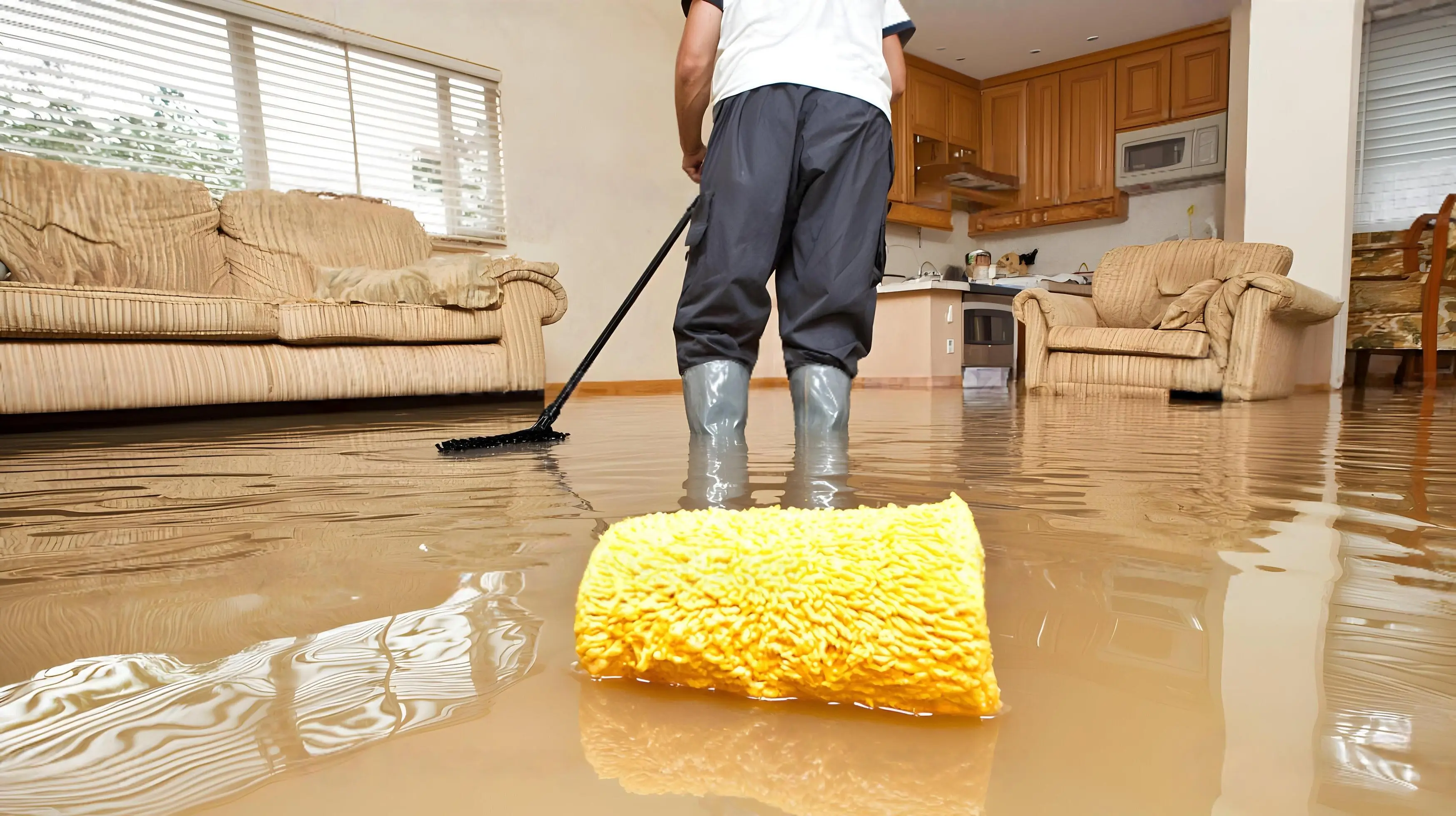
Water Damage Restoration
Burst pipes, storm flooding, standing water. We extract, dry, and restore before mold sets in.
Learn more
Fire Damage Restoration
Structural damage, soot, debris. We stabilize, clean, and rebuild what fire destroyed.
Learn more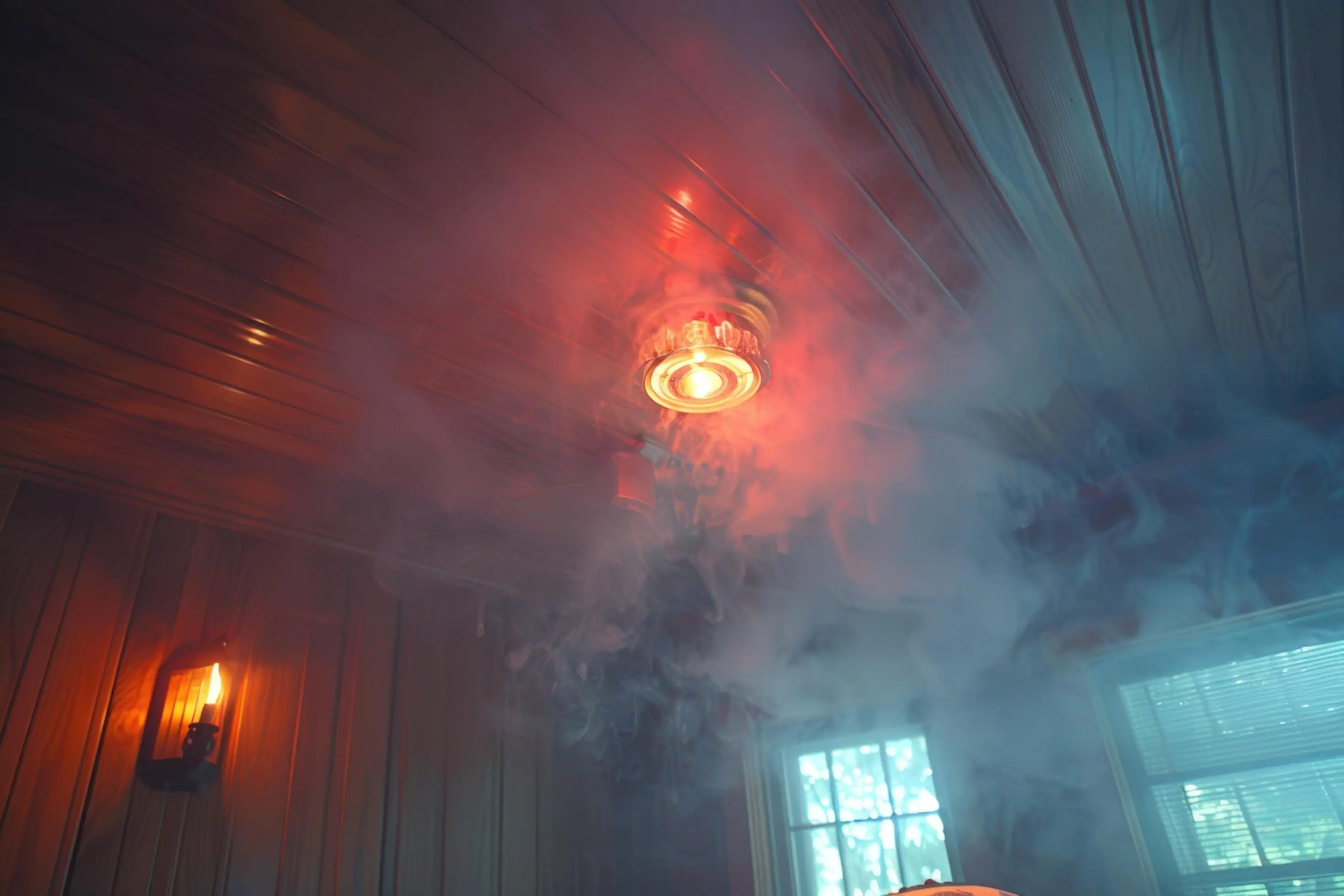
Smoke Damage Restoration
Soot residue, chemical odors, HVAC contamination. We decontaminate surfaces, eliminate odors, and restore air quality.
Learn more
Sewage Cleanup
Sewer backups, contaminated water, biohazard. We extract, sanitize, and restore safely.
Learn more