
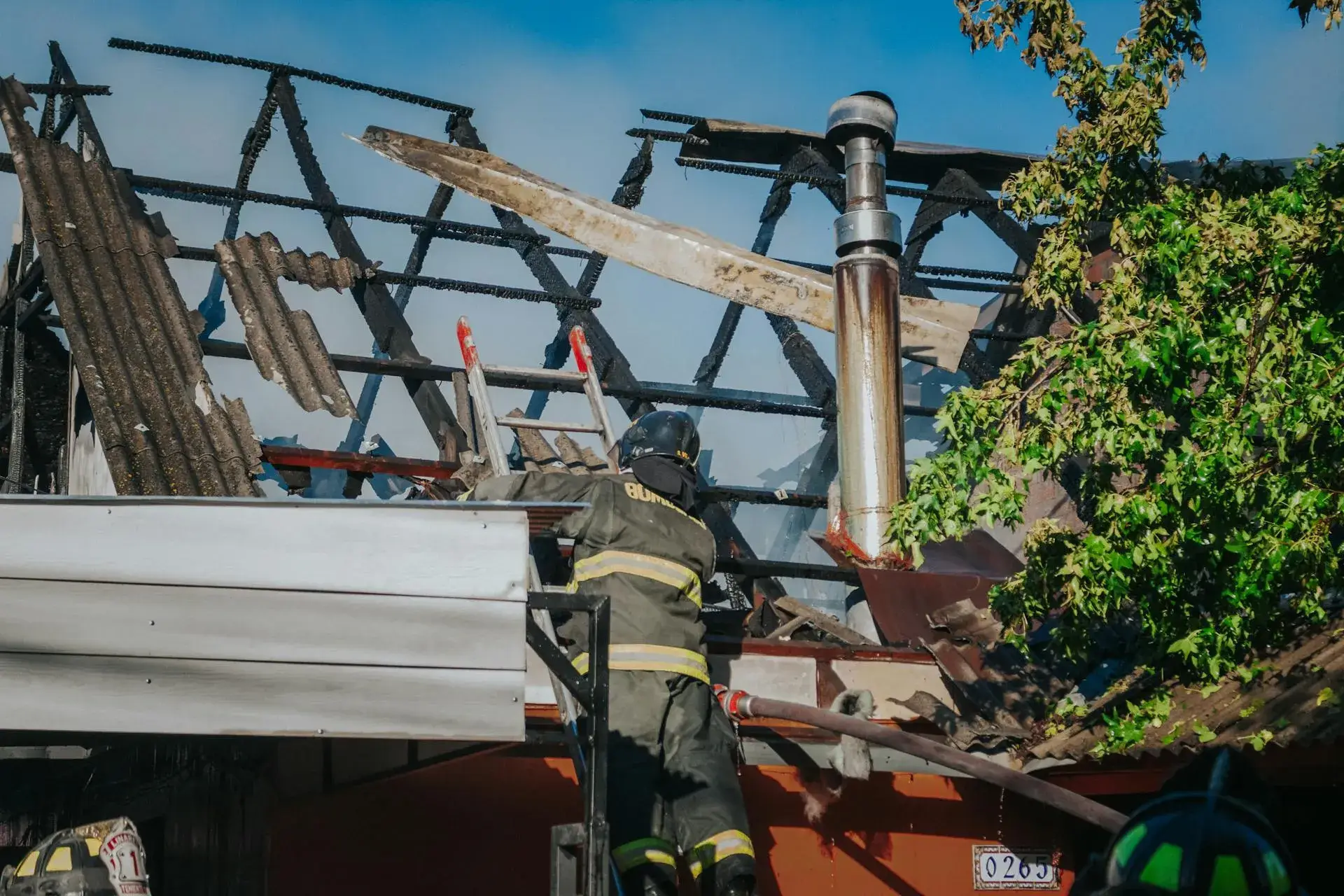
Fire Damage Restoration in Taylor, MI
Acidic soot and toxic combustion gases begin etching metals, discoloring appliances, and penetrating structural framing within hours of a fire. Our local IICRC-certified restoration crew arrives in Taylor within 60 minutes to secure your property and begin stabilization.
What Happens When You Call
Our 24/7 emergency dispatch connects you directly with a restoration coordinator who immediately mobilizes a local Wayne County fire recovery unit.
Technicians arrive at your Taylor property within 60 minutes to assess structural stability and execute emergency board-up and tarping.
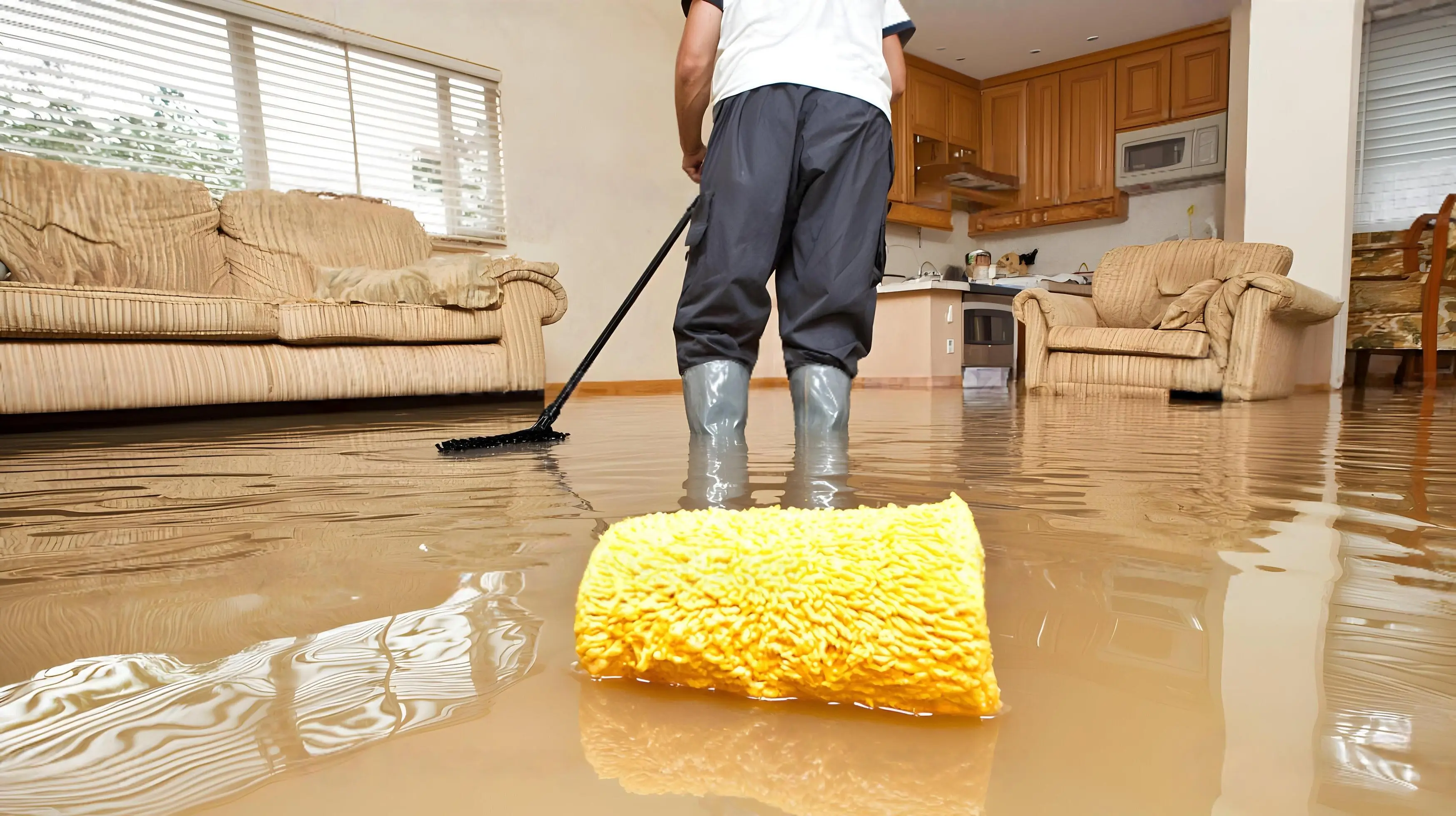
We extract standing firefighting water, deploy industrial dehumidifiers, and scrub indoor air using commercial HEPA air scrubbers.
Our certified specialists remove corrosive soot residues, neutralize smoke odors using hydroxyl technology, and prepare detailed reconstruction plans.
Experiencing a structure fire is devastating, leaving properties exposed to the elements, saturated with firefighting water, and contaminated by corrosive smoke. Rapid professional mitigation within the first 24 to 48 hours is vital to prevent permanent etching and salvage structural framing. At X Response, our dedicated emergency restoration specialists deploy immediately throughout Taylor and Wayne County. We manage site security, water extraction, soot removal, and insurance claim coordination under a single unified team. Call now. Your team is standing by.
Why Taylor Homes Are Vulnerable to Fire Damage
Fire damage restoration in Taylor requires specialized knowledge of the city's residential architecture, commercial corridors, and winter climate hazards. On October 8, 2024, emergency crews battled a significant apartment fire at the Ponds Village complex on Eureka Road near Inkster Road in Taylor, causing extensive structural and smoke damage across the multi-unit residential building. Incidents like this highlight the destructive power of structure fires in dense multi-family and single-family communities across Wayne County, where smoke migration and water damage quickly extend far beyond the initial ignition zone.
The single-family neighborhoods of Taylor primarily feature mid-century brick ranches, Cape Cods, and split-levels built between 1950 and 1975. In homes from this era, electrical systems often struggle to meet the power demands of modern appliances. Aging 60-amp and 100-amp service panels, ungrounded branch circuits, and aluminum wiring installed in late 1960s subdivisions present significant fire hazards. When an electrical fault occurs inside a wall cavity or attic space, fire spreads along structural studs and joists before interior smoke detectors trigger.
Heating equipment presents substantial seasonal fire risks during severe Michigan winters. From November through March, natural gas furnaces, boiler systems, space heaters, and wood-burning fireplaces operate under constant demand. A malfunctioning furnace or oil burner can produce a furnace puffback, forcing oily petroleum soot and acidic carbon particulates throughout the house via central forced-air supply ducts. This fine soot penetrates porous fabrics, coats ceilings, and corrodes electronics across every room.
Fire suppression efforts by the Taylor Fire Department, which operates from headquarters on Goddard Road and neighborhood stations on Ecorse Road and Eureka Road, often introduce thousands of gallons of water into the burning structure. This water cascades through ceilings and pools in basements, soaking insulation and drywall. Without immediate water extraction and structural dehumidification, fire losses rapidly compound into severe toxic mold outbreaks within 24 to 48 hours.
Aging Mid-Century Electrical Panels and Branch Wiring
Many Taylor homes built during the postwar housing boom still contain original fuse boxes, outdated breaker panels, or aluminum wiring installed in the late 1960s and early 1970s. Overloaded circuits, loose connections, and outdated insulation on wiring inside wall cavities represent major ignition sources for residential fires.
Forced-Air HVAC Smoke and Soot Distribution
Most single-family homes in Taylor feature basement-mounted furnaces and centralized duct networks. When a fire occurs in one room, return air ducts draw smoke, soot, and toxic volatile organic compounds into the HVAC unit, blowing microscopic combustion particles into every connected living space.
Corrosive Chemical Breakdown of Synthetic Soot
Modern homes contain high concentrations of plastics, synthetic carpets, polyurethane foam upholstery, and laminate cabinetry. When these materials burn, they produce highly acidic soot that immediately begins etching glass, tarnishing metals, pitting chrome fixtures, and permanently discoloring painted surfaces if not chemically neutralized within 48 hours.
Massive Firefighting Water Saturation in Basements
Extinguishing a residential or multi-family structure fire requires large volumes of water, which naturally drains by gravity into the basement. In Taylor's concrete block basements with slow-draining clay soils, standing water quickly threatens mechanical systems, electrical panels, and wood floor joists, requiring immediate high-capacity extraction.
Structural Charring of Postwar Framing Lumber
Mid-century framing in Taylor often lacks modern firestops in exterior walls and floor assemblies. Concealed fire spread can char dimensional load-bearing lumber and roof trusses while leaving exterior brick facade walls intact, requiring careful structural shoring and reconstruction.
Restoring a fire-damaged property in Taylor demands addressing structural burn damage, corrosive soot residues, toxic smoke odors, and standing firefighting water. Our certified restoration team provides full-spectrum recovery to restore safety and pre-loss value.
What Happens to Your Home While You Wait
Within Minutes
Superheated smoke and soot rise through wall cavities, attic spaces, and HVAC ductwork. Corrosive soot deposits settle across all exposed surfaces, immediately initiating chemical etching on polished metals, mirrors, and glass windows.
1 to 24 Hours
Acidic residues cause yellowing of plastic appliance casings, permanent discoloration of fiberglass fixtures, and staining of porous stone countertops. Standing firefighting water wicks into subflooring and drywall, accelerating soot corrosion.
24 to 48 Hours
Soot penetrates deeply into unsealed wood framing, drywall paper, and upholstered furniture. Copper plumbing pipes and aluminum window frames begin pitting and corroding. Mold spores germinate on water-soaked building materials.
48 to 72 Hours
Synthetic soot permanently bonds with painted walls, cabinetry finishes, and vinyl flooring. Wood framing absorbs smoke odors deeply into the grain, requiring aggressive media blasting or chemical encapsulation. Restoration costs increase sharply.
One Week and Beyond
Severe corrosive damage, deep smoke odor penetration, and widespread secondary mold colonization become entrenched throughout the structure. Unsalvageable materials require complete structural tear-out and rebuilding.
Chemical corrosion and smoke damage continue destroying property long after the flames are out. Contact X Response now. Our Taylor team responds within 60 minutes.
How We Restore Fire-Damaged Taylor Homes
Our IICRC-certified fire restoration protocol follows strict technical standards to ensure complete site stabilization, chemical decontamination, and odor elimination.
Emergency Board-Up, Tarping, and Structural Stabilization
We secure broken windows, exterior door openings, and damaged roof sections with heavy plywood and weather-resistant tarps to protect your property from weather intrusion and unauthorized access. We evaluate structural safety and disconnect compromised utilities.
Firefighting Water Extraction and Structural Drying
Our technicians deploy commercial truck-mounted extractors to remove water accumulated from firefighting efforts. We place industrial low-grain refrigerant dehumidifiers and high-velocity air movers to dry framing, subfloors, and concrete basements before mold can develop.
Soot and Chemical Residue Decontamination
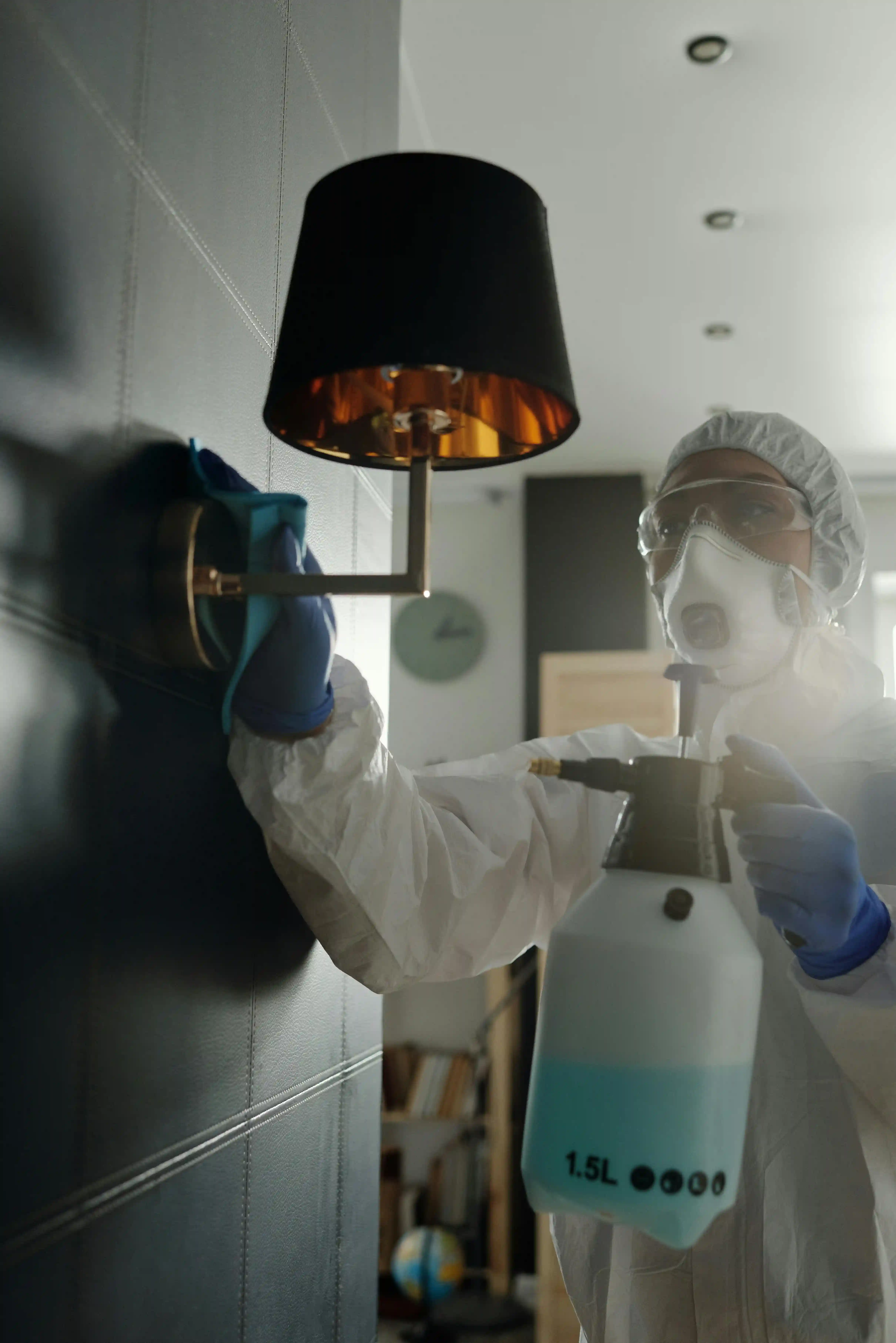
Using specialized dry chemical sponges, alkaline cleaning agents, and HEPA vacuum systems, we thoroughly clean affected surfaces. We differentiate between dry carbon soot, oily petroleum soot, and protein residue, applying custom cleaning agents that lift contaminants safely.
Molecular Odor Neutralization and Air Scrubbing
To eliminate deep smoke odors embedded in framing, insulation, and ductwork, we utilize commercial hydroxyl generators, thermal foggers, and HEPA air scrubbers. These systems neutralize odor molecules at the chemical level rather than masking them with fragrances.
Complete Structural Reconstruction and Finishing
Our licensed construction division manages all structural rebuilds, including replacing charred framing joists, hanging drywall, installing new insulation, and repainting with odor-sealing primers to return your home to pristine pre-loss condition.
The X Response Difference
Choose the certified fire restoration contractor that combines rapid local response with rigorous technical decontamination standards.
Insurance Claim Guidance for Taylor Homeowners
Filing a property insurance claim after a structure fire in Taylor requires comprehensive documentation and a detailed understanding of policy coverage. Homeowner policies typically cover direct fire destruction, smoke and soot contamination, and secondary water damage caused during firefighting efforts. However, adjusters require thorough, itemized proof of loss, including detailed structural assessments, moisture readings, and non-salvageable personal property inventories. We work directly with you and your insurance provider to provide clear, indisputable documentation from day one.
How X Response Helps
- Compile a comprehensive digital photographic and video inventory of all structural damage and personal contents prior to cleanup
- Generate transparent, line-item estimates formatted in Xactimate software, the gold standard used by major insurance carriers
- Categorize damaged personal property into salvageable items for specialized cleaning and non-salvageable items for replacement
- Document all emergency mitigation steps, including board-up, security fencing, water extraction, and structural drying equipment usage
- Coordinate directly with your assigned insurance adjuster during site walkthroughs to verify that all fire and smoke impacts are included
X Response is an emergency mitigation and restoration contractor. We do not adjust insurance claims, offer legal interpretations of policy language, or act as public adjusters. All policy coverage decisions are determined solely by your insurance carrier.
Certified Restoration Specialists Serving Taylor
Our fire recovery specialists serving Taylor have extensive experience restoring properties throughout Wayne County. They possess deep technical understanding of local construction methods, from 1950s block basements and dimensional wood framing to modern architectural retrofits. Having handled fire losses across every major neighborhood in the western Detroit suburbs, our crews approach every project with technical precision and empathetic care.
Every crew leader holds certifications from the Institute of Inspection, Cleaning and Restoration Certification (IICRC) in Fire and Smoke Restoration (FSRT), Odor Control (OCT), and Water Damage Restoration (WRT). We utilize state-of-the-art diagnostic and cleaning tools, ensuring your Taylor home is restored to the highest standards of safety and comfort.
In Taylor, X Response works with H2O Pros, an independent local restoration partner serving Wayne County.
Fire Damage Restoration FAQ for Taylor Homeowners
Other Emergency Services in Taylor
Nearby Service Areas
Also serving nearby: