
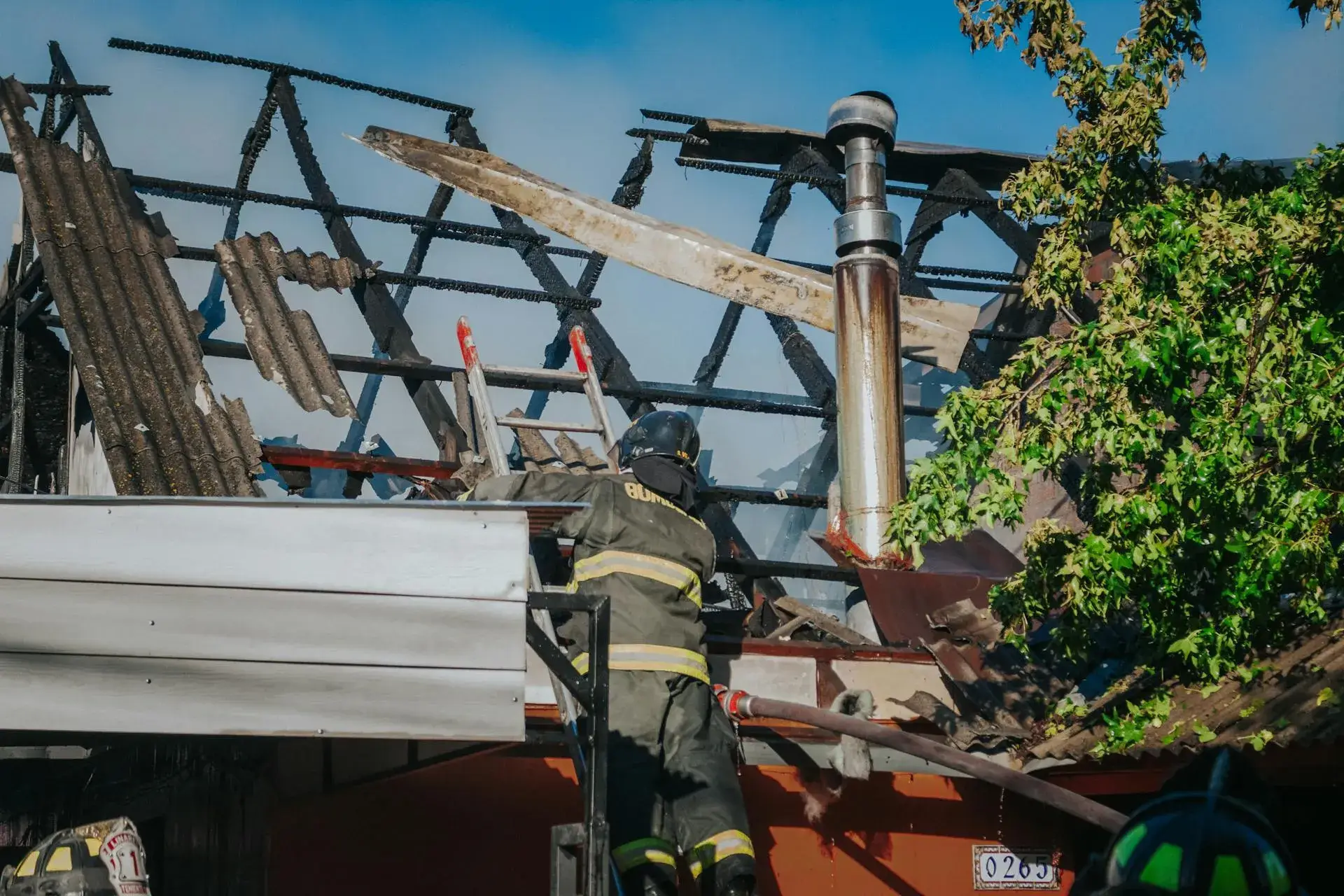
Fire Damage Restoration in Allen Park, MI
Acidic soot and toxic combustion byproducts begin etching metals, discoloring appliances, and penetrating structural framing within hours of a fire. Our local IICRC-certified restoration specialists arrive in Allen Park within 60 minutes to secure your property and begin stabilization.
What Happens When You Call
Our 24/7 live emergency dispatch connects you directly with a restoration coordinator who mobilizes a local Wayne County fire recovery crew immediately.
Technicians arrive at your Allen Park home within 60 minutes to inspect structural integrity and perform emergency board-up and roof tarping.
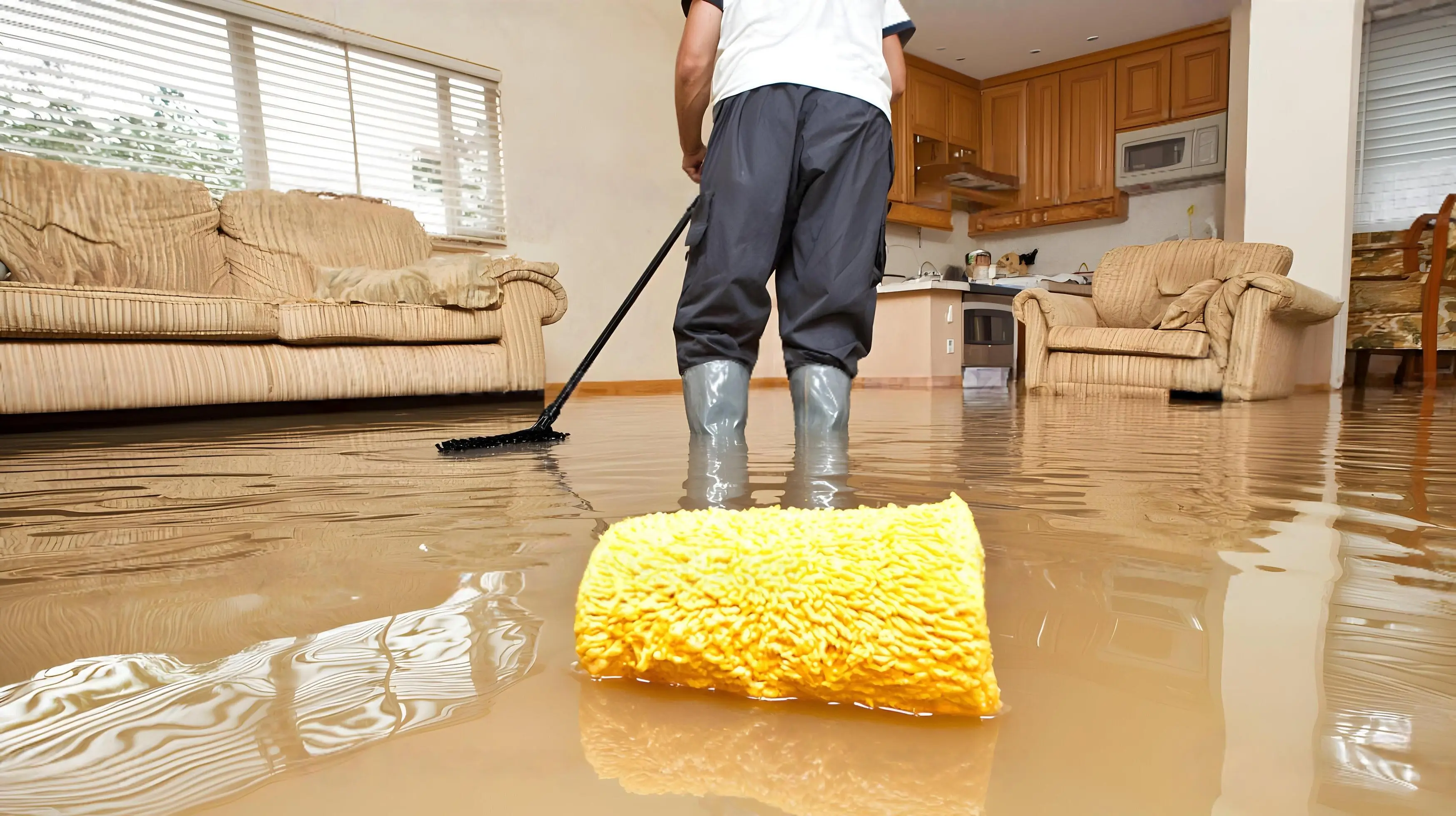
We extract standing firefighting water from basements, install commercial dehumidifiers, and scrub indoor air with HEPA filtration.
Our certified specialists decontaminate acidic soot residues, neutralize deep smoke odors with hydroxyl technology, and prepare comprehensive reconstruction plans.
A structure fire causes sudden and complex destruction, leaving residential properties vulnerable to weather intrusion, saturated with firefighting water, and blanketed in corrosive soot. Immediate emergency mitigation within the first 24 to 48 hours is vital to protect salvageable structural framing and prevent permanent chemical etching. At X Response, our certified restoration specialists deploy immediately across Allen Park and Wayne County. We handle emergency security, water extraction, soot removal, deodorization, and insurance claim coordination under a single unified local team. Call now. Your team is standing by.
Why Allen Park Homes Are Vulnerable to Fire Damage
Fire damage restoration in Allen Park demands comprehensive understanding of the community's mid-century housing construction, aging electrical infrastructure, and harsh Southeast Michigan winters. According to the U.S. Fire Administration, national estimates for residential building fires show that cooking, heating, and electrical malfunctions account for over 219,000 home fires annually, with heating and electrical failures representing primary hazards during cold-weather months. In compact Downriver neighborhoods where single-family brick homes are built in close proximity, structural fires create severe risks of rapid heat buildup and dense smoke migration, sending toxic combustion gases through wall cavities and central heating ducts across the entire structure.
The housing stock in Allen Park is largely composed of mid-century brick ranches, Cape Cods, and traditional bungalows built between 1940 and 1965. Many of these established properties still operate with older 60-amp or 100-amp electrical panels, aging circuit breakers, and early cloth-insulated copper wiring. As modern households connect high-draw consumer electronics, space heaters, and kitchen appliances, these legacy electrical systems face continuous thermal overload. Electrical arcing within enclosed wall cavities or attic spaces can ignite dry dimensional lumber framing long before smoke reaches living level detectors.
Winter heating demands create substantial seasonal fire hazards throughout Wayne County. From late autumn through early spring, central natural gas furnaces, hydronic boilers, and supplemental space heaters run under heavy continuous load. A cracked furnace heat exchanger or burner delayed ignition can trigger a furnace puffback, blasting oily black soot and acidic hydrocarbon particulates throughout the home via the forced-air duct system. This greasy residue coats ceilings, stains drywall, and causes rapid chemical corrosion on metal electronics and appliances.
Emergency firefighting operations by the Allen Park Fire Department, operating from its central headquarters at 6730 Roosevelt Avenue and collaborating with the Downriver Fire Investigation Task Force across 18 regional cities, introduce thousands of gallons of water into a burning structure to extinguish the blaze. In Allen Park's older basements surrounded by low-permeability clay soil, this water pools quickly on concrete slabs. Without immediate high-volume extraction and industrial drying, a fire loss rapidly compounds into a severe toxic mold problem within 24 to 48 hours.
Mid-Century Electrical Systems and Circuit Overloads
Many Allen Park homes built in the 1940s and 1950s contain outdated electrical service panels and older wiring. Modern power consumption can overheat these aging circuits, causing concealed electrical arcing inside interior wall framing.
Forced-Air HVAC Smoke and Soot Distribution
Most single-family ranches in Allen Park feature basement-mounted furnaces and centralized supply and return ductwork. During a fire, the heating and cooling system distributes toxic smoke, acidic soot, and volatile gases into every room in the home.
Corrosive Chemical Action of Synthetic Material Soot
Modern household furnishings, synthetic carpeting, polyurethane foam cushions, and laminate cabinets produce highly acidic soot when burned. This corrosive residue permanently etches glass, pits chrome fixtures, and tarnishes metals if not chemically neutralized within 48 hours.
Basement Flooding from Firefighting Water Operations
Extinguishing a residential structure fire requires thousands of gallons of municipal water, which naturally migrates downward into the basement. In Allen Park's dense clay soil, standing water quickly threatens structural framing and mechanical systems unless extracted immediately.
Concealed Framing Charring in Postwar Construction
Mid-century construction in Allen Park often lacks modern fireblocking between vertical wall studs and attic joists. Concealed fire spread can weaken load-bearing dimensional lumber while leaving exterior brick veneer intact, requiring careful structural shoring.
Restoring a fire-damaged home in Allen Park requires treating structural burns, neutralizing corrosive soot residues, eliminating toxic smoke odors, and drying standing firefighting water. Our local certified restoration team provides full-spectrum recovery to safely restore your home.
What Happens to Your Home While You Wait
Within Minutes
Superheated smoke and toxic combustion gases rise through wall cavities, attic spaces, and central HVAC ducts. Highly corrosive soot deposits settle across all surfaces, beginning chemical etching on polished metals, mirrors, and glass windows.
1 to 24 Hours
Acidic residues cause yellowing of plastic appliance housings, permanent staining of fiberglass fixtures, and discoloration of porous countertops. Standing firefighting water wicks into subflooring and drywall, accelerating structural soot corrosion.
24 to 48 Hours
Soot penetrates deeply into unfinished wood framing, drywall paper, and upholstered furniture. Copper plumbing pipes and aluminum window frames begin pitting and tarnishing. Mold spores activate on water-soaked building components.
48 to 72 Hours
Soot chemical etching becomes permanent on unprotected metals, porcelain, and painted surfaces. Wood framing absorbs acidic moisture, and strong smoke odors penetrate deeply into structural subflooring and masonry foundation walls.
One Week and Beyond
Severe chemical corrosion, persistent smoke odor penetration, and structural weakening require extensive demolition and material replacement, substantially increasing restoration costs and repair timelines.
In Allen Park's mid-century homes and humid seasonal climate, delaying professional fire mitigation by even a few hours dramatically increases permanent property loss. Contact X Response now. Our Allen Park team responds within 60 minutes.
How We Restore Fire-Damaged Allen Park Homes
Our fire damage restoration process adheres strictly to IICRC FSRT (Fire and Smoke Restoration) and OCT (Odor Control) standards, ensuring complete structural stabilization, chemical decontamination, and deodorization.
Emergency Board-Up, Tarping, and Site Security
Our certified crew secures your property immediately upon arrival, boarding up compromised windows, doors, and breached exterior walls, and installing heavy-duty roof tarps to prevent weather intrusion and unauthorized entry.
Firefighting Water Extraction and Structural Drying
We deploy industrial truck-mounted extractors and submersible pumps to remove standing firefighting water from basements and living levels. Low-grain refrigerant dehumidifiers and high-velocity air movers are installed to prevent secondary mold growth.
Corrosive Soot Removal and Surface Decontamination
Using specialized chemical sponges, HEPA vacuums, and alkaline cleaning agents, our technicians carefully remove greasy, dry, and protein soot residues from structural framing, masonry walls, and salvageable fixtures.
Thermal Fogging and Hydroxyl Odor Elimination
We deploy advanced hydroxyl generators and ultra-low-volume thermal foggers to neutralize volatile organic compounds and smoke odor molecules at the molecular level, treating the air and penetrating deep into porous building materials.
Structural Cleaning, Encapsulation, and Reconstruction Prep
Severely charred non-salvageable materials are safely removed under containment. Salvageable framing is sealed with odor-blocking primers, and we provide detailed line-item reconstruction scopes for your insurance carrier.
The X Response Difference
When fire and smoke damage impact your home or business in Allen Park, trust the certified restoration specialists who deliver rapid response and verified structural recovery.
Insurance Claim Guidance for Allen Park Homeowners
Navigating an insurance claim after a structure fire in Allen Park can feel overwhelming during an already stressful time. Standard Michigan homeowner policies provide coverage for structural damage, personal property loss, and additional living expenses caused by sudden fire and smoke. However, successful claim settlement depends on detailed, accurate documentation of both visible burn damage and hidden smoke, soot, and water impact. Our restoration specialists work directly alongside you and your insurance adjuster from day one, providing the thorough photographic proof and industry-standard estimates necessary for a seamless claims process.
How X Response Helps
- Conduct an exhaustive photographic and video inventory of all fire, smoke, soot, and firefighting water damage prior to cleanup
- Document structural framing compromises, electrical panel damage, and hidden smoke migration within wall and ceiling assemblies
- Generate comprehensive, line-item scopes of work using Xactimate software, the platform recognized by all major property insurance carriers
- Segregate salvageable contents from non-salvageable materials, creating detailed total loss inventories for your adjuster
- Coordinate directly with your insurance representative during on-site inspections to verify that all necessary mitigation and reconstruction steps are approved
X Response is an emergency restoration contractor. We do not adjust insurance claims, provide legal interpretations of policy language, or act as public adjusters. All policy coverage determinations remain solely between the policyholder and their licensed insurance company.
Certified Restoration Specialists Serving Allen Park
Our fire recovery specialists serving Allen Park live and work throughout Wayne County, bringing extensive local knowledge of the Downriver area's mid-century architecture, residential framing methods, and regional fire dynamics. We have restored numerous homes affected by kitchen fires, electrical failures, furnace puffbacks, and severe smoke migration across Allen Park, Lincoln Park, Dearborn, and Taylor.
Every crew supervisor holds active certifications from the Institute of Inspection, Cleaning and Restoration Certification (IICRC) in Fire and Smoke Restoration (FSRT), Odor Control (OCT), and Water Damage Restoration (WRT). Equipped with commercial HEPA air scrubbers, hydroxyl generators, and structural drying equipment, our team delivers the highest standard of fire recovery care.
In Allen Park, X Response works with H2O Pros, an independent local restoration partner serving Wayne County.
Fire Damage Restoration FAQ for Allen Park Homeowners
Other Emergency Services in Allen Park

Nearby Service Areas
Also serving nearby: