
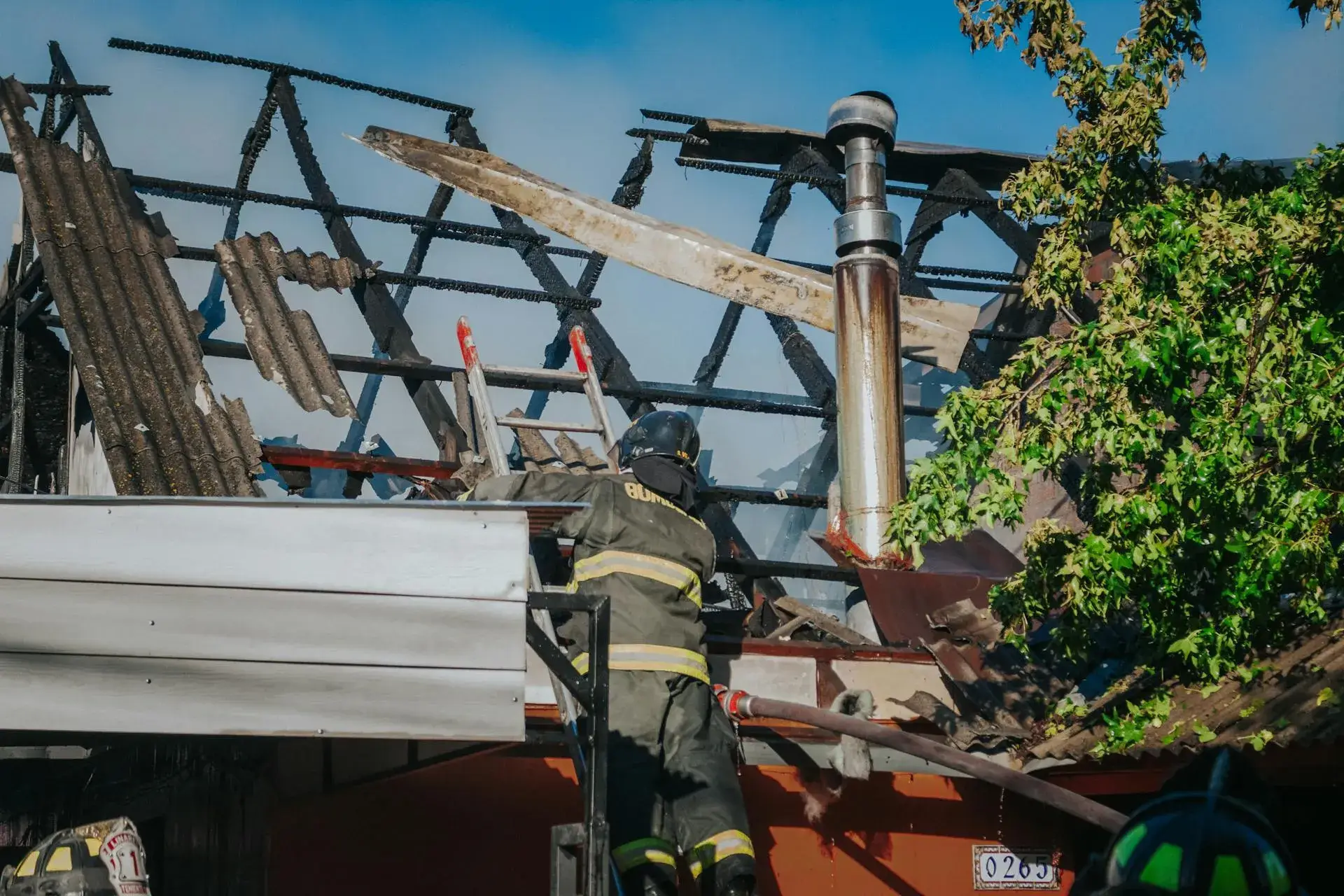
Fire Damage Restoration in Smyrna, TN
Fire leaves your home exposed to weather, theft, and accelerating secondary damage. Our local team responds to Smyrna emergencies within 60 minutes to stabilize and protect your property.
What Happens When You Call
A real person answers, not a call center. We assess your fire damage situation, determine the structural risk level, and begin coordinating your response immediately.
Your dedicated fire restoration team is dispatched from our local base serving Smyrna and the surrounding Rutherford County communities.
Team arrives with board-up materials, structural tarps, air scrubbers, and assessment equipment. Emergency stabilization begins immediately to prevent secondary damage.
Structure secured against weather and entry, preliminary damage assessment documented, restoration plan outlined. You know exactly what comes next.
After the fire department leaves, your home sits open and vulnerable. Rain enters through the damaged roof. Soot migrates deeper into surfaces with every hour. Unsecured properties draw thieves. X Response exists for exactly this moment. When you reach out, your fire restoration team is mobilized within minutes and on site within the hour. From that point forward, one team manages everything: structural stabilization, debris removal, smoke and soot cleanup, reconstruction, and insurance documentation. You are never left guessing about the next step. Call now. Your team is standing by.
Why Smyrna Homes Are Vulnerable to Fire Damage
Smyrna's fire risk is shaped by two forces that combine more often than most residents expect: severe weather and the sheer density of residential development packed along the Interstate 24 corridor. On March 25, 2021, the National Weather Service confirmed an EF-1 tornado struck Smyrna's Clarkston Drive neighborhood near Rock Springs Road, damaging 22 homes and condemning two structures on Addie Drive and Jewell Drive. The tornado touched down for approximately seven minutes just west of Interstate 24, near StoneCrest Medical Center, tearing roofing, siding, and structural components from homes on every side. Damage that violent does not just destroy a house outright. In many cases it strips the weather envelope, severs utilities, and leaves a standing structure exposed to the secondary threats that follow: arcing electrical connections, ruptured gas service, and an open building that cannot contain an ignition the way an intact structure would. Smyrna's fire damage landscape is inseparable from its severe weather exposure.
Beyond storm damage, Smyrna's rapid growth has produced a dense suburban fabric where homes sit on narrow lots, especially in the subdivisions built from the late 1980s through the 2000s along Sam Ridley Parkway and the Rock Springs Road corridor. Lot-line proximity means radiant heat from one structure fire can damage or ignite the next. The town's housing stock spans a wide range, from 1960s-era homes with original wiring and aging gas connections to brand-new construction that meets current fire codes. A kitchen fire in a 1970s home with undersized wiring and no arc-fault protection behaves very differently from the same fire in a 2020 home with rated assemblies and modern smoke detection. Effective fire restoration in Smyrna has to account for both the direct fire damage and the construction-era vulnerabilities that allowed the fire to spread.
Tornado-Driven Structure Fires and Storm Damage
The March 2021 EF-1 tornado proved how severe weather and fire are linked threats in Smyrna. When a storm tears off roofing, displaces siding, and rips soffits from a home, it exposes and can sever the systems that normally prevent ignition. Electrical wiring pulled loose from junction boxes arcs against damp displaced material. Gas meters sheared from exterior walls leak into confined attic or wall spaces. Heat pump refrigerant lines cracked open during the storm become ignition accelerants. In the weeks after a wind event, Smyrna neighborhoods with storm damage face elevated fire risk because the barriers that normally contain a small electrical fault or a grease flare have been compromised or removed entirely. Restoration in this context means assessing both the visible fire damage and the storm damage that set the stage for it.
Dense Suburban Development and Lot-Line Proximity
Smyrna's growth from under 10,000 in the early 1980s to over 53,000 by 2020 was built on subdivisions with homes on quarter-acre and smaller lots. In the neighborhoods along Rock Springs Road, Florence Road, and Stonegate Boulevard, houses can sit as close as 10 to 15 feet apart. At that distance, a fully involved residential fire generates enough radiant heat to blister vinyl siding, crack windows, and ignite exterior materials on the adjacent home. A single structure fire can become a two- or three-home event before the Smyrna Fire Department arrives. Restoration teams working these neighborhoods must assess not just the fire-origin structure but every home within the radiant exposure zone for heat damage, melted surfaces, smoke infiltration, and thermal stress to framing.
Mixed Construction Eras and Electrical Risk
Smyrna's housing stock reflects five decades of continuous building. Homes from the 1960s and 1970s near the older center of town often have original 100-amp panels, aluminum branch wiring in some cases, and no arc-fault or ground-fault protection on any circuit. Homes from the 1980s and 1990s built during the Nissan-driven boom upgraded to 200-amp service but predate arc-fault circuit interrupter requirements. Newer homes built after 2014 carry AFCI protection on most circuits and rated fire-stop assemblies at wall and floor penetrations. A small ignition in an older home without modern protection can escalate before detection, climb through wall cavities that lack fire-stopping, and involve the attic before suppression arrives. The restoration approach differs fundamentally depending on which era of construction is affected.
Heating-Season Fires and Supplemental Heat Sources
Middle Tennessee winters are cold enough to demand heating from November through March, and Smyrna homes use a mix of heat pumps, gas furnaces, and supplemental space heaters. Portable electric heaters placed too close to combustibles, gas log fireplaces with deteriorating connections, and older gas furnaces with cracked heat exchangers are leading causes of winter residential fires across Rutherford County. Smyrna's density compounds the risk: a heater fire in a bedroom of a closely spaced subdivision home threatens not just that structure but the neighbor's home 12 feet away. January and February consistently see the highest residential fire call volume, and the fires that start from heating equipment tend to originate in bedrooms or living rooms where they immediately threaten occupant safety.
Commercial and Industrial Fire Exposure
Smyrna is home to the Nissan vehicle assembly plant, one of the largest manufacturing facilities in North America, employing approximately 8,000 workers. In October 2013, a fire erupted inside the Nissan assembly plant, briefly evacuating employees in the immediate area. Beyond the plant, the Sam Ridley Parkway corridor contains warehouses, distribution centers, auto shops, and restaurants, all commercial occupancies with elevated fire loads from stored goods, cooking operations, or chemical storage. A commercial fire along this corridor produces heavy smoke that drifts into adjacent residential neighborhoods, depositing soot on homes, vehicles, and outdoor surfaces even when those homes never see flame. Residential restoration after a nearby commercial fire often involves exterior decontamination, HVAC cleaning, and smoke odor treatment for homes that were never directly involved in the fire itself.
These factors define Smyrna's fire damage landscape. Severe weather strips the protective envelope from homes and creates ignition pathways. Dense suburban development means fires threaten neighbors. A housing stock spanning five decades creates varying levels of fire resistance and requires era-specific restoration approaches. Industrial and commercial operations add smoke and soot exposure even when the fire is blocks away. Effective fire restoration here means understanding the relationship between storm damage, construction era, neighborhood density, and fire behavior, and it demands a team that has worked across Rutherford County's suburban subdivisions, commercial corridors, and storm-damaged neighborhoods.
What Happens to Your Home While You Wait
Within 1 Hour
Acidic soot begins etching glass, metal fixtures, and appliance surfaces. Synthetic materials off-gas corrosive compounds that react with moisture in the air. Every surface the smoke touched begins to deteriorate. In Rutherford County's humid climate, this chemical reaction accelerates because airborne moisture activates the acids in soot residue faster than in drier regions.
1–24 Hours
Soot permanently stains grout, unsealed stone, and porous surfaces. Metal hardware tarnishes and pits. Fiberglass insulation absorbs smoke odor that cannot be removed once embedded. If the roof is compromised, Middle Tennessee's frequent rain introduces water damage on top of the fire damage, creating compound deterioration. The structure loses value with every hour it sits unsecured and untreated.
24–48 Hours
Smoke odor permeates soft goods, upholstery, and clothing more deeply. Soot migrates through HVAC ductwork into rooms the fire never reached. Walls, ceilings, and contents in remote areas begin to discolor. The scope of contamination expands far beyond the fire-affected rooms, and salvageable items become total losses as exposure time extends.
48–72 Hours
Corrosion becomes permanent on metal surfaces and electronics. Soot etching on glass becomes irreversible. Mold begins colonizing where water from fire suppression saturated materials, especially in Middle Tennessee's warm, humid conditions. The cost of restoration climbs as more materials cross from salvageable to replacement-required.
One Week and Beyond
Widespread corrosion, permanent odor absorption into structural materials, active mold growth on water-damaged surfaces, and pest intrusion through unprotected openings. What started as a contained fire with restorable structure becomes a full demolition and rebuild. Insurance claim complexity and cost escalate with every stage of delay.
The gap between restoring your Smyrna home and demolishing it often comes down to how quickly stabilization begins after the fire department leaves. Contact X Response now. Our Smyrna team responds within 60 minutes.
How We Restore Fire-Damaged Smyrna Homes
From the moment our team arrives, every step is documented, measured, and verified. Here is exactly what the fire restoration process involves.
Emergency Stabilization and Board-Up
Our first priority is securing your property against further damage. That means boarding up window and door openings, tarping compromised roof sections, and shutting off utilities if they have not already been disconnected. For Smyrna homes damaged by tornadoes or straight-line winds before or during the fire, stabilization often means addressing wind-damage openings and fire damage simultaneously. We install temporary fencing if the structure is unsafe and post the property against unauthorized entry. Every opening is sealed against Rutherford County's frequent rain to keep water damage from compounding the fire damage. Documentation begins immediately with photos, structural notes, and a preliminary assessment.
Damage Assessment and Scope Development
Once the structure is secured, our team conducts a comprehensive assessment. We map the fire damage zone, identify smoke and soot migration paths through HVAC systems and wall cavities, test structural framing for char depth and load-bearing capacity, and document everything for your insurance claim. In Smyrna's closely spaced subdivisions, we also assess adjacent properties for radiant heat damage and smoke contamination. The resulting scope of work covers every affected area, not just what is visible from the living space. Hidden damage in attics, wall cavities, and crawl spaces is identified and documented at this stage so there are no surprises during reconstruction.
Debris Removal and Structural Cleaning
Fire-damaged materials that cannot be restored are removed safely, with containment barriers in place to prevent soot and debris from migrating into unaffected areas. Structural framing is evaluated for char penetration: wood that has lost less than a prescribed fraction of its cross-section can often be reinforced rather than replaced, preserving the structure while meeting code. Salvageable contents are inventoried and packed out for professional cleaning. The structure is cleaned from top to bottom, removing soot from every surface including ceilings, walls, framing members, and HVAC ductwork.
Smoke Odor Elimination
Smoke odor is molecular-level contamination embedded in porous materials. We use thermal fogging, hydroxyl generators, and ozone treatment in calculated sequences to neutralize odor at the molecular level rather than masking it. In Smyrna's humid conditions, residual moisture in framing and insulation can reactivate smoke odor if it is not fully addressed during this phase. We treat not just the fire-affected rooms but every space the HVAC system circulated smoke into, which in a typical Smyrna home with forced-air heating means the entire duct network and every room it serves.
Reconstruction and Completion
Once the structure is clean, dry, and odor-free, reconstruction begins. We rebuild to match existing finishes and meet current building codes, handling everything from framing and drywall to trim, paint, and flooring. For older Smyrna homes with original materials, we source period-appropriate replacements where they matter and upgrade concealed systems like wiring and insulation to current standards. A final walkthrough with you confirms that every element meets your expectations and our quality standards. The completion package includes documentation of all work for your insurance carrier and your own records.
The X Response Difference
When you contact X Response after a fire in Smyrna, you get a single team that secures, cleans, rebuilds, and documents your restoration from first call to final walkthrough. One team, one standard, start to finish.
Insurance Claim Guidance for Smyrna Homeowners
Fire damage claims in Tennessee are typically covered under standard homeowner's policies when the fire originates from a covered peril, which includes most accidental residential fires. However, claim complexity increases significantly when fire follows storm damage, when the fire originates in a neighboring property, or when the cause is under investigation. In Smyrna, where tornadoes and straight-line wind events precede fires in storm-damaged structures, the line between wind damage and fire damage can determine which portion of the loss each coverage section pays. Older homes with deferred maintenance may face claim disputes if the carrier argues that the fire resulted from a maintenance failure rather than a sudden event.
How X Response Helps
- Document the fire origin area and fire department findings to establish the cause clearly for your carrier
- Separate storm damage from fire damage in documentation when both are present, as they may fall under different coverage sections
- Inventory and photograph damaged contents with detailed descriptions to support personal property claims
- Document smoke migration into areas beyond the fire room, which expands the covered loss beyond the visible burn area
- Provide complete scope and cost documentation formatted to match insurance industry standards so your adjuster can approve efficiently
X Response does not file claims on your behalf, adjust claims, or make coverage determinations. We provide documentation and guidance to help you make informed decisions about your property and your policy. Coverage decisions are made solely by your insurance carrier.
Certified Restoration Specialists Serving Smyrna
When you contact X Response for fire damage in Smyrna, your restoration team is drawn from certified professionals who work across Rutherford County and understand the specific conditions that drive fire damage here. They have responded to storm-damaged structures where severed utilities created ignition risk, worked in Smyrna's closely spaced subdivisions where radiant heat crossed property lines, and restored homes ranging from 1960s-era construction with original systems to brand-new builds. They know how Smyrna's humid climate accelerates soot corrosion and how Middle Tennessee's frequent storms compound fire damage with water intrusion through compromised rooflines. This is not a crew reading a generic playbook. It is a local team with direct experience in the conditions your property faces.
Every technician on your team holds current IICRC certification in fire and smoke restoration and carries the appropriate Tennessee state licensing for the work being performed. Equipment includes thermal imaging for hidden hotspot detection, HEPA air scrubbers for particulate control, industrial ozone and hydroxyl generators for molecular odor treatment, and full reconstruction capabilities. When your team arrives, they bring everything needed to stabilize your home immediately and begin the restoration process without delay.
In Smyrna, X Response works with Tennessee Water and Fire, an independent local restoration partner serving Rutherford County.
Fire Damage Restoration FAQ for Smyrna Homeowners
Other Emergency Services in Smyrna
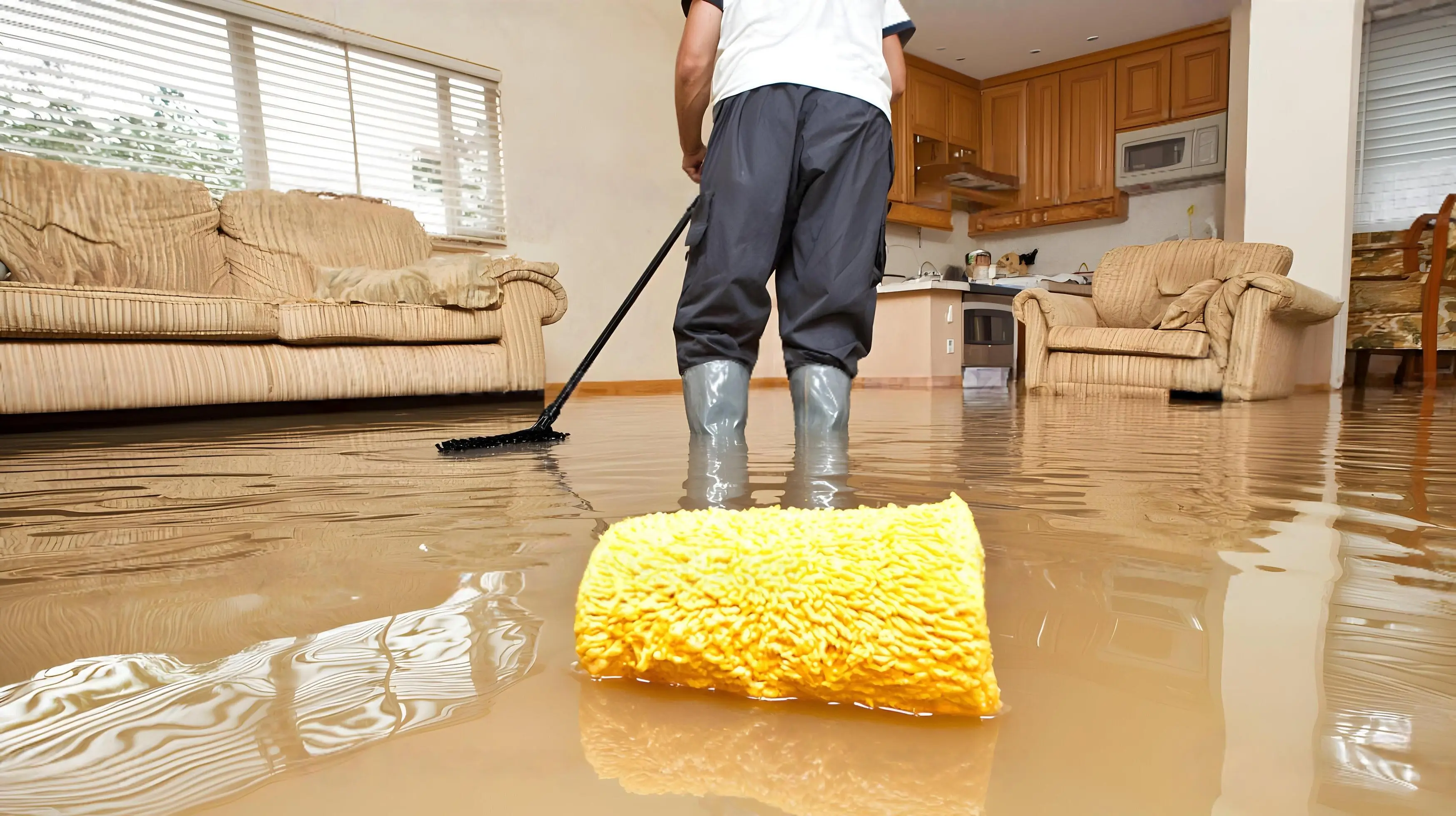
Water Damage Restoration
Burst pipes, storm flooding, standing water. We extract, dry, and restore before mold sets in.
Learn more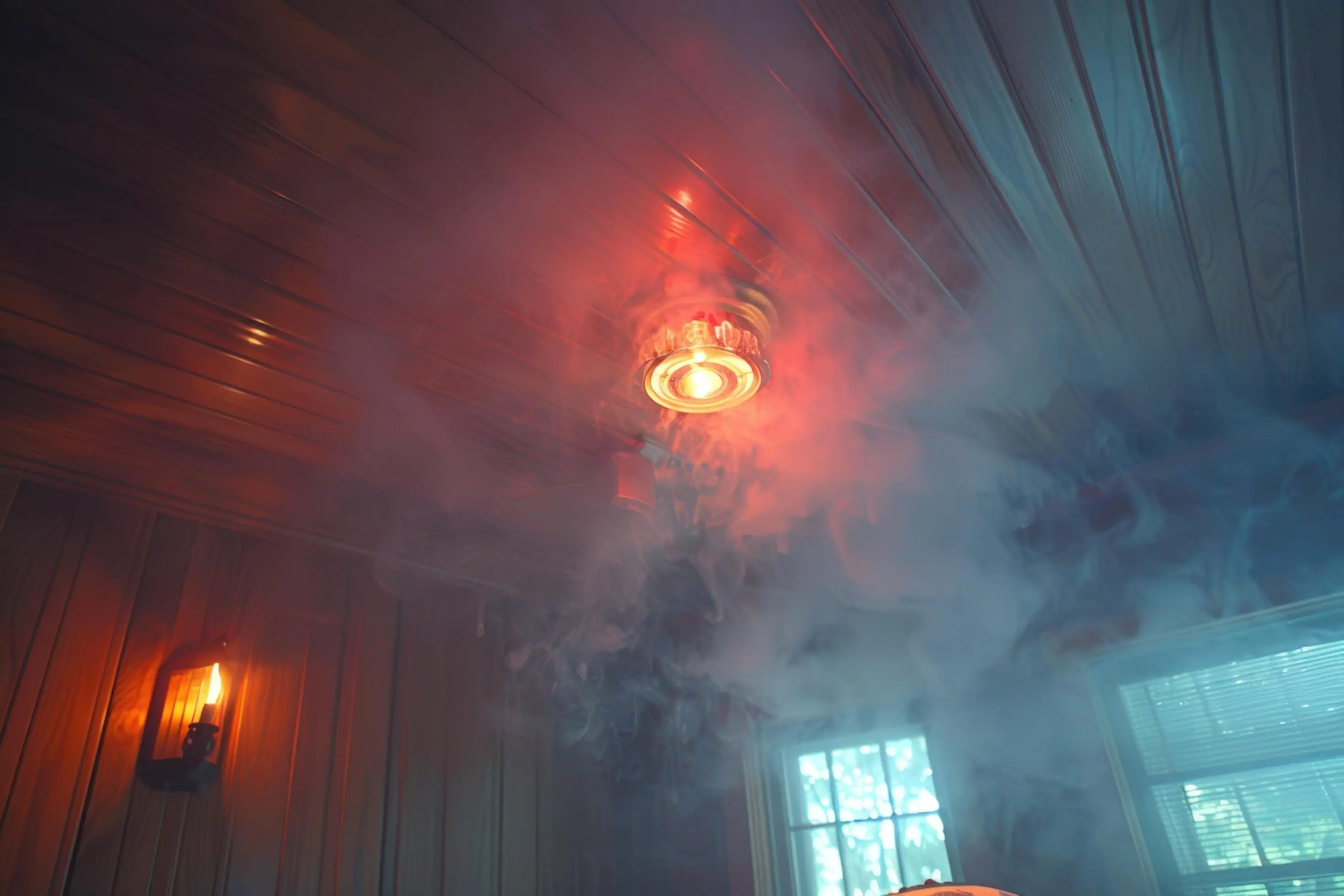
Smoke Damage Restoration
Soot residue, chemical odors, HVAC contamination. We decontaminate surfaces, eliminate odors, and restore air quality.
Learn more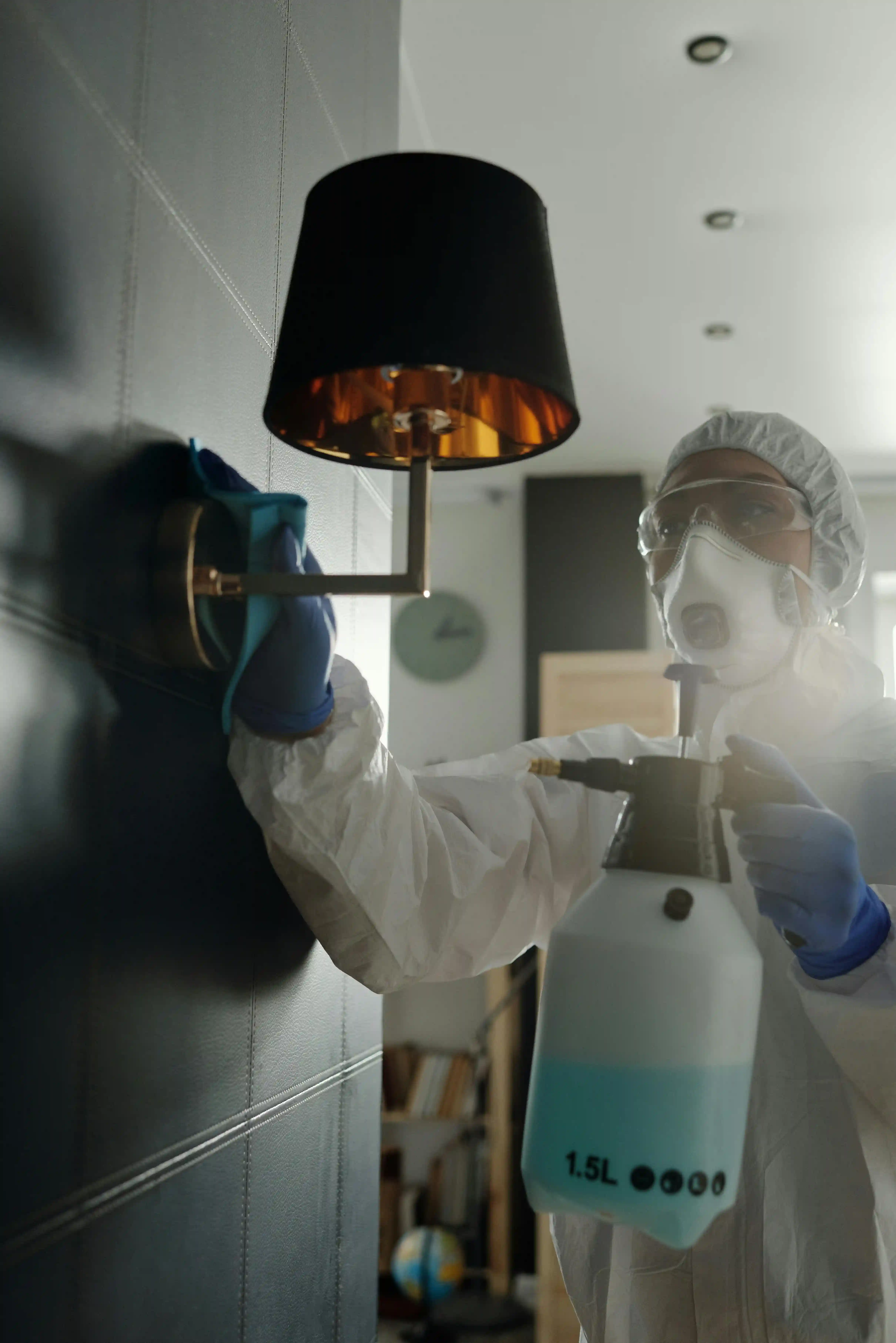
Mold Remediation
Testing, containment, removal, prevention. We find the source, eliminate the growth, and stop it from returning.
Learn more
Sewage Cleanup
Sewer backups, contaminated water, biohazard. We extract, sanitize, and restore safely.
Learn more