
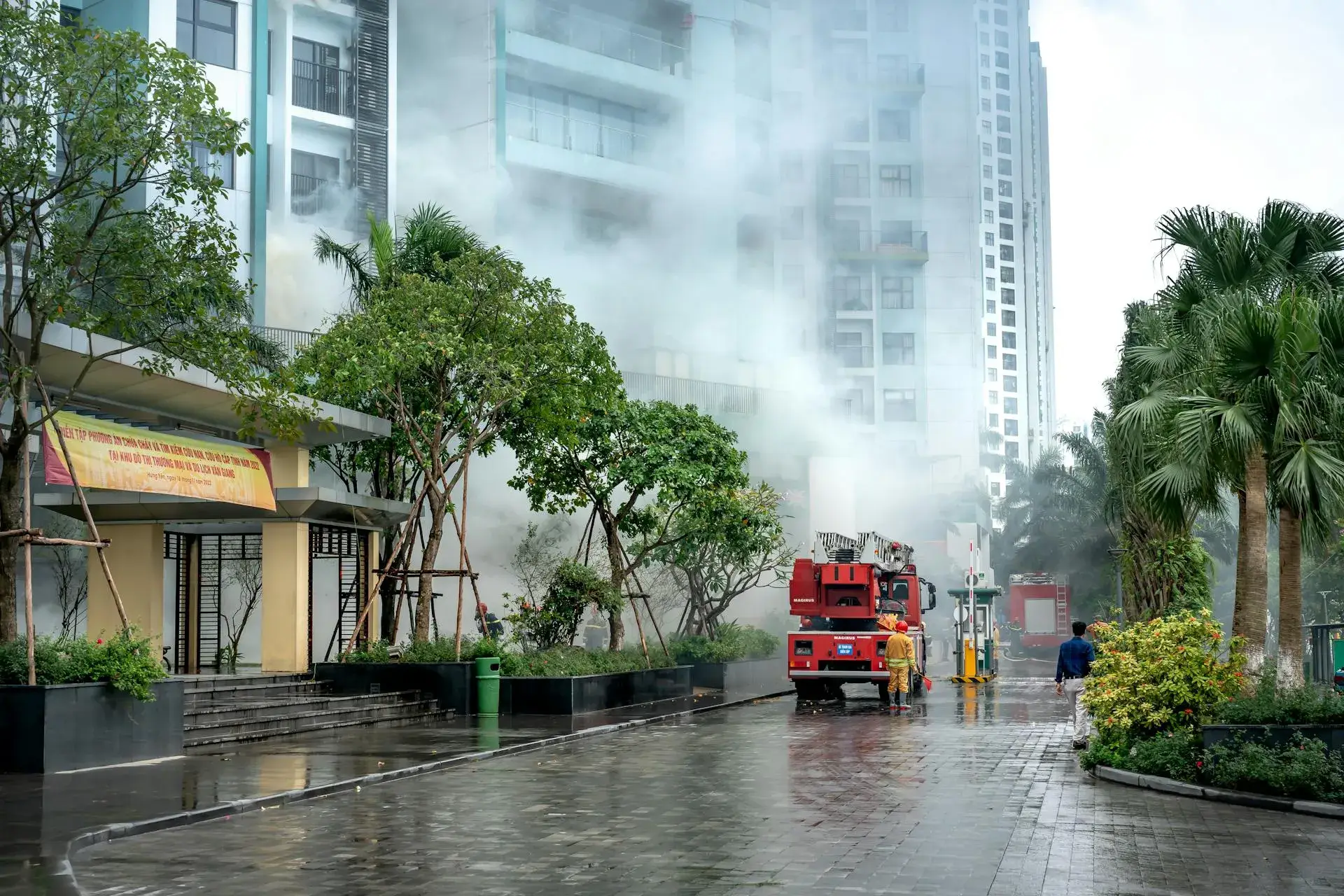
Smoke Damage Restoration in Smyrna, TN
Smoke residue becomes permanently embedded in surfaces within hours. Our local team responds to Smyrna emergencies within 60 minutes to stop the damage from setting.
What Happens When You Call
A real person answers, not a call center. We assess your smoke damage situation, identify the smoke source type, and begin coordinating your response immediately.
Your dedicated smoke restoration team is dispatched from our local base serving Smyrna and the surrounding Rutherford County communities.
Team arrives with HEPA air scrubbers, soot removal equipment, and molecular odor treatment systems. Decontamination begins immediately to prevent permanent damage.
Air quality stabilized, surfaces assessed and prioritized, restoration plan documented. You know exactly what comes next.
Smoke does not wait for you to figure out a plan. From the moment it contacts a surface, acidic compounds begin reacting with materials, etching glass, corroding metal, and embedding in porous substrates. Every hour of delay makes restoration harder and more expensive. X Response exists for exactly this moment. When you reach out, your smoke restoration team is mobilized within minutes and on site within the hour. From that point forward, one team manages everything: assessment, decontamination, odor elimination, and insurance documentation. You are never left guessing about the next step. Call now. Your team is standing by.
Why Smyrna Homes Are Vulnerable to Smoke Damage
Smyrna's smoke damage exposure comes from three distinct sources that behave very differently inside a home. The first is structure fires in the town's closely spaced subdivisions, where smoke from a neighbor's home can infiltrate surrounding properties through HVAC intakes, open windows, and gaps in the building envelope. The second is the wildfire smoke that drifts into Middle Tennessee from distant fires, most dramatically during the June and July 2023 Canadian wildfire season when the Tennessee Department of Environment and Conservation issued Code Orange Air Quality Alerts for Rutherford County as particulate matter reached unhealthy concentrations. In July 2023, the Tennessee Department of Environment and Conservation issued a Code Orange Air Quality Alert for Rutherford County as Canadian wildfire smoke pushed particulate matter concentrations to unhealthy levels across Middle Tennessee. That smoke traveled more than a thousand miles but carried enough fine particulate to infiltrate homes through every gap in the building envelope, depositing a thin, pervasive residue on interior surfaces and saturating HVAC filters and ductwork. The third source is the Nissan assembly plant and Sam Ridley Parkway commercial corridor, where industrial operations and commercial fires produce heavy smoke that reaches residential neighborhoods within minutes.
Each smoke source leaves a different type of residue and requires a different restoration approach. Structure fire smoke is heavy, wet, and acidic, driven by the combustion of synthetic building materials, plastics, and household contents. It coats surfaces thickly and corrodes metals rapidly. Wildfire smoke is dry, fine-particulate, and pervasive, infiltrating through the smallest openings and depositing a haze on surfaces throughout the home that may not be visible individually but degrades air quality and triggers respiratory symptoms. Commercial and industrial smoke varies by what burned: automotive paint, petroleum products, and chemical storage produce toxic residues that require specialized handling. Smyrna's restoration needs span all three categories, often within the same neighborhood and sometimes within the same year.
Canadian Wildfire Smoke and Long-Range Particulate Intrusion
The June and July 2023 wildfire season demonstrated that Smyrna is not immune to wildfire smoke despite being more than a thousand miles from the nearest significant forest fire. Smoke from Quebec and Ontario wildfires descended into the Tennessee Valley, triggering Code Orange air quality advisories across Rutherford County. For homes with older building envelopes, forced-air HVAC systems that draw return air from unconditioned spaces, or crawl space ventilation, that smoke infiltrated continuously for days. The result was a fine particulate coating on interior surfaces, saturated HVAC filters that could not trap the volume of PM2.5 entering the system, and ductwork lined with residue that continued recirculating contaminants long after outdoor air quality returned to normal. Many Smyrna homeowners did not realize their homes had been affected until weeks later when lingering haze on surfaces or persistent air quality complaints made it apparent.
Structure Fire Smoke Migration in Dense Subdivisions
When a home burns in one of Smyrna's closely spaced subdivisions along Rock Springs Road, Florence Road, or the Sam Ridley corridor, smoke does not stay on the property of origin. It migrates with the wind and enters neighboring homes through HVAC fresh-air intakes, bathroom and kitchen exhaust vents operating in reverse, gaps around windows and doors, and soffit vents that draw directly into the attic. Homes 50 to 100 feet downwind of a fully involved structure fire can absorb enough smoke to require professional restoration of surfaces, contents, and HVAC systems, even though the building never experienced flame or heat damage. The March 2021 tornado that damaged 22 homes in the Clarkston Square neighborhood created conditions where fires in storm-damaged structures could spread smoke across the entire subdivision through displaced roofing and open attic spaces.
Nissan Plant and Commercial Corridor Smoke Events
Smyrna's Nissan vehicle assembly plant is one of the largest manufacturing facilities in North America, employing approximately 8,000 workers across a sprawling campus adjacent to the Smyrna Airport. In October 2013, a fire at the plant required partial evacuation. Beyond the Nissan complex, the Sam Ridley Parkway corridor contains restaurants, auto body shops, warehouses, and light industrial operations. A grease fire at a restaurant, a vehicle fire at an auto shop, or a chemical event at an industrial facility produces a smoke plume that drifts into the residential neighborhoods within minutes. This commercial and industrial smoke often contains compounds not present in a typical residential fire: automotive paint particulate, petroleum combustion byproducts, refrigerant breakdown products, and chemical residue that require specialized testing and decontamination protocols.
HVAC Systems as Smoke Distribution Networks
Smyrna homes almost universally rely on forced-air HVAC systems for heating and cooling. When smoke enters a home from any source, whether wildfire haze drifting in through the return air path, a neighbor's structure fire entering through a fresh-air intake, or a small kitchen fire inside the home itself, the HVAC blower distributes it to every room the ductwork serves. Ductwork acts as both a distribution system and a reservoir: smoke residue deposits on the interior surfaces of supply and return ducts, and the blower recirculates those contaminants every time it runs. A home can test clean in the room where smoke entered but still have contaminated air in bedrooms, closets, and interior spaces served by the same duct run. Effective smoke restoration in Smyrna must include duct inspection, cleaning, or replacement as part of the scope.
Humidity and Smoke Residue Interaction
Rutherford County's humid subtropical climate, with average summer relative humidity frequently exceeding 70 percent, creates a chemical environment that accelerates smoke damage. Smoke residue is acidic, and moisture activates those acids on contact. In a dry climate, soot on a metal surface may sit inert for days before causing visible corrosion. In Smyrna's humidity, that corrosion begins within hours. The same interaction affects porous materials: smoke molecules penetrate deeper into damp wood, fabric, and drywall than they would in dry conditions, making removal more difficult and increasing the likelihood that odor persists after surface cleaning. Seasonal humidity swings also cause phantom odor episodes where smoke-contaminated materials release embedded molecules during humid summer months, creating the impression of a new smoke event when in fact the residue was never fully removed months earlier.
These factors make smoke damage in Smyrna more complex than in many markets. The town faces wildfire particulate from distant events, structure fire smoke from closely spaced neighbors, and industrial smoke from the commercial corridor, each requiring a different assessment and treatment approach. Rutherford County's humidity accelerates chemical damage and deepens residue penetration. And the universal presence of forced-air HVAC means that any smoke event becomes a whole-house contamination event within hours. Effective smoke restoration here requires identifying the smoke source, tracing every migration pathway, and treating the contamination at the molecular level rather than just cleaning visible surfaces.
What Happens to Your Home While You Wait
Within 1 Hour
Acidic soot begins etching glass, metal fixtures, and chrome surfaces. In Rutherford County's humid air, moisture activates the acids in smoke residue immediately. Fine particulate settles into fabric weave, carpet fibers, and upholstery. Every minute of contact deepens penetration into porous surfaces.
1–24 Hours
Soot permanently stains grout, natural stone, and unsealed porous surfaces. Metal hardware and light fixtures tarnish and pit. Fiberglass insulation in attics and crawl spaces absorbs smoke molecules that cannot be removed once embedded. HVAC systems distribute residue to every room they serve, expanding contamination far beyond the smoke entry point.
24–48 Hours
Smoke odor permeates soft goods, clothing, and upholstered furniture at a molecular level. Surface cleaning alone can no longer reach the embedded contamination. Electronics begin corroding internally as acidic residue reaches circuit boards through ventilation slots. Salvage rates for contents decrease sharply after this window.
48–72 Hours
Corrosion becomes permanent on unprotected metal surfaces. Soot etching on glass becomes irreversible without abrasive polishing. Porous building materials absorb smoke molecules deeply enough that standard cleaning methods cannot reach them, requiring removal and replacement. The restoration scope expands from decontamination to demolition.
One Week and Beyond
Smoke odor permanently embedded in structural framing, insulation, and HVAC ductwork. Surfaces require replacement rather than cleaning. Electronics are total losses. Contents that could have been restored in the first 24 hours become insurance write-offs. The project shifts from smoke restoration to reconstruction with full material replacement.
The difference between cleaning your Smyrna home's surfaces and replacing them entirely is often measured in hours, not days. Contact X Response now. Our Smyrna team responds within 60 minutes.
How We Restore Smoke-Damaged Smyrna Homes
From the moment our team arrives, every step is documented, measured, and verified. Here is exactly what the smoke restoration process involves.
Source Identification and Contamination Mapping
Our team identifies the smoke source type, which determines every subsequent treatment decision. Structure fire smoke from synthetic materials requires different chemistry than wildfire particulate or commercial smoke from petroleum products. We map contamination throughout the property using visual inspection, surface testing, and air quality monitoring. In Smyrna homes with forced-air HVAC, we inspect ductwork early because it reveals how far smoke traveled beyond the visible contamination zone. Every finding is documented with photos and test results that establish the baseline for your insurance claim.
Air Quality Stabilization
HEPA air scrubbers are positioned throughout the home to capture airborne particulate and begin reducing the contamination load immediately. For wildfire smoke infiltration, we seal the entry pathways first, including HVAC fresh-air intakes, crawl space vents, and envelope gaps, then scrub the interior air down to acceptable particulate levels. For structure fire smoke, scrubbers run with negative air pressure to prevent contaminated air from spreading to unaffected areas during cleanup. In Smyrna's humid conditions, we also control humidity during this phase because moisture reactivates settled residue and drives it deeper into materials.
Surface Decontamination
Every affected surface is cleaned using methods matched to both the surface material and the smoke type. Hard non-porous surfaces receive chemical sponge treatment followed by wet cleaning with smoke-specific detergents. Porous surfaces like unfinished wood, drywall, and concrete are evaluated for penetration depth: those within recoverable range receive deep cleaning and sealing; those beyond recovery are marked for removal. Contents are assessed individually: salvageable items are packed out for professional cleaning in a controlled environment, while total losses are documented for your claim. HVAC ductwork is cleaned or replaced depending on contamination level and duct material.
Molecular Odor Elimination
Smoke odor is not a surface problem. It is a molecular contamination embedded in porous materials throughout the home. We use thermal fogging to drive deodorizing agents into the same porous substrates the smoke penetrated, hydroxyl generators for continuous treatment of occupied spaces, and ozone in sealed, unoccupied areas for deep molecular destruction. In Smyrna's humid climate, residual moisture in framing and subfloor materials can trap smoke molecules that release during temperature and humidity cycles. We treat framing, wall cavities, and crawl spaces directly, not just finished surfaces, to eliminate the reservoir that causes seasonal odor recurrence.
Verification and Completion
Before we close the project, air quality testing confirms particulate levels have returned to pre-event baselines. Surface testing verifies that residue has been removed to acceptable levels. An odor assessment, conducted after treatment equipment is removed and the home returns to normal operation, confirms that embedded contamination has been neutralized. If any area does not pass verification, treatment continues until it does. You receive complete documentation including pre- and post-treatment readings, photos, scope of work, and a summary of all methods used, supporting your insurance claim and providing a permanent record of the restoration.
The X Response Difference
When you contact X Response for smoke damage in Smyrna, you get a team that identifies the source, maps the contamination, treats at the molecular level, and verifies the result. One team, one standard, complete elimination.
Insurance Claim Guidance for Smyrna Homeowners
Smoke damage claims in Tennessee depend heavily on the source of the smoke and how it entered the property. Smoke from a fire that originated on your property is typically covered under your homeowner's dwelling coverage. Smoke that infiltrated from a neighbor's fire or from a commercial event may be covered but requires clear documentation of the source and entry pathway. Wildfire smoke from distant events creates a gray area: some carriers cover interior damage from external smoke infiltration under the 'other structures and property' provisions, while others classify it as an air quality issue outside standard coverage. Smyrna's proximity to the Nissan plant and commercial corridor means that industrial smoke events also require careful source documentation to establish that the damage came from a covered peril rather than ongoing environmental exposure.
How X Response Helps
- Identify and document the smoke source clearly, which determines which coverage section applies
- Map contamination throughout the property to establish the full scope of covered loss, including HVAC and hidden areas
- Document air quality readings before and after treatment to provide measurable evidence of contamination and restoration
- Inventory affected contents with condition notes and photos for personal property claims
- Provide complete treatment documentation that aligns with insurance industry restoration standards
X Response does not file claims on your behalf, adjust claims, or make coverage determinations. We provide documentation and guidance to help you make informed decisions about your property and your policy. Coverage decisions are made solely by your insurance carrier.
Certified Restoration Specialists Serving Smyrna
When you contact X Response for smoke damage in Smyrna, your restoration team is drawn from certified professionals who work across Rutherford County and understand the specific smoke exposure patterns this area faces. They have decontaminated homes after neighbor structure fires in Smyrna's closely spaced subdivisions, treated wildfire particulate infiltration during the 2023 Canadian smoke events, and addressed commercial smoke from corridor fires that drifted into residential neighborhoods. They know how Smyrna's humid climate accelerates soot corrosion, how forced-air systems distribute contamination through an entire home in minutes, and how to trace smoke through crawl spaces, attic insulation, and HVAC ductwork that standard cleaning crews miss entirely.
Every technician on your team holds current IICRC certification in fire and smoke restoration and carries the appropriate Tennessee state licensing for the work being performed. Equipment includes HEPA air scrubbers rated for fine wildfire particulate, thermal foggers, hydroxyl generators, ozone treatment systems, and air quality monitoring instruments. When your team arrives, they bring everything needed to stabilize air quality immediately and begin systematic decontamination without waiting for additional equipment.
In Smyrna, X Response works with Tennessee Water and Fire, an independent local restoration partner serving Rutherford County.
Smoke Damage Restoration FAQ for Smyrna Homeowners
Other Emergency Services in Smyrna

Water Damage Restoration
Burst pipes, storm flooding, standing water. We extract, dry, and restore before mold sets in.
Learn more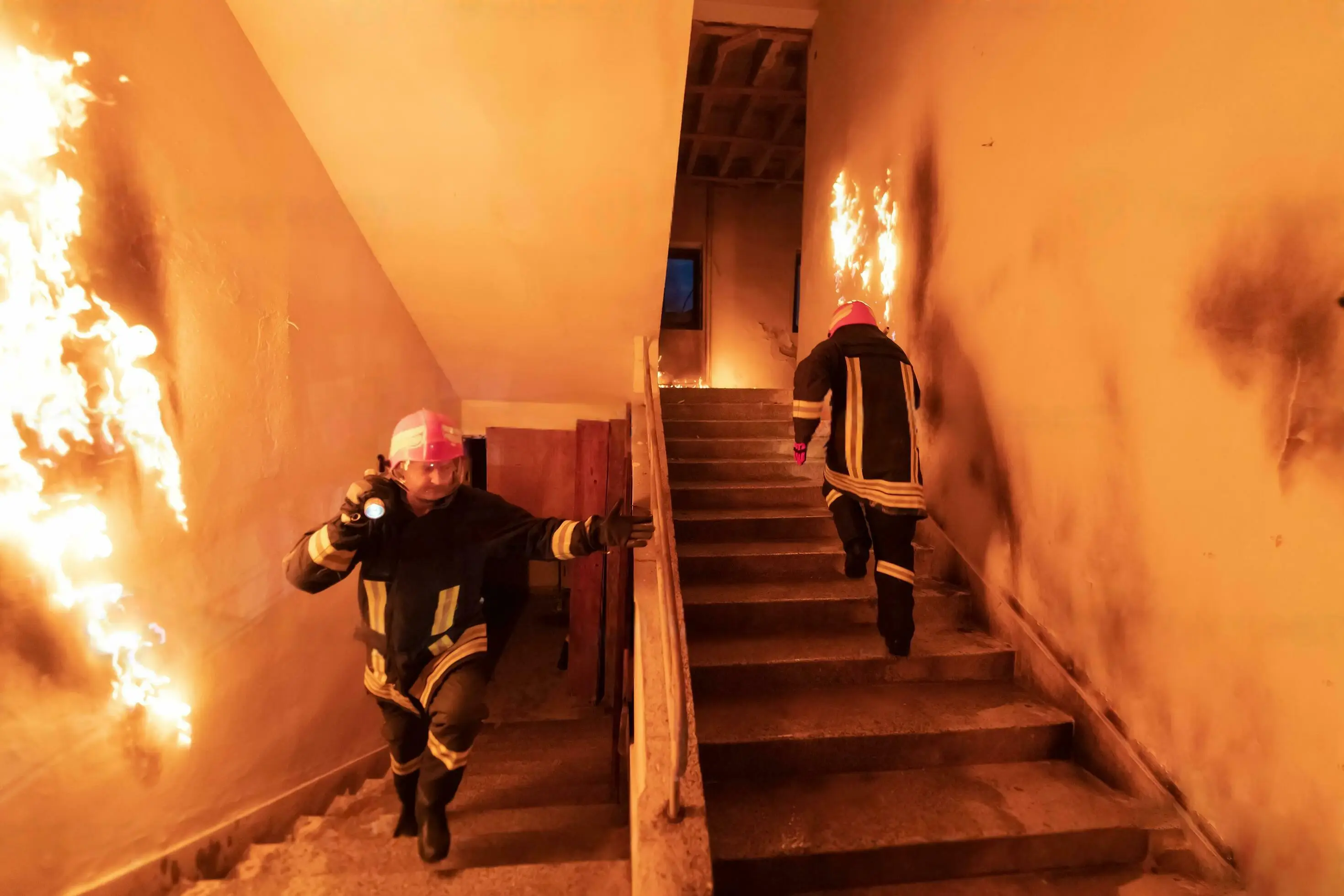
Fire Damage Restoration
Structural damage, soot, debris. We stabilize, clean, and rebuild what fire destroyed.
Learn more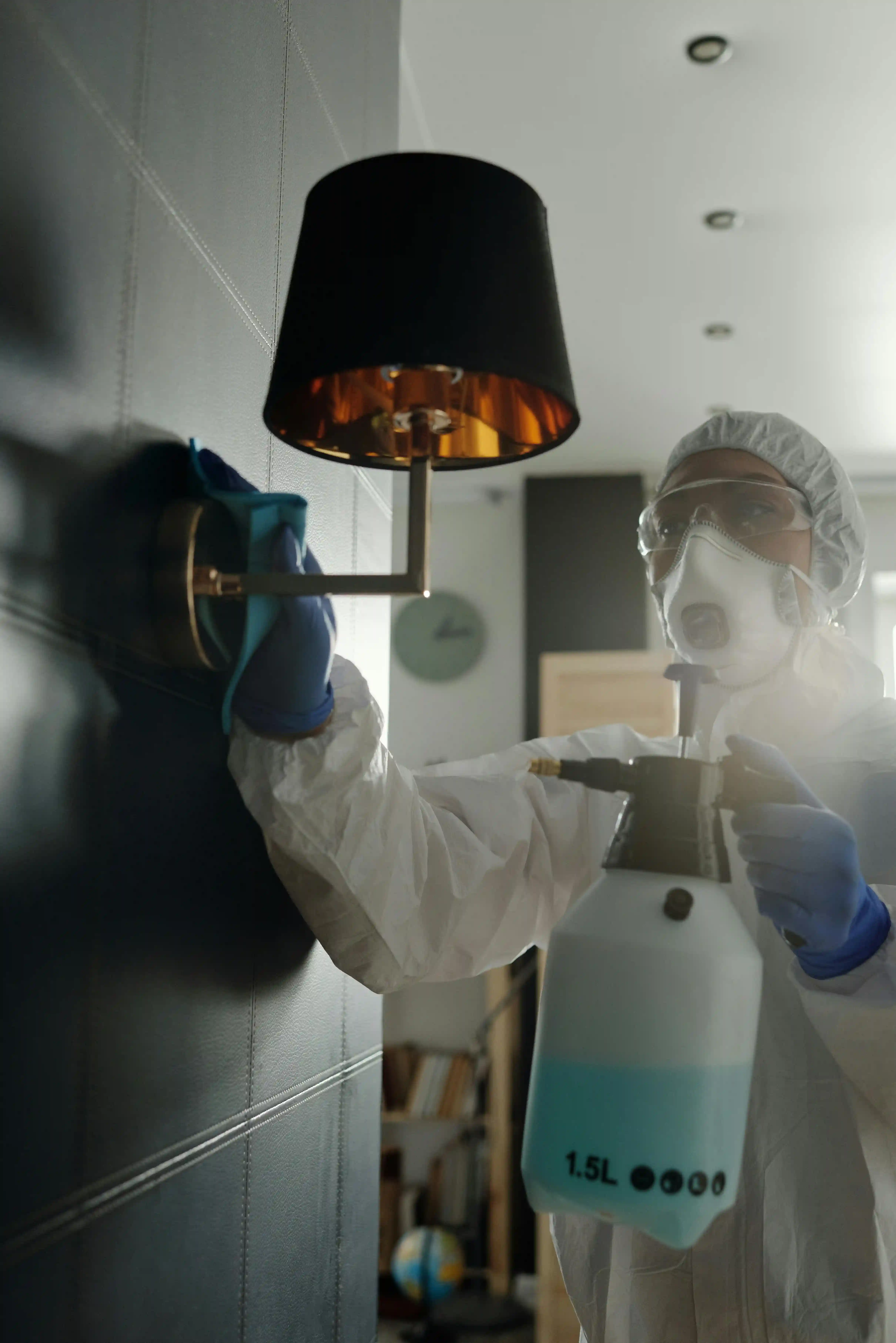
Mold Remediation
Testing, containment, removal, prevention. We find the source, eliminate the growth, and stop it from returning.
Learn more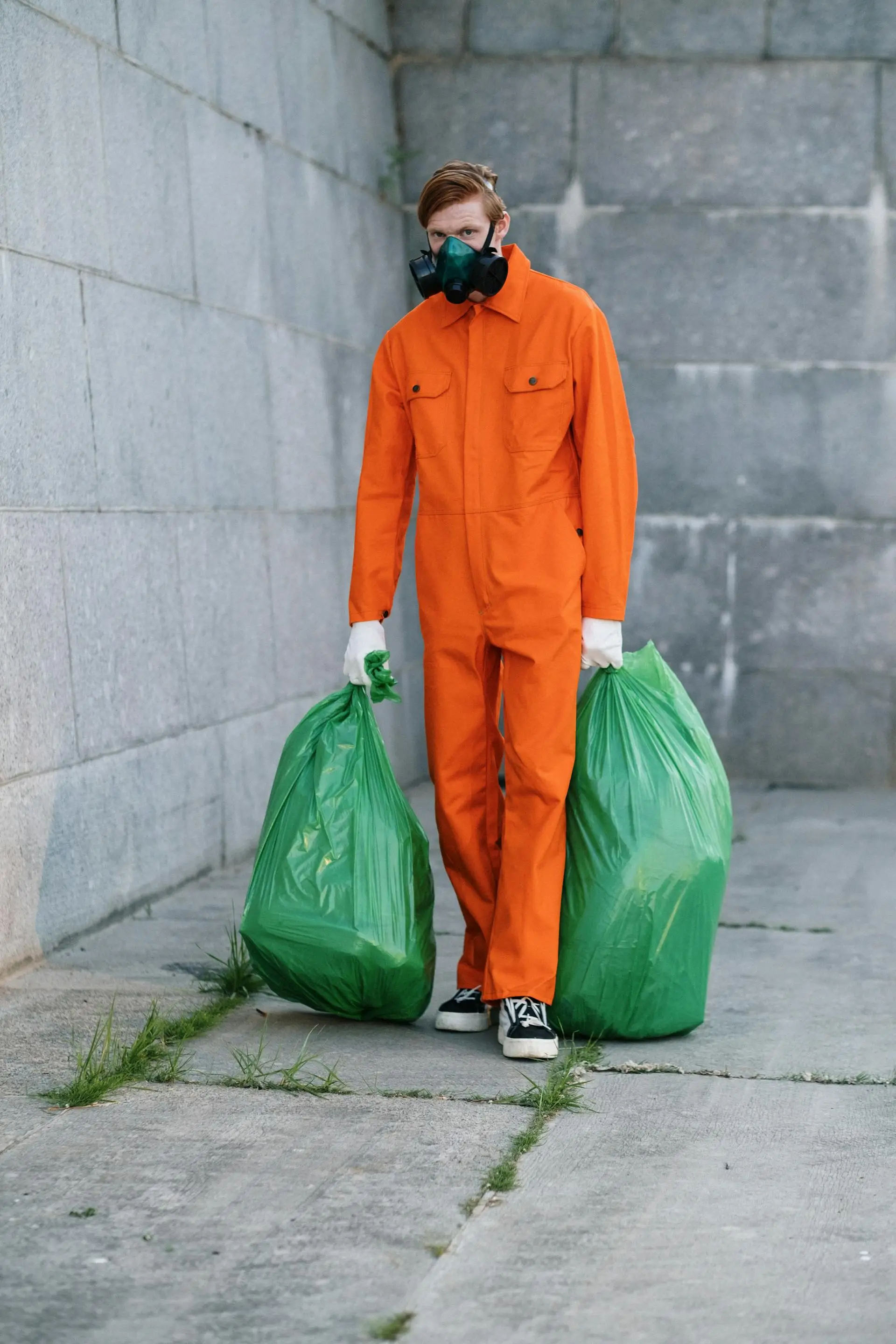
Sewage Cleanup
Sewer backups, contaminated water, biohazard. We extract, sanitize, and restore safely.
Learn more