
Sewage Cleanup in Smyrna, TN
Sewage contamination is a Category 3 biohazard requiring immediate professional response. Our local team responds to Smyrna emergencies within 60 minutes.
What Happens When You Call
A real person answers, not a call center. We assess your sewage emergency, determine the contamination extent, and begin coordinating your biohazard response immediately.
Your dedicated sewage cleanup team is dispatched from our local base serving Smyrna and the surrounding Rutherford County communities.
Team arrives with biohazard PPE, extraction equipment, antimicrobial treatment systems, and containment materials. Extraction and decontamination begin immediately.
Sewage extracted, contaminated materials removed, antimicrobial treatment applied, restoration plan documented. You know exactly what comes next.
Sewage in your home is not a plumbing inconvenience. It is a biohazard emergency. Raw sewage carries bacteria, viruses, parasites, and chemical contaminants that pose immediate health risks to anyone who contacts it or breathes the air in a contaminated space. Every hour of exposure deepens contamination into porous materials and expands the area requiring removal. X Response exists for exactly this moment. When you reach out, your sewage cleanup team is mobilized within minutes and on site within the hour. From that point forward, one team manages everything: extraction, decontamination, material removal, and restoration. You are never left guessing about the next step. Call now. Your team is standing by.
Why Smyrna Homes Are Vulnerable to Sewage
Smyrna's sewage infrastructure serves a town that has more than tripled in population since many of its original sewer lines were installed. The system manages wastewater from over 57,000 residents, the Nissan assembly plant's industrial discharge, and the commercial corridor along Sam Ridley Parkway. In February 2018, two broken sewer mains along Sam Ridley Parkway released more than 250,000 gallons of wastewater, with thousands of gallons of raw sewage reaching Stewart Creek, a tributary of the Stones River and Percy Priest Lake. The spill began when a 12-inch sewer line ruptured, and crews who repaired that break discovered a second rupture nearby. By the time both lines were sealed, wastewater had been seeping from manholes along the parkway and flowing into the creek for days. Volunteer Park was closed, lime was spread across contaminated ground, and water samples were sent to the Tennessee Department of Environment and Conservation. That event was not an isolated failure. It was the consequence of a sewer system under increasing load from rapid growth serving a community far larger than the infrastructure was designed for.
In May 2022, the Town of Smyrna's Wastewater Treatment Plant reported contamination linked to an industrial discharge. Elevated bacteria levels in Stewart Creek prompted officials to issue a public advisory warning residents to avoid swimming, wading, fishing, or other water activities in the creek and where it enters Percy Priest Lake. The plant, currently rated for 5.86 million gallons per day, is under construction to expand capacity to 9 million gallons per day precisely because the existing system cannot handle the volume generated by the town's continued growth. For homeowners, the practical consequence is this: when the collection system is stressed during heavy rain, during construction disruptions, or when an industrial discharge overloads the treatment plant, sewage can back up through the lateral lines that connect individual homes to the main, entering homes through floor drains, toilets, bathtubs, and crawl space cleanouts.
The February 2018 Sam Ridley Parkway Sewer Spill
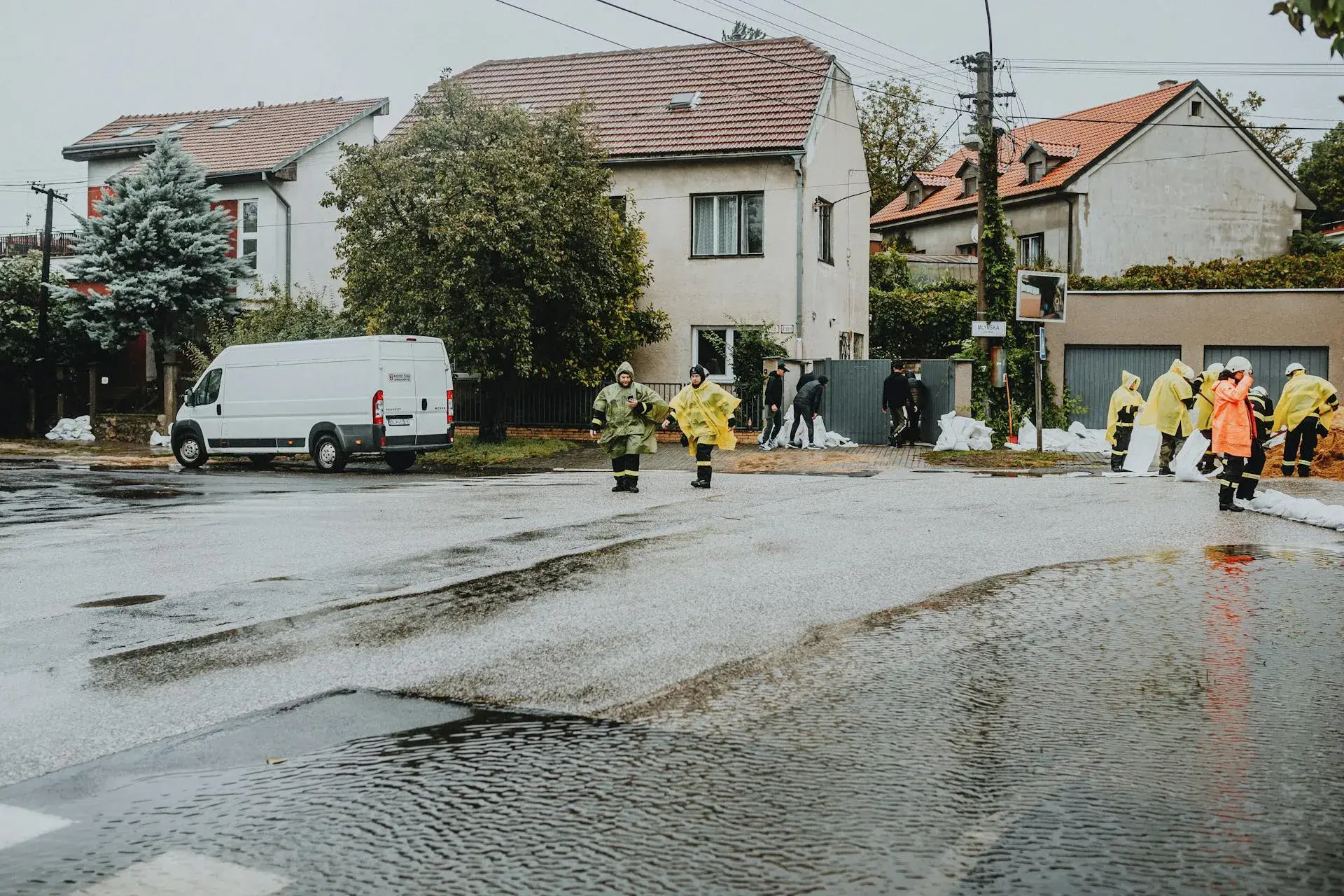
The February 2018 event demonstrated the vulnerability of Smyrna's sewer infrastructure at scale. Two sewer main breaks along Sam Ridley Parkway, the town's primary commercial corridor, released over 250,000 gallons of wastewater from manholes over a weekend. Thousands of gallons of raw sewage flowed into Stewart Creek before crews could contain the flow using vacuum trucks, dams, and absorbent booms. The first rupture was a five-by-one-inch break in a 12-inch line. The second was discovered during repair of the first. The spill contaminated ground along the parkway, closed Volunteer Park and its walking trails, and required lime treatment, topsoil removal, and water sampling by the Tennessee Department of Environment and Conservation. For homes and businesses along the affected section of Sam Ridley, the event introduced sewage contamination from the manholes and storm drainage system into adjacent properties.
Aging Collection System Under Rapid Growth Pressure
Smyrna's sewer collection system includes lines installed decades ago when the town served a fraction of its current population. The town grew from roughly 13,000 in 1990 to over 57,000 by 2023, adding tens of thousands of service connections to a network that was not designed for that load. Older vitrified clay pipe sections are susceptible to root intrusion, joint separation, and cracking under soil movement. Newer PVC sections handle the flow but connect at points where the downstream capacity was sized for a smaller community. When heavy rain saturates the clay soil and groundwater infiltrates the collection system through cracked joints and manhole seals, the additional volume can exceed pipe capacity and force sewage out through the lowest relief points, which are often residential floor drains, crawl space cleanouts, and basement connections.
Combined Stormwater and Sewer Stress During Heavy Rain
Smyrna operates a separated sewer system, meaning stormwater and wastewater travel in different pipes. However, separated does not mean isolated. When Rutherford County's clay soils become saturated during prolonged rain, groundwater infiltrates the sanitary sewer through cracked pipe joints, deteriorated manholes, and damaged lateral connections. This inflow-and-infiltration (I&I) adds enormous volume to the collection system during storm events. The February 2018 spill occurred during wet, cold conditions. The 2010 flood saturated everything. During these events, the added volume can exceed the system's hydraulic capacity, causing backups that push sewage into homes through the sanitary lateral rather than continuing downstream to the treatment plant. Homes at low elevation relative to the sewer main are most vulnerable because gravity pushes the overflow toward them first.
Industrial Discharge and Treatment Plant Stress
Smyrna's wastewater treatment plant processes not only residential sewage but also industrial discharge from the Nissan assembly plant and other commercial operations along the Sam Ridley corridor. In May 2022, an industrial discharge overwhelmed the plant's biological treatment process, causing elevated bacteria levels in the effluent and triggering a public advisory for Stewart Creek. When the treatment plant is stressed, whether by industrial overload, equipment failure, or volume exceeding its 5.86 MGD capacity during peak wet-weather flow, the upstream collection system experiences increased backpressure. That backpressure reduces the hydraulic gradient that normally pulls sewage away from homes and toward the plant, increasing the likelihood of residential backups during simultaneous high-demand events.
Crawl Space Contamination from Sewer Backups
Many Smyrna homes have sewer cleanouts and lateral connections that exit through or beneath the crawl space. When a backup occurs, sewage can enter the crawl space before it reaches the living area above, pooling on the vapor barrier, saturating exposed soil, and contaminating floor joists and insulation from below. In Smyrna's warm, humid conditions, sewage-contaminated organic material in a crawl space creates an immediate biological hazard: bacteria multiply rapidly in the warmth, and the enclosed space concentrates gases and odors that migrate upward into the home. Many homeowners discover a crawl space backup only after noticing persistent sewage odor in the house, by which point contamination has often spread across the entire crawl space floor and wicked into framing. Professional remediation of crawl space sewage contamination is significantly more complex than cleanup of a visible backup in a finished basement because of access constraints and the need to decontaminate structural wood.
These factors make sewage cleanup in Smyrna a recurring need rather than a rare event. The collection system serves three to four times the population it was designed for. Aging pipe sections crack and separate under clay soil movement. Heavy rain infiltrates the system and overwhelms capacity. Industrial discharges stress the treatment plant. And crawl space construction means that many backups contaminate the most inaccessible part of the home first. Effective sewage cleanup here requires immediate biohazard response, thorough decontamination of both finished and structural spaces, and an understanding of how Smyrna's specific infrastructure conditions create residential exposure.
What Happens to Your Home While You Wait
Within 1 Hour
Sewage spreads across flooring and wicks into porous materials. Bacteria, viruses, and parasites in Category 3 water immediately contaminate every surface they contact. In Smyrna homes with crawl spaces, sewage pools beneath the living area and begins saturating the vapor barrier, exposed soil, and the lower surfaces of floor joists. The contamination zone expands with every minute the sewage remains.
1–24 Hours
Bacterial populations multiply rapidly in Smyrna's warm conditions. Sewage wicks up drywall, saturates carpet padding, and penetrates wood grain in baseboards and door casings. Gases, including hydrogen sulfide and methane, accumulate in enclosed spaces. Contaminated materials become increasingly difficult to decontaminate as bacteria colonize deeper into porous substrates. Health risk to occupants increases sharply.
24–48 Hours
Porous materials reach the point where decontamination is no longer possible and removal becomes mandatory. Drywall, carpet, carpet padding, particleboard, and fiberglass insulation that contacted sewage for more than 24 hours in warm conditions cannot be reliably sanitized. Mold begins colonizing on the nutrient-rich sewage residue, compounding the biological hazard. Restoration scope shifts from cleaning to demolition and replacement.
48–72 Hours
Structural wood framing absorbs contamination deeper than surface treatment can reach. Subfloor sheathing delaminates. Floor joists in crawl spaces begin showing bacterial staining that indicates deep penetration. The remediation scope expands to include structural material replacement. Odor permeates building materials permanently. Health risk from airborne pathogens and gases requires professional monitoring.
One Week and Beyond
Extensive biological contamination throughout structural materials, active mold growth feeding on sewage nutrients, and permanent odor absorption into framing and subfloor. The project becomes full demolition and rebuild of all affected areas. Insurance claims become more complex as the scope of contamination-driven replacement exceeds typical water damage frameworks.
Sewage contamination is not a situation where waiting to see if it dries out is an option. Every hour of contact expands the biohazard zone and increases the volume of material that must be removed rather than cleaned. Contact X Response now. Our Smyrna team responds within 60 minutes.
How We Restore Sewage-Damaged Smyrna Homes
From the moment our team arrives, every step follows strict biohazard protocols. Here is exactly what the sewage cleanup process involves.
Biohazard Assessment and Safety Establishment
Our team arrives in full personal protective equipment appropriate for Category 3 water contamination. Before entering the affected area, we assess the extent of contamination, identify the sewage source (mainline backup, lateral failure, cleanout overflow), and establish safety controls. For homes where sewage has entered through the crawl space, we check for confined-space gas accumulation before entry. Containment barriers are placed to prevent tracking contamination into clean areas of the home. Documentation begins immediately with photos, contamination mapping, and moisture readings that establish the scope for your insurance claim.
Sewage Extraction and Material Removal
Standing sewage is extracted using commercial equipment dedicated to contaminated water. Unlike clean-water extraction, sewage removal requires equipment that is decontaminated between uses and waste that is disposed of according to Tennessee Department of Environment and Conservation regulations. Following extraction, all porous materials that contacted sewage are removed: carpet, padding, drywall to at least 12 inches above the visible waterline, fiberglass insulation, particleboard, and any other material that cannot be reliably decontaminated. In Smyrna crawl spaces, this includes contaminated vapor barriers, saturated insulation, and any organic debris on the crawl space floor. Removed materials are bagged in biohazard-rated containers and disposed of at approved facilities.
Structural Decontamination
With contaminated materials removed, the remaining structural surfaces, including concrete, wood framing, sill plates, and subfloor sheathing, receive thorough antimicrobial treatment. We apply EPA-registered biocides rated for Category 3 contamination in multiple applications, allowing appropriate contact time between each. For Smyrna homes with crawl spaces, every accessible surface beneath the home is treated: joists, sill plates, band board, and the foundation walls. We do not treat and hope. We test treated surfaces to verify that bacterial counts have dropped to safe levels before proceeding to the drying phase.
Structural Drying
After decontamination, the structure must be dried completely before reconstruction. We position commercial dehumidifiers and air movers to dry framing, subfloor, and concrete surfaces to their dry standard. In Smyrna's humid climate, mechanical drying is essential because ambient air cannot reduce moisture levels sufficiently. Crawl spaces require sealed drying with dehumidification rather than passive ventilation, which would only introduce more humid air. We monitor moisture levels daily and adjust equipment placement until readings confirm the structure is dry. This phase prevents the secondary mold growth that would otherwise develop on nutrient-rich residue left by the sewage.
Verification and Reconstruction
Before reconstruction begins, a final verification confirms that all contamination has been addressed. Surface testing verifies antimicrobial treatment effectiveness. Moisture readings confirm the structure has reached acceptable dryness. Air quality assessment ensures that no elevated microbial levels remain. Only after full verification do we begin reconstruction: replacing drywall, insulation, flooring, baseboards, and any structural members that required removal. The completed restoration returns your home to pre-loss condition with documentation of every step for your insurance carrier.
The X Response Difference
When you contact X Response for sewage cleanup in Smyrna, you get a biohazard-certified team that extracts, decontaminates, dries, verifies, and rebuilds. One team, proper protocols, documented safety.
Insurance Claim Guidance for Smyrna Homeowners
Sewage backup coverage in Tennessee requires a specific endorsement on your homeowner's policy. Standard dwelling coverage does not include damage from sewer or drain backup unless you have added the endorsement, which is typically available for a modest annual premium. Many Smyrna homeowners do not have this endorsement and discover the gap only after a backup occurs. When the backup results from a municipal system failure rather than a blockage in your private lateral, the town may bear some liability, but pursuing a municipal claim is a separate process from your insurance. The February 2018 event demonstrated that system-wide failures can affect multiple properties simultaneously, and coverage questions become more complex when the cause is infrastructure failure rather than a homeowner's plumbing issue.
How X Response Helps
- Verify whether your policy includes sewer and drain backup coverage before filing, as this is a separate endorsement from standard water damage coverage
- Document the backup source clearly: municipal main, private lateral, or on-property blockage, as this determines both coverage and potential third-party liability
- Photograph all contamination before any cleanup begins, including hidden areas like crawl spaces and behind walls
- Maintain records of the timeline from discovery to professional response to demonstrate prompt mitigation
- Provide complete scope documentation showing that biohazard remediation was performed to IICRC S500/S520 standards
X Response does not file claims on your behalf, adjust claims, or make coverage determinations. We provide documentation and guidance to help you make informed decisions about your property and your policy. Coverage decisions are made solely by your insurance carrier.
Certified Restoration Specialists Serving Smyrna
When you contact X Response for sewage cleanup in Smyrna, your team is drawn from certified professionals who work across Rutherford County and understand the specific infrastructure and contamination patterns this area faces. They have responded to residential backups caused by mainline capacity failures during heavy rain, cleaned crawl spaces contaminated by lateral-line overflows, and managed multi-property events where system-wide pressure caused simultaneous backups across a neighborhood. They know how Smyrna's aging collection system behaves under storm load, how the clay soils contribute to pipe movement and joint failure, and how crawl space construction complicates the decontamination process in ways that finished-basement backups do not.
Every technician on your team holds current IICRC certification in water damage restoration with specific training in Category 3 contamination protocols. They carry appropriate Tennessee licensing and operate under biohazard safety standards that include full PPE, dedicated contaminated-water equipment, and compliant waste disposal. When your team arrives, they bring everything needed to begin extraction and decontamination immediately: biohazard-rated extraction units, EPA-registered antimicrobial agents, containment materials, and personal protective equipment for confined-space crawl space entry.
In Smyrna, X Response works with Tennessee Water and Fire, an independent local restoration partner serving Rutherford County.
Sewage Cleanup FAQ for Smyrna Homeowners
Other Emergency Services in Smyrna
Water Damage Restoration
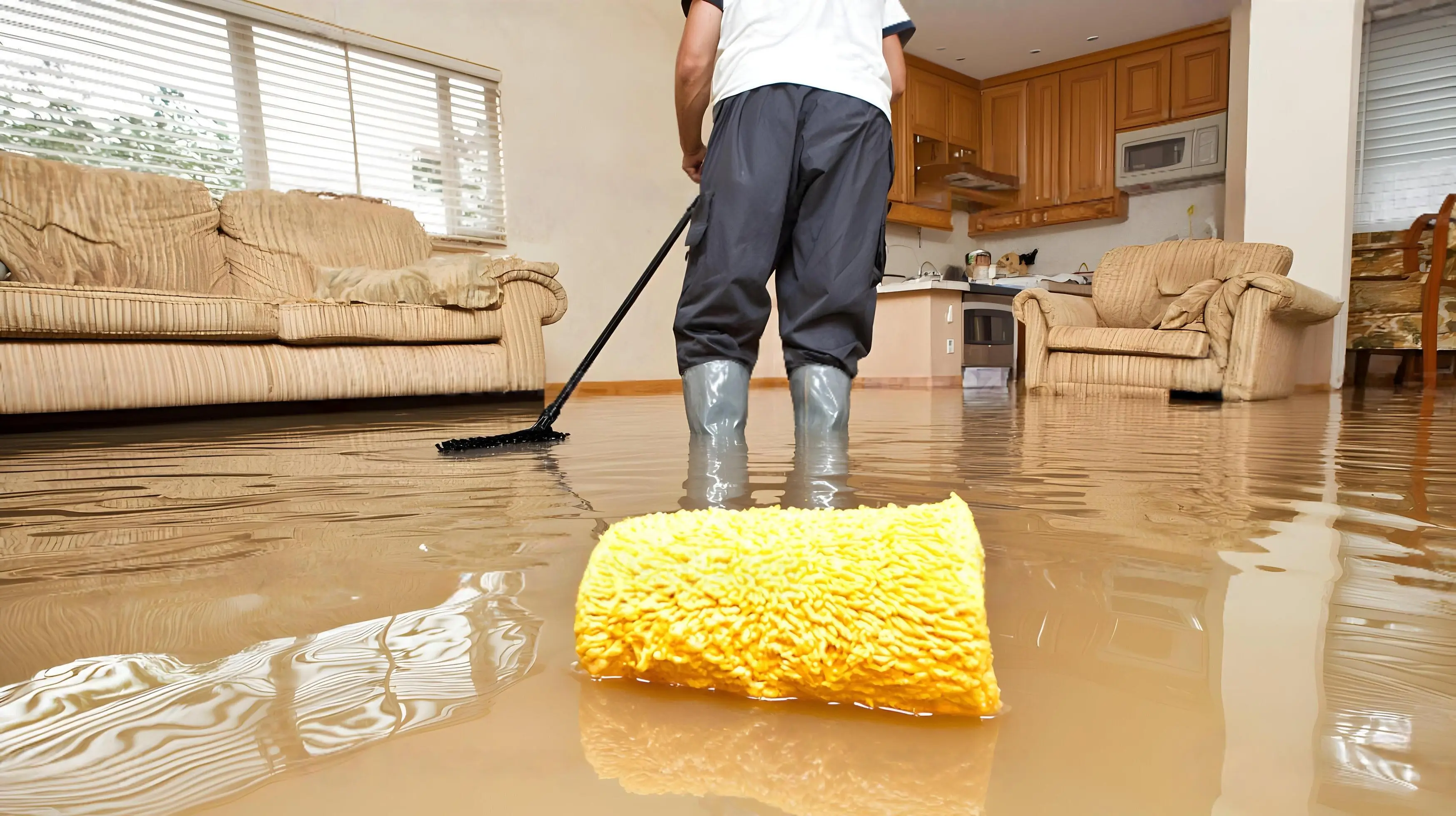
Burst pipes, storm flooding, standing water. We extract, dry, and restore before mold sets in.
Learn more
Fire Damage Restoration
Structural damage, soot, debris. We stabilize, clean, and rebuild what fire destroyed.
Learn more
Smoke Damage Restoration
Soot residue, chemical odors, HVAC contamination. We decontaminate surfaces, eliminate odors, and restore air quality.
Learn more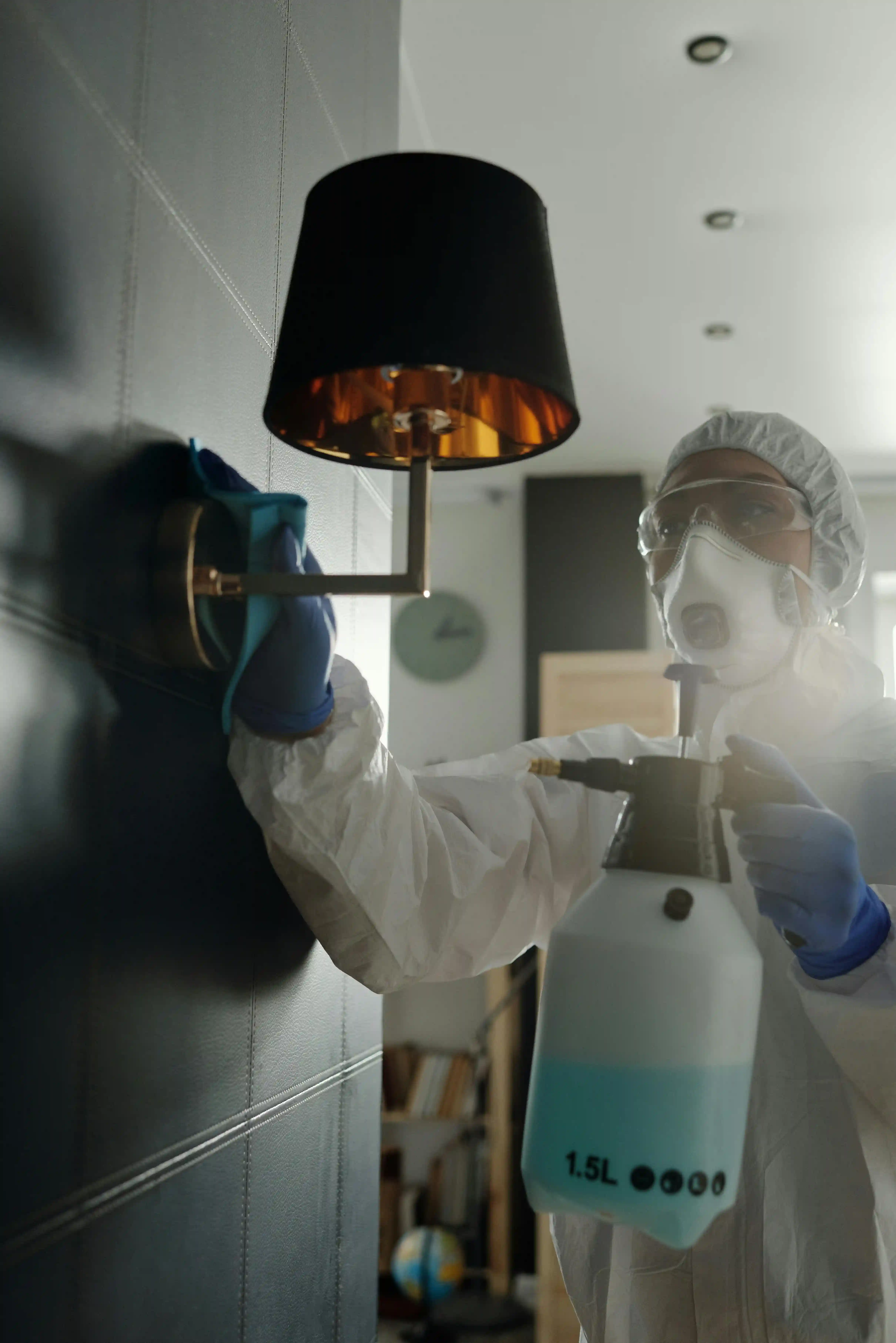
Mold Remediation
Testing, containment, removal, prevention. We find the source, eliminate the growth, and stop it from returning.
Learn more