

Water Damage Restoration in Smyrna, TN
Every hour of standing water deepens structural damage and mold risk. Our local team responds to Smyrna emergencies within 60 minutes.
What Happens When You Call
A real person answers, not a call center. We assess your situation, ask the right questions, and begin coordinating your response immediately.
Your dedicated restoration team is dispatched from our local base serving Smyrna and the surrounding Rutherford County communities.
Team arrives with industrial extractors, commercial dehumidifiers, and moisture detection equipment. Emergency mitigation begins immediately.
Water extracted, drying equipment placed and calibrated, restoration plan documented. You know exactly what comes next.
Water is moving through your home and you need it stopped now. Not after a callback queue, not tomorrow morning. X Response exists for exactly this moment. When you reach out, your restoration team is mobilized within minutes and on site within the hour. From that point forward, one team manages everything: extraction, drying, documentation, and insurance guidance. You are never left guessing about the next step. Call now. Your team is standing by.
Why Smyrna Homes Are Vulnerable to Water Damage
Smyrna sits in northwest Rutherford County along the Interstate 24 corridor, roughly 20 miles southeast of Nashville. With a 2020 census population of 53,070, it is the largest town in Tennessee and one of the fastest-growing communities in the Nashville metropolitan area. The town's water damage risk is defined by Stewart Creek, a tributary of the Stones River that drains much of Smyrna's developed footprint before flowing southeast into J. Percy Priest Lake. During the May 2010 Middle Tennessee flood, NWS Nashville recorded 13.57 inches of rain in two days across the region, and Stewart Creek overflowed in Smyrna, inundating portions of the airport and surrounding properties. That event produced catastrophic flooding region-wide, with statewide damage exceeding $2 billion, but Smyrna's vulnerability was not just a consequence of record rainfall. It was a function of the town's geography: a relatively flat terrain, clay-heavy soils that shed water rather than absorb it, and a creek system that collects runoff from tens of thousands of rooftops, parking lots, and roadways built across the last four decades of rapid suburban growth.
Smyrna's development accelerated after Nissan opened its vehicle assembly plant in 1983, bringing thousands of jobs and triggering decades of residential construction along the Sam Ridley Parkway corridor and south toward Murfreesboro. That growth converted agricultural land to impervious surface at a pace that outran the storm drainage infrastructure. Stewart Creek, once a rural drainage channel, now receives runoff from one of the most densely developed areas in Rutherford County. When a slow-moving storm parks over the watershed, the creek rises fast and neighborhoods built along or near its floodplain take water through yards, garages, crawl spaces, and ground-level living areas. The town maintains a stormwater management program and has invested in drainage improvements, but the fundamental physics remain: more pavement means faster runoff, and Stewart Creek is the receiving channel for all of it.
Stewart Creek Flooding and the Stones River Basin
Stewart Creek is the primary drainage for most of Smyrna's developed land. It flows southeast through the town, passing near subdivisions along Sam Ridley Parkway and the former Sewart Air Force Base property before entering Percy Priest Lake. During the May 2010 flood, Stewart Creek exceeded its banks and inundated portions of the Smyrna Airport and adjacent areas. In January 2023, heavy rain again caused the creek to overflow near the airport while the annual air show was being staged on the opposite end. The creek's floodplain is well mapped, but homes and commercial properties sit close to its edges, and the combination of clay soils, suburban runoff, and a relatively narrow channel means that Stewart Creek goes from low flow to over-bank conditions rapidly during sustained storms. Properties near the creek face both direct floodwater intrusion and the groundwater saturation that persists for days after the surface water recedes.
Clay Soils and Rapid Suburban Development
Rutherford County's soils are predominantly clay and clay-loam, which shed rainfall rather than absorbing it. Before Smyrna's population boom, open fields and pasture slowed runoff and allowed some infiltration. Today, tens of thousands of homes, the Nissan plant complex, commercial corridors along Sam Ridley Parkway and Lowry Street, and the road network itself create an enormous impervious footprint. Every new subdivision adds more surface that channels water directly into storm drains and then into Stewart Creek. The result is higher peak flows arriving faster, which overwhelms the creek channel and backs water up into low-lying properties. The clay beneath those properties also holds moisture against foundations long after visible flooding recedes, keeping crawl spaces wet and subfloor framing damp for weeks.
Crawl Space Foundations and Smyrna's Housing Stock
Much of Smyrna's residential development from the 1960s through the 1990s sits on crawl space foundations, a construction type well suited to Middle Tennessee's terrain but highly vulnerable to moisture intrusion. Crawl spaces trap humidity, collect groundwater seepage through the clay soil, and hold standing water after storms. The enclosed, dark environment beneath the home provides ideal conditions for mold growth on floor joists and subfloor sheathing, which often progresses unnoticed until a homeowner detects musty odors or soft spots in the flooring above. Newer subdivisions increasingly use slab-on-grade construction, which eliminates the crawl space but introduces its own vulnerability: water that enters through a slab home has nowhere to drain and saturates flooring, baseboards, and lower wall sections rapidly.
The Sam Ridley Parkway Corridor and Commercial Flooding
Sam Ridley Parkway is Smyrna's primary commercial corridor, running east from Interstate 24 through the heart of town. The roadway and its adjacent commercial developments sit in a relatively flat area that drains toward Stewart Creek. During heavy rain events, stormwater overwhelms the parking lots and roadside drainage along this corridor and can back up into commercial buildings, storage facilities, and the residential neighborhoods that border the commercial zone. The February 2018 sewer line rupture along Sam Ridley Parkway demonstrated how infrastructure failures compound during wet conditions: icing on the parkway led to the discovery of wastewater seeping onto the road surface from a ruptured 12-inch sewer line, and the subsequent repair uncovered a second break that together released over 250,000 gallons of wastewater, with thousands of gallons reaching Stewart Creek.
Rapid Growth Outpacing Drainage Infrastructure
Smyrna grew from 39,974 residents in 2010 to 53,070 in 2020, a 33 percent increase in a single decade. That growth continued through 2023, with estimates exceeding 57,000. Every new home, school, and commercial building adds impervious surface to the Stewart Creek watershed. The town's stormwater program works to manage this expansion, but infrastructure sized for a smaller community cannot absorb the additional flow indefinitely. Storm drains that handled a 10,000-person town in the 1970s now serve a 57,000-person town with three times the rooftop and pavement coverage. When rainfall intensity exceeds the system's capacity, water backs up through storm inlets and into the lowest-lying properties, garages, crawl spaces, and ground-floor rooms in the neighborhoods closest to the overburdened drainage channels.
These factors reinforce each other. Clay soils refuse to absorb runoff, decades of development have paved over what little infiltration capacity existed, Stewart Creek collects everything from the most developed part of Rutherford County, and the humid Middle Tennessee climate ensures that any moisture reaching a structure lingers and breeds problems. Effective water damage restoration in Smyrna means recognizing the difference between Stewart Creek floodwater, storm-drain backup, interior plumbing failures, and the slow groundwater seepage that saturates crawl spaces after prolonged rain. It rewards a team that has actually worked across Rutherford County's creek valleys, suburban subdivisions, and the commercial corridor along Sam Ridley Parkway.
What Happens to Your Home While You Wait
Within 1 Hour
Water spreads across flooring and wicks into drywall, baseboards, and belongings at ground level. In Smyrna's crawl space homes, it saturates the vapor barrier and pools against floor joists. In slab homes, it collects against baseboards and begins wicking up the wall cavity. Carpet padding holds moisture against the subfloor, beginning damage invisible from above.
1–24 Hours
Drywall wicks moisture upward and softens as it climbs. Wood flooring cups and warps. Rutherford County's humid subtropical climate slows natural evaporation, so materials stay wet far longer than in drier regions. Musty odors develop as bacteria multiply in warm, damp crawl spaces. Insulation absorbs water and sags away from the subfloor, trapping moisture against framing.
24–48 Hours
Mold colonization begins in hidden wall cavities, beneath flooring, and across crawl space framing. Middle Tennessee's warm, humid air accelerates growth compared to drier regions. Drywall loses structural integrity and begins to sag. Wood framing at connection points swells, stressing fasteners. What began as a drying job starts shifting toward demolition.
48–72 Hours
Mold spreads into HVAC ductwork and distributes spores throughout the home through the forced-air system. Contamination moves well beyond the original wet area. Restoration scope and cost climb sharply as more materials require removal rather than drying in place.
One Week and Beyond
Extensive mold growth through wall cavities, crawl space framing, and HVAC systems. Structural wood damage at connection points compromises floor systems. What started as a water extraction job becomes full mold remediation, demolition, and rebuild. Insurance claims grow more complex and contested at this stage.
The difference between drying your home in place and gutting it to the studs is often just a few hours of response time. Contact X Response now. Our Smyrna team responds within 60 minutes.
How We Restore Water-Damaged Smyrna Homes
From the moment our team arrives, every step is documented, measured, and verified. Here is exactly what the restoration process involves.
Emergency Assessment and Documentation
Our team arrives with thermal imaging cameras and professional moisture meters to map the full extent of water intrusion. In Smyrna homes that means inspecting the living space along with the crawl space below, checking behind walls, under flooring, and throughout the foundation area. Near Stewart Creek and the Sam Ridley corridor, clay soils hold moisture against foundations long after surface water recedes, so we probe beyond the visibly wet areas. Everything is documented with photos, moisture readings, and a written scope of work that guides the restoration and gives your insurance company the evidence it needs.
Water Extraction
Standing water is removed using truck-mounted and portable extraction units capable of pulling hundreds of gallons per hour. For Smyrna homes with crawl spaces, we deploy submersible pumps and low-clearance extraction tools that reach where standard equipment cannot. For slab homes, we extract from carpet and pad separately to maximize moisture removal. If flooding is ongoing because Stewart Creek is still elevated or storm drains are backed up, we set up temporary pumping to manage the active intrusion while extraction continues. Every gallon removed mechanically is a gallon that does not need to be evaporated, which shortens the drying timeline significantly.
Structural Drying and Dehumidification
This is the longest and most critical phase. We position commercial dehumidifiers and high-velocity air movers in a calculated pattern that drives airflow across every wet surface. Smyrna's humid climate makes mechanical dehumidification essential rather than optional, especially in the warmer months when ambient humidity exceeds 70 percent for weeks at a time. Opening crawl space vents in summer only pulls more moist air in, so we dry mechanically and seal the space. We dry floor joists, subfloor sheathing, sill plates, wall cavities, and any affected framing, returning daily to take readings and reposition equipment until meters confirm the structure has reached its dry standard.
Antimicrobial Treatment and Mold Prevention
Once surfaces are dry, we apply EPA-registered antimicrobial treatments to all affected areas. In Rutherford County's warm, humid climate, the 24 to 48 hour mold colonization window is tight, particularly in summer when heat and humidity peak together. For crawl spaces, that includes treating joists, sill plates, and any sheathing that contacted water. For slab homes, it means treating the wall cavity perimeter and baseboards. HEPA air scrubbers run throughout the project to capture airborne spores and protect indoor air quality while the structure dries.
Quality Verification and Completion
Before we consider the job complete, a final inspection verifies that all moisture readings have returned to acceptable levels, every treated area is clean and dry, and the scope of work has been fully executed. We hand you completion documentation including before-and-after photos, final moisture readings, and a summary of all work performed. That record supports your insurance claim and gives you a clear account of what was done. If any area does not pass our quality check, we keep working until it does.
The X Response Difference
When you contact X Response, you get a dedicated restoration team that manages everything, from emergency mitigation through insurance documentation to final quality verification. One team, one point of contact, one standard of work from start to finish.
Insurance Claim Guidance for Smyrna Homeowners
Water damage insurance claims in Tennessee turn almost entirely on the source of the water. Standard homeowner's policies cover sudden and accidental events like burst pipes, failed water heaters, and storm-driven roof leaks. Flood damage from rising surface water, including Stewart Creek overflow and storm-drain backup that brings creek water into your home, is not covered under a standard policy. It requires separate flood insurance through the National Flood Insurance Program or a private carrier. Many Smyrna homeowners outside the mapped high-risk flood zone along Stewart Creek assume they are safe, then discover after a flash flood that they have no flood coverage at all. Sewer and drain backup is another common gap that usually requires its own endorsement.
How X Response Helps
- Document all damage with professional photos, moisture readings, and a detailed scope of work from day one
- Identify the water source clearly, which determines which coverage applies under your policy
- Prepare documentation that meets Rutherford County and Town of Smyrna requirements so your claim is complete
- Align our restoration scope with standard insurance coverage categories so your adjuster can process the claim efficiently
- Explain your policy's likely coverage before you file, so you understand your options and potential out-of-pocket exposure
X Response does not file claims on your behalf, adjust claims, or make coverage determinations. We provide documentation and guidance to help you make informed decisions about your property and your policy. Coverage decisions are made solely by your insurance carrier.
Certified Restoration Specialists Serving Smyrna
When you contact X Response for a water damage emergency in Smyrna, your restoration team is drawn from certified professionals who work across Rutherford County and understand the specific challenges of restoring homes here. They know how Stewart Creek behaves when a storm stalls over the watershed, how the subdivisions along Sam Ridley Parkway drain toward the creek and hold moisture because the clay soils never really dry out, and how the crawl space homes built during Smyrna's 1980s and 1990s growth boom trap moisture beneath the living space. They have worked through flash flooding near the commercial corridor, crawl space saturation in the older subdivisions, and slab-home intrusions in the newer developments. This is not a crew dispatched from hours away with no local knowledge. It is a local team with local expertise, operating under national quality standards.
Every technician on your team holds current IICRC certification in water damage restoration and carries the appropriate Tennessee state licensing for the work being performed. Equipment is commercial-grade and maintained to manufacturer specifications. When your team arrives, they bring everything needed to begin mitigation immediately, including crawl space extraction tools, commercial dehumidifiers sized for Middle Tennessee's humidity, and thermal imaging equipment to map hidden moisture behind walls and beneath floors.
In Smyrna, X Response works with Tennessee Water and Fire, an independent local restoration partner serving Rutherford County.
Water Damage Restoration FAQ for Smyrna Homeowners
Other Emergency Services in Smyrna
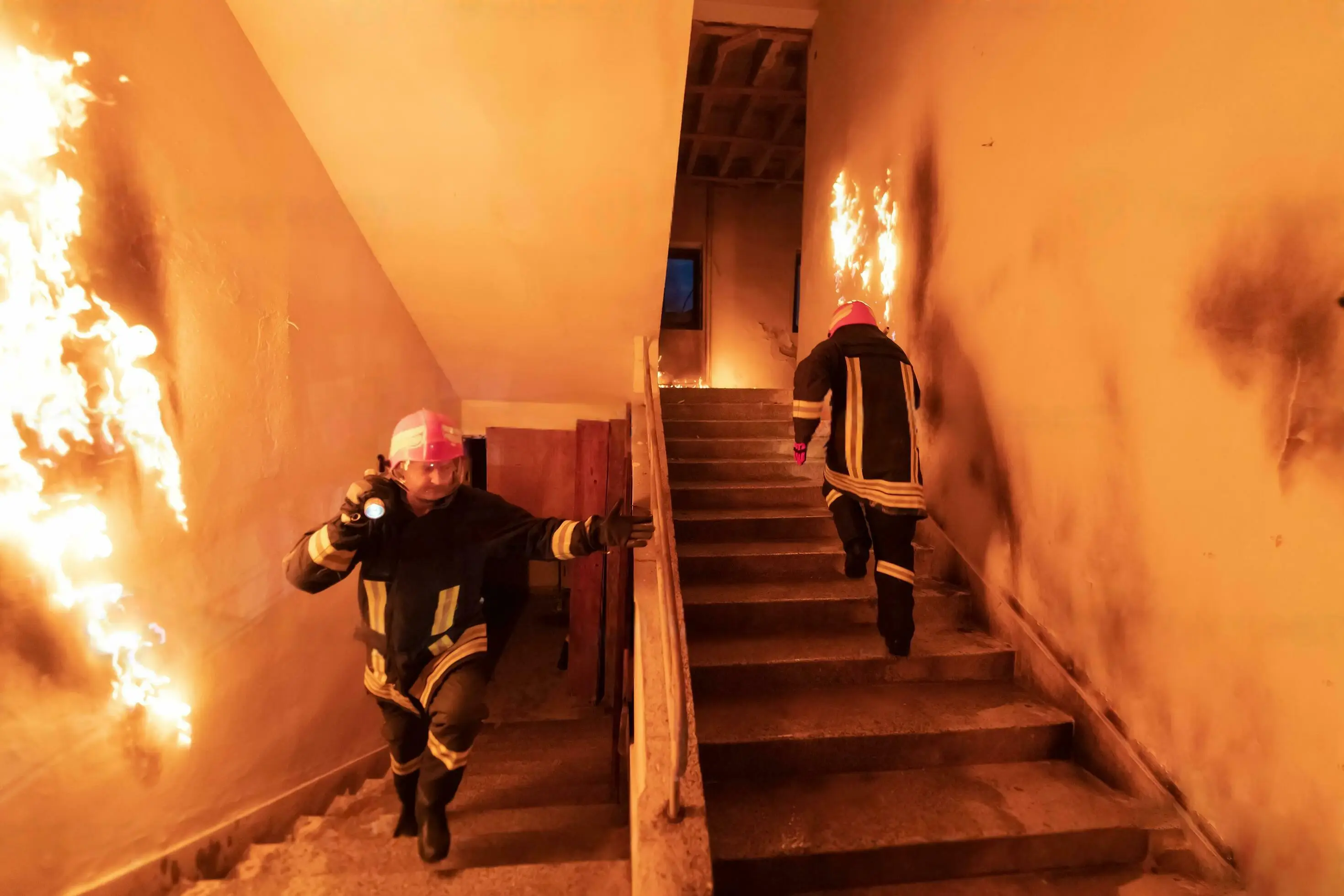
Fire Damage Restoration
Structural damage, soot, debris. We stabilize, clean, and rebuild what fire destroyed.
Learn more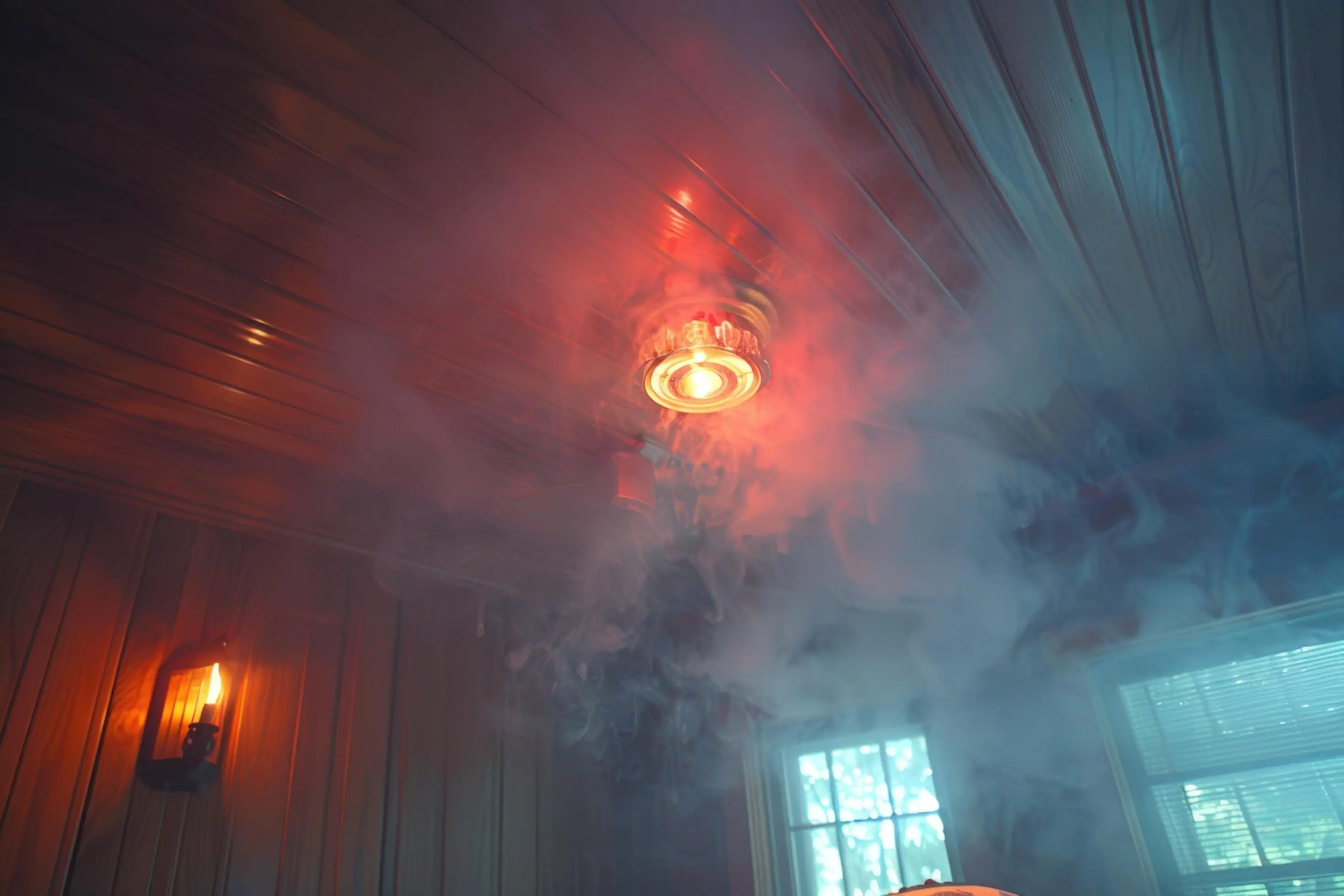
Smoke Damage Restoration
Soot residue, chemical odors, HVAC contamination. We decontaminate surfaces, eliminate odors, and restore air quality.
Learn more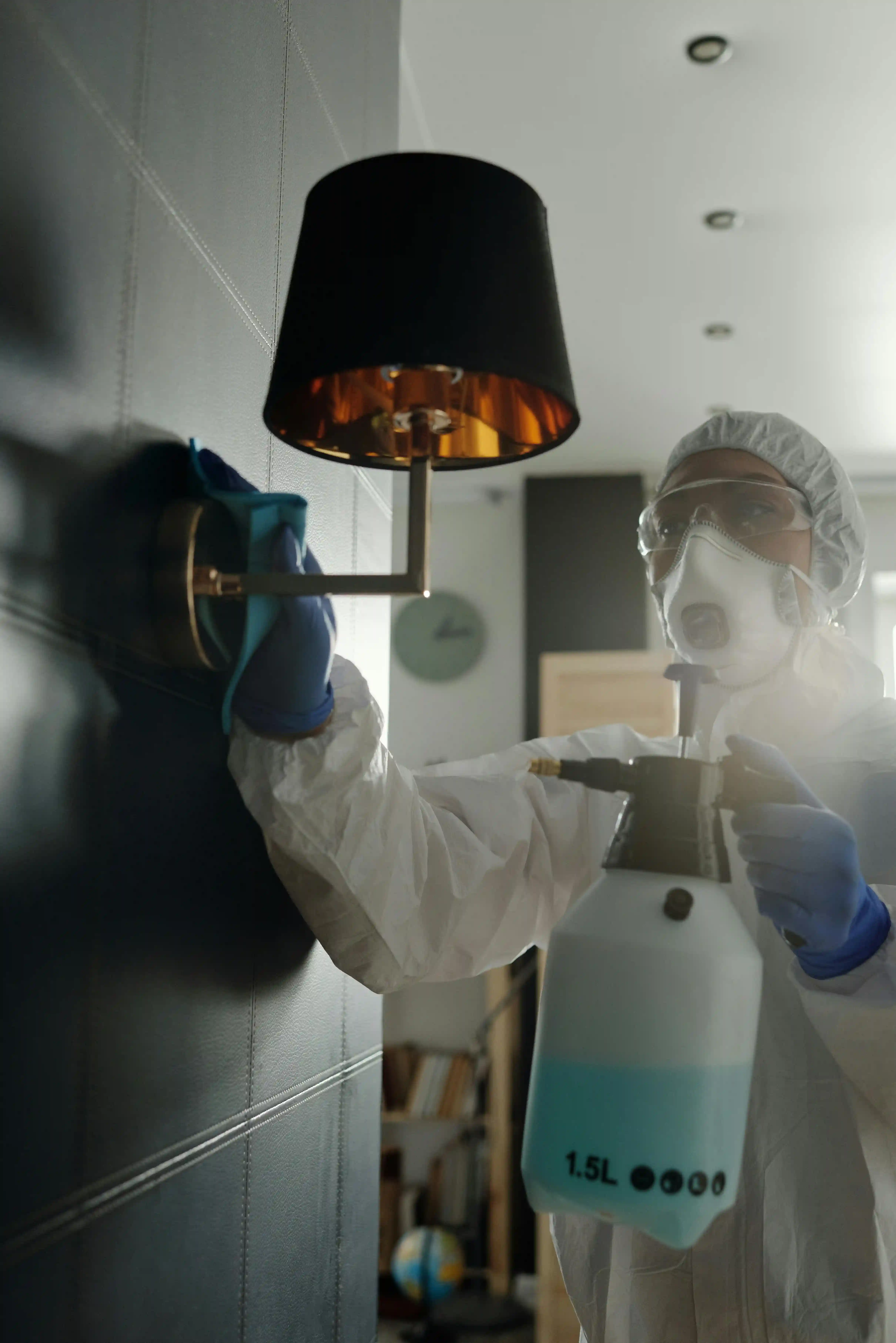
Mold Remediation
Testing, containment, removal, prevention. We find the source, eliminate the growth, and stop it from returning.
Learn more
Sewage Cleanup
Sewer backups, contaminated water, biohazard. We extract, sanitize, and restore safely.
Learn more