
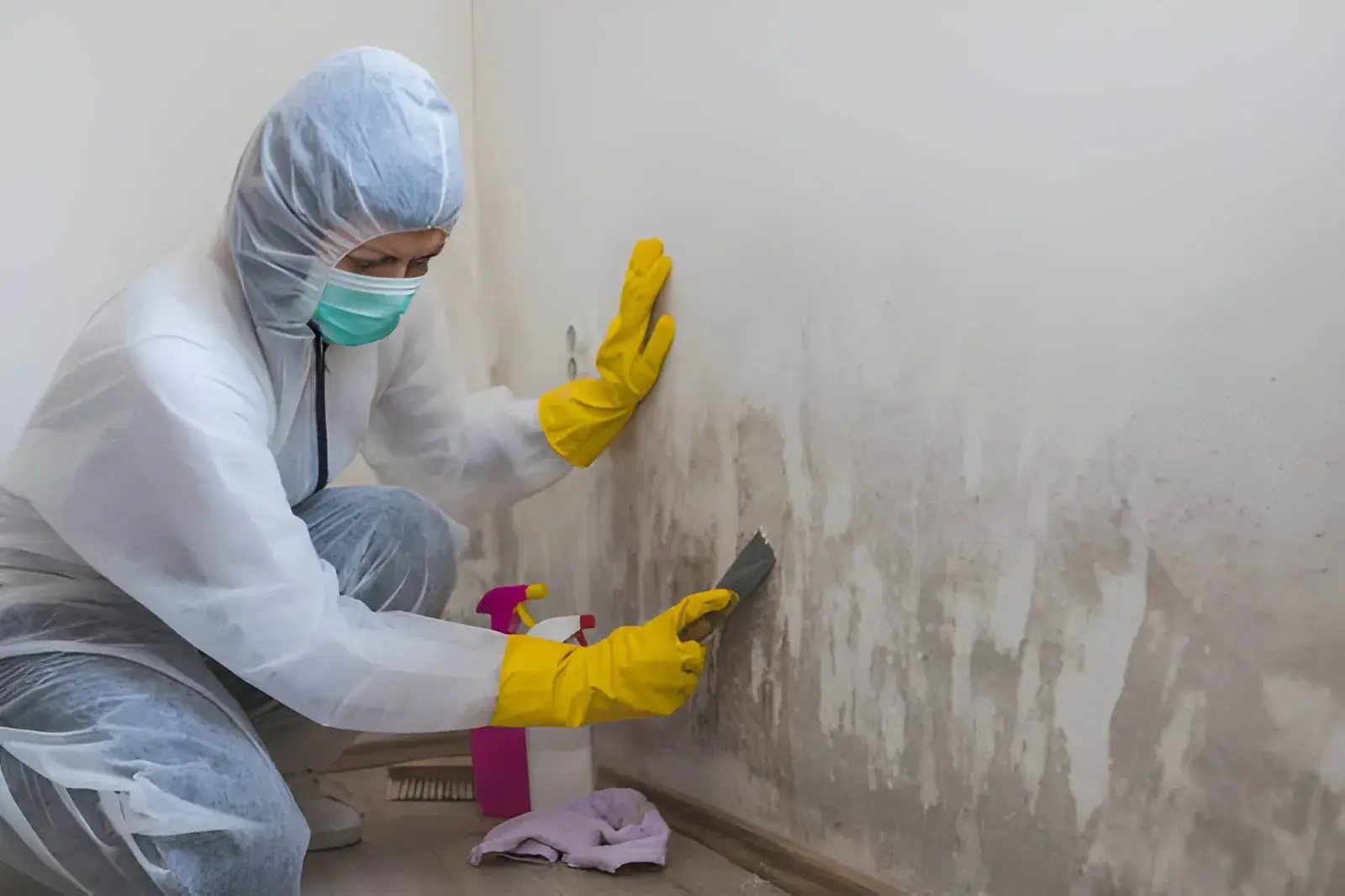
Mold Remediation in Smyrna, TN
Mold doubles its colonized area every 24 to 48 hours in favorable conditions. Our local team responds to Smyrna emergencies within 60 minutes to contain the spread.
What Happens When You Call
A real person answers, not a call center. We assess your mold situation, determine the urgency, and begin coordinating your response immediately.
Your dedicated mold remediation team is dispatched from our local base serving Smyrna and the surrounding Rutherford County communities.
Team arrives with containment barriers, HEPA filtration, moisture meters, and remediation equipment. Containment is established immediately to prevent spore migration.
Affected area contained, moisture source identified, remediation plan documented. You know exactly what comes next.
Mold does not wait for a convenient time. Once colonization begins, it spreads through wall cavities, across floor joists, and into HVAC ductwork within days. Every day without containment expands the remediation scope and cost. X Response exists for exactly this moment. When you reach out, your mold remediation team is mobilized within minutes and on site within the hour. From that point forward, one team manages everything: inspection, containment, removal, prevention, and documentation. You are never left guessing about the next step. Call now. Your team is standing by.
Why Smyrna Homes Are Vulnerable to Mold
Smyrna sits in the humid subtropical climate of Middle Tennessee, where summer relative humidity frequently exceeds 70 percent for weeks at a time and annual rainfall averages more than 50 inches. That persistent moisture, combined with the clay-heavy soils of the Central Basin that hold water against foundations rather than draining it away, creates near-ideal conditions for mold growth in residential structures. Smyrna homeowners frequently encounter crawl space mold driven by clay soil moisture, high humidity, and vented crawl space designs, with multiple foundation repair firms documenting significant mold growth in Smyrna crawl spaces linked to seasonal humidity consistently exceeding 60 percent. The problem is not limited to older homes. Newer construction on clay soils absorbs ground moisture through slab edges and foundation walls, and any home with a vented crawl space essentially invites Smyrna's humid summer air directly beneath the living space where it condenses on cooler floor joists and subfloor sheathing.
Smyrna's mold risk is amplified by two additional factors: its flood history and its building stock. Stewart Creek flooding during the May 2010 event and subsequent storms saturated crawl spaces, wall cavities, and subfloor materials throughout low-lying neighborhoods. Many of those homes were dried superficially but never fully remediated, leaving hidden mold colonies that have grown slowly behind walls and beneath floors for years. The town's rapid growth from the 1980s through today produced enormous volumes of housing in a short period, much of it built with vented crawl space designs that were standard at the time but are now recognized as moisture traps in humid climates. The combination of a wet climate, water-retaining soils, flood-prone geography, and crawl space construction makes mold one of the most common and persistent property damage issues Smyrna homeowners face.
Crawl Space Foundations and Vented Designs
A substantial portion of Smyrna's housing stock sits on crawl space foundations, particularly homes built from the 1960s through the early 2000s. Older designs include foundation vents intended to allow airflow beneath the home. In Middle Tennessee's humid climate, those vents accomplish the opposite of their intended purpose: during summer, they pull warm, moisture-laden air into the cooler crawl space where it condenses on floor joists, sill plates, ductwork, and subfloor sheathing. That condensation creates a persistent moisture film that supports mold colonization year after year. Homeowners often notice the consequences upstairs, musty odors, soft spots in flooring, or respiratory symptoms, without connecting them to the crawl space environment 18 inches below their feet. Effective mold remediation in these homes must address the crawl space as the root moisture source, not just clean visible mold from accessible surfaces.
Clay Soils and Persistent Ground Moisture
Rutherford County's predominant soil types are clay and clay-loam, which absorb water slowly, release it slowly, and hold it against any structure that sits in contact with them. After a rain event, the soil around and beneath Smyrna foundations remains saturated for days or weeks. That moisture migrates through concrete block walls, rises through concrete slabs via capillary action, and evaporates into crawl spaces from the exposed ground surface. Even during dry periods, the clay retains enough residual moisture to keep humidity elevated in enclosed foundation spaces. This persistent ground moisture means that mold in Smyrna crawl spaces is not a seasonal problem that resolves when summer ends. It is a year-round condition driven by soil contact, and it returns after surface-level remediation unless the moisture pathway is permanently interrupted.
Post-Flood Hidden Mold Growth
Stewart Creek flooding during the May 2010 Middle Tennessee flood and subsequent storms saturated ground-level areas of homes throughout Smyrna's low-lying neighborhoods. Flood water enters crawl spaces, saturates insulation, wicks into subfloor sheathing, and fills wall cavities from the bottom up. Many of these homes were dried and returned to service, but hidden materials, fiberglass insulation batts pressed against joists, the back face of drywall inside wall cavities, and the underside of subfloor sheathing, were never fully dried or treated. In Smyrna's humid environment, these hidden reservoirs of organic material and residual moisture provide the conditions mold needs to colonize slowly and persistently. Years after a flood event, a homeowner may discover extensive mold behind walls or beneath floors that has been growing undetected since the original water intrusion.
HVAC Ductwork in Crawl Spaces
Many Smyrna homes route HVAC supply and return ductwork through the crawl space. When that space is humid, condensation forms on the exterior of cool supply ducts during summer, dripping water onto insulation and framing below. More critically, if duct connections are not perfectly sealed, the system draws crawl space air, including mold spores, directly into the supply stream and distributes it throughout the home. Ductwork that sits in a chronically damp crawl space also accumulates condensation on its interior surfaces during seasonal transitions, creating a mold habitat inside the distribution system itself. A home can have extensive mold in its crawl space and ductwork while the living space above appears clean, because the mold is hidden beneath the floor and inside the walls of the supply ducts.
Seasonal Humidity Cycles and Recurrence
Middle Tennessee's climate produces dramatic seasonal humidity swings. Summer months bring sustained relative humidity above 70 percent, often reaching 80 to 90 percent in early morning hours. Winter drops humidity but introduces temperature differentials that cause condensation on cold surfaces in unconditioned spaces. Spring and fall transitions, when outdoor temperatures swing 30 degrees or more within a single day, create condensation events throughout homes. For Smyrna homeowners, this means mold risk is not confined to one season. Summer humidity fuels active growth. Fall transition condensation provides fresh moisture. Winter keeps existing colonies dormant but alive. Spring warmth reactivates everything. Without controlling the moisture environment year-round, remediation provides only temporary relief before conditions return and growth resumes.
These factors make mold a chronic structural threat in Smyrna rather than an isolated incident. The clay soils hold moisture against foundations permanently. Vented crawl spaces invite humid air into the coolest part of the home. Flood history has left hidden colonies growing behind walls for years. HVAC systems distribute spores throughout the living space. And the seasonal cycle ensures that favorable conditions return year after year. Effective mold remediation here means identifying and eliminating the moisture source, not just removing visible growth. It requires a team that understands Rutherford County's soil conditions, crawl space dynamics, and the specific building practices used across Smyrna's decades of rapid construction.
What Happens to Your Home While You Wait
24–48 Hours After Moisture Exposure
Mold spores, always present in indoor air, begin germinating on any organic surface that remains damp. In Smyrna's warm, humid conditions, this window is closer to 24 hours than 48. Floor joists, subfloor sheathing, drywall paper, and carpet backing provide both the organic food source and the moisture mold needs. Colonization begins before you see any visible growth.
3–7 Days
Visible mold colonies appear on the surfaces closest to the moisture source. In crawl spaces, this means the underside of subfloor sheathing and the lower faces of floor joists. In wall cavities, it appears on the back face of drywall. Growth rate accelerates as the colony establishes and spore production begins, seeding new growth on adjacent surfaces.
1–2 Weeks
Mold spreads beyond the original moisture zone by releasing spores that travel through air currents, HVAC systems, and natural convection within wall cavities. Colonies appear on surfaces that may not have been directly wet but are close enough to the elevated humidity zone to support growth. The remediation scope expands from a localized area to multiple surfaces and systems.
1 Month and Beyond
Established colonies penetrate into the wood substrate, consuming the organic material and weakening structural members. Floor joists lose load capacity. Subfloor sheathing softens and delaminates. Sill plates at the foundation contact point deteriorate. The project shifts from surface mold removal to structural repair or replacement. Health impacts increase as spore counts in the living space climb.
Long-Term Unaddressed Growth
Structural framing requires replacement rather than surface treatment. HVAC contamination is systemic. Indoor air quality is chronically compromised. The remediation becomes a reconstruction project with full demolition of affected areas. Insurance coverage becomes more complex as carriers distinguish between sudden water damage and long-term maintenance neglect.
Mold growth does not plateau. It expands until the moisture source is removed and the colony is eliminated. Every day of delay increases the scope, the cost, and the health exposure. Contact X Response now. Our Smyrna team responds within 60 minutes.
How We Restore Mold-Affected Smyrna Homes
From the moment our team arrives, every step is documented, measured, and verified. Here is exactly what the mold remediation process involves.
Inspection and Moisture Source Identification
Our team arrives with moisture meters, thermal imaging, and hygrometers to map both visible mold and the moisture conditions driving it. In Smyrna homes, that means accessing the crawl space, checking behind walls near the foundation line, inspecting HVAC ductwork for condensation and growth, and measuring humidity at multiple points through the structure. We identify the moisture source, whether it is groundwater seepage through clay soil, a plumbing leak, HVAC condensation, or flood-history residual moisture, because removing mold without addressing the source guarantees recurrence. Every finding is documented with photos, moisture readings, and location mapping for your records and insurance.
Containment and Air Quality Control
Before any mold is disturbed, we establish physical containment barriers around the affected area using polyethylene sheeting sealed to structural surfaces. Negative air machines with HEPA filtration create pressure differentials that prevent spores from migrating into unaffected areas during removal. For crawl space remediation, we seal the crawl space access and run negative air from the space to the exterior so that spores are exhausted outside rather than drawn up into the home. Air scrubbers run continuously in the living space above to capture any breakthrough. Containment remains in place throughout the remediation process and is not removed until post-treatment air sampling confirms safe conditions.
Mold Removal and Surface Treatment
Affected materials are removed or treated based on the extent of colonization and the material type. Porous materials with deep mold penetration, including drywall, fiberglass insulation, and carpet, are removed and bagged for disposal within the containment zone. Semi-porous materials like wood framing are assessed for penetration depth: surface colonies on structurally sound wood are removed with HEPA-vacuuming and abrasive cleaning, then treated with EPA-registered antimicrobial agents. Materials with deep structural compromise are cut out and replaced. Every removal decision is documented with photos and condition notes so your insurance claim reflects the actual scope of work performed.
Moisture Control and Prevention
With mold removed, we address the moisture source to prevent recurrence. For Smyrna's prevalent crawl space issues, that means recommending or coordinating encapsulation: sealing the ground surface with a vapor barrier, closing foundation vents, and installing mechanical dehumidification to maintain humidity below 55 percent year-round. For wall cavity moisture, we ensure proper drainage, repair any plumbing issues, and verify that exterior grading directs water away from the foundation. For HVAC-related moisture, we address duct insulation, seal connections, and ensure condensate drainage is functioning. The goal is to permanently interrupt the moisture pathway that allowed mold to establish in the first place.
Verification and Clearance
After remediation and before containment is removed, we conduct post-remediation verification. Visual inspection confirms that all affected materials have been removed or treated. Moisture readings verify that the treated area has dried to acceptable levels and that the moisture source has been controlled. Air sampling, when required by your situation, confirms that airborne spore counts have returned to baseline levels comparable to outdoor ambient. Only after verification passes do we remove containment barriers and release the space for reconstruction. You receive complete documentation including pre- and post-remediation photos, moisture readings, treatment records, and any laboratory results.
The X Response Difference
When you contact X Response for mold in your Smyrna home, you get a team that finds the source, contains the growth, removes it safely, prevents recurrence, and verifies the result. One team, one standard, complete remediation.
Insurance Claim Guidance for Smyrna Homeowners
Mold coverage in Tennessee homeowner's policies depends heavily on the cause. Mold resulting from a sudden, covered water damage event, such as a burst pipe, appliance failure, or storm-driven roof leak, is typically covered as part of the water damage claim if addressed promptly. Mold from gradual conditions like poor ventilation, uncorrected crawl space moisture, or deferred maintenance is generally excluded as a maintenance responsibility. Many Tennessee policies include a mold sublimit, often $5,000 to $10,000, that caps coverage regardless of the cause. In Smyrna, where crawl space moisture is prevalent and mold often develops over months or years without detection, the distinction between sudden and gradual becomes the central question in many claims. Prompt documentation of the water event that preceded the mold is essential.
How X Response Helps
- Document the water event or moisture source that caused the mold to establish the connection to a covered peril
- Record the timeline from water intrusion to mold discovery to demonstrate that growth developed within a reasonable post-event window
- Photograph all affected areas before remediation begins, including hidden areas behind walls and in crawl spaces
- Provide complete scope documentation showing the remediation was performed to industry standards (IICRC S520)
- Document moisture control measures implemented to prevent recurrence, which some carriers require for claim approval
X Response does not file claims on your behalf, adjust claims, or make coverage determinations. We provide documentation and guidance to help you make informed decisions about your property and your policy. Coverage decisions are made solely by your insurance carrier.
Certified Restoration Specialists Serving Smyrna
When you contact X Response for mold remediation in Smyrna, your team is drawn from certified professionals who work across Rutherford County and understand the specific moisture dynamics that drive mold growth here. They have remediated crawl spaces saturated by Stewart Creek flooding, treated wall cavities where years of hidden growth followed a single unaddressed leak, and addressed whole-home HVAC contamination from ductwork running through chronically damp crawl spaces. They know how Smyrna's clay soils hold moisture against foundations, how vented crawl space designs trap humidity beneath homes, and how the seasonal humidity cycle reactivates dormant colonies every spring. This is not a crew following a generic checklist. It is a local team with direct experience in the conditions that cause mold in your specific neighborhood.
Every technician on your team holds current IICRC certification in mold remediation (AMRT) and water damage restoration, and carries the appropriate Tennessee state licensing for the work being performed. Equipment includes commercial-grade HEPA air scrubbers, negative air machines, thermal imaging cameras, pin and pinless moisture meters, hygrometers, and EPA-registered antimicrobial treatment systems. When your team arrives, they bring everything needed to establish containment immediately and begin systematic remediation without waiting for additional resources.
In Smyrna, X Response works with Tennessee Water and Fire, an independent local restoration partner serving Rutherford County.
Mold Remediation FAQ for Smyrna Homeowners
Other Emergency Services in Smyrna
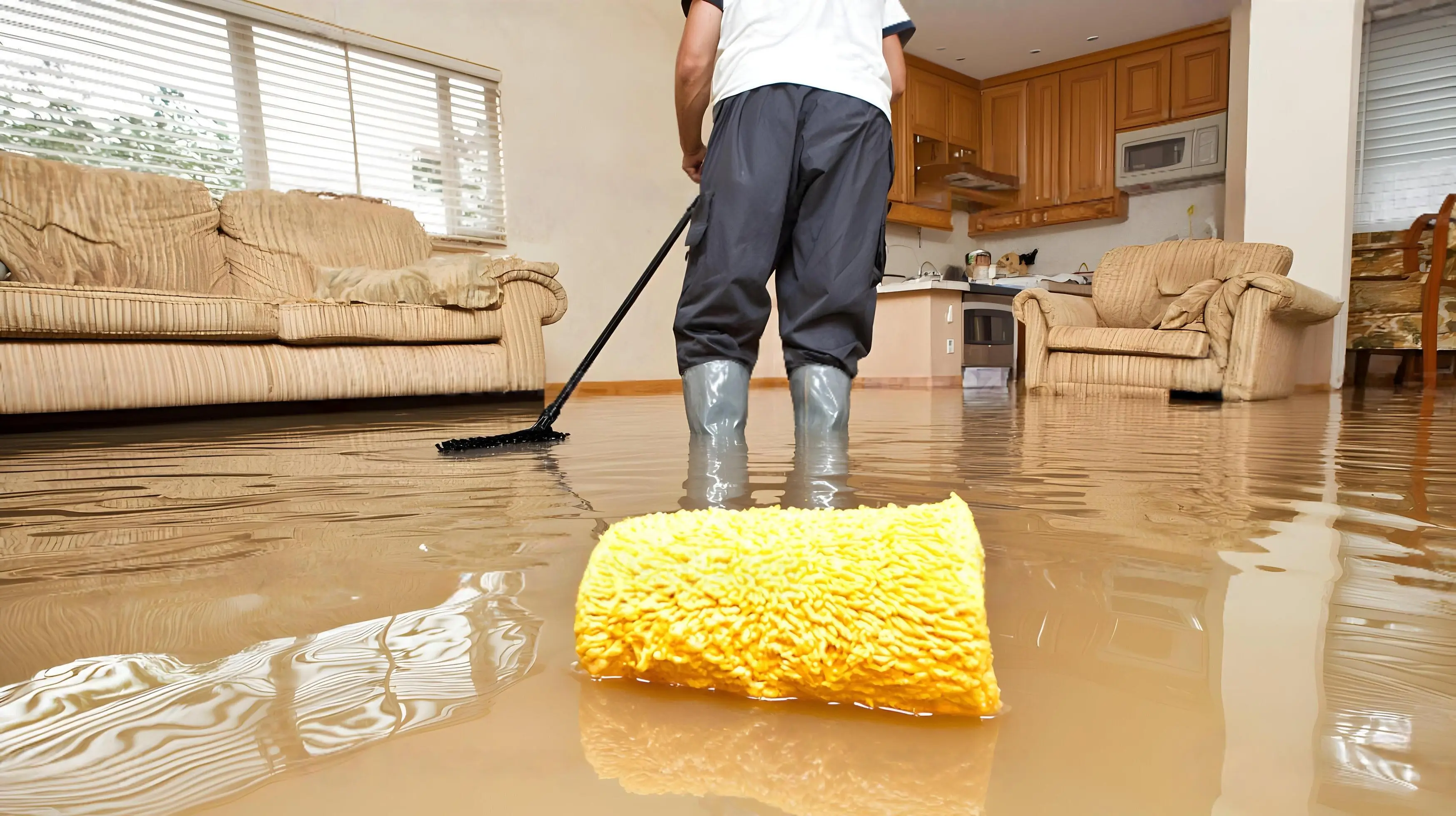
Water Damage Restoration
Burst pipes, storm flooding, standing water. We extract, dry, and restore before mold sets in.
Learn more
Fire Damage Restoration
Structural damage, soot, debris. We stabilize, clean, and rebuild what fire destroyed.
Learn more
Smoke Damage Restoration
Soot residue, chemical odors, HVAC contamination. We decontaminate surfaces, eliminate odors, and restore air quality.
Learn more
Sewage Cleanup
Sewer backups, contaminated water, biohazard. We extract, sanitize, and restore safely.
Learn more