
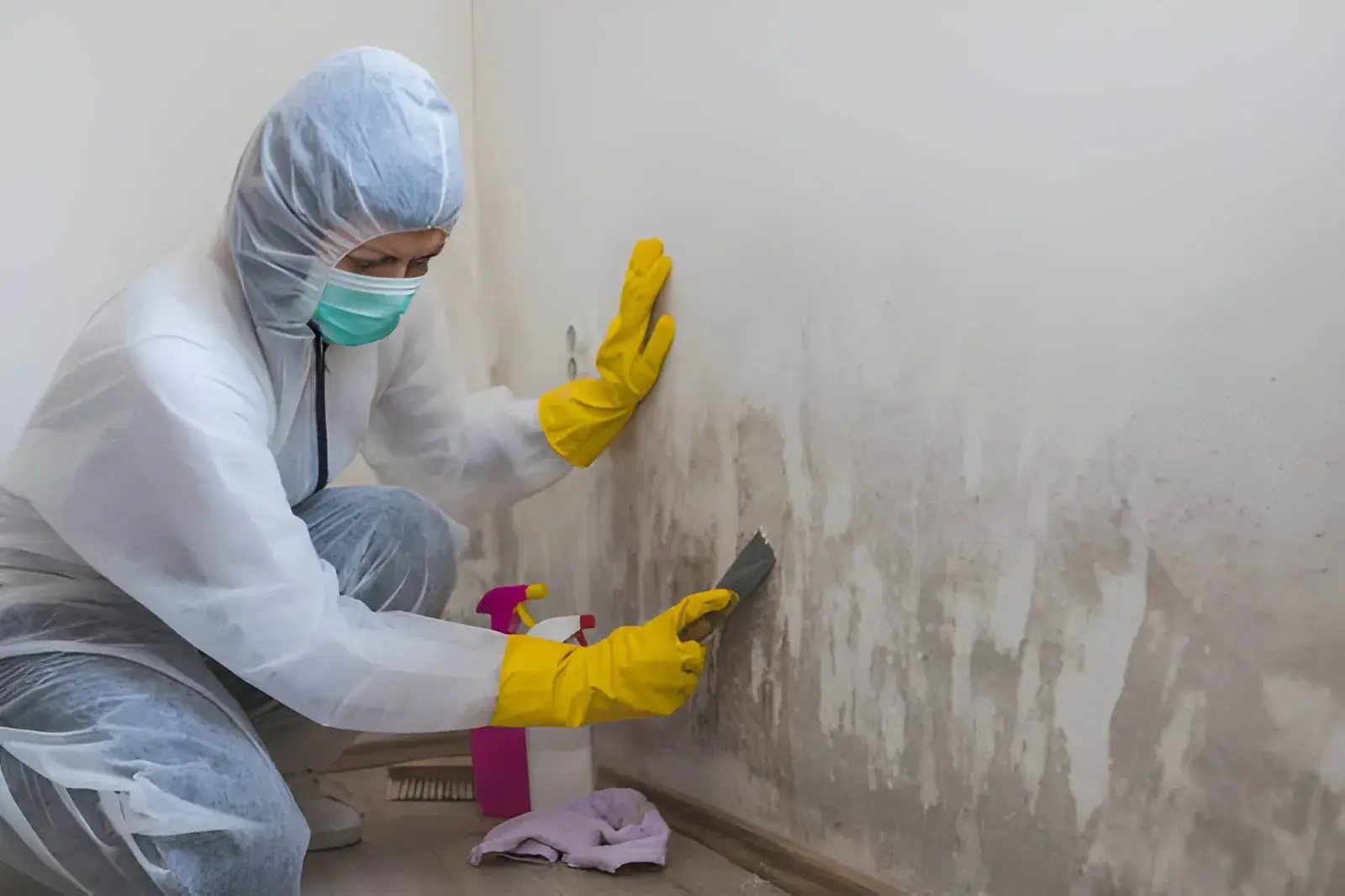
Mold Remediation in Woodstock, GA
Mold spreads rapidly in Cherokee County's humid climate, doubling its colony size every 24 to 48 hours under the right conditions. Our local team responds to Woodstock emergencies within 60 minutes.
What Happens When You Call
A real person answers, not a call center. We assess your mold concern, ask the right questions, and begin coordinating your response immediately.
Your dedicated remediation team is dispatched from our local base serving Woodstock and the surrounding Cherokee County communities.
Team arrives with moisture meters, thermal imaging, HEPA air scrubbers, containment materials, and remediation equipment. Assessment begins immediately.
Moisture source identified, containment established, remediation plan documented. You know exactly what comes next and what it will take.
You have found mold, or you suspect it is there because of the smell, the discoloration, or the health symptoms that started after a water event. Either way, the colony is growing right now in Cherokee County's warm, humid environment, and every day of delay expands the scope, cost, and health exposure. X Response exists for this moment. When you reach out, your remediation team is mobilized within minutes and on site within the hour. From that point forward, one team manages everything: inspection, containment, removal, prevention, and clearance testing. Call now. Your team is standing by.
Why Woodstock Homes Are Vulnerable to Mold
Woodstock sits in southern Cherokee County on the Georgia Piedmont, where red clay soils, hilly terrain, and a humid subtropical climate combine to create persistent moisture conditions that favor mold growth year-round. The city receives approximately 52 inches of rain annually, with the heaviest concentrations during spring and summer when temperatures regularly reach the 80s and 90s and relative humidity averages above 70 percent. These conditions create an environment where mold can colonize damp materials within 24 to 48 hours of a water event and sustain active growth for months in hidden spaces that never fully dry. Cherokee County's rapid growth from a rural area to a suburb of 35,065 people has produced a housing stock that ranges from century-old homes with vented crawl spaces near the downtown railroad corridor to modern sealed-envelope subdivisions along Towne Lake Parkway, each presenting different mold vulnerabilities.
Georgia has no state licensing requirement for mold remediation contractors. Unlike states such as Florida, which requires mold-related licensure under Chapter 468, or Texas, which maintains a state mold assessment and remediation licensing program, Georgia allows any company to advertise and perform mold removal services without demonstrating training, certification, or adherence to industry protocols. The Georgia Secretary of State's Professional Licensing Division does not list mold assessment or remediation among its licensed professions. This regulatory gap means that Cherokee County homeowners have no state-enforced quality floor when hiring a mold company. The difference between a qualified remediation team following the IICRC S520 Standard for Professional Mold Remediation and an unlicensed crew spraying bleach on visible growth is invisible from a marketing advertisement but critically important to the outcome.
No State Mold License in Georgia
Without a state licensing requirement, the burden of verifying qualifications falls entirely on the homeowner. Any contractor can call themselves a mold specialist without training, insurance, or accountability to a professional standard. The IICRC S520 Standard for Professional Mold Remediation establishes the protocols that qualified firms follow: proper containment, HEPA filtration, safe removal procedures, appropriate disposal, and post-remediation verification by an independent party. A company that skips containment or verification is not just cutting corners; it is actively spreading contamination and leaving no proof that the problem was actually resolved. In Cherokee County, where the humid climate makes mold recurrence likely after any incomplete treatment, the absence of state oversight makes the homeowner's choice of remediation company the single most important factor in the outcome.
Piedmont Clay and Persistent Foundation Moisture
Woodstock's red clay soils absorb water slowly during storms and release it slowly afterward, holding moisture against foundations for days or weeks after rain stops. For homes with crawl spaces, common in the older neighborhoods near downtown and along the original highway corridors, this creates a chronic moisture source that feeds mold growth on floor joists, sill plates, subfloor sheathing, and insulation. The clay acts as a moisture reservoir that keeps the ground beneath the home damp even during dry periods, and during Cherokee County's humid summers the warm air drawn through vented crawl spaces condenses on cooler wood surfaces and sustains mold colonies year-round without any active water leak. Crawl space encapsulation, where a sealed vapor barrier and dehumidification replace passive venting, is the long-term solution, but the mold already established on framing must be professionally removed first.
Post-Flood Mold Legacy Along Noonday Creek
The September 2009 flood that sent Noonday Creek to a record 19.66 feet inundated homes and apartments throughout the creek corridor in Woodstock. While the most severely affected apartments were eventually demolished with FEMA buyout funding, hundreds of other properties along and near the corridor experienced flooding that reached crawl spaces, saturated insulation, and soaked framing. Properties that were dried inadequately or too slowly after that event developed mold colonization in hidden structural cavities that may persist today, more than fifteen years later. Mold established in crawl space framing and wall cavities after a flood event continues growing as long as moisture remains available, and Cherokee County's climate ensures that moisture is rarely absent for long.
Rapid Growth Housing and Construction Moisture
Woodstock's explosive growth produced thousands of homes built on tight construction timelines. Framing lumber installed before adequate drying, concrete foundations poured and enclosed before curing moisture dissipated, and roofing and siding sealed before interior humidity could escape are common conditions in fast-track residential construction. In Cherokee County's climate, construction moisture that is sealed inside wall cavities and attic assemblies during a humid summer can sustain mold growth on sheathing and framing before the home is even occupied. Homeowners discover these colonies months or years later when musty odors develop, when selling inspections reveal hidden growth, or when health symptoms prompt investigation.
HVAC Condensation and Duct Mold
Air conditioning systems in Cherokee County run for 6 to 8 months per year, producing condensation on evaporator coils, drain pans, and the interior surfaces of ductwork that contacts cooled air. If drain lines clog, drain pans overflow into the air handler cabinet and into adjacent building materials. If ductwork in unconditioned attics or crawl spaces is inadequately insulated, condensation forms on the exterior of the ducts and drips onto surrounding framing. The consistently warm, humid conditions inside poorly maintained HVAC systems create ideal environments for mold growth that then distributes spores throughout the living space with every cooling cycle. HVAC-related mold is particularly insidious because it affects air quality in every room served by the system, not just the area near the original moisture source.
These factors make mold a persistent reality in Woodstock rather than a rare occurrence. The humid climate feeds growth continuously. Piedmont clay holds moisture against foundations. The 2009 flood legacy lingers in creek-corridor properties. Rapid-growth construction sealed moisture into wall assemblies. HVAC condensation creates year-round growth conditions in ductwork. And Georgia's lack of a state mold license means that homeowner due diligence is the only quality control mechanism. Effective mold remediation here requires certified professionals who follow established protocols, identify and resolve the moisture source rather than just cleaning visible growth, and provide independent post-remediation verification that proves the space is safe for occupancy.
What Happens to Your Home While You Wait
24–48 Hours After Water Event
Mold spores, which are always present in outdoor and indoor air in Cherokee County, begin germinating on damp materials. Microscopic hyphae penetrate porous surfaces including drywall paper, wood grain, and carpet backing. No visible growth is present yet, but the biological process has begun in crawl spaces, wall cavities, and any enclosed area where moisture accumulated and air movement is minimal.
3–7 Days
Visible mold colonies appear on the dampest surfaces: the underside of subfloor sheathing in crawl spaces, the paper face of drywall behind cabinets, the back side of baseboard trim, and inside HVAC air handler cabinets where condensation collects. Musty odors become detectable in enclosed spaces. The colony is now actively producing spores that circulate through the structure.
1–4 Weeks
Mold spreads across connected surfaces and into adjacent materials. Colonies on crawl space joists extend to sill plates and subfloor sheathing. Wall cavity growth extends from lower drywall into insulation and framing. HVAC-distributed spores establish secondary colonies in rooms distant from the original moisture source. The remediation scope is expanding daily as the contamination front advances through connected materials.
1–3 Months
Established colonies produce heavy spore loads that significantly degrade indoor air quality. Structural wood begins showing signs of decay at the most heavily colonized areas. Health symptoms in occupants may intensify as chronic exposure accumulates. The remediation scope now includes materials that were not directly wet but received sustained spore exposure. What began as a localized moisture problem has become a building-wide air quality and structural concern.
Beyond 3 Months
Long-term colonization causes structural decay in floor joists, sill plates, and wall framing. Wood loses load-bearing capacity in severe cases. Extensive mold through wall cavities, crawl spaces, and HVAC systems requires comprehensive remediation that approaches the scope of a major renovation. Properties in this condition face significant remediation costs, extended timelines, and potential structural repair alongside the mold removal itself.
Mold does not plateau or self-limit in Cherokee County's climate. It continues spreading as long as moisture is available, and in this environment moisture is rarely absent for long. Contact X Response now. Our Woodstock team responds within 60 minutes to begin assessment and containment before the colony expands further.
How We Restore Mold-Affected Woodstock Homes
Mold remediation is not cleaning. It is a controlled process of containment, removal, treatment, and verification that follows established industry protocols. Here is exactly how we approach it for Woodstock properties.
Inspection and Moisture Source Identification
Our team arrives with professional moisture meters, thermal imaging cameras, and air sampling equipment to determine the full extent of mold colonization and, critically, the moisture source sustaining it. Removing mold without resolving the moisture source guarantees recurrence, so this step drives the entire remediation plan. In Woodstock homes, common moisture sources include crawl space ground moisture wicking into framing, foundation wall seepage through saturated Piedmont clay, HVAC condensation from clogged drain lines, plumbing leaks in wall cavities, and residual moisture from inadequately dried flood or water events. We trace the moisture to its origin before establishing the remediation scope.
Containment and Worker Protection
Before any mold is disturbed, we establish engineering controls that prevent spore release into clean areas of the structure. Polyethylene sheeting seals the work zone from adjacent spaces. Negative air pressure maintained by HEPA-filtered air scrubbers ensures that air flows into the containment rather than out of it, capturing any spores released during removal before they can migrate. Workers operate in full personal protective equipment including respirators rated for mold spores. These containment protocols are the foundation of the IICRC S520 standard and the reason that professional remediation differs fundamentally from DIY mold cleaning, which disperses spores throughout the home.
Mold Removal and Material Disposition
Contaminated materials are removed following protocols matched to the material type and colonization depth. Porous materials with embedded growth, such as drywall, carpet, and fiberglass insulation, are cut out and bagged for disposal within the containment zone. Semi-porous materials like wood framing and subfloor sheathing are cleaned using HEPA vacuuming, wire brushing, and sanding to remove surface colonization, then treated with EPA-registered antimicrobial agents. Non-porous materials like metal, glass, and sealed surfaces are cleaned with appropriate solutions and verified clean. All removed materials are sealed in polyethylene bags before passing through the containment barrier to prevent contamination of clean areas.
Structural Treatment and Moisture Resolution
After removal, all structural surfaces within the remediation zone receive antimicrobial treatment designed to prevent recolonization. For crawl space remediation, this includes treatment of all joists, sill plates, and subfloor sheathing, followed by encapsulation with a sealed vapor barrier and installation of a dehumidification system to maintain humidity below the 60 percent threshold that sustains mold growth. For wall cavity remediation, the moisture source is resolved, whether that means repairing plumbing, improving drainage, or sealing foundation penetrations, before the cavity is treated and closed. The goal is not just to remove today's mold but to create conditions that prevent tomorrow's.
Post-Remediation Verification
After remediation is complete and the work zone has been cleaned, an independent post-remediation verification confirms that the space meets clearance criteria. This includes visual inspection confirming no visible mold remains on any treated surface, moisture readings confirming that materials have returned to acceptable levels, and air sampling comparing the remediation zone to baseline levels in unaffected areas of the structure. Clearance testing provides objective proof that the work was effective and that the space is safe for reoccupancy. Without independent verification, you have only the remediation company's word that the job is done; with it, you have laboratory-confirmed evidence.
The X Response Difference
Insurance Claim Guidance for Woodstock Homeowners
Mold insurance coverage in Georgia depends almost entirely on what caused the moisture that fed the mold. Standard homeowner's policies typically cover mold remediation when the mold resulted from a sudden and accidental covered event such as a burst pipe, an appliance failure, or storm damage. Most policies explicitly exclude mold that results from long-term maintenance neglect, chronic humidity, poor ventilation, or gradual moisture accumulation. This distinction matters in Woodstock because two of the most common local mold scenarios, crawl space humidity from Piedmont clay and post-flood moisture along the Noonday Creek corridor, may fall on either side of that line depending on the triggering event. Mold discovered after a documented plumbing failure or storm-driven water intrusion is more likely to be covered because it traces to a sudden event. The documentation must clearly connect the mold to its moisture source and establish the timeline to support a coverage determination.
How X Response Helps
- Identify and document the moisture source that caused the mold, establishing whether it qualifies as a covered sudden event or excluded gradual condition
- Provide professional moisture readings and timeline evidence that connect the mold growth to the triggering event
- Document the full scope of contamination including concealed areas so the claim captures the true remediation requirement
- Distinguish between materials requiring removal and materials that can be cleaned in place, with evidence supporting each determination
- Coordinate remediation timing with your carrier's inspection requirements while beginning containment immediately to prevent further spread
X Response does not file claims on your behalf, adjust claims, or make coverage determinations. We provide documentation and guidance to help you make informed decisions about your property and your policy. Coverage decisions are made solely by your insurance carrier.
Certified Restoration Specialists Serving Woodstock
When you contact X Response for mold remediation in Woodstock, your team is drawn from certified professionals who work across Cherokee County and understand the specific moisture dynamics that drive mold growth here. They know how Piedmont clay holds water against foundations and releases vapor into crawl spaces year-round, how the 2009 Noonday Creek flood left a legacy of hidden mold in creek-corridor properties, and how rapid-growth construction sealed moisture into wall assemblies before it could escape. They have remediated crawl space infestations in the older homes near downtown, post-flood mold along the creek corridor, construction-moisture colonies in newer subdivisions, and HVAC-distributed contamination in multi-family buildings along Highway 92. This is a team that has worked in the specific soil, climate, and building conditions that produce mold in Woodstock.
Every technician on your team holds current IICRC certification in mold remediation (AMRT designation) and follows the S520 Standard on every project. Equipment includes professional moisture meters, thermal imaging cameras, borescope inspection cameras, HEPA air scrubbers, negative-air machines, containment materials, and antimicrobial application systems. Because Georgia does not require a state mold license, our team's IICRC certifications, professional liability insurance, and adherence to S520 protocols represent the highest standard of qualification available in the market.
In Woodstock, X Response works with Atlanta's Best Restoration, an independent local restoration partner serving Cherokee County.
Mold Remediation FAQ for Woodstock Homeowners
Other Emergency Services in Woodstock
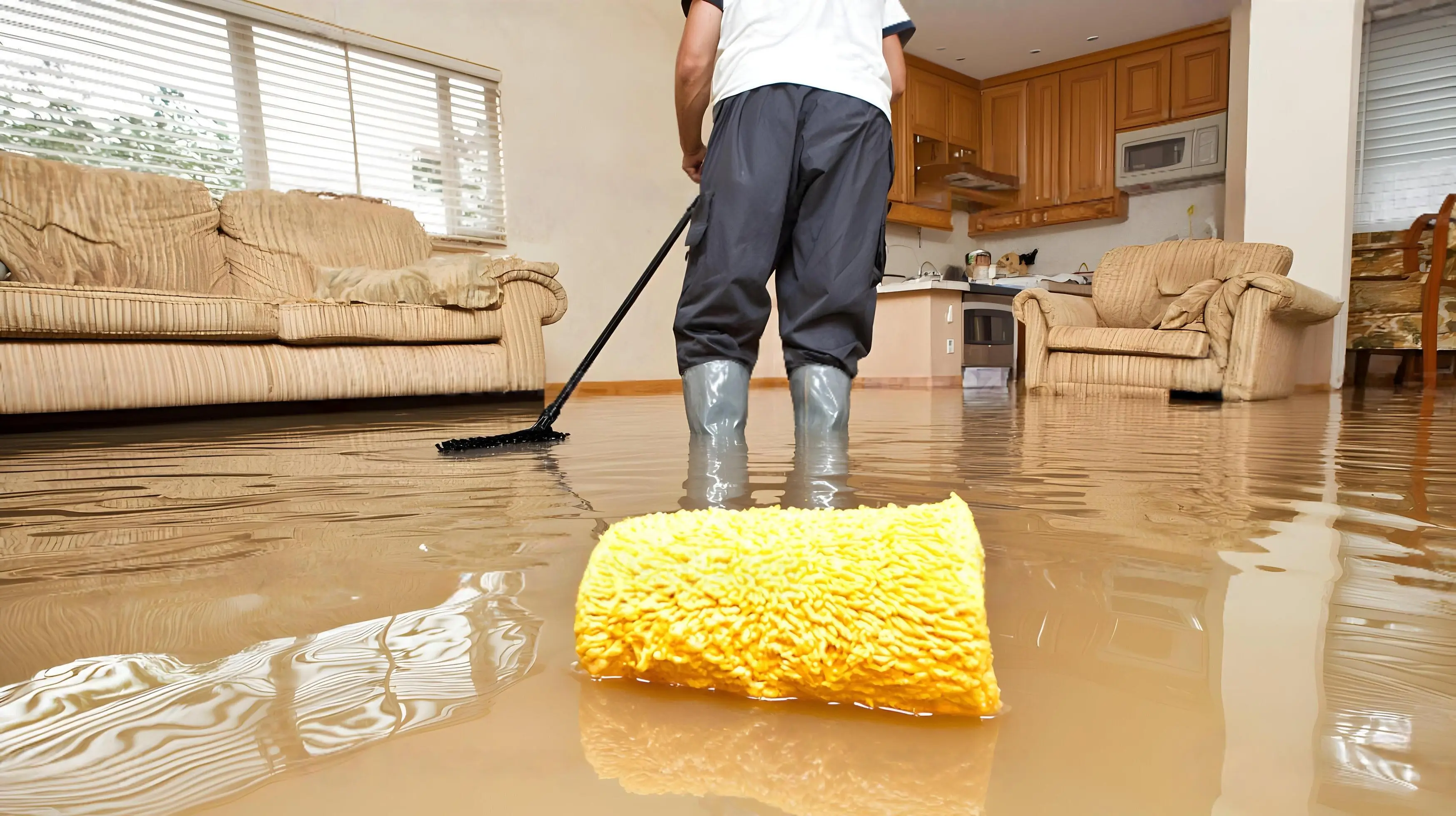
Water Damage Restoration
Burst pipes, storm flooding, standing water. We extract, dry, and restore before mold sets in.
Learn more
Fire Damage Restoration
Structural damage, soot, debris. We stabilize, clean, and rebuild what fire destroyed.
Learn more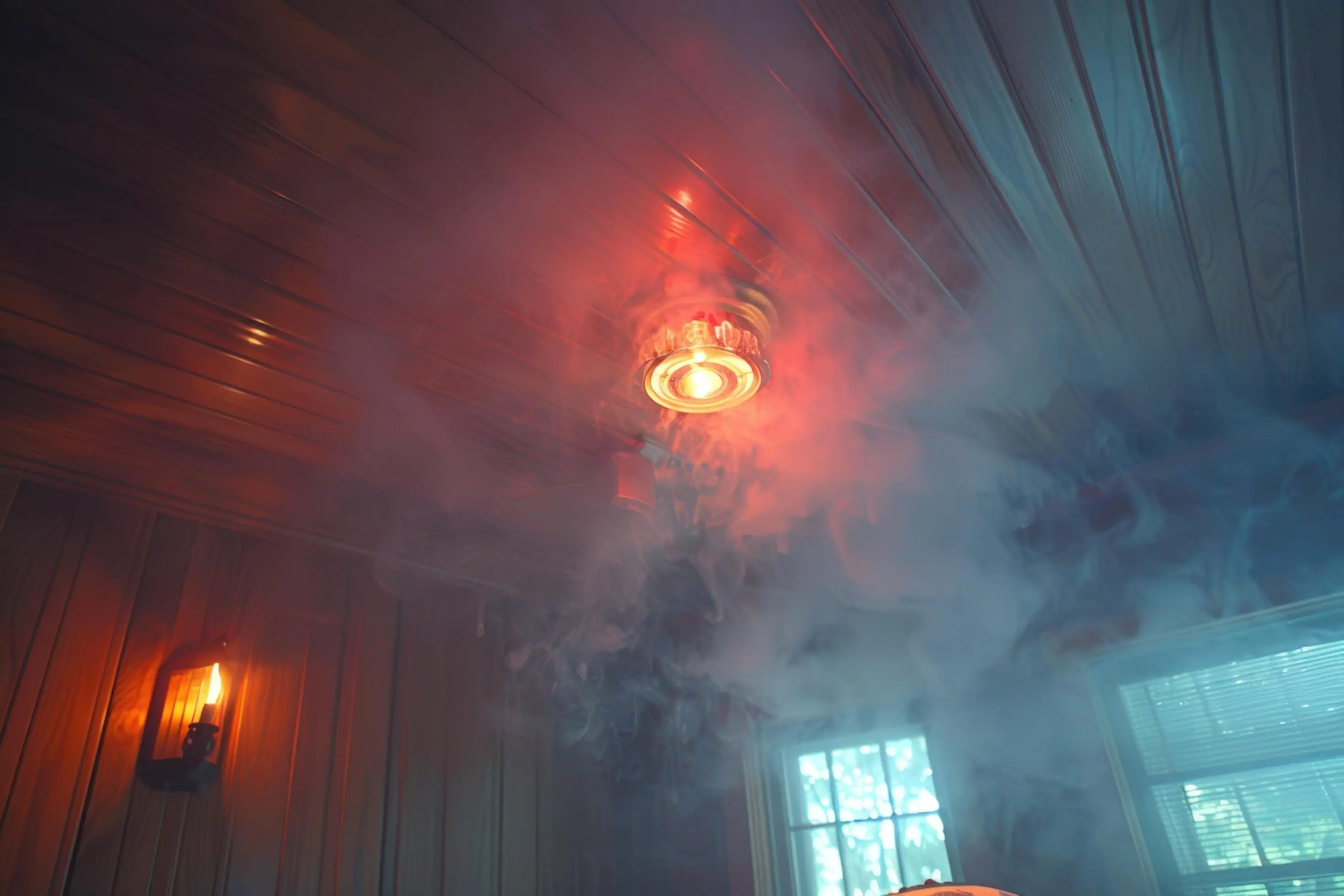
Smoke Damage Restoration
Soot residue, chemical odors, HVAC contamination. We decontaminate surfaces, eliminate odors, and restore air quality.
Learn more
Sewage Cleanup
Sewer backups, contaminated water, biohazard. We extract, sanitize, and restore safely.
Learn more