
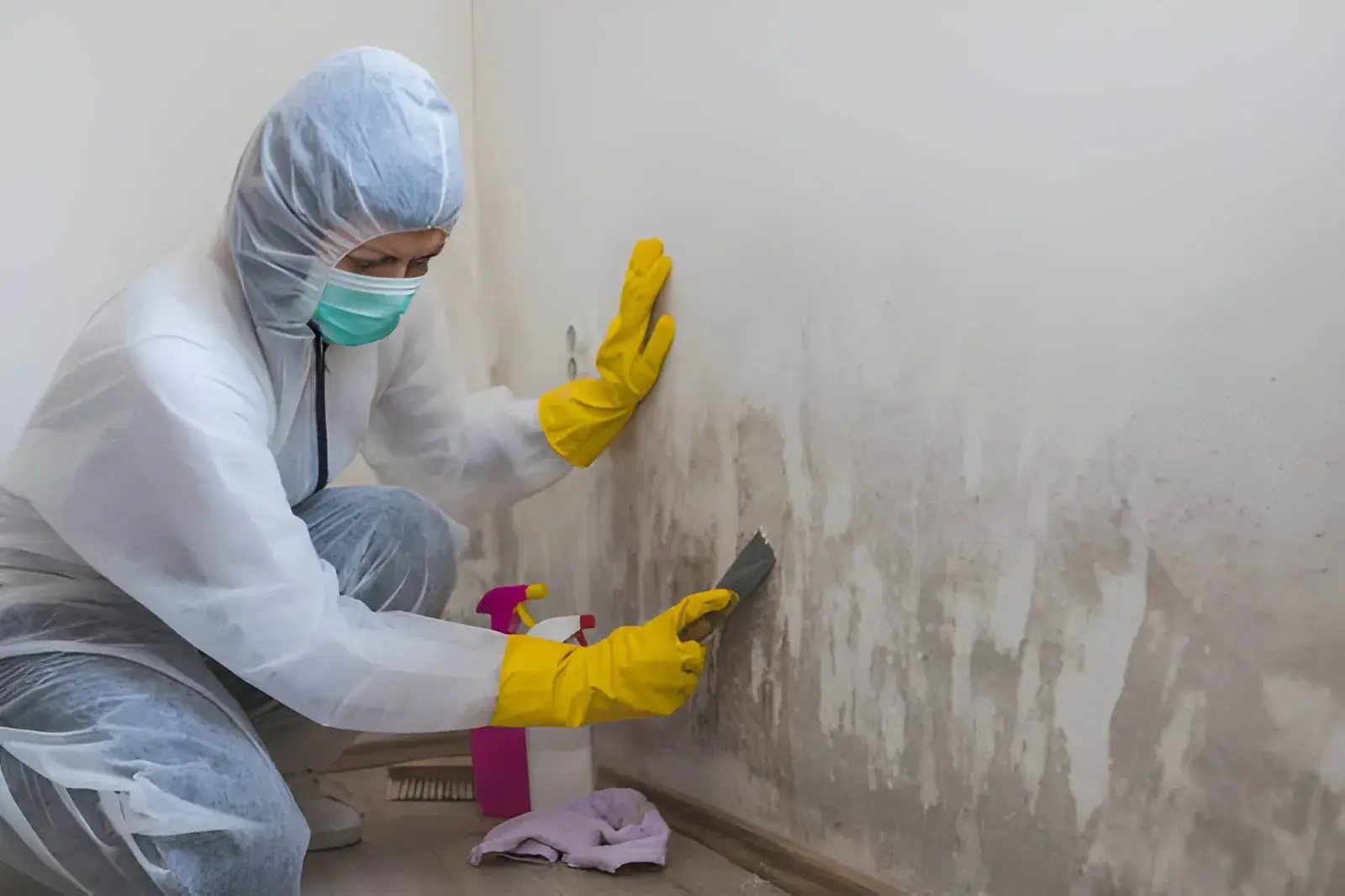
Mold Remediation in Sandy Springs, GA
Mold spreads rapidly in Sandy Springs' humid climate, compromising air quality and structural integrity. Our local team provides certified inspection and remediation within 60 minutes for emergencies.
What Happens When You Call
A real person answers, not a call center. We assess your situation, ask the right questions, and begin coordinating your response immediately.
Your dedicated remediation team is dispatched from our local base serving Sandy Springs and the surrounding northern Fulton County communities.
Team arrives with moisture meters, air sampling equipment, containment materials, and HEPA filtration. Assessment begins immediately.
Contamination mapped, moisture source identified, containment established, remediation plan documented. You know exactly what comes next.
You found mold, or you suspect it. Maybe there is a musty smell that will not go away, dark spots spreading on a wall, or a test result from your HVAC company that flagged elevated spore counts. Whatever brought you here, the growth is active right now and expanding into adjacent materials with every passing day. X Response exists for this moment. When you reach out, your remediation team is mobilized and on site promptly. From that point forward, one team manages everything: inspection, containment, removal, prevention, and post-remediation verification. Call now. Your team is standing by.
Why Sandy Springs Homes Are Vulnerable to Mold
Sandy Springs sits in one of the most mold-conducive environments in the southeastern United States. Northern Fulton County receives approximately 50 inches of rain annually, spread across a humid subtropical climate where summer relative humidity routinely exceeds 80 percent and outdoor temperatures create a sustained warm, wet growing season for mold from April through October. The city's housing stock compounds this climate vulnerability. The primary building boom occurred in the 1960s and 1970s after Interstate 285 and the first phase of GA 400 connected the area to metro Atlanta. That wave of construction produced thousands of ranch homes, split-levels, and garden-style apartment buildings with vented crawl spaces, a design that was standard practice at the time but is now understood to be a primary moisture trap in humid climates. When warm, moist outdoor air enters a vented crawl space and contacts the cooler surfaces beneath the home, condensation forms on floor joists, subflooring, and any exposed ductwork. Over decades, this chronic moisture cycle creates ideal conditions for mold colonization on wood framing.
The community operated as unincorporated Fulton County for decades before incorporating as a city in 2005. During those years, building code enforcement and property maintenance standards varied. Many homes went through multiple ownership cycles with deferred maintenance on crawl spaces, roofing, and exterior envelopes. The result is a significant stock of 50 to 60 year old homes where moisture has been intruding for years before anyone investigates the musty smell or traces a health complaint to its source. The Chattahoochee River forms Sandy Springs' western boundary, and the Nancy Creek watershed runs through the eastern half of the city. Properties along both corridors sit on clay soils that hold moisture at the surface and keep foundations chronically damp. After the September 2024 Hurricane Helene flooding, homes along Nancy Creek that took water through their crawl spaces or lower levels face elevated mold risk for months afterward as trapped moisture feeds growth in hidden areas that were never properly dried.
Vented Crawl Spaces in 1960s-Era Housing
The majority of Sandy Springs' single-family homes were built in the 1960s and 1970s with vented crawl spaces, following the construction standard of that era. In theory, crawl space vents allow outside air to circulate beneath the home and keep moisture from accumulating. In practice, in North Georgia's humid subtropical climate, the opposite occurs. Warm, moisture-laden summer air enters through the vents and contacts the cooler crawl space surfaces, condensing on floor joists, subflooring, ductwork, and the vapor barrier. This condensation cycle runs continuously from May through September, keeping wood framing chronically damp and providing exactly the moisture level mold requires for colonization. Homes where the original vapor barrier has deteriorated, been displaced by plumbing or HVAC work, or was never properly installed face even higher moisture loads because groundwater evaporating from the clay subgrade adds to the humidity already entering through the vents. Mold in these crawl spaces grows on joists, rim boards, subflooring, and any organic material stored beneath the home.
Piedmont Clay and Foundation Moisture
Sandy Springs sits on Georgia Piedmont geology: red clay soil over decomposed granite and shallow bedrock. The clay absorbs water slowly and releases it slowly, keeping the soil adjacent to foundations damp for extended periods after rain. For homes with crawl spaces, this means the ground beneath the home stays wet and releases moisture upward through any gaps in the vapor barrier. For homes with slab-on-grade or daylight basement construction, hydrostatic pressure from saturated clay pushes water through expansion joints, slab cracks, and the joint where the slab meets the foundation wall. This moisture enters the home at floor level and wicks into baseboards, carpet tack strips, and the lowest courses of drywall. Because the intrusion occurs from below, it often goes unnoticed behind furniture and beneath floor coverings until mold growth is visible or occupants develop respiratory symptoms. The shallow bedrock beneath the clay prevents deep drainage, so the zone of saturation stays near the surface and maintains pressure against foundations long after rain has passed.
Chattahoochee River Corridor and Nancy Creek Moisture
Properties along the Chattahoochee River corridor and the Nancy Creek watershed face elevated baseline moisture conditions that compound the general climate humidity. The Chattahoochee River Corridor extends 2,000 feet from the riverbank, and properties within this zone sit on soils with a higher water table than inland areas. Nancy Creek and its tributaries collect runoff from the heavily developed upstream areas of Buckhead and Dunwoody, and the creek banks remain saturated for extended periods after rain events. After Hurricane Helene dropped nearly 12 inches of rain on the area in September 2024, properties along Nancy Creek that experienced flooding face elevated mold risk for months because water that entered crawl spaces, wall cavities, and below-grade spaces often dries incompletely without mechanical intervention. The moisture that remains becomes the foundation for mold growth in hidden spaces that homeowners cannot see or easily access.
Post-Water-Damage Mold from Aging Plumbing
Sandy Springs' plumbing infrastructure matches its housing age. Many homes built in the 1960s still have original cast-iron drain lines and galvanized supply pipes that are now 50 to 60 years old. Cast-iron corrodes internally, develops cracks, and leaks wastewater into crawl spaces and wall cavities at rates slow enough to avoid obvious puddles but fast enough to keep building materials chronically damp. Galvanized supply lines develop pinhole leaks behind walls that wet drywall and insulation for weeks before anyone notices discoloration at the surface. By the time the leak is discovered and repaired, mold has colonized the wet cavity extensively. In apartment buildings from the same era, a slow plumbing leak in one unit can send moisture through floor assemblies and wall chases into adjacent units, creating mold in spaces that have no obvious water source from the occupant's perspective.
HVAC Condensation and Ductwork Mold
In North Georgia's humid climate, air conditioning systems produce significant condensation as they cool warm, moist air. The condensate drains through a pan and line to the outside, but when drain lines clog, pans overflow, or connections loosen, water drips onto ceiling materials, into wall cavities, or onto crawl space framing below the air handler. In Sandy Springs homes with original HVAC systems from the 1960s or systems that have been replaced but installed on aging platforms, condensate leaks are a frequent mold trigger. Separately, ductwork in crawl spaces that is not properly insulated sweats when cold supply air passes through warm, humid crawl space air. That condensation drips onto insulation and framing below or collects inside the duct, creating conditions for mold growth both on the duct exterior and within the supply system. When mold colonizes the interior of ductwork, spores are distributed throughout the home every time the system runs.
These factors create a mold environment specific to Sandy Springs: a humid subtropical climate that drives condensation in vented crawl spaces, 1960s-era housing stock built with designs now known to trap moisture, Piedmont clay that keeps foundations chronically damp, waterway corridors with elevated soil moisture, aging plumbing that leaks slowly into hidden cavities, and HVAC systems that produce condensation in unconditioned spaces. Effective mold remediation here requires understanding not just how to remove the visible growth but how to identify and correct the moisture source that caused it, because in this climate, mold will return within weeks if the underlying moisture condition remains. It rewards a team that has worked through the crawl spaces, wall cavities, and mechanical systems of Sandy Springs' housing stock and understands the difference between a one-time flood event and a chronic moisture condition that has been feeding growth for years.
What Happens to Your Home While You Wait
24–48 Hours After Water Event
Mold spores, which are always present in outdoor and indoor air, begin germinating on wet organic materials. In Sandy Springs' warm, humid climate, this colonization window is at the short end: growth can begin within 24 hours on materials that remain damp. Initial growth is often invisible, occurring within wall cavities, beneath flooring, and on the hidden surfaces of crawl space framing that were wetted by flooding or condensation.
3–7 Days
Visible mold colonies appear on surfaces that remained wet. In crawl spaces, growth spreads across floor joists and subflooring. Behind walls, colonies expand on the paper face of drywall and on wood framing. Musty odors become detectable in the living space above. Spore counts in indoor air begin rising above outdoor baseline levels, which may trigger respiratory symptoms in sensitive occupants.
1–4 Weeks
Mold spreads to adjacent materials through both surface growth and airborne spore distribution. HVAC systems that draw air from contaminated crawl spaces or wall cavities distribute spores throughout the home. Wood framing begins showing surface degradation where heavy growth has colonized. The scope of remediation expands as the affected area grows, requiring more containment, more material removal, and more reconstruction.
1–3 Months
Extensive colonization throughout connected spaces. Wood framing shows measurable strength loss in areas of heavy sustained growth. Occupant health complaints may include chronic congestion, coughing, headaches, and worsening asthma. The musty odor is persistent and noticeable to visitors immediately upon entering the home. Remediation at this stage typically requires significant material removal rather than surface treatment.
Extended Duration (Chronic)
In Sandy Springs homes where moisture conditions have persisted for years without correction, mold growth becomes structural. Floor joists soften, subflooring delaminates, rim boards decay, and the structural capacity of framing members degrades. This is most common in crawl spaces where vented designs have allowed chronic condensation for decades without inspection. Remediation at this stage includes structural repair or sistering of damaged framing members alongside mold removal, and the underlying moisture system (crawl space encapsulation, drainage correction, dehumidification) must be installed to prevent recurrence.
The longer mold grows, the deeper it penetrates materials and the more extensive remediation becomes. In Sandy Springs' climate, the window between initial moisture event and active colonization is measured in hours, not weeks. Contact X Response now for professional assessment.
How We Restore Mold-Affected Sandy Springs Homes
From the moment our team arrives, every step follows a systematic protocol designed to eliminate mold safely, identify and correct the moisture source, and verify the remediation was successful. Here is exactly what the process involves for Sandy Springs properties.
Inspection and Moisture Source Identification
Our team arrives with professional moisture meters, thermal imaging cameras, and air sampling equipment. The inspection covers every area where mold growth is suspected or likely: crawl spaces, attics, wall cavities (accessed through thermal imaging and targeted openings), HVAC systems and ductwork, bathrooms, kitchens, and any area with a history of water intrusion. In Sandy Springs homes, that means crawl space inspection is standard because the 1960s vented-crawl-space design creates chronic moisture conditions whether or not a specific water event has occurred. Equally important is identifying the moisture source feeding the growth: is it crawl space condensation from vented design, a plumbing leak, HVAC condensate overflow, clay-driven foundation moisture, or residual flood water from a Nancy Creek event? The moisture source must be identified and corrected or mold will return after remediation.
Containment and Worker Protection
Before any mold is disturbed, physical containment is established to prevent spores from spreading to unaffected areas of the home. Polyethylene barriers sealed with tape create a negative-pressure containment zone around the work area. HEPA-filtered air scrubbers maintain negative pressure by pulling air from the containment zone, filtering it, and exhausting it outside the building envelope. Workers wear appropriate PPE including respirators with P100 filtration, disposable coveralls, and gloves. For crawl space work, which is common in Sandy Springs, containment extends from the crawl space access point through any floor penetrations that could allow spores to rise into the living space. HVAC systems are shut down and supply registers sealed to prevent the mechanical system from distributing disturbed spores.
Mold Removal and Material Remediation
Remediation methods depend on the material type and the extent of colonization. Non-porous surfaces like concrete, metal, and sealed wood are cleaned with antimicrobial solutions and HEPA-vacuumed. Semi-porous materials like wood framing are sanded or media-blasted to remove surface colonization, then treated with antimicrobial coating. Porous materials where mold has penetrated beyond the surface, including drywall, insulation, carpet, and heavily colonized wood, are removed and disposed of in sealed bags transported directly out of the containment zone. In Sandy Springs crawl spaces, remediation often involves treating the full joist bay system: removing contaminated insulation, cleaning and treating joists and subflooring, and addressing the rim board and sill plate where moisture concentrates at the foundation connection.
Moisture Source Correction
Removing the mold without correcting the moisture source guarantees recurrence, particularly in Sandy Springs' humid climate. Based on the source identified during inspection, correction may include: sealing crawl space vents and installing a conditioned crawl space system with dehumidification and sealed vapor barrier; repairing or replacing the plumbing leak that was feeding the growth; correcting HVAC condensate drainage and insulating ductwork in unconditioned spaces; installing interior drainage or exterior waterproofing to manage clay-driven hydrostatic moisture against foundations; or grading and drainage improvements to redirect surface water away from the structure. This phase ensures the investment in remediation lasts rather than requiring a repeat visit in six months.
Post-Remediation Verification
After remediation is complete and the moisture source has been corrected, we perform post-remediation verification to confirm success. Air sampling compares spore counts inside the remediated space to outdoor baseline levels, confirming that indoor counts are at or below outdoor levels with no dominant species present that was not found outdoors. Visual inspection of all treated surfaces confirms no remaining visible growth. Moisture readings confirm that materials have returned to acceptable levels and that the corrected moisture source is no longer introducing water into the structure. You receive documentation including all test results, before-and-after photos, material removal records, and moisture source correction details. This package supports your insurance claim and provides a permanent record of professional remediation.
The X Response Difference
When you contact X Response for mold remediation in Sandy Springs, you get a team that treats the complete problem: identify the moisture source, contain the work area, remove the contamination safely, correct the underlying condition, and verify the results. Not a surface spray that leaves the root cause untouched.
Insurance Claim Guidance for Sandy Springs Homeowners
Mold insurance coverage in Georgia depends on the cause. If mold resulted from a sudden, covered water damage event like a burst pipe, appliance failure, or storm damage, the resulting mold remediation is typically covered under the same claim as the water damage. If mold developed from chronic moisture conditions like crawl space condensation, long-term foundation seepage, or deferred maintenance, most standard policies exclude coverage. This distinction matters significantly in Sandy Springs because much of the city's mold growth originates from the chronic moisture conditions created by 1960s-era vented crawl space designs and aging plumbing that has leaked slowly for years. In these cases, the mold itself may not be covered, but if a specific triggering event can be documented, such as a sudden pipe failure that accelerated existing moisture conditions, partial coverage may apply.
How X Response Helps
- Document the moisture source and timeline thoroughly to establish whether the mold resulted from a sudden covered event or a chronic excluded condition
- Provide professional moisture readings and photographic evidence from day one to support the scope of remediation claimed
- Distinguish between mold removal, moisture source correction, and preventive upgrades so each line item maps to the appropriate coverage category
- Document pre-existing conditions separately from new damage so the claim accurately reflects what the covered event caused
- Deliver post-remediation test results proving the work was completed to standard, supporting claim closure
X Response does not file claims on your behalf, adjust claims, or make coverage determinations. We provide documentation and guidance to help you make informed decisions about your property and your policy. Coverage decisions are made solely by your insurance carrier.
Certified Restoration Specialists Serving Sandy Springs
When you contact X Response for mold remediation in Sandy Springs, your team is drawn from certified professionals who work across northern Fulton County and understand the specific moisture dynamics that drive mold growth in this area. They have crawled through hundreds of vented crawl spaces beneath 1960s-era homes and know exactly what chronic condensation damage looks like on Piedmont-region framing. They understand the difference between a one-time flood event from Nancy Creek and a decades-long moisture condition from a vented crawl space design that was never converted. They have remediated mold in apartment buildings where a slow plumbing leak in one unit created growth in three others through shared wall assemblies. This is not a general contractor spraying bleach. It is a specialized team with the training, containment equipment, and testing capability to handle mold safely and verify the results.
Every technician on your team holds current certifications in mold remediation and carries the appropriate Georgia state licensing for the work being performed. Equipment includes professional moisture meters, thermal imaging cameras, air sampling pumps, HEPA air scrubbers rated for negative-pressure containment, media blasting systems for wood treatment, and commercial dehumidification for post-remediation drying. When your team arrives, they bring everything needed to assess, contain, and begin remediating mold contamination immediately.
In Sandy Springs, X Response works with Atlanta's Best Restoration, an independent local restoration partner serving Fulton County.
Mold Remediation FAQ for Sandy Springs Homeowners
Other Emergency Services in Sandy Springs
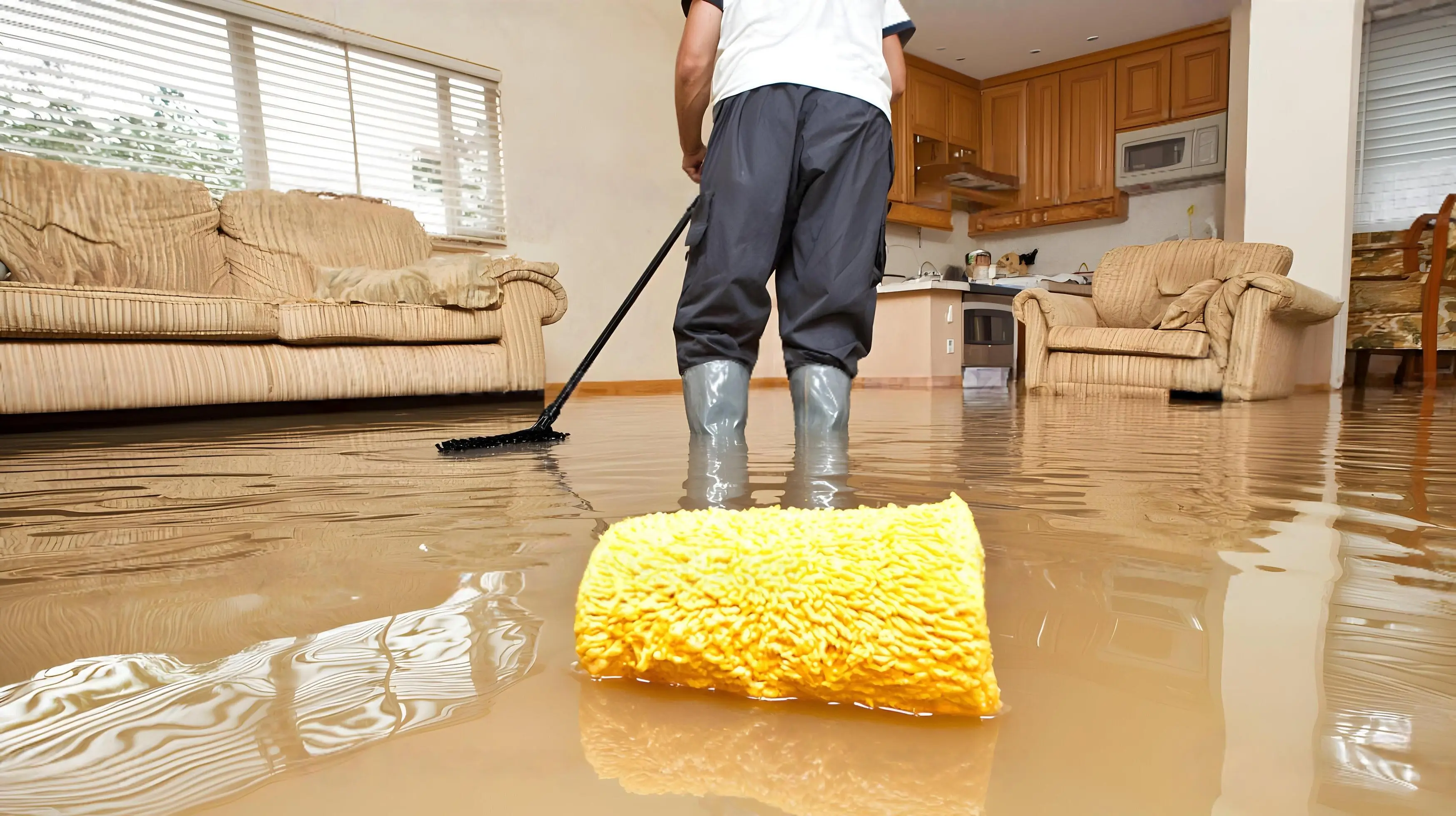
Water Damage Restoration
Burst pipes, storm flooding, standing water. We extract, dry, and restore before mold sets in.
Learn more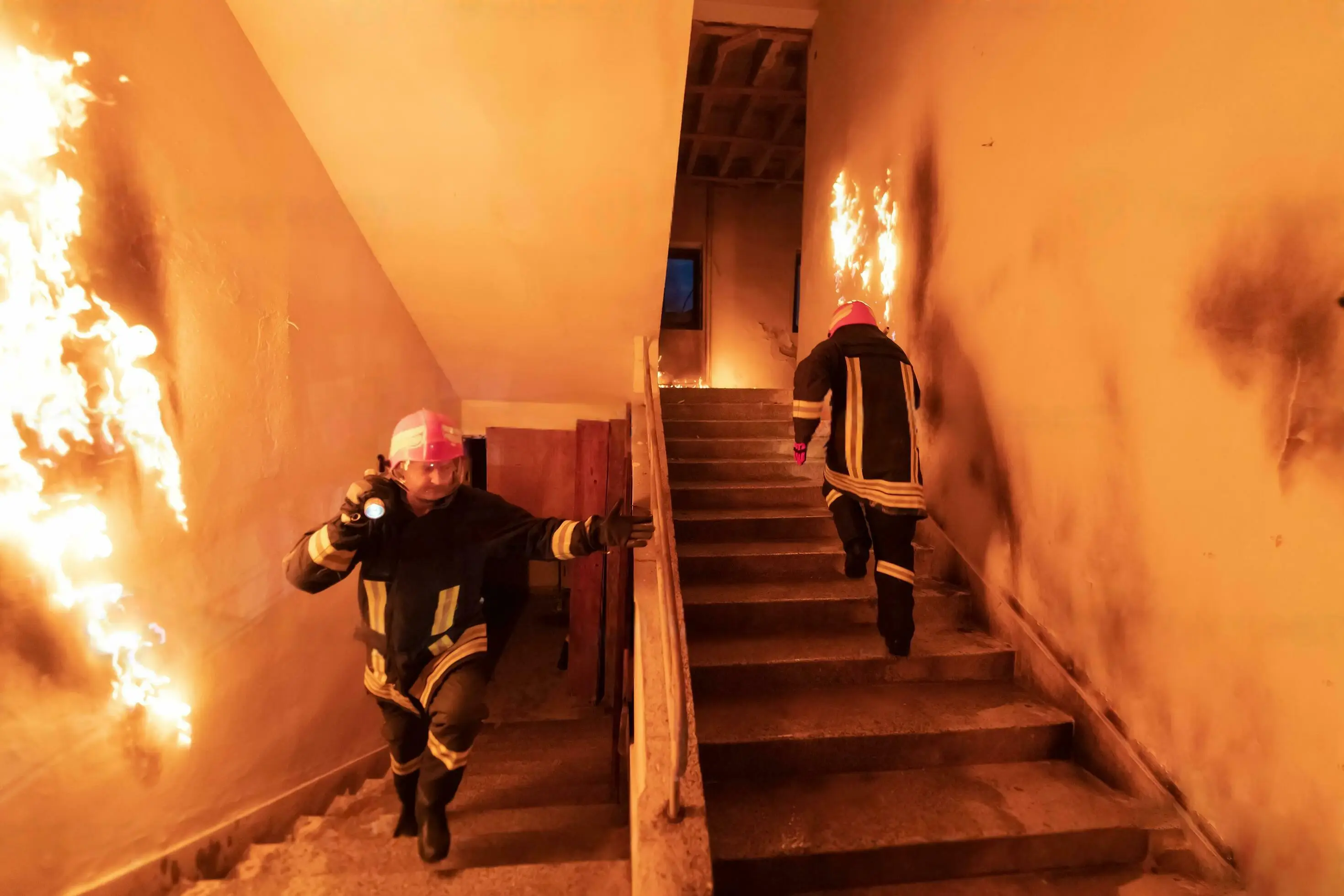
Fire Damage Restoration
Structural damage, soot, debris. We stabilize, clean, and rebuild what fire destroyed.
Learn more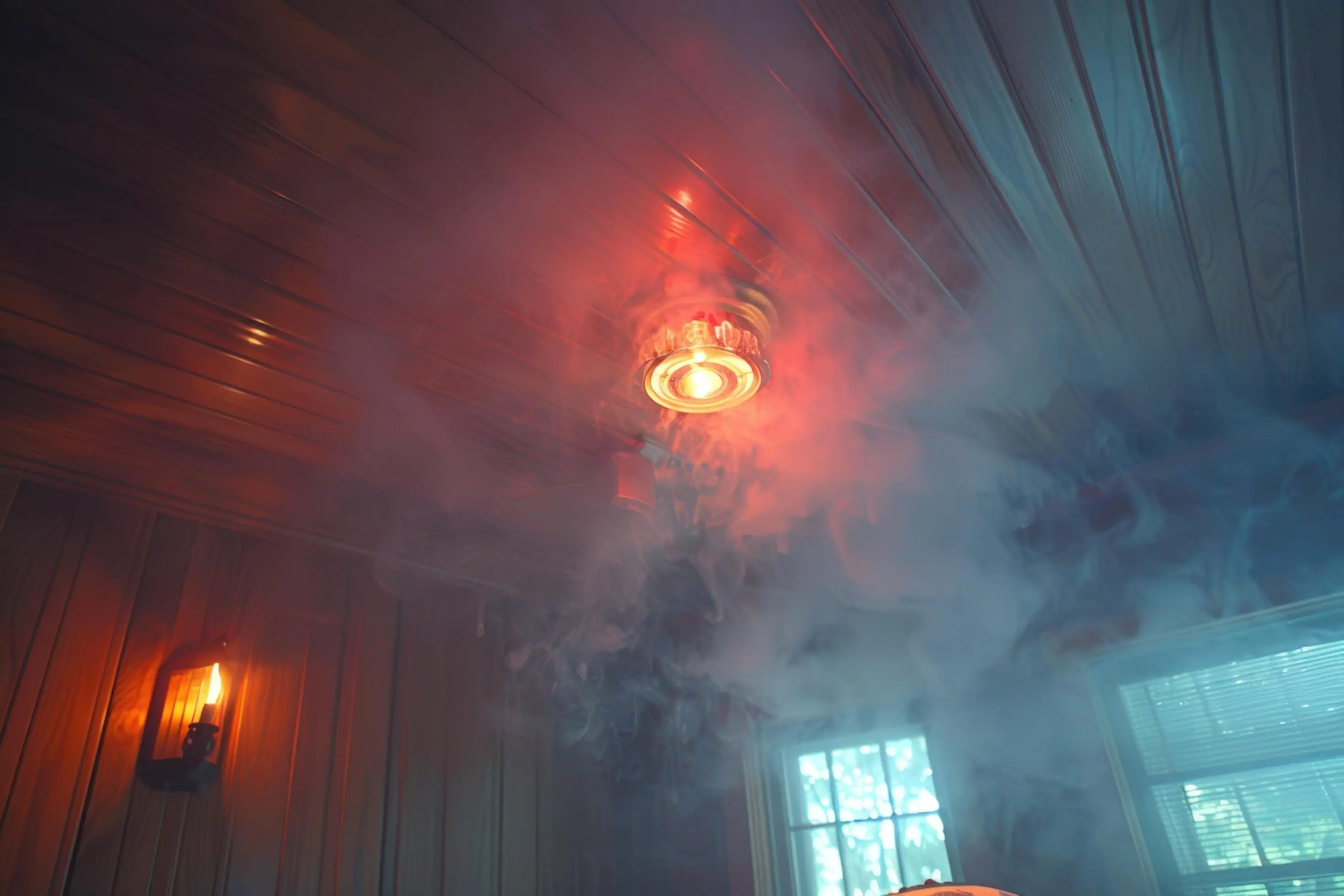
Smoke Damage Restoration
Soot residue, chemical odors, HVAC contamination. We decontaminate surfaces, eliminate odors, and restore air quality.
Learn more
Sewage Cleanup
Sewer backups, contaminated water, biohazard. We extract, sanitize, and restore safely.
Learn more