
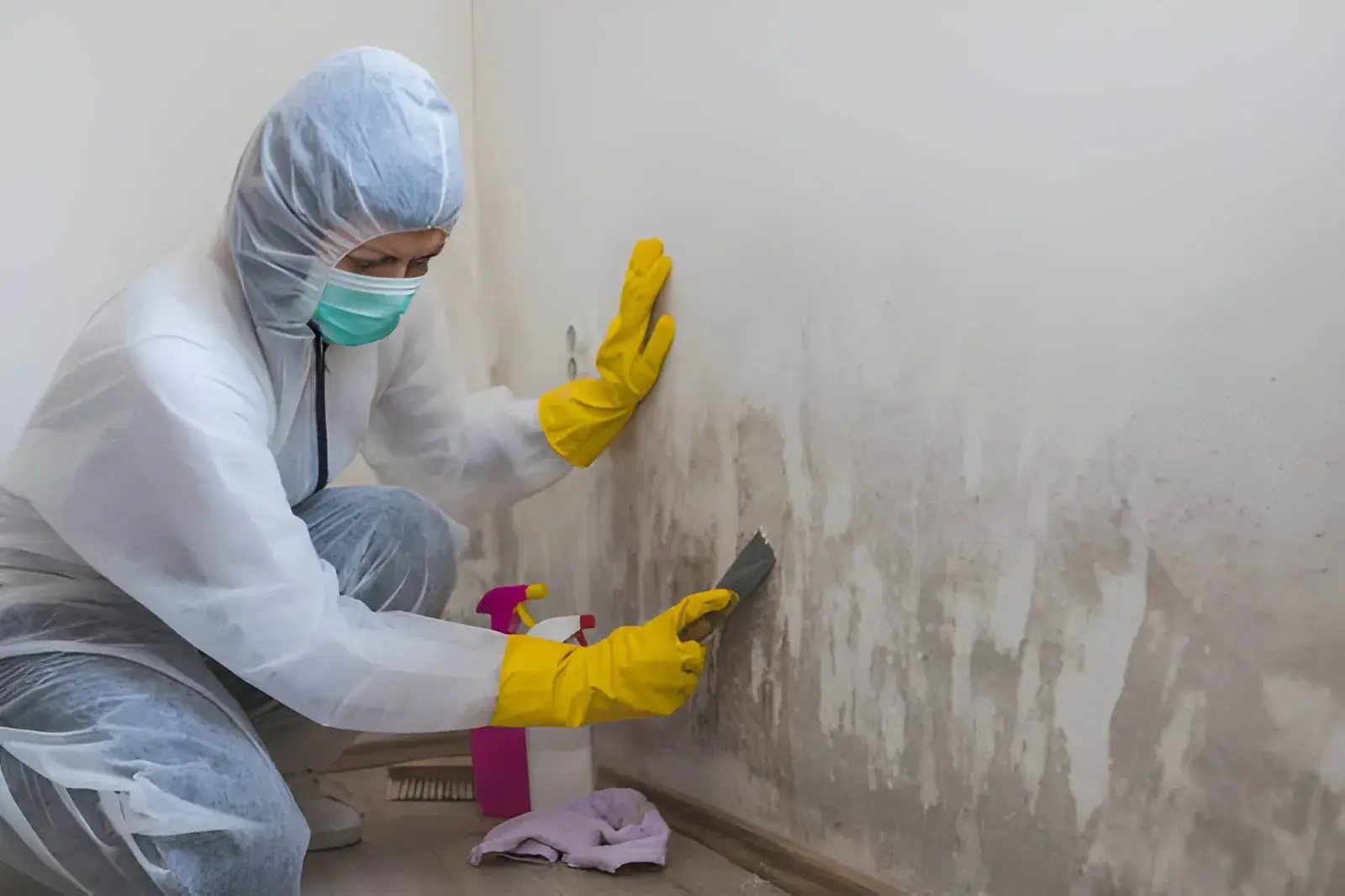
Mold Remediation in La Vergne, TN
Mold grows invisibly behind walls and beneath floors in La Vergne's humid climate. By the time you smell it, colonization has been advancing for days or weeks. Our local team responds within 60 minutes for professional assessment and remediation.
What Happens When You Call
A real person answers, not a call center. We assess your situation, ask the right questions about what you are seeing and smelling, and begin coordinating your response immediately.
Your dedicated remediation team is dispatched from our local base serving La Vergne and the surrounding Rutherford County communities.
Team arrives with moisture detection equipment, air sampling tools, containment materials, and HEPA filtration. Assessment and containment begin immediately.
Source identified, contamination mapped, containment established, remediation plan documented. You know exactly what comes next and what it will take.
You found mold, or you smell something musty that will not go away. Either way, the problem has been developing longer than you realize. Mold does not appear overnight. It colonizes after days or weeks of moisture conditions that went undetected in a wall cavity, a crawl space, or behind a cabinet. X Response exists for this moment. When you reach out, your remediation team is mobilized within minutes and on site within the hour. We assess, contain, remove, and verify so the mold is gone and the moisture source that caused it is addressed. Call now. Your team is standing by.
Why La Vergne Homes Are Vulnerable to Mold
La Vergne is a city of approximately 42,000 residents in northern Rutherford County, positioned along the Interstate 24 corridor between Nashville and Murfreesboro. The city's mold risk is driven by geography, soil conditions, climate, and construction practices that together create persistent moisture conditions in residential structures. La Vergne borders J. Percy Priest Lake on its northeastern edge, sits on Rutherford County's clay-heavy soils, experiences Middle Tennessee's humid subtropical climate with average relative humidity consistently above 60 percent from April through October, and contains thousands of homes built on crawl space foundations that trap moisture in enclosed spaces beneath the living area. La Vergne homeowners commonly face significant crawl space moisture challenges due to high humidity, clay soil, and seasonal freeze-thaw cycles that lead to mold growth and compromised structural integrity in the prevalent crawl space foundation type.
The mold problem in La Vergne is not primarily about dramatic flooding events, though those accelerate the issue. It is about the baseline moisture conditions that exist year-round in a community built on clay soil next to a reservoir in a humid climate. Crawl spaces beneath homes absorb moisture from the clay soil below, trap humid air that enters through foundation vents, and collect condensation on cool surfaces during temperature transitions. This creates a permanent environment where relative humidity in the crawl space often exceeds 70 percent for months at a time, well above the 60 percent threshold where mold colonization becomes likely. The mold grows on floor joists, subfloor sheathing, sill plates, and any organic material in the space, progressing for weeks or months before homeowners notice musty odors or soft spots in the flooring above.
Clay Soils and Persistent Ground Moisture
Rutherford County's soils are predominantly clay and clay-loam. Clay holds water rather than draining it. After rainfall, the clay beneath La Vergne homes stays saturated for days or weeks, continuously wicking moisture upward against foundation walls and through crawl space floors. Even during dry periods, the clay retains enough residual moisture to maintain elevated humidity in the space above it. This is not a seasonal problem that resolves in summer. The clay's moisture-holding capacity means crawl spaces built directly on Rutherford County soil experience elevated humidity year-round, with the worst conditions occurring during spring and summer when both rainfall and ambient humidity are at their peak. Homes without vapor barriers on the crawl space floor are exposed to continuous moisture migration from the soil into the enclosed space above.
Percy Priest Lake Proximity and Elevated Water Tables
J. Percy Priest Lake borders La Vergne's northeastern edge. Properties on the eastern side of the city sit closer to the lake's fluctuating water level, and the groundwater table in these areas responds to the reservoir's elevation changes. When the lake rises during sustained wet periods, the water table in adjacent neighborhoods rises with it, pushing moisture upward through the soil column and into crawl spaces and basement areas. This is not direct flooding. It is a gradual saturation of the soil that keeps the ground beneath homes persistently wet for weeks after heavy rain. For homes with crawl spaces near the lake, the moisture source is effectively permanent during the wetter months because the reservoir maintains elevated groundwater even as surface water recedes.
Crawl Space Foundations and La Vergne's Building History
Much of La Vergne's residential construction from the 1970s through the 1990s sits on crawl space foundations, a construction style well suited to Middle Tennessee's terrain but inherently vulnerable to moisture. Crawl spaces create enclosed environments beneath the living area where humidity accumulates, condensation forms on cooler surfaces, and air circulation is minimal. Original construction-era vents, once believed to provide adequate ventilation, actually introduce humid outdoor air during summer months, adding moisture to an already damp space rather than removing it. The enclosed, dark conditions with consistent moisture above 60 percent relative humidity provide ideal growth conditions for mold on organic materials: floor joists, subfloor plywood or OSB, sill plates, and any stored items. Newer construction increasingly uses slab-on-grade, but the existing housing stock includes thousands of crawl space homes that face this vulnerability.
HVAC Condensation and Interior Moisture Sources
Forced-air HVAC systems in La Vergne homes create their own moisture dynamics. Air conditioning cools air below its dew point, producing condensation on the evaporator coil that collects in the condensate pan and drains to the exterior or a floor drain. When condensate lines clog, which happens frequently in humid environments where algae and biofilm grow in the drain line, the pan overflows into the air handler cabinet and onto the surrounding floor or into the crawl space below. This creates a chronic moisture source inside the building envelope that feeds mold growth in HVAC closets, adjacent wall cavities, and the structural space beneath the unit. Many La Vergne homeowners discover mold around their HVAC system before they find it anywhere else because the condensate issue creates the ideal moisture conditions in a concealed space.
Seasonal Humidity Patterns and the Growth Cycle
Middle Tennessee's humid subtropical climate delivers average relative humidity above 60 percent from April through October, with peaks in June and July when outdoor humidity routinely exceeds 80 percent in the early morning hours. This extended humid season means mold growth conditions exist for more than half the year in any space that is not mechanically dehumidified. The seasonal pattern creates a growth cycle: mold establishes during the first warm, humid spring months, grows aggressively through summer, and remains dormant but viable through winter. The following spring, existing colonies resume growth immediately when conditions return to favorable levels. Without remediation, crawl space mold accumulates year over year, with each growing season adding to the colony size and the structural damage to framing. By the time homeowners detect musty odors in the living space above, the growth has typically been progressing through multiple seasons.
These factors reinforce each other. Clay soils keep the ground wet. Percy Priest Lake elevates the water table on the eastern side of the city. Crawl space foundations trap the resulting humidity beneath the home. The humid climate maintains growth conditions for more than half the year. HVAC systems add interior moisture sources in concealed locations. Mold in La Vergne is not the result of a single event. It is the product of persistent conditions that create growth environments in spaces homeowners rarely see. Effective remediation means removing the existing mold and addressing the moisture conditions that caused it, or the growth will return within months.
What Happens to Your Home While You Wait
24–48 Hours After Moisture Event
Mold spores, always present in Middle Tennessee's air, land on wet surfaces and begin germinating. In a La Vergne crawl space or wall cavity at 70 percent humidity and 75 degrees or higher, visible growth can appear within 48 hours. The process is invisible at this stage because it occurs behind walls, beneath flooring, and in spaces no one inspects daily.
1–2 Weeks
Colonies establish on organic materials: floor joists, subfloor sheathing, drywall paper facing, and insulation backing. Hyphal networks spread across surfaces and begin digesting the cellulose in wood and paper products. Musty odors may become detectable in the living space above as volatile organic compounds from mold metabolism rise through flooring and wall assemblies.
1–3 Months
Established colonies produce spores in large quantities. These spores become airborne and enter the living space through HVAC return intakes at floor level, gaps around plumbing penetrations, and natural convection currents. Indoor air quality degrades. Occupants may experience allergic reactions, respiratory irritation, or worsening asthma symptoms without connecting them to concealed mold.
6 Months and Beyond
Structural degradation begins as mold enzymes break down the cellulose in floor joists and subfloor sheathing. Wood softens, loses load-bearing capacity, and develops visible decay at the surface. What began as a mold cleaning job becomes structural repair. Floor systems sag, bounce, or feel spongy underfoot. The remediation scope now includes replacement of structural framing in addition to mold removal and moisture control.
Mold does not get better with time. It gets worse, silently, in spaces you cannot see. The longer it grows, the more material it destroys and the more expensive remediation becomes. Contact X Response now. Our La Vergne team responds within 60 minutes for professional assessment.
How We Restore Mold-Affected La Vergne Homes
Mold remediation is not cleaning with bleach. It is a controlled process of containment, removal, treatment, and verification performed by certified professionals using specialized equipment. Here is exactly how we approach mold in La Vergne properties.
Inspection and Moisture Source Identification
Our team arrives with professional moisture meters, thermal imaging cameras, and air sampling equipment to determine the full extent of mold growth and identify the moisture source that is feeding it. In La Vergne homes, we inspect the crawl space, wall cavities at floor level, around HVAC systems, near plumbing penetrations, and any area where moisture readings indicate elevated levels. Thermal imaging reveals temperature differentials that indicate moisture behind walls without requiring destructive investigation. Air sampling establishes baseline spore counts that will be compared against post-remediation results. The moisture source must be identified before remediation begins because removing mold without addressing the water is a temporary measure that guarantees regrowth.
Containment
Before any mold is disturbed, we establish engineering controls to prevent cross-contamination. Polyethylene sheeting seals the work area from the rest of the home. Negative air pressure inside the containment zone ensures that air flows inward rather than allowing spores to escape into clean areas. HEPA-filtered air scrubbers run continuously within the containment to capture airborne spores as material is disturbed. For crawl space remediation, the containment boundary typically separates the crawl space from the living area above through sealed access points and floor penetrations. These controls protect your family's air quality during the removal process.
Mold Removal
Affected materials are removed or treated based on the severity of growth and the material type. Porous materials with heavy growth, such as drywall with mold penetrating through the paper facing or insulation with visible colonization, are removed and disposed of because they cannot be effectively cleaned. Semi-porous materials like structural wood framing are cleaned using HEPA vacuuming, wire brushing, and sanding to remove surface growth, then treated with antimicrobial solutions. Non-porous surfaces are wiped with antimicrobial cleaners. In La Vergne crawl spaces, this typically means HEPA vacuuming and treating floor joists, sill plates, and subfloor sheathing across the affected area. All removed materials are bagged and sealed within the containment before being taken through the structure.
Moisture Source Correction
Remediation without moisture correction is temporary. We address the moisture source that created the growth conditions. In La Vergne crawl spaces, this typically involves one or more of the following: installing or replacing vapor barriers on the crawl space floor to block soil moisture migration, sealing foundation vents that introduce humid outdoor air during summer, repairing plumbing leaks, addressing HVAC condensate drainage problems, or recommending mechanical dehumidification for spaces where humidity control cannot be achieved passively. For Percy Priest Lake-adjacent properties with elevated groundwater, a sump system with dehumidification may be necessary to manage the persistent moisture source.
Post-Remediation Verification
After remediation is complete, we verify success through visual inspection and air sampling. Air samples are collected from the remediated area and compared against the pre-remediation baseline and outdoor reference samples. Acceptable results show that indoor spore counts have returned to levels comparable to or below the outdoor environment, with no elevation of the specific species that were found during the initial inspection. We provide a clearance report documenting the remediation process, air sampling results, and moisture readings confirming that the conditions supporting growth have been corrected. This documentation supports insurance claims and provides evidence of professional remediation for future property transactions.
The X Response Difference
Insurance Claim Guidance for La Vergne Homeowners
Mold coverage under homeowners insurance in Tennessee depends on the cause of the moisture that led to mold growth. Mold resulting from a sudden, covered event like a burst pipe or storm damage is typically covered under the policy that covered the original water event. Mold resulting from gradual moisture intrusion, maintenance failures, or ongoing humidity problems is generally excluded under standard homeowners policies. Some Tennessee policies offer mold endorsements that provide limited coverage amounts. Understanding the moisture source and documenting the timeline from water event to mold discovery is critical for claims involving mold that developed after a covered loss.
How X Response Helps
- Document the moisture source that caused the mold growth and its relationship to any covered water damage event
- Preserve evidence of the mold extent with professional air sampling results and photographic documentation before remediation begins
- If mold developed after a covered water loss, connect the mold claim to the original loss with a clear timeline showing discovery
- Request a copy of your policy's mold coverage terms, including any endorsements or sublimits specific to fungal remediation
- Begin remediation promptly to prevent further spread, documenting the scope and necessity of the professional response
X Response does not file claims on your behalf, adjust claims, or make coverage determinations. We provide documentation and guidance to help you make informed decisions about your property and your policy. Coverage decisions are made solely by your insurance carrier.
Certified Restoration Specialists Serving La Vergne
When you contact X Response for mold remediation in La Vergne, your team is drawn from certified professionals who work across Rutherford County and understand the specific moisture conditions that drive mold growth here. They know the crawl space moisture patterns created by clay soils beneath the city. They understand how Percy Priest Lake's proximity raises groundwater against foundations on the eastern side. They have remediated the crawl space colonies that develop over multiple growing seasons in homes from the 1980s, the HVAC closet mold from clogged condensate drains, and the wall-cavity growth behind bathrooms and kitchens where plumbing leaks persisted for months before discovery. This is a team that understands why mold grows where it does in La Vergne and what it takes to stop it permanently.
Every technician on your team holds current IICRC certification in mold remediation and carries the appropriate Tennessee state licensing for the work performed. Equipment includes professional moisture meters, thermal imaging cameras, air sampling pumps, polyethylene containment systems, HEPA-filtered negative air machines, antimicrobial application systems, and personal protective equipment rated for mold environments. When your team arrives, they bring everything needed to assess, contain, remove, and verify in a single mobilization rather than requiring multiple return visits that extend your exposure time.
In La Vergne, X Response works with Tennessee Water and Fire, an independent local restoration partner serving Rutherford County.
Mold Remediation FAQ for La Vergne Homeowners
Other Emergency Services in La Vergne
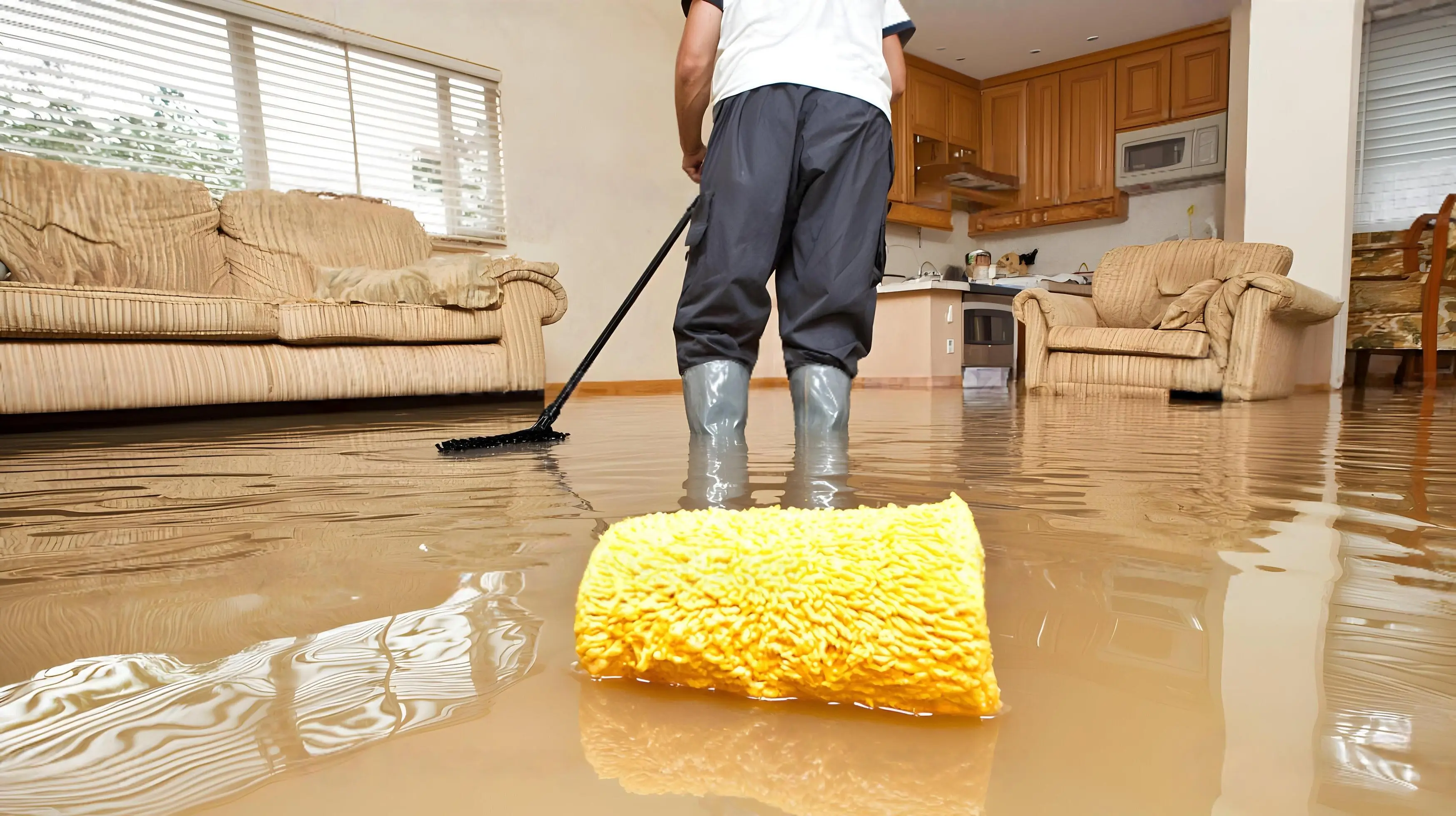
Water Damage Restoration
Burst pipes, storm flooding, standing water. We extract, dry, and restore before mold sets in.
Learn more
Fire Damage Restoration
Structural damage, soot, debris. We stabilize, clean, and rebuild what fire destroyed.
Learn more
Smoke Damage Restoration
Soot residue, chemical odors, HVAC contamination. We decontaminate surfaces, eliminate odors, and restore air quality.
Learn more
Sewage Cleanup
Sewer backups, contaminated water, biohazard. We extract, sanitize, and restore safely.
Learn more