
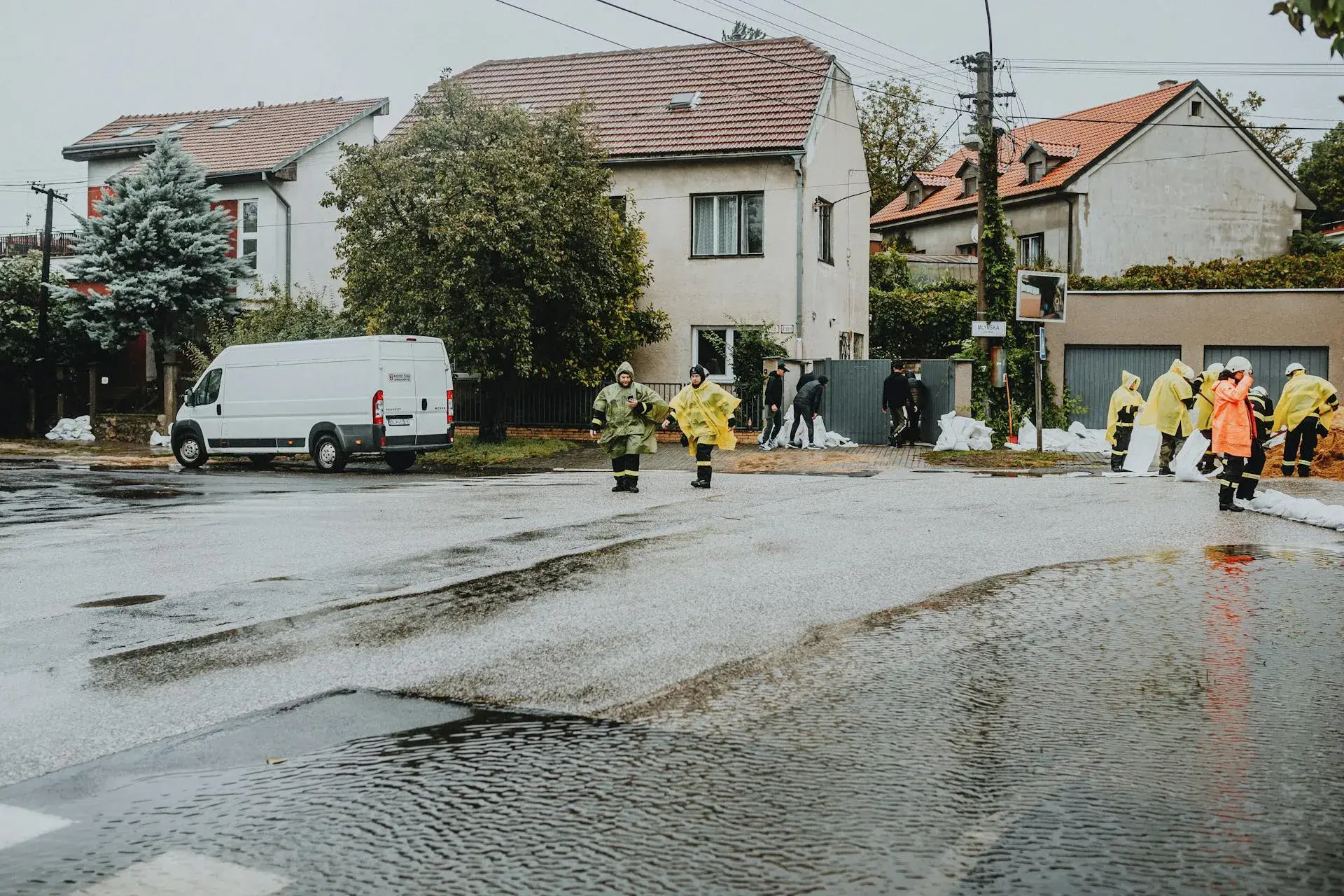
Sewage Cleanup in La Vergne, TN
Sewage inside your home is a biohazard that threatens your family's health with every minute of exposure. Our local team responds to La Vergne emergencies within 60 minutes with professional extraction and decontamination equipment.
What Happens When You Call
A real person answers, not a call center. We assess your situation, determine the sewage category, and begin coordinating your emergency response immediately.
Your dedicated decontamination team is dispatched from our local base serving La Vergne and the surrounding Rutherford County communities.
Team arrives with extraction equipment, antimicrobial agents, personal protective equipment, and containment materials. Emergency removal and decontamination begin immediately.
Sewage extracted, affected materials removed or treated, antimicrobial decontamination applied, drying initiated. You know exactly what comes next.
Sewage is in your home. This is not a situation that can wait for a callback queue or a scheduled appointment. Raw sewage contains bacteria, viruses, parasites, and chemical contaminants that pose immediate health risks. Every minute it sits on surfaces and soaks into materials, the contamination zone expands and the restoration scope grows. X Response exists for exactly this moment. When you reach out, your decontamination team is mobilized within minutes and on site within the hour. Call now. Your team is standing by.
Why La Vergne Homes Are Vulnerable to Sewage
La Vergne is a city of approximately 42,000 residents in northern Rutherford County, positioned along the Interstate 24 corridor between Nashville and Murfreesboro. The city's sewage and wastewater risks reflect its position as a rapidly growing community where infrastructure faces increasing demand, aging pipe networks serve expanding populations, and the flat terrain along the I-24 corridor creates drainage challenges during heavy rain. In June 2026, Tennessee Riverkeeper filed a notice of intent to sue Pilot Travel Center at 535 Waldron Road in La Vergne for Clean Water Act violations, citing illegal discharges of wastewater and stormwater runoff into the Stones River. A Tennessee Riverkeeper scientist had observed discolored water discharging into the Stones River from the property on multiple dates in 2023. The enforcement action highlights the broader water quality challenges facing a community where commercial and residential wastewater systems intersect with the Stones River watershed that feeds Percy Priest Lake.
Sewage backup into La Vergne homes is not hypothetical. In 2016, the city's sewer system backed up into a resident's home on the city's system, causing extensive contamination. The Tennessee Comptroller of the Treasury weighed in on the subsequent dispute over repair costs, which reached $30,000. The city repaired the sewer line that caused the backup but initially denied responsibility for the interior damage to the home. That incident illustrated how sewer system failures translate into residential contamination events that require professional remediation far beyond what homeowners can address themselves. The adjacent Town of Smyrna experienced an even larger event in February 2018 when two broken sewer mains sent hundreds of thousands of gallons of wastewater spilling from manholes, with thousands of gallons reaching Stewarts Creek, a tributary of the Stones River flowing toward Percy Priest Lake.
Aging Sewer Infrastructure Under Growth Pressure
La Vergne's sewer system was built incrementally as the city grew from a small community to a city of over 42,000. Pipe networks installed in the 1970s and 1980s to serve a fraction of the current population now carry flows from thousands of additional homes, apartment complexes, and commercial properties connected over subsequent decades. Older clay and concrete sewer pipes deteriorate with age: joints separate, roots infiltrate through cracks, and pipe walls erode from decades of flow. When a section fails, the blockage or break sends sewage backward through the system and into the lowest-lying connections, which are typically floor drains, basement fixtures, and ground-level plumbing in homes near the failure point. The 2016 backup that damaged a La Vergne home and triggered a $30,000 repair dispute demonstrated how a single system failure translates into catastrophic contamination of a private residence.
Storm-Induced Sewer Surcharging
La Vergne's sewer system, like most in the Nashville metro area, is designed as a separate sanitary system rather than a combined sewer. However, aging infrastructure allows stormwater to infiltrate the sanitary system through cracked pipes, deteriorated manholes, and illegal connections. During heavy rainfall events like the June 2025 flash flooding that overwhelmed drainage across the city, the sanitary sewer system receives groundwater infiltration and surface water inflow that dramatically increases flow volumes beyond the system's capacity. When the system surcharges, sewage backs up through the lowest connection points in the network: basement floor drains, ground-level fixtures, and cleanout access points. Properties at low elevations in the system, particularly along the Bill Stewart Boulevard and Old Nashville Highway corridors, face the highest risk during storm events because they sit at the hydraulic low points where pressure builds first.
Commercial and Industrial Wastewater in the Stones River Watershed
La Vergne's position along the I-24 corridor includes significant commercial and industrial operations that generate wastewater beyond typical residential volumes. The June 2026 Tennessee Riverkeeper enforcement action against Pilot Travel Center at 535 Waldron Road cited illegal discharges of wastewater and stormwater runoff into the Stones River on multiple observed dates. The Stones River flows through the La Vergne area and feeds Percy Priest Lake, connecting upstream discharge violations to downstream water quality for the entire watershed. For La Vergne residents, the concern is not just municipal sewer failures but the broader wastewater environment: commercial operations along the I-24 corridor generate concentrated waste streams that enter the same watershed their neighborhoods drain into. When storm events push both residential sewage and commercial wastewater beyond system capacity, the contamination risk compounds.
Crawl Space Vulnerability to Sewer Backups
La Vergne's prevalent crawl space foundations create a particularly dangerous exposure when sewer backups occur. Homes with crawl spaces often have cleanout access points, floor drains, or exposed waste lines beneath the structure. When the sewer system surcharges, sewage can escape through these low points and pool in the enclosed crawl space beneath the living area. Unlike a backup through an interior floor drain that is immediately visible, a crawl space sewage release can go undetected for hours or days because homeowners rarely check beneath their homes. The combination of warm temperatures, organic waste material, and the enclosed crawl space environment creates an aggressive biological hazard. Bacteria multiply rapidly in the warm, dark space. The contamination soaks into the clay soil, the vapor barrier, floor joists, and insulation, creating a remediation challenge that extends far beyond simply pumping out the liquid.
Health Hazards of Category 3 Water
Sewage is classified as Category 3 water under the IICRC S500 standard, the most hazardous category. It contains fecal bacteria (E. coli, Salmonella), viruses (Hepatitis A, Norovirus), parasites (Giardia, Cryptosporidium), and chemical contaminants from household and commercial products that entered the system upstream. Direct contact with or inhalation of aerosolized sewage can cause gastroenteritis, respiratory infections, skin infections, and more serious illness in immunocompromised individuals, children, and elderly residents. In La Vergne's warm climate, bacterial multiplication in spilled sewage is accelerated compared to cooler environments. Material that contacts Category 3 water is presumed contaminated and, for porous materials, generally requires removal rather than cleaning. The IICRC standard mandates professional remediation for Category 3 events because the health risks of inadequate decontamination are severe.
These factors define sewage cleanup challenges in La Vergne. Aging sewer infrastructure fails under growth pressure. Storm events surcharge the system and force backups into the lowest-lying homes. Commercial and industrial wastewater compounds the contamination risk in the Stones River watershed. Crawl space foundations create hidden exposure to sewage that homeowners may not detect for days. The biological hazards of raw sewage demand professional decontamination rather than DIY cleanup because the health risks of inadequate treatment are immediate and serious. Effective sewage remediation in La Vergne means rapid extraction, thorough decontamination, proper material removal, and verified elimination of biological hazards.
What Happens to Your Home While You Wait
Within 1 Hour
Sewage spreads across flooring and begins soaking into porous materials: carpet, pad, drywall, baseboards, and any unsealed wood at ground level. Bacterial counts in the spilled material are already in the millions per milliliter. In crawl spaces, sewage pools against floor joists, soaks into insulation, and begins saturating the vapor barrier and underlying soil. Fumes from the waste begin accumulating in enclosed spaces. The contamination zone expands with every minute the material remains in contact with building materials.
1–24 Hours
Bacteria multiply rapidly in La Vergne's warm conditions, with populations doubling every 20 to 30 minutes in nutrient-rich sewage. Drywall wicks contaminated liquid upward, expanding the zone that requires removal. Carpet and pad become irreversibly contaminated and must be disposed of. Sewage soaks deeper into subfloor material, potentially reaching structural framing. Odor intensifies as bacterial decomposition accelerates. The scope of required material removal grows with each hour of contact time.
24–48 Hours
Mold colonization begins on sewage-contaminated organic materials because the moisture, warmth, and organic nutrients create ideal conditions simultaneously. The combination of active bacterial contamination and emerging mold growth creates a compound biological hazard. Structural materials that have absorbed sewage for more than 24 hours in warm conditions are presumed contaminated through their full thickness and generally require removal rather than surface treatment.
48 Hours and Beyond
Extensive bacterial contamination of structural materials, established mold growth, and penetration of waste into subfloor assemblies and framing. The restoration scope now includes mold remediation alongside sewage decontamination. Odor permeates the structure as volatile compounds embed in materials throughout the home, not just the initially affected area. What began as an extraction and decontamination job becomes demolition, antimicrobial treatment of exposed framing, mold remediation, and reconstruction.
Sewage inside your home is not a situation that improves with time or ventilation. It worsens continuously as bacteria multiply, contamination spreads, and materials absorb waste deeper into their structure. Contact X Response now. Our La Vergne team responds within 60 minutes with professional extraction and decontamination equipment.
How We Restore Sewage-Damaged La Vergne Homes
Sewage cleanup requires a specific protocol that prioritizes health safety, prevents cross-contamination, and verifies that biological hazards are fully eliminated. Here is exactly how we approach sewage events in La Vergne properties.
Safety Assessment and Containment
Our team arrives in full personal protective equipment rated for Category 3 water exposure. We assess the extent of the sewage release, identify the source, and establish containment to prevent contamination from spreading to unaffected areas of the home. If the backup is ongoing because the sewer system is still surcharging, we coordinate with the city or a plumber to address the blockage or failure before cleanup can proceed effectively. For crawl space releases, we assess the space with respiratory protection and confined-space protocols because enclosed sewage environments generate hazardous gas concentrations including hydrogen sulfide and methane.
Sewage Extraction
Standing sewage is removed using truck-mounted extraction systems and portable submersible pumps. In crawl spaces, specialized low-clearance equipment reaches areas where standard tools cannot operate. We extract not just the visible liquid but also the saturated material it has soaked into: carpet and pad are removed and disposed of as biohazardous waste. Drywall that has wicked contaminated liquid upward is cut above the contamination line and removed. Insulation in contact with sewage is pulled and bagged. The goal is to remove every material that absorbed Category 3 water and cannot be effectively decontaminated, which includes all porous materials that contacted the sewage.
Antimicrobial Decontamination
After removal of contaminated materials, all remaining structural surfaces in the affected area receive antimicrobial treatment using EPA-registered hospital-grade disinfectants effective against the bacteria, viruses, and parasites present in sewage. This includes floor framing, subfloor sheathing, wall studs, sill plates, and any structural element exposed by the removal of contaminated finish materials. In crawl spaces, treatment extends to all joists, blocking, and sheathing that contacted sewage. The antimicrobial application is not a single spray. It is a systematic treatment ensuring full coverage on all six sides of exposed framing, applied in concentrations and dwell times that achieve verified kill rates for the target organisms.
Structural Drying
After decontamination, the structure must be thoroughly dried to prevent mold colonization on the treated surfaces. We deploy commercial dehumidifiers and air movers positioned to dry the remaining structural materials to their target moisture content. In La Vergne's humid climate, mechanical drying is essential because ambient humidity prevents natural evaporation. Daily monitoring with calibrated moisture meters confirms progress. The drying phase is critical because mold growth on recently decontaminated surfaces would undo the remediation and require a second round of treatment. We keep equipment running until every measurement point confirms the structure is dry.
Verification and Clearance
Final inspection verifies that all contaminated materials have been removed, antimicrobial treatment has been applied to all exposed structural surfaces, moisture readings have returned to acceptable levels, and no biological hazard remains. We provide documentation including extraction records, disposal manifests for biohazardous materials, antimicrobial treatment logs, and final moisture readings. For insurance purposes, the documentation chain connects the sewage source, the contamination extent, the materials removed, the treatment applied, and the verified outcome. The space is released for reconstruction only after meeting clearance standards.
The X Response Difference
Insurance Claim Guidance for La Vergne Homeowners
Sewage backup coverage under homeowners insurance in Tennessee depends on your specific policy terms. Many standard policies exclude sewer backup damage unless the homeowner has purchased a specific sewer and drain backup endorsement. If you have this endorsement, it typically covers the cost of cleanup, decontamination, material removal, and restoration up to the policy sublimit. If the backup was caused by a storm event that also triggered flood-related coverage, the interaction between your homeowners policy, any sewer endorsement, and any flood policy can be complex. Documenting the source of the backup, whether from a municipal system failure, a private lateral blockage, or storm-induced surcharging, is critical for determining which coverage responds.
How X Response Helps
- Determine immediately whether your homeowners policy includes a sewer and drain backup endorsement and its coverage sublimit
- Document the backup source: municipal system failure, private lateral blockage, or storm-induced surcharging, as this determines coverage
- Photograph and video the contamination extent before any cleanup begins to preserve evidence of the loss
- Preserve records of all disposal, treatment, and drying to demonstrate the necessity and scope of professional remediation
- If the backup resulted from a city sewer system failure, document this separately as it may create a municipal liability claim in addition to your insurance claim
X Response does not file claims on your behalf, adjust claims, or make coverage determinations. We provide documentation and guidance to help you make informed decisions about your property and your policy. Coverage decisions are made solely by your insurance carrier.
Certified Restoration Specialists Serving La Vergne
When you contact X Response for sewage cleanup in La Vergne, your decontamination team is drawn from certified professionals who work across Rutherford County and understand the specific sewage risks here. They know the sewer system pressure points that cause backups during heavy rain. They know the crawl space configurations in La Vergne's 1970s through 1990s housing stock and the access challenges they present for extraction and treatment. They have remediated the sewer backup that fills a basement, the crawl space release that goes undetected for days, and the storm-induced surcharging event that affects multiple homes along the same sewer line simultaneously. This is a team equipped for the range of sewage scenarios that La Vergne's aging infrastructure and growing population produce.
Every technician on your team holds current IICRC certification in water damage restoration with Category 3 water training and carries the appropriate Tennessee state licensing for the work performed. Personal protective equipment includes full-face respirators, Tyvek suits, chemical-resistant gloves and boots, and eye protection rated for biohazard environments. Equipment includes truck-mounted extraction systems, submersible pumps, antimicrobial application systems, commercial dehumidifiers, HEPA air scrubbers, and professional moisture detection tools. When your team arrives, they bring everything needed to safely extract, decontaminate, and dry from the first visit.
In La Vergne, X Response works with Tennessee Water and Fire, an independent local restoration partner serving Rutherford County.
Sewage Cleanup FAQ for La Vergne Homeowners
Other Emergency Services in La Vergne
Water Damage Restoration
Burst pipes, storm flooding, standing water. We extract, dry, and restore before mold sets in.
Learn more
Fire Damage Restoration
Structural damage, soot, debris. We stabilize, clean, and rebuild what fire destroyed.
Learn more
Smoke Damage Restoration
Soot residue, chemical odors, HVAC contamination. We decontaminate surfaces, eliminate odors, and restore air quality.
Learn more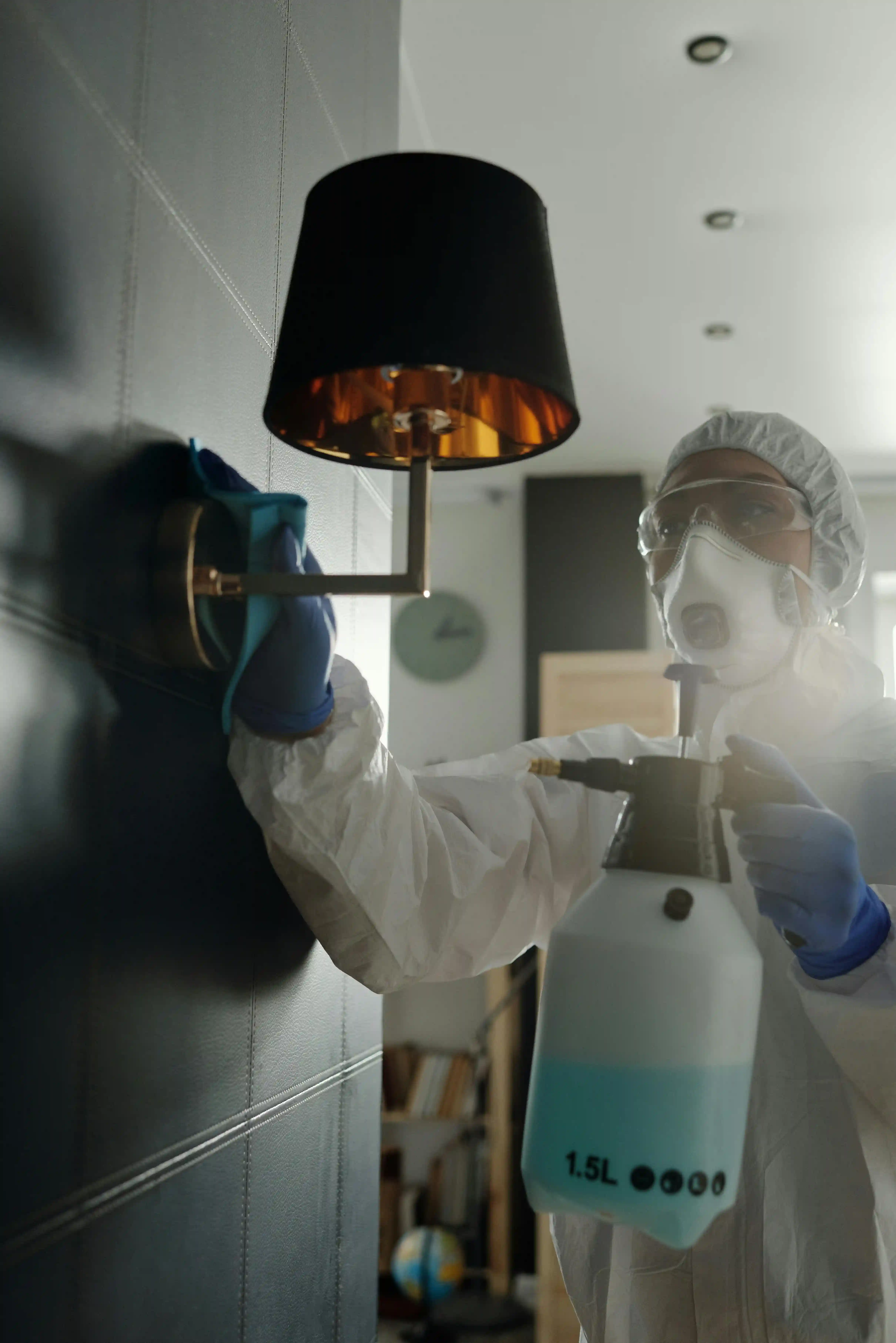
Mold Remediation
Testing, containment, removal, prevention. We find the source, eliminate the growth, and stop it from returning.
Learn more