
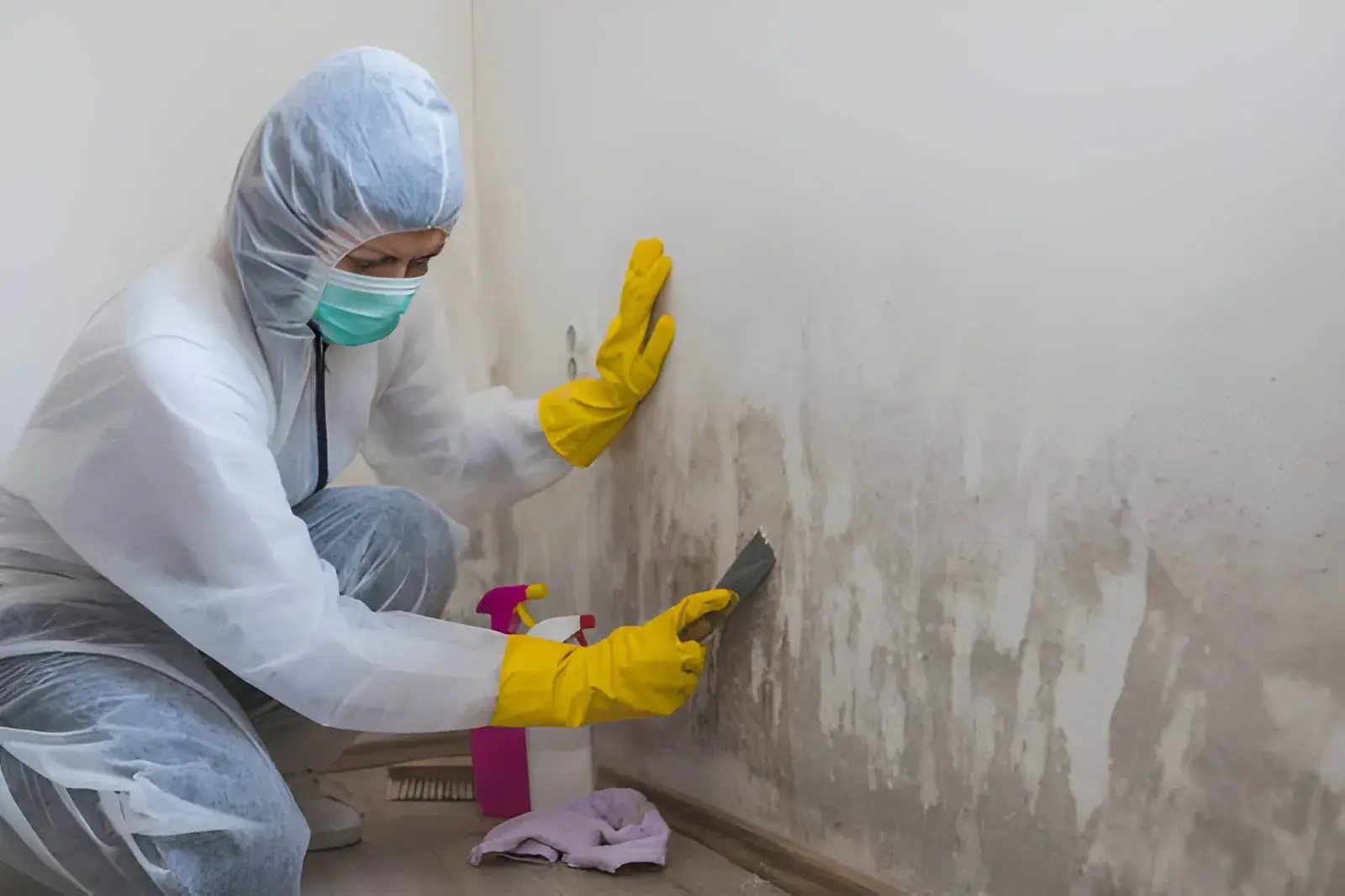
Mold Remediation in Old Hickory, TN
Mold doubles its colonized area every 24 to 48 hours in favorable conditions. Our local team responds to Old Hickory assessments quickly to contain the problem before it spreads.
What Happens When You Call
A real person answers, not a call center. We assess your mold situation, ask about moisture history and visible signs, and begin coordinating your response immediately.
Your dedicated mold remediation team is dispatched from our local base serving Old Hickory and the surrounding Davidson County communities.
Team arrives with moisture meters, thermal cameras, air sampling equipment, and containment materials. Professional assessment begins immediately.
Contamination mapped, moisture source identified, containment established, remediation plan documented. You know exactly what comes next.
Mold does not wait for a convenient time. It grows in the dark, behind walls, beneath floors, and inside HVAC systems, expanding its reach every day the moisture source remains. X Response exists for exactly this moment. When you reach out, your mold remediation team is mobilized quickly and on site the same day in most cases. From that point forward, one team manages everything: assessment, containment, removal, prevention, and documentation. You are never left guessing about the next step. Call now. Your team is standing by.
Why Old Hickory Homes Are Vulnerable to Mold
Old Hickory's mold problem is structural, not incidental. The community sits on alluvial clay deposited by centuries of Cumberland River flooding in the Hadley Bend meander, and the original 1918 DuPont worker housing was built with crawl space foundations directly on that clay. Old Hickory's 1918-era DuPont worker homes sit on crawl space foundations over Cumberland River alluvial clay, with groundwater elevated by Old Hickory Lake's permanent 445-foot pool at the adjacent dam, creating year-round crawl space moisture conditions that drive chronic mold colonization. Old Hickory Dam, at Cumberland River mile 216.2, maintains the reservoir at a near-constant level just upstream. That permanent pool keeps the water table elevated along the entire southern and eastern perimeter of the community, which means the clay beneath crawl spaces never fully dries. It stays saturated or near-saturated year-round, releasing moisture upward into crawl spaces through capillary action and evaporation. The result is a mold environment that does not depend on a dramatic flood or plumbing failure. It exists by default, driven by geology, hydrology, and the permanent presence of an impounded river.
Middle Tennessee's climate compounds the problem. Average relative humidity runs high for much of the year, and from May through October outdoor humidity regularly peaks during morning hours. The 1918-era homes in the Village were built with foundation vents, standard practice at the time, designed to allow air circulation beneath the structure. In this climate, those vents pull hot, humid outdoor air into a cooler crawl space, where it condenses on cold floor joists, subfloor sheathing, and any exposed ductwork. The condensation feeds mold on wood surfaces that never dry because the clay below is saturating them from one direction while the humid air saturates them from the other. Modern crawl space science recommends sealing and conditioning these spaces, but many Village homes still operate with open vents and exposed earth, the same configuration they had in 1918.
Alluvial Clay and Permanent Groundwater Elevation
The soil beneath Old Hickory is river-deposited clay, laid down over millennia by the Cumberland's periodic flooding of Hadley Bend. Clay holds water against gravity indefinitely, releasing it only through slow evaporation or plant uptake. With Old Hickory Lake held at a permanent 445-foot elevation by the Corps of Engineers dam immediately upstream, the local water table never drops far below the surface. Crawl spaces built on this ground sit above a permanent moisture source. After rain, the clay does not drain; it saturates and stays saturated for weeks. Moisture migrates upward through capillary action, through any unsealed vapor barrier, and into the crawl space air. This is not a moisture problem that can be solved by fixing a leak or grading the yard. It is a site condition that requires active, ongoing moisture management to prevent mold from colonizing the wood framing above.
1918 Crawl Space Design and Open Foundation Vents
When DuPont built the Village's worker housing in 1918, crawl space ventilation meant leaving openings in the foundation wall. The theory was that outdoor air would flow through and carry moisture away. In Middle Tennessee's humid climate, the opposite happens. From late spring through early fall, outdoor air carries more moisture than the crawl space air it displaces. When that humid air enters a cooler crawl space, it drops below its dew point and condenses on every cold surface: floor joists, subfloor sheathing, ductwork, and metal fasteners. The wood stays wet, and mold colonizes it. Many Village homes still have their original foundation vents, either permanently open or blocked with deteriorating screens. Without encapsulation, a sealed vapor barrier, and mechanical dehumidification, these crawl spaces are engineered to grow mold regardless of what happens in the home above.
Post-Flood Mold in River-Bend Homes
Old Hickory's location in the Cumberland River's Hadley Bend meander means it receives floodwater during major events and backwater during high-discharge periods at the dam. The May 2010 flood inundated portions of the community, and elevated dam discharge occurs multiple times per year during sustained regional rain. Every time water reaches a home, it introduces organic material and moisture that mold requires. But the critical factor is not the flood itself; it is how long the structure stays wet afterward. Old Hickory's clay soils hold water against foundations for weeks after a flood recedes. The crawl space stays damp because it cannot drain downward through saturated clay and cannot dry quickly in the humid climate. Mold colonization begins within 24 to 48 hours of the water arriving and continues until the structure is mechanically dried to standard. Homes that were flooded and never properly dried carry hidden mold colonies in their wall cavities, behind insulation, and throughout the crawl space framing.
HVAC Ductwork in Crawl Spaces
Most of Old Hickory's older homes were retrofitted with central HVAC systems that route ductwork through the crawl space. In a humid, unconditioned crawl space, the exterior surface of air conditioning ducts sweats as cold supply air passes through warm, moist space air. Condensation collects on duct surfaces, drips onto insulation and framing, and feeds mold directly. Where duct joints have loosened over decades, humid crawl space air enters the supply system and distributes moisture and mold spores throughout the home. Occupants experience musty odors, allergic reactions, and respiratory symptoms without understanding that the source is beneath the floor. Mold remediation in these homes must address the duct system alongside the crawl space structure, because cleaning the framing accomplishes nothing if the ducts continue producing condensation and distributing spores every time the system runs.
Humidity, Aging Plumbing, and Concealed Leaks
The Village's century-old homes have plumbing systems that have been updated in layers over the decades, mixing original iron or lead supply lines with copper updates and, in some cases, PVC or PEX repairs. Connection points between different materials and eras are common leak sources. In a home with plaster walls and limited access behind finished surfaces, a small leak can run for months before a homeowner notices water staining, floor softening, or odor. The leak does not need to be large. A drip at a connection point inside a wall cavity creates a permanently damp surface that mold colonizes and uses as a base to spread into surrounding framing. By the time the occupant detects the musty smell or sees visible growth, the colony is well established behind the wall, fed by a leak that costs nothing compared to the remediation it eventually requires.
These factors do not operate independently in Old Hickory. The clay holds water beneath the crawl space. The dam keeps the water table elevated. The open foundation vents pull humid air in. The cold ducts sweat and drip. The aging plumbing leaks behind walls. And Middle Tennessee's warm, humid climate provides the temperature range mold needs to thrive year-round. Effective mold remediation here is not a one-time cleaning event. It requires identifying and resolving the moisture source, remediating the existing growth, and implementing controls, sealed crawl spaces, mechanical dehumidification, duct sealing, or plumbing replacement, that prevent recurrence in a community where the conditions for mold are permanently present.
What Happens to Your Home While You Wait
Within 24 Hours
Mold spores, which are present everywhere in outdoor and indoor air, land on damp surfaces and begin germinating. In Old Hickory's warm, humid crawl spaces where wood surfaces are already conditioned by years of moisture, colonization can begin within hours rather than days. The growth is invisible at this stage, occurring at the microscopic level beneath the surface of wood grain.
24–72 Hours
Visible mold growth appears on the most favorable surfaces: the underside of subfloor sheathing, exposed floor joists near foundation vents, and any organic material that remained wet. In crawl spaces with standing water or saturated vapor barriers, growth accelerates because the humidity never drops below the threshold. The colony produces spores that become airborne and land on new surfaces, seeding secondary growth sites throughout the space.
3–7 Days
Mold spreads across connected wood surfaces, following moisture gradients from the wettest areas outward. In crawl spaces, it moves from joists to sill plates to subfloor sheathing to band boards. If the moisture source is inside a wall cavity, growth spreads vertically behind the wall finish. Musty odor becomes detectable in the living space above as volatile organic compounds produced by the colony migrate upward through gaps in the floor system and through HVAC returns.
1–4 Weeks
Established colonies produce heavy spore loads that contaminate indoor air quality throughout the home via HVAC distribution and natural air movement from crawl space to living space. Occupants experience allergic symptoms, respiratory irritation, and persistent odor. The mold begins degrading the structural integrity of colonized wood, softening the surface and reducing its load-bearing capacity at connection points. Remediation scope expands from surface treatment to material removal.
Months to Years (Chronic)
Long-term mold colonization in unconditioned crawl spaces causes progressive structural wood decay. Floor joists soften at their bearing points, subfloor sheathing loses rigidity, and sill plates rot where they contact the foundation. Floors sag, become bouncy, and eventually fail. The health impact on occupants compounds over time. Remediation at this stage requires structural repair alongside mold removal, significantly increasing cost and complexity. Many Old Hickory crawl spaces that have never been encapsulated or mechanically managed exist in some stage of this chronic condition.
Mold does not resolve itself. Without intervention, it progresses from invisible spore germination to structural decay. Contact X Response now. Our Old Hickory team assesses your situation quickly and stops the progression before it reaches the next stage.
How We Restore Mold-Affected Old Hickory Homes
From the moment our team arrives, every step is documented, measured, and verified. Here is exactly what the mold remediation process involves.
Professional Assessment and Moisture Mapping
Our team arrives with professional moisture meters, thermal imaging cameras, and air sampling equipment. We do not assume we know where the mold is based on what is visible. In Old Hickory's crawl space homes, we inspect beneath the structure with lights, cameras, and direct access to map the full extent of colonization. We check behind accessible wall sections, inside HVAC returns, and at every point where moisture readings indicate sustained dampness. Thermal imaging reveals temperature differentials that indicate hidden moisture behind walls and beneath flooring. We identify the moisture source, whether it is crawl space humidity, a plumbing leak, condensation from ductwork, or residual flood moisture, because removing mold without resolving its water source guarantees recurrence.
Containment and Protection
Before any mold is disturbed, we establish containment to prevent spores from spreading to unaffected areas. That means sealing the work area with polyethylene sheeting, establishing negative air pressure with HEPA-filtered air movers that exhaust to the exterior, and protecting HVAC registers and returns from contamination. In crawl space remediation, we seal the access point and work under negative pressure so spores are captured rather than pushed up into the living space. Occupants are advised on any precautions for the duration of the work. Our team wears appropriate personal protective equipment and follows industry protocols for handling contaminated materials.
Mold Removal and Material Treatment
Contaminated materials are either cleaned or removed depending on the material type and the depth of colonization. Structural wood, including floor joists, sill plates, and subfloor sheathing, is cleaned using wire brushing, HEPA vacuuming, and antimicrobial treatment when the colony is limited to the surface and the wood retains structural integrity. Materials that have been compromised structurally, such as rotted sill plates or delaminated sheathing, are removed and replaced. Non-structural materials like insulation, vapor barriers, and cardboard storage are removed and discarded. In the Village's older homes, we assess original materials for historical significance before deciding between cleaning and replacement, preserving what can be safely retained while removing what cannot be decontaminated.
Moisture Source Resolution
Mold remediation without moisture resolution is temporary at best. For Old Hickory's crawl space homes, resolution typically means one or more of the following: crawl space encapsulation with a sealed vapor barrier over the clay floor, installation of a commercial-grade dehumidifier sized for the space volume and the local humidity load, sealing foundation vents that pull humid air into the crawl space, repairing or insulating HVAC ductwork to eliminate condensation, correcting exterior grading or drainage that directs water toward the foundation, and repairing any plumbing leaks identified during assessment. We recommend the specific combination appropriate to your home's condition and budget, explaining the expected performance of each measure so you can make an informed decision.
Verification and Documentation
After remediation and moisture controls are in place, we verify results with post-remediation air sampling and visual inspection. Air sample results are compared to outdoor baseline readings to confirm that indoor mold levels have returned to acceptable concentrations. Moisture readings are documented at key points, including crawl space wood moisture content, relative humidity, and any identified problem areas, to establish a baseline for ongoing monitoring. We hand you completion documentation including before-and-after photos, air sample lab reports, moisture readings, and a summary of all work performed and recommendations made. That record supports any insurance claim and gives you a clear account of the remediation scope.
The X Response Difference
When you contact X Response for mold, you get a remediation team that solves the moisture problem, removes the growth under containment, and verifies results with testing. One team, complete service, documented outcomes.
Insurance Claim Guidance for Old Hickory Homeowners
Mold insurance coverage in Tennessee is complex and often limited. Most standard homeowner's policies exclude mold remediation unless it results directly from a covered peril, such as a burst pipe or storm-driven roof leak that was reported and repaired promptly. Chronic mold from long-term humidity, crawl space moisture, or gradual plumbing leaks is typically excluded because carriers classify it as a maintenance issue rather than sudden damage. Old Hickory homeowners face this exclusion frequently because the community's crawl space moisture conditions produce mold through chronic exposure rather than a single dramatic event. If your mold resulted from a specific covered water damage event and you can document the connection, coverage is more likely. If it developed gradually from unresolved humidity, you may face an exclusion.
How X Response Helps
- Document all mold contamination with professional photos, air sampling results, and a detailed scope of work
- Identify the moisture source clearly and connect it to a covered peril if applicable
- Prepare documentation that distinguishes between mold resulting from a sudden event versus long-term moisture conditions
- Explain your policy's mold coverage limits and sublimits, which in Tennessee are often capped at $5,000 to $15,000 even when the underlying peril is covered
- Provide cost estimates for both remediation and moisture source resolution so you can make informed decisions about your investment
X Response does not file claims on your behalf, adjust claims, or make coverage determinations. We provide documentation and guidance to help you make informed decisions about your property and your policy. Coverage decisions are made solely by your insurance carrier.
Certified Restoration Specialists Serving Old Hickory
When you contact X Response for mold in Old Hickory, your remediation team is drawn from certified professionals who work across Davidson County and understand the specific moisture dynamics of this river-bend community. They know how the Cumberland River clay holds water beneath crawl spaces year-round, how the dam's permanent pool keeps the local water table elevated, and how the 1918-era foundation designs interact with Middle Tennessee's humidity to create chronic mold conditions. They have remediated crawl spaces in the Village's original DuPont bungalows, addressed post-flood mold in river-adjacent homes, and resolved duct-condensation mold in mid-century properties. This is not a crew that sprays bleach and leaves. It is a certified remediation team that understands Old Hickory's specific conditions and applies solutions matched to the cause.
Every technician on your team holds current IICRC certification in mold remediation and carries the appropriate Tennessee state licensing for the work being performed. Equipment includes professional moisture meters, thermal cameras, HEPA air scrubbers, negative air machines, and commercial dehumidification systems. Air sampling is performed by trained personnel and analyzed by accredited laboratories. When your team arrives, they bring everything needed to assess, contain, and remediate immediately.
In Old Hickory, X Response works with Tennessee Water and Fire, an independent local restoration partner serving Davidson County.
Mold Remediation FAQ for Old Hickory Homeowners
Other Emergency Services in Old Hickory
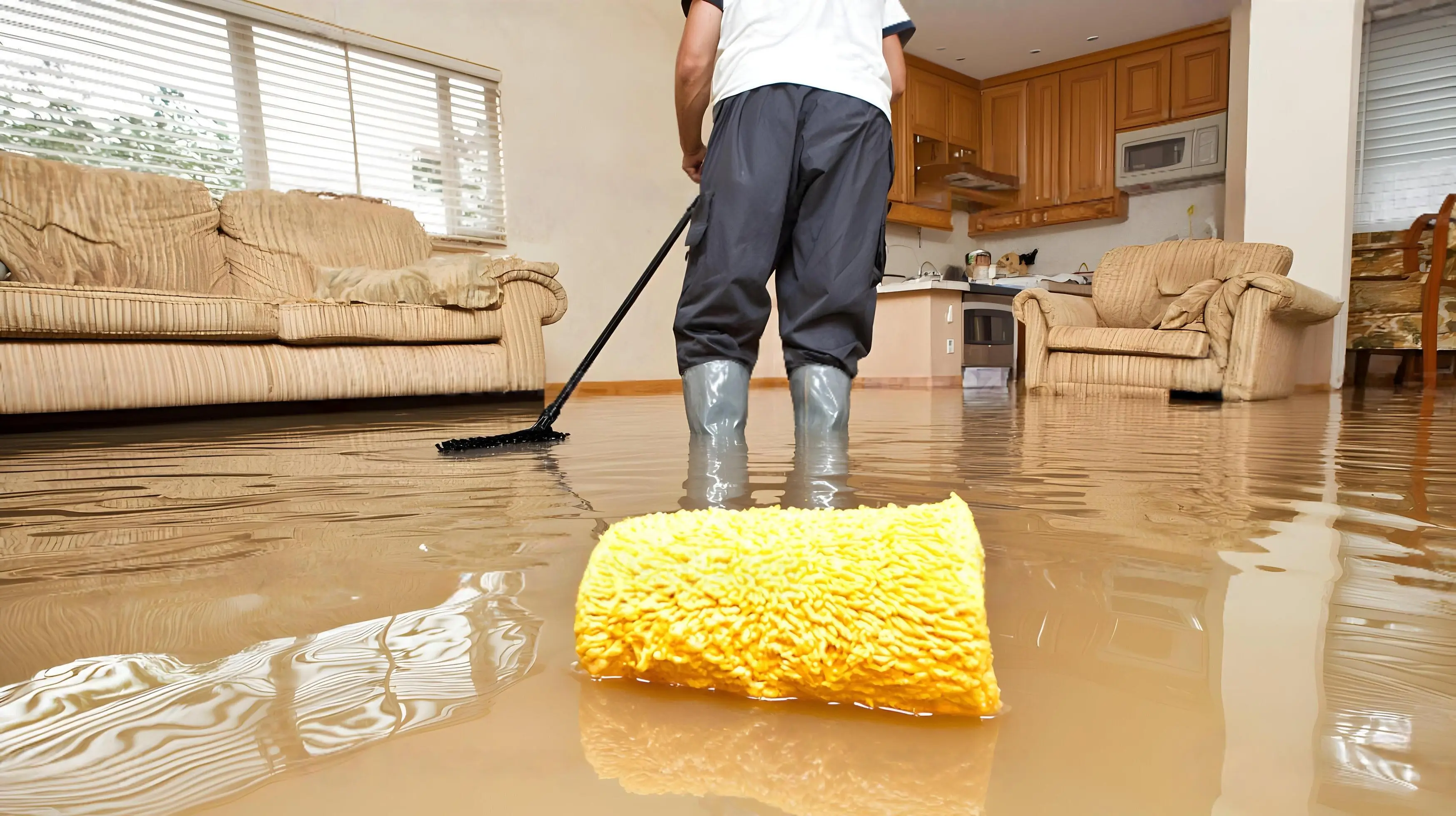
Water Damage Restoration
Burst pipes, storm flooding, standing water. We extract, dry, and restore before mold sets in.
Learn more
Fire Damage Restoration
Structural damage, soot, debris. We stabilize, clean, and rebuild what fire destroyed.
Learn more
Smoke Damage Restoration
Soot residue, chemical odors, HVAC contamination. We decontaminate surfaces, eliminate odors, and restore air quality.
Learn more
Sewage Cleanup
Sewer backups, contaminated water, biohazard. We extract, sanitize, and restore safely.
Learn moreNearby Service Areas
Also serving nearby: