
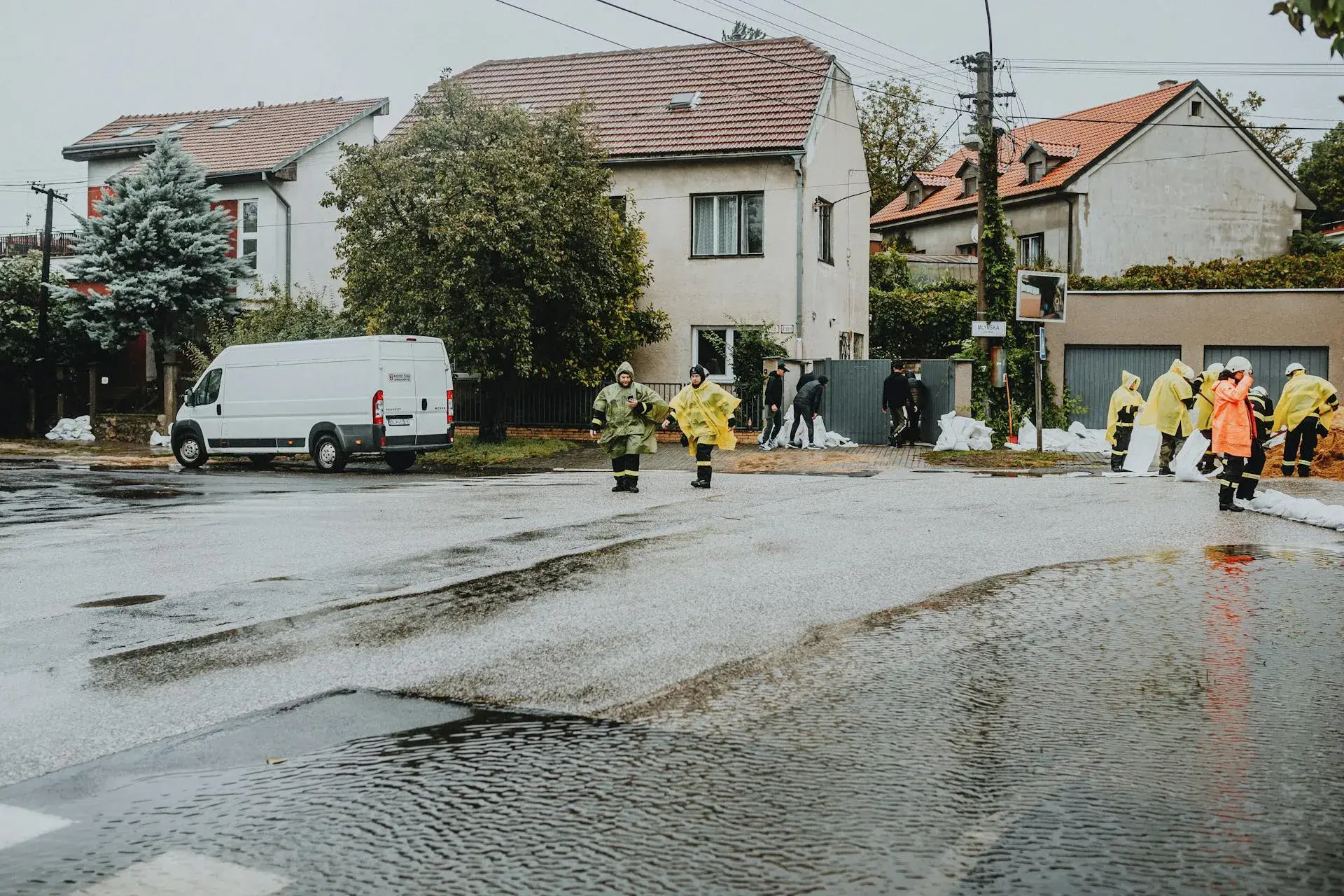
Sewage Cleanup in Arlington Heights, IL
Sewage in your basement is a biohazard emergency. Do not enter the contaminated area. Our local team provides professional extraction, sanitation, and restoration.
What Happens When You Call
A real person answers. We treat this as the biohazard emergency it is. We ask about the source, affected areas, and whether anyone has been exposed. We dispatch your team immediately.
Your team arrives in full PPE with extraction equipment, containment materials, and biohazard disposal supplies. Safety perimeter established. No one enters without protection.
Sewage extracted. Contaminated porous materials removed and bagged for biohazard disposal. All affected surfaces cleaned and treated with EPA-registered disinfectants. Drying equipment deployed.
Structure dried to target moisture levels. Final sanitation verified. Reconstruction of removed materials begins. Documentation complete for your insurance claim.
Sewage is backing up through your basement floor drain and you need it handled now. Do not try to clean this yourself. Do not enter the contaminated area without protective equipment. Sewage contains bacteria, viruses, and parasites that pose serious health risks. X Response exists for exactly this situation. When you call, a biohazard-trained team is dispatched immediately with the equipment and expertise to extract, sanitize, and restore your basement safely. Call now. Do not wait.
Why Arlington Heights Homes Are Vulnerable to Sewage
Sewer backups in Arlington Heights do not have a single cause, because the village is not served by a single kind of sewer. Most of Arlington Heights runs on separate sanitary and storm sewers, which keep household waste and rainwater in different pipes. But the older downtown core is still served by a combined sewer that carries both in one pipe, which is why the Metropolitan Water Reclamation District maintains a combined sewer overflow notification plan for that area. The result is that two homes a few blocks apart can suffer a basement backup for entirely different reasons, and the right response depends on knowing which system serves your home.
In the combined-sewer downtown, heavy rain can fill the system faster than it drains to the Metropolitan Water Reclamation District, and a sewage and stormwater mix is forced back up through basement floor drains. In the separate-sewer neighborhoods, backups more often come from blockages and tree root intrusion in the aging private laterals that connect each home to the public main, or from a sanitary sewer overloaded when stormwater leaks into it. The village takes the problem seriously: it completed a multimillion-dollar downtown stormwater and larger-sewer project aimed at relieving basement backups for hundreds of homes, and it runs an overhead sewer rebate program that reimburses most of the cost of converting a home to backflow-protected plumbing. Even so, an intense storm like the record July 2, 2023 rainfall that flooded basements across Cook County can overwhelm any system.
A Sewer System That Changes Block by Block
Arlington Heights runs separate sanitary and storm sewers across most of the village, with a combined sewer remaining only in the older downtown. That mix is the single most important fact in diagnosing a backup here. A separate sanitary sewer should never carry stormwater, so a backup in those neighborhoods usually points to a blocked or root-filled lateral, while a backup in the downtown combined-sewer area more often reflects the whole system surcharging in a storm. Treating the cleanup correctly, and documenting the right cause for your insurer, starts with identifying which system serves your home.
Combined Sewer Surcharge in the Older Downtown
In the downtown core, sewage and stormwater share one pipe, so every heavy rain is also a load test on the sanitary system. When several inches fall in a few hours, stormwater fills the combined sewer faster than it can reach the Metropolitan Water Reclamation District, the system surcharges, and a sewage and stormwater mix can be forced back up through basement floor drains. The village invested in larger downtown sewers specifically to relieve basement backups for hundreds of homes in this area, but an extreme storm can still overwhelm even an upgraded system, which is why home-level backflow protection still matters here.
Aging Postwar Laterals with Root Intrusion
The homes that filled Arlington Heights in the 1950s and 1960s are connected to the public sewer by private laterals that are now sixty to seventy years old, often original clay tile or cast iron. Over the decades these pipes crack and their joints loosen, and roots from mature parkway trees seek the moisture inside and grow into the line. Roots snag waste and gradually obstruct the lateral until sewage backs up into the home, sometimes with no rain at all. The homeowner is responsible for the lateral from the house to the public main, which makes root-caused backups a recurring and personal problem for older properties that have never had the lateral inspected or lined.
The Village Overhead Sewer Rebate and Backwater Valves
Because backups are a known risk, the most reliable home-level protections are a backwater valve installed on the floor drain or a conversion to an overhead sewer, both of which stop sewage from flowing back into the basement when the public system surcharges. The Village of Arlington Heights runs an overhead sewer rebate program that reimburses 75 percent of the eligible cost of an overhead sewer conversion up to a set limit, administered through the Building and Life Safety Department. That program exists precisely because basement backups have been a long-standing issue across these neighborhoods, and it makes lasting protection far more affordable for homeowners.
Finished Basements Maximize Biohazard Damage
When sewage backs up through a floor drain in an unfinished basement, the damage is mostly to stored items and the concrete floor, which can be sanitized. When it backs up into a finished basement with drywall, carpet, insulation, and built-in cabinetry, the contamination soaks into porous materials that cannot be disinfected and must be removed. Many Arlington Heights basements are finished living spaces added over the decades, which means a single backup turns into an extensive biohazard removal and reconstruction project. The contamination also wicks upward into the bottom of finished walls, expanding the scope well beyond the visible water line.
A Health Hazard, Not Just a Mess
Sewage is classified as Category 3 water, the most hazardous category under the IICRC S500 standard, because it carries bacteria, viruses, and parasites. A backup that mixes raw sewage with stormwater during a storm is especially concerning, and it often arrives without warning in the middle of the night. Homeowners who try to clean it themselves risk direct exposure and can spread contamination to clean areas of the home on shoes, tools, and the shop vacuum itself. The safe response is to stay out of the affected space and bring in a biohazard-trained team with the right protection and disinfectants.
These factors compound one another. A root-blocked lateral is already half-closed, a storm surcharges the sewer the home connects to, the basement has no backwater valve, and a finished lower level floods with contaminated water within minutes. Professional sewage cleanup in Arlington Heights means identifying whether the backup came from a combined-sewer surcharge or a private lateral failure, treating it as the Category 3 biohazard it is, removing every contaminated porous material, and advising you on the backflow protection and village rebate that prevent the next one. Removing the sewage is only part of the job. Restoring the space safely and helping you keep it from happening again is the rest.
What Happens to Your Home While You Wait
Immediately
Sewage is a Category 3 biohazard containing bacteria, viruses, parasites, and other pathogens. The space is immediately unsafe to enter without protective equipment. Every porous material the sewage contacts, including carpet, padding, drywall, insulation, and particleboard, is contaminated beyond salvage. The longer it sits, the higher the contamination wicks up walls and spreads across the floor.
1–24 Hours
Sewage wicks upward through drywall via capillary action, often reaching 12 to 18 inches above the visible water line. Bacteria multiply rapidly in the warm, nutrient-rich environment. Odor intensifies as biological decomposition accelerates. The contamination zone expands beyond the area of visible standing water.
24–48 Hours
Mold begins colonizing on contaminated surfaces. The combination of moisture, organic material, and biological nutrients from the sewage creates ideal growth conditions, made worse by the chronic dampness of a clay-soil basement. Airborne pathogen levels increase as contaminated materials begin drying and releasing particles. Health risk to occupants on upper floors rises as contaminated air migrates upward.
48+ Hours
Extensive mold growth on all contaminated surfaces. Structural materials begin degrading from biological activity. The scope of required removal expands significantly. What could have been contained to the lower 12 inches of wall may now require full-height drywall removal. Restoration costs increase substantially with every day of delay.
Sewage cleanup is not a project you can schedule for next week. Every hour of delay increases the contamination zone, the health risk, and the restoration cost. Contact X Response now. We respond within 60 minutes.
How We Restore Sewage-Damaged Arlington Heights Homes
Sewage is classified as Category 3 water, the most hazardous classification. Our process follows the IICRC S500 standard for contaminated water restoration.
Emergency Response and Safety Assessment
Our team arrives in full PPE: Tyvek suits, respirators, rubber boots, and nitrile gloves. We establish a safety perimeter, assess the extent of contamination, and identify the sewage source, including whether it came from a combined-sewer surcharge downtown or a blocked private lateral. If the backup may have originated in the public sewer during heavy rain, we note this for your insurance documentation and recommend you notify the Village of Arlington Heights Public Works Department so the village can check the public main. We document everything with photos and moisture readings from the moment we arrive.
Sewage Extraction and Contaminated Material Removal
Standing sewage is extracted using truck-mounted pumps and industrial wet vacuums designed for contaminated water. Once the bulk liquid is removed, all porous materials that contacted the sewage are removed as required by the IICRC S500 standard for Category 3 water. In a finished Arlington Heights basement, this means carpet, carpet padding, drywall below the contamination line (typically cut 12 to 18 inches above the visible water mark to account for wicking), insulation, and any particleboard or MDF materials. Everything is sealed in heavy-duty polyethylene bags and disposed of as biohazard waste.
Sanitation, Disinfection, and Antimicrobial Treatment
After contaminated materials are removed, every remaining surface is cleaned and disinfected. Concrete subfloors, wood framing, foundation walls, metal fixtures, and other non-porous surfaces are scrubbed and treated with EPA-registered antimicrobial and disinfectant solutions effective against the bacteria, viruses, and parasites found in sewage. Treatment is applied in multiple passes to ensure full coverage, including areas behind where drywall was removed and inside floor cavities. Containment barriers stay in place throughout to prevent cross-contamination of unaffected areas above.
Structural Drying and HEPA Air Filtration
Commercial dehumidifiers and industrial air movers are positioned throughout the basement to dry the exposed structure to target moisture levels, which matters even more on the village's clay soil, where surrounding ground stays damp. Air scrubbers with HEPA filters run continuously to capture airborne contaminants, bacteria, and mold spores that may have become aerosolized during extraction and removal. Our team monitors moisture levels daily, adjusting equipment as the structure dries. This phase typically takes 3 to 5 days for moderate sewage damage. The structure must reach documented dry standards before any reconstruction begins, preventing mold growth behind new materials.
Verification, Reconstruction, and Prevention Guidance
Before reconstruction, we verify the space is clean and dry through post-remediation evaluation, then rebuild what was removed: drywall, insulation, flooring, and trim restored to pre-loss condition. Just as important, we advise you on preventing the next backup. Depending on your sewer type and what we found, that may mean a backwater valve, an overhead sewer conversion eligible for the Village of Arlington Heights 75 percent rebate, or having a root-filled lateral inspected and lined. You receive full documentation of the work for your insurance claim and a clear plan to protect your basement going forward.
The X Response Difference
Sewage cleanup is a biohazard job, not a water job. It requires the right protection, the right standard, and the local knowledge to identify the cause and prevent the next backup. X Response delivers all three, from emergency extraction through final reconstruction.
Insurance Claim Guidance for Arlington Heights Homeowners
Sewage backup is one of the most commonly uncovered water losses in Illinois. A standard homeowner's policy does not cover damage from a sewer or drain backup. That protection comes only from a separate water backup and sump overflow endorsement, which many Arlington Heights homeowners add precisely because backups are a known local risk on aging laterals and in the downtown combined-sewer area. If you carry the endorsement, the cleanup, biohazard removal, and restoration are typically covered up to its limit, which is often lower than people expect, so knowing your limit matters. Whether the backup originated in the public sewer or your private lateral can also affect how the claim is handled, which is why clear documentation of the source is essential.
How X Response Helps
- Document the backup source and damage extent from the moment we arrive, including whether it originated in the public sewer or your private lateral
- Identify whether you carry the water backup and sump overflow endorsement and explain how its limit applies before work proceeds
- Provide a detailed scope of work aligned with insurance coverage categories and standard Xactimate formatting
- Photograph and inventory contaminated materials removed as biohazard waste, which adjusters require for Category 3 claims
- Advise on the Village of Arlington Heights overhead sewer rebate and backflow protection that can reduce future risk and exposure
X Response does not file claims on your behalf, adjust claims, or make coverage determinations. We provide documentation and guidance to help you make informed decisions about your property and your policy. Coverage decisions are made solely by your insurance carrier.
Certified Restoration Specialists Serving Arlington Heights
When you contact X Response after a sewer backup in Arlington Heights, your cleanup team is drawn from certified professionals who work throughout the Northwest suburbs and northwest Cook County and understand the specific challenges of sewage damage here. They know the difference between a combined-sewer surcharge downtown and a root-blocked lateral in a postwar neighborhood, and why that distinction changes both the cleanup and the claim. They know how contamination wicks up the finished walls of a basement living space, and they know the village rebate and backflow options that prevent the next backup.
Every technician is trained in biohazard remediation under the IICRC S500 standard for Category 3 water and equipped with full personal protective equipment, truck-mounted extraction for contaminated water, EPA-registered disinfectants, HEPA air scrubbers, and commercial drying equipment sized for below-grade clay-soil basements. This is not a general cleaning crew. It is a biohazard-trained team operating under national safety standards.
In Arlington Heights, X Response works with Scene Cleaners, an independent local restoration partner serving Cook County County.
Sewage Cleanup FAQ for Arlington Heights Homeowners
Other Emergency Services in Arlington Heights
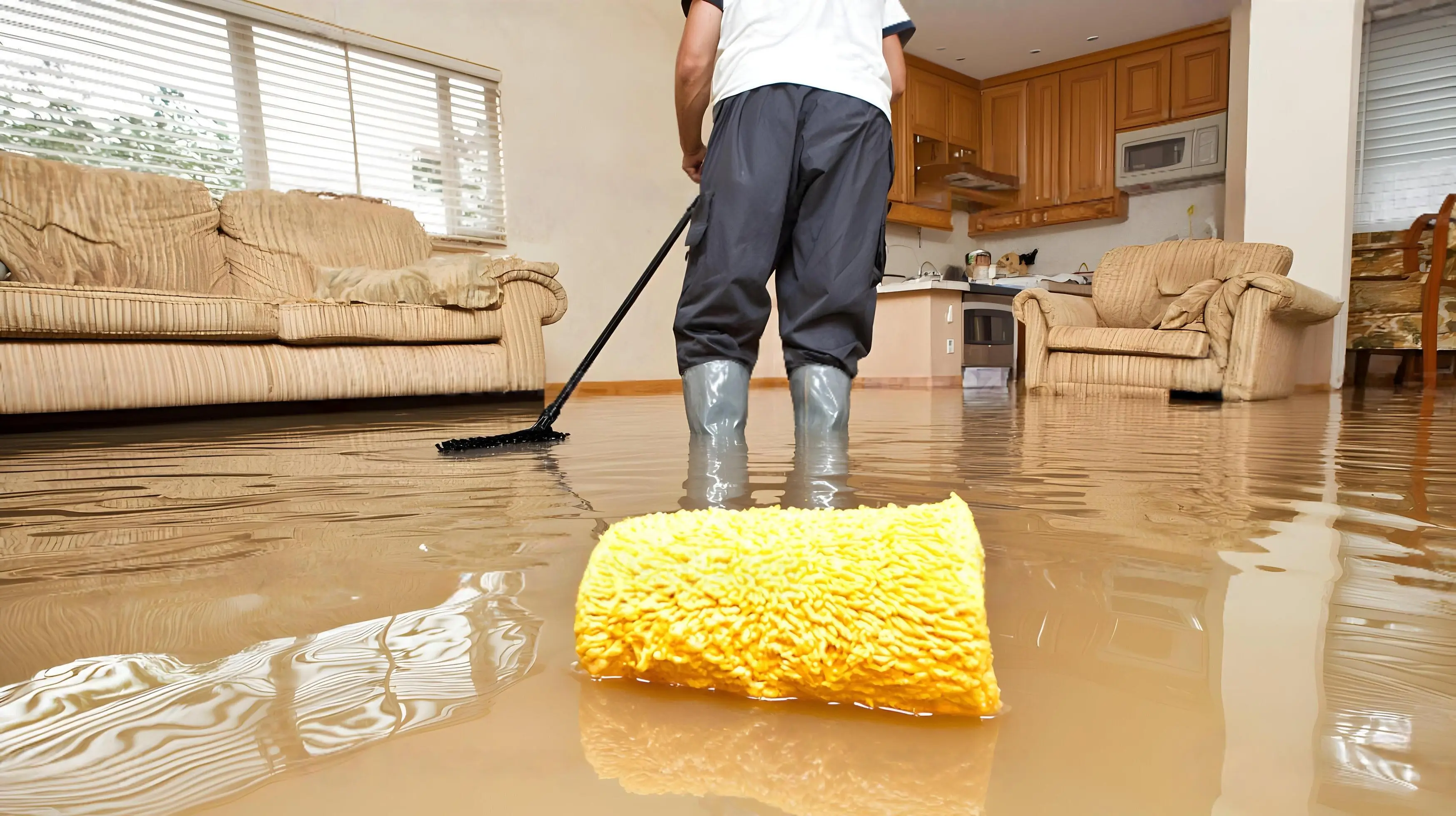
Water Damage Restoration
Burst pipes, storm flooding, standing water. We extract, dry, and restore before mold sets in.
Learn more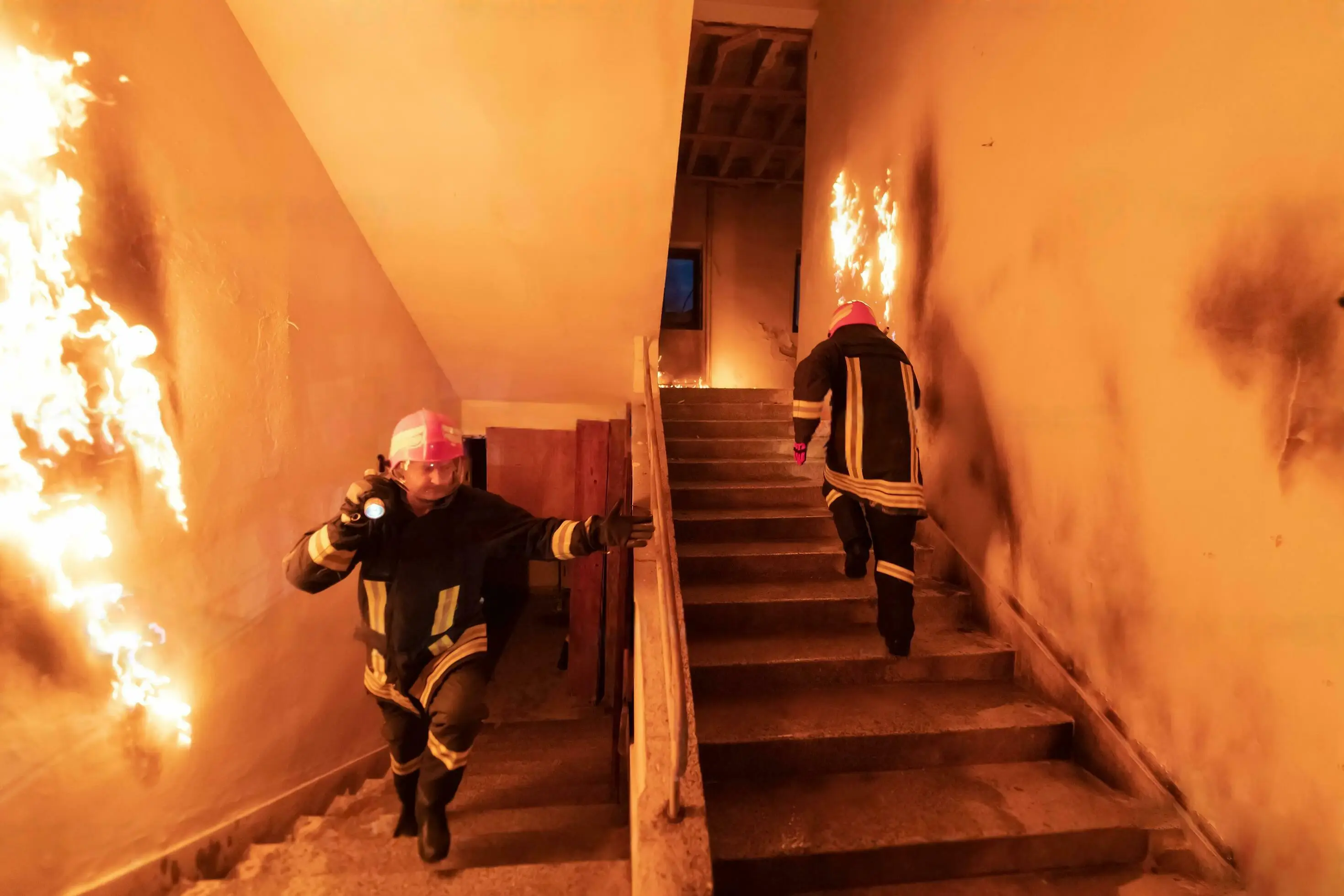
Fire Damage Restoration
Structural damage, soot, debris. We stabilize, clean, and rebuild what fire destroyed.
Learn more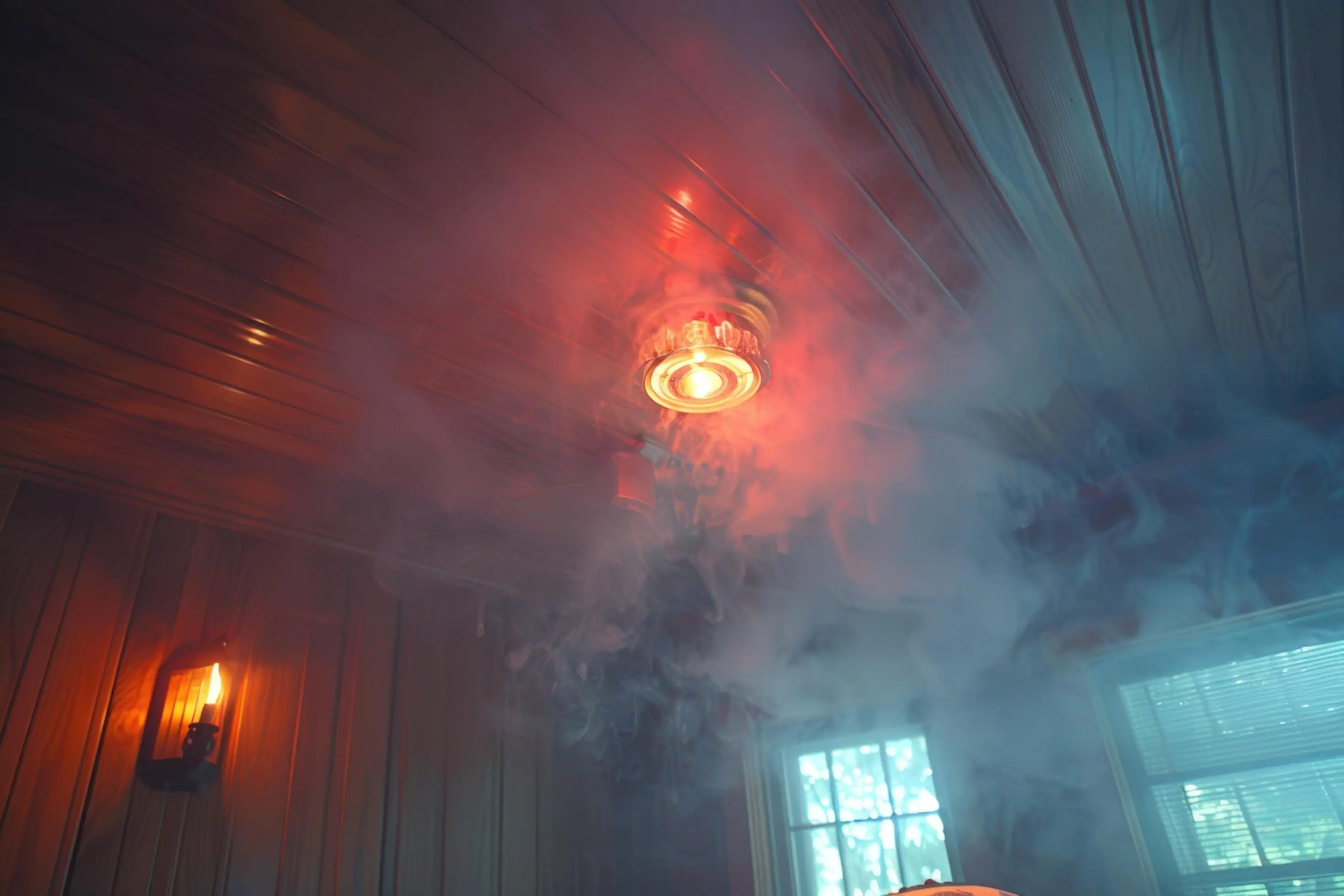
Smoke Damage Restoration
Soot residue, chemical odors, HVAC contamination. We decontaminate surfaces, eliminate odors, and restore air quality.
Learn more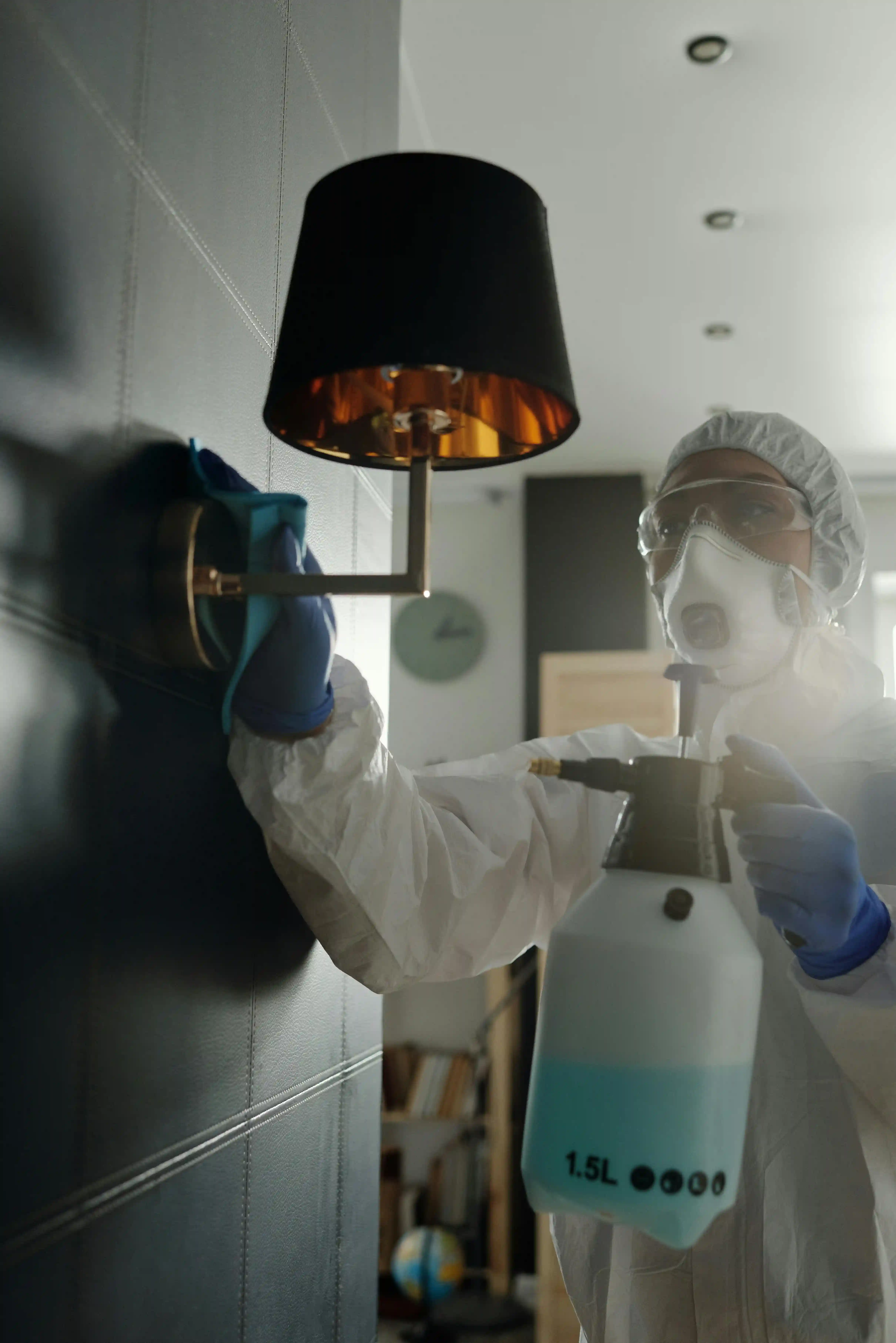
Mold Remediation
Testing, containment, removal, prevention. We find the source, eliminate the growth, and stop it from returning.
Learn more