
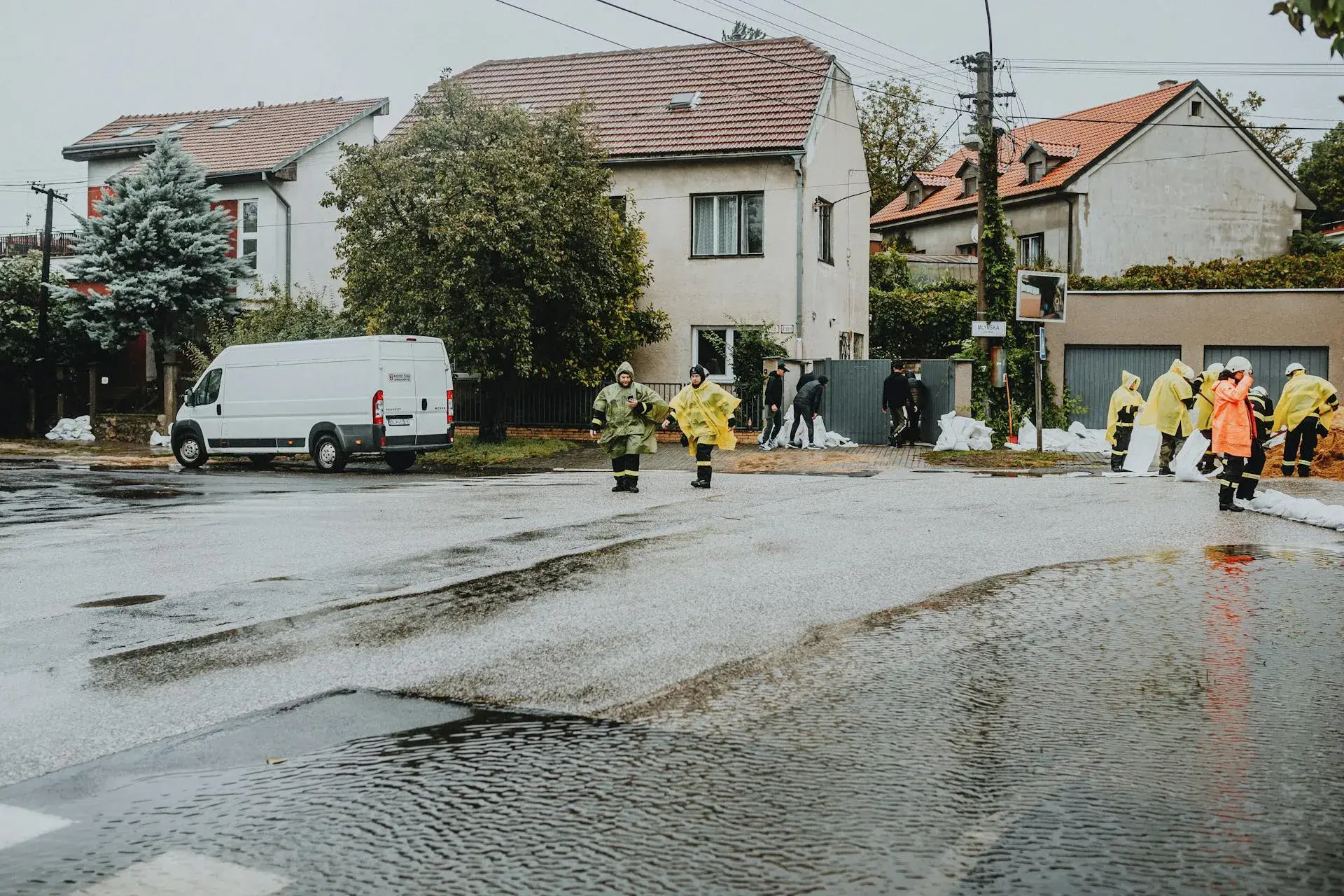
Sewage Cleanup in Buffalo Grove, IL
Sewage contains dangerous pathogens that contaminate every surface it contacts. Professional cleanup must begin within hours, not days. Our local team responds to Buffalo Grove emergencies within 60 minutes.
What Happens When You Call
A real person answers, not a call center. We assess your sewage emergency, ask the right questions, and begin coordinating your response immediately.
Your dedicated restoration team is dispatched from our local base serving Buffalo Grove and the surrounding northwest suburban communities.
Team arrives with sewage extraction equipment, biohazard safety gear, and professional-grade decontamination systems. Emergency cleanup begins immediately.
Sewage extracted, contaminated materials removed, decontamination applied, drying initiated. You know exactly what comes next and your exposure risk is controlled.
Sewage is in your home and the contamination risk is immediate. This is not a situation that can wait for a callback or a scheduled appointment. Every surface the sewage contacts becomes a biohazard requiring professional decontamination. X Response exists for exactly this moment. When you reach out, your restoration team is mobilized within minutes and on site within the hour. From that point forward, one team manages everything: extraction, decontamination, drying, and restoration. You are never left guessing about the next step or exposed to contamination longer than absolutely necessary. Call now. Your team is standing by.
Why Buffalo Grove Homes Are Vulnerable to Sewage
Buffalo Grove straddles the Lake County and Cook County border approximately 35 miles northwest of Chicago, with 43,212 residents across 9.6 square miles. The village operates a separate sanitary sewer system, meaning that sanitary sewage and stormwater flow through different pipe networks rather than a combined system. The Cook County portion of the village has its sanitary sewers tributary to the Metropolitan Water Reclamation District of Greater Chicago (MWRD), while the Lake County portion operates under different sewer authorities. In 2017, the Village of Buffalo Grove contracted RJN Group, a national sewer engineering firm, to conduct a sanitary sewer rehabilitation program specifically addressing inflow and infiltration (I&I) problems in the Cook County section. This program acknowledged that the village's aging sanitary sewer infrastructure was allowing groundwater and stormwater to enter the sanitary system through cracked pipes, deteriorated joints, faulty manhole connections, and root-damaged lines, overwhelming the system's capacity during wet weather events.
Inflow and infiltration is particularly significant for sewage backup risk because it represents a direct mechanism by which heavy rainfall produces sewage in your basement. During dry weather, the sanitary system operates well within its designed capacity. But during heavy rain events, groundwater seeps through cracked pipe joints (infiltration) and stormwater enters through improper connections, damaged manholes, and compromised cleanouts (inflow). This additional volume fills the sanitary system beyond its capacity, and when the system cannot move sewage fast enough, it backs up through the lowest connected fixtures in nearby homes: floor drains, basement toilets, and shower drains. The result is raw sewage rising into finished living spaces. The RJN Group rehabilitation program targeted the specific pipe defects, joint failures, and connection problems allowing this extra water into the system, but in a community with thousands of linear feet of 50-to-60-year-old sewer pipe, rehabilitation is an ongoing process rather than a one-time fix.
The 2017 Sewer Rehabilitation Program and Ongoing I&I
The Village of Buffalo Grove's 2017 contract with RJN Group represented a formal acknowledgment that the sanitary sewer infrastructure in the Cook County portion of the village had deteriorated to a point where inflow and infiltration were causing measurable capacity problems. RJN Group specializes in sanitary sewer evaluation surveys (SSES), which involve flow monitoring throughout the system, CCTV inspection of pipe interiors, smoke testing to identify inflow sources, and manhole inspection to find connection defects. The findings from such programs typically reveal cracked pipe segments, offset joints where pipe sections have shifted, root intrusion that blocks flow and creates backup points, deteriorated mortar in manhole walls, and illegal stormwater connections from sump pumps or downspouts piped directly into the sanitary system. Each of these defects allows extra water into the system during wet weather. The rehabilitation program addresses the most critical defects, but the underlying reality is that the village's entire sewer network in the Cook County section dates from the same 1960s-1980s development era and continues to age. Sections not yet rehabilitated remain vulnerable to the same I&I problems during heavy storms.
Separate System, Shared Consequences
Buffalo Grove operates a separate sanitary sewer system rather than the combined sewer system found in older Chicago neighborhoods. In theory, this means stormwater stays in the storm sewer and only sanitary waste flows through the sanitary sewer. In practice, separation is imperfect in aging systems. Groundwater infiltrates through pipe defects regardless of what the design drawings say. Homeowners who connected sump pump discharge to the sanitary lateral (a practice common in the 1970s and 1980s before modern codes prohibited it) add significant inflow during every wet weather event. Downspout connections to sanitary lines, cracked cleanouts that admit surface water, and deteriorated service laterals from the house to the main all introduce water into the sanitary system that was never intended to be there. The result is a separate system that behaves like a partially combined system during storms, with the same overflow and backup consequences that combined systems produce.
Basement Floor Drain and Fixture Backup Mechanics
When the sanitary system becomes surcharged during wet weather, sewage backs up through the lowest connected fixtures in homes. In Buffalo Grove's 1960s-1980s housing stock, that typically means the basement floor drain, basement toilet, or basement shower. The mechanics are straightforward: the main sewer line's water level rises above the elevation of the basement fixtures, and hydrostatic pressure pushes sewage upward through those fixtures into the living space. Homes without a properly functioning backwater valve have no defense against this pressure. Many Buffalo Grove homes were built before backwater valves were required by code, and those installed decades ago may have deteriorated or become stuck in the open position due to sediment and debris. A single backup event can introduce hundreds of gallons of raw sewage into a finished basement within minutes, contaminating carpet, drywall, stored belongings, and every surface below the flood line with Category 3 (black water) contamination that requires professional biohazard remediation.
Service Lateral Deterioration
The service lateral, the pipe connecting each home to the public sewer main, is the homeowner's responsibility in Buffalo Grove. These laterals, installed during the same 1960s-1980s construction era as the homes they serve, are typically 4-inch clay tile or early PVC pipe running from the home's foundation to the sewer main in the street. After 50 to 60 years in the ground, clay tile laterals develop cracks at joints, shift due to soil movement and root growth, and accumulate grease and scale buildup that reduces their effective diameter. Tree roots, attracted to the moisture and nutrients in the sewer line, penetrate through joint cracks and grow inside the pipe, creating blockages that cause sewage to back up into the home. Unlike the public main that the village's rehabilitation program addresses, the service lateral is entirely the homeowner's responsibility to maintain, repair, or replace. Many Buffalo Grove homeowners are unaware of their lateral's condition until it produces a backup event, because the pipe is buried and invisible without camera inspection.
Contamination Severity and Health Risk
Sewage that enters a home through backed-up fixtures is classified as Category 3 water (black water) under IICRC standards, the most contaminated category. It contains human waste, bacteria including E. coli, Salmonella, and Shigella, viruses, parasites, and potentially chemical contaminants from upstream sources connected to the same sewer main. Every material this water contacts becomes contaminated. Unlike clean water from a burst pipe where materials can often be dried and saved, porous materials that contact sewage must be removed and disposed of: carpet, carpet padding, drywall below the flood line, insulation, particleboard, and any stored items with porous surfaces. The contamination is not limited to the visible flood line. Sewage wicks into materials above the standing water level and penetrates into wall cavities through baseboard gaps. The health risk is immediate and ongoing: airborne pathogens become active as contaminated materials warm and begin decomposing. Children, elderly residents, and anyone with compromised immune systems face elevated risk from exposure to sewage-contaminated indoor environments.
Sewage backup in Buffalo Grove is the predictable consequence of a specific infrastructure pattern: aging sanitary sewers with documented inflow and infiltration problems that become overwhelmed during wet weather, pushing sewage through the lowest fixtures in homes that lack adequate backwater protection. The contamination is severe, the health risk is immediate, and the window for intervention is narrow. Materials contaminated by sewage cannot be saved if left in place. The biological load multiplies exponentially in warm, moist conditions. And the emotional impact of sewage in your living space compounds the urgency. Professional sewage cleanup is not optional; it is a safety necessity that must begin within hours of the event.
What Happens to Your Home While You Wait
Within 1 Hour
Raw sewage spreads across the basement floor and wicks into carpet, padding, drywall, and any porous material it contacts. Contamination extends beyond the visible flood line as sewage penetrates into wall cavities through baseboard gaps and into subfloor materials from below. In Buffalo Grove's finished basements, the sewage reaches the paper face of drywall, the fiberglass insulation behind it, and the wood framing at the base of partition walls. Pathogenic bacteria are active in the standing water and on every contaminated surface. The immediate health risk begins.
1–24 Hours
Bacteria multiply rapidly in the warm, nutrient-rich environment. Airborne pathogen levels rise as contaminated materials warm to room temperature and biological decomposition begins. Odors intensify as anaerobic bacteria process the organic material. Drywall wicks contaminated water upward, extending the contamination above the original flood line. Wood framing at the base of walls absorbs sewage and begins hosting bacterial colonies within the grain structure. Materials that might have been salvageable in a clean-water event are categorically unsalvageable once sewage contacts them. The contamination zone expands with every hour.
24–48 Hours
Mold colonization begins on sewage-contaminated materials, compounding the biohazard with fungal contamination. The nutrient load in sewage accelerates mold growth far beyond what clean moisture would produce. In Buffalo Grove's summer humidity, mold can become visible within 24 hours on sewage-contaminated surfaces. Odors become severe and permeate the entire home through the HVAC system and natural air movement. The home becomes difficult to occupy without respiratory protection. Structural materials at the base of walls begin deteriorating as both bacterial and fungal activity break down organic components.
48–72 Hours
Extensive bacterial contamination throughout affected areas. Mold colonies established and producing spores. Structural wood showing early signs of decay at connection points where moisture concentration is highest. The HVAC system has distributed airborne contaminants to unaffected areas of the home. Personal property not elevated above the flood line is irretrievably contaminated. Cleanup scope has expanded significantly beyond what it would have been with immediate intervention. Health risks from prolonged exposure include gastrointestinal illness, respiratory infection, and skin irritation.
One Week and Beyond
Severe biological contamination throughout. Structural materials require extensive removal rather than treatment. Mold has spread well beyond the original sewage contact area. The entire basement finishing, including all drywall, insulation, carpet, trim, and potentially subfloor materials, requires complete removal and replacement. Odor has permeated structural elements that may require encapsulation or removal. The project scope approaches a full basement gut and rebuild. Insurance carriers may dispute the expanded scope, attributing the additional damage to delayed response rather than the original event.
Sewage contamination is a time-critical biohazard. Every hour of delay allows bacteria to multiply, contamination to spread, and materials to cross from recoverable to disposable. Contact X Response now. Our Buffalo Grove team responds within 60 minutes with the equipment and protocols to safely contain and remove sewage contamination.
How We Restore Sewage-Damaged Buffalo Grove Homes
Sewage cleanup is a biohazard operation that requires specific safety protocols, disposal procedures, and verification standards. Here is exactly what the process involves for Buffalo Grove properties.
Safety Assessment and Source Control
Our team arrives in full personal protective equipment appropriate for Category 3 biohazard work. Before cleanup begins, we determine whether sewage is still actively entering the home. If the backup is ongoing because the sanitary system remains surcharged or a lateral blockage has not been cleared, we coordinate source control: contacting the village's public works department if the problem is in the main, or arranging emergency rooter service if the blockage is in the homeowner's lateral. Cleanup cannot proceed effectively while the source remains active. Once inflow has stopped, we assess the full extent of contamination, mapping the flood line, testing wall cavities for moisture migration above the visible level, and documenting everything with photos and measurements for your insurance documentation.
Sewage Extraction and Contaminated Material Removal
Standing sewage is extracted using specialized equipment designated for biohazard use, separate from the equipment used for clean-water events. In Buffalo Grove basements, submersible pumps remove standing sewage while weighted extraction tools pull contaminated water from carpet systems. Following extraction, all porous materials that contacted sewage are removed: carpet, carpet padding, drywall to 12 inches above the visible flood line (or higher if moisture meters detect wicking), fiberglass insulation, particleboard shelving, and any stored personal property with porous surfaces that cannot be commercially sanitized. These materials are bagged, labeled as biohazard waste, and disposed of according to Illinois regulations. The removal phase is aggressive by necessity. Materials that contact Category 3 water cannot be rehabilitated through cleaning alone; removal is the only safe protocol.
Decontamination and Antimicrobial Treatment
After contaminated materials are removed, every exposed surface receives professional decontamination. Concrete floors and walls are cleaned with commercial-grade biocidal agents registered by the EPA for sewage-contamination use. Wood framing that contacted sewage but remains structurally sound is cleaned, treated with antimicrobial solutions, and assessed for replacement based on contamination depth. All surfaces are HEPA-vacuumed to remove particulate contamination before chemical treatment. Antimicrobial agents are applied to all surfaces within the remediated area, including those above the flood line that may have been exposed to airborne contamination or moisture migration. The goal is complete pathogen elimination on all remaining structural surfaces before the drying phase begins.
Structural Drying
Once decontamination is complete, the structural drying phase begins. Commercial dehumidifiers and air movers are deployed throughout the affected area to dry concrete floors, foundation walls, wood framing, and any remaining semi-porous materials. In Buffalo Grove, where the sewer backup often occurs during wet weather that also elevates exterior soil moisture against the foundation, interior drying must contend with ongoing moisture contribution from the exterior. We monitor moisture levels daily and adjust equipment placement until all materials reach their dry standard. For homes near the Buffalo Creek corridor where the water table remains elevated after storm events, the drying period may extend because the same saturated soil conditions that contributed to the system surcharge also maintain moisture pressure against the foundation during recovery.
Verification and Restoration
Before any reconstruction begins, we verify that decontamination and drying are complete. Visual inspection confirms all contaminated materials have been removed and all surfaces have been treated. Moisture readings confirm structural materials have returned to acceptable levels. ATP (adenosine triphosphate) testing or similar biological verification may be conducted on critical surfaces to confirm that pathogen levels have been reduced to safe thresholds. Only after verification passes do we clear the space for reconstruction. Final documentation includes complete before-and-after photos, decontamination records, moisture readings, and any biological verification results. This documentation supports your insurance claim and provides evidence that your home has been returned to a safe, habitable condition through verified professional protocols.
The X Response Difference
When you contact X Response for sewage cleanup in Buffalo Grove, you get a restoration team trained in biohazard protocols that treats sewage for what it is: a Category 3 contamination event requiring professional extraction, material removal, decontamination, drying, and verification. One team manages the entire process safely and thoroughly.
Insurance Claim Guidance for Buffalo Grove Homeowners
Sewage backup insurance coverage in Illinois is not included in standard homeowner's policies by default. It requires a specific endorsement, typically called 'sewer and drain backup' or 'water backup' coverage, that must be added to the base policy. Many Buffalo Grove homeowners do not carry this endorsement and discover the gap only after their first backup event. Standard policies cover sudden and accidental water damage from interior plumbing failures (a burst pipe, an overflowing toilet), but sewage that enters through a backed-up drain or floor drain because the municipal system is overwhelmed is classified differently. The coverage gap is particularly relevant in Buffalo Grove's Cook County section, where the 2017 RJN Group rehabilitation program documented that the sanitary sewer system experiences inflow and infiltration during wet weather. Heavy rain events that overwhelm the system and produce basement backups are not rare, unpredictable occurrences; they are a known consequence of aging infrastructure that the village has actively worked to address. For homeowners without the backup endorsement, a sewage event in their basement produces thousands of dollars in uncovered cleanup and restoration costs.
How X Response Helps
- Determine immediately whether your policy includes sewer and drain backup coverage, as this endorsement is required for most sewage backup claims in Buffalo Grove
- Document the contamination category (Category 3 / black water), the extent of damage, and the source of the backup with photos and professional assessment from the moment our team arrives
- Distinguish between sewage backup from the municipal system surcharge (requires backup endorsement) and sewage from an interior plumbing failure (may be covered under standard provisions)
- Prepare biohazard disposal documentation and decontamination records that demonstrate the contamination severity and the professional protocols required to address it
- Document the full scope of material removal and replacement needed, as backup endorsements often have sub-limits ($5,000 to $25,000) that may not cover the full restoration cost
X Response does not file claims on your behalf, adjust claims, or make coverage determinations. We provide documentation and guidance to help you make informed decisions about your property and your policy. Coverage decisions are made solely by your insurance carrier.
Certified Restoration Specialists Serving Buffalo Grove
When you contact X Response for sewage cleanup in Buffalo Grove, your team is drawn from certified professionals trained in biohazard protocols who understand the specific sewer infrastructure challenges in this community. They know how the Cook County sanitary system responds during wet weather when inflow and infiltration overwhelm capacity, how the aging service laterals in the 1960s-1980s housing stock develop root intrusion and joint failures that produce localized blockages, and how Buffalo Grove's split-county sewer jurisdiction affects both the cause of backups and the coordination required to resolve them. They have cleaned up basement sewage events caused by system surcharges during heavy storms, lateral blockages from root intrusion, and sanitary-line failures in the village's townhome developments. They bring the biohazard training, the specialized equipment, and the decontamination protocols that this category of contamination demands.
Every technician on your team holds current IICRC certification in water damage restoration with specific training in Category 3 contamination protocols. Equipment includes biohazard-designated extraction units, personal protective equipment rated for sewage exposure, EPA-registered biocidal agents for decontamination, commercial drying equipment, and ATP testing capability for biological verification. When your team arrives, they bring everything needed to safely extract, decontaminate, and dry your property without delay, cross-contamination, or compromise in safety standards.
In Buffalo Grove, X Response works with Scene Cleaners, an independent local restoration partner serving Lake County.
Sewage Cleanup FAQ for Buffalo Grove Homeowners
Other Emergency Services in Buffalo Grove
Water Damage Restoration
Burst pipes, storm flooding, standing water. We extract, dry, and restore before mold sets in.
Learn more
Fire Damage Restoration
Structural damage, soot, debris. We stabilize, clean, and rebuild what fire destroyed.
Learn more
Smoke Damage Restoration
Soot residue, chemical odors, HVAC contamination. We decontaminate surfaces, eliminate odors, and restore air quality.
Learn more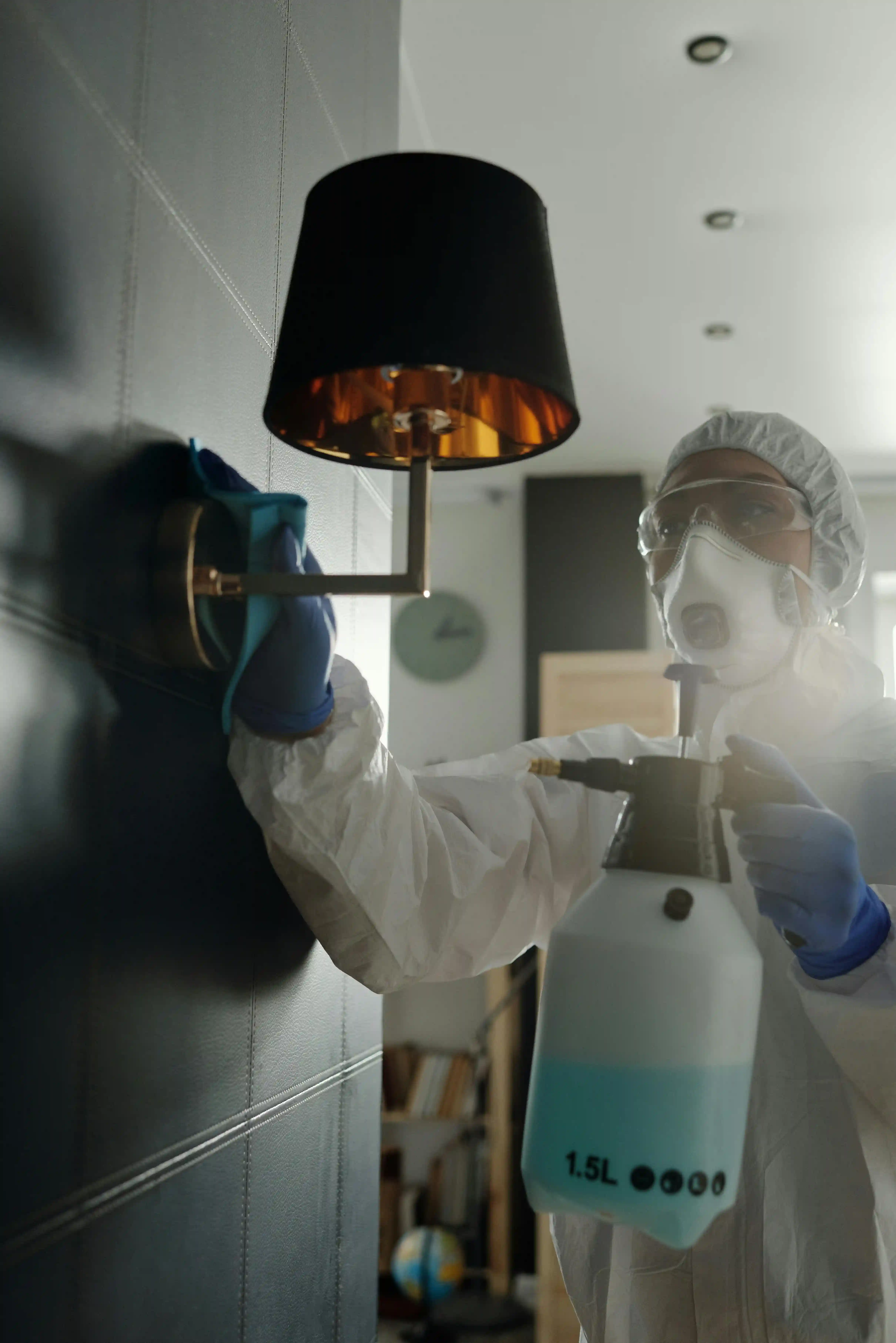
Mold Remediation
Testing, containment, removal, prevention. We find the source, eliminate the growth, and stop it from returning.
Learn more