
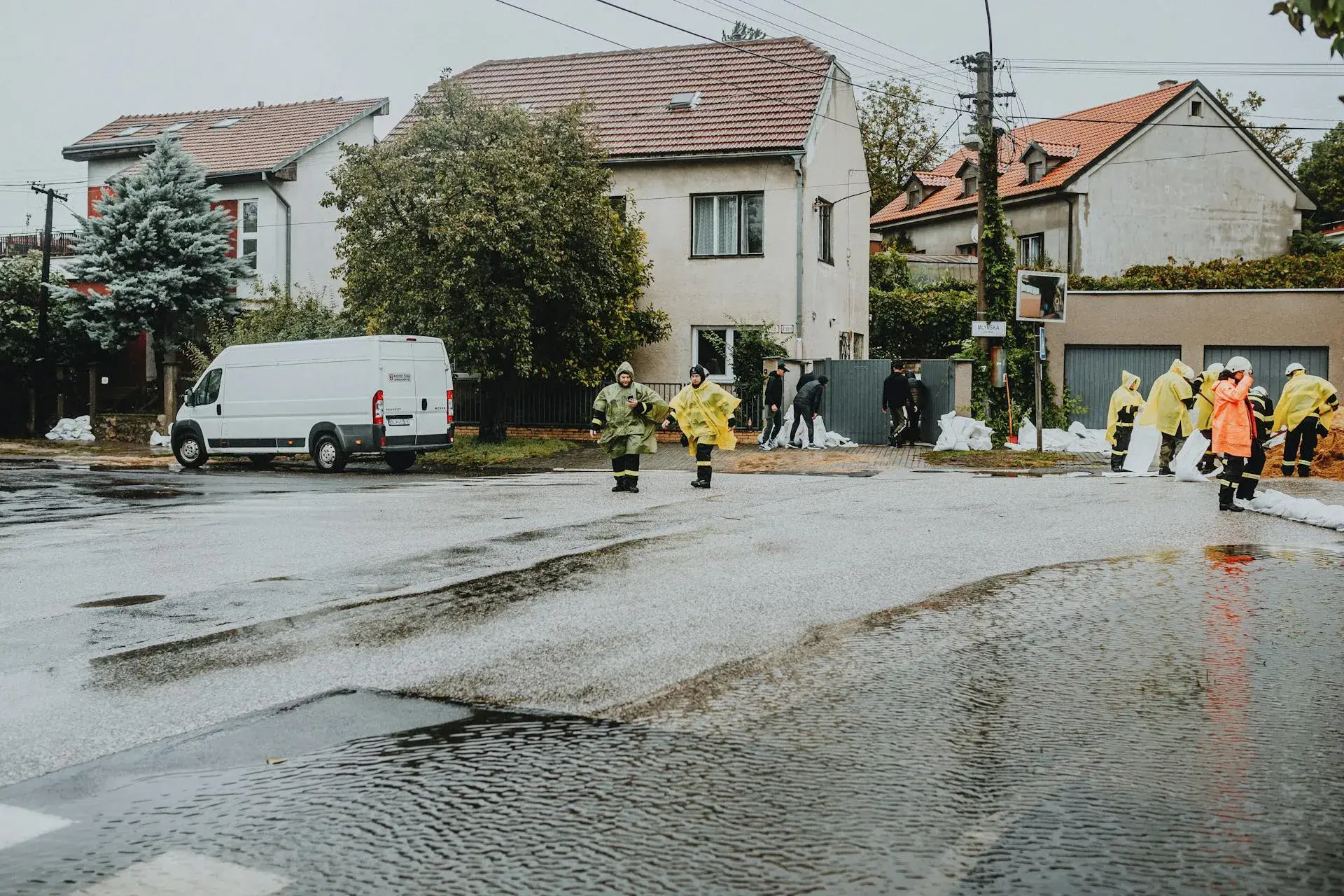
Sewage Cleanup in Rolling Meadows, IL
Sewage carries dangerous bacteria, viruses, and parasites. Every minute of exposure increases health risk and property damage. Our local team responds within 60 minutes.
What Happens When You Call
A real person answers, not a call center. We assess your situation, ask the right questions, and begin coordinating your response immediately.
Your dedicated restoration team is dispatched from our local base serving Rolling Meadows and the surrounding northwest Cook County communities.
Team arrives with sewage extraction equipment, antimicrobial agents, personal protective equipment, and containment materials. Extraction begins immediately.
Sewage removed, affected materials assessed, contamination boundaries documented. You know exactly what comes next.
Sewage is in your home. It came up through a floor drain, backed up through a toilet or shower, or pooled in the basement from a failed sanitary line. This is not a situation you can address with a mop and bleach. Sewage is classified as Category 3 (grossly contaminated) water containing bacteria, viruses, parasites, and chemical contaminants that pose immediate health risks. Every minute it sits on surfaces, contamination spreads further into porous materials. X Response exists for exactly this moment. When you reach out, your restoration team is mobilized within minutes and on site within the hour. From that point forward, one team manages everything: extraction, decontamination, drying, and restoration. Call now. Your team is standing by.
Why Rolling Meadows Homes Are Vulnerable to Sewage
Rolling Meadows is a residential city of approximately 24,200 people in northwest Cook County, built in the 1950s with a sanitary sewer system that has now served the community for over 70 years. Like the storm drainage, the sanitary sewer infrastructure was designed and installed during the original Kimball Hill development when the city's population, building density, and household water usage were a fraction of today's levels. Decades of thermal cycling, ground movement, root intrusion, and pipe joint deterioration have degraded the system to the point where Rolling Meadows took a $1.5 million low-interest loan from the Illinois Environmental Protection Agency at 1.93 percent interest to reline 28,300 feet of aging sanitary sewer pipe, a project that addresses the most deteriorated sections but represents only a portion of the total system. During heavy rain events, infiltration through cracked pipe joints and deteriorated manholes allows stormwater to enter the sanitary system, increasing flows beyond pipe capacity and creating surcharge conditions that push sewage backward through the system and into homes through the lowest available opening: basement floor drains, shower drains, and toilet fixtures at or below the sewer main elevation.
The sewage backup problem in Rolling Meadows is compounded by the relationship between the sanitary system and the regional stormwater load. Although Rolling Meadows does not operate a fully combined sewer system in the way some older Chicago-area communities do, the condition known as inflow and infiltration (I&I) effectively produces combined-system behavior during storms. Cracked sanitary sewer pipes below the water table absorb groundwater continuously (infiltration), and during rain events, stormwater enters through deteriorated manhole covers, illegal downspout connections, and faulty lateral connections between the storm and sanitary systems (inflow). The IEPA loan for pipe relining targets exactly this problem: by inserting a new structural liner inside the existing pipe, the joints are sealed, cracks are bridged, and the pathway for stormwater to enter the sanitary system is closed. Until the full system is relined, however, the neighborhoods with the most deteriorated pipe segments remain vulnerable to surcharge and backup during moderate-to-heavy rain events that would not cause problems in a newer or fully rehabilitated system.
Aging Sanitary Sewer Infrastructure and the IEPA Loan
Rolling Meadows' sanitary sewer system was installed during the 1950s original development, meaning the oldest pipes have been in service for approximately 70 years. The materials of that era, primarily vitrified clay tile with mortar joints, were expected to last 50 to 75 years before requiring rehabilitation. Joint connections loosen over decades of freeze-thaw cycling in northern Illinois soils. Pipe walls develop longitudinal cracks from ground settlement and root penetration. Manhole structures settle and separate from connecting pipes. The city recognized the deterioration formally by securing a $1.5 million loan from the Illinois EPA at 1.93 percent interest to reline 28,300 feet of sanitary sewer, with an additional 2,200 feet approved if loan funds permitted. That is more than five miles of pipe requiring structural rehabilitation, a scale that confirms system-wide rather than localized deterioration. The relining program addresses the worst sections first, but sections awaiting rehabilitation continue to allow inflow during storms and remain vulnerable to the surcharge events that back sewage into homes.
Inflow and Infiltration During Rain Events
Inflow and infiltration (I&I) is the mechanism that transforms Rolling Meadows' sanitary sewer from a system that handles normal domestic flows adequately into one that overwhelms during rain. Infiltration is the continuous seepage of groundwater through cracked pipe joints and deteriorated pipe walls, which adds a base load to the sanitary system that was never part of its design capacity. Inflow is the surge of stormwater that enters during rain events through manhole covers that do not seal properly, through foundation drains illegally connected to the sanitary system rather than the storm system, and through deteriorated lateral connections between homes and the sewer main. During heavy rain, the combined effect can multiply sanitary system flows by two to five times above dry-weather levels, exceeding pipe capacity and creating surcharge conditions that push sewage backward through the system and out through the lowest unprotected opening in connected homes. The IEPA-funded relining program specifically targets I&I reduction by sealing the pipe joints and cracks that admit stormwater.
Basement Floor Drains as the Backup Entry Point
In Rolling Meadows homes with basements, the floor drain is typically the lowest plumbing fixture connected to the sanitary sewer system. When the sewer main surcharges during a storm event or blockage, sewage seeks the lowest available relief point, and in most homes that is the basement floor drain. Homes without a functioning backwater valve, which includes most of the original 1950s construction that predates modern code requirements for backup protection, have no barrier between the pressurized sewer main and the basement interior. When the system surcharges, sewage rises through the floor drain onto the basement floor, spreading across the slab and contacting every material in its path. The contamination is not limited to what the standing water touches: sewage-laden moisture wicks into concrete, block walls, drywall, carpet, and any porous material within reach. For homes with finished basements, the damage is compounded because wall assemblies, flooring systems, and stored belongings all become contaminated simultaneously.
Root Intrusion and Lateral Line Blockages
The sanitary lateral, the pipe connecting an individual home to the city sewer main, is the homeowner's responsibility in Rolling Meadows. These laterals were installed at the same time as the mains in the 1950s using the same vitrified clay tile with mortar joints. Trees planted along parkways, in front yards, and near foundation walls over the past seven decades have sent root systems toward these pipes, drawn by the moisture and nutrients inside. Roots enter through loosened joints, grow inside the pipe, and create blockages that restrict flow and eventually cause a complete backup into the home. Unlike main-line surcharge events that affect multiple homes simultaneously during storms, lateral blockages affect individual homes on their own timeline and often without warning. The resulting backup is identical in contamination severity, but the cleanup responsibility falls entirely on the homeowner because the blockage occurred in the private lateral rather than the city main.
Health Hazards of Category 3 Water
Sewage is classified as Category 3 water under the IICRC S500 standard, meaning it is grossly contaminated and contains pathogenic organisms capable of causing serious illness. This classification includes raw sewage from sanitary sewer backups, but also extends to any water that has contacted sewage during its path into the home. The biological contaminants in sewage, including E. coli, Salmonella, hepatitis A, norovirus, Giardia, and Cryptosporidium, survive on surfaces and in porous materials for hours to days after the liquid is removed. In Rolling Meadows homes where a backup event soaks into finished basement carpet, drywall, and stored belongings, every porous material that contacted the sewage becomes a contamination reservoir that cannot be adequately sanitized through surface cleaning alone. The IICRC standard requires removal rather than cleaning of porous materials contaminated by Category 3 water, making sewage backup restoration fundamentally different from clean-water flood restoration in both scope and approach.
These factors create a sewage backup risk in Rolling Meadows that is both infrastructure-driven and event-driven. The 1950s sanitary system deteriorates further each year, with the IEPA relining program addressing sections incrementally. Inflow and infiltration turn moderate rain into system overload. Basement floor drains without backwater valves provide unprotected entry points. Private laterals with root intrusion produce individual-home backups independent of system-wide events. And the Category 3 contamination level of sewage makes every backup event a health emergency rather than a simple water cleanup. Effective sewage restoration in Rolling Meadows means treating the event as a biohazard from the first moment: full PPE, immediate extraction, removal of all porous contaminated materials, antimicrobial treatment of structural surfaces, and verification that the space is safe for reoccupation.
What Happens to Your Home While You Wait
Within 1 Hour
Sewage spreads across basement floors, wicking into carpet padding, drywall bases, stored materials, and any porous surface at ground level. Pathogenic organisms are active and viable in the standing liquid and on every surface it contacts. In Rolling Meadows homes with finished basements, sewage absorbs into carpet, pad, drywall paper, and particleboard cabinet bases simultaneously. The contamination zone expands with every minute the sewage remains in contact with materials. Airborne bacteria become measurable as the sewage surface area increases.
1–24 Hours
Sewage penetrates deeper into porous materials. Concrete absorbs contaminated water into its matrix. Block foundation walls wick sewage upward through capillary action. Drywall paper, already saturated at the base, carries contamination higher up the wall as moisture climbs. Bacteria multiply rapidly in the warm, nutrient-rich environment. Odors intensify as anaerobic decomposition accelerates in saturated materials. The scope of required material removal expands with each hour as contamination penetrates to depths that antimicrobial surface treatment cannot reach.
24–48 Hours
All porous materials that contacted sewage are now fully saturated with contaminated water and no longer candidates for salvage under IICRC S500 Category 3 protocols. Mold colonization begins on top of the biological contamination, adding spore exposure to the pathogen exposure already present. Wood framing at the sill plate level and along bottom plates of finished walls has absorbed contaminated moisture and will require antimicrobial treatment even after drying. The health risk to occupants who remain in the space or re-enter without protection increases substantially.
48–72 Hours
Structural materials show advanced saturation. Wood begins to swell at connection points. Mold growth becomes visible on organic surfaces. The combination of sewage pathogens and mold spores creates compounding health hazards. Odors permeate throughout the home via HVAC distribution and natural air movement. Materials that were borderline salvageable at 24 hours are now definitively contaminated beyond recovery. The remediation scope has expanded from the directly affected area to include materials that absorbed contamination through wicking and vapor transport.
One Week and Beyond
Extensive biological contamination throughout affected materials and into structural assemblies. Mold colonization compounds the sewage contamination. Wood decay begins at persistently saturated connection points. The scope becomes full demolition of all affected finished materials plus antimicrobial treatment of structural elements. Health risk from the combined pathogen and mold exposure is significant for anyone entering the space without proper respiratory protection. Insurance claims become complex as the expanded scope raises questions about whether timely mitigation could have limited damage.
Sewage is a health emergency from the moment it enters your home. Every hour of delay expands contamination, increases health risk, and adds to restoration cost. Contact X Response now. Our Rolling Meadows team responds within 60 minutes.
How We Restore Sewage-Damaged Rolling Meadows Homes
From the moment our team arrives, sewage cleanup follows strict biohazard protocols. This is not a water damage job with different-colored water. It is a contamination event requiring specialized procedures, personal protective equipment, and verification before the space is safe for reoccupation.
Hazard Assessment and Containment
Our team arrives in full personal protective equipment (PPE) appropriate for Category 3 biohazard work: Tyvek suits, respiratory protection, eye protection, and chemical-resistant gloves and boots. Before extraction begins, we assess the contamination boundary, identify the backup source (main-line surcharge, lateral blockage, or internal plumbing failure), and determine whether sewage is still actively entering. If the backup is ongoing because the sewer main remains surcharged from storm loading, we establish temporary barriers and pumping to manage the active inflow while we work. The affected area is isolated from the rest of the home using containment barriers to prevent cross-contamination during the extraction and demolition phases.
Sewage Extraction and Material Removal
Standing sewage is extracted using equipment dedicated to contaminated-water work and not shared with clean-water projects. Truck-mounted extractors, submersible pumps, and wet vacuums remove liquid from the space. Once standing liquid is gone, the critical determination begins: which materials can be decontaminated in place and which must be removed. Under IICRC S500 Category 3 protocols, all porous materials that contacted sewage must be removed: carpet, pad, drywall (cut at minimum 12 inches above the visible water line to account for wicking), insulation, particleboard, cardboard, and any fabric or paper-based material. Non-porous materials (concrete, metal, glass) and semi-porous materials (wood framing, solid wood) are retained but require thorough cleaning and antimicrobial treatment. Removed materials are double-bagged in 6-mil polyethylene and removed from the home for proper disposal. Everything is documented with photographs for insurance purposes before removal.
Cleaning and Antimicrobial Treatment
With contaminated porous materials removed, all remaining surfaces within the contamination boundary receive thorough cleaning followed by EPA-registered antimicrobial treatment. Concrete slabs and block walls are scrubbed to remove surface biofilm and then treated with antimicrobial agents that kill remaining pathogens. Wood framing, sill plates, and structural members are cleaned, treated, and monitored for moisture content. Metal fixtures, pipes, and HVAC components within the affected area are cleaned and disinfected. The antimicrobial treatment is not a single application but a systematic process applied to every surface, including concealed areas behind removed wall assemblies, the underside of floor joists above the basement, and the interior of any utility chase or penetration that sewage contacted.
Structural Drying
After contaminated materials are removed and surfaces are treated, the remaining structure must be dried to levels that prevent mold colonization and allow safe reconstruction. We deploy commercial dehumidifiers and air movers to extract moisture from concrete slabs, block walls, wood framing, and any retained building materials. In Rolling Meadows homes where the backup was caused by a storm event and exterior soils remain saturated, foundation walls may continue releasing moisture for days after the interior is cleaned, requiring extended drying periods and monitoring to ensure moisture levels drop below mold-growth thresholds. Daily readings track progress until every monitored point reaches its dry standard.
Verification and Clearance
Before the space is declared safe for reoccupation or reconstruction, we perform a final verification that includes visual inspection confirming no residual contamination on any surface, moisture readings confirming all materials are at or below acceptable levels, and in cases where the scope warrants it, biological surface testing to confirm pathogen levels have been reduced to safe limits. You receive a completion report documenting the full remediation scope: extraction volumes, materials removed, surfaces treated, drying data, and clearance findings. This documentation supports your insurance claim and provides a permanent record that the space was professionally remediated to professional standards before reconstruction began.
The X Response Difference
When you contact X Response for a sewage backup in Rolling Meadows, you get a team trained in biohazard protocols that treats the event with the seriousness its contamination level demands. One team, one scope, from extraction through verification.
Insurance Claim Guidance for Rolling Meadows Homeowners
Sewage backup insurance coverage in Illinois requires a specific endorsement that standard homeowner's policies do not include by default. The 'sewer and drain backup' or 'water backup' endorsement covers damage from sewage that enters through drains, sewers, and sump pump failures. Without this endorsement, a sewage backup is typically excluded from coverage entirely, leaving the homeowner responsible for the full cost of extraction, decontamination, material removal, drying, and reconstruction. Many Rolling Meadows homeowners do not discover they lack this coverage until their first backup event, which in a city with aging sanitary sewers that surcharge during storms can be a costly lesson. Even with the endorsement, coverage limits are often capped at $5,000 to $25,000, which may not cover a full basement remediation in a home with finished lower-level spaces where the scope includes material removal, structural treatment, drying, and rebuild.
How X Response Helps
- Verify immediately whether your policy includes a sewer and drain backup endorsement, as coverage without it is typically zero for backup events
- Document the backup source clearly: main-line surcharge from a storm event versus a private lateral blockage, as some policies distinguish between these scenarios
- Photograph all damage before any material is removed, and maintain a complete record of all materials extracted with condition documentation
- Record the date and time the backup was discovered and when mitigation began, as carriers evaluate whether response was timely
- Check your policy's sublimit for water backup coverage, as many endorsements cap at $5,000 to $25,000 regardless of actual damage costs
X Response does not file claims on your behalf, adjust claims, or make coverage determinations. We provide documentation and guidance to help you make informed decisions about your property and your policy. Coverage decisions are made solely by your insurance carrier.
Certified Restoration Specialists Serving Rolling Meadows
When you contact X Response for a sewage backup in Rolling Meadows, your team is drawn from certified professionals trained specifically in biohazard remediation protocols. They understand that sewage cleanup is not water damage work with different-colored water. It is a Category 3 contamination event requiring specialized PPE, contamination-specific extraction equipment, antimicrobial treatment protocols, and verification procedures that clean-water restoration does not involve. They know the Rolling Meadows sanitary system, the neighborhoods where storm-event backups concentrate because of the aging infrastructure the IEPA loan targets, and the difference between a main-line surcharge event (where multiple homes back up simultaneously during rain) and a private lateral root intrusion (where one home backs up on its own schedule). They have worked through storm-driven backup events in the older neighborhoods, lateral blockages in the original Kimball Hill homes where 70-year-old clay tile pipes have deteriorated, and condo-building sewage events where multiple units are affected through shared plumbing risers.
Every technician on your team holds current IICRC certification in water damage restoration (WRT) with specialized training in Category 3 contaminated water protocols. Equipment includes dedicated sewage extraction units (not shared with clean-water work), EPA-registered antimicrobial treatment systems, commercial dehumidifiers for post-extraction structural drying, and the PPE required for safe work in biohazard environments. When your team arrives, they bring everything needed to begin extraction immediately: no waiting for equipment, no calling subcontractors, no delay while contamination spreads further through your property.
In Rolling Meadows, X Response works with Scene Cleaners, an independent local restoration partner serving Cook County.
Sewage Cleanup FAQ for Rolling Meadows Homeowners
Other Emergency Services in Rolling Meadows
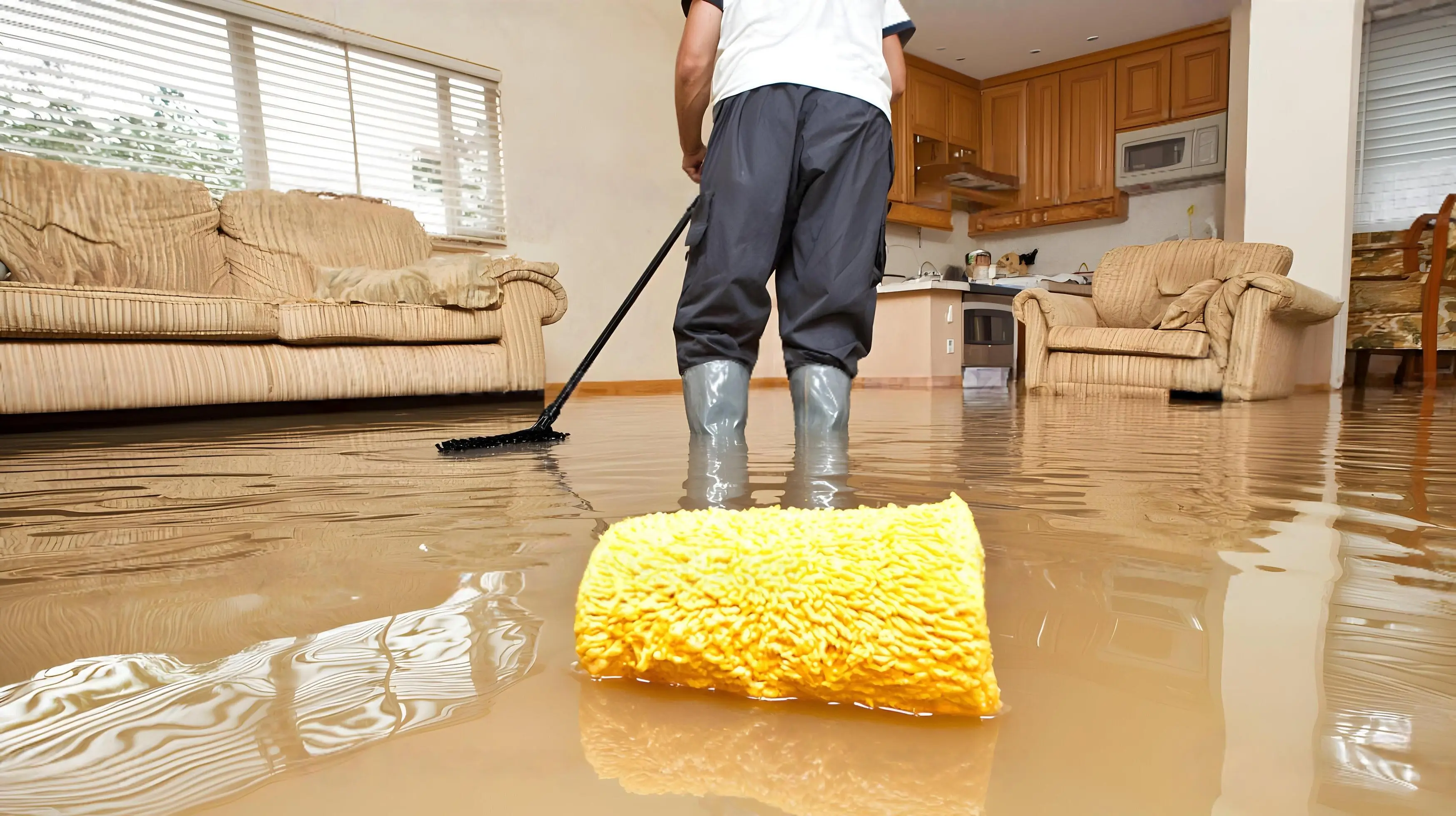
Water Damage Restoration
Burst pipes, storm flooding, standing water. We extract, dry, and restore before mold sets in.
Learn more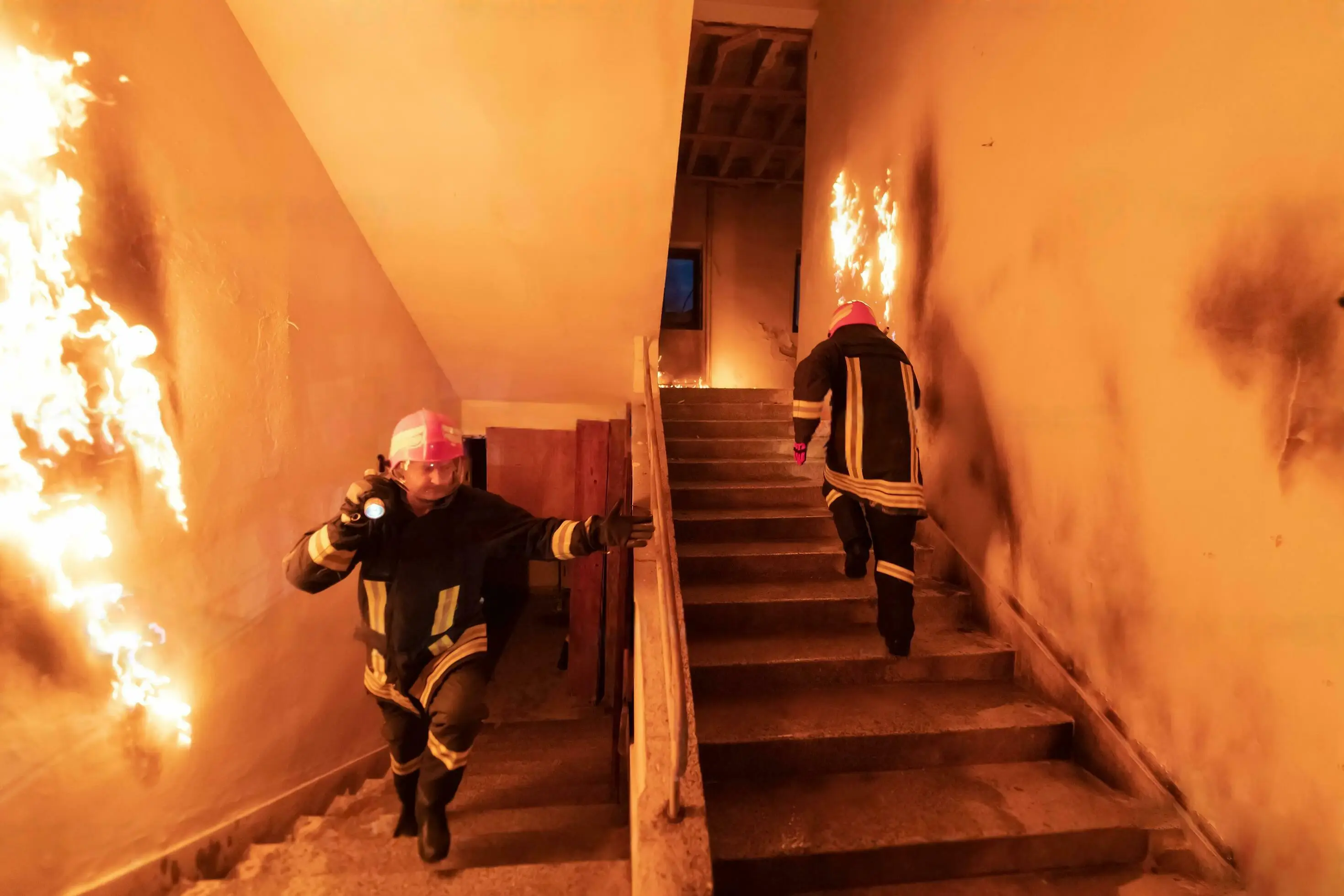
Fire Damage Restoration
Structural damage, soot, debris. We stabilize, clean, and rebuild what fire destroyed.
Learn more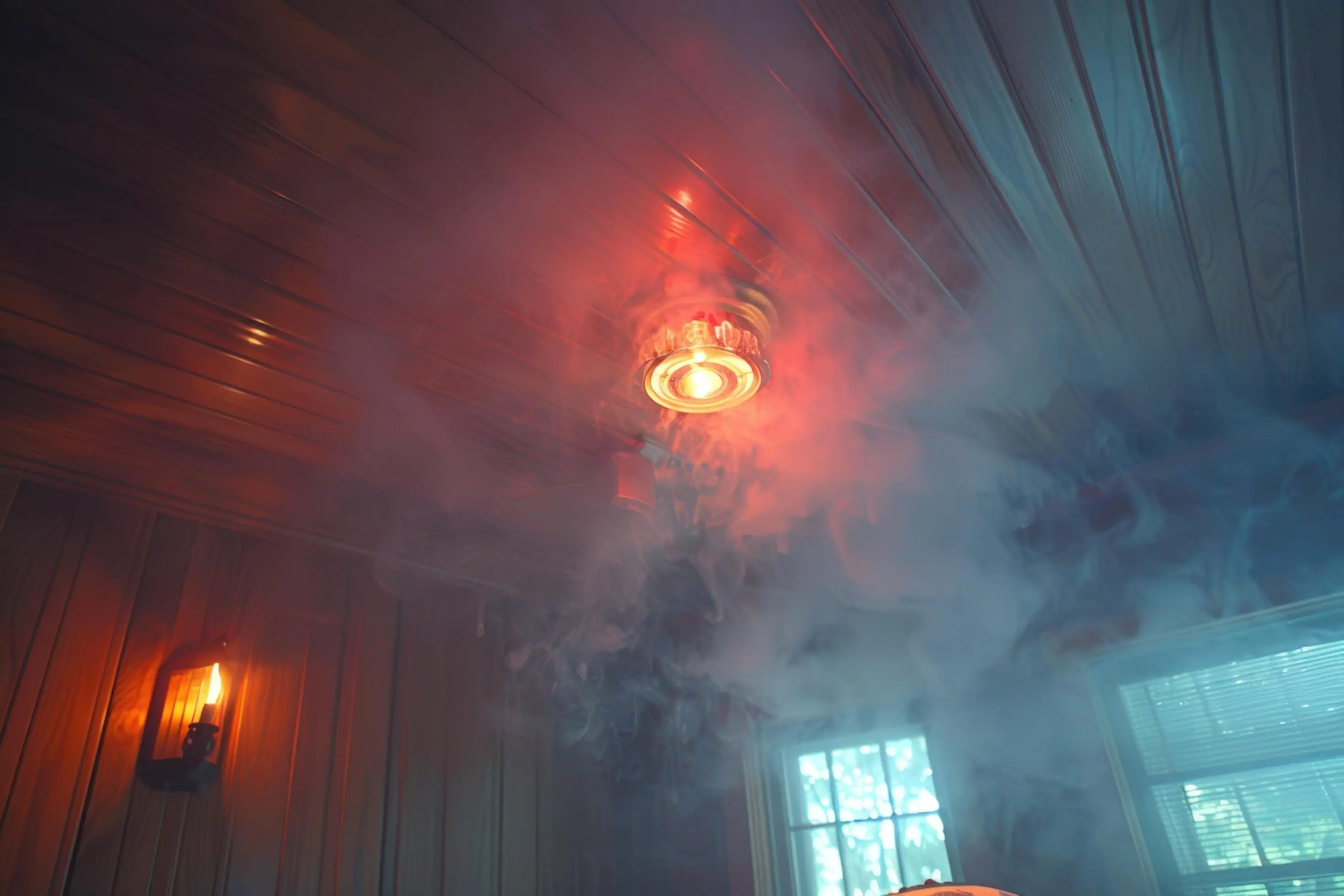
Smoke Damage Restoration
Soot residue, chemical odors, HVAC contamination. We decontaminate surfaces, eliminate odors, and restore air quality.
Learn more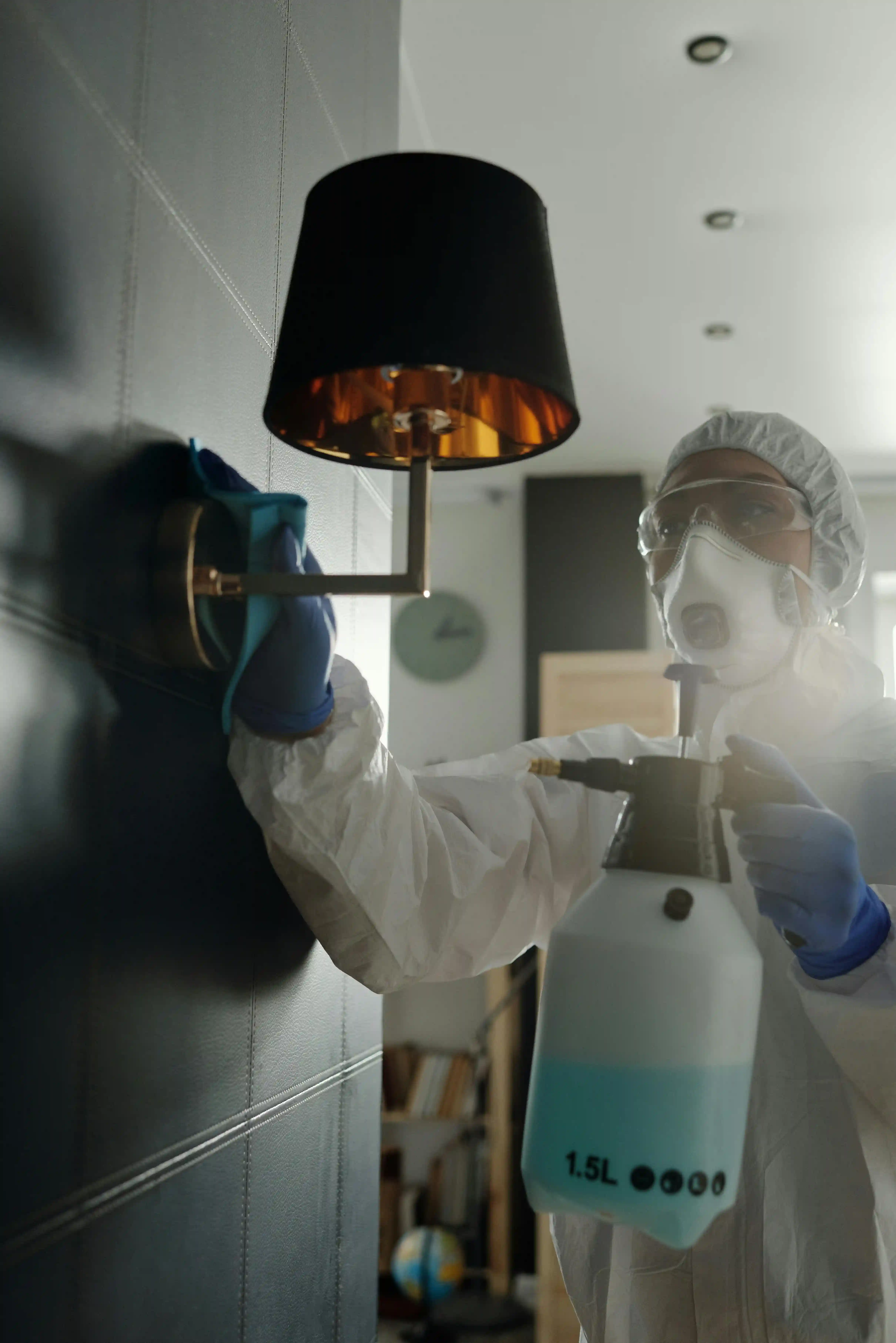
Mold Remediation
Testing, containment, removal, prevention. We find the source, eliminate the growth, and stop it from returning.
Learn moreNearby Service Areas
Also serving nearby: