
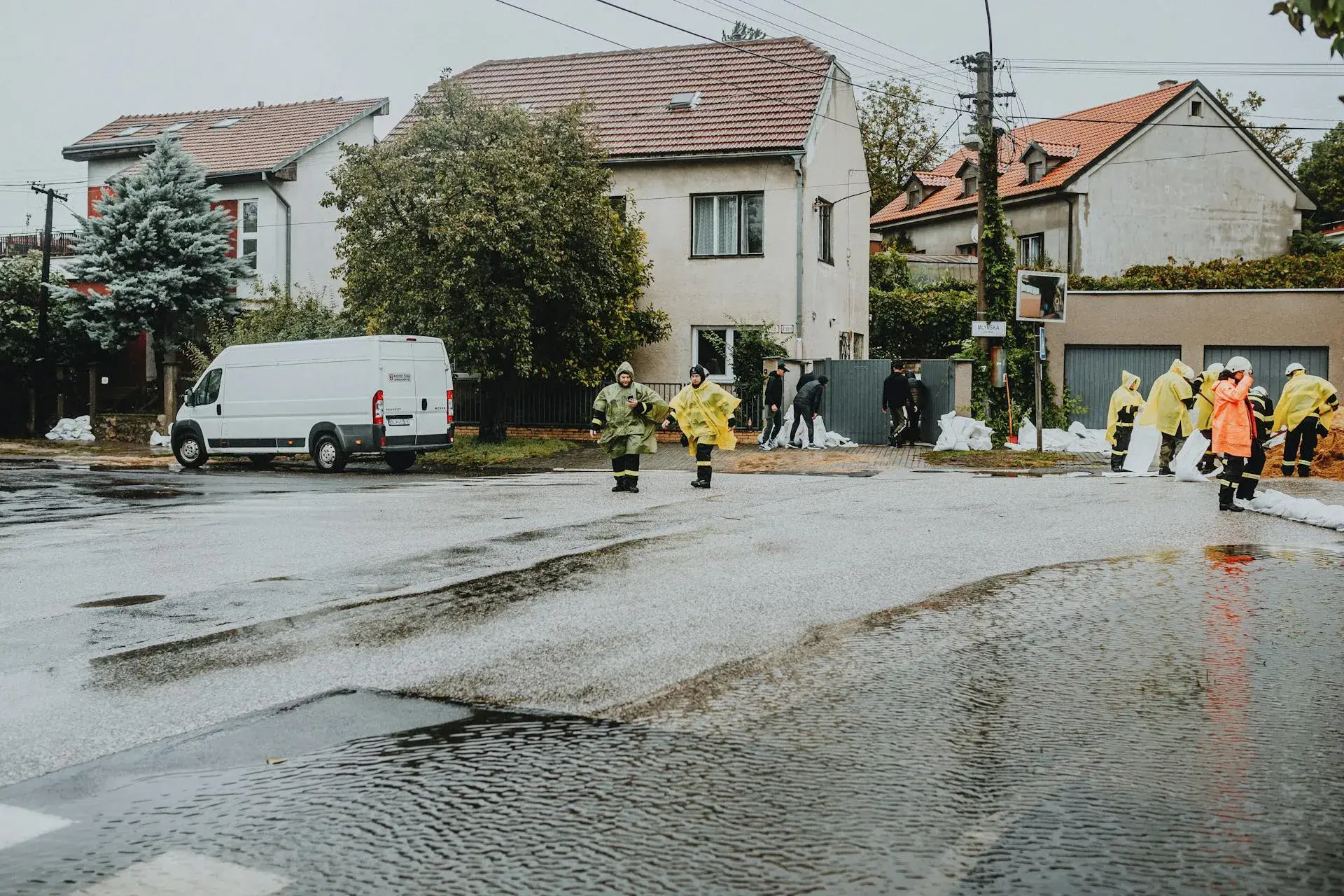
Sewage Cleanup in Palatine, IL
Sewage contamination creates an immediate health hazard. Every minute of exposure spreads bacteria, viruses, and pathogens deeper into your home's materials. Our local team responds to Palatine emergencies within 60 minutes with full contamination protocols.
What Happens When You Call
A real person answers immediately. We assess the contamination source, the extent of exposure, and begin coordinating your emergency response.
Your dedicated restoration team is dispatched from our local base serving Palatine and northwest Cook County with Category 3 contamination equipment.
Team arrives in full PPE with extraction equipment, antimicrobial solutions, and containment materials. Contamination control begins immediately.
Sewage extracted, contaminated materials identified for removal, antimicrobial treatment applied, restoration plan documented. You know exactly what comes next.
Sewage is in your home. This is not a situation that waits until morning or improves on its own. Every minute that contaminated water sits on your floors and wicks into your walls, bacteria multiply and the scope of materials that must be removed rather than cleaned expands. X Response exists for exactly this moment. When you reach out, your team is mobilized within minutes with the specialized equipment and contamination protocols this situation demands. Call now. Your team is standing by.
Why Palatine Homes Are Vulnerable to Sewage
Palatine operates a separated sewer system, meaning stormwater and sanitary waste travel in different pipes, unlike the combined sewer systems found in older parts of Cook County. However, this separation does not eliminate the risk of sewage-contaminated basement flooding. Sewage backups in Palatine occur through two distinct mechanisms. The first is sanitary sewer lateral failure: the pipe connecting your home to the municipal sanitary main can become blocked by tree root intrusion, grease accumulation, pipe collapse, or offset joints caused by ground settling. When that lateral blocks, sewage from your own home and potentially from neighbors sharing a common lateral backs up through basement floor drains, toilets, and laundry connections. The second mechanism is storm sewer surcharge during intense rainfall, which pushes water containing sediment, debris, and organic matter back through basement floor drains connected to the storm system.
The July 2011 storm that dropped more than 7 inches of rain on Palatine in under 24 hours exposed both failure modes simultaneously. Widespread power outages disabled sump pumps, storm sewers surcharged beyond capacity pushing water back into basements, and the sheer volume of water overwhelmed drainage infrastructure across the village. Residents reported to the village council that the flooding included both stormwater backup through floor drains and, in areas where the sanitary system was stressed, sewage-contaminated water entering through separate fixtures. The village's subsequent flooding mitigation efforts, including the $7 million Smith and Colfax stormwater project and the recommended overhead sewer conversions, acknowledge that below-grade plumbing connections remain vulnerable regardless of whether the system is separated. Any fixture or drain below the street level sewer grade can become a conduit for backflow during surcharge conditions.
Sanitary Lateral Failures and Root Intrusion
The sanitary sewer lateral is the pipe running from your home to the municipal main, typically 4 to 6 inches in diameter and constructed of clay tile, cast iron, or early PVC depending on when the home was built. In Palatine's 1960s and 1970s housing stock, many laterals are original clay tile with bell-and-spigot joints that have settled, separated, or cracked over 50 to 60 years. Tree roots seek these joints as moisture sources and penetrate the pipe, growing inside the line and gradually reducing flow capacity until a complete blockage forms. When the lateral blocks completely, sewage from every fixture in the home, toilets, showers, washing machines, and kitchen sinks, has nowhere to go except back up through the lowest fixtures in the house: basement floor drains, basement toilets, and laundry tubs. The result is raw sewage, not stormwater, containing human waste, bacteria, viruses, and household chemicals flooding the basement from the inside.
Storm Sewer Surcharge Through Floor Drains
During intense rainfall, Palatine's storm sewer system can fill faster than it drains. When the system reaches capacity, water under pressure backs up through any connected opening below the hydraulic grade line, primarily basement floor drains and sump pump connections that discharge into the storm system. This surcharge water is not raw sanitary sewage, but it is not clean water either. It carries sediment, road debris, organic material, lawn chemicals, pet waste, and anything else the storm system collected from streets, parking lots, and yards. The IICRC classifies this as Category 2 (gray water) or Category 3 (black water) depending on contamination level, and it requires professional extraction and antimicrobial treatment rather than simple drying. The July 2011 and subsequent storm events demonstrated that surcharge affects homes across the village, not just those in flood-prone areas, because the storm sewer system serves the entire community.
Below-Grade Fixtures and Overhead Sewer Solutions
Any plumbing fixture installed below the elevation of the nearest sewer main is vulnerable to backflow during surcharge conditions. In Palatine, this includes basement floor drains, basement bathrooms, laundry sinks, and any fixture connected below grade. The village recommends overhead sewer conversions and backwater valves as protective measures. An overhead sewer conversion raises the home's sewer connection above the basement floor level and installs a pump to lift waste from below-grade fixtures up to the overhead line. A backwater valve allows flow out of the home but closes automatically when backflow pressure occurs. Many Palatine homes built in the 1960s and 1970s predate these protective measures and connect directly to the sewer at or below the basement floor slab, leaving them exposed to every surcharge event. Retrofitting requires excavation and plumbing modification, but it eliminates the backflow pathway permanently.
Power Outages Disabling Ejector Pumps
Homes with below-grade bathrooms or laundry facilities typically use sewage ejector pumps to lift waste from these fixtures up to the sewer line. These pumps require electrical power. During the storms that cause sewer surcharge, power outages are common, as the July 2011 event demonstrated when thousands of Palatine homes lost electricity simultaneously. When the ejector pump loses power, below-grade fixtures cannot drain, and the ejector basin can overflow with both incoming sewage from the fixtures above (if residents continue using upper-floor plumbing unaware of the outage) and backflow from the surcharged system. The combination of a surcharged sewer and a dead ejector pump creates the worst-case scenario: contaminated water rising from both directions in the basement with no mechanical means to remove it until power is restored.
Contamination Categories and Health Hazards
The Institute of Inspection, Cleaning and Restoration Certification (IICRC) classifies sewage-contaminated water as Category 3, the most hazardous level. Category 3 water contains pathogenic bacteria including E. coli and fecal coliform, viruses including hepatitis and norovirus, parasites, and other biological contaminants that pose immediate health risks through contact, ingestion, or inhalation of aerosols. All porous materials that contact Category 3 water, including carpet, padding, drywall below the flood line, insulation, particleboard, and paper goods, must be removed and disposed of rather than cleaned and dried in place. Semi-porous materials like wood framing can be decontaminated with appropriate antimicrobial treatment if structurally sound, but the organic content absorbed during exposure must be killed and the surface sealed. The contamination classification drives the entire restoration protocol and makes sewage events fundamentally different from clean-water damage in scope, cost, and urgency.
Sewage in a Palatine home, whether from a sanitary lateral failure or a storm sewer surcharge event, creates an immediate health hazard that standard water damage protocols cannot address. The contamination level requires full PPE during extraction, removal of all porous materials that contacted the water, antimicrobial treatment of all remaining surfaces, and verification that pathogenic organisms have been eliminated before reconstruction begins. This is not a situation where a shop-vac and bleach are adequate. It requires professional contamination protocols executed by trained, equipped teams.
What Happens to Your Home While You Wait
Within 1 Hour
Sewage-contaminated water spreads across the basement floor and begins wicking into every porous material it contacts: drywall, baseboards, carpet and pad, cardboard storage, insulation exposed at the sill plate, and the base of wood-framed partition walls. Bacteria begin multiplying in the warm, nutrient-rich environment. In Palatine homes with finished basements, sewage travels beneath laminate flooring and behind wall panels, contaminating materials that appear dry from the living space side. The contamination zone expands with every minute the water sits.
1–24 Hours
Bacterial populations explode in the warm, organic-rich environment. Pathogenic organisms colonize every porous material the water touched. Sewage wicks upward through drywall, typically 1 to 2 inches per hour under standard conditions, expanding the zone of materials that must be removed rather than cleaned. Gases produced by decomposing organic matter create increasingly hazardous air quality in the enclosed basement space. The home becomes unsafe for unprotected occupants.
24–48 Hours
All porous materials below the high-water mark are fully contaminated and must be removed: carpet, pad, drywall to at least 12 inches above the visible water line, insulation, and any stored contents that contacted the water. The wicking zone in drywall has expanded well above the actual flood line. Structural wood at the sill plate and base of wall framing absorbs contaminated moisture. Microbial growth becomes visible on surfaces as bacteria and fungi compete for the organic material. The scope of demolition required increases substantially compared to same-day response.
48–72 Hours
Contamination migrates into wall cavities and begins affecting materials above the original flood line through both wicking and microbial growth spreading upward on damp surfaces. Mold colonies establish alongside bacterial contamination, creating a dual biological hazard. Gases from decomposition intensify. HVAC ductwork running through contaminated basement ceiling spaces becomes a secondary contamination pathway if the system runs. Wood framing begins deteriorating at contact points with contaminated water.
One Week and Beyond
Extensive biological contamination throughout the basement structure requiring gut-level demolition. Wood framing shows active decay at contact points. Metal fasteners and connectors corrode in the acidic environment. The scope of restoration has expanded from extraction and selective demolition to complete basement rebuild. Health hazards persist in the space and have likely spread to upper floors through HVAC system and natural air movement. Insurance claims become significantly more complex and contentious.
Sewage contamination worsens exponentially with time. Materials that could be decontaminated at 2 hours must be demolished at 24 hours. Contact X Response now. Our Palatine team responds within 60 minutes with full contamination protocols.
How We Restore Sewage-Damaged Palatine Homes
Sewage cleanup requires specialized contamination protocols that differ fundamentally from standard water damage restoration. The biological hazards demand specific PPE, extraction methods, and decontamination procedures. Here is exactly what the process involves for Palatine properties.
Emergency Assessment and Contamination Classification
Our team arrives in full personal protective equipment appropriate for Category 3 (black water) contamination: Tyvek suits, respirators, eye protection, and chemical-resistant gloves. Before entering the affected space, we assess the source: is this a sanitary sewer backup through the lateral, a storm sewer surcharge through floor drains, or an ejector pump failure? The source determines the contamination category and the downstream protocol. We map the affected area, identify all materials that contacted contaminated water, and document the scene thoroughly for your insurance claim. Everything is photographed and noted before any extraction or removal begins.
Sewage Extraction and Initial Decontamination
Contaminated water is extracted using specialized equipment designated for Category 3 events. This equipment is maintained separately from clean-water extraction tools to prevent cross-contamination between projects. In Palatine basements, we deploy submersible pumps for standing water and weighted extraction tools for carpeted areas, pulling as much contaminated liquid from materials as possible before removal begins. As extraction proceeds, we apply initial antimicrobial treatment to accessible surfaces to begin reducing pathogen loads immediately. If the backup source is still active, whether from an ongoing surcharge or an uncleared lateral blockage, we coordinate with the plumber or village utilities to resolve the source while managing the contamination already in the structure.
Contaminated Material Removal
All porous materials that contacted sewage are removed and disposed of: carpet, padding, drywall cut to at least 12 inches above the visible water line (higher if moisture meter readings indicate wicking above that point), fiberglass insulation, particleboard shelving, cardboard, paper goods, and any stored contents that cannot be decontaminated. Materials are bagged in sealed polyethylene within the work area and removed without passing through clean areas of the home. The demolition is guided by moisture meter readings, not visual appearance alone, because wicking moves contamination well above the visible water line in finished wall assemblies. In Palatine's typical finished basements, this means cutting drywall 18 to 24 inches above the flood line to ensure all contaminated material is captured.
Antimicrobial Treatment and Structural Decontamination
After contaminated materials are removed, all remaining structural surfaces, including concrete floor and walls, wood framing, subfloor panels, and mechanical/electrical components below the flood line, receive thorough antimicrobial treatment. EPA-registered biocides are applied at label rates to kill pathogenic organisms on semi-porous surfaces. Wood framing that is structurally sound receives antimicrobial treatment, HEPA vacuuming, and encapsulant application to seal any residual contamination. Concrete surfaces are treated and sealed. The entire space is then dried using commercial dehumidifiers and air movers to remove residual moisture and create conditions inhospitable to further microbial growth.
Verification and Clearance
Before the space is cleared for reconstruction, verification confirms that decontamination was successful. Moisture readings verify the structure has reached acceptable dry standards. Visual inspection confirms all contaminated materials have been removed and treated surfaces show no residual biological activity. ATP (adenosine triphosphate) testing may be used on treated surfaces to provide objective confirmation that microbial loads have been reduced to acceptable levels. Only after verification passes is the space released for reconstruction. Documentation of the entire process, from initial contamination through verified clearance, is provided for your insurance claim and your records.
The X Response Difference
Sewage cleanup requires specialized contamination protocols from start to finish. X Response brings Category 3-specific training, equipment, and procedures to every sewage event, with one team managing extraction, removal, decontamination, and verification.
Insurance Claim Guidance for Palatine Homeowners
Sewage backup coverage in Illinois requires a specific policy endorsement. Standard homeowner's policies do not cover sewer or drain backup unless you have purchased the endorsement, which is typically offered at additional premium. Many Palatine homeowners do not realize they lack this coverage until sewage is already in their basement. The endorsement, when present, often carries a sublimit (commonly $5,000 to $25,000) that may not cover the full cost of restoration for a finished basement. Storm sewer surcharge that enters through floor drains may fall under the sewer backup endorsement or may be classified differently depending on your carrier's policy language. Flood insurance (NFIP or private) covers rising water from external sources but typically does not cover sewer backup from the home's own lateral.
How X Response Helps
- Document the contamination source, extent, and affected materials with photos, moisture readings, and contamination category classification from the first hour
- Identify whether the backup came from the sanitary lateral, storm sewer surcharge, or ejector pump failure, as coverage may differ by source
- Provide detailed scope of work separating extraction, demolition, decontamination, and rebuild costs for your adjuster's review against your endorsement limits
- Document pre-loss condition of finished basement areas with any available photos or records to support replacement value claims
- Explain your policy's sewer backup endorsement limits and any gap between estimated restoration cost and coverage so you can plan accordingly
X Response does not file claims on your behalf, adjust claims, or make coverage determinations. We provide documentation and guidance to help you navigate the claims process. Coverage decisions are made solely by your insurance carrier.
Certified Restoration Specialists Serving Palatine
When you contact X Response for a sewage emergency in Palatine, your team arrives trained and equipped specifically for biohazard remediation. They understand the difference between storm sewer surcharge carrying sediment and debris versus sanitary sewer backup carrying raw human waste, and they apply the appropriate contamination protocols for each. They know how Palatine's separated sewer system functions during surcharge events, how the village's 1960s-era lateral connections fail, and how below-grade fixtures in finished basements create exposure pathways. They have managed sewage events throughout northwest Cook County during major storm surcharges and during isolated lateral failures on dry days.
Every technician holds current IICRC certification including the Applied Microbial Remediation Technician (AMRT) credential and bloodborne pathogen training. Full personal protective equipment, including respirators, chemical-resistant suits, and eye protection, is standard for every sewage response. Extraction equipment is dedicated to Category 3 events and maintained separately from clean-water tools. Antimicrobial solutions, containment materials, and verification testing equipment are carried on every response vehicle.
In Palatine, X Response works with Scene Cleaners, an independent local restoration partner serving Cook County.
Sewage Cleanup FAQ for Palatine Homeowners
Other Emergency Services in Palatine
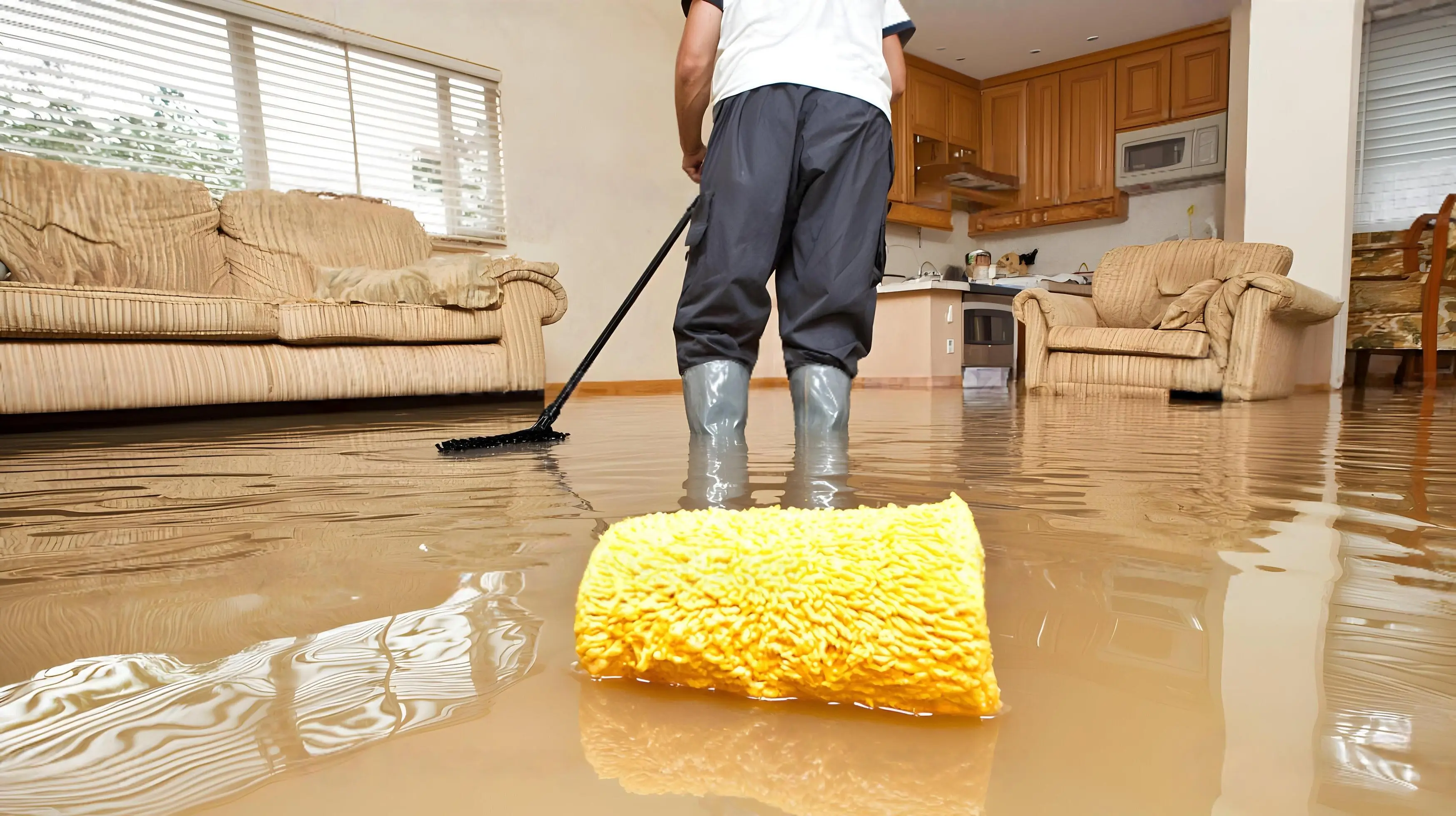
Water Damage Restoration
Burst pipes, storm flooding, standing water. We extract, dry, and restore before mold sets in.
Learn more
Fire Damage Restoration
Structural damage, soot, debris. We stabilize, clean, and rebuild what fire destroyed.
Learn more
Smoke Damage Restoration
Soot residue, chemical odors, HVAC contamination. We decontaminate surfaces, eliminate odors, and restore air quality.
Learn more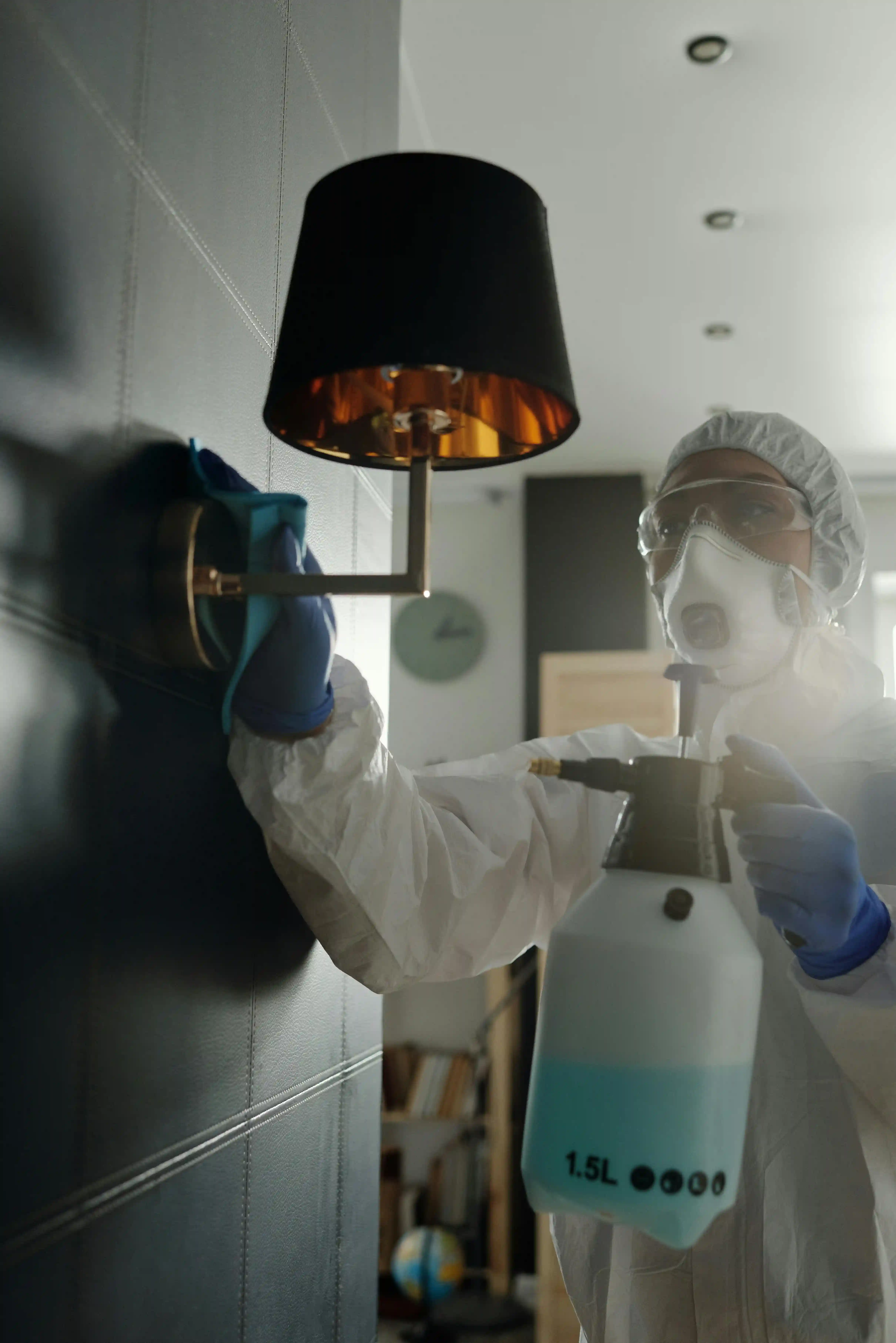
Mold Remediation
Testing, containment, removal, prevention. We find the source, eliminate the growth, and stop it from returning.
Learn moreNearby Service Areas
Also serving nearby: