
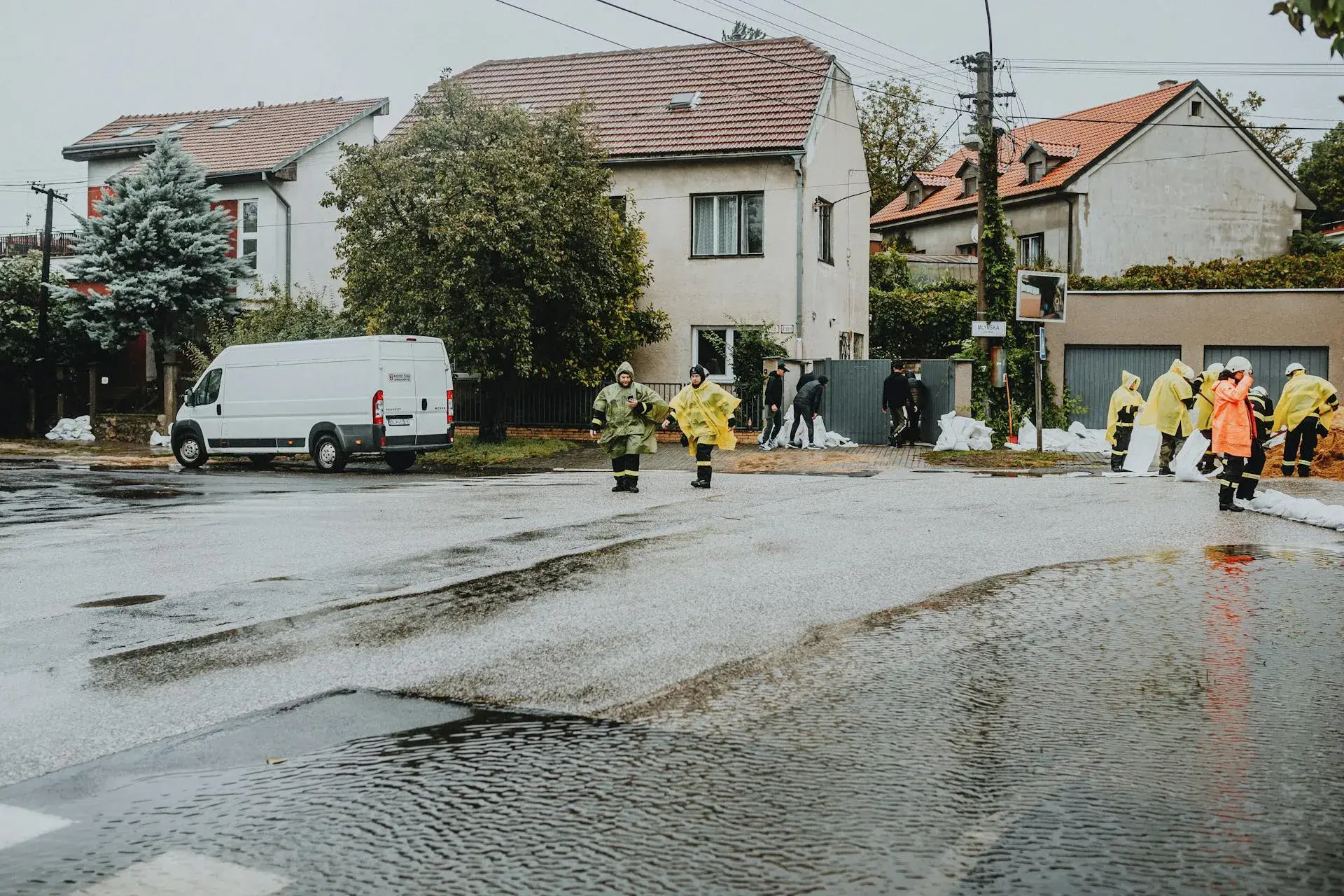
Sewage Cleanup in Roselle, IL
Sewage contains dangerous bacteria, viruses, and parasites that pose immediate health risks. Every hour of delay increases contamination spread and structural damage. Our local team responds within 60 minutes.
What Happens When You Call
A real person answers, not a call center. We assess your situation, ask the right questions, and begin coordinating your response immediately.
Your dedicated decontamination team is dispatched from our local base serving Roselle and the surrounding DuPage County communities.
Team arrives with extraction equipment, PPE, antimicrobial agents, and containment materials. Emergency sewage removal begins immediately.
Sewage extracted, contaminated materials removed, decontamination underway, restoration plan documented. You know exactly what comes next.
Sewage is in your home and everything it touches becomes a health hazard. This is not a situation where you can wait for a callback, schedule an appointment for next week, or attempt cleanup with household products. X Response exists for exactly this moment. When you reach out, your decontamination team is mobilized within minutes and on site within the hour. From that point forward, one team manages everything: extraction, decontamination, material removal, structural drying, and insurance documentation. You are never left guessing about the next step. Call now. Your team is standing by.
Why Roselle Homes Are Vulnerable to Sewage
Roselle is a village of approximately 22,900 residents in DuPage County, Illinois, located 24 miles west of downtown Chicago in Bloomingdale Township. The village's sanitary sewer infrastructure dates primarily to the 1960s through 1980s installation period, serving homes built during the same era's suburban expansion. Roselle operates a separate sanitary sewer system distinct from its storm drainage, meaning that sanitary sewage and stormwater travel through different pipe networks rather than sharing a combined system. However, the age of the village's sanitary infrastructure means that inflow and infiltration, where groundwater and stormwater enter the sanitary system through cracks, failed joints, and deteriorated pipe walls, effectively acts as a partial combination during heavy rainfall. When sustained regional storms saturate the glacial-till soils and raise the groundwater table, this infiltration can overwhelm the sanitary sewer's capacity and cause backups into homes through basement floor drains, laundry standpipes, and lower-level plumbing fixtures.
In 1987, the Illinois Environmental Protection Agency committed nearly $1 million to help Roselle rehabilitate its sewage treatment system after the August storm overwhelmed the system's capacity. In 1990, the village began reconstruction and expansion of the Botterman Wastewater Treatment Plant, a project significant enough to require raising residential sewer and water fees by $8.76 per month to fund it. Despite these upgrades, Roselle's underground sewer infrastructure has continued aging. In July 2025, the Village Board directed staff to pursue engineering for a comprehensive $5.1 million rebuild of the northwest 'triangle' area, citing repeated water main failures and aging underground infrastructure that includes sanitary sewer lines. In March 2026, the Board approved a $4.12 million contract to replace water main and sanitary sewer infrastructure in additional areas. These ongoing capital projects confirm that significant portions of Roselle's underground sanitary sewer system remain original 1960s and 1970s installation that has reached the end of its functional lifespan, creating backup risk that the village is actively working to address through systematic replacement.
Aging Sanitary Sewer Infrastructure and Inflow/Infiltration
Roselle's sanitary sewer system was installed primarily during the 1960s through 1980s as the village developed from a small railroad community into a fully built suburban village. The original clay and early-PVC sewer mains and residential laterals have been in service for 45 to 65 years, well beyond the typical design lifespan for clay pipe. Over decades of ground movement, frost heave cycles, root intrusion, and soil settlement, these pipes develop cracks, separations at joints, and root infiltration that allow groundwater to enter the sanitary system. During dry weather, this infiltration is minimal and the system operates within capacity. During sustained heavy rainfall when the groundwater table rises, infiltration volume can multiply many times over, effectively filling the sanitary sewer's remaining capacity with groundwater and leaving no room for actual sanitary flow from homes. When the system reaches capacity, sewage has nowhere to go but backward through the path of least resistance: basement floor drains, shower drains, toilet connections, and laundry standpipes that sit at or below the sewer main elevation. The village's ongoing $5.1 million and $4.12 million infrastructure replacement programs directly address this problem by replacing deteriorated mains and laterals that allow infiltration, but the work proceeds section by section and the portions not yet replaced continue operating in their compromised condition.
Residential Sewer Laterals and Root Intrusion
The sewer lateral connecting each Roselle home to the village main is the homeowner's responsibility to maintain, yet most homeowners are unaware of its condition until a backup occurs. Original clay sewer laterals installed in the 1960s and 1970s develop multiple failure modes over their lifespan: bell-and-spigot joints separate as soil settles, allowing roots to enter; the clay pipe itself cracks under changing soil pressure; tree roots grow through joint separations and expand inside the pipe, gradually reducing flow capacity until a complete blockage occurs. Mature trees planted near sewer lines during the same era the homes were built now have root systems that extend 20 to 40 feet in every direction, with roots that actively seek the moisture and nutrients inside sewer pipes through any available opening. A lateral that is partially obstructed by roots may function acceptably during normal flow conditions but block completely when demand increases, such as when multiple fixtures discharge simultaneously or when the main sewer is already pressurized by infiltration during a storm. The backup occurs suddenly: a homeowner runs the washing machine or flushes a toilet and raw sewage rises through the basement floor drain or shower because the partially blocked lateral cannot convey the additional flow while the main is already at capacity.
Basement Floor Drain Backflow in Homes Without Prevention Devices
Most Roselle homes built before the 1990s have basement floor drains that connect directly to the sanitary sewer with no backflow prevention device installed. These drains were designed to remove incidental water from the basement, such as water heater overflow, laundry spills, or minor seepage, by gravity-draining into the sanitary system. The same gravity connection that allows water to flow out also allows sewage to flow in when the system is pressurized by downstream blockage, main line surcharging, or capacity overload during storms. When the sanitary sewer main reaches capacity and begins surcharging, hydraulic pressure forces sewage backward through the lowest connected point in the system, which is typically the basement floor drain. Raw sewage rises through the drain and floods the basement floor, contaminating everything it contacts. Overhead sewer conversions, which relocate basement plumbing above the sewer main elevation and install a check valve and ejector pump for below-grade fixtures, are the permanent solution. However, these conversions cost $8,000 to $15,000 or more and many Roselle homeowners have not made the investment, leaving their basements vulnerable to sewer backup every time the system is stressed by heavy rainfall or downstream blockage.
Storm-Driven Sewer Surcharging During Regional Rainfall
Roselle's separate sanitary sewer system is designed to convey domestic wastewater only, with stormwater handled by a separate drainage network. However, the age and condition of the sanitary system means that heavy rainfall produces significant inflow and infiltration that effectively converts portions of the sanitary sewer into a de facto combined system during major storms. The August 1987 event that dropped 9.35 inches of rain across DuPage County overwhelmed Roselle's sewage treatment capacity so completely that the Illinois EPA committed nearly $1 million for system rehabilitation. While the subsequent Botterman Wastewater Treatment Plant expansion addressed treatment capacity, the collection system of underground pipes that feeds the plant continues to admit groundwater through deteriorated joints and cracked pipes during wet weather. Every major regional storm event creates a period of elevated sewer backup risk for Roselle homeowners, particularly those in lower-elevation areas near Springbrook Creek where the groundwater table rises highest and the sanitary sewer mains experience the greatest infiltration pressure. The correlation between heavy rainfall and sewer backups is so consistent in affected neighborhoods that some residents have learned to anticipate backup risk based on weather forecasts and rainfall intensity.
Contamination Classification and Health Hazard Severity
Sewage backup into a home constitutes Category 3 water under the IICRC S500 standard, also called black water, which carries the highest contamination level and the most stringent cleanup requirements. Category 3 water contains pathogenic bacteria including E. coli and Salmonella, viruses including hepatitis A and norovirus, parasites including Giardia and Cryptosporidium, and other biological contaminants that pose immediate health risks through skin contact, ingestion, or inhalation of contaminated aerosols. In Roselle basements where sewage contacts porous materials like carpet, pad, drywall, wood paneling, insulation, and stored belongings, those materials are classified as non-salvageable regardless of how quickly cleanup begins. The contamination penetrates into the material at a level that no amount of cleaning or disinfection can render safe for continued human contact. Non-porous materials like concrete floors, metal surfaces, and sealed wood can be decontaminated with EPA-registered biocidal agents when treated promptly, but porous materials in contact with Category 3 water must be removed and disposed of as contaminated waste. The health risk to occupants begins the moment sewage enters the home and increases as bacteria multiply in the warm, nutrient-rich environment, with airborne contamination risk escalating as the sewage begins evaporating and releasing bioaerosols into the indoor air.
These factors create a village where sewage backup results from the interaction between aging underground infrastructure that admits groundwater during storms, residential sewer laterals compromised by decades of root intrusion and soil settlement, basement floor drains connected directly to the sewer without backflow prevention, regional rainfall events that surge infiltration into a system already operating near capacity, and the severe health hazard classification that raw sewage contamination carries. Effective sewage cleanup in Roselle requires immediate response to limit contamination spread, proper PPE and biocidal protocols to protect workers and occupants, removal of all porous materials contacted by sewage regardless of how minor the contact appears, thorough decontamination of retained surfaces, and structural drying to prevent mold colonization on the moisture that sewage leaves behind.
What Happens to Your Home While You Wait
Within 1 Hour
Sewage spreads across basement floors following gravity to the lowest points. It wicks into carpet pad, the base of drywall, wood paneling, and any porous material it contacts. Bacteria begin multiplying rapidly in the warm, nutrient-rich medium. In Roselle basements with finished living spaces, sewage contacts expensive materials immediately: engineered flooring, carpet, drywall, built-in cabinetry, and stored belongings. The contamination boundary expands with every minute as sewage continues flowing through the backed-up drain or lateral. Airborne contamination risk is present from the moment sewage enters the space, as disturbing the surface releases bioaerosols containing pathogenic organisms.
1–24 Hours
Bacterial populations in the contaminated area multiply exponentially in the warm, humid basement environment. Porous materials absorb contamination deeper as capillary action draws the liquid upward through drywall, into wood grain, and through carpet backing into the pad and subfloor beneath. Hydrogen sulfide and methane gas concentrations build in enclosed basement spaces, creating both health hazards and potential explosion risk in poorly ventilated areas. The odor becomes overwhelming and permeates upper floors through the HVAC system and natural air movement. Any porous material that has contacted the sewage for more than a few hours is already non-salvageable under IICRC S500 Category 3 protocols, but the contamination boundary continues expanding beyond the visible wet footprint.
24–48 Hours
Mold colonization begins on sewage-contaminated surfaces, compounding the biological hazard. The combination of moisture, warmth, and organic nutrients from the sewage creates ideal conditions for rapid mold germination and growth. Structural wood at sill plates and bottom plates absorbs contamination that may require removal if not treated within this window. The contaminated area releases increasing concentrations of bioaerosols, volatile organic compounds, and decomposition gases that make the space increasingly hazardous to enter without proper respiratory protection. Secondary contamination occurs on surfaces above the waterline as bacteria and mold spores become airborne and settle on previously clean areas.
48–72 Hours
Extensive mold growth combines with ongoing bacterial contamination to create a severe indoor air quality hazard. Structural wood shows discoloration and early saturation where contamination has penetrated beyond the surface. The restoration scope expands significantly as materials that might have been decontaminated at 24 hours now require removal. DuPage County summer humidity prevents natural drying and accelerates biological growth throughout the contaminated zone. HVAC systems that drew air from the contaminated space without being isolated now contain biological contamination in the ductwork that requires separate decontamination.
One Week and Beyond
Severe biological contamination throughout the affected area and secondary contamination in other parts of the home via HVAC distribution and airborne migration. Structural wood may show early decay from combined moisture and biological activity. The scope shifts from targeted cleanup to major demolition and reconstruction of affected areas. Insurance claims become significantly more complex and costly as the originally limited backup event produces damage equivalent to a major flood. The distinction between a prompt cleanup costing several thousand dollars and a delayed response costing tens of thousands is defined by the first 24 to 48 hours of response time.
Sewage contamination is not a wait-and-see situation. Every hour of delay increases health risk, expands the contamination boundary, and escalates restoration cost. Contact X Response now. Our Roselle team responds within 60 minutes with full PPE and decontamination capability.
How We Restore Sewage-Damaged Roselle Homes
From the moment our team arrives, every step is documented, measured, and verified. Here is exactly what the sewage cleanup process involves for Roselle properties.
Emergency Assessment and Contamination Containment
Our team arrives in full PPE including Tyvek suits, respiratory protection, eye protection, and chemical-resistant gloves. The first priority is stopping the inflow if the backup is ongoing: we identify whether the source is a blocked lateral, a surcharging main, or a failed ejector pump, and address the immediate cause of continued flow. We then establish a contamination boundary, isolating the affected area from clean portions of the home by sealing doorways, shutting down the HVAC system to prevent airborne distribution, and placing warning markers at the contamination perimeter. Every surface contacted by sewage is documented with photos and mapped on a floor plan. The contamination classification (Category 3 black water under IICRC S500) determines that all porous materials within the affected boundary will require removal regardless of visual condition.
Sewage Extraction and Contaminated Material Removal
Standing sewage is extracted using specialized equipment designed for biohazardous material, with all extracted waste disposed of according to Illinois environmental regulations. Once standing liquid is removed, contaminated porous materials are cut out and removed: carpet and pad, drywall to a minimum of 12 inches above the visible waterline (because wicking draws contamination above the standing water level), insulation behind walls, wood paneling, and any other absorbent material that contacted the sewage. In Roselle basements where finished walls cover concrete block foundations, we remove drywall or paneling to expose the concrete surface for direct decontamination. All removed materials are double-bagged in contractor bags and disposed of as contaminated waste. Salvageable belongings that sat above the contamination line are moved to a clean staging area; items below the contamination line are photographed, inventoried for the insurance claim, and disposed of.
Decontamination and Biocidal Treatment
Every retained surface in the affected area, including concrete floors, concrete block or poured foundation walls, exposed wood framing, metal surfaces, and sealed materials that resisted absorption, is treated with EPA-registered biocidal agents formulated to eliminate the bacterial, viral, and parasitic organisms present in Category 3 water. Treatment is applied at manufacturer-specified concentrations and contact times, not simply sprayed and wiped. Wood framing at sill plates and bottom plates is inspected for contamination absorption; if the contamination penetrated beyond the surface layer, the affected wood is removed and replaced. The concrete slab and foundation walls are scrubbed, treated, and re-treated to ensure full biocidal coverage of the porous concrete surface. HEPA air scrubbers run continuously during decontamination to capture airborne bioaerosols and particulates released during the cleaning process.
Structural Drying
After decontamination, the exposed structure must be dried to acceptable moisture levels before reconstruction can begin. Commercial dehumidifiers and air movers are deployed to dry concrete walls, the slab perimeter, exposed wood framing, and any retained materials. In Roselle basements where glacial-till soils hold moisture against exterior foundation walls, the drying phase requires sustained dehumidification as the concrete continues releasing moisture absorbed from both the sewage event and the surrounding soil. We monitor moisture levels daily with professional meters and adjust equipment placement until readings confirm the structure is dry enough to support new materials without creating conditions for mold growth. Rushing this phase by installing new drywall or flooring over damp concrete creates a mold problem within weeks that requires the new materials to be removed and the process restarted.
Verification, Documentation, and Completion
Before releasing the space for reconstruction, we conduct final inspection of all treated surfaces, verify moisture readings throughout the affected area, and may perform air quality testing to confirm that airborne biological contamination has returned to acceptable levels. You receive a complete remediation report including the contamination source identified, the Category 3 classification documentation, photos of the affected area before and after remediation, a list of all materials removed, the biocidal products and protocols used, final moisture readings, and any air quality test results. This documentation package supports your insurance claim and demonstrates that proper protocols were followed throughout the cleanup process.
The X Response Difference
When you contact X Response, you get a dedicated decontamination team that treats sewage cleanup as the biohazard event it is, not as a routine water damage call. One team, full PPE, proper protocols, complete documentation, from extraction through verified completion.
Insurance Claim Guidance for Roselle Homeowners
Sewage backup coverage in Illinois homeowner's policies requires a specific endorsement that is not included in standard coverage. The base policy covers sudden and accidental water damage from sources like burst pipes and appliance failures, but sewer backup, which enters from outside the home through the municipal system or a failed lateral, is a named exclusion unless you purchased a sewer backup endorsement. In Roselle, where sewer backup risk correlates with heavy rainfall events that stress the aging sanitary infrastructure, this coverage gap affects many homeowners who do not discover it until sewage is standing in their basement. Sewer backup endorsements typically carry sublimits of $5,000 to $25,000 depending on the policy, which may or may not cover the full cost of remediation depending on how extensive the contamination is and how quickly cleanup begins. The endorsement also typically covers the cost of an overhead sewer conversion or backflow prevention device installation as part of the claim, providing permanent protection against future events.
How X Response Helps
- Verify whether your policy includes a sewer backup endorsement before filing, as the base policy excludes this type of loss
- Document the contamination source clearly, distinguishing between a sewer backup from the municipal system and an interior plumbing failure, because they trigger different coverage
- Photograph and inventory all contaminated materials before removal, because Category 3 protocol requires disposal of materials your adjuster may not see before they are gone
- Document the Category 3 classification and the biocidal protocols used, because proper remediation costs more than simple water extraction and your claim should reflect the actual work required
- Include overhead sewer conversion or backflow prevention device installation in your claim if your endorsement covers it, as most carriers allow preventive improvements after a loss
X Response does not file claims on your behalf, adjust claims, or make coverage determinations. We provide documentation and guidance to help you make informed decisions about your property and your policy. Coverage decisions are made solely by your insurance carrier.
Certified Restoration Specialists Serving Roselle
When you contact X Response for sewage cleanup in Roselle, your team is drawn from certified professionals trained specifically in biohazardous material handling and Category 3 water restoration. They understand the specific sewage backup dynamics in Roselle: how the aging sanitary infrastructure interacts with heavy rainfall to produce surcharging events, which neighborhoods sit at elevations most vulnerable to backup, how the village's ongoing infrastructure replacement program is addressing the problem area by area, and how Roselle's 1960s-to-1980s housing stock with basement floor drains connected directly to the sewer creates the entry pathway that backflow prevention would eliminate. They arrive in full PPE with commercial extraction equipment rated for biohazardous material, EPA-registered biocidal agents, containment supplies, and the documentation tools to build your insurance case from the first hour.
Every technician on your team holds current IICRC certification in water damage restoration with additional training in biohazardous material handling and Category 3 decontamination protocols. Equipment is commercial-grade and designated exclusively for sewage and biohazard work to prevent cross-contamination with other restoration projects. When your team arrives, they bring everything needed to begin safe extraction immediately: submersible pumps with biohazard-rated discharge, weighted extractors for contaminated carpet, full-face respiratory protection, disposable Tyvek protective suits, chemical-resistant boots and gloves, and the antimicrobial agents specified by EPA registration for pathogen elimination on porous and non-porous surfaces.
In Roselle, X Response works with Scene Cleaners, an independent local restoration partner serving DuPage County.
Sewage Cleanup FAQ for Roselle Homeowners
Other Emergency Services in Roselle
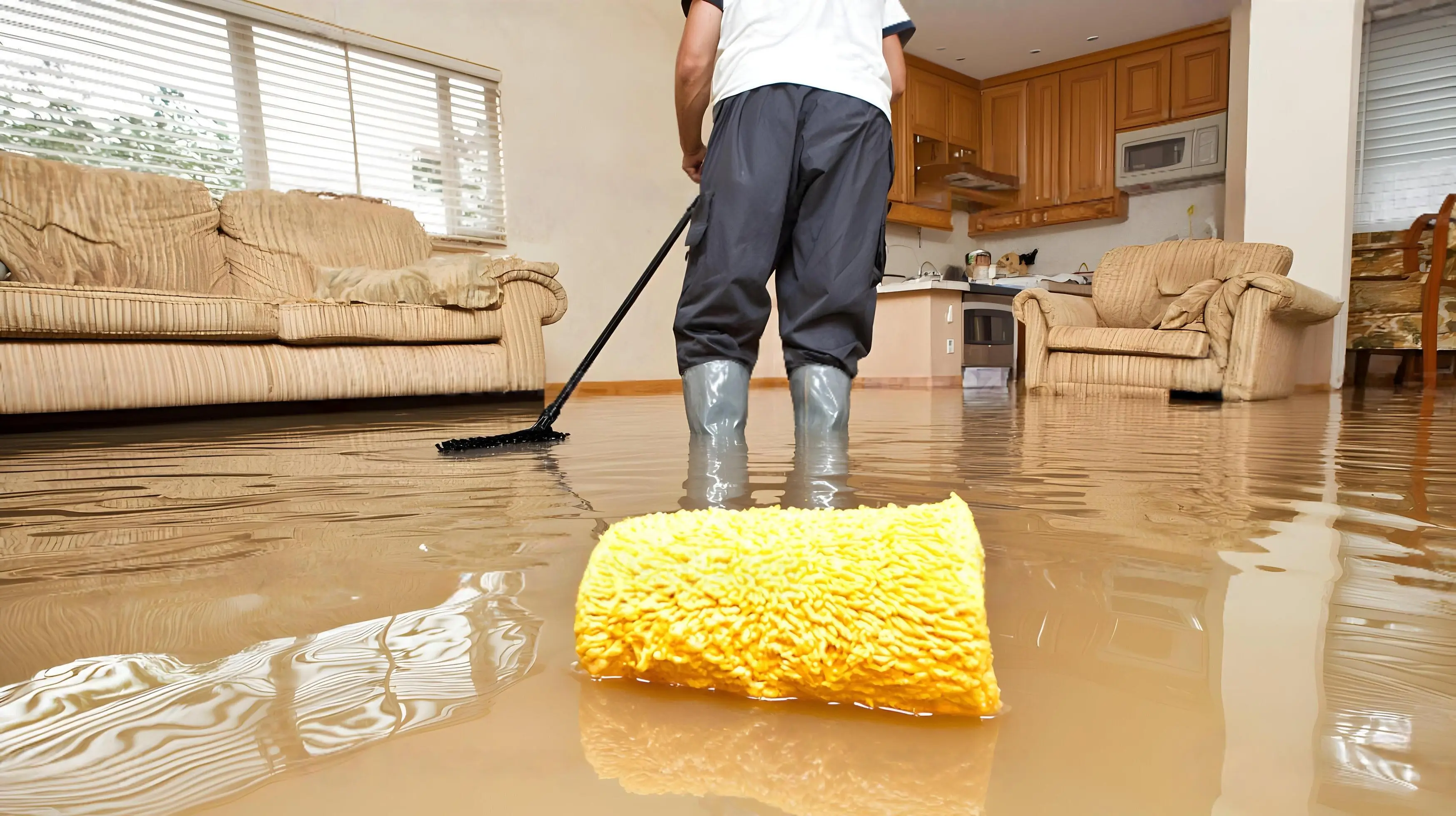
Water Damage Restoration
Burst pipes, storm flooding, standing water. We extract, dry, and restore before mold sets in.
Learn more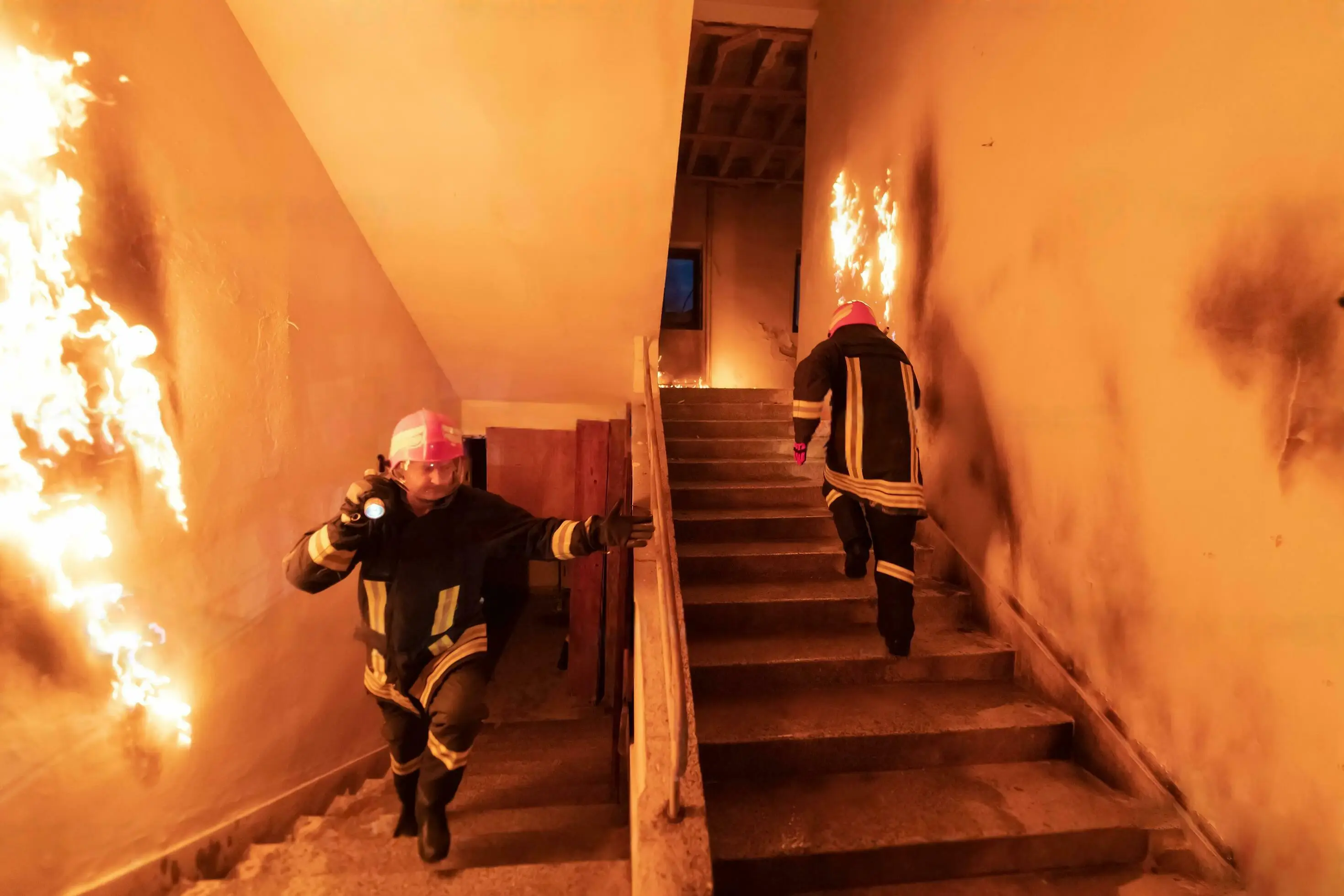
Fire Damage Restoration
Structural damage, soot, debris. We stabilize, clean, and rebuild what fire destroyed.
Learn more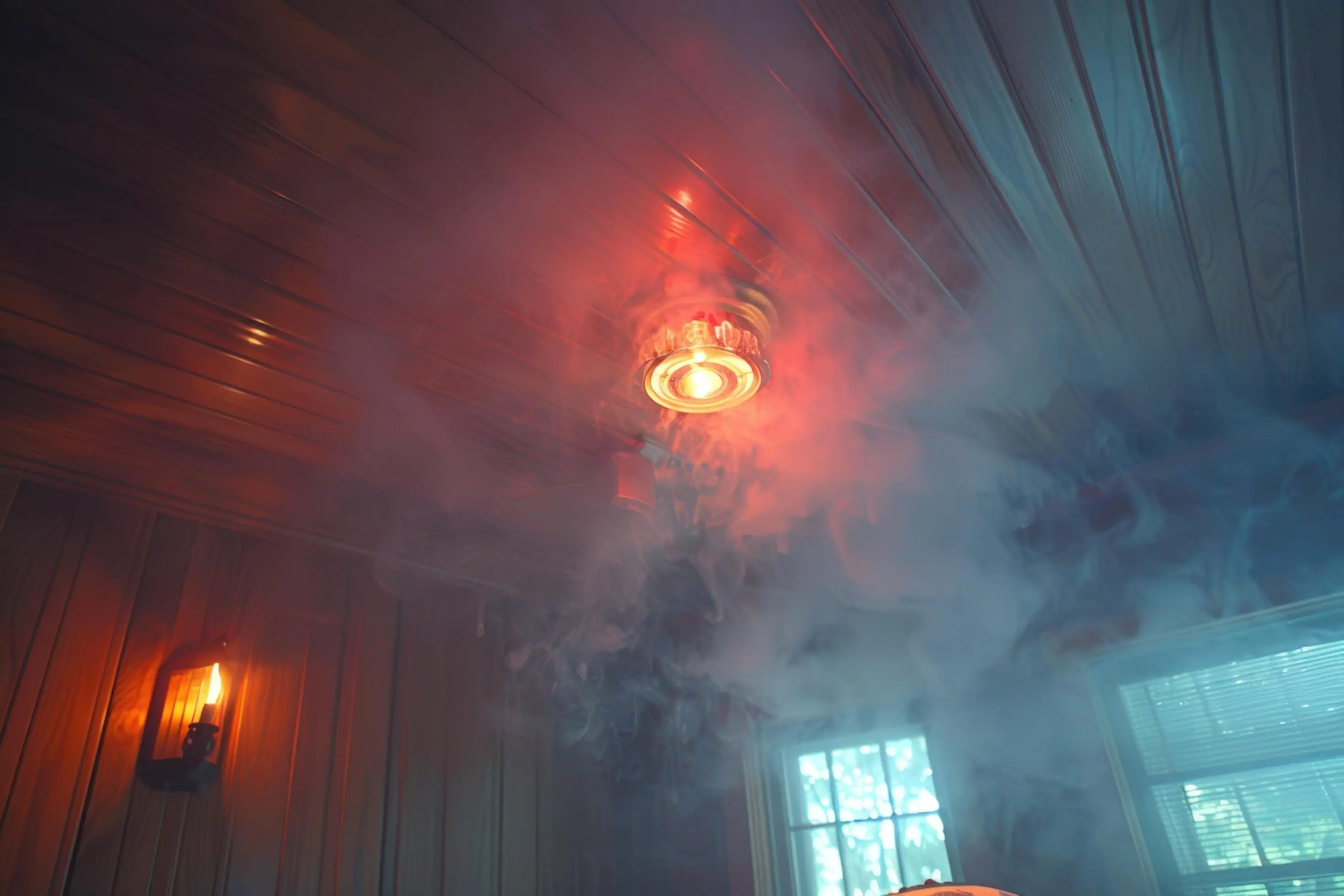
Smoke Damage Restoration
Soot residue, chemical odors, HVAC contamination. We decontaminate surfaces, eliminate odors, and restore air quality.
Learn more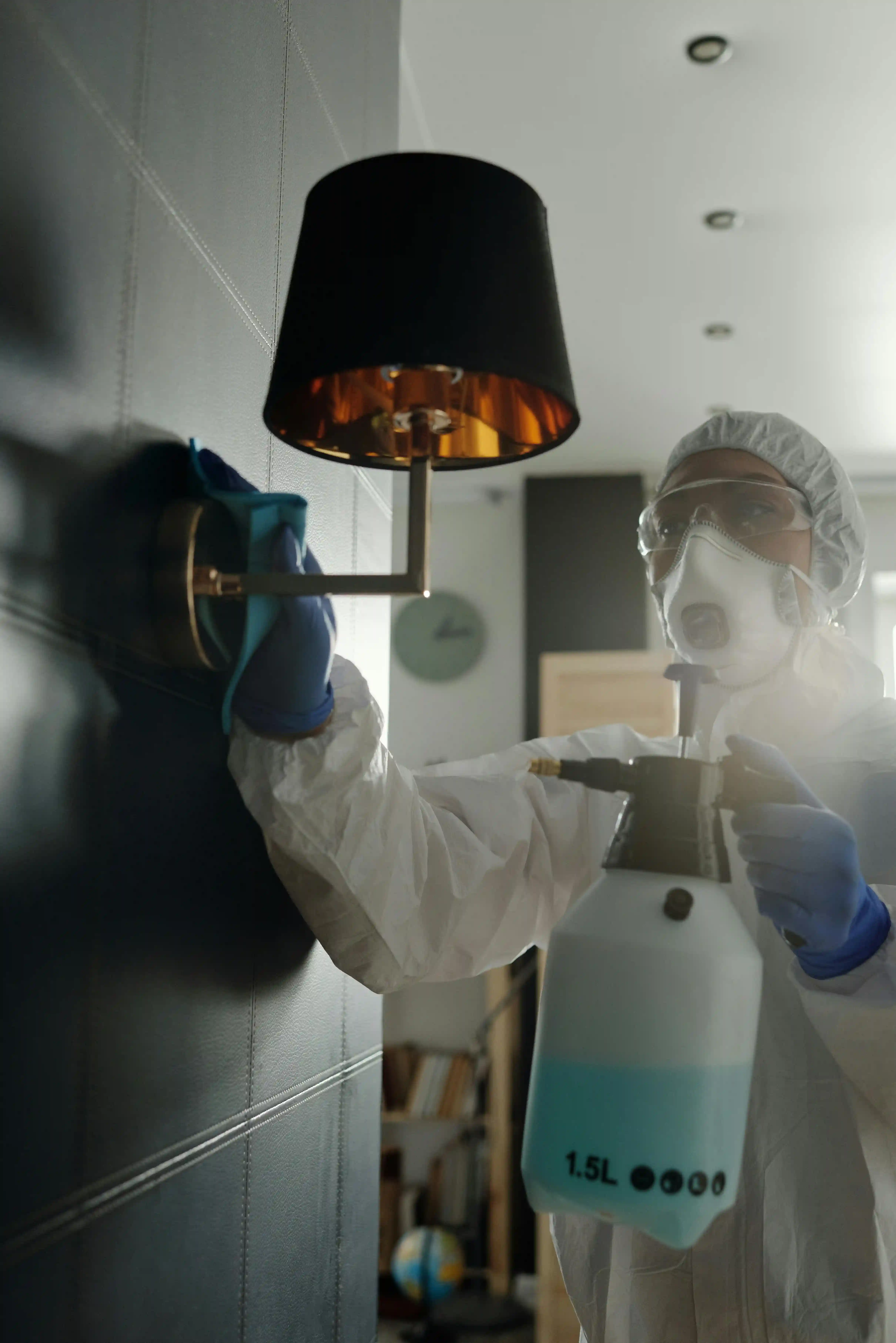
Mold Remediation
Testing, containment, removal, prevention. We find the source, eliminate the growth, and stop it from returning.
Learn more