
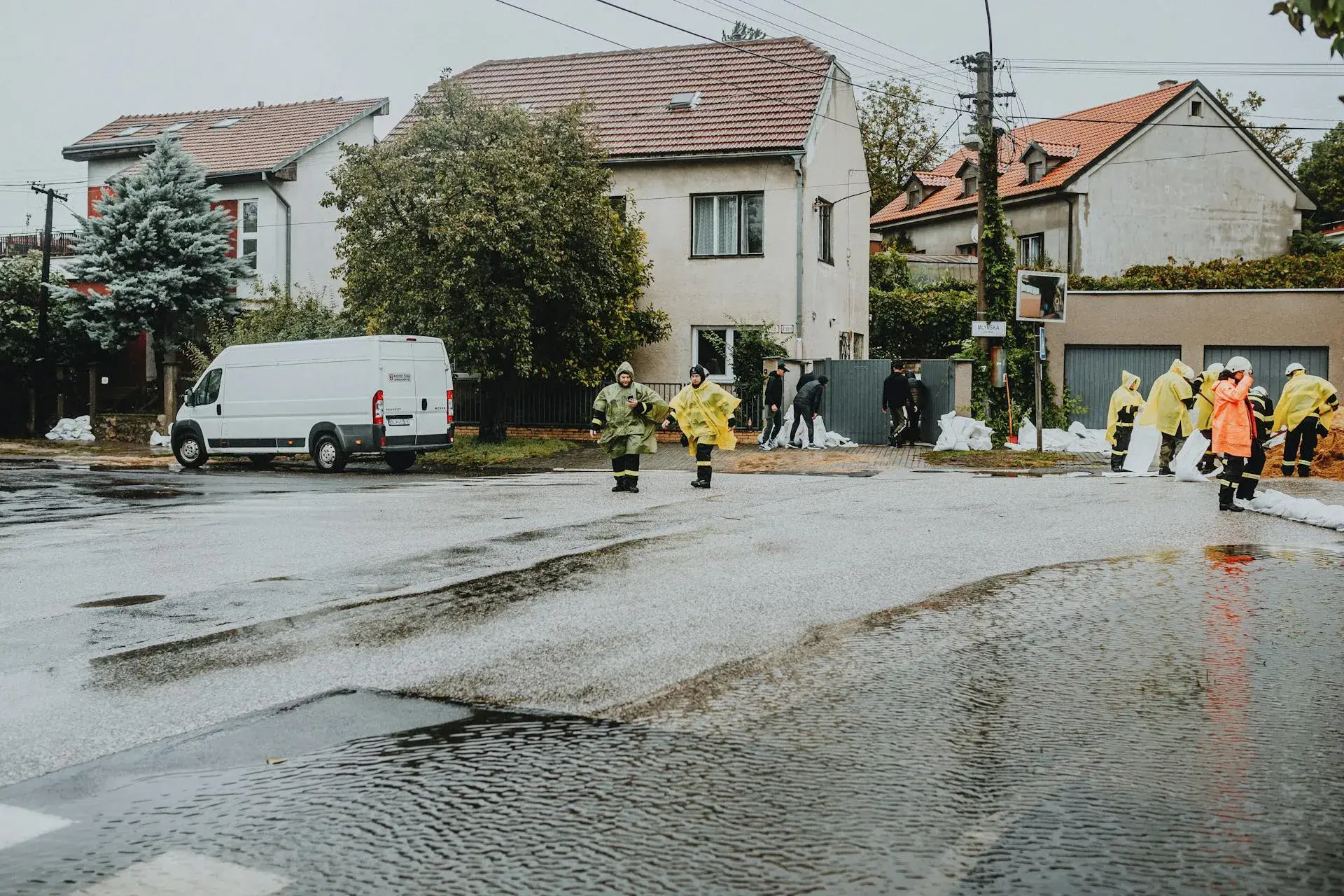
Sewage Cleanup in Elk Grove Village, IL
Sewage contains bacteria, viruses, and parasites that pose immediate health risks. Every hour of exposure increases contamination depth and biological hazard. Our local team responds to Elk Grove Village emergencies within 60 minutes.
What Happens When You Call
A real person answers, not a call center. We assess your situation, ask the right questions about the sewage source and extent, and begin coordinating your response immediately.
Your dedicated remediation team is dispatched from our local base serving Elk Grove Village and the surrounding northwest suburban communities in Cook and DuPage Counties.
Team arrives with personal protective equipment, extraction tools, antimicrobial agents, and containment materials. Emergency mitigation begins immediately.
Sewage extracted, contaminated materials identified and removed, antimicrobial treatment applied. You know exactly what comes next.
Sewage is in your home or building. This is not a cleanup you can delay, handle yourself, or address with consumer products. Raw sewage is classified as Category 3 (black water) contamination under IICRC standards, meaning it contains pathogenic organisms that pose immediate health risks to anyone who contacts it. X Response exists for exactly this moment. When you reach out, your remediation team is mobilized within minutes and on site within the hour. From that point forward, one team manages everything: extraction, decontamination, material removal, drying, and documentation. Call now. Your team is standing by.
Why Elk Grove Village Homes Are Vulnerable to Sewage
Elk Grove Village is a community of 32,812 residents occupying 11.6 square miles in Cook and DuPage Counties, approximately 22 miles northwest of Chicago. The village's sanitary sewer system is tributary to the Metropolitan Water Reclamation District of Greater Chicago (MWRD), which operates one of the largest wastewater treatment systems in the world. The MWRD's Tunnel and Reservoir Plan (TARP), commonly known as the Deep Tunnel, captures combined sewage and stormwater that would otherwise overflow during heavy rain events. The four TARP tunnel systems route combined flows to three reservoirs, including the Gloria Alitto Majewski Reservoir near Elk Grove Village. This 350-million-gallon facility, operational since 1998, serves 11 square miles on the Upper Des Plaines Tunnel System covering Arlington Heights, Des Plaines, and Mount Prospect. The TARP system has a total capacity exceeding 11 billion gallons, with an eventual capacity of 17.5 billion gallons when the McCook Reservoir Stage 2 is complete. Despite this massive infrastructure investment, individual properties in Elk Grove Village still experience sewage backups through their private lateral connections when local conditions overwhelm the system's intake capacity or when the lateral itself fails.
Elk Grove Village's sewer infrastructure reflects its development history. The residential neighborhoods built by Centex Corporation between 1957 and 1973 were served by sanitary sewer systems designed for the population density and rainfall patterns of that era. These systems have separated sanitary and storm sewers, but the private sewer laterals connecting individual homes to the public main are now 50 to nearly 70 years old. Vitrified clay pipe, the standard lateral material of the era, develops cracks, joint separations, and root intrusions over decades. These defects allow groundwater to infiltrate the sanitary system (inflow and infiltration), consuming capacity that should serve sewage conveyance. During heavy rain events, when groundwater levels rise and the clay soils surrounding these aging laterals are fully saturated, the combined effect of infiltration-loaded public mains and compromised private laterals creates the conditions for sewage to back up through basement floor drains, laundry standpipes, and the lowest fixtures in the home.
The MWRD TARP System and Its Limits
The Tunnel and Reservoir Plan represents one of the most ambitious civil engineering projects in American history, with over 109 miles of tunnels bored through bedrock beneath the Chicago metropolitan area to capture sewage and stormwater that previously discharged directly into waterways during storms. The Majewski Reservoir near Elk Grove Village provides 350 million gallons of storage on the Upper Des Plaines system. When the tunnel and reservoir capacity is available, the system captures combined flows and holds them for treatment after the storm passes. However, the system has finite capacity. When a major storm fills the tunnels and the reservoir approaches capacity, the ability to accept additional flow from tributary communities diminishes. At that point, the local sewer mains in communities like Elk Grove Village may surcharge because they cannot discharge into the tunnel system at the same rate flows are entering from individual properties. The backup propagates from the full tunnel through the local mains and ultimately into the lowest connected fixtures in individual homes, specifically basement floor drains and laundry connections that sit below the surcharge level.
Aging Vitrified Clay Laterals and Root Intrusion
The private sewer lateral connecting each Elk Grove Village home to the public sanitary main is the property owner's responsibility to maintain. In the Centex-era homes built between 1957 and 1973, these laterals were typically constructed of vitrified clay pipe with bell-and-spigot joints sealed with mortar or oakum. After 50 to 70 years in the ground, the mortar joints deteriorate, the pipe develops hairline cracks from soil movement and settling, and tree roots find their way into the pipe through any opening seeking the moisture and nutrients within. Root intrusion is progressive: a single root filament enters through a joint gap, grows within the pipe, captures solid waste and paper that passes by, and eventually creates a blockage that causes sewage to back up into the home. The blockage may be partial for months, causing slow drains and occasional gurgling, before becoming complete and producing a sudden backup event. Elk Grove Village's mature tree canopy, including large deciduous trees planted when the subdivisions were developed, provides extensive root networks that actively seek the moisture in deteriorating sewer laterals.
Inflow and Infiltration During Storm Events
Inflow and infiltration (I&I) describes the entry of groundwater and surface water into sanitary sewer systems through defects in pipes, manholes, and lateral connections. In Elk Grove Village, where the clay soils hold water at saturation levels for extended periods after rain, groundwater infiltration into the aging sanitary system is a chronic condition that worsens during every storm. When groundwater infiltrates through cracked laterals and deteriorated main-line joints, it displaces sanitary capacity with clean water that should be handled by the storm sewer system. The effect is cumulative across the service area: hundreds of compromised laterals each contributing gallons per minute of infiltration collectively overwhelm the sanitary main's design capacity during wet weather. The result is surcharging, where the sanitary system pressurizes above its normal gravity-flow level, pushing sewage backward through lateral connections into basements at the lowest points in the system. Homes with floor drains, laundry standpipes, or basement bathroom fixtures connected directly to the sanitary lateral without backflow prevention are most vulnerable.
Basement Floor Drain Vulnerability in Centex-Era Homes
The Centex-era homes in Elk Grove Village were built with basement floor drains connected directly to the sanitary sewer lateral, a standard practice of the era that creates a direct pathway for sewage to enter the home during a backup event. These floor drains have no backflow prevention device (backwater valve) unless one was subsequently installed by the homeowner. When the sanitary main surcharges during a storm event, sewage rises through the lowest connected drain in the system, which is almost always the basement floor drain. The sewage enters silently, pooling across the basement floor and contacting everything at or below the backup level: finished walls, stored possessions, carpet, furniture legs, appliances, and HVAC equipment with air intakes at floor level. The contamination is immediate upon contact. Category 3 (black water) classification means any porous material that contacted the sewage must be removed rather than cleaned, because pathogenic organisms penetrate into the material matrix where surface cleaning cannot reach them.
Industrial Park Sewage and Grease Trap Failures
The Elk Grove Village industrial park, with its 5,600+ businesses including food manufacturers, commercial kitchens, and food-service establishments, generates commercial sewage loads that require grease interceptors and pre-treatment systems. When these systems fail through lack of maintenance, capacity exceedance, or mechanical breakdown, the result can be sewage backups affecting the business of origin and potentially adjacent tenants in multi-tenant buildings that share sewer connections. Commercial sewage events in the industrial park differ from residential backups in scale and contamination profile: food-processing waste carries high biological oxygen demand, grease that solidifies in pipes and on surfaces, and organic matter that accelerates bacterial growth and odor development. For businesses in the park, a sewage event triggers not only cleanup requirements but health department notification, food safety implications for any products in the affected area, and potential violation of their industrial discharge permit with the MWRD.
Sewage cleanup in Elk Grove Village addresses two fundamental realities: the aging infrastructure connecting mid-century homes to a regional system that has finite storm capacity, and the contamination severity of Category 3 water that demands professional-grade extraction, disinfection, and material removal. The MWRD's TARP system has dramatically reduced sewage overflows into waterways, but it cannot prevent backups through private laterals when the system is at capacity during major storms. The combination of 50-to-70-year-old clay pipe laterals, mature root systems, clay soils that maximize infiltration, and basements with unprotected floor drains creates a community where sewage backup is a predictable event rather than a freak occurrence.
What Happens to Your Home While You Wait
Within 1 Hour
Sewage spreads across the basement floor, contacting carpet, stored items, furniture legs, and the base of finished walls. Pathogenic bacteria, viruses, and parasites in the sewage begin colonizing every surface the liquid touches. In Elk Grove Village basements with carpet, the padding beneath absorbs contaminated water rapidly and holds it against the subfloor. The contamination is invisible in carpet that appears merely damp. Airborne biological particulates and hydrogen sulfide gas make the space hazardous to enter without respiratory protection.
1–24 Hours
Bacteria multiply rapidly in the warm, nutrient-rich sewage residue. Sewage wicks into drywall at the base of finished walls, contaminating the paper face and the gypsum core. Wood baseboards, door casings, and cabinetry at floor level absorb contaminated moisture through their end grain. The odor intensifies as bacterial decomposition accelerates in the organic material. Porous materials that contacted sewage are now contaminated beyond restoration regardless of how they appear visually.
24–48 Hours
Secondary mold colonization begins on surfaces dampened by the sewage, compounding the bacterial contamination with fungal growth. The sewage residue dries on surfaces and becomes more difficult to remove as organic solids bond to the substrate. Contamination migrates upward through capillary action in drywall and wood, expanding the affected zone above the visible waterline. The HVAC system, if it cycled during the event, has distributed airborne bacteria and odor to upper levels of the home.
48–72 Hours
Structural materials in sustained contact with sewage moisture begin deteriorating. The combination of bacterial activity, moisture, and organic acids in sewage residue accelerates material breakdown. Mold growth becomes visible on contaminated surfaces. The scope of required material removal expands as contamination wicks higher into wall assemblies and migrates through concealed pathways. Insurance documentation becomes more complex as the line between initial backup damage and delayed-response expansion becomes a point of adjuster scrutiny.
One Week and Beyond
Extensive biological contamination throughout the affected area. Materials that could have been removed and the area restored in the first 48 hours have now contaminated adjacent assemblies. Structural wood at the sill plate and below-grade framing shows decay from the combined effect of moisture and biological activity. The project scope has expanded significantly. Health risks from the contaminated environment make the home uninhabitable until full remediation is complete.
Sewage contamination is a health emergency. Every hour of delay allows bacteria to multiply, contamination to spread, and the remediation scope to expand. Contact X Response now. Our Elk Grove Village team responds within 60 minutes with full Category 3 contamination protocols.
How We Restore Sewage-Damaged Elk Grove Village Homes
Sewage cleanup requires Category 3 contamination protocols that go far beyond water extraction. Here is exactly what the process involves for Elk Grove Village properties.
Emergency Extraction and Safety Assessment
Our team arrives in full personal protective equipment and immediately assesses the contamination extent. We identify the sewage source (lateral backup, floor drain surcharge, fixture overflow, or main-line failure), determine whether the backup is still active or has subsided, and map the contact area. In Elk Grove Village basements, we check whether the HVAC system cycled during the event (distributing contaminated air to upper levels), whether electrical systems have been compromised by standing sewage, and whether the backup level reached gas appliances or electrical panels that cannot be safely operated until inspected. Standing sewage is extracted using submersible pumps and weighted extractors designed for contaminated water, with all effluent discharged to the sanitary system (not storm drains) per MWRD regulations.
Contaminated Material Removal
IICRC S500 standards require that all porous materials contacted by Category 3 water be removed rather than cleaned. In Elk Grove Village basements, this typically means removing carpet and pad that contacted sewage, cutting drywall at least 12 inches above the visible waterline (because wicking extends contamination beyond the visible wet area), removing fiberglass insulation from affected wall cavities, and disposing of any stored items with porous surfaces that contacted the sewage. Non-porous structural elements including the concrete slab, concrete or block foundation walls, and metal structural components are cleaned and treated rather than removed. All contaminated materials are double-bagged within the work area before transport through the home to prevent cross-contamination of unaffected areas.
Antimicrobial Treatment and Disinfection
After contaminated materials are removed, all remaining structural surfaces are treated with EPA-registered antimicrobial agents specifically designed for Category 3 biological contamination. The concrete slab, foundation walls, exposed framing, and any non-porous surfaces that contacted sewage receive multiple applications of antimicrobial treatment. We treat the full affected area including surfaces that appeared to be above the waterline, because splash, aerosol, and capillary action distribute contamination beyond the visible contact level. HEPA air scrubbers run throughout the treatment phase to capture airborne biological particulates. The antimicrobial treatment protocol meets the IICRC S500 standard for pathogen reduction on structural surfaces that will remain in place.
Structural Drying
Once contaminated materials are removed and antimicrobial treatment is applied, structural drying begins. Commercial dehumidifiers and air movers are positioned to dry the concrete slab, foundation walls, exposed framing, and the subfloor above the basement. The drying protocol follows the same standards as clean-water drying but with additional considerations: the space remains under negative air pressure during drying to prevent contaminated air from migrating to occupied areas, and moisture readings must confirm full drying before reconstruction because any residual moisture in the treated structure could support bacterial or mold regrowth. In Elk Grove Village's Centex-era homes, the clay soils continue to push moisture inward through the foundation even after the interior sewage is removed, requiring extended monitoring to distinguish between residual event moisture and ongoing groundwater infiltration.
Verification and Reconstruction Authorization
Before reconstruction begins, we verify successful decontamination through visual inspection, moisture readings, and in some cases surface-swab testing to confirm pathogen levels have been reduced to acceptable standards. The foundation wall and slab must be dry, treated, and clear of any visible biological activity. Only then is reconstruction authorized. We provide completion documentation including pre- and post-treatment records, moisture readings, material disposal manifests, and a summary of all work performed. For reconstruction, we recommend modifications that reduce future backup vulnerability: backwater valve installation on the sewer lateral, sump pump with battery backup, and raised electrical outlets and HVAC equipment in the rebuilt basement to protect critical systems if a future event occurs.
The X Response Difference
Sewage cleanup is a biohazard remediation project, not a water extraction job. It requires Category 3 protocols, trained personnel in protective equipment, antimicrobial treatment of structural surfaces, and verification testing before the space is declared safe. X Response follows the complete protocol on every Elk Grove Village sewage event.
Insurance Claim Guidance for Elk Grove Village Homeowners
Sewage backup coverage in Illinois requires a specific endorsement on your homeowner's policy. Standard policies do not cover sewer or drain backup unless you have purchased the endorsement, typically listed as sewer backup, water backup, or drain backup coverage. Many Elk Grove Village homeowners discover this gap only after their first backup event. Even with the endorsement, coverage limits are often capped at $5,000 to $25,000, which may not cover the full cost of Category 3 remediation, material removal, and basement reconstruction for a significant event. For properties where the backup was caused by the homeowner's private lateral failing (root intrusion, collapsed pipe, grease blockage), the claim is filed against your own policy. Where the backup resulted from a public main surcharge during a storm event, you may have a claim against both your policy and the municipality, though Illinois governmental immunity often limits municipal liability.
How X Response Helps
- Verify whether your policy includes sewer/water/drain backup coverage before an event occurs, and review the coverage limit
- Document the backup source clearly: lateral blockage, main-line surcharge, storm-event overload, or fixture failure each have different coverage implications
- Photograph the backup level, the affected area, and all contaminated materials before removal begins
- Maintain records of the backup event including date, time, duration, approximate volume, and any communication with the village or MWRD about system conditions
- Begin remediation immediately upon discovery, as policy language requires you to mitigate further damage and delays may reduce coverage
X Response does not file claims on your behalf, adjust claims, or make coverage determinations. We provide documentation and guidance to help you make informed decisions about your property and your policy. Coverage decisions are made solely by your insurance carrier.
Certified Restoration Specialists Serving Elk Grove Village
When you contact X Response for sewage cleanup in Elk Grove Village, your team arrives trained and equipped for Category 3 biohazard conditions. They understand the specific sewage backup mechanisms in this community: how the aging vitrified clay laterals in the 1957-1973 Centex subdivisions fail through root intrusion and joint deterioration, how storm-event surcharging in the sanitary system pushes sewage back through unprotected basement floor drains, and how the MWRD TARP system's capacity limitations during major storms affect tributary communities like Elk Grove Village. They have remediated basement backups from lateral blockages, storm-driven surcharges, and fixture failures, and they understand the documentation requirements that insurance carriers expect for sewer backup endorsement claims.
Every technician on your team holds current IICRC certification in water damage restoration with specific training in Category 3 contamination protocols. They work in full personal protective equipment including respiratory protection, chemical-resistant clothing, and eye protection. Equipment includes contaminated-water extraction systems, EPA-registered antimicrobial treatment agents, HEPA air scrubbers for biological particulate capture, and structural drying equipment for the post-remediation phase. When your team arrives at an Elk Grove Village property with a sewage backup, they bring the complete capability to take the project from active contamination through verified clearance in a single mobilization.
In Elk Grove Village, X Response works with Scene Cleaners, an independent local restoration partner serving Cook County.
Sewage Cleanup FAQ for Elk Grove Village Homeowners
Other Emergency Services in Elk Grove Village
Water Damage Restoration
Burst pipes, storm flooding, standing water. We extract, dry, and restore before mold sets in.
Learn more
Fire Damage Restoration
Structural damage, soot, debris. We stabilize, clean, and rebuild what fire destroyed.
Learn more
Smoke Damage Restoration
Soot residue, chemical odors, HVAC contamination. We decontaminate surfaces, eliminate odors, and restore air quality.
Learn more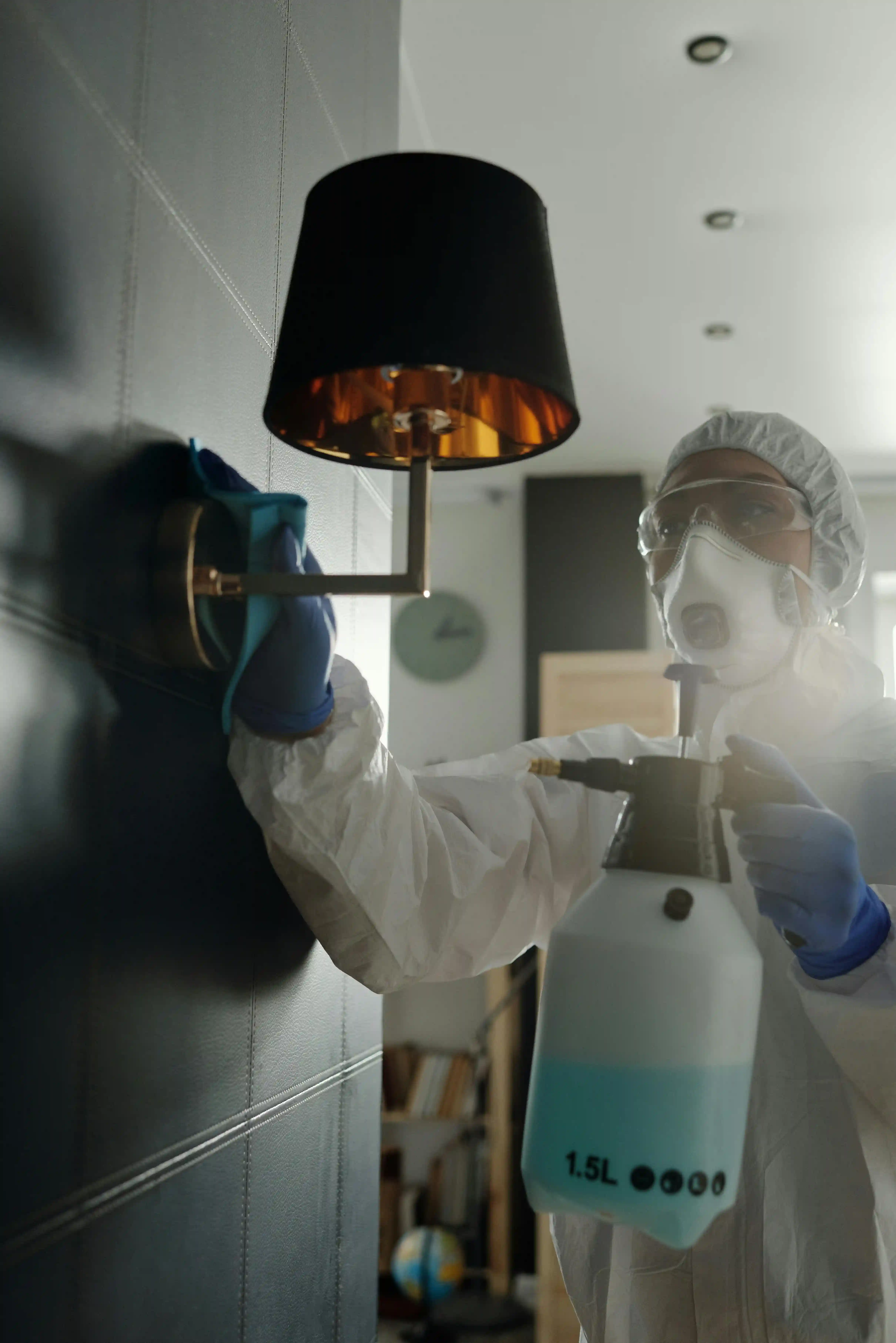
Mold Remediation
Testing, containment, removal, prevention. We find the source, eliminate the growth, and stop it from returning.
Learn moreNearby Service Areas
Also serving nearby: