
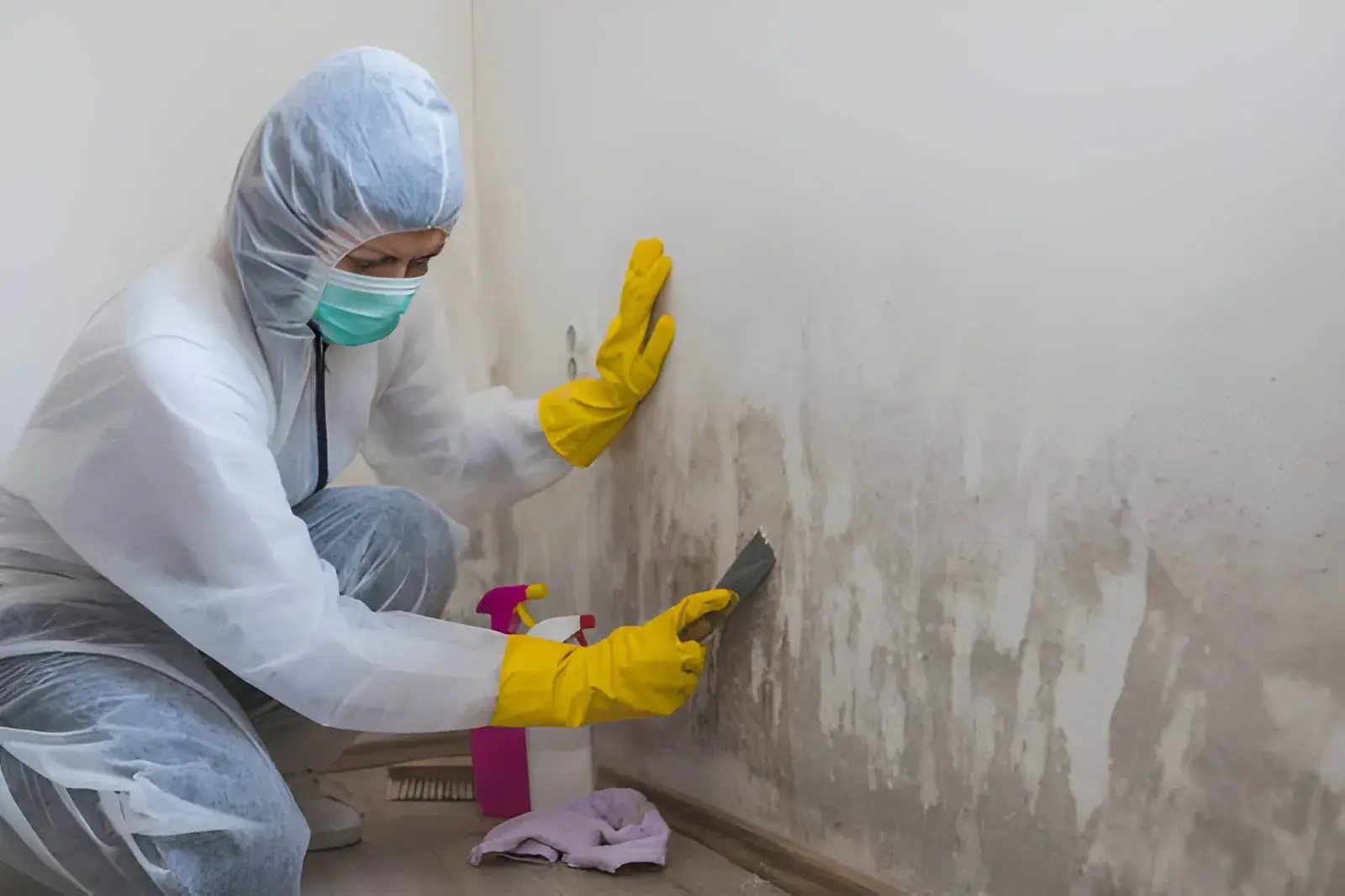
Mold Remediation in Roselle, IL
Mold spreads rapidly once established, colonizing new surfaces within 24 to 48 hours in humid conditions. Our local team responds to Roselle mold emergencies within 60 minutes.
What Happens When You Call
A real person answers, not a call center. We assess your situation, ask the right questions, and begin coordinating your response immediately.
Your dedicated remediation team is dispatched from our local base serving Roselle and the surrounding DuPage County communities.
Team arrives with moisture meters, air sampling equipment, containment materials, and HEPA filtration. Assessment begins immediately.
Mold extent mapped, moisture source identified, remediation plan documented. You know exactly what comes next.
You found mold in your home and now you need to know what to do about it. Not guesses from the internet, not a bleach-and-hope approach that makes things worse. X Response exists for exactly this moment. When you reach out, your remediation team is mobilized within minutes and on site within the hour. From that point forward, one team manages everything: inspection, testing, containment, removal, and prevention. You are never left guessing about the next step. Call now. Your team is standing by.
Why Roselle Homes Are Vulnerable to Mold
Roselle is a village of approximately 22,900 residents in DuPage County, Illinois, located 24 miles west of downtown Chicago in Bloomingdale Township. The village's housing stock spans five decades of construction, with the largest concentration of homes built during the 1970s and 1980s suburban expansion of DuPage County. These homes feature poured-concrete or concrete-block basement walls, interior drain tile systems connected to sump pits, and finished or partially finished basement living spaces that create ideal conditions for concealed mold growth when moisture management fails. The flat terrain of Bloomingdale Township, combined with glacial-till soils that hold moisture against foundations for extended periods after rainfall, means that basements in Roselle are in a constant battle against humidity infiltration from the surrounding ground. Illinois climate delivers hot, humid summers where outdoor dew points regularly run high from June through September, and this moisture-laden air enters basements through every opening, condensing on cooler surfaces and raising indoor humidity into the mold growth zone.
The DuPage County Health Department advises residents that mold growth occurs on almost any surface when moisture is present, recommends maintaining indoor humidity below 60 percent, and notes that controlling moisture is the only effective long-term mold prevention strategy. In Roselle's older homes where original HVAC systems, waterproofing membranes, and sump equipment have aged past their design lifespan, maintaining acceptable humidity levels requires active mechanical intervention that many homes lack. The village's history of flooding from Springbrook Creek, most catastrophically during the August 1987 storm that inundated homes throughout Roselle's creek-adjacent neighborhoods, introduced moisture into building materials that in many cases was never fully remediated. Homes flooded in 1987 that were pumped out and dried with consumer equipment rather than professional structural drying may harbor mold colonies established decades ago in wall cavities, beneath flooring, and in other concealed spaces where they have continued growing slowly on residual moisture ever since.
Basement Humidity and the Illinois Summer Moisture Load
Roselle basements face a relentless moisture challenge from June through September when outdoor dew points across the Chicago suburbs routinely exceed 65 degrees Fahrenheit and relative humidity stays high for days at a time. Warm, humid outdoor air enters basements through window wells, dryer vents, HVAC fresh-air intakes, gaps around pipe penetrations, and the natural stack effect that draws outdoor air in at lower levels. When this warm air contacts the cooler surfaces of basement walls, floor slabs, and cold-water pipes, it condenses, depositing liquid moisture on surfaces that may appear dry but measure above 60 percent relative humidity at the material surface. Mold requires only a surface relative humidity above 60 percent to begin germinating on porous materials like drywall paper, carpet backing, wood framing, and stored cardboard. In Roselle's finished basements where drywall, carpet, and wood trim cover concrete walls and slabs, this condensation cycle creates persistent moisture at the material-to-concrete interface where it is invisible from the room side. Homeowners may not discover mold growth until they notice a musty odor, develop respiratory symptoms, or pull back carpet or baseboard to find extensive colonization that has been progressing unseen for months or years.
Aging Construction and Concealed Moisture Pathways
Roselle's 1960s through 1980s housing stock was built with construction practices and materials that create multiple concealed moisture pathways where mold can establish and grow without detection. Poured-concrete and concrete-block basement walls develop cracks over decades of soil settlement and frost heave cycles, allowing groundwater to seep through and wet materials on the interior side. Original basement waterproofing applied during construction, typically a thin asphalt coating on the exterior foundation wall, degrades over 40 to 60 years and loses its effectiveness as soil movement abrades it and UV exposure at the grade line breaks it down. Interior drain tile systems connected to sump pits manage groundwater when functioning properly, but clay or perforated plastic tile installed in the 1960s and 1970s can crush under soil weight, fill with sedite, or disconnect at joints, reducing flow capacity and allowing water to build against the foundation wall rather than draining to the sump. In homes where the basement was finished decades ago by covering concrete block walls with furring strips and drywall or paneling, the air space behind the wall finish becomes a concealed humidity chamber where moisture condensing on the cooler concrete surface supports mold growth on the back side of the finish material without any visible indication from the living space.
Post-Flood Mold from Inadequate Drying
Roselle's documented flooding history, particularly the catastrophic August 1987 event that overflowed Springbrook Creek and inundated homes throughout adjacent neighborhoods, introduced water into building materials that in many cases was never professionally dried. In 1987, the water damage restoration industry was far less developed than it is today: professional structural drying with commercial dehumidifiers, moisture monitoring, and antimicrobial treatment was not standard practice for residential flood recovery. Many Roselle homeowners pumped out standing water, ran household fans, and considered the problem solved when surfaces appeared dry. However, concrete block walls, poured concrete, wood framing, and insulation can retain moisture for weeks after visible water recedes, particularly in DuPage County's humid summer climate where ambient air cannot absorb sufficient moisture to complete the drying process. Mold that colonized these materials in the weeks following the 1987 flood has in some cases continued growing at a slow pace for decades, fed by ongoing humidity infiltration through the same foundation defects that allowed the original flood entry. Homeowners who purchased these properties years later may encounter established mold colonies during renovation, basement finishing, or after a subsequent water event exposes previously concealed areas.
HVAC Systems as Mold Distribution Networks
Forced-air HVAC systems in Roselle homes can become mold distribution networks when contamination occurs in the ductwork, on the evaporator coil, or in the air handler housing. The evaporator coil, which cools air by removing heat and moisture during summer operation, creates a persistently damp environment inside the air handler where condensation collects on the coil fins and drains through a condensate pan to an external line. If the condensate drain clogs, the pan overflows and water accumulates beneath the air handler, wetting any material in contact. If the coil remains damp while the blower is off during cycle pauses, mold colonizes the coil fins and the first surfaces downstream. Once established on the coil, mold spores are distributed to every supply register in the home with each blower cycle. In Roselle's older homes where the air handler sits in the basement on a concrete slab, condensation from the unit combines with ambient basement humidity to create a perpetually damp zone around the mechanical equipment. Residents notice a musty smell when the system runs, see black spots on register faces, or develop respiratory symptoms that correlate with HVAC operation, but the source is invisible inside sealed ductwork and the air handler cabinet.
Bathroom and Kitchen Moisture in Older Homes
Roselle homes built before the 1990s often have bathroom exhaust fans that are undersized by current standards, improperly ducted, or non-functional from years of neglect. Original bath fans in 1960s and 1970s construction were typically rated at 50 CFM or less and may vent into the attic rather than to the exterior, depositing warm moist air directly into the attic insulation where it condenses during cooler months. Showers and baths generate substantial moisture that, without adequate exhaust, raises bathroom humidity to high levels during use and takes hours to dissipate in a closed space with poor ventilation. Over time, this daily moisture cycle creates persistent mold growth on grout lines, behind tile where gaps in the waterproofing allow moisture into wall cavities, beneath vinyl flooring at the adhesive layer, and on the ceiling above the shower where warm moist air rises and contacts the cooler surface. Kitchen range hoods in older Roselle homes often recirculate rather than exhaust, meaning that cooking moisture and grease remain inside the home rather than being discharged outdoors. The combination of daily shower and cooking moisture in homes with inadequate mechanical exhaust creates chronic elevated humidity that supports mold growth on surfaces throughout the home, not just in the room where the moisture originates.
These factors create a village where mold growth results from the interaction between Illinois summer humidity that routinely exceeds mold-growth thresholds, aging residential construction with concealed moisture pathways behind finished basement walls, inadequate ventilation in older homes, HVAC systems that distribute contamination when they become colonized, and a flooding history that introduced moisture into building materials decades ago without professional remediation. Effective mold remediation in Roselle requires identifying the moisture source that is feeding the growth, not just removing visible mold from surfaces, because any mold removal that does not eliminate the underlying moisture condition will result in regrowth within weeks or months as the conditions that supported the original colony continue unchanged.
What Happens to Your Home While You Wait
Within 24 Hours of Moisture
Mold spores, which are always present in indoor and outdoor air, begin germinating on wet porous surfaces when humidity at the material surface exceeds 60 percent. In Roselle basements during summer months, this threshold is crossed within hours of a water event because ambient humidity in the space already sits near 60 percent before any additional moisture is introduced. The germination process is invisible: no visible growth, no odor, and no indication that colonization has begun. At this stage, thorough drying with commercial dehumidification equipment can prevent germination from progressing to visible colony formation.
24–48 Hours
Mold mycelium extends across wet surfaces, growing beneath paint films, beneath carpet backing, and into the paper facing of drywall. In DuPage County's summer humidity, growth accelerates because the ambient moisture supports the colony even as the original water source begins to recede. The first signs may appear as faint discoloration on walls, a musty odor near the affected area, or a subtle color change in carpet backing visible only when the carpet is lifted. At this stage, affected materials can often be dried and treated without removal, but the window for non-destructive intervention is closing rapidly.
48–72 Hours
Visible mold colonies form on surfaces: black, green, or white patches on drywall, fuzzy growth on carpet backing, dark spots spreading along baseboard trim and window frames. The colony begins producing spores in volume, which become airborne and spread to other damp surfaces throughout the home via air currents and the HVAC system. Musty odor becomes pronounced. Porous materials with visible colony growth, including drywall, carpet, and insulation, have crossed the threshold where cleaning alone is insufficient and physical removal becomes the appropriate remediation protocol.
One Week
Mold growth extends well beyond the original moisture footprint as spores colonize new areas where humidity is elevated. Wall cavities behind the visible affected area contain growth that cannot be seen without removing wall finishes. HVAC distribution spreads spores throughout the home, seeding new colonies near supply registers and on any surface where condensation or elevated humidity exists. The scope of remediation expands from the original affected area to include adjacent spaces, concealed wall cavities, and potentially the HVAC system itself.
One Month and Beyond
Extensive mold colonization throughout affected areas and secondary colonization in other parts of the home. Structural wood begins showing signs of fungal decay at sill plates, rim joists, and framing members where moisture has been sustained. Indoor air quality deteriorates measurably as spore counts climb to levels that cause respiratory symptoms in occupants without prior sensitivity. The remediation scope now includes large-scale demolition of affected finishes, potential structural wood treatment, comprehensive HVAC decontamination, and whole-home air quality restoration. The cost and timeline are multiples of what early intervention would have required.
The difference between treating a small mold problem in place and gutting affected rooms to the framing is often just the first 48 to 72 hours after moisture appears. Contact X Response now. Our Roselle team responds within 60 minutes.
How We Restore Mold-Affected Roselle Homes
From the moment our team arrives, every step is documented, measured, and verified. Here is exactly what the mold remediation process involves for Roselle properties.
Inspection and Moisture Source Identification
Our team arrives with professional moisture meters, thermal imaging cameras, and air sampling equipment to map the full extent of mold growth and identify the moisture source feeding it. In Roselle homes, we inspect behind finished basement walls where moisture condenses on cooler concrete surfaces, check sump systems for proper operation and discharge, examine foundation walls for cracks and seepage paths, test the HVAC system and ductwork for contamination, and measure humidity levels throughout the home to identify zones where conditions support growth. We determine whether the moisture source is ongoing (a leaking pipe, failed waterproofing, or inadequate ventilation) or episodic (a past flood, a one-time sump failure). This distinction drives the remediation plan: removing mold without addressing the moisture source guarantees regrowth.
Containment and Protection
Before any mold is disturbed, we establish containment to prevent spore migration to unaffected areas of the home. Polyethylene barriers seal the work area from adjacent spaces. Negative air pressure is established using HEPA-filtered air scrubbers that draw air from the containment zone and exhaust it through filters to the exterior, ensuring that any spores released during removal are captured rather than distributed through the home. HVAC registers within the containment zone are sealed to prevent spore entry into the duct system. In Roselle homes where the HVAC air handler is located in the affected basement area, we shut down the system entirely and seal all duct connections to prevent cross-contamination. Workers enter and exit through an airlock system that maintains containment integrity throughout the remediation process.
Mold Removal and Material Disposal
Porous materials with established mold colonies, including drywall, carpet, insulation, and damaged wood trim, are removed and disposed of in sealed bags following Illinois regulatory requirements. Non-porous surfaces like concrete, metal framing, and sealed wood are cleaned with EPA-registered antimicrobial agents and HEPA-vacuumed to remove residual spores. Structural wood that shows surface mold but retains its structural integrity is cleaned, treated with antimicrobial solution, and sanded where necessary to remove staining. Wood that shows fungal decay or soft rot is replaced. In Roselle basements where mold was growing behind finished walls on the concealed face of drywall and on concrete block surfaces beneath, we remove the finish material, clean and treat the concrete or block, and allow the surface to dry completely before any new material is installed.
Drying and Humidity Control
After contaminated materials are removed, we deploy commercial dehumidifiers and air movers to bring the remaining structure to dry standard before any reconstruction begins. In Roselle basements where glacial-till soils hold moisture against foundation walls for extended periods, this drying phase may require several days of continuous dehumidification to bring concrete and wood framing below the 60 percent relative humidity threshold at which mold cannot grow. We install monitoring equipment that tracks humidity levels continuously and alerts our team if conditions shift. We address the identified moisture source before the space is sealed back up: that may mean sump pump replacement, drain tile repair, installation of a vapor barrier, sealing foundation cracks, improving bathroom exhaust ventilation, or adding a permanently installed dehumidifier with automatic operation.
Verification and Clearance Testing
Before reconstruction begins, we conduct post-remediation verification including visual inspection of all treated surfaces and air quality testing to confirm that airborne spore counts have returned to acceptable levels. Clearance testing compares indoor spore counts and species to outdoor baseline samples. If any area fails clearance, we continue treatment until passing results are achieved. Only after verified clearance do we release the space for reconstruction. You receive a complete remediation report including pre- and post-treatment air quality test results, photos documenting the work performed, a description of the moisture source identified and the corrective action taken, and recommendations for preventing recurrence.
The X Response Difference
When you contact X Response, you get a dedicated remediation team that identifies the moisture source, contains and removes the mold safely, verifies the result with testing, and prevents recurrence. One team, one point of contact, one standard of work from start to finish.
Insurance Claim Guidance for Roselle Homeowners
Mold remediation coverage under Illinois homeowner's policies depends primarily on the moisture source that caused the growth. Mold resulting from a covered water damage event, such as a burst pipe, appliance failure, or covered storm damage, is generally included in the original water damage claim as consequential damage. Mold resulting from ongoing maintenance issues, such as chronic humidity, poor ventilation, foundation seepage, or slow plumbing leaks that the homeowner should have noticed and addressed, is typically excluded or limited to a sublimit that may be as low as $5,000 to $10,000 depending on the policy. In Roselle, where many mold problems stem from the interaction between aging basements and Illinois summer humidity, establishing the connection between a specific covered event and the resulting mold growth is critical for claim success. X Response documents the moisture source, the timeline of growth, and the connection between any prior water event and the current mold condition so your adjuster has the evidence needed to determine coverage.
How X Response Helps
- Document the moisture source clearly, establishing whether the mold resulted from a covered water damage event or from an ongoing maintenance condition
- Photograph and map mold extent before remediation begins, because post-removal documentation cannot demonstrate the original scope of the problem
- Test air quality pre-remediation to establish baseline contamination levels that justify the scope of work proposed
- Separate mold remediation costs from any related water damage repair costs as distinct line items, because they are assessed and covered differently
- Document the moisture correction performed to prevent recurrence, because carriers want evidence that the underlying cause was addressed
X Response does not file claims on your behalf, adjust claims, or make coverage determinations. We provide documentation and guidance to help you make informed decisions about your property and your policy. Coverage decisions are made solely by your insurance carrier.
Certified Restoration Specialists Serving Roselle
When you contact X Response for mold remediation in Roselle, your team is drawn from certified professionals who work across DuPage County and understand the specific mold conditions created by this community's climate, construction, and flooding history. They know how Roselle's 1970s and 1980s basements hold moisture behind finished walls, how the glacial-till soils create persistent groundwater pressure against foundations, how inadequate ventilation in older homes elevates humidity throughout the structure, and how the village's Springbrook Creek flooding history introduced moisture that was never fully remediated in affected properties. They have remediated mold in Roselle homes ranging from small bathroom colonies caused by exhaust fan failure to extensive basement colonization behind finished walls where decades of concealed moisture created growth covering hundreds of square feet. This is not a crew dispatched from hours away with no local context. It is a local team with local expertise, operating under national quality standards.
Every technician on your team holds current IICRC certification in mold remediation and applied microbial remediation, and carries appropriate Illinois state licensing for the work being performed. Equipment includes professional-grade HEPA air scrubbers, negative-air machines for containment, commercial dehumidifiers for structural drying, thermal imaging cameras for identifying hidden moisture, and professional air sampling equipment for clearance testing. When your team arrives, they bring everything needed to begin containment immediately and prevent further contamination while the full remediation plan is developed.
In Roselle, X Response works with Scene Cleaners, an independent local restoration partner serving DuPage County.
Mold Remediation FAQ for Roselle Homeowners
Other Emergency Services in Roselle
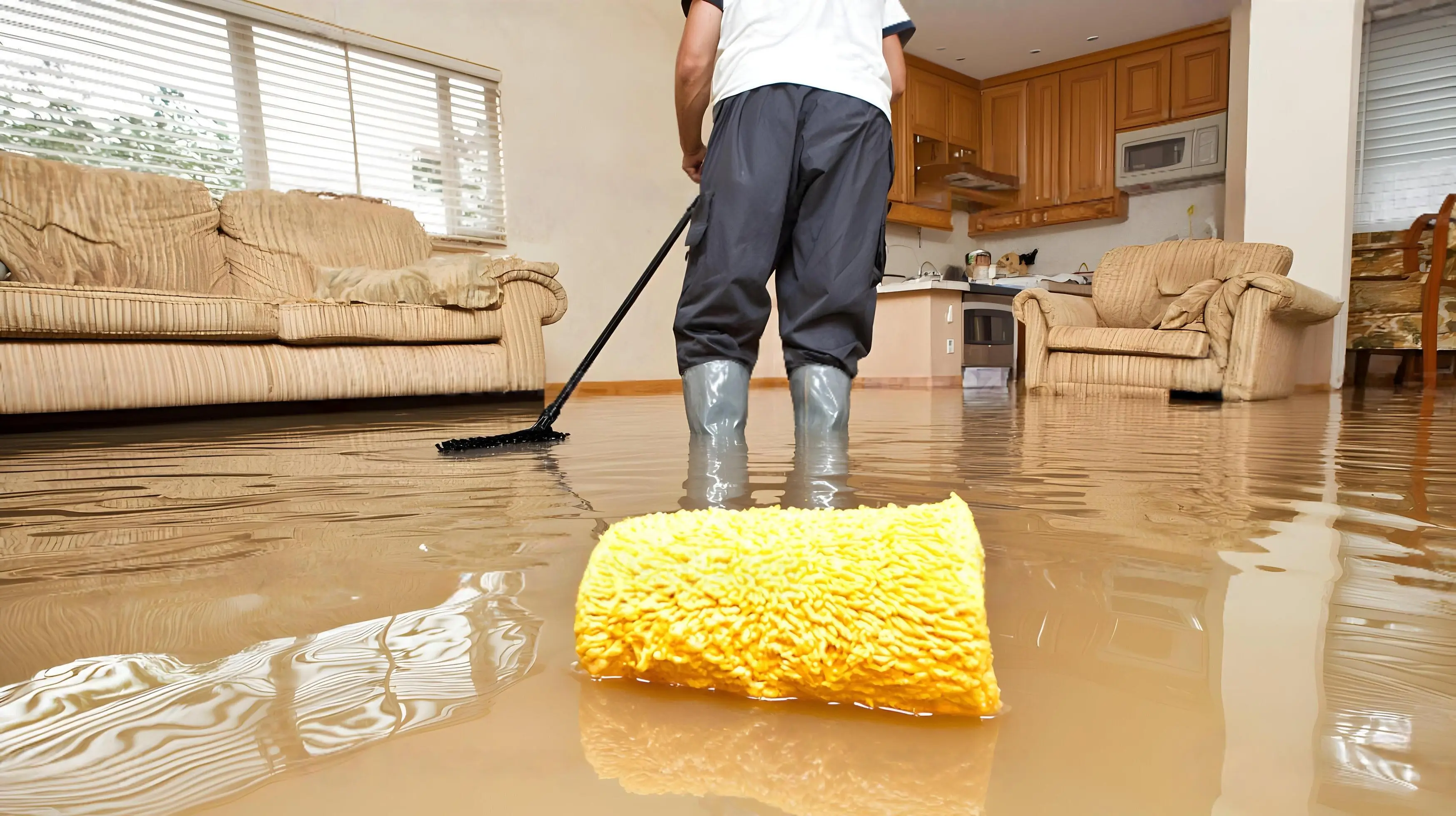
Water Damage Restoration
Burst pipes, storm flooding, standing water. We extract, dry, and restore before mold sets in.
Learn more
Fire Damage Restoration
Structural damage, soot, debris. We stabilize, clean, and rebuild what fire destroyed.
Learn more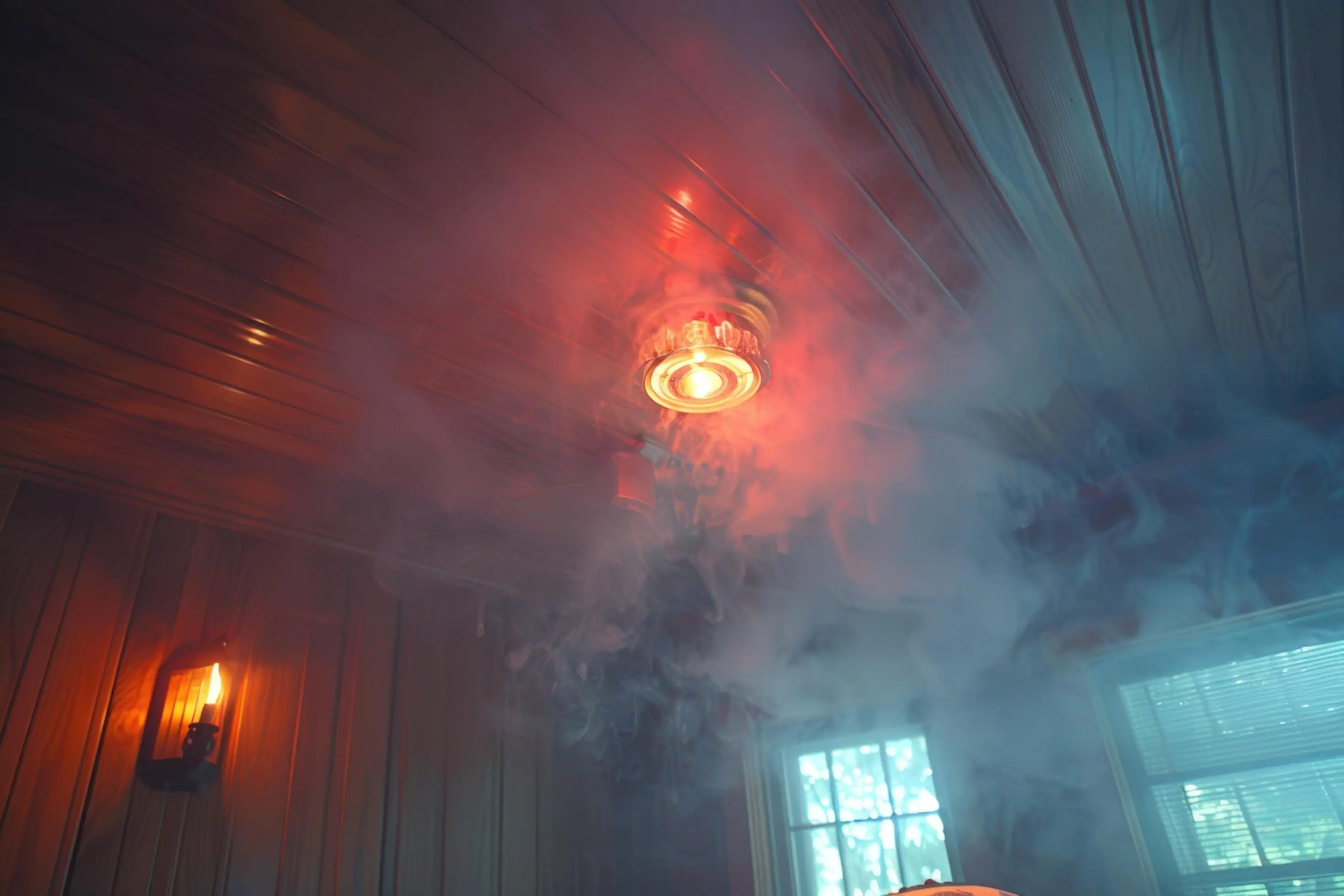
Smoke Damage Restoration
Soot residue, chemical odors, HVAC contamination. We decontaminate surfaces, eliminate odors, and restore air quality.
Learn more
Sewage Cleanup
Sewer backups, contaminated water, biohazard. We extract, sanitize, and restore safely.
Learn more