
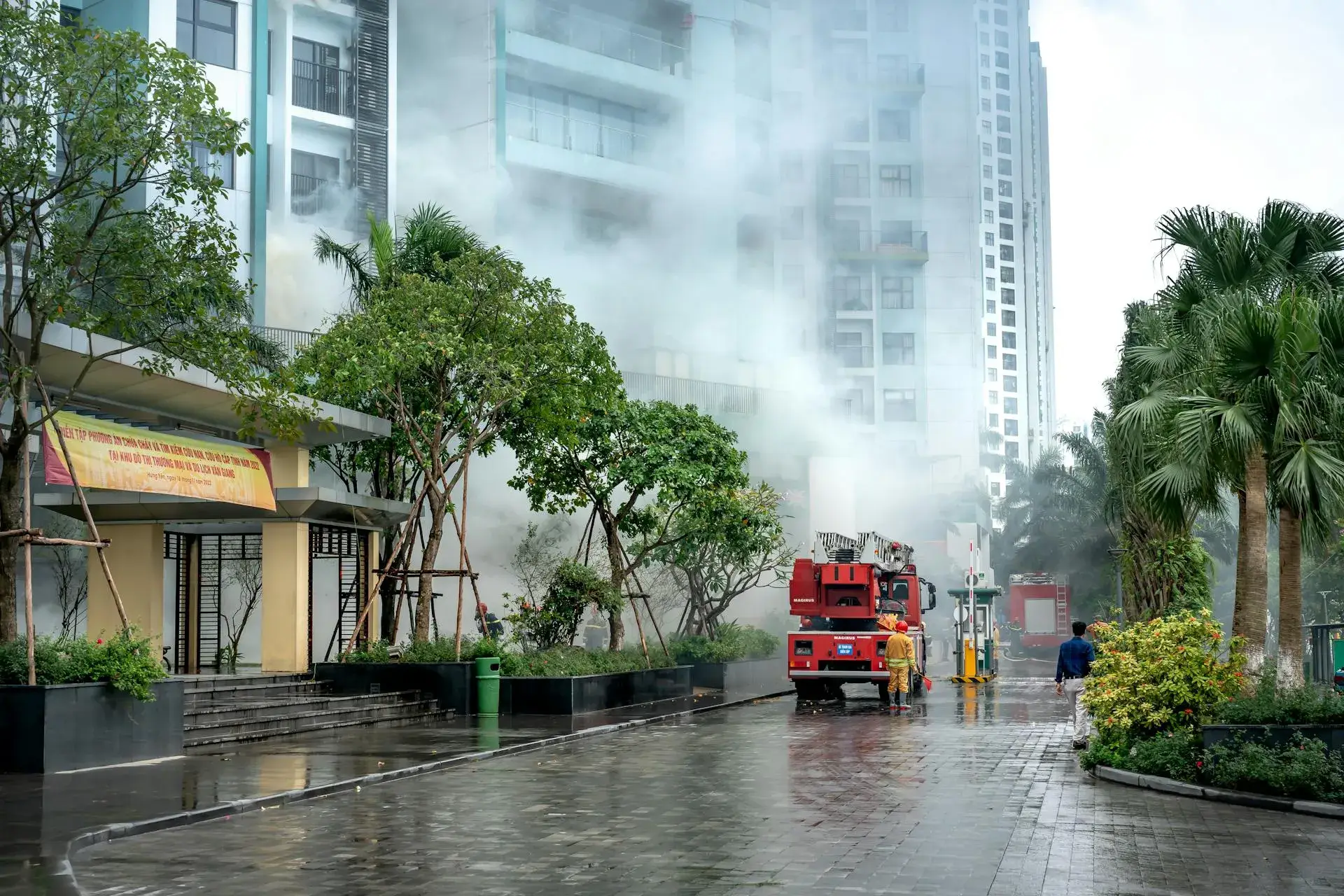
Smoke Damage Restoration in Roselle, IL
Smoke damage worsens every hour as acidic soot corrodes surfaces and volatile compounds penetrate deeper into porous materials. Our local team responds to Roselle emergencies within 60 minutes.
What Happens When You Call
A real person answers, not a call center. We assess your situation, ask the right questions, and begin coordinating your response immediately.
Your dedicated restoration team is dispatched from our local base serving Roselle and the surrounding DuPage County communities.
Team arrives with HEPA filtration, chemical sponges, soot removal agents, and thermal fogging equipment. Assessment and emergency air quality improvement begins immediately.
Contamination mapped, cleaning protocol established, restoration plan documented. You know exactly what comes next.
Smoke has invaded your home and every surface feels wrong. The smell is everywhere, the air tastes metallic, and you can see the haze settling on countertops and furniture. X Response exists for exactly this moment. When you reach out, your restoration team is mobilized within minutes and on site within the hour. From that point forward, one team manages everything: soot removal, surface restoration, odor elimination, and HVAC decontamination. You are never left guessing about the next step. Call now. Your team is standing by.
Why Roselle Homes Are Vulnerable to Smoke Damage
Roselle is a village of approximately 22,900 residents straddling DuPage and Cook counties in Illinois, located 24 miles west of downtown Chicago in Bloomingdale Township. The village's housing stock spans five decades of construction, from 1960s ranch homes with segmented floor plans and forced-air furnaces to 1990s and 2000s construction with open layouts, tighter building envelopes, and high-efficiency HVAC systems. Both eras are vulnerable to smoke damage, but they respond differently: older homes allow smoke to vent through their leakier construction but trap soot in porous plaster walls, hardwood floor gaps, and aging ductwork, while newer homes with tight envelopes seal smoke inside and distribute it efficiently through sealed duct systems to every connected room. Roselle's commercial and light-industrial corridor along Irving Park Road creates additional smoke exposure risk for adjacent residential neighborhoods when businesses with high-fuel-load operations experience fires that produce heavy smoke plumes drifting over nearby homes.
On June 27, 2023, smoke from Canadian wildfires pushed Chicago-area air quality to Very Unhealthy levels on the EPA Air Quality Index, with CBS News reporting that Chicago had the worst air quality of any major city in the world that day. DuPage County was included in the extended air quality alert issued by the National Weather Service, which advised all residents to avoid outdoor exertion, keep windows closed, and limit time outside. The smoke plume from unprecedented wildfires burning across Quebec and Ontario was transported south across the Great Lakes into the upper Midwest, creating curtains of brown-orange haze visible from the ground, reducing visibility across DuPage County, and depositing fine particulate matter (PM2.5) on outdoor surfaces and inside any building with open windows, fresh-air intakes, or gaps in the building envelope. The event repeated through late June and into July 2023 as additional smoke episodes affected the region, establishing that large-scale wildfire smoke intrusion is not a rare anomaly but a recurring warm-season hazard for Chicago-area suburbs including Roselle.
Wildfire Smoke Intrusion Through Residential HVAC Systems
The June 2023 Canadian wildfire smoke event exposed a vulnerability that most Roselle homeowners had never considered: fine particulate matter from distant wildfires entering the home through the HVAC system and depositing throughout the interior. Most residential HVAC systems in Roselle homes draw air through return registers located inside the home, but many also incorporate fresh-air intakes, economizer dampers, or makeup air connections that draw outdoor air directly into the duct system. During the 2023 event, homes with fresh-air intakes operating during the smoke episode drew wildfire particulates directly into their supply ductwork and distributed them to every register in the home. Even homes without fresh-air intakes experienced infiltration through the building envelope when outdoor PM2.5 concentrations reached Very Unhealthy levels: the pressure differential created by the HVAC blower draws outdoor air through any gap in the building shell, including around windows, at electrical penetrations, through dryer vents, and at other envelope imperfections. Standard residential HVAC filters rated MERV 8 or below, which are the most common filters installed in Roselle homes, capture less than 20 percent of the fine PM2.5 particles that constitute wildfire smoke. The particles that pass through settle on duct surfaces, accumulate on the evaporator coil, and deposit on every surface in the home over the hours or days the smoke event persists.
Structure Fire Smoke in Mixed-Era Construction
When a structure fire occurs in a Roselle home, the building's construction era determines how smoke distributes and where it concentrates. In newer homes built during the 1990s and 2000s with tight building envelopes, house wrap, sealed ductwork, and open floor plans, smoke fills the interior volume rapidly because it cannot escape through the building shell. The forced-air system distributes combustion byproducts to every room before power is cut or the system shuts down. The result is uniform contamination throughout the home from a fire that may have been limited to a single room. In Roselle's older 1960s and 1970s construction, leakier envelopes allow some smoke to vent through the building shell, but the compartmentalized floor plans with separate rooms and hallways concentrate soot deposition in and immediately adjacent to the fire room. However, smoke that reaches the ductwork in these older homes encounters decades of accumulated dust in sheet-metal ducts that were never cleaned, creating a secondary contamination source as soot bonds to existing particulates and re-circulates every time the blower runs. The older ductwork also has more joints, gaps, and failed sealant that allow smoke to enter wall cavities and ceiling spaces where it settles invisibly and produces persistent odor that surface cleaning cannot address.
Furnace Puffbacks and Heating-System Smoke Events
Roselle homes are heated primarily by natural gas forced-air furnaces, with the heating season running from October through April. A furnace puffback occurs when unburned fuel accumulates in the combustion chamber, typically from a failed ignitor, cracked heat exchanger, or delayed ignition sequence, and then ignites in an uncontrolled burst. The resulting pressure wave blows soot and combustion byproducts backward through the heat exchanger, into the supply plenum, and through every supply duct in the home simultaneously. The result is instantaneous whole-home contamination: fine black oily soot appears on walls, ceilings, furniture, clothing, and every surface near a supply register within seconds of the event. Puffback soot is extremely fine, often oily or sticky, and bonds aggressively to surfaces, making it significantly more difficult to remove than dry wood-fire soot. In Roselle's older homes where furnaces are 20 to 30 years old, components wear gradually and puffback risk increases as ignition systems degrade, heat exchangers develop hairline cracks, and draft inducers lose efficiency. Many homeowners experience a puffback with no warning and mistake it for a chimney backup or cooking accident until they discover soot distributed evenly throughout every room connected to the forced-air system.
Commercial Corridor Smoke Exposure from Irving Park Road
Roselle's Irving Park Road corridor contains auto service businesses, light manufacturing, restaurants, and mixed-use buildings that present elevated fire risk due to their contents and operations. When a commercial fire occurs along this corridor, the heavy smoke produced by burning automotive materials, petroleum products, cooking oils, or industrial materials drifts across adjacent residential areas depending on wind direction and speed. The June 2021 fire at the van conversion business on West Irving Park Road produced heavy smoke that firefighters encountered throughout the building, with the extra hazard of vehicles, tires, and automotive chemicals inside the workshop. Smoke from automotive-related fires contains petroleum-based compounds, isocyanates from burning polyurethane foam, and particulates from burning rubber, plastics, and automotive finishes that create oily, adhesive soot distinct from the dry soot of a wood-structure fire. Roselle residents living within several blocks of the Irving Park Road corridor can experience third-party smoke damage to their homes from commercial fires they had no part in, finding oily deposits on exterior surfaces, chemical odors penetrating through open windows or HVAC systems, and contamination that requires professional assessment and cleaning even though no fire occurred on their own property.
Neighbor Fire Smoke in Established Neighborhoods
Roselle's established residential neighborhoods feature homes built on lots with setbacks typical of 1970s and 1980s suburban subdivision standards, generally 8 to 15 feet between structures depending on the specific development. When a fire occurs at a neighboring property, smoke enters adjacent homes through any available pathway: open windows, bathroom exhaust fans that create negative pressure drawing outdoor air inward, dryer vents, HVAC fresh-air intakes, gaps around electrical and plumbing penetrations, and soffit vents that connect to attic spaces. Dense smoke from a neighbor's garage fire, kitchen fire, or fully involved structure settles on the exterior of nearby homes and infiltrates interior spaces without flames ever approaching the property. Homeowners return to find fine soot on horizontal surfaces, persistent chemical or smoky odor throughout the house, and a haze visible in morning or evening light. This type of third-party smoke damage is covered under most Illinois homeowner's policies as a covered peril, but requires proper documentation of the source fire, the smoke exposure pathway, and the extent of interior contamination. Without professional assessment and documentation, insurance companies may dispute the connection between a neighbor's fire and the contamination found inside the claimant's home.
These factors create a community where smoke damage occurs from multiple distinct pathways: structure fires producing intense contamination distributed through the building envelope and HVAC system, wildfire smoke events depositing fine particulates over extended exposure periods, furnace puffbacks instantly contaminating every connected room, commercial corridor fires exposing adjacent residential properties, and neighbor fires infiltrating through typical suburban construction gaps. Effective smoke damage restoration in Roselle requires identifying the smoke type, understanding how the building's specific construction era and HVAC configuration distributed it, and applying the correct chemical cleaning and odor treatment protocol for the contamination present, because wildfire particulates, petroleum-based soot, synthetic combustion residue, and furnace puffback deposits each demand different approaches.
What Happens to Your Home While You Wait
Within 1 Hour
Soot particles settle on every horizontal surface in the home: countertops, furniture tops, electronics, shelving, and fabric surfaces. Acidic soot compounds begin reacting with metal surfaces including chrome fixtures, stainless steel appliances, and brass hardware. In Roselle homes where the HVAC system operated during or after the smoke event, contamination has already distributed to every room served by the duct system regardless of proximity to the smoke source. Fine soot particles embed in the texture of painted walls and settle into fabric weaves, carpet fibers, and upholstery surfaces where they begin bonding at the molecular level.
1–24 Hours
Acidic soot compounds etch permanent marks into unprotected metal, glass, and ceramic surfaces. Smoke-stained walls begin showing yellowing as tar compounds migrate through paint films. Volatile organic compounds from combustion off-gas from soot deposits and absorb into porous materials throughout the home: clothing in closets, bedding, curtains, carpet fibers, and upholstery. The longer these VOCs remain in contact with absorbent materials, the deeper they penetrate and the more difficult professional removal becomes. In Roselle's older homes with hardwood floors, smoke compounds migrate into gaps between boards and beneath polyurethane finishes where surface cleaning cannot reach.
24–48 Hours
Permanent discoloration develops on chrome, brass, and copper surfaces that were not cleaned within the first 24 hours. Paint films on walls and ceilings show irreversible yellowing in areas of heavy soot concentration. Grout lines and unsealed stone surfaces absorb soot that becomes nearly impossible to extract without replacement. In homes where water from fire suppression accompanied the smoke, mold colonization begins in concealed wall cavities and beneath flooring in DuPage County's summer humidity. The scope of work shifts from cleaning to refinishing as materials cross the threshold where surface treatment alone can restore them.
48–72 Hours
Smoke compounds bond permanently with fabric fibers, foam cushioning, and porous finishes. Upholstered furniture that could have been cleaned at 24 hours now requires replacement. Hardwood floors beneath polyurethane finishes develop staining that requires sanding to bare wood. Painted surfaces that could have been chemically sponged now require stripping and repainting. The distinction between a cleaning job and a replacement job depends heavily on this 48-to-72-hour window. Every additional hour of contact time between acidic soot and vulnerable surfaces converts salvageable materials into insurance-claim line items for replacement.
One Week and Beyond
Smoke odor embeds permanently in structural wood, concrete, insulation, and HVAC ductwork. Surface cleaning alone can no longer resolve the contamination; affected materials require sealing, encapsulation, or removal. HVAC systems that were not cleaned continue re-circulating residual soot and odor compounds with every blower cycle, re-contaminating surfaces that were cleaned and making the home smell progressively worse rather than better. Complete restoration at this stage requires comprehensive treatment of structural materials, professional duct cleaning or replacement, and potentially removal of insulation and wall finishes where odor has penetrated beyond the reach of thermal fogging and hydroxyl treatment.
The difference between cleaning your home's surfaces and replacing them is often just the first 24 to 48 hours of response time. Contact X Response now. Our Roselle team responds within 60 minutes.
How We Restore Smoke-Damaged Roselle Homes
From the moment our team arrives, every step is documented, measured, and verified. Here is exactly what the smoke damage restoration process involves for Roselle properties.
Smoke Source Identification and Contamination Mapping
Our team begins by identifying the smoke source: structure fire, wildfire infiltration, furnace puffback, neighbor fire exposure, or commercial corridor drift. Each source produces different soot chemistry that requires different cleaning agents and protocols. We then map the contamination throughout the home using visual inspection, UV light examination for invisible residue, and air quality testing to identify VOC concentrations. In Roselle homes with forced-air HVAC, we inspect ductwork, the air handler, and the evaporator coil to determine whether the system distributed contamination and whether it continues re-circulating residual soot. The mapping process identifies which rooms have primary contamination from direct smoke exposure and which have secondary contamination from HVAC distribution, because the soot density and required cleaning intensity differs between these zones.
Emergency Air Quality Improvement
Before detailed surface cleaning begins, we deploy HEPA-filtered air scrubbers throughout the home to capture suspended particulates and begin improving indoor air quality immediately. In homes where the HVAC system distributed smoke, we seal supply and return registers to prevent the existing system from re-circulating contamination during the restoration process. Activated carbon filtration is added to capture volatile organic compounds that HEPA filters alone cannot remove. This initial air quality improvement step protects the restoration crew, limits ongoing deposition on already-contaminated surfaces, and begins the odor reduction process while detailed cleaning is being planned and staged.
Surface Cleaning and Soot Removal
Each surface in the home is cleaned using the appropriate method for its material and the soot type present. Dry soot from wood and paper fires is removed with chemical sponges before wet cleaning to prevent smearing. Oily soot from petroleum-based fires and puffbacks requires solvent-based cleaning agents that break the hydrocarbon bond without damaging the underlying finish. Protein-based soot from kitchen fires requires enzymatic cleaners that neutralize the organic compounds. Walls, ceilings, trim, cabinetry, and all hard surfaces are cleaned methodically from top to bottom to prevent re-contamination of cleaned areas. In Roselle homes with textured ceilings, popcorn-finish surfaces, or heavily grained wood paneling, cleaning requires particular care to reach soot trapped in surface irregularities without damaging the texture itself.
HVAC Decontamination
In homes where smoke traveled through the forced-air system, professional duct cleaning is essential for permanent odor resolution. Our team accesses supply and return ducts at multiple points, deploying rotary brush systems and high-powered vacuum equipment to remove soot deposits from duct walls, register boots, and junction points. The evaporator coil, blower assembly, and air handler housing are cleaned individually. In Roselle's older homes where original sheet-metal ductwork has accumulated decades of dust before the smoke event, the combination of old particulates and fresh soot creates a stubborn contamination layer that requires aggressive mechanical cleaning. New high-efficiency filters are installed after cleaning, and the system is run through a verification cycle to confirm no residual odor or particulate emissions before returning it to normal operation.
Odor Elimination and Verification
After surface cleaning and HVAC decontamination, residual smoke odor embedded in structural materials requires specialized treatment. We deploy thermal fogging to penetrate porous materials with a neutralizing agent that counteracts smoke compounds at the molecular level. Hydroxyl generators produce reactive hydroxyl radicals that break down volatile organic compounds in the air and on surfaces without the toxicity concerns of ozone treatment. For severe contamination where structural wood, concrete, or insulation has absorbed smoke deeply, we may apply odor-sealing primers to encapsulate residual compounds in materials that are being retained. Final verification includes air quality testing and a 48-hour monitoring period to confirm that odor does not return as temperature and humidity changes drive residual compounds out of materials.
The X Response Difference
When you contact X Response, you get a dedicated restoration team that identifies the smoke source, maps its distribution, cleans every affected surface and system, eliminates odor at the molecular level, and verifies the result. One team, one point of contact, one standard of work from start to finish.
Insurance Claim Guidance for Roselle Homeowners
Smoke damage claims in Illinois are covered under standard homeowner's policies when the smoke originates from a covered peril, which includes structure fires at your property, fires at neighboring properties, and in many cases wildfire smoke events that damage your home's interior. Coverage typically extends to surface cleaning, HVAC decontamination, contents cleaning or replacement, and odor elimination. Disputes commonly arise over the extent of smoke distribution beyond the fire room, whether whole-home HVAC cleaning is necessary, the boundary between cleaning and replacement for affected materials, and whether a wildfire smoke event that affected an entire region constitutes a covered loss for individual homes. In Roselle, where commercial corridor fires can produce smoke that drifts across residential areas, third-party smoke damage claims require clear documentation connecting the commercial fire to the residential contamination. Furnace puffback events are typically covered as sudden and accidental equipment failure under the dwelling coverage section. In all cases, the quality and completeness of initial documentation directly affects how smoothly the claim processes and how fully the loss is covered.
How X Response Helps
- Document contamination throughout the entire home, including rooms far from the smoke source, because HVAC distribution creates whole-home exposure that your claim should reflect
- Identify and document the smoke source clearly, as structure fires, neighbor fires, wildfire infiltration, and furnace puffbacks each trigger different coverage categories
- Photograph and inventory every affected item individually rather than in bulk, because per-item documentation supports accurate valuation and prevents underpayment
- Include HVAC system inspection and contamination documentation as a separate line item, because duct cleaning and coil replacement are frequently disputed without clear evidence
- Test for and document any secondary damage including mold growth from suppression water, because secondary damage discovered later is harder to connect to the original claim
X Response does not file claims on your behalf, adjust claims, or make coverage determinations. We provide documentation and guidance to help you make informed decisions about your property and your policy. Coverage decisions are made solely by your insurance carrier.
Certified Restoration Specialists Serving Roselle
When you contact X Response for smoke damage in Roselle, your restoration team is drawn from certified professionals who work across DuPage County and understand how smoke behaves in both older and newer suburban construction. They know how Roselle's mixed-era housing stock responds to different smoke sources, how the Irving Park Road commercial corridor creates third-party exposure risk, how wildfire smoke events affect homes with different HVAC configurations, and how furnace puffbacks distribute contamination through aging duct systems in seconds. They have restored homes across the full spectrum of smoke damage, from light wildfire particulate deposition requiring surface cleaning and filter replacement to heavy structure-fire contamination requiring full duct replacement, surface refinishing, and weeks of odor treatment. This is not a crew dispatched from hours away with no local context. It is a local team with local expertise, operating under national quality standards.
Every technician on your team holds current IICRC certification in smoke and fire restoration and carries appropriate Illinois state licensing for the work being performed. Equipment is commercial-grade and maintained to manufacturer specifications. When your team arrives, they bring HEPA-filtered air scrubbers to begin improving air quality immediately, chemical sponges and solvent-based cleaners matched to multiple soot types, thermal fogging equipment for molecular odor treatment, duct-cleaning systems with rotary brush and high-powered vacuum capability, and the documentation tools to build your insurance case from the first hour on site.
In Roselle, X Response works with Scene Cleaners, an independent local restoration partner serving DuPage County.
Smoke Damage Restoration FAQ for Roselle Homeowners
Other Emergency Services in Roselle
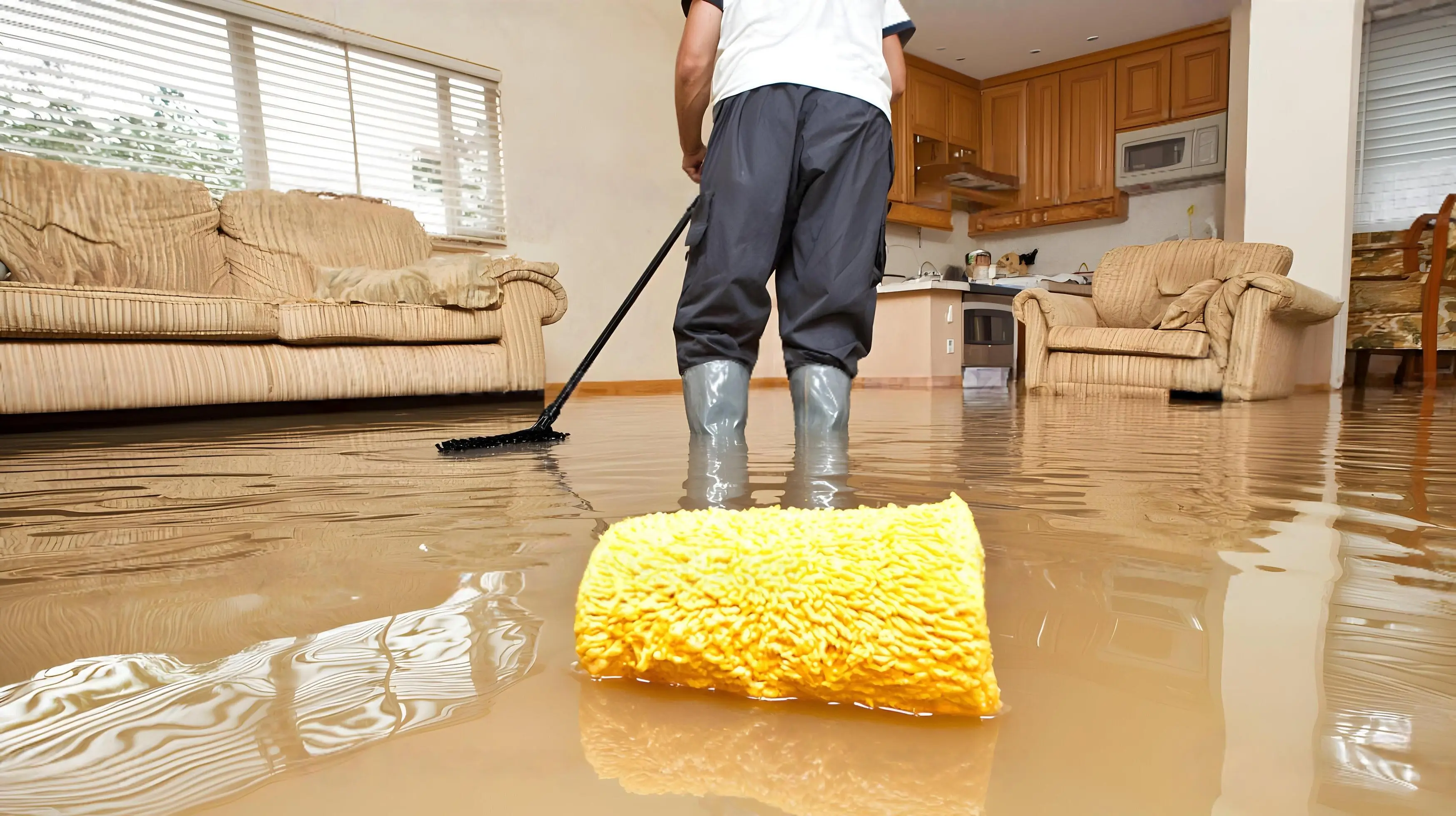
Water Damage Restoration
Burst pipes, storm flooding, standing water. We extract, dry, and restore before mold sets in.
Learn more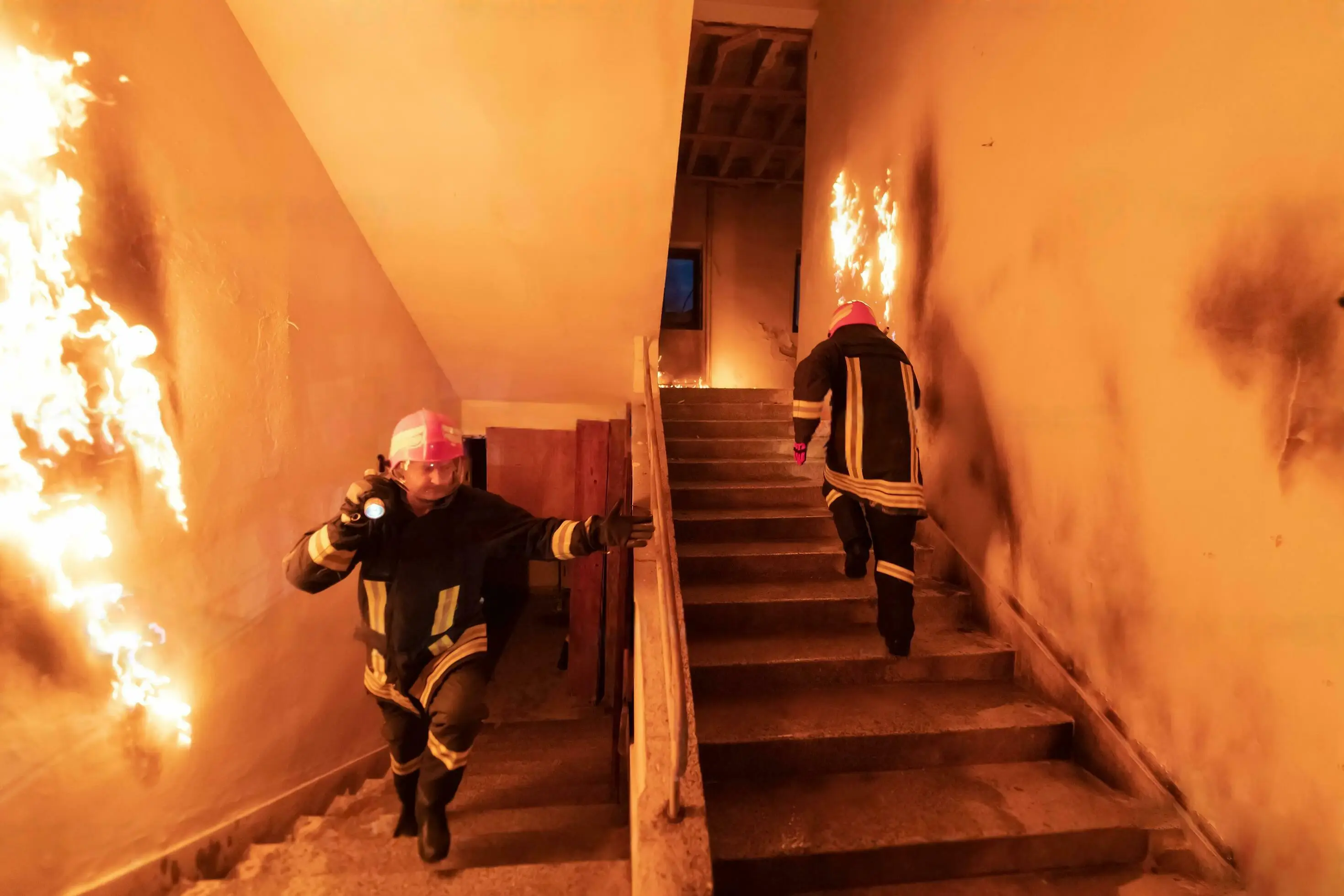
Fire Damage Restoration
Structural damage, soot, debris. We stabilize, clean, and rebuild what fire destroyed.
Learn more
Mold Remediation
Testing, containment, removal, prevention. We find the source, eliminate the growth, and stop it from returning.
Learn more
Sewage Cleanup
Sewer backups, contaminated water, biohazard. We extract, sanitize, and restore safely.
Learn more