
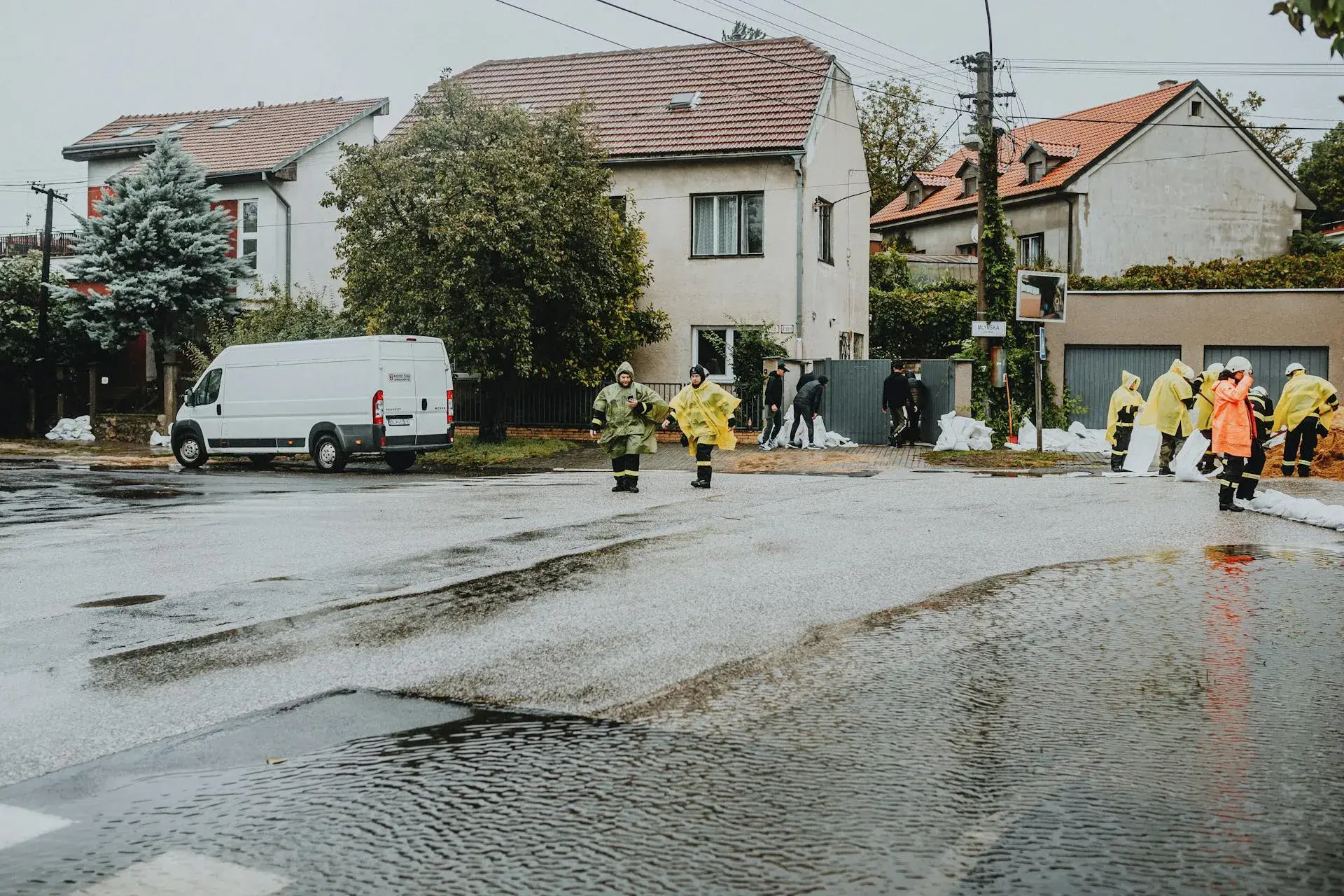
Sewage Cleanup in Hoffman Estates, IL
Sewage contamination is a health emergency. Every minute of exposure increases biological hazard and material damage. Our local team responds to Hoffman Estates emergencies within 60 minutes.
What Happens When You Call
A real person answers, not a call center. We assess your situation, ask the right questions, and begin coordinating your response immediately.
Your dedicated restoration team is dispatched from our local base serving Hoffman Estates and the surrounding northwest Cook County communities.
Team arrives with contaminated-water extraction equipment, personal protective gear, antimicrobial systems, and containment materials. Emergency response begins immediately.
Sewage extracted, contaminated materials identified for removal, sanitization underway. You know exactly what comes next and what the timeline looks like.
Sewage has entered your home. This is not a cleanup you can handle yourself. Raw sewage carries bacteria, viruses, parasites, and chemical contaminants that make it a Category 3 biohazard under industry standards, the most dangerous classification of water damage. The materials it contacts cannot simply be dried, they must be removed and the space sanitized to health-safe standards. X Response exists for exactly this moment. When you reach out, your restoration team is mobilized within minutes and on site within the hour. From that point forward, one team manages everything: extraction, containment, removal, sanitization, and restoration. Call now. Your team is standing by.
Why Hoffman Estates Homes Are Vulnerable to Sewage
Hoffman Estates is a village of approximately 52,530 residents in northwest Cook County, Illinois, with a sanitary sewer system that has served the community since its earliest development in the late 1950s and early 1960s. Unlike some older Cook County municipalities that operate combined sewer systems where stormwater and sanitary waste share the same pipes, Hoffman Estates maintains separate storm and sanitary sewer networks. This separation means that during heavy rain events, the sanitary system does not receive direct stormwater inflow by design. However, the system's age introduces problems of its own. Pipes installed during the village's first decades of development have deteriorated over 50 to 60 years: joint connections separate, allowing groundwater to infiltrate the sanitary system (inflow and infiltration); tree roots penetrate pipe walls seeking moisture, creating blockages and further joint damage; and pipe materials that were standard in the 1960s, including clay tile and early PVC, degrade under sustained soil pressure and chemical exposure. Starting May 1, 2026, the Village increased combined water and sewer rates by six percent, from $15.44 to $16.37 per thousand gallons, specifically to fund the ongoing maintenance, repair, and replacement of this aging infrastructure.
The separate-system design does not make Hoffman Estates immune to sewer backup events. During heavy rain, groundwater infiltration through deteriorated pipe joints overwhelms the sanitary system's capacity in specific neighborhoods. The additional volume of groundwater entering through cracks, separations, and root-damaged sections reduces the system's available capacity for its intended sanitary load, creating surcharge conditions where sewage backs up through the lowest openings in connected homes: basement floor drains, laundry drains, and ground-floor plumbing fixtures. This infiltration-driven backup is distinct from a combined-sewer overflow but produces the same result for the homeowner, raw sewage in living spaces. The Village's rate increase and infrastructure investment acknowledge this problem, but the rehabilitation of an entire community's underground pipe network is a multi-year, multi-phase effort. Residents in neighborhoods with the oldest, most deteriorated pipe segments face backup risk today that the capital program will address over years, not months.
Aging Sanitary Sewer Infrastructure and Infiltration
Hoffman Estates' sanitary sewer system was installed in phases beginning in the late 1950s, with the majority of the network constructed during the 1960s and 1970s as the village expanded rapidly through annexation and new development. After 50 to 60 years of service, these pipes exhibit the deterioration patterns typical of their era and material type. Clay tile pipes, common in the earliest installations, become brittle and crack under sustained soil loading. Joint connections between pipe segments, whether clay bell-and-spigot or early rubber gasket designs, loosen as surrounding soil settles and shifts over decades. Tree roots, drawn to the moisture within sewer lines, penetrate through joints and cracks, growing within the pipe and eventually creating partial or complete blockages. Each of these deterioration mechanisms, joint separation, cracking, and root intrusion, allows groundwater to enter the sanitary system. During periods of elevated groundwater, particularly after heavy rain when surrounding soils are saturated, this infiltration can add substantial volume to the sanitary system beyond its design capacity, leading to surcharge and backup in the lowest-elevation connected properties.
Basement Floor Drains as the Weak Point
In most Hoffman Estates homes with basements, the basement floor drain represents the lowest plumbing connection to the sanitary sewer system. Under normal conditions, this drain collects water from the basement floor, sump pump overflow, or laundry discharge and conveys it to the sanitary main by gravity. When the sanitary system surcharges during an infiltration event, the pressure reverses: sewage rises through the system and exits through the lowest available opening, which in most cases is that basement floor drain. The sewage that emerges is not filtered or diluted stormwater. It is raw sanitary waste from upstream connections, potentially including waste from dozens of connected properties, combined with the infiltrating groundwater that caused the surcharge in the first place. For homeowners, the result is a basement contaminated with Category 3 biohazardous water that requires professional extraction, material removal, and sanitization rather than simple mopping and drying. Homes without check valves (backwater valves) on their sanitary lateral are particularly vulnerable, as nothing prevents the reversed flow from reaching interior drains.
Root Intrusion and Lateral Blockages
Individual sanitary laterals, the pipes connecting each home to the main sewer line beneath the street, are privately owned and maintained by the homeowner in Hoffman Estates. These laterals, often the same age as the main system, are subject to the same deterioration plus an additional risk factor: the trees planted in yards and parkways over the past 50 to 60 years have mature root systems that actively seek the moisture within sewer pipes. Roots enter through joints, cracks, and connection points, growing into root masses that trap solid waste and eventually create complete blockages. When a lateral blocks completely, sewage from the household has nowhere to go. If the backup occurs at a point between the house and the blockage, sewage rises through the home's lowest plumbing fixtures until the drain is cleared. Unlike a system-wide surcharge event that affects multiple properties simultaneously, a lateral blockage affects only the connected property and is the homeowner's responsibility to clear and repair. For Hoffman Estates residents with older homes and mature landscaping, lateral root intrusion is the most common cause of individual sewage backup events.
Multi-Family Building Sewage Risks
Hoffman Estates' significant inventory of multi-family housing, including apartment complexes and condominium buildings from the 1970s and 1980s, presents specific sewage-related vulnerabilities. These buildings typically connect to the sanitary main through a single large-diameter lateral that serves all units. A blockage in this shared lateral affects every unit in the building simultaneously, with sewage emerging through ground-floor and below-grade plumbing fixtures in multiple residences at once. Ground-floor units and any below-grade spaces such as parking garages, storage rooms, or maintenance areas are affected first because they contain the lowest plumbing connections. In condominium buildings, responsibility for the shared lateral may be divided between the HOA and individual unit owners depending on where the blockage occurs and how the governing documents assign maintenance obligations. The scale of contamination from a building-wide backup event exceeds what most individual residents are prepared to address, requiring coordinated professional response across multiple units and common areas simultaneously.
Illinois Department of Public Health Cleanup Standards
The Illinois Department of Public Health provides specific guidance for cleaning up after flood and sewer overflow events that establishes the health-protection standards applicable to sewage intrusion in Hoffman Estates homes. IDPH guidance emphasizes that sewage-contaminated water carries bacteria (including E. coli, Salmonella, and Leptospira), viruses (including hepatitis A and norovirus), and parasites (including Cryptosporidium and Giardia) that can cause serious illness through skin contact, ingestion, or inhalation of aerosolized contaminants. IDPH advises minimizing skin contact with sewer water, keeping contaminated objects and water away from mouth, eyes, and nose, prohibiting children from playing in contaminated areas, and discarding any food or drink exposed to sewer water. These are not precautionary guidelines for a theoretical risk. They reflect the documented pathogen load in raw sewage that enters homes during backup events. Professional sewage cleanup follows these health-protection standards through proper PPE, extraction protocols, material removal criteria, and antimicrobial treatment requirements that household cleaning cannot achieve.
These factors create a community where sewage backup is a current and ongoing risk driven by infrastructure age, not a rare catastrophic event. The sanitary system's deteriorated joints admit groundwater that overwhelms capacity during wet weather. Individual laterals with root intrusion block without warning. Multi-family buildings multiply the impact of a single blockage across many households. And the material that enters homes carries documented pathogens that require professional-grade extraction, removal, and sanitization to address safely. The Village's infrastructure investment is underway, but for residents in neighborhoods with the oldest pipe segments, the risk exists today. Effective sewage cleanup means treating the event as the biohazard it is, removing all contaminated porous materials, sanitizing retained structural elements, and verifying the space is safe for occupancy rather than attempting household-level cleaning of a hazard that requires professional intervention.
What Happens to Your Home While You Wait
Within 1 Hour
Raw sewage spreads across basement floors, saturating carpet, carpet padding, stored belongings, and any porous material at floor level. The contaminated water wicks into drywall at the base of walls and penetrates particleboard shelving, cardboard storage, and furniture touching the floor. Biological activity begins immediately as bacteria in the warm, nutrient-rich sewage multiply rapidly. In Hoffman Estates basements during summer months, warm ambient temperatures accelerate bacterial growth. The sewage itself poses immediate health risk through skin contact, especially through cuts or abrasions, and through inhalation of aerosolized contaminants stirred up by splashing or walking through standing water.
1–24 Hours
Bacterial populations in the contaminated area multiply exponentially in the warm, wet environment. Drywall wicks contaminated water upward from the floor line, carrying pathogens into wall cavities where they are hidden but biologically active. Sewage odor intensifies as anaerobic bacteria break down organic matter in areas where oxygen is depleted. Porous materials including carpet, padding, clothing, paper goods, upholstered furniture, and mattresses become permanently contaminated and unsalvageable for health reasons regardless of how thoroughly they appear to dry. The contamination zone expands as water migrates along the floor and through any pathway gravity provides.
24–48 Hours
Mold colonization begins on sewage-wetted surfaces, adding fungal contamination to the existing bacterial and viral load. In Cook County's humid conditions, mold establishes on drywall, wood, and other organic materials within this window. The combination of sewage pathogens and active mold creates a compound biohazard that is significantly more complex and costly to remediate than either condition alone. Structural wood at the sill plate and floor framing begins absorbing contaminated moisture, and if not dried and treated promptly, may require replacement rather than cleaning. Odor becomes pervasive throughout the home as volatile organic compounds from decomposition distribute through the structure.
48–72 Hours
Mold growth becomes visible on affected surfaces. Structural materials that absorbed sewage-contaminated water now harbor biological growth within their matrix, not just on the surface. Drywall beyond approximately 12 inches above the sewage waterline is likely compromised from wicking and must be removed rather than dried in place. The HVAC system, if it was running during the event, has distributed airborne contaminants throughout the home. The scope of removal and sanitization expands significantly with every day that passes beyond the initial 24-hour window. What could have been contained to the basement now affects the ground floor and duct system.
One Week and Beyond
Extensive biological contamination throughout affected structural materials. Active mold growth on all wetted surfaces and within wall cavities. Structural wood showing degradation from sustained moisture and biological activity. The scope shifts from targeted removal and sanitization to extensive demolition and reconstruction. Health risk from occupying the space increases substantially as spore counts rise, bacterial biofilms establish on structural surfaces, and odor compounds saturate building materials. Insurance claims become more complex as carriers question whether the expanded scope could have been prevented with timely professional intervention.
Sewage cleanup is not a project that improves by waiting. Every hour between the event and professional intervention increases the contamination zone, the health risk, and the scope of work required to restore safe conditions. Contact X Response now. Our Hoffman Estates team responds within 60 minutes.
How We Restore Sewage-Damaged Hoffman Estates Homes
From the moment our team arrives, every step is documented, measured, and verified. Here is exactly what the sewage cleanup process involves for Hoffman Estates properties.
Safety Assessment and Contamination Mapping
Our team arrives in full personal protective equipment appropriate for Category 3 biohazardous water. Before entering the contaminated area, we assess electrical hazards (sewage and standing water near electrical panels, outlets, or appliances), structural stability, and active sewage flow. If sewage is still entering the space because the sanitary system remains surcharged or a lateral blockage has not been cleared, we coordinate with Village Public Works or a licensed plumber to resolve the source before cleanup begins. The contamination boundary is mapped: how high did the water reach on walls, which rooms were affected, what materials contacted the sewage, and whether the HVAC system was exposed. This mapping drives the removal scope and provides the documentation your insurance company needs.
Sewage Extraction and Contaminated Material Removal
Standing sewage is extracted using equipment designated for contaminated water, with discharge to the sanitary system or containment for proper disposal. Once standing water is removed, all porous materials that contacted sewage are identified for removal: carpet, carpet padding, drywall to a minimum of 12 inches above the highest waterline (or higher based on visible wicking), insulation, particleboard, stored belongings at floor level, and any soft goods that cannot be sanitized to health-safe standards. These materials are bagged in sealed containers and removed from the structure for proper biohazardous waste disposal. In Hoffman Estates basements with finished walls over block foundations, we remove the finished wall system entirely in the affected zone to expose the block wall behind it for direct treatment, because contaminated water trapped between the drywall and the block wall cannot be adequately sanitized in place.
Antimicrobial Treatment and Structural Sanitization
After contaminated materials are removed, all remaining structural elements, including concrete block walls, concrete floors, floor joists, sill plates, and any retained framing, are treated with EPA-registered antimicrobial solutions formulated for sewage-contaminated surfaces. Treatment is applied to both visible surfaces and concealed areas where contaminated water made contact. For Hoffman Estates block basements, the porous block material and mortar joints receive particular attention because sewage can penetrate into the block matrix rather than just coating the surface. Floor-to-wall joints, pipe penetrations, and sump pit interiors are treated as high-concentration zones. This treatment kills remaining pathogens, prevents mold establishment on treated surfaces, and establishes a sanitized substrate for the drying phase that follows.
Structural Drying and Dehumidification
Once sanitized, the exposed structural elements must be dried to acceptable moisture levels before reconstruction. Commercial dehumidifiers and air movers are positioned to drive airflow across concrete block walls, floor slabs, framing members, and any retained structural wood. In Hoffman Estates' humid climate, mechanical dehumidification is essential because ambient air cannot absorb sufficient moisture to dry structures efficiently, particularly in below-grade spaces where natural ventilation is minimal. We monitor moisture levels daily and reposition equipment as readings change, continuing until all structural elements reach their dry standard. For block walls where moisture can migrate from the exterior soil face through the porous block, drying may extend beyond the timeline for wood framing because the wall continues receiving exterior moisture until surrounding soils drain. HEPA filtration runs continuously during drying to capture any residual airborne contaminants.
Verification and Restoration
Before reconstruction begins, a final inspection verifies that all contaminated materials have been removed, antimicrobial treatment has been applied to all affected surfaces, and moisture readings confirm the structure is dry and ready for rebuild. We provide clearance documentation including contamination boundaries, treatment records, moisture readings, and photographic evidence of each phase. Reconstruction of the affected area, including new drywall, insulation, flooring, and trim, proceeds once clearance is confirmed. For Hoffman Estates homes where the sewage event resulted from a system surcharge or lateral condition that is likely to recur, we recommend preventive measures including backwater valve installation, sump pump upgrades, or lateral inspection and repair to reduce future risk. The goal is not just to clean up today's event but to reduce the probability of repeating it.
The X Response Difference
When you contact X Response for sewage cleanup in Hoffman Estates, you get a team that treats the event as the biohazard it is from the first minute. Full extraction, complete material removal, professional sanitization, monitored drying, and verified clearance. One team, one standard, from emergency response through safe restoration.
Insurance Claim Guidance for Hoffman Estates Homeowners
Sewage backup insurance coverage in Illinois requires specific attention because standard homeowner's policies do not automatically cover it. Most standard policies cover sudden and accidental water damage from interior plumbing failures, such as a burst pipe or failed water heater. However, damage from sewage backing up through drains, whether caused by a municipal system surcharge, a lateral blockage, or root intrusion, is typically excluded unless you carry a specific sewer and drain backup endorsement. This endorsement is usually available for an additional premium and often carries a separate sub-limit, commonly $5,000 to $25,000, that may not cover the full cost of professional extraction, material removal, sanitization, and reconstruction for a significant event. Many Hoffman Estates homeowners in older neighborhoods with aging laterals and known infrastructure issues do not discover this coverage gap until their first backup event.
How X Response Helps
- Document all contamination with professional photos, contamination boundaries, and a detailed scope of work from the first hour of response
- Identify the backup source clearly, as municipal system surcharge, private lateral blockage, and interior plumbing failure each trigger different coverage provisions under Illinois policies
- Prepare documentation that demonstrates the event was sudden and accidental rather than gradual or resulting from deferred maintenance, as carriers will evaluate this distinction
- Provide itemized cost breakdowns separating extraction, material removal, antimicrobial treatment, drying, and reconstruction so your adjuster can process each component against applicable coverage
- Explain your policy's sewer backup endorsement provisions, including any sub-limits, before work begins so you understand coverage boundaries and potential out-of-pocket exposure
X Response does not file claims on your behalf, adjust claims, or make coverage determinations. We provide documentation and guidance to help you make informed decisions about your property and your policy. Coverage decisions are made solely by your insurance carrier.
Certified Restoration Specialists Serving Hoffman Estates
When you contact X Response for sewage cleanup in Hoffman Estates, your team is drawn from certified professionals who work across northwest Cook County and understand the specific sewage risks in this community. They know the aging sanitary infrastructure in the older neighborhoods where infiltration-driven surcharges are most common. They know the multi-family buildings where a single lateral blockage affects dozens of residents simultaneously. They know the basement construction across different eras and how contaminated water interacts with block walls, slab floors, and finished basement systems. They have responded to system surcharge events during heavy rain, individual lateral blockages from root intrusion, and building-wide backups in the village's condominium complexes. This is not a general water damage crew attempting biohazard work. It is a team trained and equipped specifically for Category 3 contaminated water extraction, material removal, and structural sanitization.
Every technician on your team holds current IICRC certification in water damage restoration with specific training in contaminated water categories, and carries the appropriate Illinois state licensing for the work being performed. Personal protective equipment meets OSHA standards for biohazardous material exposure. Extraction equipment is designated for contaminated use and decontaminated between projects. Antimicrobial treatments are EPA-registered for sewage applications. When your team arrives, they bring the training, equipment, and protocols required to handle the biohazard safely and restore your space to health-safe standards.
In Hoffman Estates, X Response works with Scene Cleaners, an independent local restoration partner serving Cook County.
Sewage Cleanup FAQ for Hoffman Estates Homeowners
Other Emergency Services in Hoffman Estates
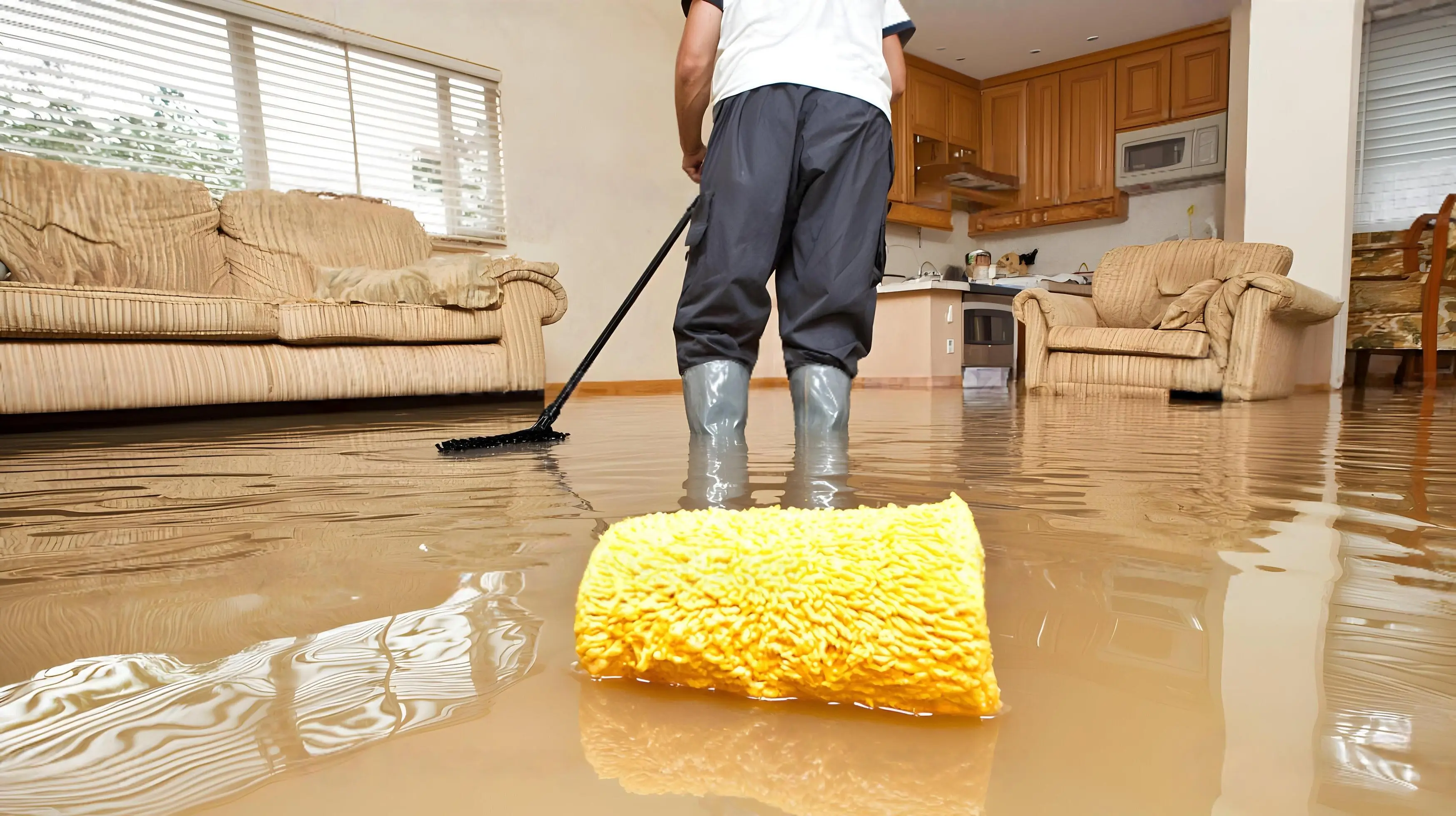
Water Damage Restoration
Burst pipes, storm flooding, standing water. We extract, dry, and restore before mold sets in.
Learn more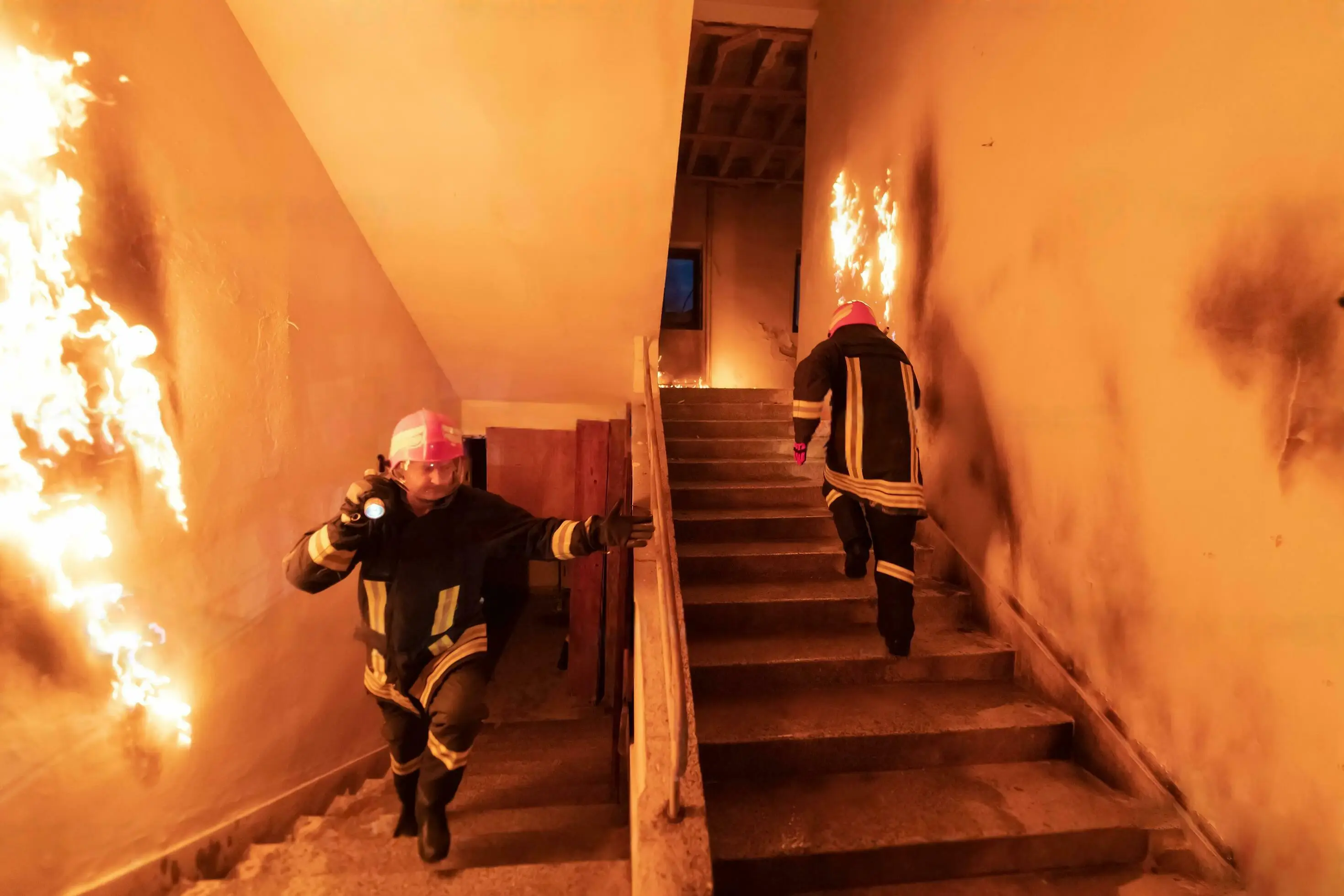
Fire Damage Restoration
Structural damage, soot, debris. We stabilize, clean, and rebuild what fire destroyed.
Learn more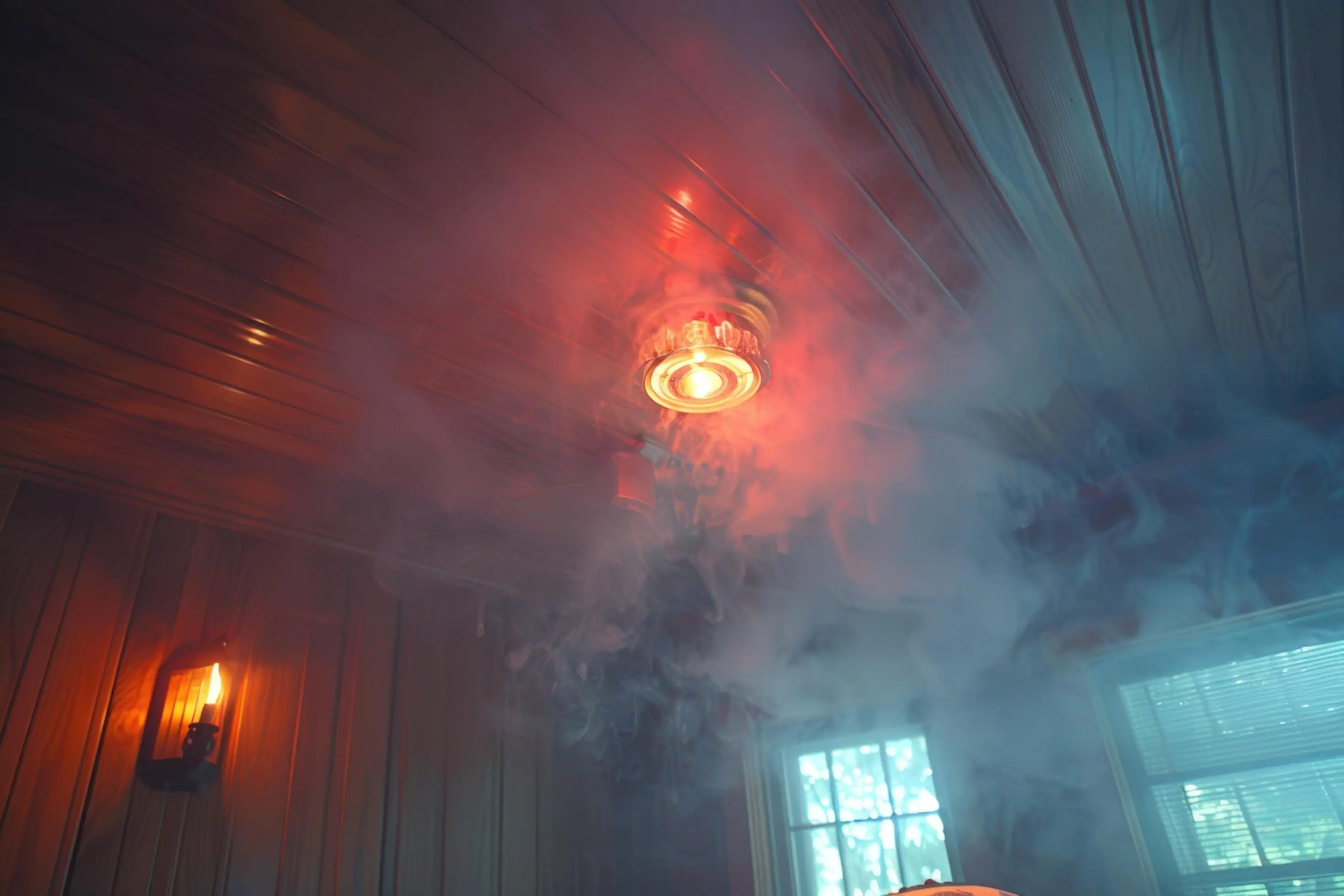
Smoke Damage Restoration
Soot residue, chemical odors, HVAC contamination. We decontaminate surfaces, eliminate odors, and restore air quality.
Learn more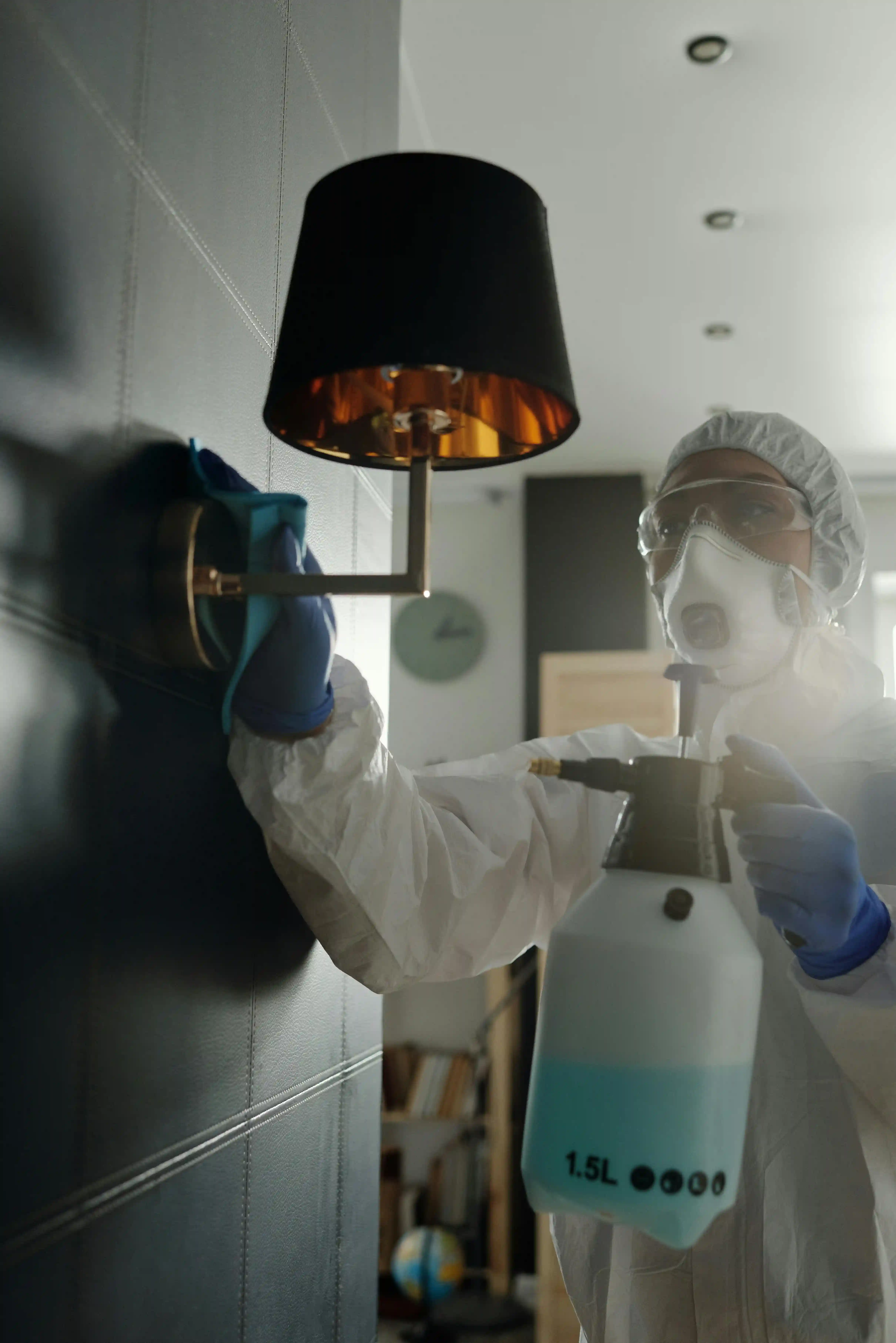
Mold Remediation
Testing, containment, removal, prevention. We find the source, eliminate the growth, and stop it from returning.
Learn moreNearby Service Areas
Also serving nearby: