
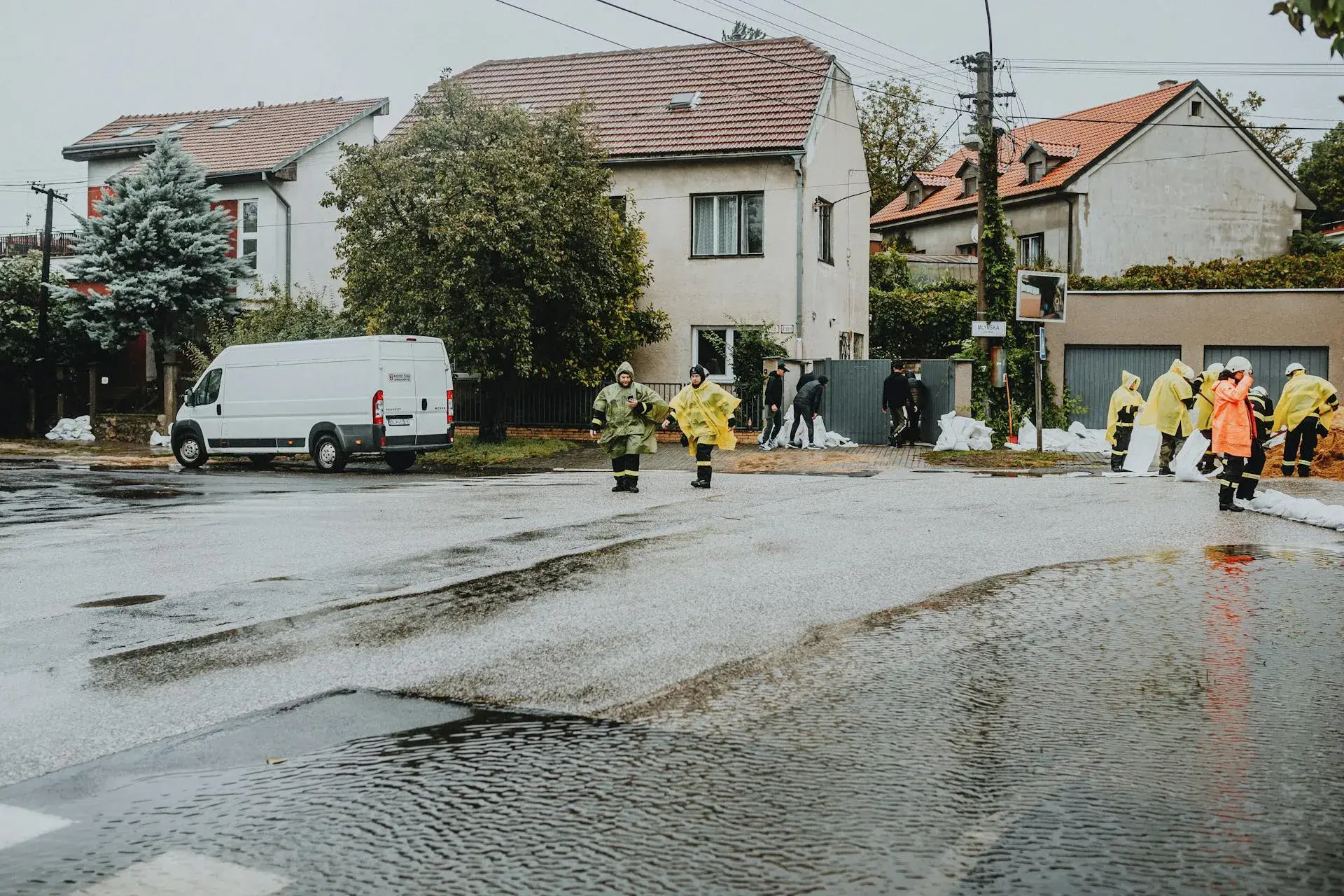
Sewage Cleanup in Brownsburg, IN
Sewage contains dangerous bacteria, viruses, and parasites that threaten your family's health every minute it remains in your home. Our local team responds to Brownsburg emergencies within 60 minutes.
What Happens When You Call
A real person answers. We assess your situation, identify the sewage source, and begin coordinating your response immediately.
Your dedicated restoration team is dispatched from our local base serving Brownsburg and Hendricks County.
Team arrives with sewage-rated extraction equipment, PPE, and disinfection systems. Emergency extraction begins immediately.
Sewage extracted, contaminated materials removed, disinfection applied, drying equipment placed. You know exactly what comes next.
Sewage in your home is a health emergency. Category 3 black water contains pathogens including E. coli, Salmonella, hepatitis, and parasitic organisms that pose immediate health risks. X Response exists for exactly this moment. Call now. Your team is standing by.
Why Brownsburg Homes Are Vulnerable to Sewage
Brownsburg is a town of approximately 34,000 residents in Hendricks County, served by a wastewater system that includes a combined sewer component in older areas of town. Brownsburg has a combined sewer system in some areas that collects both rainwater and sanitary wastewater in the same pipes, and during heavy rain events this system can reach capacity, leading to discharges of partially treated or untreated combined wastewater into White Lick Creek and backup through basement fixtures in connected homes. The town has constructed storage infrastructure to reduce overflow frequency, but the fundamental capacity limitation means that intense rainfall events still stress the system beyond what the pipes and storage can handle.
Beyond the combined sewer component, Brownsburg's rapid growth from approximately 14,520 residents in 2000 to over 34,000 today has strained the entire wastewater collection system. Newer subdivisions connect to separated sanitary sewers, but the increased flow volume from thousands of additional homes and businesses passes through trunk mains and pump stations that were sized for a much smaller community. Private sewer laterals in older areas of town, some dating to the mid-twentieth century, are vulnerable to the same tree root intrusion, joint separation, and material deterioration that affect aging laterals throughout central Indiana.
Combined Sewer Overflow and Basement Backup
Brownsburg's combined sewer system in older areas carries both stormwater and sanitary sewage in the same pipes. During heavy rain, the combined volume can exceed system capacity, causing sewage to back up through the lowest connected fixtures in homes: basement floor drains, ground-floor showers, and laundry drains. The town has invested in storage infrastructure to buffer peak flows, but intense or prolonged rainfall events can still overwhelm the system. Homes without backwater valves have no physical barrier to prevent reverse flow, making below-grade fixtures the default overflow point when the system reaches capacity.
Rapid Growth and Infrastructure Strain
Brownsburg's population growth has more than doubled the demand on the wastewater collection and treatment system. Trunk mains and pump stations designed for 15,000 residents now serve over 34,000. During peak demand periods, particularly wet weather events when inflow and infiltration add stormwater to the sanitary system, the collection network operates closer to capacity with less margin for surges. When a blockage occurs in a trunk main during high-flow conditions, the backup affects more connected properties than the same blockage would have affected in a smaller system.
Private Lateral Failures
The sanitary lateral connecting each Brownsburg home to the collection main is the homeowner's responsibility. In older areas of town, these laterals may be original clay tile or Orangeburg pipe that has deteriorated over decades. Tree roots penetrate joints and gradually restrict flow until complete blockage sends sewage back into the home. In newer subdivisions, PVC laterals are more durable but can still be compromised at connections or by settling. Many homeowners do not know their lateral exists until sewage surfaces through a floor drain.
Simultaneous Stormwater and Sewage Events
During heavy rain, homes in the combined sewer footprint can experience both stormwater flooding from the surface and sewage backup from below simultaneously. Surface water overwhelms storm drains and enters through garage doors and foundation openings. At the same time, the combined sewer exceeds capacity and backs up through floor drains. The sewage contamination controls the classification for all affected materials regardless of which water arrived first.
White Lick Creek Elevation and Groundwater
When White Lick Creek is elevated from sustained rainfall, the surrounding groundwater table rises and creates additional hydraulic pressure on the sewer collection system. Elevated groundwater infiltrates aging pipe joints and manholes, adding volume to the system when it is already under peak demand from the storm event. This additional infiltration can push the system past its capacity threshold, triggering backup events in homes connected to the most stressed segments of the network.
Sewage backup in Brownsburg results from the combined sewer system's capacity limitations during heavy rain, rapid growth that has strained wastewater infrastructure, aging private laterals vulnerable to root intrusion and deterioration, the compound effect of simultaneous stormwater and sewer events, and elevated groundwater from White Lick Creek. Whether from a system overflow or a single lateral blockage, the contamination requires professional extraction, EPA-rated disinfection, and verified structural drying.
What Happens to Your Home While You Wait
Within 1 Hour
Sewage spreads across flooring and saturates porous materials. Pathogens contaminate every surface contacted. The health risk to occupants is immediate.
1–24 Hours
Contaminated water wicks into drywall, baseboards, and wall cavities. Bacterial populations multiply rapidly. The contamination zone expands beyond the visible sewage line.
24–48 Hours
Secondary contamination develops. Mold colonizes affected materials in Hendricks County's humid conditions. Sewage odor embeds in structural materials.
48–72 Hours
Contamination spreads through wall cavities and into HVAC if return intakes are at floor level. Restoration scope expands significantly.
One Week and Beyond
Extensive biological contamination. Structural degradation begins. Full-scale demolition and reconstruction required.
Sewage is a health emergency that worsens every hour. Contact X Response now.
How We Restore Sewage-Damaged Brownsburg Homes
Every step prioritizes your family's health while restoring your property.
Hazard Assessment and Safety
Team arrives in full PPE. We identify the sewage source, assess electrical hazards, and establish a safety perimeter before any contaminated material is disturbed.
Sewage Extraction and Demolition
Standing sewage is extracted using rated equipment. All porous materials that contacted sewage are removed and disposed of per regulations. Non-porous materials can be disinfected.
Biohazard Disinfection
EPA-registered biocides rated for sewage pathogens are applied to every affected surface. HEPA air scrubbers run throughout the process.
Structural Drying
Commercial dehumidifiers and air movers dry the structure to prevent secondary mold. Moisture monitored daily until dry standard is confirmed.
Verification and Clearance
All contaminated materials removed, surfaces disinfected, moisture verified. Complete documentation supports your insurance claim and reconstruction scope.
The X Response Difference
Professional extraction, EPA-rated disinfection, verified drying, complete documentation.
Insurance Claim Guidance for Brownsburg Homeowners
Standard homeowner's policies do not automatically cover sewer backup. A separate endorsement is required, typically capped at $5,000 to $25,000. If sewage entered during a flood event, flood insurance may apply instead.
How X Response Helps
- Document the sewage source and entry pathway
- Record full contamination scope
- Identify your sewer backup endorsement limits before filing
- Document all extraction, disinfection, and drying work
- Explain coverage implications before you file
X Response does not file claims on your behalf, adjust claims, or make coverage determinations. Coverage decisions are made solely by your insurance carrier.
Certified Restoration Specialists Serving Brownsburg
Your Brownsburg sewage team understands the combined sewer system, the infrastructure strain from rapid growth, and the aging lateral challenges in older areas. They have extracted sewage from basements across Hendricks County and managed combined stormwater-sewage events during heavy rain. Local team, Category 3 expertise.
Every technician holds IICRC certification and is trained in biohazard protocols. Equipment includes sewage-rated extractors, EPA-registered biocide systems, HEPA filtration, and commercial dehumidifiers.
In Brownsburg, X Response works with The Cleaning Source, an independent local restoration partner serving Hendricks County.
Sewage Cleanup FAQ for Brownsburg Homeowners
Other Emergency Services in Brownsburg

Water Damage Restoration
Burst pipes, storm flooding, standing water. We extract, dry, and restore before mold sets in.
Learn more
Fire Damage Restoration
Structural damage, soot, debris. We stabilize, clean, and rebuild what fire destroyed.
Learn more
Smoke Damage Restoration
Soot residue, chemical odors, HVAC contamination. We decontaminate surfaces, eliminate odors, and restore air quality.
Learn more
Mold Remediation
Testing, containment, removal, prevention. We find the source, eliminate the growth, and stop it from returning.
Learn moreNearby Service Areas
Also serving nearby: