
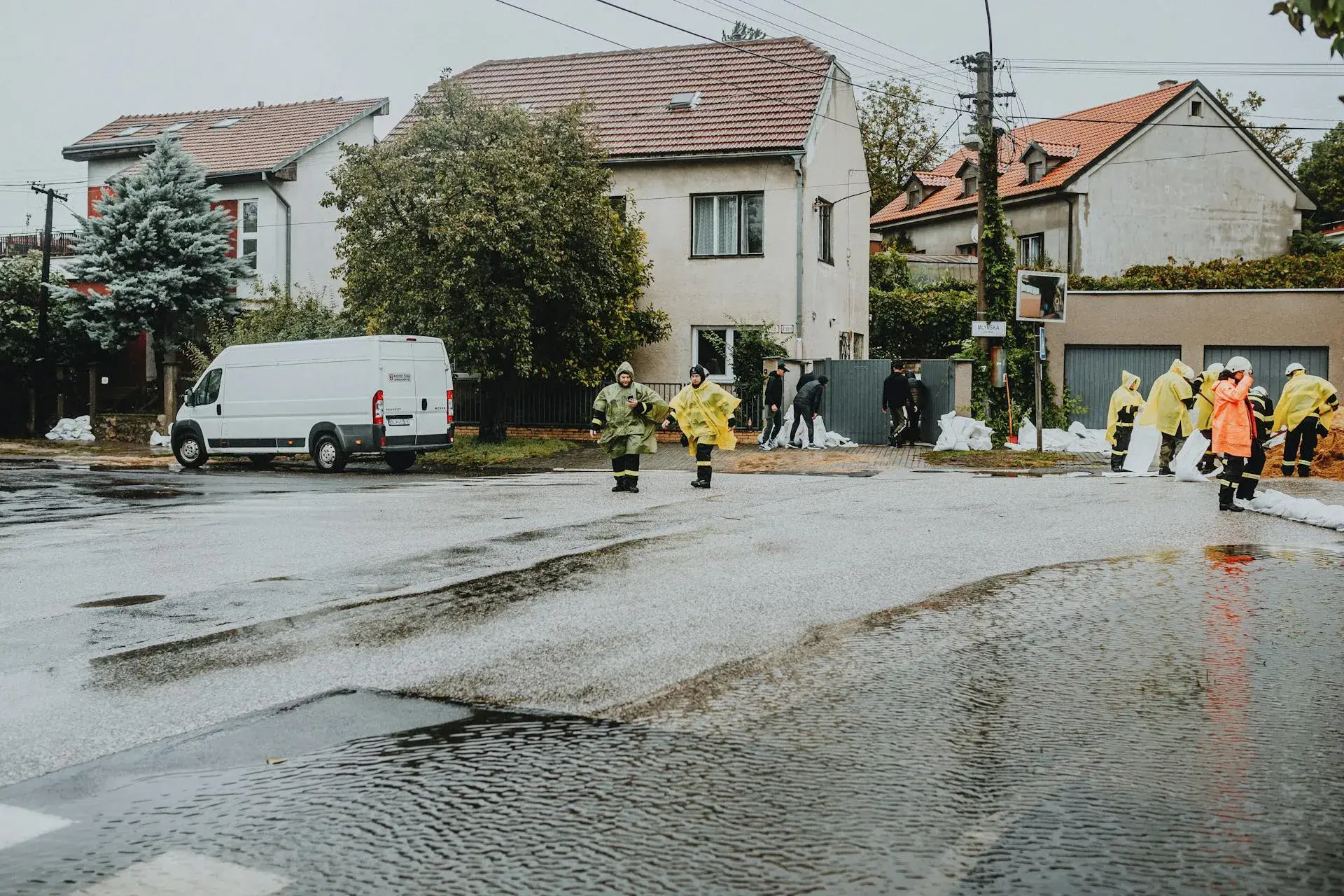
Sewage Cleanup in Baltimore, MD
Raw municipal sewage carries lethal pathogens and bacteria that penetrate porous masonry within minutes. Our certified Baltimore biohazard crews deploy within 60 minutes.
What Happens When You Call
Your emergency call connects directly with a biohazard remediation supervisor who confirms sewage volume, assesses health risks, and initiates emergency dispatch.
An IICRC-certified biohazard mitigation team arrives at your Baltimore location within 60 minutes equipped with full Level C personal protective equipment and vacuum extractors.
Technicians isolate the contaminated zone with plastic containment barriers and negative air filtration, preventing airborne aerosolized bacteria from entering living spaces.
Industrial truck-mounted vacuum extractors pump raw sewage and contaminated slurry directly into sealed waste holding tanks for lawful municipal disposal.
A sewage backup inside your Baltimore property represents an immediate biohazard emergency requiring specialized decontamination to protect human health and property value. X Response maintains a 24-hour hazardous mitigation depot in Central Maryland, dispatching certified biohazard technicians equipped with industrial truck-mounted waste extractors, hospital-grade EPA disinfectants, and commercial drying systems directly to your address. From initial containment and extraction through structural sanitization, moisture control, and ATP clearance verification, our crews manage the entire emergency. Call now. Your team is standing by.
Why Baltimore Homes Are Vulnerable to Sewage
Sewage overflow risks in Baltimore stem from a massive, century-old municipal wastewater network struggling under urban growth and extreme weather events. The Back River Wastewater Treatment Plant is designed to treat 180 million gallons of wastewater per day, but can receive up to 400 million gallons daily with decreased treatment. Opened in 1911 and serving both Baltimore City and surrounding Baltimore County, the Back River facility anchors an extensive regional collection system encompassing over a thousand miles of subterranean sewer mains. During intense Mid-Atlantic rainstorms, stormwater infiltration rapidly overwhelms aging collection lines, causing massive hydraulic surcharges that exceed transmission capacity.
Under this hydraulic pressure, raw sanitary sewage cannot flow freely toward treatment plants and instead backs up through private lateral pipes, bursting out of basement floor drains, utility sinks, and ground-floor plumbing fixtures across neighborhoods such as Belair-Edison, Park Heights, Waverly, Cherry Hill, and Woodberry. The City of Baltimore operates under a long-standing federal consent decree with the U.S. Environmental Protection Agency and the Maryland Department of the Environment to eliminate chronic sanitary sewer overflows (SSOs). When untreated Category 3 blackwater enters a finished rowhouse basement, it introduces millions of colony-forming units of Escherichia coli, Norovirus, Salmonella, and parasitic roundworms into porous concrete slabs, stone rubblestone foundations, and drywall assemblies. Without immediate professional containment and scientific sanitization, these biohazards create severe respiratory and gastrointestinal health risks for building occupants.
Aging Municipal Sewer Mains and Infiltration Inflow
Much of Baltimore's municipal wastewater collection system dates back to the early 1900s. Decades of ground settlement, tree root intrusion, and cracked clay sewer pipes allow massive volumes of groundwater and surface runoff to infiltrate the sewer system during storms, filling mains to overflowing and forcing sewage backward into residential basements.
Federal EPA and MDE Consent Decree Upgrades
Baltimore City is actively executing a multi-decade, billion-dollar federal consent decree overseen by the EPA and the Maryland Department of the Environment to modernize sewers and eliminate overflows. While major headworks projects have reduced discharges at outfalls, localized main surcharges continue to trigger emergency basement backups during high-volume rain events.
Low-Lying Urban Valleys and Gravity-Fed Backups
Neighborhoods situated in topographically low urban valleys, such as those bordering the Jones Falls and Gwynns Falls corridors, experience extreme hydrostatic head pressure in downstream trunk lines. When these interceptors fill, wastewater seeks the lowest open exit, which is frequently a residential basement floor drain or wash tub.
Porous Historic Stone Rubble and Concrete Slabs
Baltimore rowhouse cellars frequently feature unsealed concrete slabs and historic fieldstone or brick foundation walls. Raw sewage penetrates deeply into porous concrete pores and lime mortar joints through capillary absorption, creating persistent biohazard reservoirs that cannot be sanitized with simple surface mopping.
Mid-Atlantic Humidity and Rapid Bacterial Proliferation
In Baltimore's humid summer climate, contaminated basements provide an ideal incubation environment. Warm ambient temperatures and high relative humidity allow dangerous bacteria, enteric viruses, and toxic mold to multiply at exponential rates on organic building materials within 24 to 48 hours.
Cleaning raw sewage in Baltimore requires rigorous biohazard engineering, professional-grade antimicrobial chemistry, and thorough structural extraction. Standard household cleaners cannot eliminate dangerous bloodborne and waterborne pathogens embedded in concrete. X Response delivers complete, lab-verified sewage cleanup throughout Baltimore City.
What Happens to Your Home While You Wait
Within 1 Hour
Raw sewage inundates basement floors, soaking into carpet padding, baseboards, and bottom drywall. Porous concrete foundation slabs immediately absorb contaminated blackwater, drawing bacteria and viral pathogens deep into microscopic sub-surface pores.
1 to 24 Hours
Harmful enteric bacteria including E. coli and Salmonella multiply rapidly within saturated materials, releasing toxic airborne bioaerosols and noxious hydrogen sulfide gases. Organic matter softens drywall and causes wood baseboards to swell and discolor.
24 to 48 Hours
Bacterial contamination permeates framing timbers and insulation within wall cavities. Fungal mold spores germinate in the presence of sewage moisture and organic waste, creating dangerous combined biohazard conditions that trigger acute respiratory distress.
48 to 72 Hours
Pathogens penetrate deep into structural subfloors and historic brick party walls, rendering drywall, carpeting, and soft furnishings entirely non-salvageable. Corrosive sewer gases react with water heater fittings and electrical junction boxes, causing surface corrosion.
One Week and Beyond
Untreated sewage residues dry into airborne biohazard dust that circulates through residential HVAC systems whenever blowers engage. Deep structural framing suffers irreversible dry rot and severe microbial degradation, requiring extensive gut demolition down to the bare foundation.
Immediate biohazard mitigation is essential to protect occupant health and limit property destruction. Contact X Response immediately to dispatch our certified Baltimore sewage extraction team.
How We Restore Sewage-Damaged Baltimore Homes
Our sewage remediation protocol strictly adheres to ANSI/IICRC S500 Category 3 blackwater standards and OSHA biohazard regulations, ensuring rapid extraction, thorough disinfection, and verified hygienic clearance.
Emergency Biohazard Containment and Air Isolation
Upon arrival at your Baltimore property, our certified technicians don Level C personal protective equipment, seal HVAC registers, and construct plastic containment barriers under negative pressure with HEPA air scrubbers to prevent harmful airborne pathogens from spreading to unaffected upper levels.
High-Volume Category 3 Blackwater Extraction
Using industrial truck-mounted vacuum units equipped with sealed waste tanks, we rapidly pump standing sewage, contaminated water, and solid waste from basements and crawlspaces, transferring all biohazardous effluent to approved municipal disposal facilities.
Demolition and Disposal of Contaminated Porous Materials
Materials that cannot be fully decontaminated, including saturated drywall, baseboards, carpet, padding, and soft insulation, are carefully cut out under controlled containment, double-bagged in heavy biohazard bags, and legally transported for proper disposal.
Multi-Stage Pressure Washing and Hospital-Grade Disinfection
Technicians deep-clean exposed concrete slabs, historic stone walls, and structural timbers using hot-water pressure washers and commercial botanical disinfectants registered with the EPA. This multi-step chemical application neutralizes bacteria, viruses, fungi, and offensive odors.
Controlled Structural Dehumidification and ATP Clearance Verification
We deploy commercial low-grain refrigerant (LGR) dehumidifiers and high-velocity air movers to dry structural framing to target equilibrium standards. Technicians perform adenosine triphosphate (ATP) bioluminescence surface swab testing to verify zero biological activity before releasing the property.
The X Response Difference
Rely on X Response for certified biohazard containment, rigorous scientific decontamination, and rapid emergency response across Baltimore City.
Insurance Claim Guidance for Baltimore Homeowners
Securing insurance coverage for a sewage backup in Baltimore requires clear technical understanding of policy language regarding water and sewer backup endorsements. Standard homeowner and commercial property insurance policies in Maryland routinely exclude municipal sewer backups, drain overflows, and sump pump failures unless the property owner has purchased a specific Water Backup and Sump Discharge Endorsement. Even with an endorsement, coverage limits typically range from $5,000 to $25,000, making accurate itemized documentation essential. Additionally, the City of Baltimore Department of Public Works offers an Expedited Reimbursement Program for documented residential cleanup costs caused by municipal capacity-related wet weather backups. Our certified estimators prepare detailed Xactimate billing and biohazard reports to streamline your claim across all available channels.
How X Response Helps
- Comprehensive photographic and video inventories documenting the origin and extent of sewage intrusion prior to extraction
- Detailed line-item scopes categorized under ANSI/IICRC S500 Category 3 blackwater standards for maximum policy reimbursement
- Documentation of all destroyed structural finishes, mechanical equipment, and personal belongings for contents claims
- ATP bioluminescence swab logs and environmental clearance certificates verifying successful sanitization
- Direct coordination with insurance adjusters and support for Baltimore DPW sewer backup reimbursement applications
X Response delivers certified biohazard mitigation and technical claim documentation. We do not act as public adjusters or legal advocates; final insurance and municipal reimbursement decisions rest solely with your insurance provider and city agencies.
Certified Restoration Specialists Serving Baltimore
Our Baltimore biohazard mitigation specialists bring specialized field training and decades of combined disaster recovery experience to every sewage emergency. Operating from our central Maryland deployment base, our crews have successfully sanitized residential rowhouses in Belair-Edison, historic brownstones in Bolton Hill, commercial storefronts in Fells Point, and multi-family residential complexes in Park Heights. We understand the complex plumbing configurations of older Baltimore housing, including shared lateral drain stacks, terra-cotta sewer connections, and gravity-fed basement fixtures.
Every crew supervisor holds active credentials from the IICRC as an Applied Microbial Remediation Technician (AMRT) and Water Damage Restoration Technician (WRT), alongside comprehensive OSHA bloodborne pathogen certifications. Our dedicated fleet is equipped with truck-mounted vacuum extractors, negative air filtration systems, commercial LGR dehumidifiers, and advanced ATP testing equipment. When a sewage disaster compromises your Baltimore property, our team delivers discreet, compassionate, and guaranteed decontamination service.
In Baltimore, X Response works with Green Clean Restoration LLC, an independent local restoration partner serving Baltimore County.
Sewage Cleanup FAQ for Baltimore Homeowners
Other Emergency Services in Baltimore
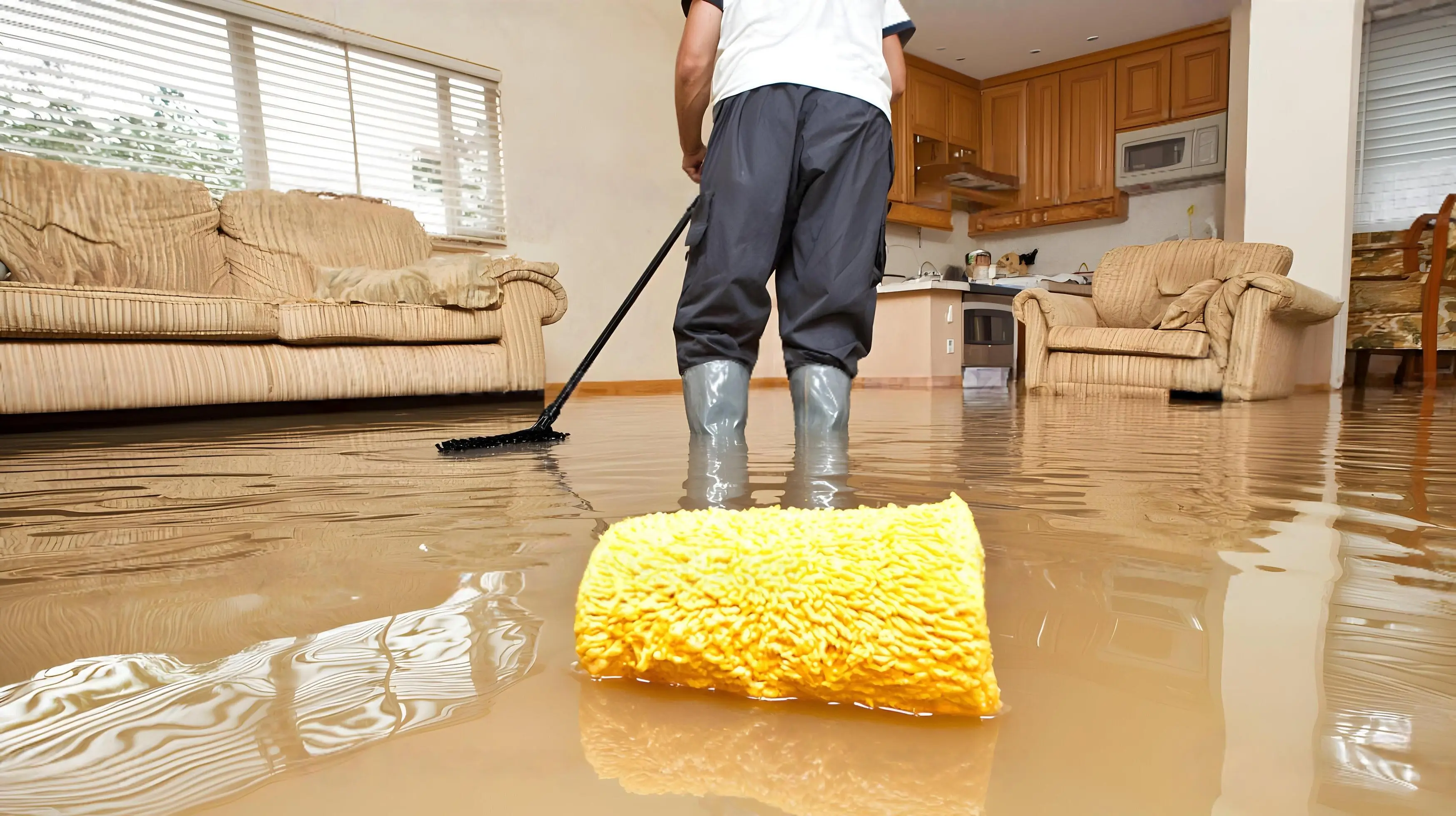
Water Damage Restoration
Burst pipes, storm flooding, standing water. We extract, dry, and restore before mold sets in.
Learn more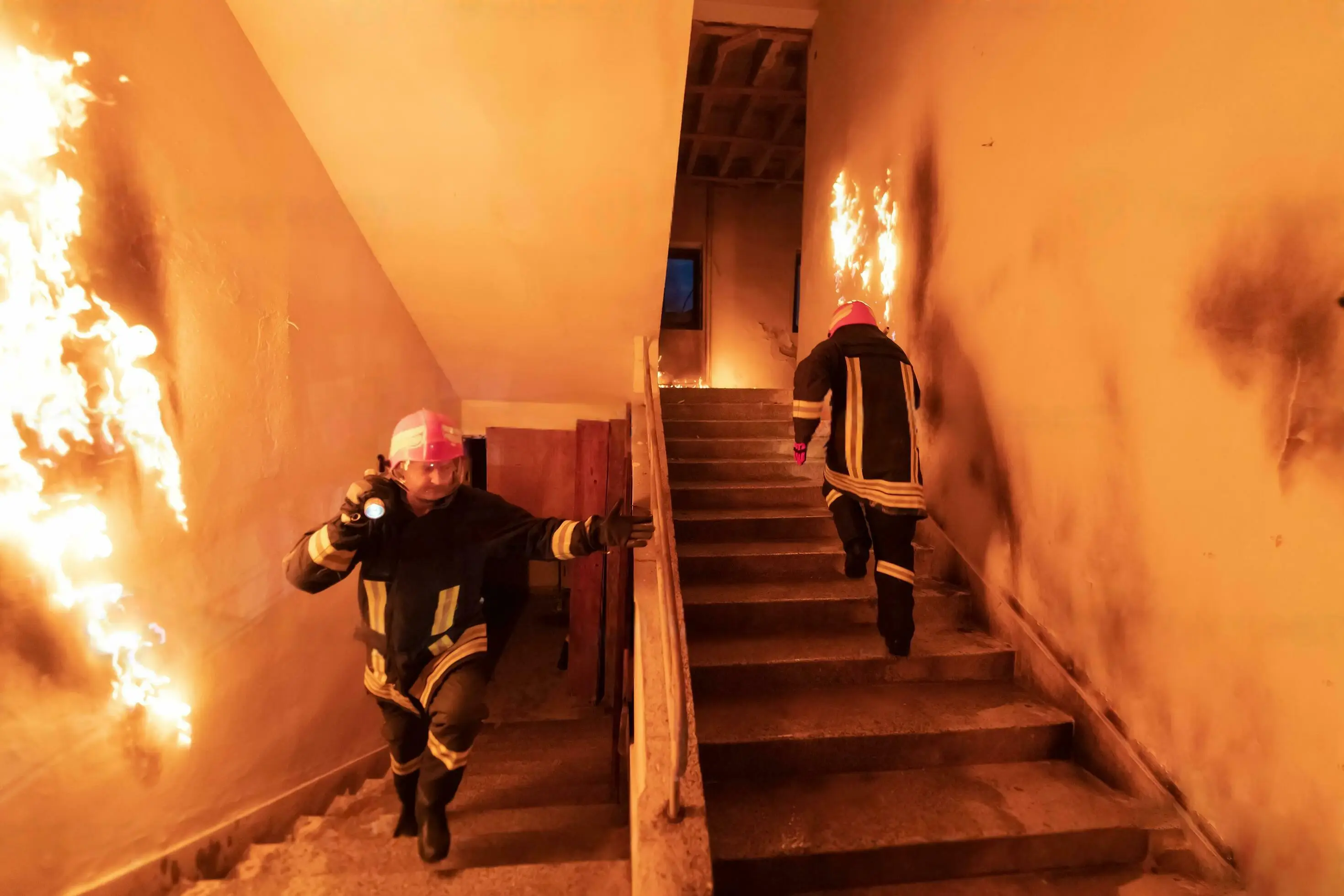
Fire Damage Restoration
Structural damage, soot, debris. We stabilize, clean, and rebuild what fire destroyed.
Learn more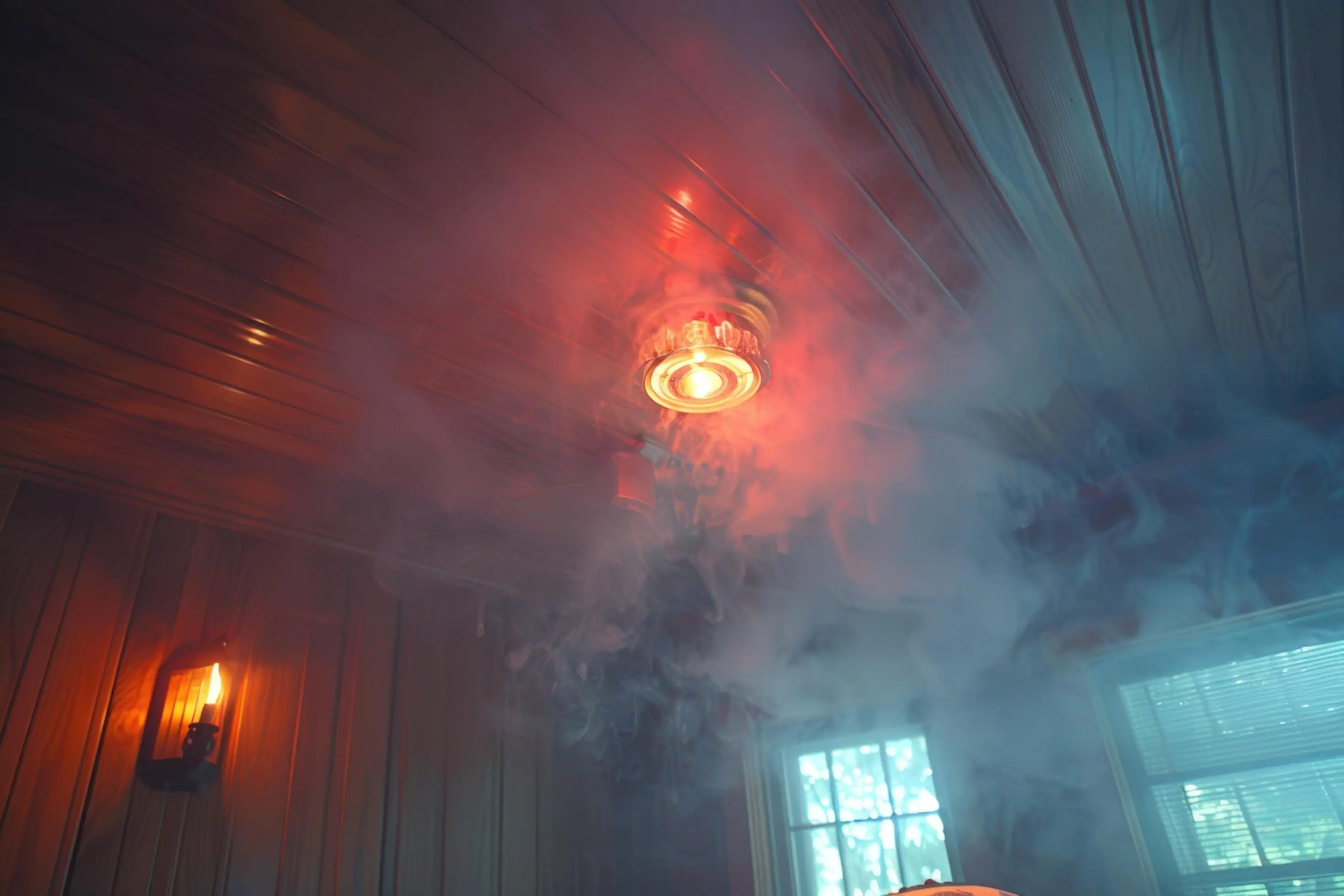
Smoke Damage Restoration
Soot residue, chemical odors, HVAC contamination. We decontaminate surfaces, eliminate odors, and restore air quality.
Learn more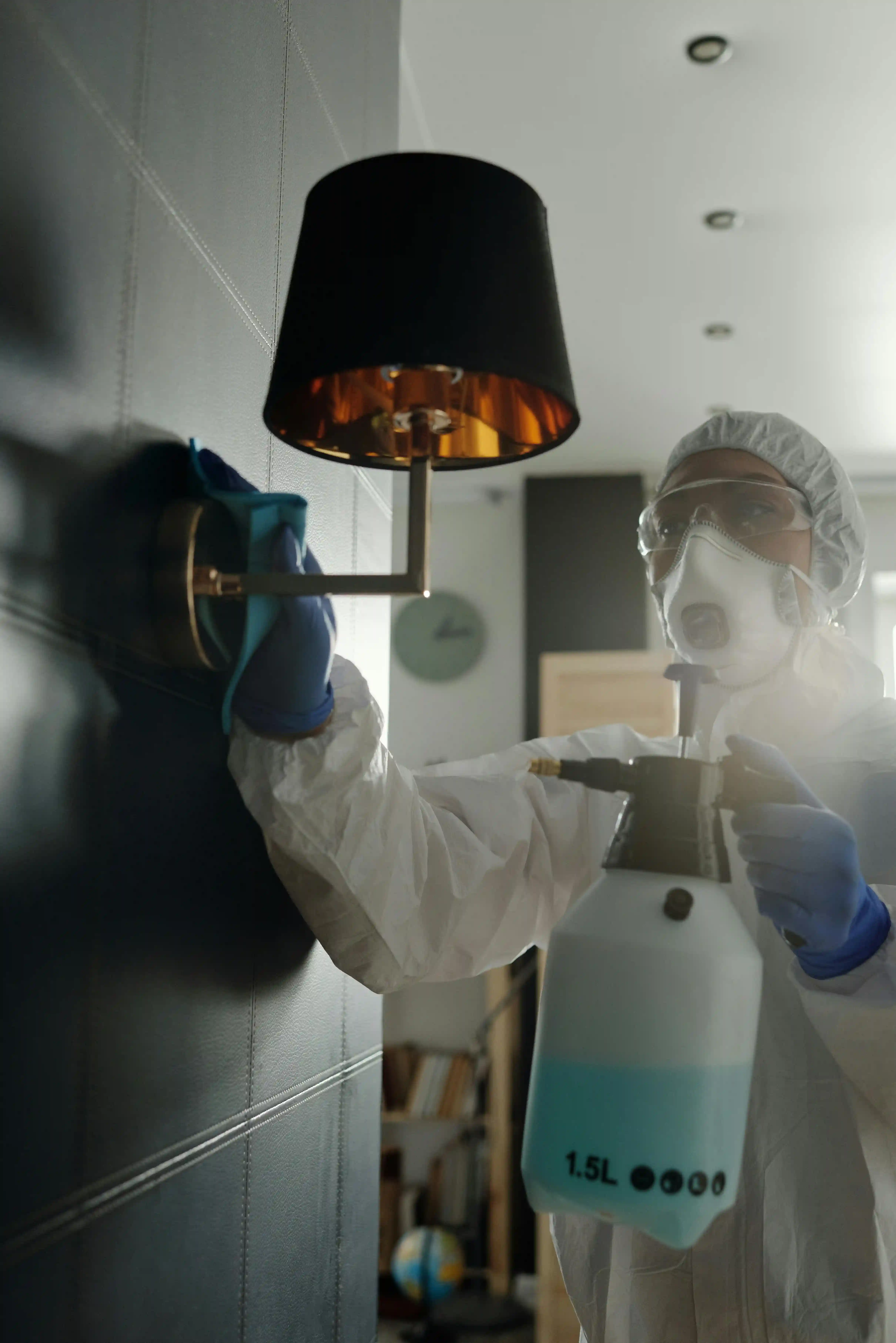
Mold Remediation
Testing, containment, removal, prevention. We find the source, eliminate the growth, and stop it from returning.
Learn moreNearby Service Areas
Also serving nearby: