
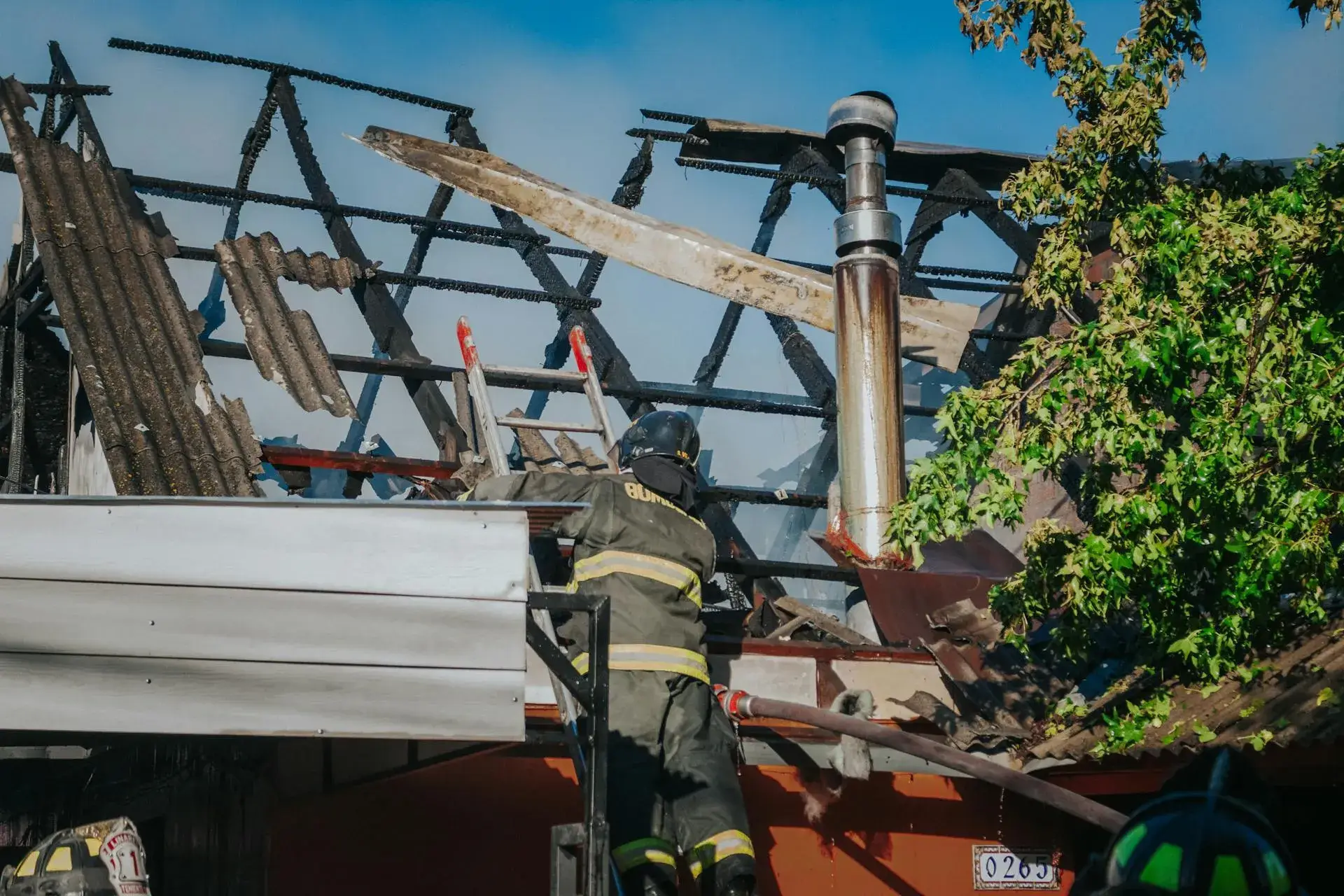
Fire Damage Restoration in Baltimore, MD
Acidic soot and fire suppression water compromise structural framing and corrode metal fixtures within hours. Our local Baltimore crews deploy within 60 minutes.
What Happens When You Call
Your emergency call connects directly with an experienced restoration supervisor who assesses structural hazards, coordinates emergency board-up, and dispatches field technicians.
Our IICRC-certified fire recovery team arrives at your Baltimore property within 60 minutes equipped with emergency tarping, air scrubbers, and structural stabilization gear.
Technicians conduct a comprehensive safety audit, identifying load-bearing compromises, charred structural timbers, and corrosive soot distribution across the building.
Crews secure the building perimeter, install heavy-duty roof tarps, extract firefighting suppression water, and position commercial air scrubbers to trap toxic particles.
A residential or commercial fire in Baltimore requires immediate technical intervention to halt progressive chemical etching and secondary water decay. X Response maintains a dedicated emergency response facility in Central Maryland, dispatching certified fire restoration teams with industrial HEPA filtration scrubbers, soot removers, and temporary weatherproofing systems directly to your address. From initial emergency board-up and structural stabilization through soot removal, deodorization, and reconstruction, our technicians handle the entire recovery. Call now. Your team is standing by.
Why Baltimore Homes Are Vulnerable to Fire Damage
Fire risk in Baltimore is deeply intertwined with the city's unique urban density and architectural heritage. The Great Baltimore Fire raged in Baltimore, Maryland from Sunday February 7 to Monday February 8, 1904. That historic catastrophe leveled over 1,500 downtown buildings across 70 city blocks and fundamentally reshaped modern municipal fire codes. In the century following the conflagration, Baltimore expanded through tightly linked blocks of masonry rowhouses. Today, neighborhoods such as Patterson Park, Federal Hill, Bolton Hill, and Old Goucher consist of attached residences sharing common brick party walls, common roof structures, and unvented attic cocklofts that present distinct fire suppression and restoration challenges.
When a structural blaze ignites within a Baltimore rowhome, the fire behaves differently than in detached suburban dwellings. Open vertical stairwells act as thermal chimneys, drawing superheated gases and toxic smoke rapidly upward into second- and third-story living spaces. Unprotected cockloft voids beneath flat bitumen roofs allow flames and heat to travel horizontally across party walls, threatening neighboring properties on either side. Furthermore, modern firefighting operations by the Baltimore City Fire Department inevitably introduce thousands of gallons of suppression water into the burning structure. This water cascades through plaster-and-lath ceilings into heart pine subflooring and collects in subgrade basements, combining with acidic carbon soot to accelerate rot, spalling, and pervasive biological contamination.
Continuous Attic Cocklofts and Shared Roof Assemblies
Many Baltimore rowhouse blocks share continuous roof cavities known as cocklofts that stretch across multiple residences without modern masonry parapet firewalls. Fire and superheated smoke penetrating the upper ceiling can race laterally through this concealed space, igniting roof trusses and compromising adjoining properties before fire department arrival.
Firefighting Suppression Water Accumulation
Extinguishing a multi-story rowhouse blaze requires thousands of gallons of high-pressure water. This suppression water saturates historic plaster, swells structural floor joists, and pools in cellars. If not extracted immediately with industrial pumps, the standing water triggers extensive mold outbreaks within 48 hours.
Corrosive Acidic Soot and Chemical Etching
Combustion of modern plastics, synthetic carpet padding, and vinyl furnishings produces acidic soot residues. When combined with ambient Maryland summer humidity, these chemical deposits become corrosive, causing irreversible etching on glass, pitting polished chrome fixtures, and tarnishing electrical panels within 72 hours.
Historic Timber Framing and Plaster Degradation
Old-growth heart pine and oak joists commonly found in 19th-century Baltimore homes can retain substantial structural integrity after charring, but require specialized media blasting to remove scorched wood and seal lingering odor. Traditional plaster walls absorb heavy smoke odors that cannot be eliminated by simple surface painting.
Synthetic Facings and Formstone Traps
Thousands of Baltimore rowhouses feature Formstone or synthetic stucco coatings applied over original brick exteriors. During a severe fire, these dense exterior veneers can trap heat and moisture against the masonry substrate, masking internal structural degradation and complicating thorough moisture evaporation.
Recovering from a structural fire in Baltimore requires specialized knowledge of attached rowhome construction, historic masonry behavior, and rapid suppression water mitigation. X Response delivers complete fire recovery services engineered specifically for Baltimore properties.
What Happens to Your Home While You Wait
Within Minutes
Superheated soot and carbon smoke particles settle across all exposed surfaces throughout the Baltimore property. Acidic gases immediately begin chemically reacting with porous materials, yellowing plastics, and staining porous marble or porcelain fixtures.
1 to 24 Hours
Acidic smoke film penetrates deeply into painted surfaces, wood trim, and porous historic brickwork. Metal door hardware, light switches, and bathroom fixtures develop surface pitting from corrosive combustion byproducts. Water used during fire suppression begins softening drywall and ceiling plaster.
24 to 48 Hours
Unprotected metals begin corroding, while grout lines and stone hearths suffer permanent discoloration. Suppression water trapped beneath hardwood flooring causes significant cupping and delamination, while high Baltimore humidity triggers the initial stages of fungal colonization.
48 to 72 Hours
Corrosive soot causes permanent etching on glass windows and mirrors, requiring costly replacement rather than surface cleaning. Wood framing absorbs smoke odors deeply into structural cellular pores, and mold proliferation expands across damp drywall in dark ceiling voids.
One Week and Beyond
Soot residues embed permanently into untreated structural substrates, creating persistent odors that resurface whenever atmospheric humidity rises. Structural timber framing weakens from combined fire and moisture exposure, driving overall reconstruction and insurance claim costs exponentially higher.
Immediate mitigation stops permanent chemical etching and structural degradation. Contact X Response immediately to dispatch our certified Baltimore fire restoration team.
How We Restore Fire-Damaged Baltimore Homes
Our fire damage restoration protocol follows rigorous ANSI/IICRC S520 and S700 standards, integrating structural containment, advanced soot removal, and molecular odor neutralization.
Emergency Security, Board-Up, and Weatherproofing
Our technicians immediately secure compromised door thresholds, board broken windows with heavy structural plywood, and install commercial roof tarps to protect your Baltimore property against weather intrusion, unauthorized entry, and municipal code violations.
Suppression Water Extraction and Rapid Dehumidification
We extract standing firefighting water from basements and living areas using heavy-duty vacuum systems. Technicians deploy commercial LGR dehumidifiers and high-volume axial air movers to dry saturated structural framing and prevent catastrophic mold growth.
Corrosive Soot Removal and Chemical Neutralization
Using specialized chemical dry-cleaning sponges, HEPA-filtered vacuum systems, and alkaline degreasing washes, we remove stubborn soot films from historic brickwork, woodwork, plaster, and decorative architectural elements without abrasive surface damage.
Thermal Fogging and Hydroxyl Odor Neutralization
To eliminate deeply embedded smoke molecules, we utilize thermal aerosol fogging and industrial hydroxyl generators. These advanced systems penetrate porous building materials, neutralizing odor-causing volatile organic compounds at the molecular level.
Controlled Structural Reconstruction and Final Sign-Off
Our licensed builders perform necessary structural framing repairs, replace charred subflooring, hang new drywall, and apply odor-barrier encapsulation sealers. We conduct final clearance testing to certify your property is clean, safe, and odor-free.
The X Response Difference
Choose X Response for dedicated field expertise, complete technical transparency, and certified fire damage recovery across Baltimore City.
Insurance Claim Guidance for Baltimore Homeowners
Filing an insurance claim after a residential or commercial fire in Baltimore requires detailed documentation of direct combustion charring, corrosive soot spread, and water suppression damage. Standard property policies in Maryland cover sudden fire and smoke losses, but adjusters require clear proof separating salvageable materials from total losses. In historic rowhome districts, smoke migration into adjoining properties frequently introduces complex third-party liability questions. Our certified fire estimators work directly alongside Maryland insurance adjusters, utilizing industry-standard Xactimate pricing to ensure every phase of emergency mitigation and structural restoration is fully accounted for.
How X Response Helps
- Comprehensive photographic and 3D virtual documentation of all fire, smoke, and suppression water damage prior to debris removal
- Line-item structural scopes detailing damaged framing, electrical wiring, plumbing stacks, and historic architectural finishes
- Itemized personal property and contents inventories categorizing salvageable items from total losses for contents reimbursement
- Scientific soot sampling and air quality testing records verifying combustion residue presence in unaffected living spaces
- Direct coordination with claims representatives licensed under Maryland Insurance Administration standards to expedite approvals
X Response provides licensed emergency fire mitigation and technical structural documentation. We do not act as public adjusters or legal advocates; final insurance coverage decisions rest solely with your policy provider.
Certified Restoration Specialists Serving Baltimore
Our Baltimore fire restoration team combines extensive structural disaster experience with intimate knowledge of Maryland's architectural building stock. Operating from our central deployment base, our crews have successfully restored properties across Baltimore City, from landmark colonial homes in Fells Point and historic Victorian residences in Charles Village to industrial conversions in Hampden and multi-unit complexes in Station North. We understand the unique complexities of rowhouse structural fires, including shared party wall integrity, concealed chimney flues, and cockloft smoke channels.
All technicians maintain active IICRC credentials in Fire and Smoke Restoration (FSRT), Odor Control (OCT), and Water Damage Restoration (WRT). Our fleet is outfitted with specialized dry-ice blasting machines, industrial HEPA air filtration equipment, mobile power generation units, and commercial thermal foggers. When fire disrupts your home or business, our dedicated specialists deliver compassionate, rigorous, and certified restoration service from initial board-up to final rebuild.
In Baltimore, X Response works with Green Clean Restoration LLC, an independent local restoration partner serving Baltimore County.
Fire Damage Restoration FAQ for Baltimore Homeowners
Other Emergency Services in Baltimore
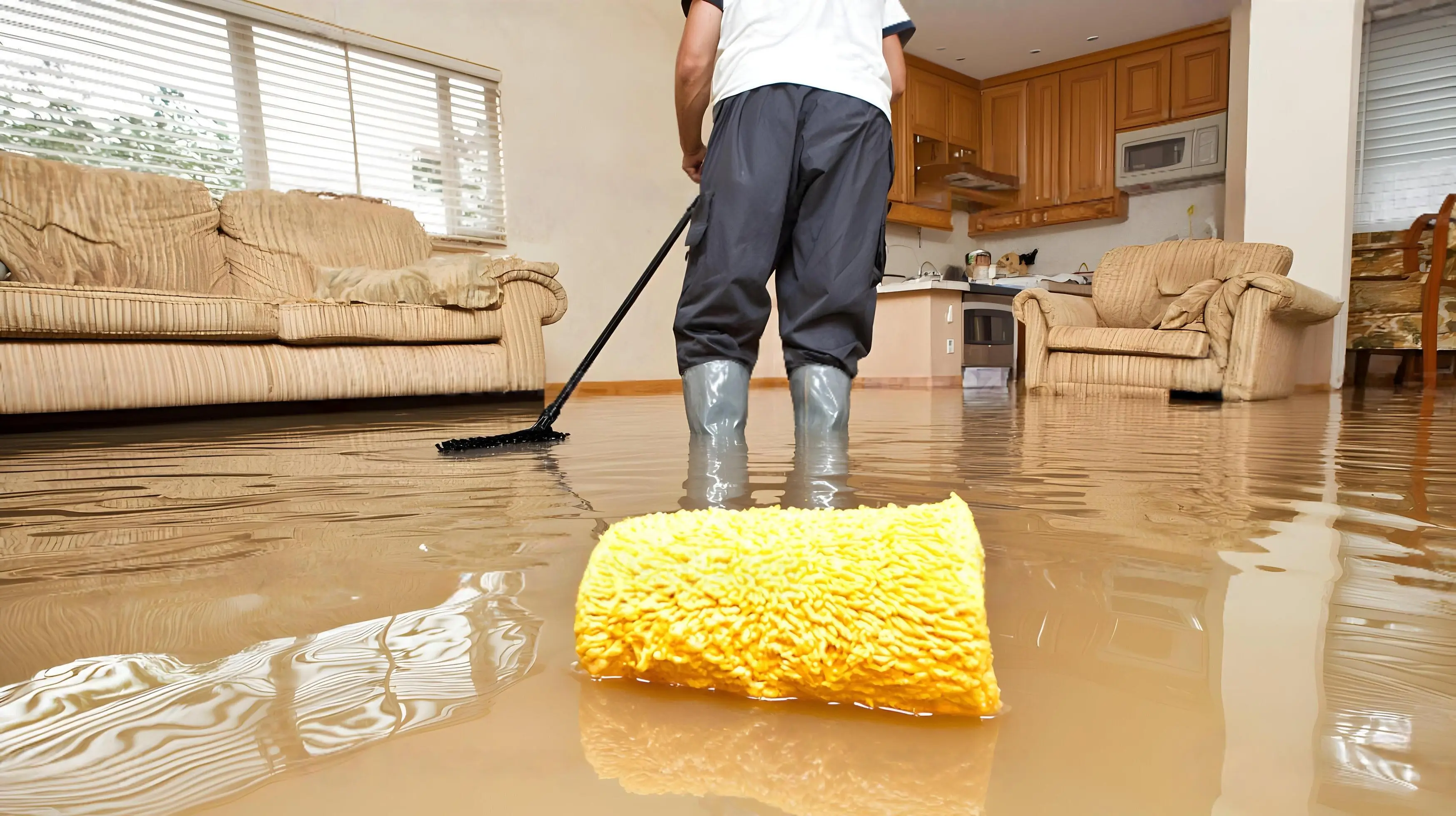
Water Damage Restoration
Burst pipes, storm flooding, standing water. We extract, dry, and restore before mold sets in.
Learn more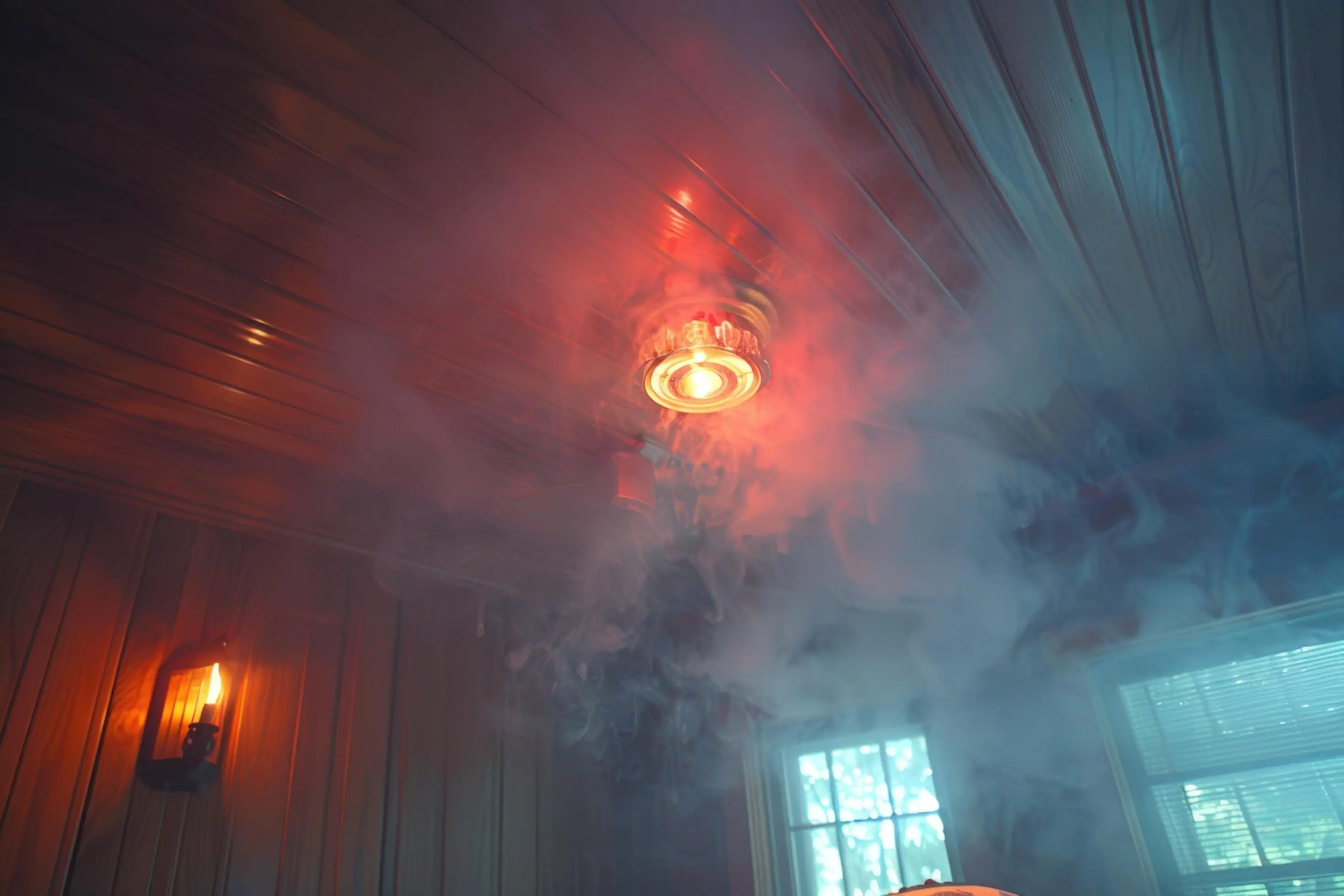
Smoke Damage Restoration
Soot residue, chemical odors, HVAC contamination. We decontaminate surfaces, eliminate odors, and restore air quality.
Learn more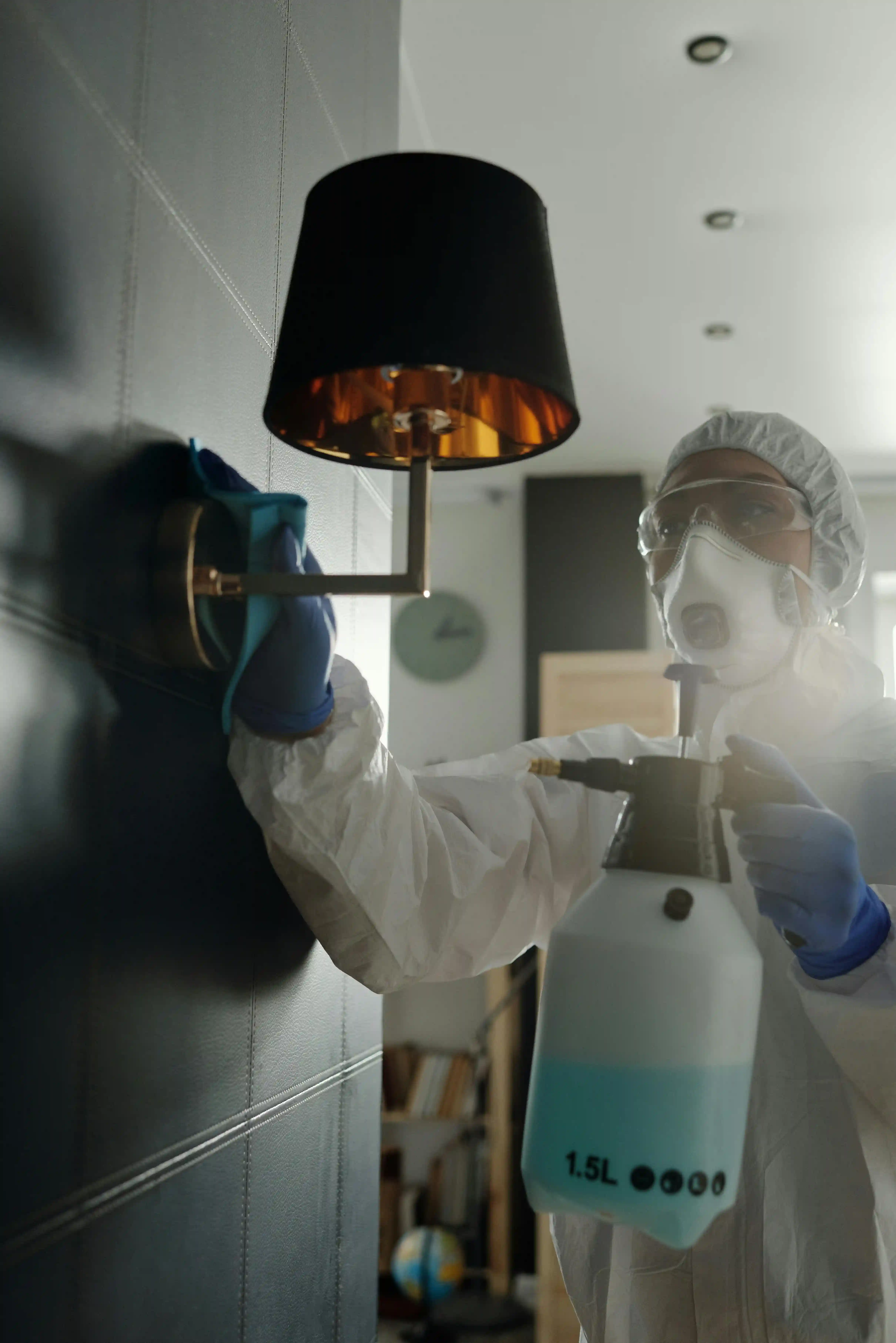
Mold Remediation
Testing, containment, removal, prevention. We find the source, eliminate the growth, and stop it from returning.
Learn more
Sewage Cleanup
Sewer backups, contaminated water, biohazard. We extract, sanitize, and restore safely.
Learn moreNearby Service Areas
Also serving nearby: