
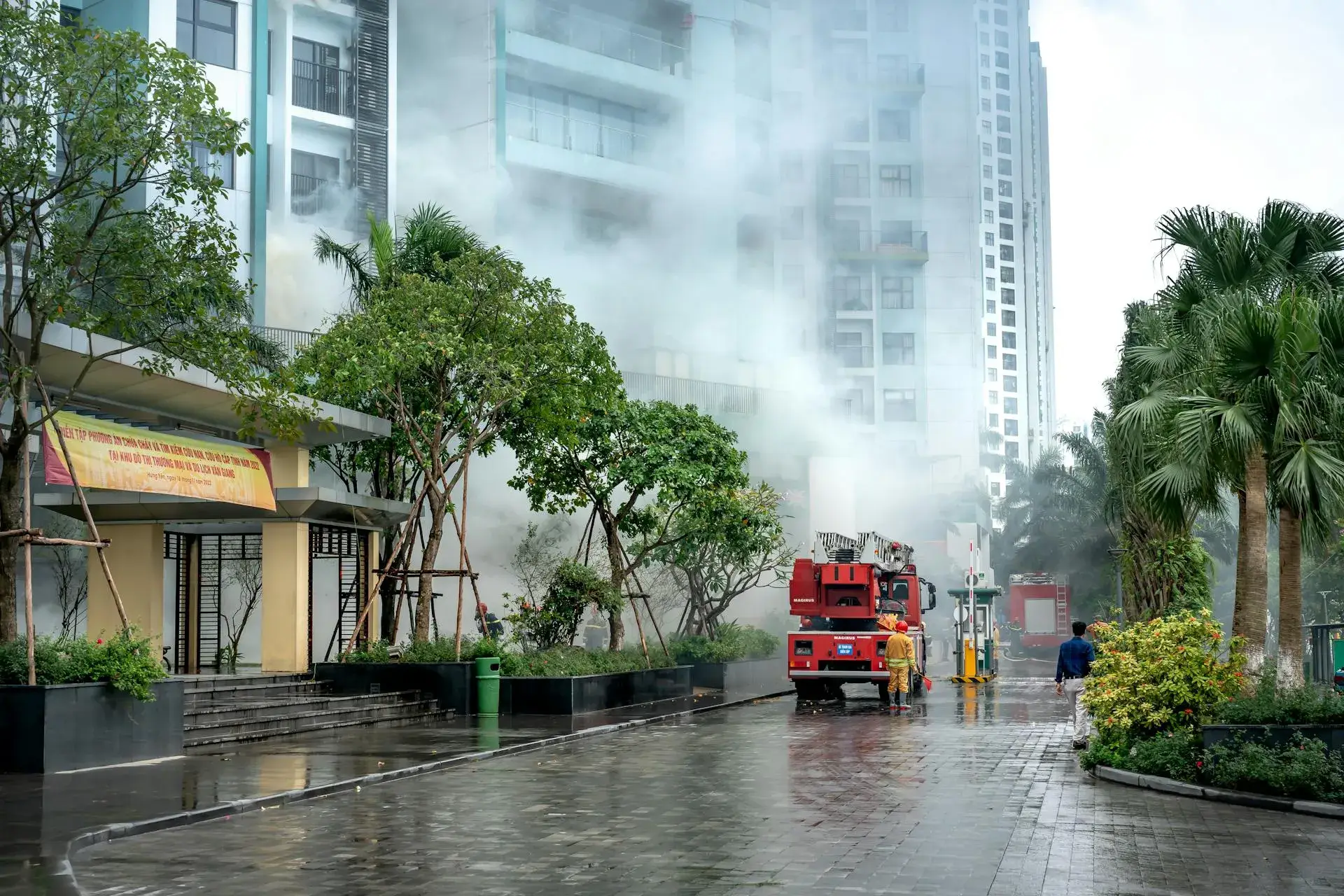
Smoke Damage Restoration in Baltimore, MD
Airborne soot particles and toxic smoke odors penetrate deep into historic brick and plaster within hours. Our certified Baltimore crews deploy within 60 minutes.
What Happens When You Call
Your call connects immediately with an emergency smoke mitigation coordinator who evaluates smoke intensity, checks for cross-property migration, and dispatches crews.
A certified smoke remediation crew arrives at your Baltimore property within 60 minutes equipped with industrial air scrubbers and diagnostic soot sampling tools.
Technicians map smoke penetration boundaries, categorizing soot types from wet synthetic residues to dry carbon films across walls, ceilings, and ductwork.
Crews deploy negative air filtration machines, begin dry chemical soot removal on delicate surfaces, and initiate molecular thermal fogging to neutralize odors.
Even after the flames are extinguished, airborne smoke gases and acidic soot particles continue attacking your Baltimore property. X Response operates a continuous emergency response depot in Central Maryland, dispatching certified smoke mitigation technicians equipped with commercial HEPA scrubbers, hydroxyl generators, and specialized soot removal sponges directly to your door. From comprehensive soot mapping and air washing through structural deodorization and encapsulation sealing, our specialists manage the entire restoration. Call now. Your team is standing by.
Why Baltimore Homes Are Vulnerable to Smoke Damage
Smoke migration in Baltimore presents unique technical challenges rooted in the city's historic urban architecture. Developers began building entire neighborhoods of rowhouses in the mid-1790s, and the form became the dominant house type of the city early in the 19th century. Tens of thousands of attached rowhomes span neighborhoods such as Canton, Fells Point, Federal Hill, Mount Vernon, and Hampden. These interconnected structures share common brick party walls, common roof joist pockets, and continuous attic cocklofts that lack modern firestops and draft barriers, creating direct pathways for smoke gases to travel between adjoining properties.
When a fire or furnace puff-back occurs in a Baltimore rowhome, pressurized smoke gases seek every available microscopic opening. Hot combustion air pushes through unsealed mortar joints in shared party walls, rises through vertical pipe chases, and enters continuous cockloft spaces beneath flat bitumen roofs. Consequently, a small kitchen fire or oil burner puff-back in one residence often contaminates multiple neighboring rowhomes with pungent carbon odors and oily soot films. In addition, Baltimore's humid maritime climate, heavily influenced by the adjacent Chesapeake Bay, interacts with acidic combustion residues to accelerate surface tarnishing on metals, pit historic marble fireplace mantels, and embed volatile organic compounds deep into porous plaster walls, requiring certified molecular deodorization rather than simple surface repainting.
Interconnected Rowhouse Cocklofts and Roof Cavities
Unobstructed horizontal attic spaces running across entire blocks of Baltimore rowhouses allow pressurized smoke to spread rapidly beyond the fire room into adjoining residences. Ultrafine soot settles across insulation and ceiling joists in neighboring units, generating persistent smoke odors that cannot be resolved without whole-block attic decontamination.
Porous Historic Brick Masonry and Plaster Walls
Traditional lime-based plaster over wooden lath and soft Baltimore red brick readily absorb microscopic smoke molecules. When exposed to heat, material pores expand and pull volatile organic compounds deep into their core. When pores contract as temperatures normalize, odors become trapped, resurfacing whenever summer humidity rises.
Furnace Puff-Backs and Aging Heating Infrastructure
Many older Baltimore residences rely on radiator systems connected to aging oil or gas boilers in cramped basements. A delayed ignition or burner malfunction triggers a sudden puff-back, forcing oily, soot-laden exhaust through floorboards, chimney flues, and supply registers, coating living areas in thick, sticky residue.
Protein and Synthetic Soot Complexity
Kitchen grease fires produce nearly invisible, highly pungent protein smoke films that deeply discolor varnished wood cabinetry and painted trim. Electrical or plastic fires generate dense, highly acidic soot that corrodes copper wiring, destroys electronic components, and chemically etches bathroom fixtures within days.
High Ambient Summer Humidity and Odor Reactivation
Baltimore's humid subtropical summers routinely push indoor relative humidity to high levels. High atmospheric moisture reactivates dormant smoke particles trapped within unsealed timber and brick, releasing acrid combustion odors months after a fire unless professional thermal fogging and encapsulation are completed.
Treating smoke damage in Baltimore requires rigorous technical methods that address interconnected building architecture, porous historic materials, and complex chemical soot types. X Response combines industrial air filtration with molecular odor neutralization to restore indoor environments across Baltimore City.
What Happens to Your Home While You Wait
Within Minutes
Pressurized smoke gases travel through Baltimore rowhome party wall seams, electrical conduits, and ceiling voids. Microscopic carbon particles settle on horizontal surfaces, while acidic smoke residues begin yellowing light-colored plastics and disorienting indoor air quality.
1 to 24 Hours
Soot film adheres tenaciously to painted walls, varnished woodwork, and kitchen cabinetry. Acidic combustion residues react with metallic bathroom fixtures and hardware, causing early surface pitting. Porous plaster walls absorb smoke odors deep into their cellular matrix.
24 to 48 Hours
Unprotected metal fixtures, copper plumbing lines, and appliance finishes suffer noticeable corrosion. Grout lines, marble fireplace surrounds, and historic Formstone veneers absorb carbon stains that become increasingly difficult to remove without specialized chemical poultices.
48 to 72 Hours
Soot chemically bonds with underlying paint layers, turning temporary surface staining into permanent discoloration that bleeds through standard primer. Smoke odors deeply penetrate structural timber framing, subflooring, and HVAC insulation.
One Week and Beyond
Unmitigated smoke residues permanently embed into porous historic brick and wood assemblies, requiring costly abrasive media blasting or total drywall replacement. Persistent volatile organic compound off-gassing poses prolonged respiratory risks to property occupants.
Rapid intervention prevents permanent staining and chemical damage. Contact X Response immediately to deploy certified Baltimore smoke restoration professionals.
How We Restore Smoke-Damaged Baltimore Homes
Our smoke mitigation protocols comply with ANSI/IICRC S520 and S700 standards, deploying scientific soot removal, high-volume air scrubbing, and molecular odor neutralization.
Comprehensive Smoke and Soot Diagnostic Assessment
Our technicians inspect every level of your Baltimore property, using specialized chemical testing swabs to classify soot composition (dry carbon, greasy protein, or corrosive synthetic) and identify hidden migration pathways through party walls and attic voids.
Continuous HEPA Air Scrubbing and Negative Pressure
We position industrial air filtration machines equipped with medical-grade HEPA filters and activated carbon stages. These units cycle indoor air continuously, capturing sub-micron particulate matter and volatile organic compounds while preventing soot drift into clean living zones.
Precision Surface Soot Removal and Chemical Washing
Using specialized vulcanized rubber dry sponges, technicians lift soot from historic plaster, ceilings, and delicate wallpaper without smearing. For greasy or protein deposits, we apply alkaline aqueous degreasers engineered to break chemical bonds safely.
Thermal Aerosol Fogging and Hydroxyl Treatment
To eliminate deeply embedded odor molecules, we introduce solvent-based thermal fogging agents that duplicate the microscopic vapor penetration of smoke. In occupied or sensitive environments, industrial hydroxyl generators break down odor compounds at the molecular level without leaving toxic residues.
HVAC Decontamination and Odor Barrier Sealing
We thoroughly clean supply ducts, returns, and furnace components to eliminate trapped soot deposits. Finally, technicians apply pigmented shellac odor-barrier sealers to exposed structural framing and subflooring before reconstruction begins.
The X Response Difference
Rely on X Response for certified soot removal, complete odor eradication, and transparent service throughout Baltimore City.
Insurance Claim Guidance for Baltimore Homeowners
Navigating an insurance claim for smoke and soot damage in Baltimore requires clear technical differentiation between localized aesthetic soot deposition and deep structural smoke contamination. Standard homeowner and commercial property policies in Maryland cover smoke losses resulting from sudden fires, furnace puff-backs, and neighboring property blazes. However, insurance adjusters frequently attempt to minimize claim payouts by approving simple surface cleaning rather than thorough molecular deodorization and HVAC decontamination. Our certified estimators document all smoke migration paths through rowhome party walls and attic spaces, utilizing industry-standard Xactimate pricing to ensure full coverage under your policy.
How X Response Helps
- Comprehensive photographic documentation and chemical test wipe sampling verifying soot presence across all interior rooms
- Detailed line-item scopes covering HEPA air scrubbing, chemical dry sponging, thermal fogging, and duct decontamination
- Itemized personal property and soft goods inventories differentiating dry-cleanable textiles from non-salvageable contents
- Third-party indoor air quality and particulate clearance testing documentation where required by commercial carriers
- Direct negotiation and billing coordination with claims adjusters licensed under the Maryland Insurance Administration
X Response delivers certified emergency smoke mitigation and technical restoration documentation. We do not act as public adjusters or legal representatives; final insurance coverage decisions rest solely with your insurance provider.
Certified Restoration Specialists Serving Baltimore
Our Baltimore smoke restoration team brings decades of specialized disaster mitigation experience to every residential and commercial property. Operating from our central deployment base, our crews have successfully decontaminated historic brownstones in Bolton Hill, traditional brick rowhouses in Canton, waterfront condominiums in Harbor East, and commercial retail spaces downtown. We understand the unique architectural dynamics of attached urban housing, including unsealed party walls, common roof voids, and historic chimney chases.
Every crew supervisor holds active IICRC credentials in Fire and Smoke Restoration (FSRT), Odor Control (OCT), and Carpet Cleaning (CCT). Our emergency fleet is fully equipped with industrial HEPA air filtration scrubbers, thermal aerosol foggers, hydroxyl generators, and dry-ice blasting machines capable of tackling the toughest soot deposits. When smoke compromises your Baltimore home, our specialists provide courteous, skilled, and accountable service to restore clean, healthy indoor air.
In Baltimore, X Response works with Green Clean Restoration LLC, an independent local restoration partner serving Baltimore County.
Smoke Damage Restoration FAQ for Baltimore Homeowners
Other Emergency Services in Baltimore
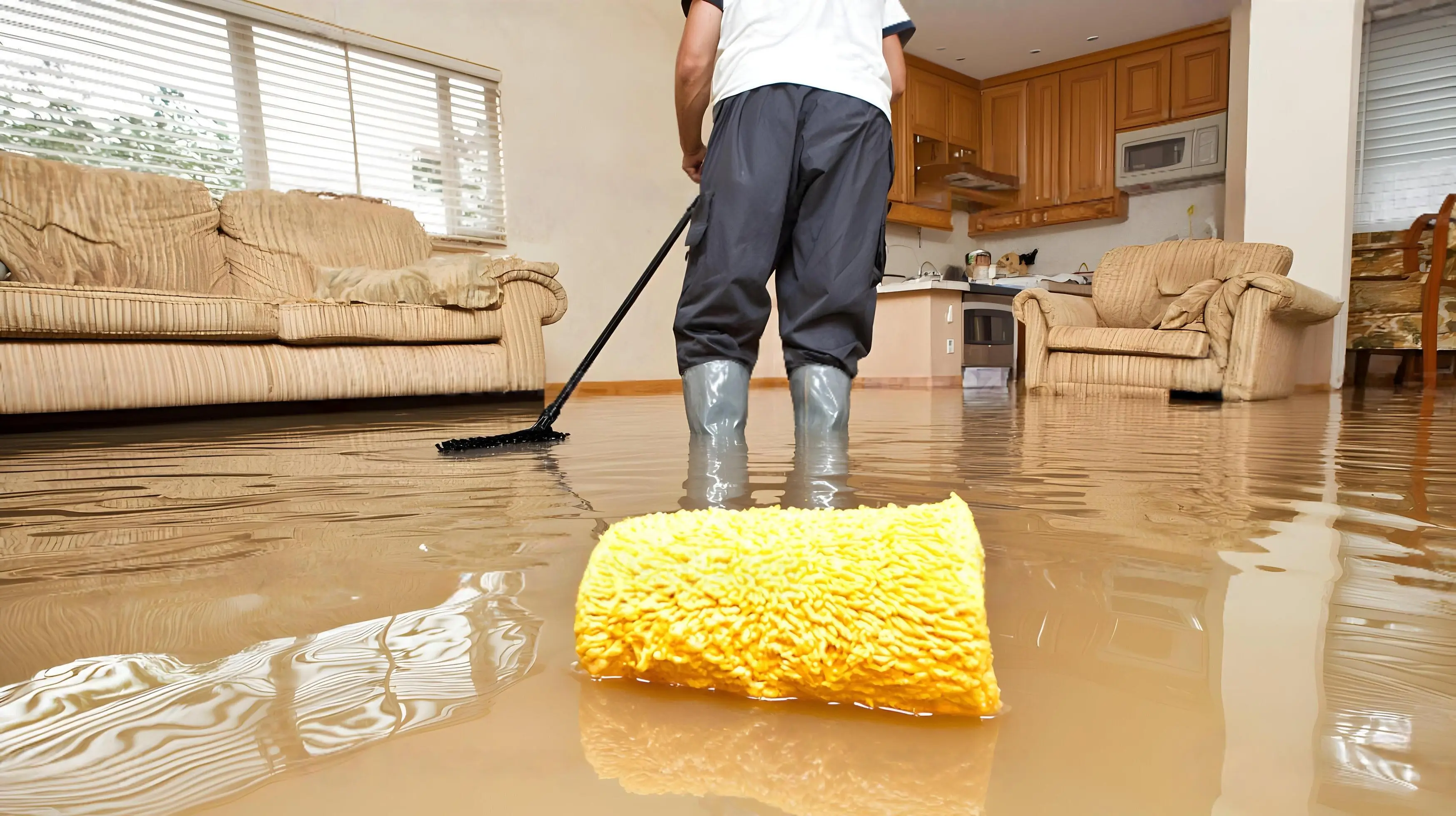
Water Damage Restoration
Burst pipes, storm flooding, standing water. We extract, dry, and restore before mold sets in.
Learn more
Fire Damage Restoration
Structural damage, soot, debris. We stabilize, clean, and rebuild what fire destroyed.
Learn more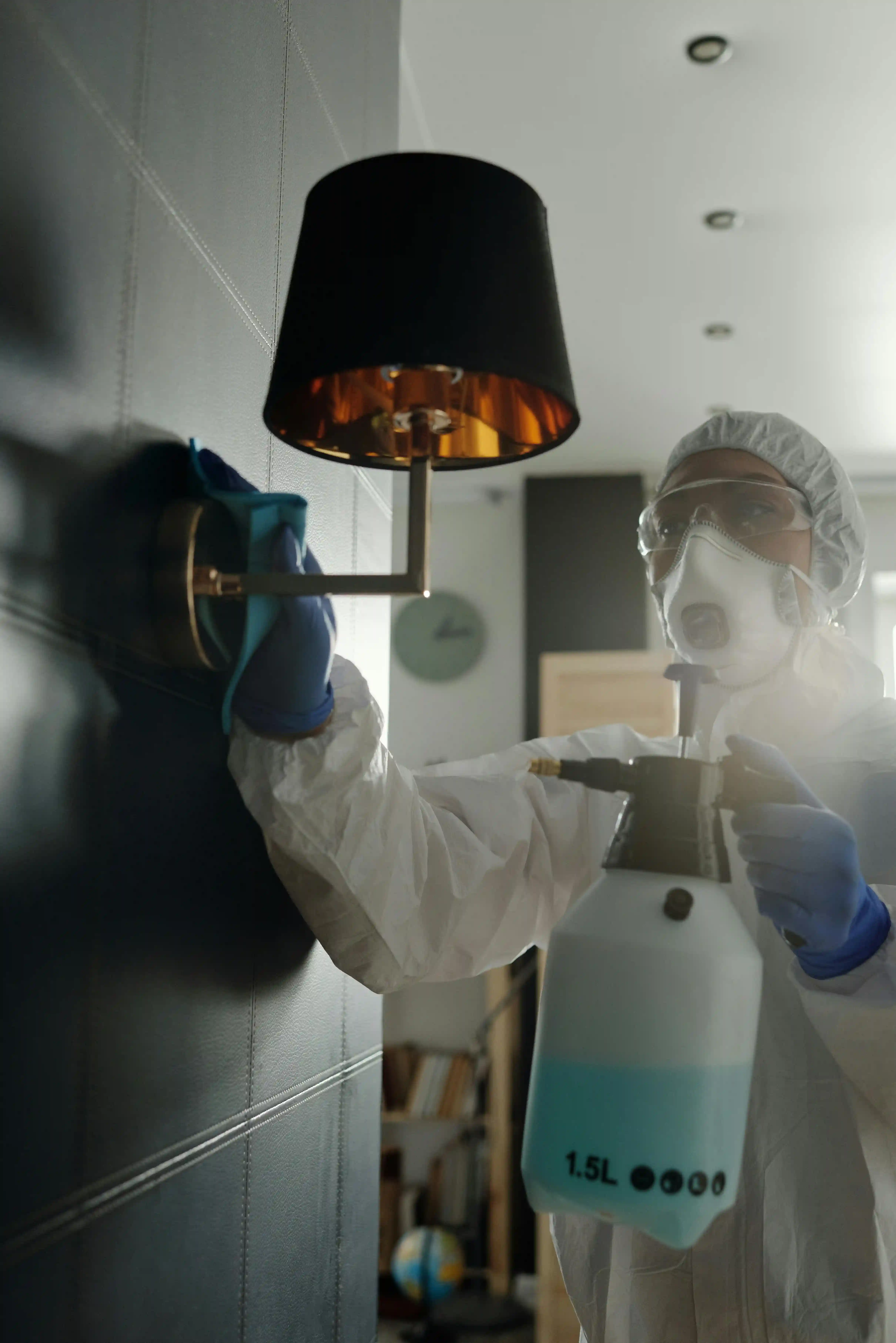
Mold Remediation
Testing, containment, removal, prevention. We find the source, eliminate the growth, and stop it from returning.
Learn more
Sewage Cleanup
Sewer backups, contaminated water, biohazard. We extract, sanitize, and restore safely.
Learn moreNearby Service Areas
Also serving nearby: