
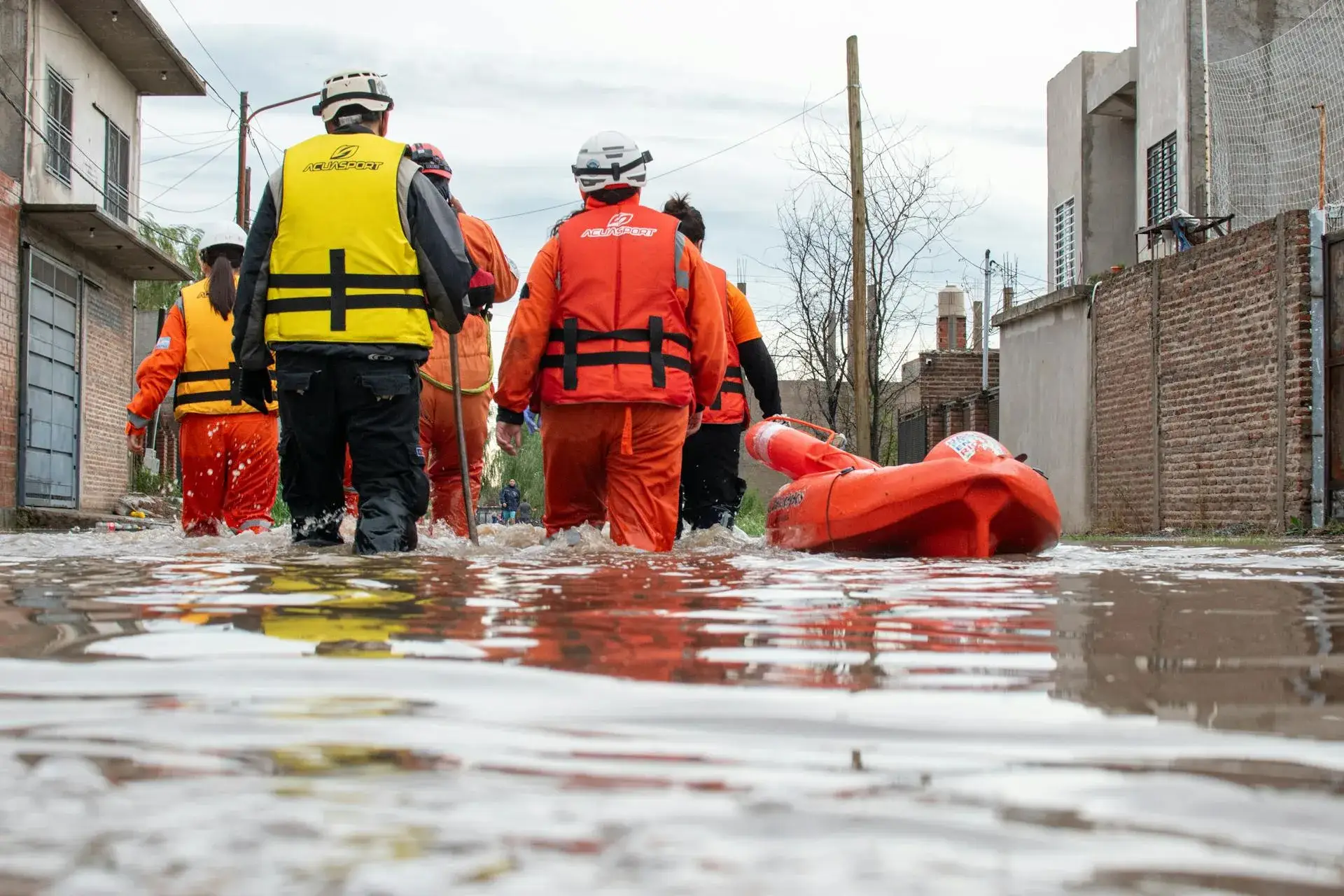
Water Damage Restoration in Baltimore, MD
Standing water saturates historic brick foundations and triggers toxic mold within 24 hours. Our local Baltimore crews mobilize within 60 minutes across the city.
What Happens When You Call
Your emergency call connects directly with a regional disaster coordinator who assesses the property structure, confirms the water source, and mobilizes an emergency crew.
An IICRC-certified restoration crew arrives at your Baltimore address within 60 minutes equipped with truck-mounted vacuum extractors and moisture sensors.
Technicians map moisture boundaries using non-invasive thermal imaging and pin meters across plaster walls, hardwood subfloors, and historic stone masonry foundations.
Heavy-duty submersible pumps and deep-extraction wands remove bulk standing water, followed by scientific placement of industrial dehumidifiers and axial air movers.
When floodwaters breach your Baltimore home or commercial facility, immediate containment stops catastrophic damage. X Response operates a round-the-clock rapid deployment facility in the Greater Baltimore area, sending certified restoration specialists directly to your door with commercial extraction units and desiccant drying systems. From initial thermal profiling and water removal through subfloor drying, moisture documentation, and direct insurance billing, our technicians control every phase. Call now. Your team is standing by.
Why Baltimore Homes Are Vulnerable to Water Damage
Baltimore is Maryland's largest independent city, situated at the head of the tidal Patapsco River estuary where the Piedmont plateau meets the Atlantic Coastal Plain. The Jones Falls is a 17.9-mile-long (28.8 km) stream in Maryland. Entering the city from northern Baltimore County, the Jones Falls cuts through steep rocky valleys alongside the Jones Falls Expressway before disappearing into the historic Jones Falls Conduit directly beneath downtown and discharging into the Inner Harbor. During severe cloudbursts and tropical storm remnants, this heavily paved urban watershed funnels torrents of runoff into low-lying neighborhoods such as Mount Washington, Woodberry, Station North, and the Inner Harbor basin, overwhelming storm drains and forcing flash floodwaters into street-level storefronts and garden-level rowhome basements.
Beyond riverine flooding, Baltimore's maritime geography exposes coastal communities to relentless tidal surges. Waterfront enclaves including Fells Point, Canton, Federal Hill, and Locust Point rest mere feet above sea level along the Northwest Branch of the Patapsco River. When persistent southeasterly winds or nor'easters push Atlantic waters up the Chesapeake Bay, seawater floods Thames Street, Boston Street, and historic cobblestone corridors. This brackish inundation penetrates porous colonial-era brick foundations, stone rubble cellars, and hardwood flooring. In inland neighborhoods like Charles Village, Hampden, and Pigtown, aging domestic plumbing, cast-iron drain line failures, and winter freeze-thaw cycles frequently cause catastrophic pipe ruptures inside uninsulated wall cavities, requiring immediate industrial water extraction and controlled structural drying.
Jones Falls Flash Runoff and Urban Chokepoints
The Jones Falls drains a densely urbanized basin with high percentages of impervious asphalt and rooftops. During sudden convective storms, stormwater cascades down the valley faster than municipal conduits can convey it. Neighborhoods adjacent to the stream channel, including Woodberry, Clipper Mill, and the Jones Falls Expressway corridor, experience rapid water accumulation that backs up through foundation floor drains and inundates subgrade basements.
Patapsco River and Chesapeake Bay Tidal Surges
Waterfront areas along the Baltimore Harbor experience significant backwater flooding during tropical depressions, hurricane remnants, and seasonal nor'easters. High tides driven by sustained southerly winds elevate water levels across Fells Point and Canton docks, submerging streets and pushing brackish, debris-laden water through basement walls and door thresholds.
Historic Brick Masonry and Rubblestone Cellars
Tens of thousands of Baltimore rowhouses feature foundations built from soft historic red brick, lime mortar, or fieldstone. These porous materials readily absorb water through capillary suction when external groundwater levels rise. Without immediate commercial desiccant dehumidification, damp masonry stays saturated for weeks, causing mortar deterioration, structural spalling, and pervasive subterranean moisture.
Aging Domestic Cast Iron and Galvanized Plumbing
Many Baltimore residences constructed between the mid-19th century and the mid-20th century retain original galvanized supply lines or aged cast iron waste stacks. Decades of internal corrosion and mineral buildup weaken pipe walls, leading to sudden bursts during winter cold snaps or high-pressure city main fluctuations that release hundreds of gallons into living areas.
Mid-Atlantic Atmospheric Moisture and Slow Drying
Summer relative humidity in Baltimore consistently runs high, fueled by warm moisture drifting from the Chesapeake Bay. This dense ambient humidity severely inhibits natural evaporation inside water-damaged properties. Saturated drywall, insulation, and timber framing remain damp indefinitely unless mechanical air movers and low-grain refrigerant dehumidifiers actively extract water vapor.
Resolving water damage in Baltimore demands equipment and expertise matched specifically to the city's complex hydrology and historic architecture. Simple surface drying cannot pull trapped moisture from deep within century-old brick party walls or stone foundations. X Response applies proven psychrometric science to ensure complete structural restoration throughout Baltimore City.
What Happens to Your Home While You Wait
Within 1 Hour
Water rapidly spreads across flooring materials and wicks upward into drywall, baseboards, and historic plaster lath assemblies. In low-lying Baltimore rowhomes, standing water seeps down through floorboards into subgrade stone basements, where porous masonry blocks immediately draw moisture through capillary action.
1 to 24 Hours
Drywall cores soften and sag while plaster begins delaminating from wood lath. Tongue-and-groove pine and oak flooring in historic rowhomes cups and swells as wood cellular structures absorb water. High ambient Chesapeake humidity prevents natural drying, creating persistent musty odors as bacteria begin multiplying.
24 to 48 Hours
Active microbial colonization begins on moist cellulose surfaces including drywall paper, carpet backing, and structural floor joists. In typical Baltimore summer temperatures, mold spores germinate rapidly, threatening indoor air quality and requiring containment barriers to prevent cross-contamination into clean rooms.
48 to 72 Hours
Structural timber framing begins warping at load-bearing junctions, causing door frames to bind and subfloor decking to delaminate. Microbial growth penetrates HVAC ductwork, spreading airborne contaminants through vertical chase spaces and transforming standard water mitigation into a complex hazardous remediation.
One Week and Beyond
Deep structural wood rot compromises floor joists and wall studs, while continuous moisture weakens historic lime mortar joints between brick rowhomes. Organic materials degrade beyond salvage, requiring complete structural demolition to the framing, extensive antimicrobial application, and prolonged insurance negotiation.
Every passing hour increases structural damage and restoration expense. Contact X Response immediately to dispatch our certified Baltimore emergency water mitigation crew.
How We Restore Water-Damaged Baltimore Homes
Our restoration process strictly adheres to ANSI/IICRC S500 standards, combining scientific moisture detection, rapid bulk water removal, and monitored environmental control tailored to Baltimore properties.
Thermal Imaging and Structural Moisture Mapping
Upon arriving at your Baltimore property, our certified technicians use FLIR thermal imaging cameras, non-destructive radio frequency meters, and penetrating pin probes to locate moisture migration behind historic plaster, beneath tiled floors, and through foundation walls without unnecessary demolition.
High-Capacity Mechanical Water Extraction
Using industrial truck-mounted vacuum extractors and weighted subfloor extraction tools, we pull bulk floodwaters and saturated carpet moisture out of the building. Removing water mechanically is over five hundred times more energy efficient than relying on dehumidification alone.
Targeted Antimicrobial Sanitation
Technicians apply EPA-registered, hospital-grade botanical disinfectants to all affected structural surfaces, neutralizing bacteria and suppressing fungal spore reproduction. HEPA-filtered negative air machines run continuously to eliminate airborne particulates and musty odors.
Controlled Psychrometric Dehumidification
We deploy commercial low-grain refrigerant (LGR) dehumidifiers and high-velocity axial air movers in strategic aerodynamic configurations. Technicians track temperature, relative humidity, and grains per pound daily, adjusting equipment to achieve balanced psychrometric drying curves.
Moisture Verification and Comprehensive Documentation
Drying equipment operates until all affected structural assemblies match predetermined dry standards established from unaffected baseline materials in your home. We compile a thorough documentation binder with daily moisture charts, thermal scans, and line-item billing for your insurance adjuster.
The X Response Difference
Count on X Response for transparent pricing, certified technical expertise, and rapid emergency water mitigation throughout Baltimore City.
Insurance Claim Guidance for Baltimore Homeowners
Managing an insurance claim for water damage in Baltimore requires clear distinction between sudden domestic plumbing failures and rising surface floodwaters. Homeowner policies in Maryland typically cover sudden pipe bursts, water heater ruptures, and storm-driven roof breaches, whereas overland flooding from the Jones Falls or coastal storm surge from Baltimore Harbor requires a separate flood policy through the National Flood Insurance Program (NFIP) or a private surplus lines carrier. In historic rowhome districts, sewer and water backup endorsements are vital for municipal line surcharges. Our insurance specialists work directly with Maryland adjusters to provide all necessary scientific documentation to support your claim.
How X Response Helps
- Comprehensive pre-mitigation photographic and video documentation of all impacted building materials and personal belongings
- Daily psychrometric drying logs and moisture mapping records proving compliance with IICRC S500 standard of care
- Detailed written scopes of work identifying exact water categories from Category 1 clean water to Category 3 blackwater
- Direct coordination with insurance adjusters representing major carriers licensed by the Maryland Insurance Administration
- Itemized contents inventories documenting non-salvageable structural materials and personal contents for claim settlement
X Response provides emergency water mitigation and technical moisture documentation. We do not act as public adjusters or legal advocates; final coverage determinations remain solely with your insurance carrier.
Certified Restoration Specialists Serving Baltimore
Our Baltimore emergency restoration crew brings decades of collective field experience managing severe water intrusion throughout Central Maryland. Operating from our regional response depot, our technicians possess specialized knowledge of Baltimore's unique architectural landscape, from colonial brick townhomes in Fells Point and 19th-century brownstones in Mount Vernon to post-war rowhomes in Highlandtown and waterfront lofts in Canton. We understand the specific structural challenges presented by urban party wall construction, rubblestone cellar walls, and tidal storm surge dynamics.
Every crew leader maintains active IICRC credentials in Water Damage Restoration (WRT) and Applied Structural Drying (ASD), supported by comprehensive Maryland commercial contractor licensing. Our vehicle fleet carries commercial LGR dehumidification equipment, HEPA-filtered air scrubbers, subfloor drying injectors, and trailer-mounted generators capable of operating independently during city power outages. When water strikes your Baltimore property, our team delivers dependable, skilled, and accountable service to safeguard your investment.
In Baltimore, X Response works with Green Clean Restoration LLC, an independent local restoration partner serving Baltimore County.
Water Damage Restoration FAQ for Baltimore Homeowners
Other Emergency Services in Baltimore
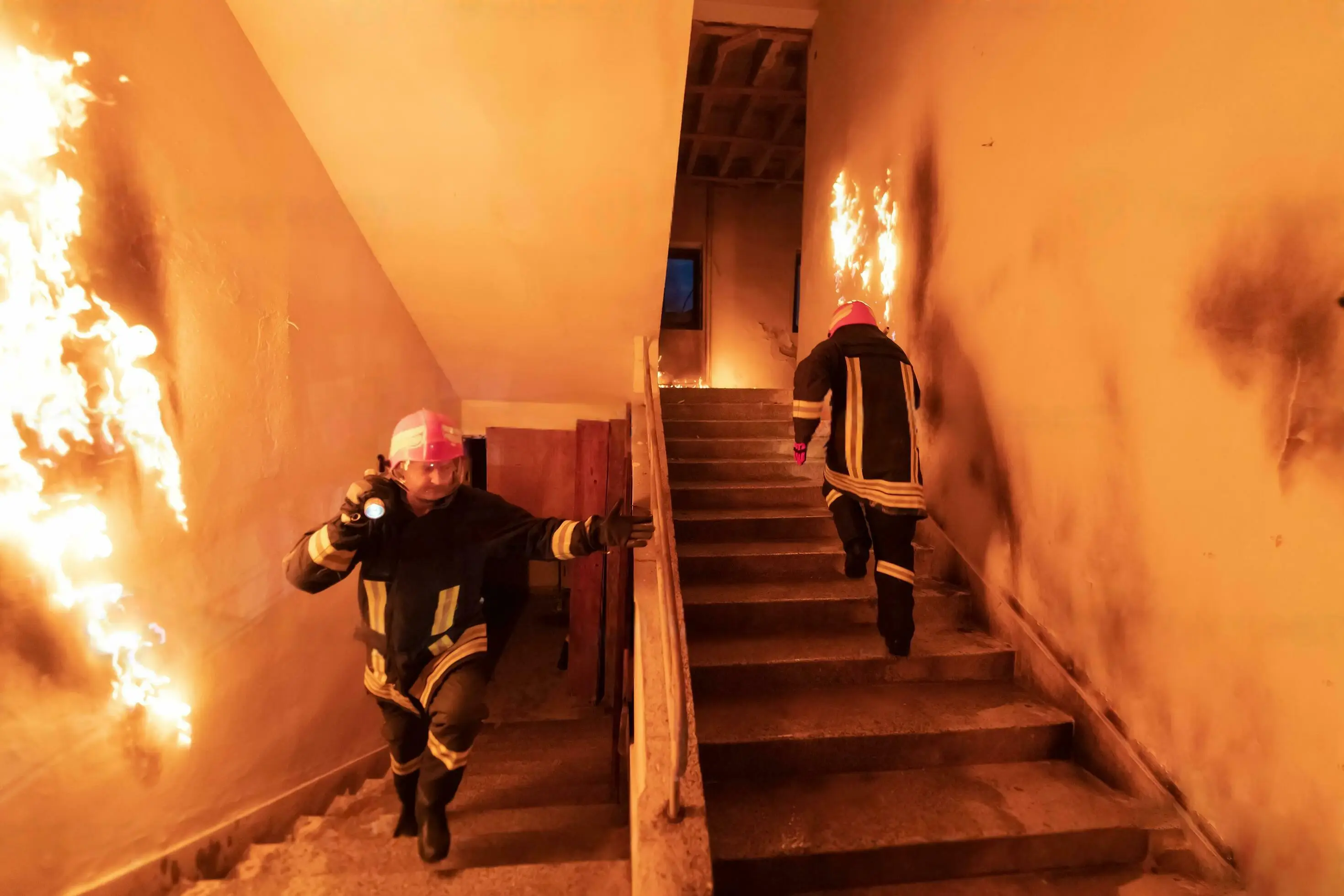
Fire Damage Restoration
Structural damage, soot, debris. We stabilize, clean, and rebuild what fire destroyed.
Learn more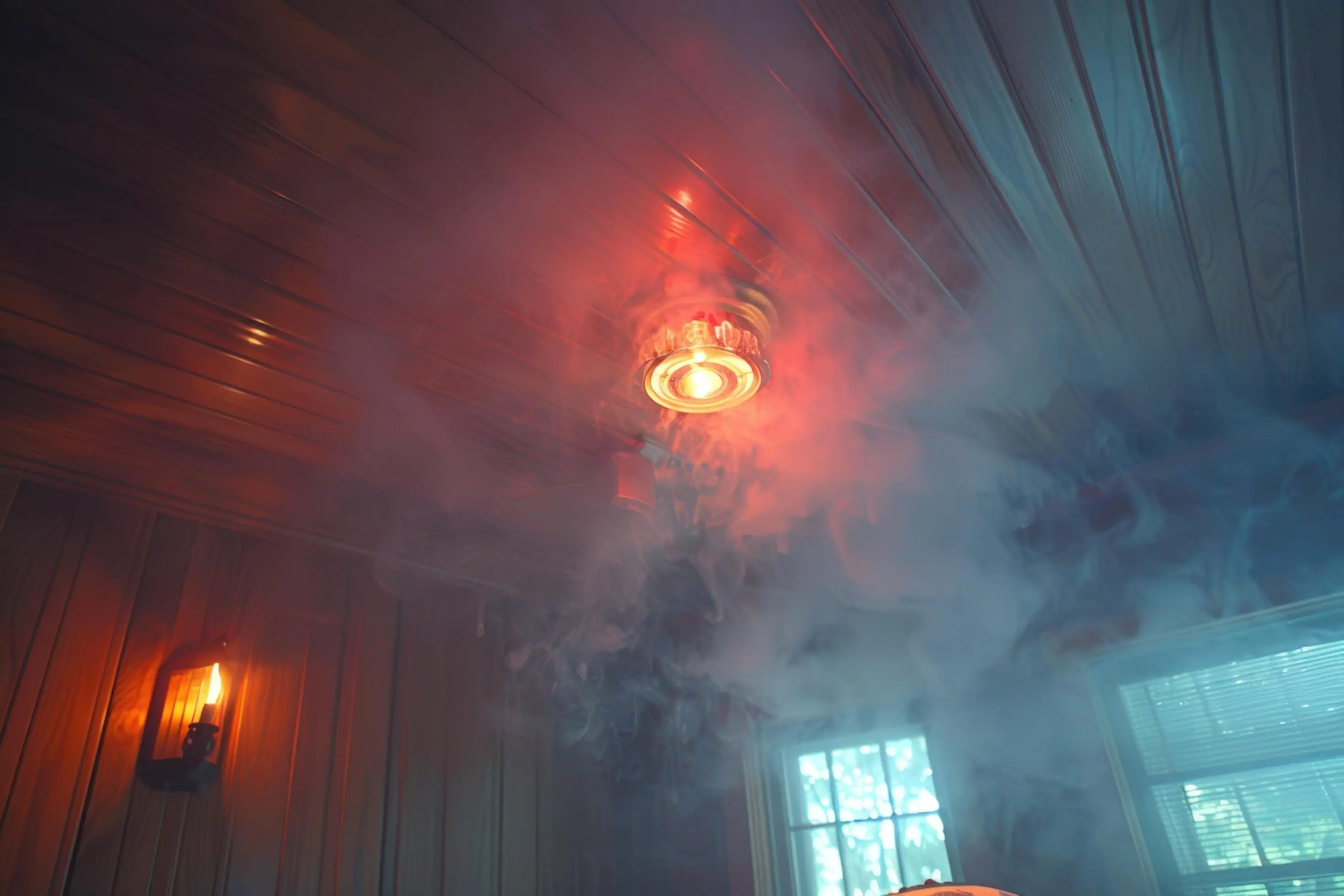
Smoke Damage Restoration
Soot residue, chemical odors, HVAC contamination. We decontaminate surfaces, eliminate odors, and restore air quality.
Learn more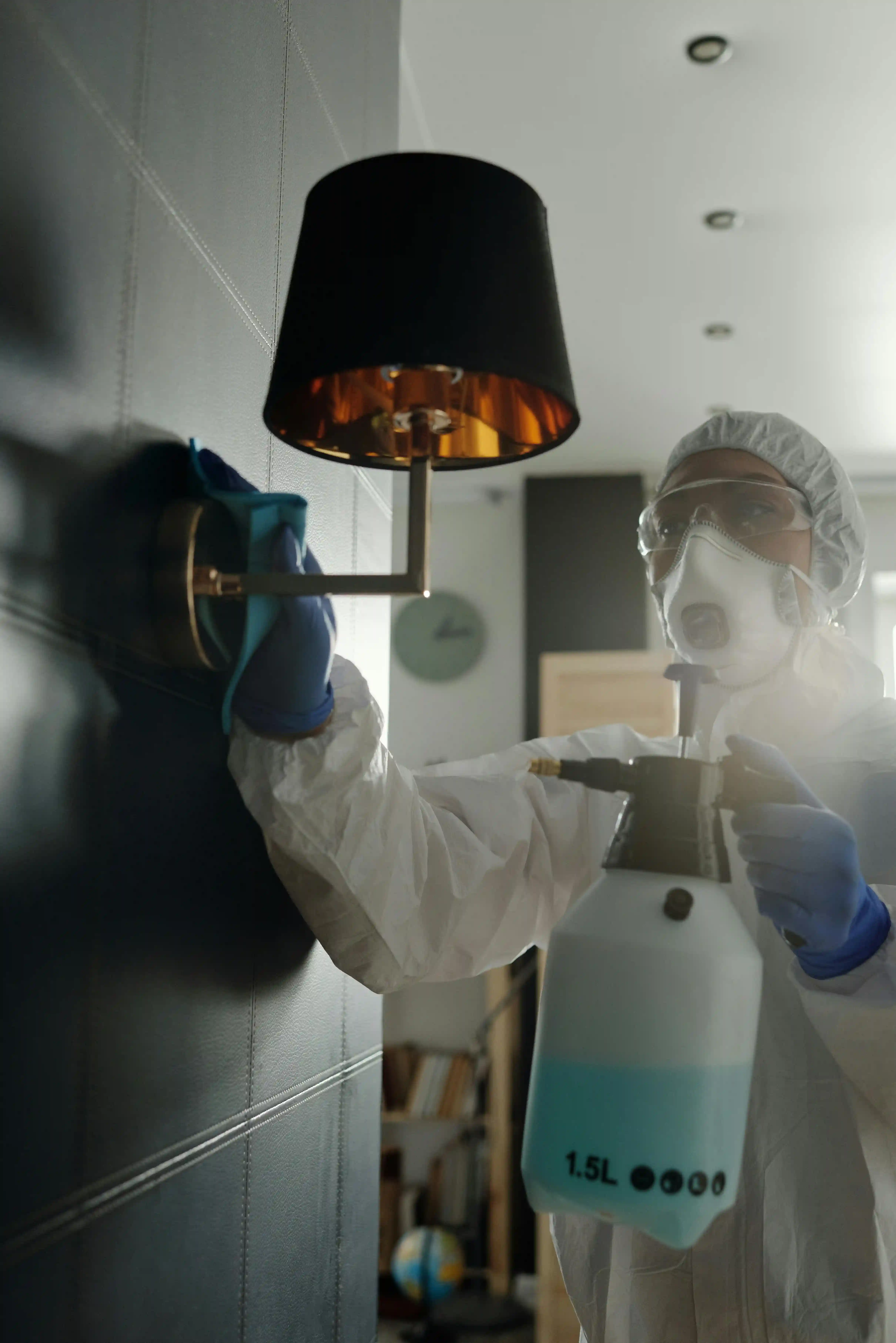
Mold Remediation
Testing, containment, removal, prevention. We find the source, eliminate the growth, and stop it from returning.
Learn more
Sewage Cleanup
Sewer backups, contaminated water, biohazard. We extract, sanitize, and restore safely.
Learn moreNearby Service Areas
Also serving nearby: