
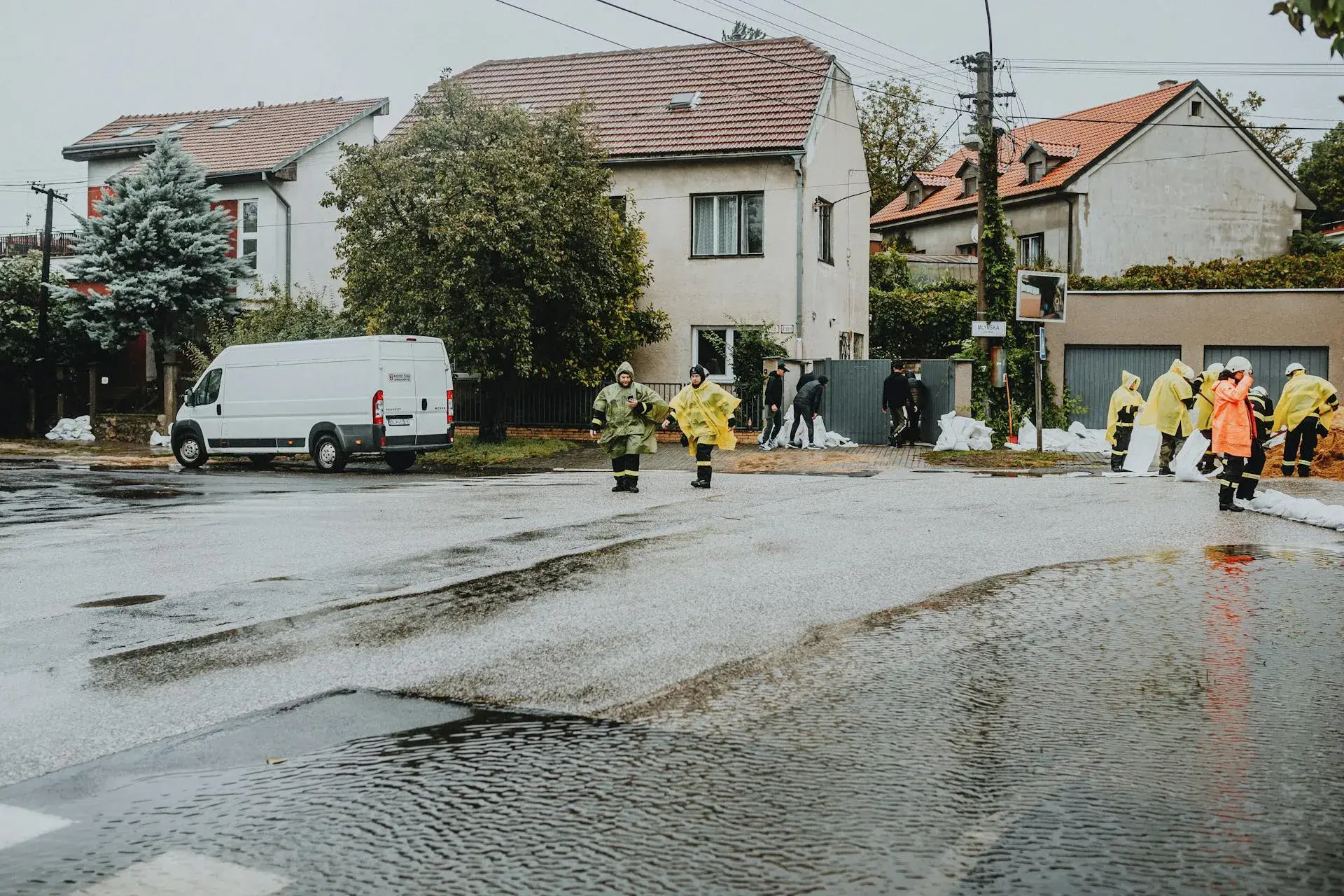
Sewage Cleanup in College Station, TX
Raw sewage backups introduce dangerous pathogens, enteric viruses, and severe structural contamination into College Station properties. Our certified team responds 24/7 within 60 minutes.
What Happens When You Call
Our biohazard response coordinator dispatches certified emergency sewage cleanup crews across Brazos County.
Technicians arrive in College Station wearing full PPE and establish critical isolation barriers around contaminated areas.
Industrial truck-mounted extraction equipment removes raw sewage and liquid wastewater from concrete slab surfaces.
Hospital-grade EPA-registered biocides and botanical disinfectants sanitize structural materials, eliminating pathogens and odors.
Raw sewage discharges introduce Category 3 blackwater filled with dangerous bacteria, parasites, and chemical toxins directly into your living spaces. When a sanitary sewer line backs up or storm runoff surcharges municipal sewer mains, immediate professional biohazard containment is vital to protect human health and prevent deep structural contamination. X Response deploys certified biohazard and sewage mitigation specialists across College Station within the hour to extract blackwater, sanitize contaminated framing, and restore sanitary living conditions. Call now for 24/7 emergency sewage dispatch.
Why College Station Homes Are Vulnerable to Sewage
College Station is a thriving city and educational center situated in East-Central Texas, home to Texas A&M University and a growing permanent residential population. According to the 2020 United States Census, College Station had a population of 120,511 residents across 51.30 square miles in Brazos County. The city comprises a mix of dense student apartment complexes along Texas Avenue and Northgate, high-traffic commercial plazas, and established residential neighborhoods in Southwood Valley, Woodcreek, and Pebble Creek.
Sewage backups and blackwater overflows in College Station represent severe biohazard emergencies influenced by local municipal infrastructure and seasonal weather patterns. The City of College Station Water Services manages hundreds of miles of sanitary sewer mains feeding into regional facilities like the Carters Creek Wastewater Treatment Plant. However, intense thunderstorms common to the Brazos Valley frequently overload municipal collection lines with storm inflow and infiltration. Simultaneously, mature Post Oak tree root systems penetrate sewer lateral lines, and shifting expansive vertisol clay soils cause underground pipe fractures. In multi-tenant student housing, fats, oils, and grease (FOG) discharges cause sudden line blockages. When blackwater backs up through toilets, floor drains, and showers, it floods horizontal slab-on-grade foundations, requiring immediate medical-grade disinfection.
Municipal Inflow and Surcharged Sanitary Sewer Lines
During severe convective storms in the Brazos Valley, heavy rainfall enters sanitary sewer manholes and cracked collection pipes. When wastewater volume exceeds municipal hydraulic capacity, pressurized sewage backs up through lowest-elevation residential plumbing fixtures, including ground-floor toilets and bathtub drains.
Tree Root Infiltration in Mature Neighborhoods
In established College Station subdivisions, aggressive root systems from mature post oaks, live oaks, and pine trees invade older clay and cast iron sewer pipes. As roots expand inside pipe joints, they catch solid waste, leading to catastrophic blockages and indoor sewage overflows.
Expansive Clay Movement and Sewer Lateral Shearing
Brazos County vertisol clay soils swell when saturated and contract during dry summer months. This severe ground movement places shear stress on underground PVC and cast-iron sewer lines, creating offsets and cracked pipes that impede gravity drainage and trigger sudden backups.
Fats, Oils, and Grease (FOG) in High-Density Housing
High-density student apartments around Texas A&M experience heavy kitchen drain usage. Improper disposal of cooking oils and grease creates hardened fatberg blockages in private sewer laterals, pushing blackwater back into multiple ground-floor apartment units.
Slab-on-Grade Biohazard Trapping Beneath Floor Coverings
Because most College Station homes are built on concrete slabs, sewage spills spread laterally under carpet, laminate, and luxury vinyl tile. Blackwater seeps into the porous concrete slab and wicks upward into framing base plates, creating hazardous reservoirs of bacteria and foul odors.
Sewage cleanup in College Station requires specialized biohazard containment, commercial extraction, and hospital-grade sanitization. Our certified teams restore sanitary safety across Brazos County.
What Happens to Your Home While You Wait
Within 1 Hour
Category 3 blackwater spreads across concrete slab floors, saturating carpets, rugs, and baseboards. Dangerous pathogens, E. coli bacteria, and offensive sewer gases contaminate indoor air.
1–24 Hours
Sewage water wicks into baseboards, drywall, and structural wall framing. Bacteria multiply exponentially, producing toxic hydrogen sulfide and methane gases that irritate respiratory systems.
24–48 Hours
Porous materials absorb hazardous bio-contaminants deeply. Sub-slab moisture promotes rapid secondary mold colonization, and hardwood or vinyl flooring begins warping from contaminated fluid.
48–72 Hours
Bacterial biofilms bond to concrete slab pores and wall framing. Deep structural contamination spreads, and airborne microbial particulate levels necessitate strict negative air containment.
One Week and Beyond
Severe biological rot compromises wood structural members, and persistent odors embed permanently in subflooring and framing, requiring extensive structural demolition and rebuilding.
Immediate biohazard mitigation prevents serious health hazards and property destruction. Contact X Response immediately for 24/7 sewage cleanup in College Station.
How We Restore Sewage-Damaged College Station Homes
Our sewage remediation protocol adheres to strict IICRC S500 standards for Category 3 water losses and OSHA biohazard safety guidelines.
Biohazard Inspection and Safety Containment
Technicians wearing full personal protective equipment (PPE) secure the contaminated area with critical plastic barriers to isolate pathogenic contaminants and prevent cross-contamination.
Industrial Blackwater Extraction
Using specialized truck-mounted extractors equipped with antimicrobial holding tanks, we rapidly extract liquid wastewater and raw sewage solids from floors, plumbing fixtures, and slab surfaces.
Controlled Demolition of Contaminated Porous Materials
Porous items that have absorbed blackwater, including saturated carpets, padding, contaminated drywall, and sub-base trims, are removed under sealed containment for compliant biohazard disposal.
Hospital-Grade Biocidal Disinfection
We apply broad-spectrum EPA-registered disinfectants and biocides across all affected framing, slab concrete, and non-porous surfaces to eradicate harmful bacteria, viruses, and parasites.
Structural Drying and Air Purification
Commercial LGR dehumidifiers, high-velocity air movers, and HEPA air scrubbers dry structural elements while purifying indoor air until verified sanitary clearance is achieved.
The X Response Difference
Protect your health and property with certified biohazard sewage mitigation specialists.
Insurance Claim Guidance for College Station Homeowners
Sewage backup coverage under Texas property insurance policies typically requires a specific Water Backup and Sump Discharge endorsement, as standard homeowners policies often exclude sewer line backups by default. When coverage applies, our team provides comprehensive biohazard documentation, source verification, and itemized scopes to streamline claim approval with your insurer under Texas insurance standards.
How X Response Helps
- Comprehensive photographic evidence documenting sewage entry point and contamination boundaries
- Detailed line-item scopes prepared in Xactimate detailing biohazard extraction and decontamination
- Chain-of-custody documentation for hazardous waste disposal and structural sanitization
- Clear verification of sewer lateral failures, municipal surcharges, or backflow events
- Direct communication with adjusters to meet all Texas Prompt Payment of Claims Act requirements
X Response delivers independent damage assessment and structural restoration services. Final coverage determinations and claim payments remain the exclusive authority of your insurance carrier.
Certified Restoration Specialists Serving College Station
Our College Station sewage cleanup team consists of certified biohazard remediation professionals trained to manage hazardous Category 3 water emergencies across Brazos County. Experienced in navigating the challenges of slab-on-grade construction, expansive soils, and high-occupancy university housing, our technicians understand how to contain and eliminate biohazards rapidly and safely. We maintain 24/7 emergency readiness to dispatch fully equipped mitigation units immediately.
Every technician holds active certifications from the Institute of Inspection, Cleaning and Restoration Certification (IICRC), including Water Damage Restoration (WRT) and Applied Microbial Remediation (AMRT), along with comprehensive OSHA biohazard training. Utilizing industrial extractors, HEPA air scrubbers, and hospital-grade biocides, our team guarantees complete decontamination.
In College Station, X Response works with First Response Restoration, an independent local restoration partner serving Brazos County.
Sewage Cleanup FAQ for College Station Homeowners
Other Emergency Services in College Station

Water Damage Restoration
Burst pipes, storm flooding, standing water. We extract, dry, and restore before mold sets in.
Learn more
Fire Damage Restoration
Structural damage, soot, debris. We stabilize, clean, and rebuild what fire destroyed.
Learn more
Smoke Damage Restoration
Soot residue, chemical odors, HVAC contamination. We decontaminate surfaces, eliminate odors, and restore air quality.
Learn more
Mold Remediation
Testing, containment, removal, prevention. We find the source, eliminate the growth, and stop it from returning.
Learn more