
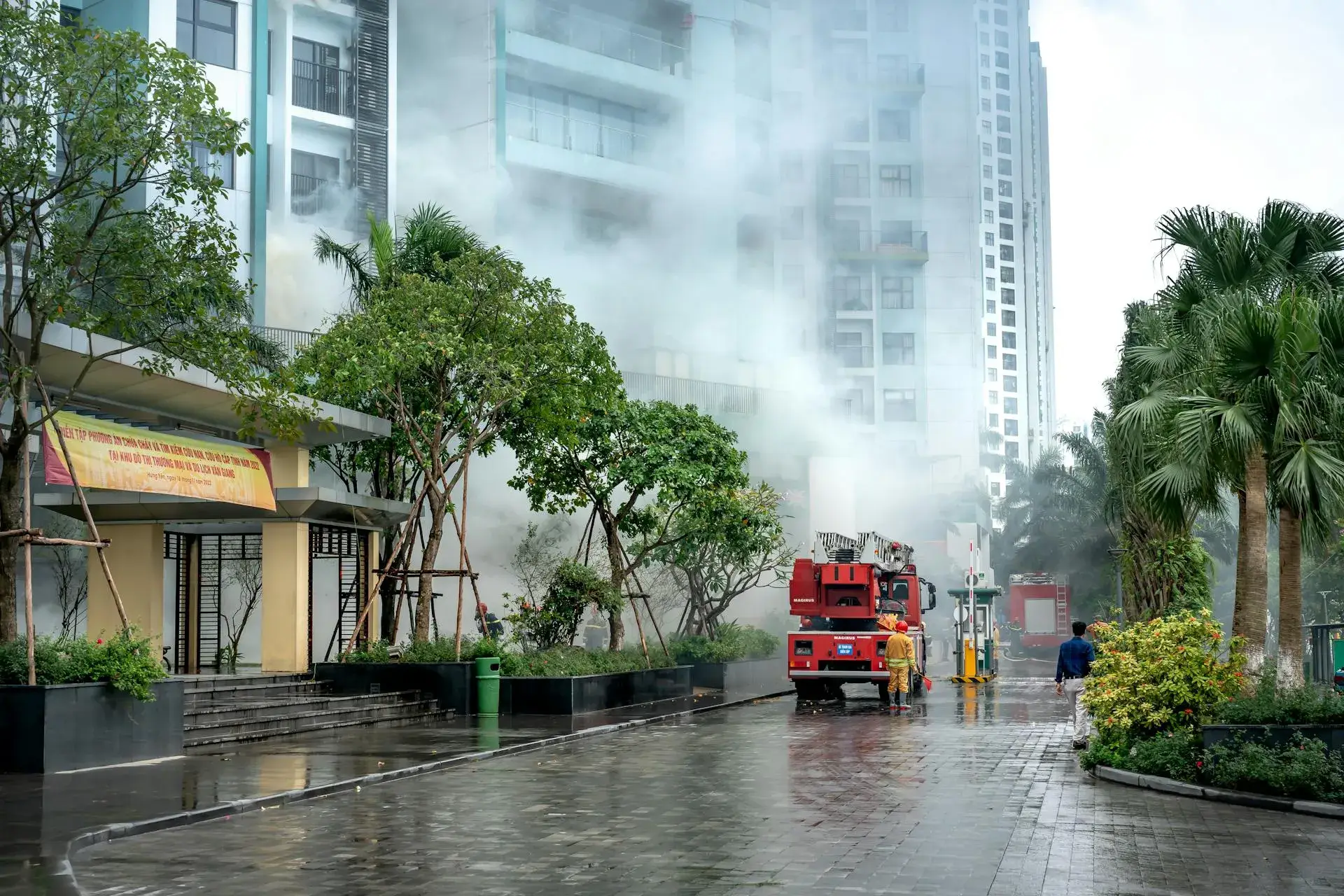
Smoke Damage Restoration in College Station, TX
Pungent smoke odors, volatile organic compounds, and microscopic soot particles penetrate building materials throughout College Station homes. Our certified team responds 24/7.
What Happens When You Call
Our response coordinator evaluates smoke classification, loss extent, and air quality concerns across Brazos County.
Technicians arrive in College Station with commercial HEPA air filtration units, thermal foggers, and dry chemical sponges.
Crews isolate affected zones and deploy negative air machines to prevent particulate migration into unaffected living areas.
Surfaces are chemically cleaned to remove corrosive soot films, and hydroxyl generators neutralize embedded volatile organic compounds.
Microscopic smoke particles and aerosolized chemical residues travel through air currents, penetrating wall cavities, ceiling assemblies, and air duct networks within minutes of a fire event. Even a minor electrical flare-up or kitchen grease fire can saturate living spaces with persistent odors and corrosive soot. X Response mobilizes certified smoke restoration technicians across College Station within 60 minutes to neutralize odors and restore indoor air quality. Call now for 24/7 smoke remediation.
Why College Station Homes Are Vulnerable to Smoke Damage
College Station is a prominent university community in East-Central Texas, home to Texas A&M University and a growing population of students, professionals, and families. According to the 2020 United States Census, College Station had a population of 120,511 residents across 51.30 square miles in Brazos County. The city encompasses high-density student apartments in Northgate and along Marion Pugh Drive, extensive suburban neighborhoods like Southwood Valley and Woodcreek, and busy commercial centers along University Drive and Texas Avenue.
Smoke damage scenarios in College Station frequently stem from kitchen grease flare-ups in multi-tenant student housing, heating element malfunctions during sudden winter cold snaps, and electrical failures in residential properties. In the Brazos Valley's humid subtropical climate, elevated atmospheric humidity binds tightly with microscopic carbon particles and volatile acids. This creates a sticky, corrosive film that adheres to walls, ceilings, and duct interiors. When centralized air conditioning systems operate during or after a smoke event, combustion byproducts are pulled through return plenums and distributed across every room, embedding persistent odors deep into drywall, carpeting, and structural framing.
Protein Smoke from Kitchen Grease Fires
Kitchen grease fires and scorched food incidents are common in high-density residential and student housing. Protein-based smoke creates an almost invisible, highly pungent amber film that adheres stubbornly to cabinetry, countertops, and appliances, requiring specialized chemical enzyme degreasers for complete removal.
Synthetic Smoke Residues from Electronics and Plastics
Combustion of modern electronics, synthetic carpets, and polyurethane foam produces thick, black synthetic smoke filled with acidic chemical compounds. In humid College Station homes, these particles bond to painted surfaces and corrode copper electrical wiring, metallic hardware, and precision electronics within hours.
Centralized HVAC Duct Contamination
Modern homes and multi-family complexes rely heavily on continuous air conditioning. When smoke enters the HVAC return, it coats duct lining, blower wheels, and evaporator coils with soot. The ventilation system then continuously recirculates fine particulate matter and acrid burning odors whenever the air conditioner runs.
Porous Building Materials and Odor Absorption
Drywall, blown attic insulation, carpet padding, and acoustic ceiling tiles act as sponges for gaseous combustion byproducts. Without molecular-level odor neutralization, ambient temperature and humidity fluctuations cause building materials to release trapped smoke odors repeatedly over months.
Multi-Tenant Smoke Migration in Student Housing
In multi-story student housing developments around Texas A&M, pressurized smoke travels through utility pipe chases, shared drop ceilings, and common hallways. Secondary units often suffer heavy smoke contamination even if flames were entirely contained to a single apartment kitchen.
Complete smoke elimination in College Station requires specialized decontamination protocols tailored to specific soot types and local climate conditions. Our certified technicians restore healthy indoor air quality and protect your property from long-term odor retention.
What Happens to Your Home While You Wait
Within Minutes
Microscopic soot particles penetrate HVAC ductwork, ceiling assemblies, and porous fabrics. Acidic residues begin dislodging surface finishes on kitchen appliances and electronics.
1–24 Hours
Porous surfaces absorb smoke gases deeply. Painted drywall discolors, varnished cabinetry yellows, and persistent burning odors saturate draperies, upholstered furniture, and carpets.
24–48 Hours
Soot films chemically bond with painted walls and synthetic countertops. Unfinished wood framing absorbs combustion oils, and acidic corrosion causes permanent tarnishing on metal hardware.
48–72 Hours
Smoke odor compounds become deeply embedded within subflooring and drywall cores. Synthetic fabrics experience permanent fiber degradation, and HVAC ductwork requires mechanical decontamination.
One Week and Beyond
Severe odor entrenchment occurs as volatile organic compounds bond permanently with framing lumber and insulation, necessitating extensive drywall replacement and specialized structural encapsulation.
Prompt smoke remediation eliminates toxic residues and prevents permanent odor retention. Contact X Response immediately for 24/7 smoke restoration in College Station.
How We Restore Smoke-Damaged College Station Homes
Our smoke decontamination protocol follows strict IICRC standards, combining source elimination, chemical cleaning, and molecular odor neutralization.
Smoke Residue Assessment and Air Quality Testing
Technicians inspect your property to determine smoke composition (protein, synthetic, or natural), chart the migration path of combustion gases, and test indoor particulate levels.
Source Containment and Air Scrubbing
We seal the affected area under negative air pressure and run commercial HEPA air scrubbers with activated carbon filters to capture airborne soot particles and volatile organic compounds.
Chemical Surface Decontamination
Using specialized dry chemical sponges, alkaline degreasers, and neutralizing solutions, we clean soot deposits from walls, ceilings, fixtures, and cabinetry without driving residues deeper.
HVAC System and Duct Cleaning
Our team decontaminates air handlers, evaporator coils, registers, and duct interiors to ensure smoke residues are thoroughly eliminated from your central heating and cooling system.
Molecular Odor Neutralization and Encapsulation
We deploy hydroxyl generators and thermal foggers to neutralize embedded odor molecules at the molecular level, followed by applying odor-sealing primers to exposed framing where necessary.
The X Response Difference
Choose proven, scientific smoke remediation that restores fresh, healthy indoor air quality to your property.
Insurance Claim Guidance for College Station Homeowners
Smoke damage claims require detailed documentation demonstrating the spread of airborne soot, chemical residue deposition, and indoor air contamination. Most Texas homeowners and commercial property policies cover sudden and accidental smoke loss, including losses originating from kitchen grease fires or neighboring units. Our team assists with comprehensive documentation to support your claim with your insurance carrier.
How X Response Helps
- Comprehensive photographic evidence of soot distribution and surface chemical etching
- Detailed HVAC inspection reports detailing ductwork and air handler contamination
- Itemized contents cleaning and structural decontamination estimates prepared using Xactimate
- Air quality assessments and particulate readings demonstrating the need for specialized filtration
- Direct communication with insurance adjusters to expedite claim review under the Texas Prompt Payment of Claims Act
X Response delivers independent damage assessment and structural restoration services. Final coverage determinations and claim payments remain the exclusive authority of your insurance carrier.
Certified Restoration Specialists Serving College Station
Our College Station smoke restoration specialists possess extensive technical expertise in eliminating stubborn combustion odors and corrosive soot throughout Brazos County. Familiar with the structural designs of multi-family student complexes near Texas A&M and custom single-family residences in surrounding subdivisions, our team understands how local humidity and HVAC configurations affect smoke distribution. We maintain emergency response teams ready 24/7 to begin immediate decontamination.
Every crew member maintains active certifications from the Institute of Inspection, Cleaning and Restoration Certification (IICRC), including Odor Control Technician (OCT) and Fire and Smoke Restoration Technician (FSRT). Utilizing advanced thermal foggers, hydroxyl generators, and multi-stage HEPA air scrubbers, our specialists restore clean, safe indoor environments.
In College Station, X Response works with First Response Restoration, an independent local restoration partner serving Brazos County.
Smoke Damage Restoration FAQ for College Station Homeowners
Other Emergency Services in College Station
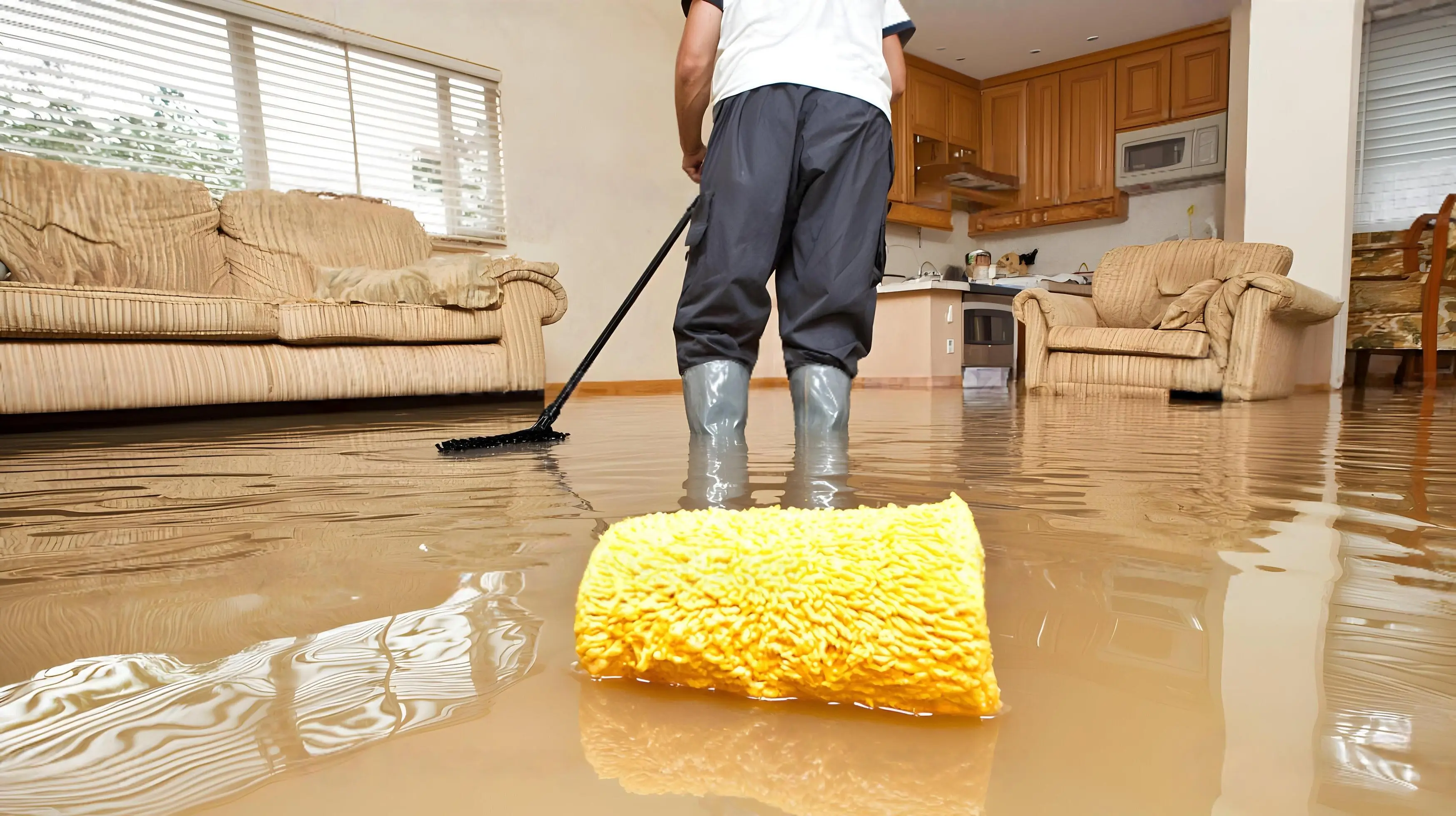
Water Damage Restoration
Burst pipes, storm flooding, standing water. We extract, dry, and restore before mold sets in.
Learn more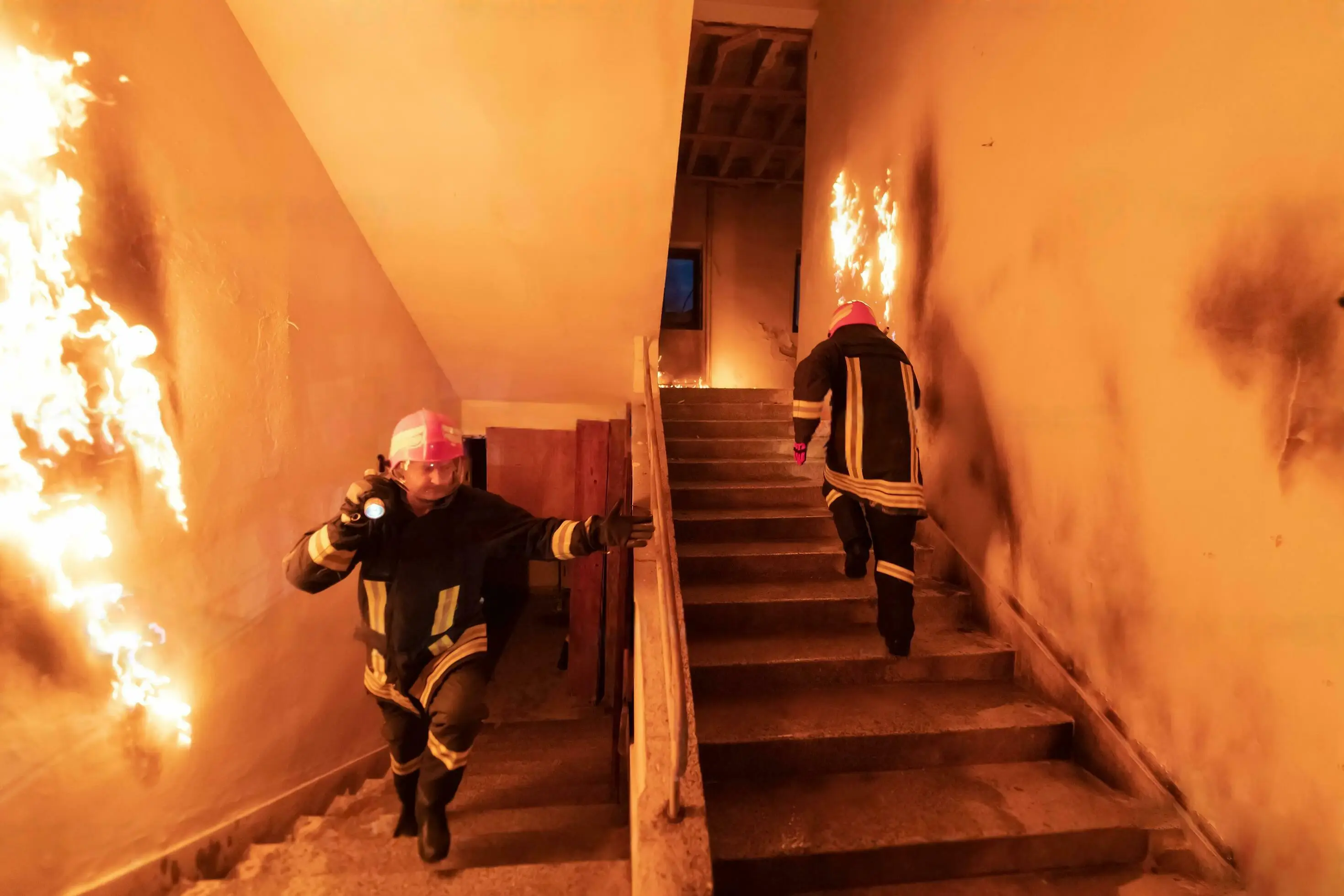
Fire Damage Restoration
Structural damage, soot, debris. We stabilize, clean, and rebuild what fire destroyed.
Learn more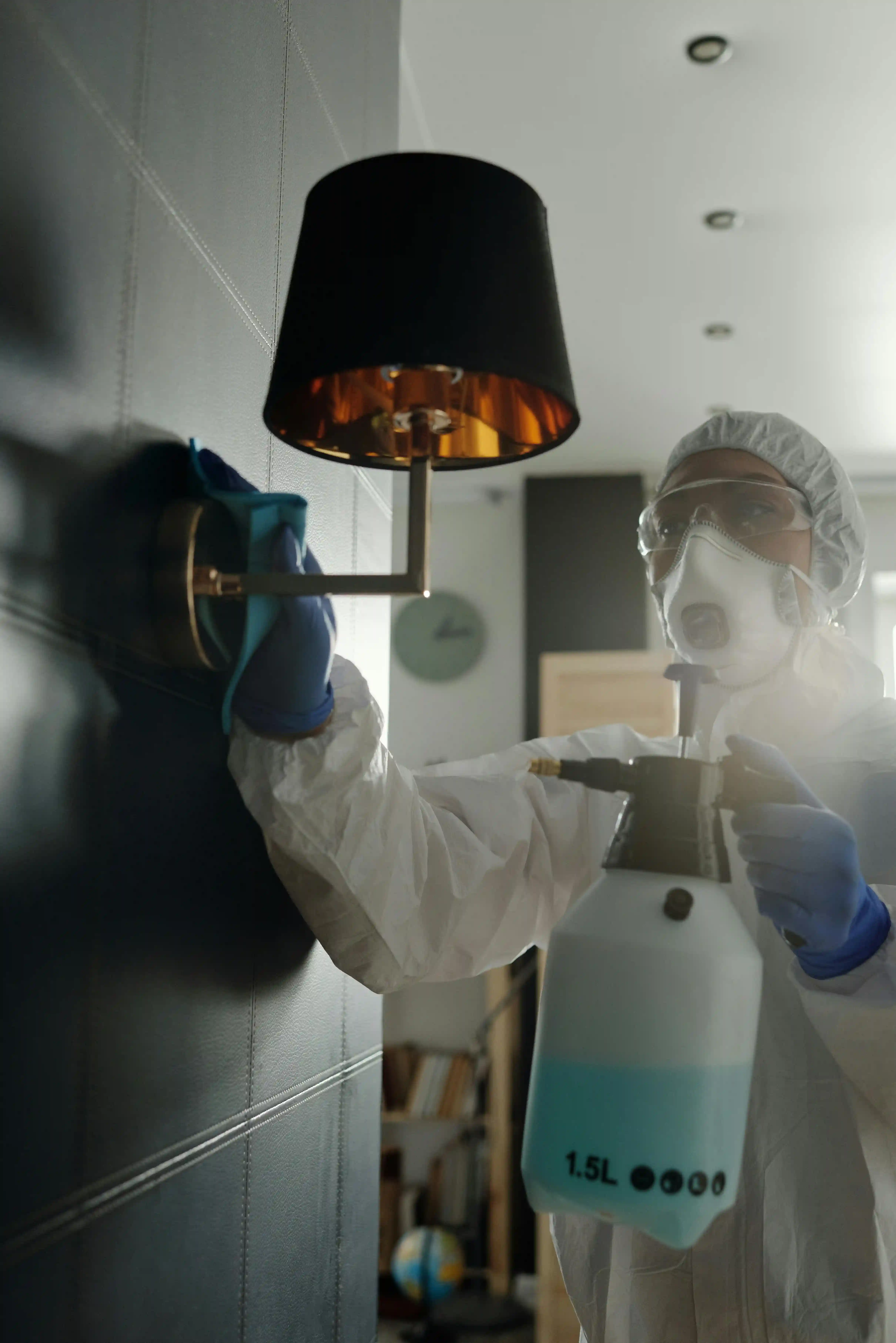
Mold Remediation
Testing, containment, removal, prevention. We find the source, eliminate the growth, and stop it from returning.
Learn more
Sewage Cleanup
Sewer backups, contaminated water, biohazard. We extract, sanitize, and restore safely.
Learn more