
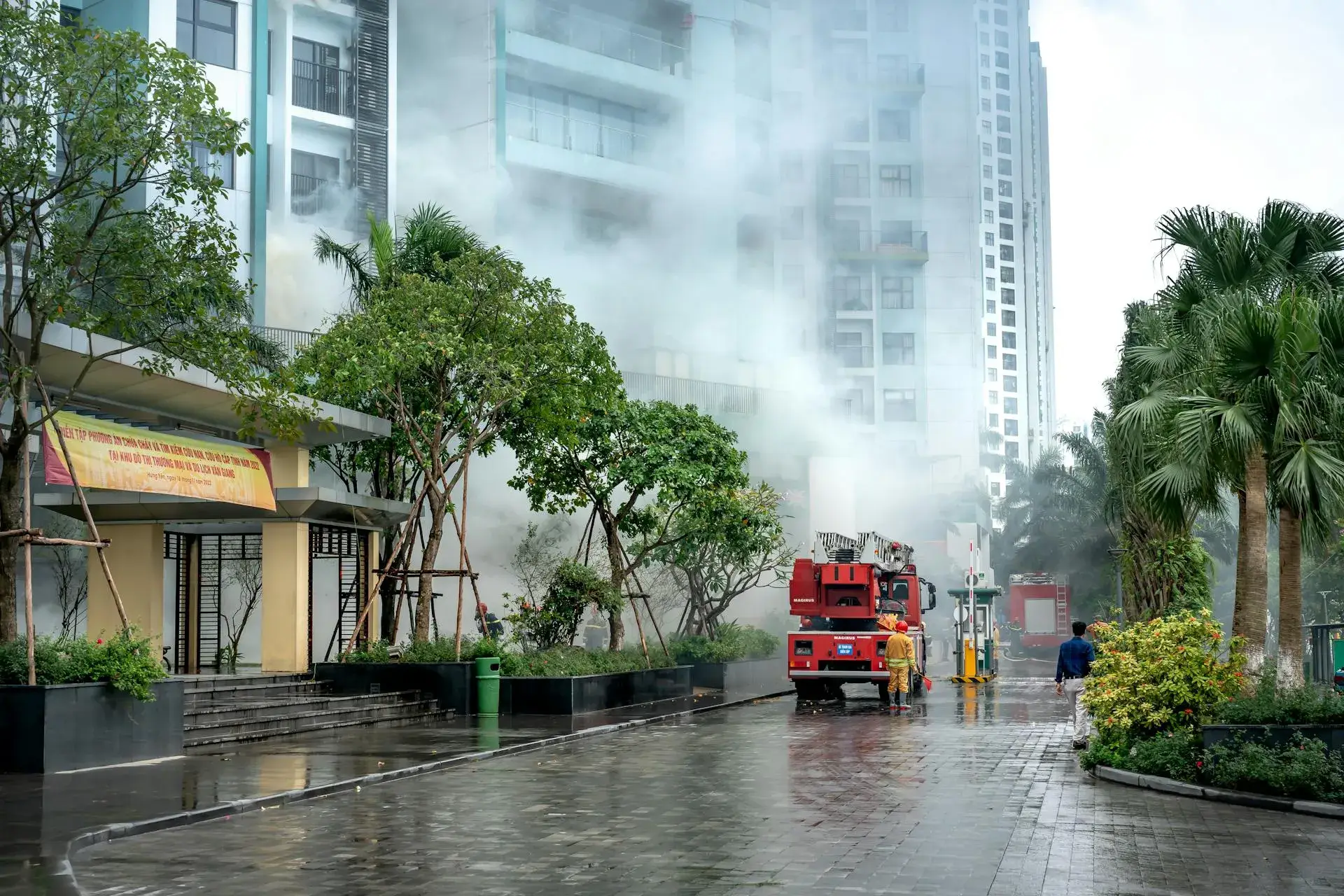
Smoke Damage Restoration in Lisle, IL
Smoke residue corrodes surfaces and embeds deeper into your home every hour it remains. Our local team responds to Lisle emergencies within 60 minutes.
What Happens When You Call
A real person answers, not a call center. We assess your situation, determine the smoke source and severity, and begin coordinating your response immediately.
Your dedicated restoration team is dispatched from our local base serving Lisle and the surrounding DuPage County communities.
Team arrives with HEPA filtration, professional soot-removal equipment, thermal fogging systems, and air quality monitoring tools. Assessment and mitigation begin immediately.
Damage mapped, cleaning priorities established, restoration plan documented. You know exactly what comes next.
Smoke has infiltrated your home and every hour it remains, the damage gets worse. Soot corrodes metal, yellows paint, and bonds permanently to surfaces if not addressed quickly. Whether the source is a structure fire in a neighboring unit, a furnace malfunction, or wildfire smoke that penetrated your home during a regional air quality event, the restoration process requires professional equipment and techniques that household cleaning cannot replicate. X Response exists for exactly this moment. Call now. Your team is standing by.
Why Lisle Homes Are Vulnerable to Smoke Damage
Lisle is a village of 24,223 residents in DuPage County, Illinois, approximately 25 miles west of downtown Chicago along the I-88 (East-West Tollway) and Illinois Route 53 corridors. The village's residential fabric includes a mix of 1960s and 1970s single-family homes, multi-family condominium complexes like the Four Lakes community along Oakwood Drive, and newer planned developments built through the 1990s and 2000s. This variety of building types creates distinct smoke damage patterns: older single-family homes with permeable construction absorb smoke deeply into structural materials, while multi-family buildings allow smoke to travel between units through shared ductwork, unsealed penetrations, and common attic assemblies. The Lisle-Woodridge Fire Protection District, serving approximately 70,000 residents across 30 square miles from five stations, responds to structure fires that generate smoke exposure across neighboring properties in the village's developed residential blocks.
On June 27, 2023, Canadian wildfire smoke pushed the Chicago metropolitan area's air quality index above 200 into the 'very unhealthy' category, with CBS News reporting that Chicago had the worst air quality in the world that day. The event affected all of DuPage County, including Lisle, where visibility along the I-88 and Route 53 corridors dropped below one mile under a thick orange-brown haze. The smoke originated from more than 450 active wildfires across Canada during that country's worst fire season on record, with over 40 million acres burned. Health officials issued Code Purple advisories recommending all residents limit outdoor activity. For Lisle homeowners, the wildfire smoke deposited fine particulate matter (PM2.5) on exterior surfaces, infiltrated homes through HVAC systems drawing outdoor air, and left a residual haze on interior surfaces throughout properties that operated without recirculation-only filtration during the multi-day event. A second wave of Canadian wildfire smoke returned to the Chicago area in mid-July 2023, compounding the initial deposition for homes that had not yet been professionally cleaned.
The June 2023 Canadian Wildfire Smoke Event and DuPage County
The June 2023 wildfire smoke event was unprecedented for the Chicago metropolitan area in both intensity and duration. NOAA research published in 2024 confirmed that the 2023 Canadian wildfire season generated record-breaking surface ozone levels across the Upper Midwest, compounding the particulate exposure with secondary pollutant formation. For Lisle residents, the event lasted multiple consecutive days, with PM2.5 concentrations exceeding EPA thresholds for 'unhealthy' and 'very unhealthy' air throughout DuPage County. Unlike a local structure fire that produces a concentrated plume affecting a defined area, the wildfire smoke event blanketed every property in the village simultaneously. Homes that operated central air conditioning during the event drew wildfire smoke directly through the fresh-air intake and distributed it through the entire duct system, depositing fine carbon particles, volatile organic compounds, and trace metals on every interior surface served by the HVAC. Properties near the I-88 and Route 53 corridors, where traffic stirs ground-level particulates into recirculation, experienced compounded deposition from both the overhead smoke plume and vehicle-disturbed ground-level accumulation.
Multi-Family Smoke Migration in Condominium Complexes
Lisle's condominium and apartment complexes, including the Four Lakes community, Seven Bridges, and other multi-family developments along the Route 53 corridor, create smoke damage scenarios that differ fundamentally from single-family residential incidents. In multi-family buildings, smoke from a fire in one unit travels through shared mechanical chases, unsealed pipe and wire penetrations between units, common hallway HVAC systems, and the gap between the ceiling of one floor and the subfloor above. The December 2024 roof fire at Four Lakes demonstrated this dynamic: even units with no direct flame exposure sustained smoke infiltration through the building's interconnected structure. For residents in adjacent units, the smoke arrives without warning through pathways they cannot see or control, and the resulting damage affects personal property, interior finishes, and the air quality within their own living space. The cleanup challenge multiplies because each unit is individually owned with its own insurance policy (HO-6), while the building's common elements fall under the association's master policy, creating coordination challenges between multiple insurers, multiple restoration scopes, and multiple timelines that all affect the same interconnected structure.
Corporate Corridor Smoke Exposure from Commercial Incidents
Lisle's position within the Illinois Technology and Research Corridor places residential neighborhoods adjacent to corporate campuses, light industrial facilities, and commercial properties along Warrenville Road, Naperville Road, and the I-88 corridor. Fires at commercial properties generate larger smoke plumes than typical residential incidents due to the concentrated fuel loads: synthetic materials in office furnishings, plastics in electronics and storage, chemical products in maintenance and laboratory areas, and rubber and petroleum products in automotive and industrial spaces. These commercial-fire smoke plumes carry complex chemical compounds that produce more aggressive corrosion and more persistent odor than wood-combustion smoke from residential fires. When wind carries a commercial fire plume across adjacent residential neighborhoods, homeowners experience smoke infiltration through the same pathways as wildfire smoke: HVAC intakes, building envelope gaps, open windows, and exhaust vent openings. The difference is that commercial-fire soot contains more complex hydrocarbons and synthetic residues that bond to surfaces aggressively and require more intensive restoration protocols.
Furnace Puffbacks and Heating System Failures
Lisle's 1960s and 1970s housing stock includes homes operating on second or third-generation forced-air heating systems installed over the past five decades. A furnace puffback occurs when unburned fuel accumulates in the combustion chamber or heat exchanger and ignites explosively, blowing soot and combustion byproducts backward through the supply ductwork and into every room served by the system. The result is a fine, oily soot film deposited on walls, ceilings, furniture, clothing, and stored contents throughout the entire home, often without any visible flame or fire department response. Puffbacks are most common at the start of heating season in October and November when furnaces fire after months of inactivity, and their damage is frequently misidentified by homeowners as general dust or dirt accumulation until the characteristic oily residue and pattern of distribution from supply registers becomes unmistakable. The oily nature of puffback soot makes it particularly tenacious on porous surfaces: it penetrates into paint, fabric, and wood grain more deeply than dry structure-fire soot, requiring solvent-based cleaning techniques that standard water-based methods cannot address.
HVAC Distribution as a Smoke Amplifier in Lisle Homes
Nearly every home in Lisle operates a central forced-air heating and cooling system with ductwork that connects every room to a single air handler, typically located in the basement or a mechanical closet. When smoke enters the system from any source, whether a structure fire, a puffback, a cooking incident, or infiltration of outdoor wildfire smoke, the blower distributes contaminated air to every register in the home within minutes. The ductwork itself then becomes a reservoir of soot and odor-bearing particles that continue contaminating the living spaces each time the system cycles, even after the original smoke source has been eliminated. In Lisle's older homes with sheet-metal trunk lines and flexible branch runs, joints and seams in the ductwork accumulate soot deposits that are difficult to access without professional cleaning equipment. The HVAC system's air filter, even when regularly maintained, cannot capture ultrafine smoke particles smaller than the filter's MERV rating allows to pass. During the 2023 wildfire event, standard MERV-8 filters common in residential systems allowed the majority of PM2.5 wildfire particles to pass through and deposit throughout the home. Professional duct cleaning or replacement is essential to eliminate the HVAC system as an ongoing contamination source after any smoke event.
Smoke Odor Retention in 1960s and 1970s Construction Materials
The construction materials common in Lisle's homes from this era, including softwood dimensional lumber framing, fiberglass batt insulation, drywall with paper facing, and poured-concrete basement walls, absorb and retain smoke odor more readily than modern construction with sealed surfaces and vapor barriers. Softwood lumber in wall studs, ceiling joists, and roof rafters is porous and absorbs smoke gases that penetrate through gaps in the drywall or through attic spaces where insulation provides minimal barrier. Once embedded in the wood's cellular structure, these odor-bearing compounds release slowly over months, creating a persistent background smell that returns after surface cleaning, particularly during warm weather when heat mobilizes trapped volatile compounds. Fiberglass insulation in walls and attics acts as a particulate filter that traps soot and odor compounds within its matrix, requiring removal and replacement after significant smoke exposure rather than attempting to clean material designed to hold what it captures. Concrete basement walls and floors absorb smoke odor through their porous surface and hold it indefinitely unless sealed with an appropriate encapsulant after thorough cleaning.
These factors create a community where smoke damage arrives from multiple directions: regional wildfire events that blanket every property in the village simultaneously, multi-family fires where smoke migrates between units through shared building assemblies, commercial-corridor incidents that generate complex chemical smoke plumes drifting into residential areas, and furnace puffbacks that distribute oily soot throughout a home's ductwork without any visible fire. Lisle's mix of 1960s construction with permeable materials and multi-family complexes with interconnected mechanical systems amplifies the impact because smoke penetrates deeply into structural materials, distributes rapidly through forced-air systems, and persists in concealed spaces long after surface cleaning. Effective smoke damage restoration requires tracing the contamination pathway through the entire HVAC system and building envelope, treating every affected surface and concealed space, and verifying air quality through the structure before considering the project complete.
What Happens to Your Home While You Wait
Within 1 Hour
Soot particles begin bonding to surfaces throughout the home. On metal fixtures, the acidic compounds in soot initiate corrosion immediately on contact. On painted walls and ceilings, soot adheres to the surface film and begins a chemical reaction that progresses from removable surface deposit to permanent discoloration. On plastics and synthetics, soot causes yellowing that deepens with exposure time. In Lisle homes where the HVAC system was running during the smoke event, every room served by the ductwork now contains deposits that continue accumulating as the system cycles. The window for easy, non-destructive cleaning narrows with every passing hour.
1–24 Hours
Soot films on painted surfaces begin to set permanently. Chrome and nickel fixtures develop pitting that cannot be polished out. Fabric-covered furniture, drapes, and carpet absorb smoke gases that penetrate beyond the surface fibers into padding and backing materials. Smoke odor compounds migrate into the paper facing of drywall, into the grain of hardwood trim, and into the fibers of attic insulation above. In Lisle's homes with continuous attic spaces spanning the full footprint, soot settling into insulation from above creates a persistent odor source that standard surface cleaning cannot reach. Contents stored in closets and drawers begin absorbing odor through the permeable materials of the storage containers and the furniture itself.
24–48 Hours
Surface staining becomes increasingly permanent. Painted walls that could have been cleaned with dry sponging techniques in the first hours now require aggressive wet cleaning or repainting. Soft goods that could have been professionally laundered now require specialized ozone treatment or replacement. Electronics that could have been cleaned with HEPA vacuuming now have soot deposits on internal circuit boards and heat sinks that impair function. The cost trajectory shifts upward as materials cross the threshold from cleanable to replaceable. In DuPage County's humid summer climate, the combination of soot and ambient moisture accelerates the corrosion process on metal surfaces and fixtures.
48–72 Hours
Smoke odor compounds fully penetrate structural materials. Framing lumber, subfloor sheathing, and concrete absorb odor-bearing gases to a depth that surface cleaning cannot address. HVAC ductwork that has been circulating smoke-contaminated air for three days has deposited soot throughout its interior surfaces, including in flex-duct connections and at register boots where accumulation is thickest. Restoration now requires thermal fogging, ozone treatment, or hydroxyl generation to neutralize embedded odors, and these treatments take longer and cost more when the penetration depth is greater. Contents left in the smoke environment for this long develop permanent odor that even professional restoration may not fully resolve.
One Week and Beyond
Permanent damage to finishes, fixtures, and contents throughout the home. Metal components in appliances and electronics corrode beyond repair. Painted surfaces require full stripping and refinishing rather than cleaning. Attic insulation, wall-cavity fiberglass, and basement-ceiling insulation require complete removal and replacement. The scope shifts from cleaning to comprehensive material replacement across multiple rooms. Insurance adjusters reviewing week-old smoke damage will note that much of it could have been prevented with timely professional intervention, potentially complicating the claim. The total cost of restoration at this stage often exceeds twice what it would have been within the first 24 hours.
Every hour of delay allows smoke residue to bond more permanently to your home's surfaces and penetrate deeper into structural materials. Contact X Response now. Our Lisle team responds within 60 minutes to begin assessment and prevent permanent damage.
How We Restore Smoke-Damaged Lisle Homes
From the moment our team arrives, every step is documented, measured, and verified. Here is exactly what the smoke damage restoration process involves for Lisle properties.
Source Identification and Damage Assessment
Our team determines the smoke source, traces the contamination pathway through the home, and maps the full extent of soot deposition and odor penetration. In Lisle homes, this means checking every room served by the HVAC system, inspecting ductwork at register boots and return grilles, examining attic and wall cavities for smoke penetration, and assessing contents throughout the home for surface and embedded contamination. We identify whether the smoke is from a structure fire (producing heavy particulate soot), a furnace puffback (oily residue from combustion byproducts), wildfire infiltration (ultrafine PM2.5 particles with volatile organic compounds), or a cooking incident (protein-based residue with distinct cleaning requirements). Source identification determines the cleaning chemistry, technique, and protocol appropriate for every affected surface. Everything is documented with photos and a detailed scope of work from day one.
Air Quality Control and Containment
Before cleaning begins, we establish air quality control throughout the home using HEPA air scrubbers that capture airborne particulates down to 0.3 microns. In Lisle homes where the HVAC system distributed smoke throughout the ductwork, we shut down the system to prevent continued recirculation and place scrubbers in each affected zone to begin filtering contaminated air independently. For multi-family properties where smoke migrated from an adjacent unit, we establish containment barriers at the entry points to prevent cross-contamination from continued off-gassing in the source unit. The scrubbers run continuously throughout the project, maintaining clean air in restored areas while work progresses through the rest of the home.
Surface Cleaning and Soot Removal
Every contaminated surface receives professional cleaning matched to its material type and the specific soot chemistry present. Dry sponging removes loose soot from painted walls without driving it into the surface. HEPA vacuuming captures particulates from upholstery, carpet, and textiles. Chemical sponges lift residue from delicate finishes and decorative surfaces. Alkaline cleaners dissolve protein-based soot from kitchen fires. Solvent-based agents address the oily residue from furnace puffbacks that water-based cleaners cannot dissolve. Every surface in the smoke path receives attention: walls, ceilings, trim, crown molding, light fixtures, switch plates, cabinet interiors, closet shelving, and the tops of doors and window frames where soot accumulates invisibly. We clean systematically from top to bottom, from farthest room to closest to the source, to prevent re-contaminating cleaned areas.
HVAC Decontamination
The HVAC system is one of the most critical elements of smoke restoration in Lisle homes because it functions as both a distribution mechanism and a reservoir for contamination. We inspect and clean or replace all components: supply trunk lines, branch ducts, return ducts, register boots, the blower housing, evaporator coil, and air handler cabinet. For sheet-metal ductwork common in Lisle's older homes, we use agitation brushes and high-powered vacuum systems to remove soot deposits from interior surfaces. Flex-duct runs that cannot be adequately cleaned are replaced. The system's air filter is replaced with the highest MERV rating the equipment can accommodate. We verify cleanliness at each register with post-cleaning air quality measurements before the system is returned to operation. A home where surfaces are cleaned but the ductwork remains contaminated will re-deposit soot on every surface the first time the system cycles.
Deodorization and Verification
Smoke odor is the last element to resolve and requires targeted treatment beyond surface cleaning. We deploy thermal fogging to penetrate concealed cavities with odor-neutralizing agents that follow the same pathways smoke traveled during the event. Hydroxyl generators produce oxidizing radicals that break down odor-bearing compounds in the air and on surfaces throughout the project duration. For severe cases where odor has saturated structural lumber, concrete, or insulation, we remove and replace the affected materials rather than attempting to treat what cannot be adequately neutralized in place. Air quality testing at multiple locations throughout the home confirms that particulate levels and odor concentrations have returned to acceptable levels before we consider the project complete. The standard is a home that smells and tests clean at every register, in every closet, and in every concealed space, not one that merely appears clean on visible surfaces.
The X Response Difference
When you contact X Response for smoke damage in Lisle, you get a team that understands smoke travels farther than you can see, embeds deeper than surface cleaning can reach, and persists longer than airing out can resolve. We treat the entire contamination pathway, verify the result with air quality testing, and document everything for your insurance claim.
Insurance Claim Guidance for Lisle Homeowners
Smoke damage insurance coverage in Illinois depends on the source of the smoke and your specific policy language. Structure fires, whether at your own property or a neighbor's, are covered under standard homeowner's policies as fire damage regardless of whether flames reached your home directly. Furnace puffbacks are typically covered as a sudden and accidental mechanical failure. However, wildfire smoke infiltration from a regional air quality event, like the June 2023 Canadian wildfire episode that affected all of DuPage County, falls into a coverage gray area where carriers may argue the damage is gradual or related to an excluded pollution event rather than a covered sudden occurrence. The distinction between covered and excluded smoke damage often depends on how your policy defines 'direct physical loss,' whether it contains pollution exclusions, and whether the event qualifies as sudden or gradual. For condominium owners in Lisle's multi-family complexes, smoke that migrates from another unit creates claims that involve both the origin unit's liability coverage and your own property policy, requiring documentation that clearly establishes the source and pathway.
How X Response Helps
- Document all smoke damage with professional photos, air quality measurements, and a detailed scope of work from day one
- Identify the smoke source clearly, as structure fire, neighbor fire, furnace puffback, and regional wildfire smoke each trigger different coverage provisions under Illinois homeowner's policies
- Prepare documentation that distinguishes between covered sudden-and-accidental damage and potentially excluded gradual or pollution-related claims
- Align our restoration scope with standard insurance coverage categories so your adjuster can process the claim efficiently
- For condominium owners, document the smoke pathway from the source unit to establish third-party liability and coordinate with your HO-6 policy for direct property coverage
X Response does not file claims on your behalf, adjust claims, or make coverage determinations. We provide documentation and guidance to help you make informed decisions about your property and your policy. Coverage decisions are made solely by your insurance carrier.
Certified Restoration Specialists Serving Lisle
When you contact X Response for smoke damage in Lisle, your restoration team is drawn from certified professionals who work across DuPage County's western suburbs and understand the specific challenges of restoring properties in this community. They know how the 1960s and 1970s construction absorbs and retains smoke odor in permeable structural materials, how the multi-family complexes along Route 53 allow smoke migration between units through shared mechanical systems, how the HVAC configurations typical of Lisle homes distribute contamination rapidly through every served room, and how DuPage County's humid summer climate interacts with soot chemistry to accelerate corrosion damage on metal surfaces. They have worked through wildfire smoke infiltration events, multi-unit condominium fires with cross-unit contamination, furnace puffbacks that distributed oily soot throughout entire homes, and neighbor-fire exposure incidents where smoke entered properties without any direct flame involvement.
Every technician on your team holds current IICRC certification in fire and smoke restoration and carries the appropriate Illinois state licensing for the work being performed. Equipment is commercial-grade and maintained to manufacturer specifications. When your team arrives, they bring everything needed to begin assessment and mitigation immediately, including HEPA air scrubbers sized for whole-home filtration, professional soot-removal tools matched to every surface type, duct-cleaning agitation and vacuum systems, thermal fogging equipment for concealed-cavity treatment, hydroxyl generators for continuous odor neutralization, and air quality monitoring instruments that measure particulate levels and verify restoration completeness.
In Lisle, X Response works with Scene Cleaners, an independent local restoration partner serving DuPage County.
Smoke Damage Restoration FAQ for Lisle Homeowners
Other Emergency Services in Lisle
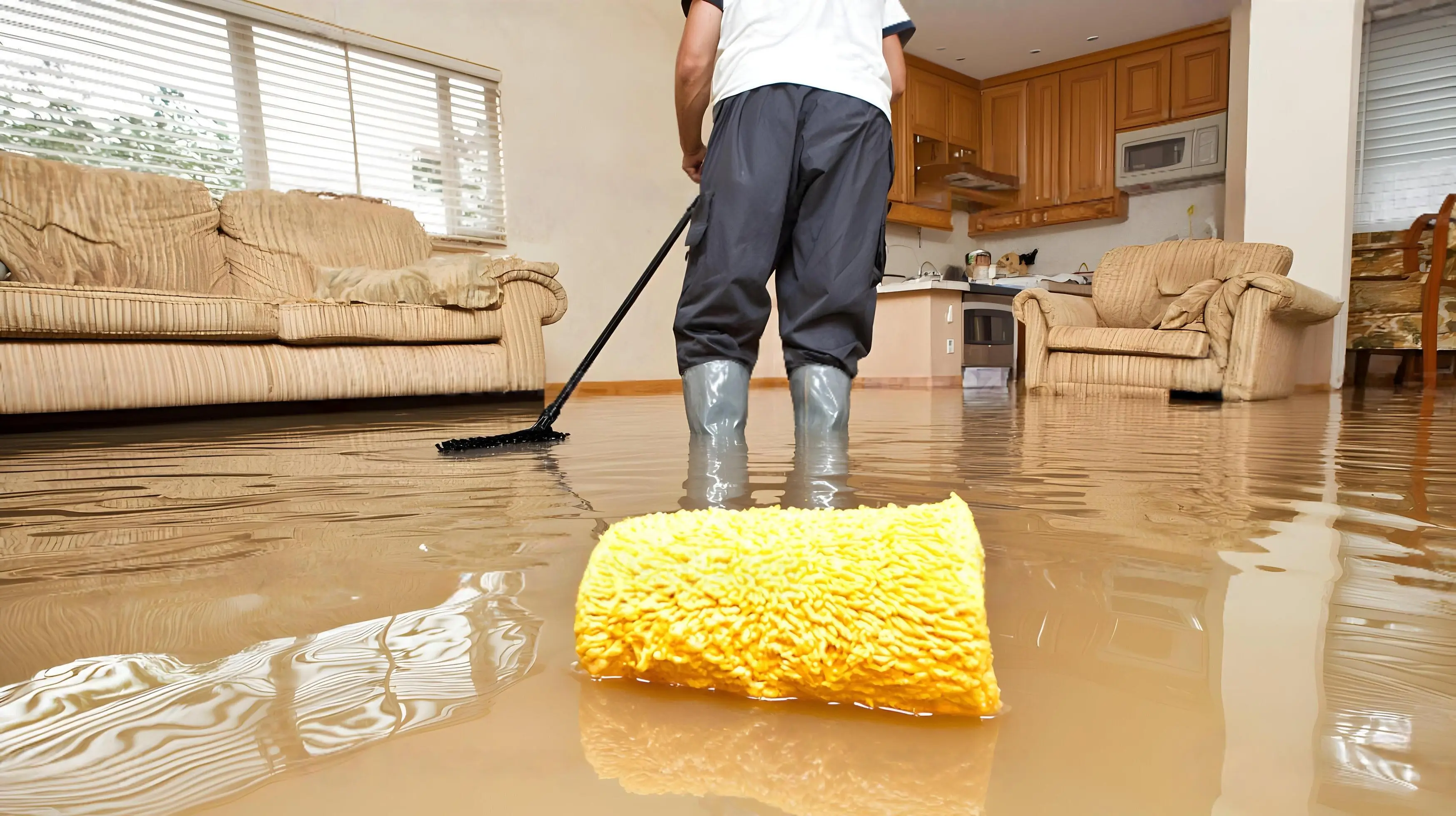
Water Damage Restoration
Burst pipes, storm flooding, standing water. We extract, dry, and restore before mold sets in.
Learn more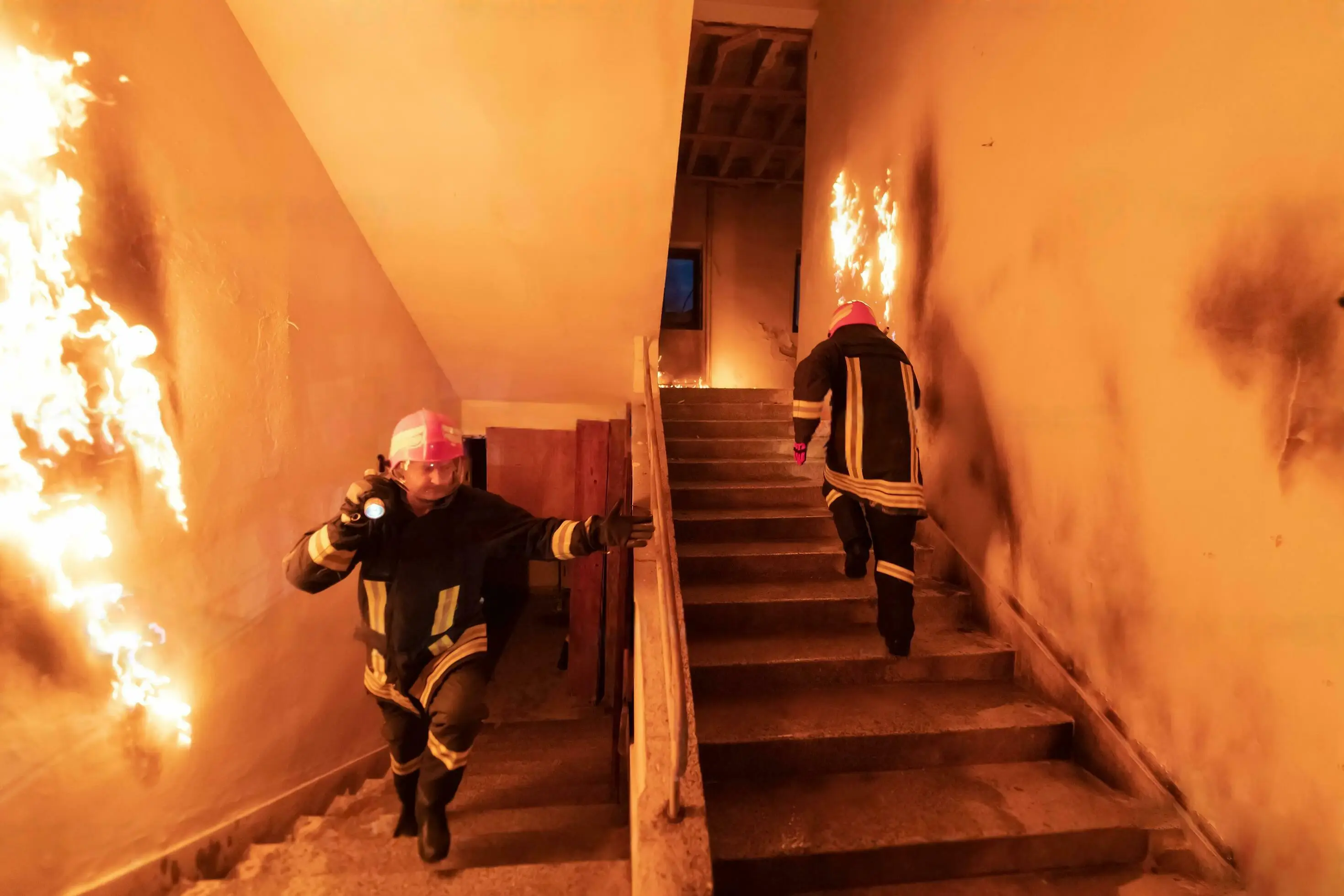
Fire Damage Restoration
Structural damage, soot, debris. We stabilize, clean, and rebuild what fire destroyed.
Learn more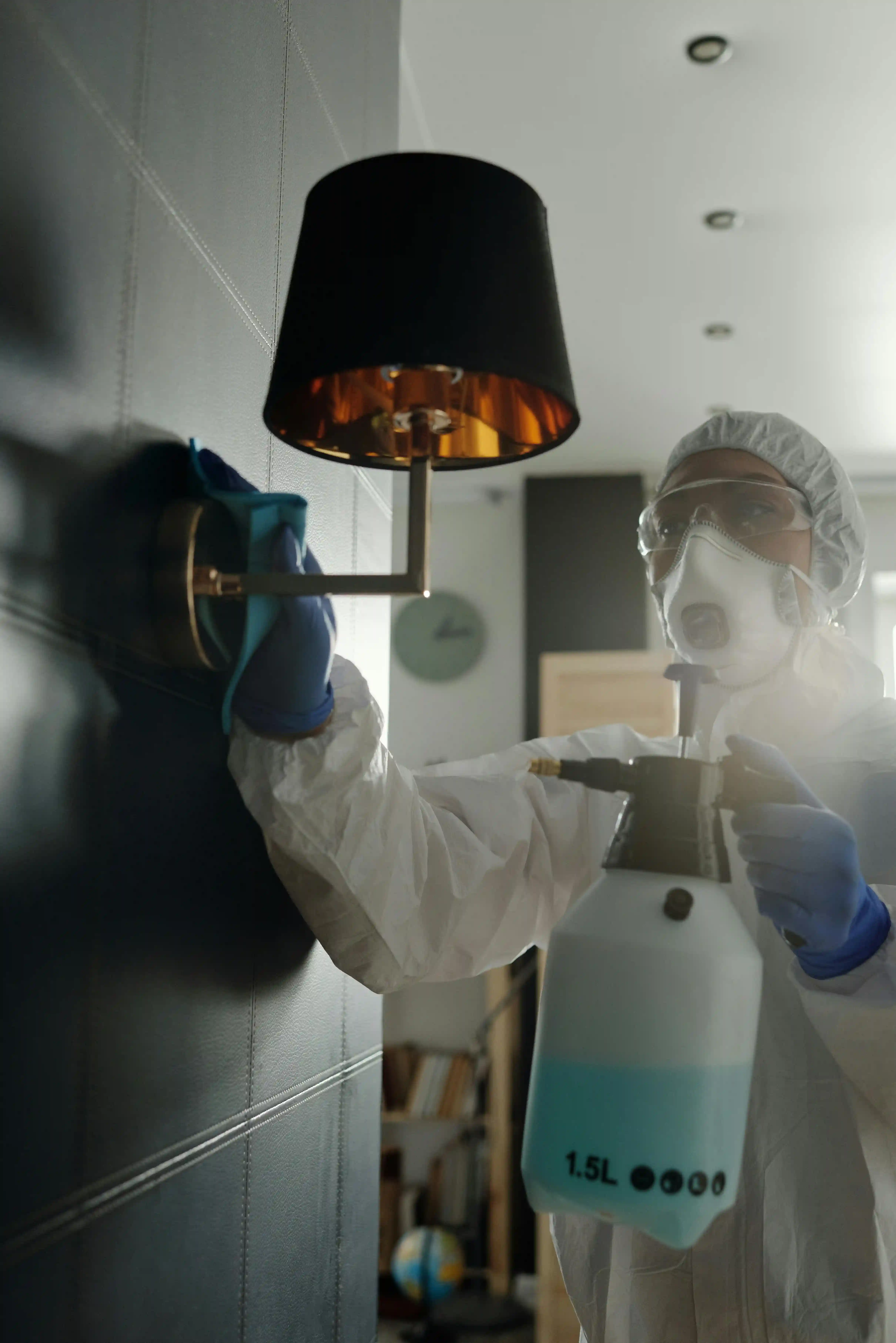
Mold Remediation
Testing, containment, removal, prevention. We find the source, eliminate the growth, and stop it from returning.
Learn more
Sewage Cleanup
Sewer backups, contaminated water, biohazard. We extract, sanitize, and restore safely.
Learn more