
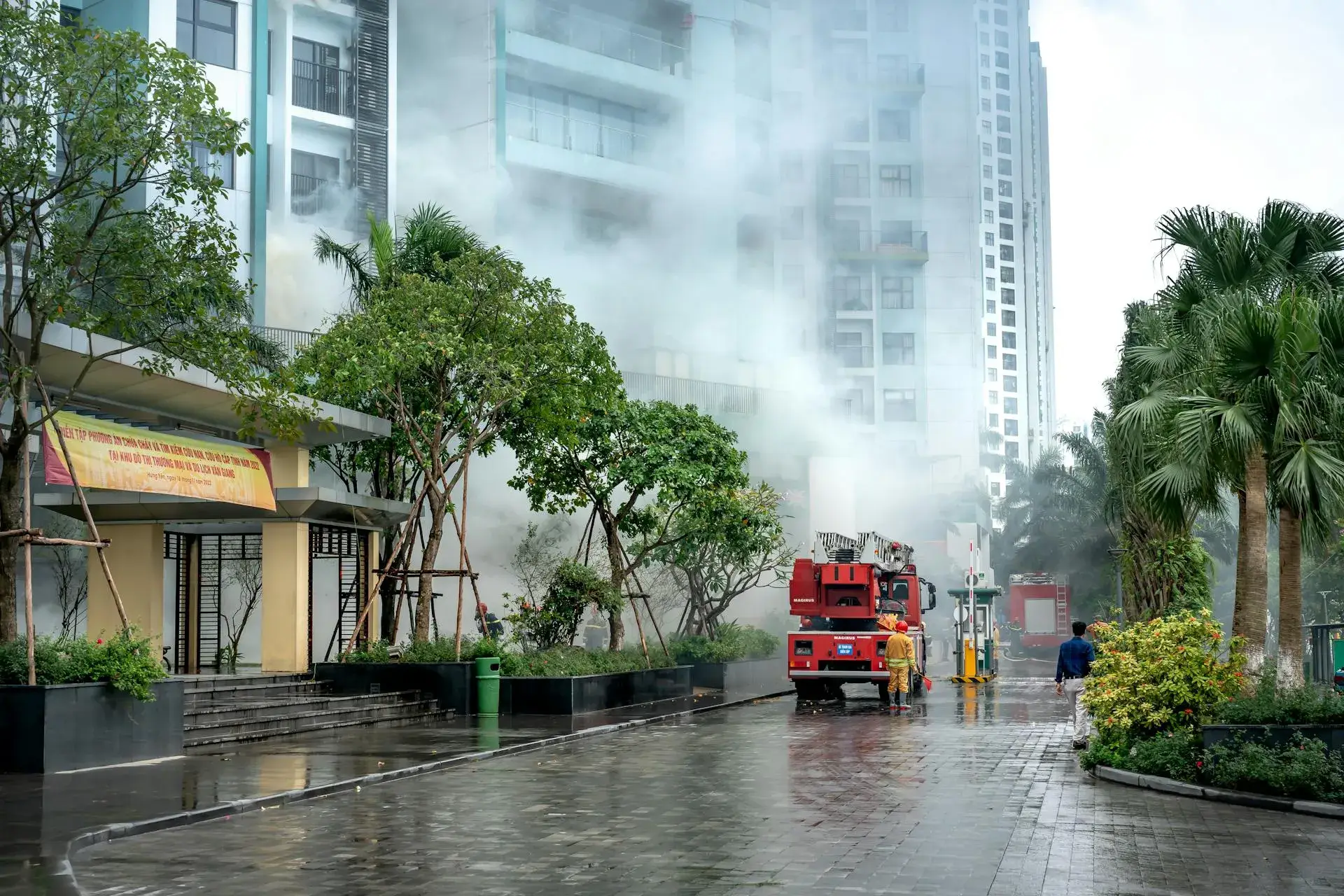
Smoke Damage Restoration in Wheaton, IL
Smoke residue corrodes surfaces and sets permanently into materials with every passing hour. Our local team responds to Wheaton smoke damage emergencies within 60 minutes.
What Happens When You Call
A real person answers, not a call center. We assess your situation, ask the right questions, and begin coordinating your response immediately.
Your dedicated restoration team is dispatched from our local base serving Wheaton and the surrounding DuPage County communities.
Team arrives with HEPA filtration, soot removal equipment, thermal foggers, and air quality testing tools. Assessment and cleaning begin immediately.
Contamination mapped, cleaning protocol established, restoration plan documented. You know exactly what comes next.
Smoke has infiltrated your home and the damage is invisible but progressing. Whether from a structure fire, a neighbor's fire, a wildfire smoke event, or an HVAC malfunction that circulated combustion byproducts through your ductwork, the contamination is spreading deeper into your home's materials with every hour. X Response exists for exactly this moment. When you reach out, your restoration team is mobilized within minutes and on site within the hour. From that point forward, one team manages everything: assessment, cleaning, decontamination, and odor elimination. You are never left guessing about the next step. Call now. Your team is standing by.
Why Wheaton Homes Are Vulnerable to Smoke Damage
Wheaton is a city of 53,970 residents and the county seat of DuPage County, Illinois, located approximately 25 miles west of downtown Chicago. The city's 11.25 square miles of residential, commercial, and institutional property include thousands of single-family homes spanning construction from the 1920s through the present day, each with HVAC systems, building envelopes, and interior finishes that respond differently to smoke intrusion depending on their era and condition. Smoke damage in Wheaton comes from multiple sources: structure fires in the home or in adjacent properties, garage and outbuilding fires that produce chemical-laden smoke drifting into the residence, wildfire smoke events that penetrate homes through HVAC intakes and building envelope gaps, kitchen fires that spread contamination through open floor plans, and furnace malfunctions that circulate combustion byproducts through ductwork to every room in the home.
In late June 2023, Canadian wildfire smoke pushed air quality across the entire state of Illinois into the unhealthy zone, with the Chicago metropolitan area including DuPage County recording PM2.5 levels above 200, reaching the 'very unhealthy' category on the EPA Air Quality Index. NBC Chicago reported that the air quality remained at level four on a six-level scale for extended periods as smoke from more than 40 million acres of Canadian wildfire burning persisted over the Midwest. The EPA declared an Air Pollution Action Day for Illinois, and Fox 32 Chicago confirmed the entire state was under an air quality alert due to wildfire smoke. For Wheaton residents, the extended smoke event meant days of exposure to fine particulate matter that infiltrated homes through HVAC fresh-air intakes, gaps in building envelopes, open windows, and door seals. Homes that ran their HVAC systems during the event circulated wildfire particulates through ductwork and deposited a fine residue on interior surfaces, inside return air plenums, and on evaporator coils and filters throughout the system.
The June 2023 Canadian Wildfire Smoke Event and Indoor Air Quality
The June 2023 wildfire smoke episode was unprecedented in modern memory for the Chicago metropolitan area. Canada experienced its most intense wildfire season on record that summer, burning more than 40 million acres and sending massive smoke plumes southward across the Great Lakes and into the Midwest. DuPage County, including Wheaton, experienced multiple days where outdoor PM2.5 concentrations reached the 'very unhealthy' range, with values exceeding 200 micrograms per cubic meter compared to the EPA's annual standard of 12 micrograms per cubic meter. During the event, the fine particulate matter in wildfire smoke, consisting of carbon particles, volatile organic compounds, and polycyclic aromatic hydrocarbons, penetrated residential buildings through every available pathway. Homes with older building envelopes, common throughout Wheaton's mid-century neighborhoods, lack the air-sealing that newer construction provides, allowing outdoor smoke to infiltrate more readily. HVAC systems with fresh-air intakes drew contaminated outdoor air directly into the ductwork and distributed it throughout the home. Even after outdoor conditions improved, the smoke residue deposited on interior surfaces, inside ductwork, on furnace filters, and within HVAC components continued to degrade indoor air quality until professionally addressed.
Structure Fire Smoke: Beyond the Flame Origin
When a fire occurs in a Wheaton home, the smoke damage zone extends far beyond the fire itself. Smoke is a complex mixture of particulates, gases, and aerosolized chemicals that travels through every available pathway in a building: HVAC ductwork, wall cavities through electrical and plumbing penetrations, under doors, through return air gaps, and via the stack effect that draws air upward through the structure. A fire confined to a single room, whether from a cooking incident, an electrical short, or a candle igniting nearby materials, produces smoke that contaminates the entire HVAC system within minutes of ignition if the air handler is running. In Wheaton homes with forced-air heating and cooling, which describes virtually the entire housing stock, a running blower distributes smoke particles to every supply register in the house while simultaneously drawing smoke into the return air system. The result is a whole-home contamination event from a fire that firefighters may have contained to one room. Soot deposits on walls, ceilings, contents, and inside cabinetry throughout the home, with the heaviest deposition near supply registers and in rooms with the highest air circulation.
Neighbor Fires and Proximity Smoke Exposure in Dense Neighborhoods
Wheaton's residential density means that a structure fire in one home exposes adjacent properties to significant smoke intrusion even when the fire never crosses the property line. In neighborhoods with lot widths of 50 to 75 feet, a working structure fire producing a smoke column directly impacts the nearest neighbors with heavy particulate fallout. Homes downwind receive smoke infiltration through open windows, HVAC intakes, attic vents, soffit vents, and any opening in the building envelope. The smoke does not need to be visible inside the home to cause contamination: fine particulates that pass through standard HVAC filters deposit on surfaces throughout the structure and produce lingering odor that worsens over time as the particles oxidize and off-gas. Wheaton has experienced multiple significant structure fires in recent years, including the April 2025 Wendover Lane lightning fire and the May 2025 Polo Drive garage fire, each of which produced smoke columns that drifted across adjacent properties. Neighbors may not realize the extent of contamination until weeks later when a persistent smoky odor develops in rooms that were never directly exposed to visible smoke, particularly after the HVAC system runs during the first warm or cold period following the event.
Furnace Malfunctions and Combustion Byproduct Distribution
A malfunctioning furnace can distribute combustion byproducts, including carbon monoxide, nitrogen dioxide, and soot particles, throughout a home for hours or days before the problem is identified. Heat exchangers in gas furnaces develop cracks over time, particularly in units 15 to 20 years old, allowing combustion gases from the burner side to migrate into the conditioned air stream on the supply side. When this happens, every time the furnace runs, it circulates a low concentration of combustion byproducts to every room through the supply ductwork. The contamination is insidious because it produces symptoms gradually: occupants experience headaches, fatigue, and respiratory irritation that they attribute to seasonal illness rather than indoor air quality. Over weeks, a fine soot film develops on surfaces near supply registers, walls lighten where air movement prevents deposition while darkening where stagnant air allows settling, and a chemical odor develops in the ductwork. By the time a furnace malfunction is diagnosed, the cumulative soot and combustion residue has been deposited on every surface the HVAC system reaches, requiring comprehensive cleaning far beyond simply replacing the furnace. In Wheaton, where the heating season runs from October through April, a cracked heat exchanger operating undetected through a full winter can contaminate a home thoroughly.
Building Envelope Differences Across Wheaton's Housing Eras
Wheaton's housing stock spans every major construction era from the 1920s through the present, and each era's building envelope responds differently to smoke intrusion. Pre-war homes with plaster walls, original wood windows, and minimal insulation allow smoke to infiltrate readily from exterior sources but also allow it to dissipate through the same gaps, meaning outdoor smoke events deposit less residue than in tighter homes. Mid-century homes from the 1950s and 1960s with aluminum windows, original weatherstripping, and uninsulated wall cavities provide moderate infiltration resistance but have large cavity spaces where smoke particles can accumulate unseen. Homes from the 1970s and 1980s that received energy-efficiency upgrades, including blown-in insulation, replacement windows, and caulking, created tighter envelopes that trap smoke once it enters, making interior concentrations higher than outdoor levels during wildfire events and making smoke from internal sources more difficult to ventilate. Newer construction with modern air-sealing, house wrap, and sealed ductwork provides the best protection from exterior smoke events but also traps interior smoke contamination most effectively. Understanding how the specific home's envelope behaves is essential to determining the correct cleaning protocol and identifying where hidden residue has accumulated.
These factors create a city where smoke damage arrives from multiple vectors: wildfire smoke events that penetrate homes over extended periods, structure fires in the home or adjacent properties, furnace malfunctions that distribute combustion byproducts through ductwork for weeks, and kitchen fires that spread residue through open floor plans and HVAC systems. Each source produces different residue types requiring different cleaning approaches, and each building era responds differently to smoke intrusion based on its envelope tightness and HVAC configuration. Effective smoke restoration in Wheaton requires identifying the smoke source, understanding the specific home's construction era and envelope characteristics, tracing the pathways smoke traveled through the structure, and applying the correct cleaning chemistry for the residue type, because generic cleaning methods applied without source identification leave hidden contamination that produces persistent odor and continued surface degradation.
What Happens to Your Home While You Wait
Within 1 Hour
Smoke particles settle on horizontal surfaces and begin adhering to vertical surfaces through electrostatic attraction. In Wheaton homes where the HVAC system ran during or after the smoke event, particles have already been distributed to every room served by the system and deposited inside ductwork, on evaporator coils, and on the blower assembly. Acidic combustion byproducts in the smoke begin reacting with metal surfaces: chrome fixtures, brass hardware, copper wiring, and aluminum window frames. At this stage, most residue can still be removed with dry methods, including HEPA vacuuming, dry chemical sponges, and careful wiping, without driving particles deeper into porous surfaces.
1–24 Hours
Soot particles begin bonding with painted surfaces as oils in the residue dissolve into the paint film. Fabric upholstery, curtains, and carpet fibers trap particles below the surface where vacuuming alone cannot reach them. Acidic residues etch into natural stone countertops, glass surfaces, and polished metals, creating visible marks that deepen with time. In homes with high humidity, typical of DuPage County summers, moisture in the air accelerates the chemical bonding between soot and surfaces. What could be removed with surface cleaning methods in the first hours now requires wet cleaning or chemical treatment as the residue sets into the underlying material.
24–72 Hours
Permanent staining develops on porous surfaces including unpainted wood, natural stone, grout, and fabrics that were not removed from the environment. Smoke odor molecules penetrate deeply into drywall, wood framing, carpet padding, and insulation, migrating beyond the surface into the material's interior where they will off-gas for weeks or months if not treated. Nickel and chrome plating on bathroom fixtures and kitchen hardware develops irreversible pitting from acid corrosion. HVAC ductwork that circulated smoke-laden air now has a residue coating that recontaminates the indoor air every time the system runs, even if the original smoke source has been resolved. Contents that could have been professionally cleaned in the first 24 hours may now require replacement as residue bonds permanently with fabrics and finishes.
One Week and Beyond
Smoke odor molecules have fully penetrated structural materials including framing lumber, subfloor sheathing, insulation, and concrete. Standard cleaning methods cannot reach these embedded compounds, requiring thermal fogging, hydroxyl generation, or ozone treatment to neutralize odor at the molecular level. HVAC components including the evaporator coil, blower wheel, and interior duct surfaces require professional cleaning to stop ongoing recontamination of the indoor air. In Wheaton homes where smoke infiltrated during the June 2023 wildfire event and was not professionally addressed, residue accumulated gradually over the multi-day episode and became permanently embedded in HVAC components and porous surfaces. The restoration scope at this stage is significantly larger and more expensive than early intervention would have required.
Every hour of delay allows smoke residue to bond deeper into surfaces, acid compounds to corrode further, and odor molecules to penetrate structural materials. Contact X Response now. Our Wheaton team responds within 60 minutes to begin assessment and prevent permanent damage to your home's surfaces and contents.
How We Restore Smoke-Damaged Wheaton Homes
From the moment our team arrives, every step is documented, measured, and verified. Here is exactly what the smoke damage restoration process involves for Wheaton properties.
Source Identification and Damage Assessment
Our team begins by identifying the smoke source, because the correct cleaning protocol depends entirely on what burned. Structure fire smoke from wood framing produces dry, powdery residue that responds to different chemistry than the sticky, petroleum-based soot from a garage fire involving vehicles and plastics. Kitchen fire smoke from proteins and grease creates an invisible film with extreme odor that requires enzymatic cleaning. Wildfire smoke deposits fine particulates that settle deep into HVAC systems. Furnace malfunction residue concentrates near supply registers and follows specific air circulation patterns. Once the source is identified, we map the contamination throughout the home, checking every room, inside HVAC ductwork and components, behind furniture, inside closets and cabinets, and in concealed spaces like attic access points and crawl spaces. The assessment produces a room-by-room cleaning plan with documented contamination levels that guides the restoration and provides evidence for your insurance claim.
Air Quality Stabilization
Before surface cleaning begins, we stabilize the indoor air environment with HEPA air scrubbers positioned throughout the affected areas. These commercial units cycle the entire volume of air in a room multiple times per hour, capturing airborne particulates that would otherwise redeposit on surfaces as they are cleaned. For homes where smoke entered through the HVAC system, we seal supply and return registers in unaffected areas to prevent cross-contamination during cleaning, and we keep the home's HVAC system off until duct cleaning is complete. In Wheaton homes where wildfire smoke penetrated over multiple days during events like June 2023, the air scrubbers also address the accumulated fine particulates that have been circulating through the living environment since the event. Air quality is monitored throughout the cleaning process to verify that contamination levels are dropping as work progresses.
Surface and Contents Cleaning
Surface cleaning proceeds systematically from ceilings downward to walls to floors, working from the least contaminated areas toward the most contaminated to prevent cross-contamination. The cleaning method matches the residue type: dry chemical sponges for light dry soot, alkaline cleaners for synthetic petroleum-based residues, enzymatic cleaners for protein residues from kitchen fires, and HEPA vacuuming followed by wet cleaning for general smoke deposits. Hard surfaces including walls, ceilings, countertops, trim, and cabinetry exteriors are cleaned with the appropriate chemistry and rinsed. Contents are evaluated individually: hard-surface items are cleaned on site, soft goods are packed for off-site professional laundering or dry cleaning, and items beyond recovery are inventoried and documented for insurance replacement. Special attention is given to electronics, which trap soot in ventilation ports and on circuit boards where corrosion can cause delayed failure weeks or months after the event.
HVAC System Decontamination
If the HVAC system ran during or after the smoke event, the entire air distribution system requires professional cleaning. In Wheaton homes with forced-air systems, this includes cleaning supply and return ductwork, the blower assembly, the evaporator coil, the furnace heat exchanger exterior, the air handler cabinet interior, and replacement of all filters. Soot and smoke residue coating these components recontaminates the indoor air every time the system cycles, making surface cleaning ineffective if the HVAC system is not addressed simultaneously. We clean ductwork using agitation tools that dislodge deposits from interior surfaces combined with negative-pressure HEPA collection that captures the dislodged material. Evaporator coils, which trap fine particulates in their tightly packed fins, are cleaned with approved coil cleaning solutions that flush contamination without damaging the aluminum fin surfaces. The system is not returned to service until all components are verified clean.
Odor Elimination and Verification
After surface cleaning and HVAC decontamination are complete, residual odor molecules embedded in structural materials and concealed surfaces require advanced treatment. We deploy thermal fogging equipment that generates a heated deodorizing fog matching the particle size and behavior of the original smoke, allowing it to penetrate the same pathways into wall cavities, behind trim, inside insulation, and throughout porous materials. Hydroxyl generators run continuously during the project, breaking down odor molecules in the air and on surfaces through oxidation. For severe contamination, we use ozone treatment in sealed, unoccupied areas where high-concentration ozone neutralizes embedded odor compounds. Final verification confirms that contamination levels have returned to acceptable standards, all surfaces are clean, the HVAC system is delivering uncontaminated air, and no residual odor persists. Documentation including air quality measurements, before-and-after photos, and the complete scope of work is assembled for your records and insurance claim.
The X Response Difference
When you contact X Response for smoke damage, you get a team that addresses the contamination comprehensively: surfaces, contents, HVAC, and embedded odor. One integrated approach that eliminates the problem instead of chasing symptoms.
Insurance Claim Guidance for Wheaton Homeowners
Smoke damage insurance coverage in Illinois depends on the source of the smoke. Smoke damage from a fire in your home or on your property is covered under standard homeowner's policies as part of the fire peril. Smoke damage from a neighbor's fire that infiltrated your home is also typically covered under your policy, not the neighbor's, because the damage occurred to your property. Smoke from wildfire events, including the extended June 2023 Canadian smoke episode, falls into a gray area that varies by carrier and policy language: some policies cover it as a named peril event, while others may exclude gradual accumulation or require that visible damage occurred rather than just odor. Furnace malfunction smoke that damages interior surfaces is typically covered as sudden and accidental mechanical failure, though maintenance-related failures where the homeowner neglected annual service may face scrutiny. The key for all smoke claims is documenting the contamination comprehensively, including air quality measurements, surface residue documentation, and HVAC inspection findings, so your carrier can verify the scope and source of damage.
How X Response Helps
- Document smoke contamination throughout the entire home, not just visibly affected rooms, including HVAC system inspection findings
- Identify and document the smoke source clearly, as structure fire, neighbor fire, wildfire, and furnace malfunction each trigger different coverage provisions
- Create detailed contents inventories distinguishing items that can be professionally cleaned from those requiring replacement
- Provide air quality measurements and surface residue documentation that demonstrate the extent of contamination beyond what is visible
- Coordinate scope documentation with your adjuster as hidden contamination in HVAC systems and concealed spaces is discovered during the cleaning process
X Response does not file claims on your behalf, adjust claims, or make coverage determinations. We provide documentation and guidance to help you make informed decisions about your property and your policy. Coverage decisions are made solely by your insurance carrier.
Certified Restoration Specialists Serving Wheaton
When you contact X Response for smoke damage in Wheaton, your restoration team is drawn from certified professionals who work across DuPage County and understand the specific challenges of smoke restoration in this community. They know how Wheaton's mixed-era housing stock responds to smoke intrusion: where older building envelopes allow infiltration from exterior sources, how mid-century HVAC systems with oversized ductwork accumulate residue differently than modern high-efficiency systems, where concealed contamination hides in each construction type, and how DuPage County's seasonal humidity affects the rate at which smoke residue bonds with surfaces. They have restored homes after kitchen fires in remodeled open-concept spaces, wildfire smoke infiltration during extended air quality events, furnace malfunctions that distributed soot for weeks before detection, and neighboring structure fires that contaminated properties without visible flame exposure.
Every technician on your team holds current IICRC certification in fire and smoke restoration (FSRT) and carries the appropriate Illinois state licensing for the work being performed. Equipment includes HEPA air scrubbers, thermal foggers, hydroxyl generators, ozone chambers for contents treatment, professional duct cleaning systems with agitation tools and HEPA collection, and the full range of cleaning chemistry required for protein, synthetic, and wood-smoke residues. When your team arrives, they bring everything needed to begin assessment and air quality stabilization immediately.
In Wheaton, X Response works with Scene Cleaners, an independent local restoration partner serving DuPage County.
Smoke Damage Restoration FAQ for Wheaton Homeowners
Other Emergency Services in Wheaton

Water Damage Restoration
Burst pipes, storm flooding, standing water. We extract, dry, and restore before mold sets in.
Learn more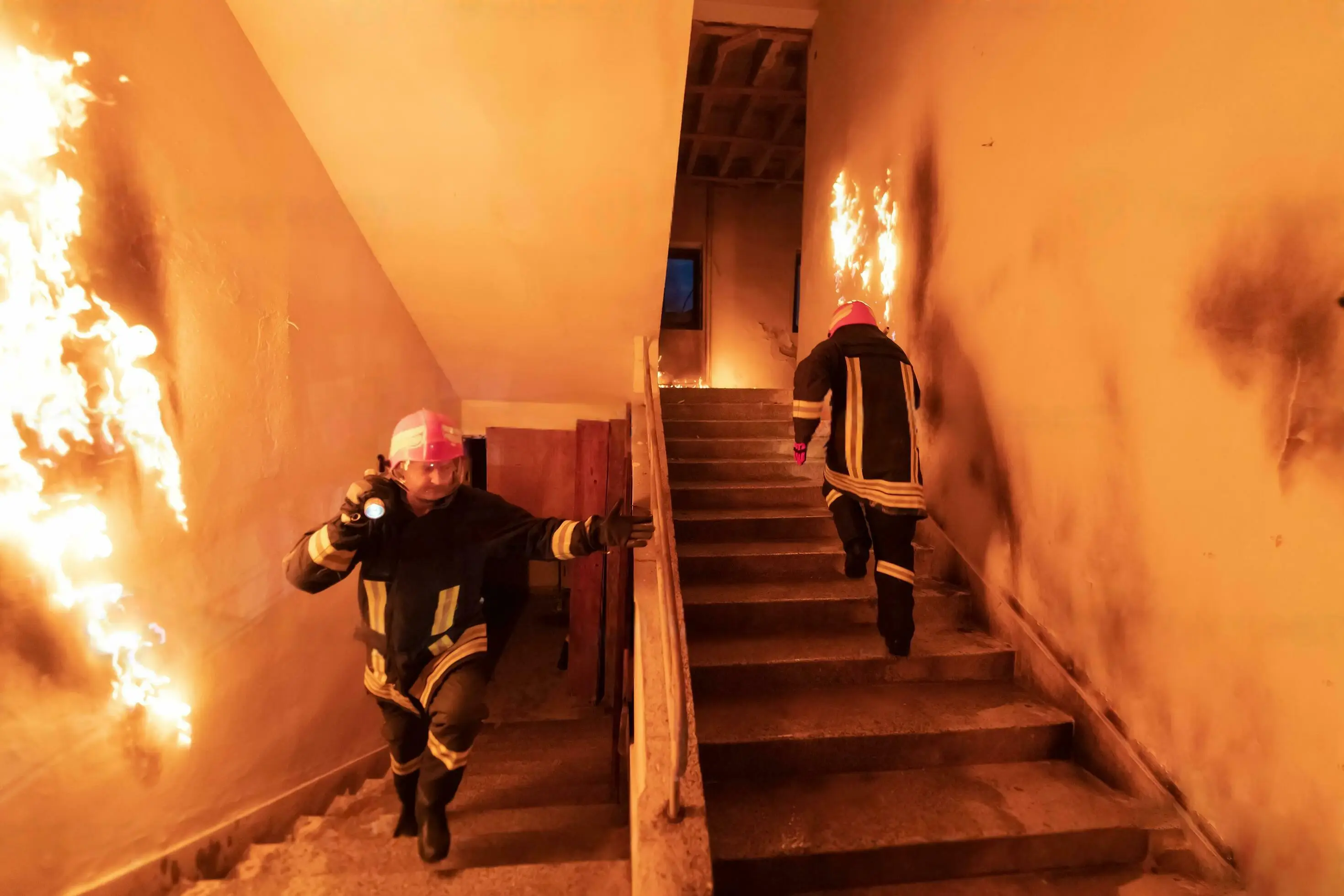
Fire Damage Restoration
Structural damage, soot, debris. We stabilize, clean, and rebuild what fire destroyed.
Learn more
Mold Remediation
Testing, containment, removal, prevention. We find the source, eliminate the growth, and stop it from returning.
Learn more
Sewage Cleanup
Sewer backups, contaminated water, biohazard. We extract, sanitize, and restore safely.
Learn more