
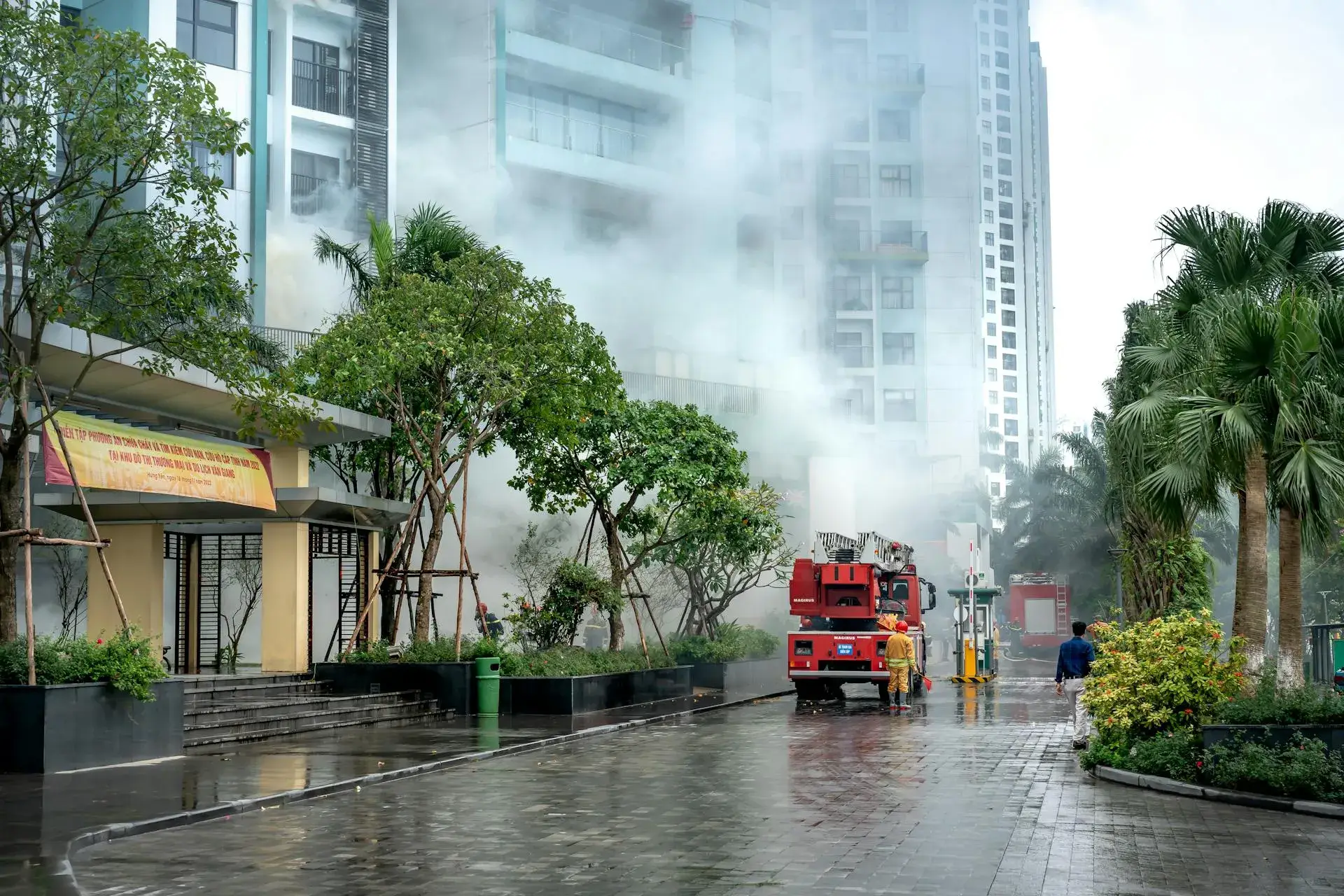
Smoke Damage Restoration in Pasadena, TX
Microscopic soot particles penetrate porous building materials and HVAC systems within hours. Our Pasadena smoke specialists respond within 60 minutes.
What Happens When You Call
Emergency intake assesses the fire source, soot type, and distribution pathways across your Harris County property.
Technicians establish negative air pressure containment with industrial HEPA air scrubbers to prevent cross-contamination.
Specialized chemical sponge treatments and alkaline solutions neutralize acidic soot from walls, ceilings, and appliances.
Hydroxyl generators and thermal foggers penetrate structural framing and HVAC ductwork to permanently neutralize odor compounds.
Smoke and corrosive soot from even a contained kitchen fire or electrical smolder travel through wall cavities, attic spaces, and forced-air ductwork, settling across every surface in your home. X Response mobilizes certified smoke remediation specialists within minutes, deploying negative air machines, specialized chemical cleaners, and molecular deodorizers to arrest corrosion and remove persistent smoke odors in Pasadena. Call now. Your team is standing by.
Why Pasadena Homes Are Vulnerable to Smoke Damage
Pasadena is a vibrant community of roughly 152,000 residents in southeastern Harris County, Texas, characterized by a mix of single-family residential subdivisions, apartment complexes, and extensive commercial corridors. Situated along the Houston Ship Channel and Texas State Highway 225, the city's housing stock operates in a unique subtropical climate where central air conditioning runs nearly ten months of the year. When an indoor fire occurs, whether a contained stovetop grease fire or an electrical short in an attic, the forced-air HVAC system draws airborne smoke particles into supply and return plenums, rapidly distributing fine carbon particulates and volatile organic compounds into rooms far removed from the fire origin.
Residential structures in Pasadena border the intense industrial petrochemical corridor along Texas State Highway 225 and the Houston Ship Channel, where structure fires combine with ambient industrial airborne particulates to produce corrosive soot that embeds deeply in drywall, framing, and HVAC systems under sustained Gulf Coast humidity. High baseline humidity, averaging over 75% year-round, causes microscopic soot particles to bond tenaciously with moisture films on painted walls, mirrors, and cabinetry. Without immediate professional neutralization, these acidic chemical residues etch glass, tarnish plumbing fixtures, corrode delicate electronics, and permanently dislodge paint finishes throughout the property.
Forced-Air HVAC Distribution and Plenum Contamination
Nearly every home in Pasadena relies on centralized forced-air cooling systems to endure the intense Texas heat. When a fire occurs while the air handler is operating, smoke is sucked directly into return air ducts and distributed across every connected room. Soot coats the internal fiberglass insulation, blower wheel, evaporator coils, and supply duct lines, creating a persistent odor reservoir that recontaminates the home whenever the system cycles.
Subtropical Humidity and Chemical Soot Bonding
Southeast Texas is defined by high relative humidity, frequently exceeding 80% in morning hours. Ambient atmospheric moisture combines with acidic sulfur and nitrogen oxides present in smoke soot, forming corrosive acids on contact with metal, plastic, and stone surfaces. In a dry climate, soot can often be dry-vacuumed; in Pasadena, humidity causes soot to smear, stain, and chemically etch finishes within 24 to 48 hours.
Complex Synthetic and Protein Soot Profiles
Modern Pasadena homes contain diverse building materials, from synthetic carpeting and vinyl flooring to polyurethane-finished cabinetry and foam cushions. Burning plastics produce greasy, smeary wet soot that requires specialized chemical emulsifiers to lift. Conversely, kitchen protein fires produce virtually invisible, pungent residues that severely discolor varnishes and require thermal fogging to eliminate.
Attic Smoke Migration and Thermal Siphoning
During hot Texas afternoons, attic spaces can reach temperatures over 130 degrees. Fires occurring in lower living spaces push hot, pressurized smoke upward through ceiling penetrations, recessed lighting fixtures, and plumbing chases into the attic. Smoke permeates blown-in cellulose and fiberglass insulation, saturating roof rafters and decking with volatile odor compounds that slowly filter down into living areas during barometric shifts.
Slab-on-Grade Moisture Trapping and Soot Settling
Concrete slab foundations in Pasadena absorb fine soot particles that settle at floor level. When fire suppression or high indoor humidity interacts with floor-level soot, alkaline soot compounds leach into the porous concrete surface, demanding specialized mechanical extraction and sealing prior to new flooring installation.
Overcoming smoke damage in Pasadena requires an understanding of smoke chemistry, building airflow dynamics, and coastal atmospheric conditions. Our certified technicians utilize advanced decontamination equipment and multi-stage odor elimination systems to ensure your property is completely sanitized and odor-free.
What Happens to Your Home While You Wait
Within Minutes
Smoke particles disperse through air ducts and settle across cooler exterior walls and ceilings. Acidic residues begin dislodging protective clear coats on wooden furniture and yellowing white plastic appliances.
1–24 Hours
Corrosive chemical soot etches glass, polished stone countertops, and chrome bathroom fixtures. Painted walls absorb volatile oils, turning yellow or gray. Fabrics and carpets trap deep smoke odor molecules.
24–48 Hours
Metal hardware, electrical switches, and aluminum window frames experience irreversible oxidation and pitting. Vinyl flooring develops permanent discoloration, and wood cabinetry finishes begin to blister.
48–72 Hours
Soot particles chemically bind to drywall paper facing and wood framing, rendering standard cleaning ineffective. Odors penetrate deep into structural subfloors, ceiling joists, and HVAC duct insulation.
One Week and Beyond
Severe corrosive deterioration attacks circuit boards in major appliances and HVAC components. Unaddressed protein and synthetic smoke residues become deeply embedded, necessitating full material replacement and encapsulation.
Fast professional intervention prevents irreversible corrosive damage. Contact X Response now for 24/7 smoke and soot restoration in Pasadena.
How We Restore Smoke-Damaged Pasadena Homes
Our comprehensive smoke remediation protocol follows IICRC S500 and S520 guidelines, eliminating corrosive soot and volatile odors from every structural surface.
Soot Mapping and Atmospheric Air Scrubbing
Certified technicians assess soot deposit patterns, identify soot types (synthetic, protein, or dry carbon), and immediately deploy industrial HEPA air scrubbers equipped with activated carbon and potassium permanganate filters to capture airborne particulates.
Surface Chemical Neutralization and Sponge Cleaning
Using specialized vulcanized rubber chemical sponges and pH-balanced emulsifying detergents, we clean walls, ceilings, fixtures, and cabinetry to lift soot without driving it deeper into porous substrates.
HVAC System Decontamination and Sanitization
We thoroughly clean and sanitize the entire HVAC network, including trunk lines, supply vents, return plenums, blower assemblies, and evaporator coils. Duct lines are sealed with antimicrobial odor barriers to prevent future odor recirculation.
Molecular Hydroxyl and Thermal Odor Elimination
We deploy industrial hydroxyl generators and thermal foggers that replicate the pressurized particle size of smoke. These neutralizing agents penetrate wall cavities, subfloors, and framing to destroy odor-causing volatile organic compounds at the molecular level.
Structural Sealing and Final Air Quality Testing
Severely affected framing and sub-slab surfaces receive specialized shellac-based odor-encapsulating sealants. Final inspection and indoor air quality testing ensure all traces of toxic soot and pungent odors have been completely eliminated.
The X Response Difference
Trust our certified smoke restoration specialists to restore healthy indoor air quality and protect your property investment.
Insurance Claim Guidance for Pasadena Homeowners
Smoke damage claims frequently involve complex structural and personal property assessments. In Texas, insurance policies require detailed forensic evidence demonstrating the reach of smoke migration, including hidden ductwork contamination and acidic surface etching. Our team coordinates directly with your insurance adjuster, providing itemized Xactimate scopes and photographic records to support full claim approval.
How X Response Helps
- Comprehensive photographic mapping of soot migration across all affected living areas
- Detailed laboratory or field swab testing reports identifying soot type and acidity levels
- Itemized Xactimate estimates adhering to regional Texas pricing schedules
- HVAC inspection documentation justifying complete duct sanitization and coil restoration
- Full inventory catalog of non-salvageable personal contents and structural fixtures
X Response delivers independent damage restoration and technical documentation. Final coverage decisions and claim settlements are determined solely by your property insurance policy.
Certified Restoration Specialists Serving Pasadena
Our Pasadena smoke restoration team holds master certifications from the Institute of Inspection, Cleaning and Restoration Certification (IICRC) in Fire and Smoke Damage Restoration (FSRT), Odor Control (OCT), and Applied Structural Drying (WRT). Having served Harris County for years, our specialists are familiar with the distinct challenges of treating smoke damage in humid Gulf Coast environments.
We equip our response vehicles with state-of-the-art decontamination technology, including industrial negative air scrubbers, dry vapor hydroxyl generators, ultrasonic cleaning tanks for personal items, and precision air quality particle counters. Our team is committed to restoring your home to a clean, safe, and entirely odor-free environment.
In Pasadena, X Response works with First Response Restoration, an independent local restoration partner serving Harris County.
Smoke Damage Restoration FAQ for Pasadena Homeowners
Other Emergency Services in Pasadena
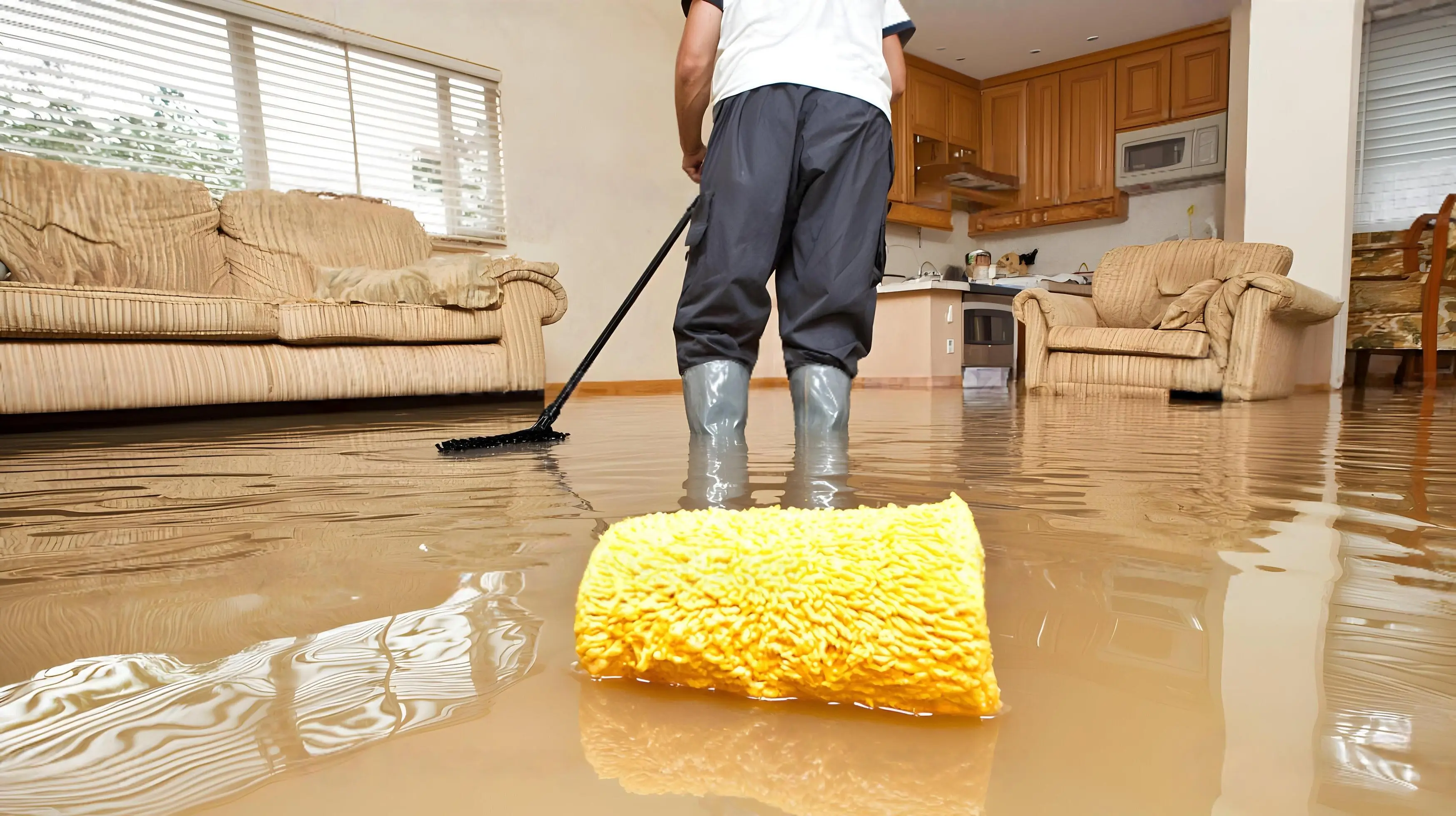
Water Damage Restoration
Burst pipes, storm flooding, standing water. We extract, dry, and restore before mold sets in.
Learn more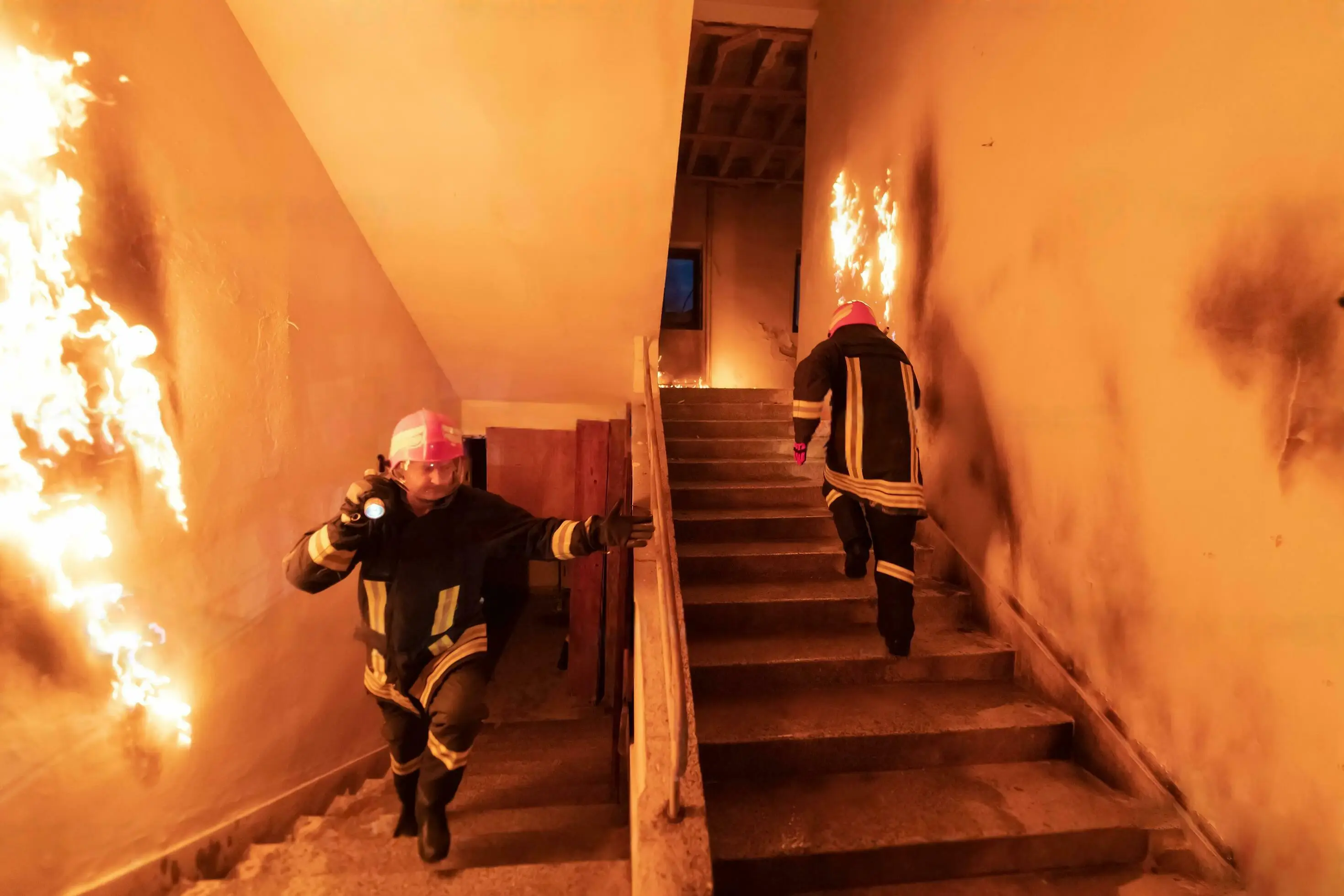
Fire Damage Restoration
Structural damage, soot, debris. We stabilize, clean, and rebuild what fire destroyed.
Learn more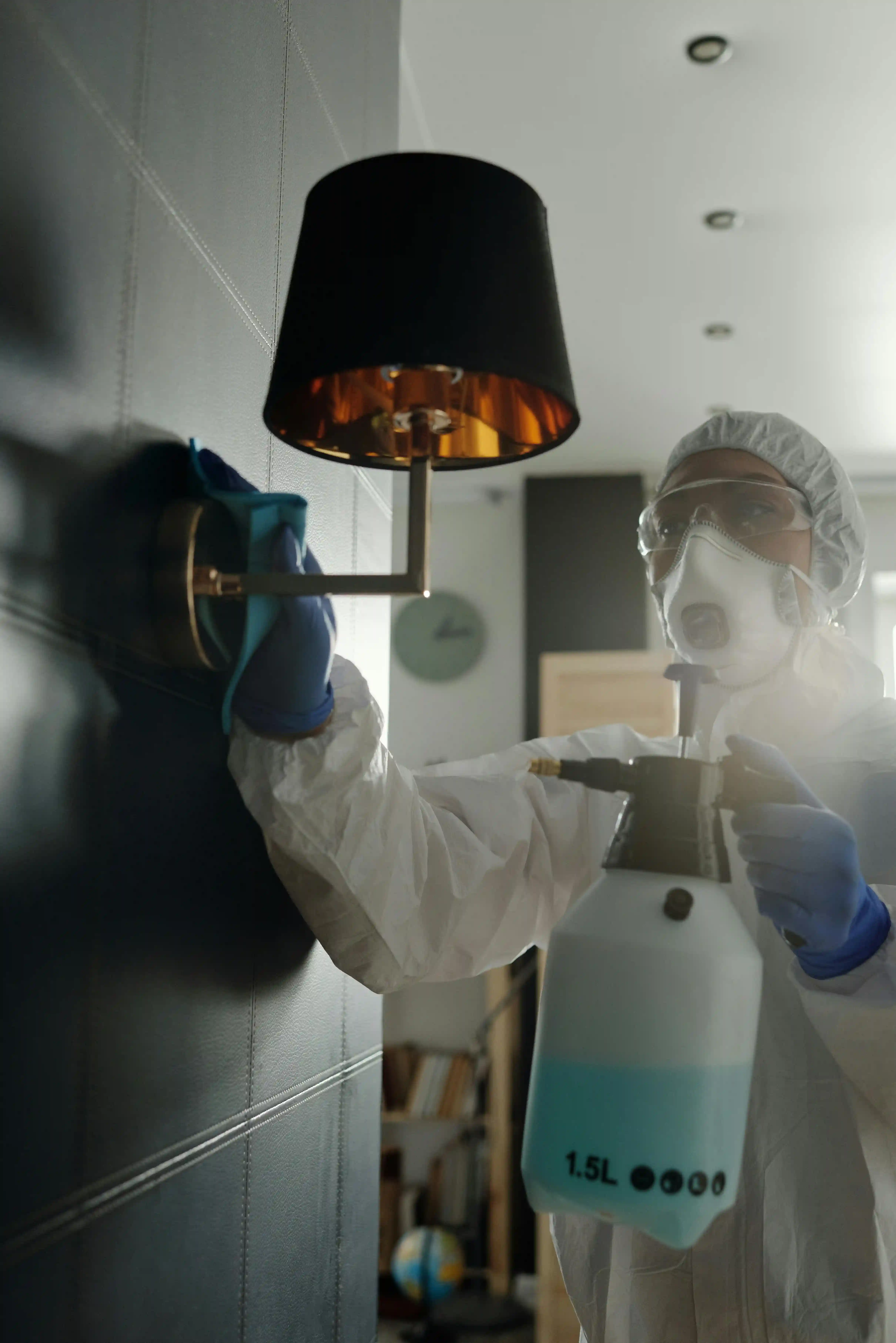
Mold Remediation
Testing, containment, removal, prevention. We find the source, eliminate the growth, and stop it from returning.
Learn more
Sewage Cleanup
Sewer backups, contaminated water, biohazard. We extract, sanitize, and restore safely.
Learn moreNearby Service Areas
Also serving nearby: