
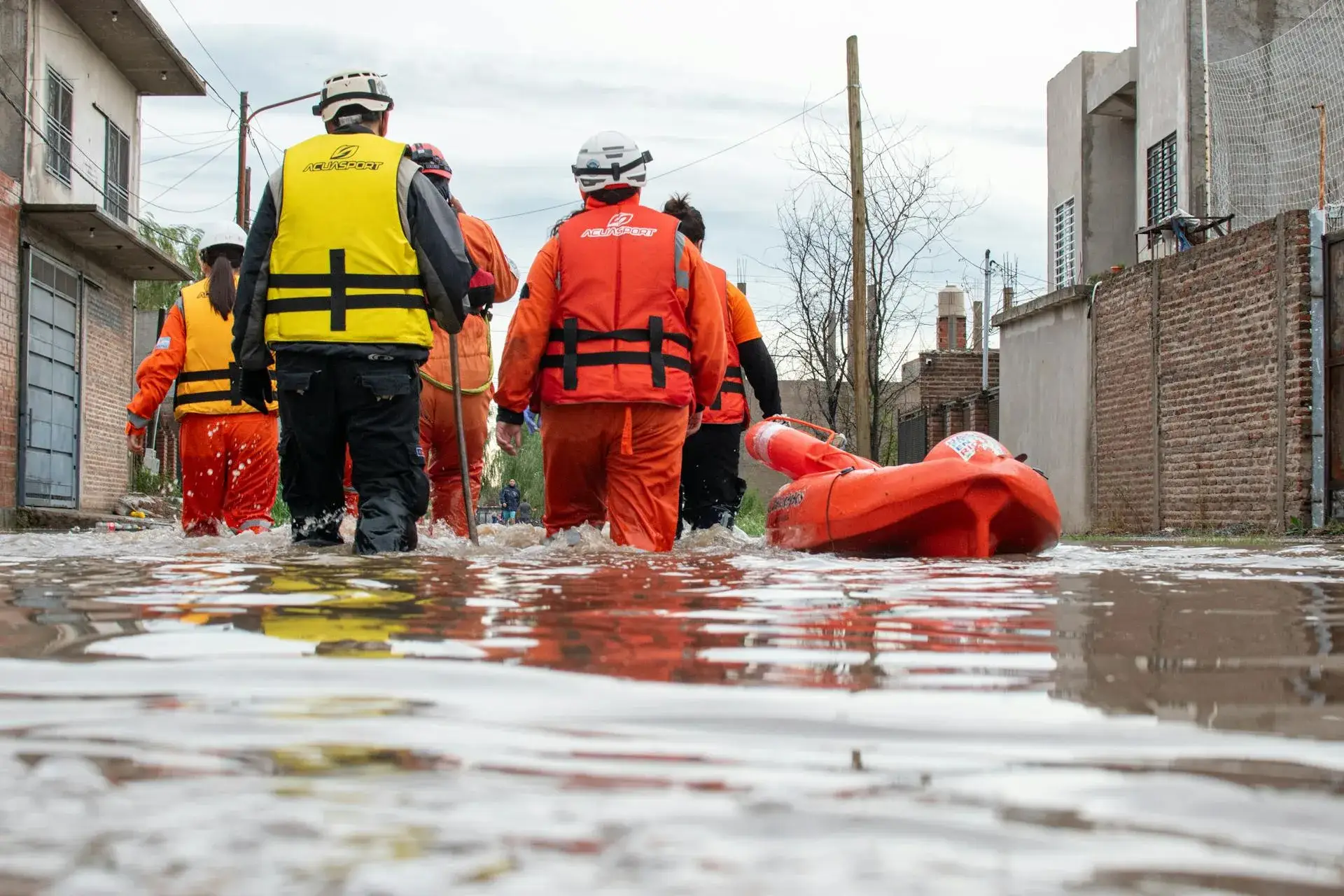
Water damage restoration team deploying industrial drying equipment inside a residential property
Teams Active in Volusia County

Water Damage Restoration in Deltona, FL

Every hour of standing water increases structural damage and mold risk. Our local team responds to Deltona emergencies within 60 minutes.

60-Min Response IICRC Certified Insurance Guidance Serving Volusia County

What Happens When You Call

You Call

A real person answers, not a call center. We assess your situation, ask the right questions, and begin coordinating your response immediately.

15 Minutes

Your dedicated restoration team is dispatched from our local base serving the Deltona and greater Volusia County area.

45–60 Minutes

Team arrives with industrial extractors, commercial dehumidifiers, and moisture detection equipment. Emergency mitigation begins on site.

Same Day

Water extracted, drying equipment placed and calibrated, restoration plan documented. You know exactly what comes next.

You are dealing with water in your home and you need it handled now. Not tomorrow, not after a callback queue. X Response exists for exactly this moment. When you reach out, your restoration team is mobilized within minutes and on site within the hour. From that point forward, one team manages everything: extraction, drying, documentation, and insurance guidance. You are never left wondering what happens next. Call now. Your team is standing by.

Why Deltona Homes Are Vulnerable to Water Damage

Deltona sits on the northern shore of Lake Monroe in Volusia County, a planned community carved out of Central Florida wetland in 1962 by the Mackle Brothers. The same geography that attracted developers (abundant lakes, flat terrain, affordable land) creates persistent water damage risk for the nearly 94,000 people who live here today. The city contains more than 20 named lakes within its 37 square miles, and its average elevation of just 46 feet above sea level means the water table sits uncomfortably close to the surface, particularly during the wet season from June through October.

Volusia County receives an average of 51 inches of rainfall annually, but recent years have pushed well beyond that baseline. The county recorded 63.8 inches in 2014 and 63.5 inches in 2018, with 2023 exceeding 61 inches at the Daytona Beach monitoring station. When that volume of water hits a city built on flat, low-lying terrain with aging stormwater infrastructure, residential flooding becomes inevitable rather than exceptional.

Concrete Block on Slab Foundations

Most Deltona homes were built between 1962 and the early 1990s using concrete masonry unit (CMU) construction on monolithic slab foundations. When water intrudes, it wicks upward through the porous block, saturating drywall and insulation well above the visible waterline. Drying these walls requires specialized cavity drying techniques.

High Water Table and Lake Proximity

With over 20 lakes and an elevation of just 46 feet, Deltona's water table sits close to the surface year-round. During sustained rain events, groundwater can rise to slab level, creating hydrostatic pressure that forces moisture up through foundation cracks and expansion joints. Properties near Lake Monroe and the St. Johns River corridor face the highest risk.

Aging Plumbing Infrastructure

Homes built in Deltona from the late 1970s through the mid-1990s commonly contain polybutylene water supply piping, a material banned from new construction in 1996 after widespread failures. Chlorine in municipal water degrades polybutylene from the inside out, causing sudden pipe bursts that can release hundreds of gallons before the homeowner notices. Many Deltona homes still have these pipes.

Hurricane and Tropical Storm Exposure

Volusia County took direct impacts from Hurricanes Milton and Helene in 2024, with Milton dumping over 15 inches of rain in 48 hours across the county. The 2022 hurricane season triggered severe flooding in Deltona that left roads impassable for weeks. The city's Elkcam Boulevard, a major thoroughfare that dips near a lake, still floods during moderate storms, and the city is pursuing a $7 million road elevation project to address it.

Subtropical Climate and Mold Pressure

Central Florida's combination of heat and humidity means mold can colonize water-damaged materials within 24 hours, faster than in most other regions of the country. Average relative humidity in Volusia County exceeds 70% year-round, and summer afternoon thunderstorms can dump several inches in under an hour, overwhelming residential gutters and stormwater drains simultaneously.

These factors compound each other. A polybutylene pipe fails in a home built on a slab with no basement, the water has nowhere to drain, the high humidity slows natural evaporation, and mold begins growing in wall cavities before the homeowner even realizes the extent of the damage. Professional restoration in Deltona is not optional. It is the difference between a contained repair and a property-wide remediation project.

What Happens to Your Home While You Wait

Within 1 Hour

Water spreads across flooring and begins wicking into drywall and baseboards. Furniture legs absorb moisture. Carpet padding saturates and traps water against the subfloor.

1–24 Hours

Drywall saturates upward through capillary action, often 12 to 18 inches above the visible waterline. Wood framing begins to swell. Metal fasteners and fixtures start corroding. Musty odors develop as bacteria multiply in standing water.

24–48 Hours

Mold colonization begins inside wall cavities, under flooring, and behind baseboards. These are areas you cannot see without professional moisture detection. In Florida's humidity, this timeline accelerates. Drywall loses structural integrity and may need full replacement rather than drying.

48–72 Hours

Mold spreads to HVAC ductwork and can distribute spores throughout the entire home. Contamination moves well beyond the original water-affected area. Restoration scope expands significantly, and costs increase accordingly.

One Week and Beyond

Extensive mold growth throughout wall cavities and structural framing. Wood rot compromises structural members. What started as a water extraction job becomes a full mold remediation and reconstruction project. Insurance claims become more complex and contested.

The difference between a contained dry-out and a full remediation project is often just a few hours of response time. Contact X Response now. Our Deltona team responds within 60 minutes.

How We Restore Water-Damaged Deltona Homes

From the moment our team arrives, every step is documented, measured, and verified. Here is exactly what the restoration process involves.

Emergency Assessment and Documentation

Our team arrives with thermal imaging cameras and professional moisture meters to map the full extent of water intrusion, including behind walls and under flooring where damage is invisible to the eye. In Deltona's concrete block homes, moisture often wicks 12 to 18 inches above the visible waterline inside the CMU cavities. We document everything with photos, moisture readings, and a written scope of work. This documentation serves two purposes: it guides the restoration plan and provides the evidence your insurance company needs to process your claim.

Water Extraction

Standing water is removed using truck-mounted and portable extraction units capable of pulling hundreds of gallons per hour. For carpet and pad, we use weighted extraction tools that press water out of the fibers and backing. On Deltona's typical tile-over-slab floors, we focus on extracting water from grout lines, expansion joints, and any areas where water has pooled against walls or cabinetry. The goal is to remove as much liquid water as possible before the drying phase begins. Every gallon extracted mechanically is a gallon that does not need to be evaporated.

Structural Drying and Dehumidification

This is the longest and most critical phase. We deploy commercial dehumidifiers and high-velocity air movers in a calculated pattern designed to create airflow across all wet surfaces. In Florida's subtropical climate, ambient humidity regularly exceeds 70%, which means the dehumidifiers must work significantly harder than they would in drier regions. Drying typically takes 4 to 6 days in Deltona, longer than the national average of 3 to 5 days. Our team returns daily to take moisture readings, reposition equipment as needed, and verify that drying is progressing on schedule. We do not pull equipment until moisture meters confirm the structure has reached its dry standard.

Antimicrobial Treatment and Mold Prevention

Given Deltona's climate, mold prevention is not an optional add-on. It is a standard part of every water damage restoration. Once surfaces are dry, we apply EPA-registered antimicrobial treatments to all affected areas to prevent mold colonization. For concrete block walls where moisture has penetrated the CMU cavities, we use cavity drying techniques with directed airflow and may apply antimicrobial fog to reach areas that surface treatment cannot. HEPA air scrubbers run throughout the project to capture airborne spores and maintain indoor air quality.

Quality Verification and Completion

Before we consider the job complete, a final inspection verifies that all moisture readings have returned to acceptable levels, all treated areas are clean and dry, and the scope of work has been fully executed. We provide you with completion documentation including before-and-after photos, final moisture readings, and a summary of all work performed. This documentation supports your insurance claim and gives you a clear record of what was done. If any area does not pass our quality check, we continue work until it does.

The X Response Difference

Typical Experience You call, get transferred to a dispatcher, and wait for someone to call you back. Hours pass. The water keeps spreading.
X Response A real person answers your call. Your restoration team is dispatched within minutes. No callback queue, no waiting.
Typical Experience A random crew shows up, does the extraction, and you never see the same people again. Different faces every visit.
X Response One dedicated team handles your project from first call to final inspection. Same people, every visit. They know your home and your situation.
Typical Experience The restoration company finishes and hands you a stack of paperwork. You are left to figure out the insurance claim on your own.
X Response We document everything from day one with your claim in mind. Scope of work, moisture readings, photos, all formatted for your adjuster. We guide you through the process before you file.
Typical Experience The crew says "we're done" and disappears. No follow-up. If something was missed, you are starting over.
X Response Final quality inspection with documented moisture readings. Completion report with before-and-after evidence. Post-restoration follow-up to confirm everything holds.

When you contact X Response, you get a dedicated restoration team that manages everything, from emergency mitigation through insurance documentation to final quality verification. One team, one point of contact, one standard of work from start to finish.

Insurance Claim Guidance for Deltona Homeowners

Filing a water damage insurance claim in Florida has become increasingly complicated. Citizens Property Insurance, the state's insurer of last resort, now covers a growing share of Volusia County homeowners as private carriers have pulled back from the Florida market. Deductibles have risen, coverage disputes are common, and the 2022 reforms to Florida's assignment of benefits laws changed how restoration companies can interact with your policy. Most homeowners do not realize how much the process has shifted until they are in the middle of a claim.

How X Response Helps

  • Document all damage with professional photos, moisture readings, and a detailed scope of work from day one
  • Align our restoration scope with standard insurance coverage categories so your adjuster can process the claim efficiently
  • Provide the documentation your carrier requires, formatted the way adjusters expect to receive it
  • Explain your policy's likely coverage before you file, so you understand your options and potential out-of-pocket exposure
  • Guide you on timing: when to file, what to include, and what to expect from the process

X Response does not file claims on your behalf, adjust claims, or make coverage determinations. We provide documentation and guidance to help you make informed decisions about your property and your policy. Coverage decisions are made solely by your insurance carrier.

Certified Restoration Specialists Serving Deltona

When you contact X Response for a water damage emergency in Deltona, your restoration team is drawn from certified professionals who work in Volusia County and understand the specific challenges of restoring homes in this area. They know concrete block construction. They know how Florida's humidity affects drying timelines. They have worked through the aftermath of Hurricanes Milton and Ian in this community. This is not a crew dispatched from across the state. It is a local team with local knowledge, operating under national quality standards.

Every technician on your team holds current IICRC certification in water damage restoration (WRT) and carries the appropriate Florida state licensing for the work being performed. Equipment is commercial-grade and maintained to manufacturer specifications. When your team arrives, they bring everything needed to begin mitigation immediately. No waiting for equipment deliveries or second trips.

IICRC Certified
Licensed & Insured
24/7 Availability
Serving Volusia County
EPA Lead-Safe

Water Damage Restoration FAQ, Deltona, FL

Nearby Cities We Serve

Also serving nearby: Sanford Orange City DeBary DeLand Daytona Beach

Water Damage Gets Worse Every Minute

Your Deltona restoration team is standing by. Free assessment, no obligation, and we guide you through the insurance process from day one. The sooner we start, the less damage your home sustains.

Call Now Get Help Now Text Us



