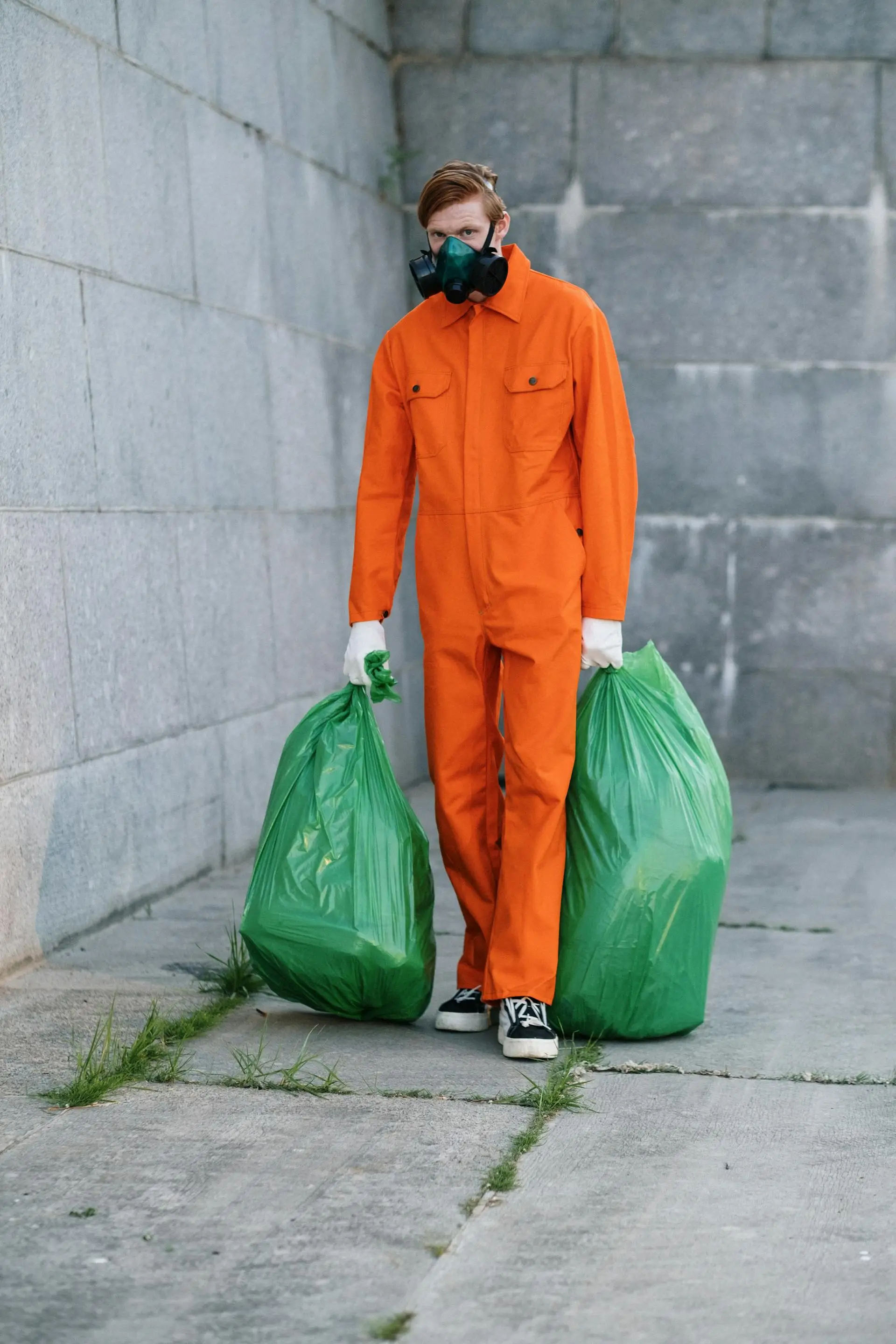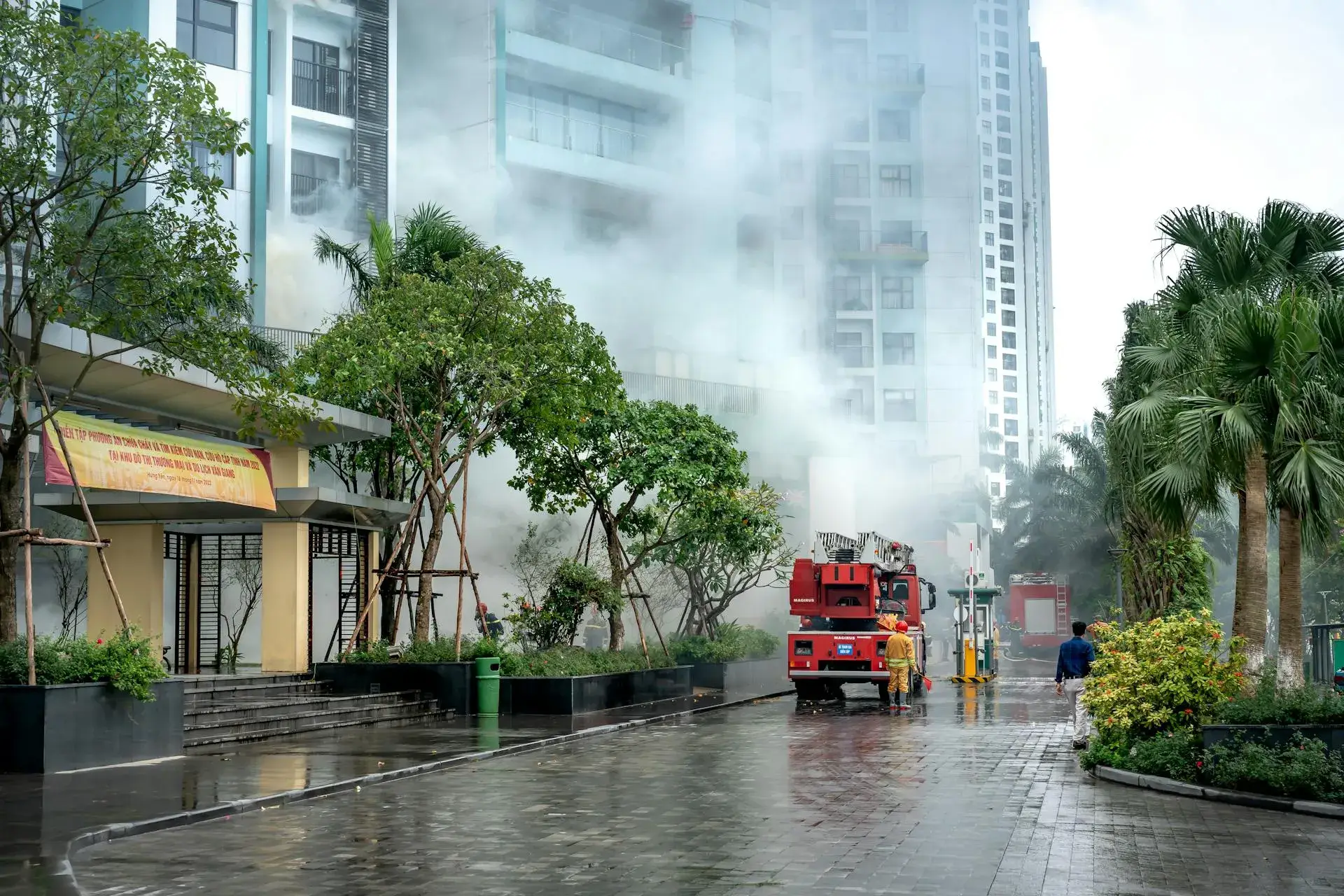
Smoke damage restoration specialist treating smoke residue and soot on interior surfaces of a residential property
Teams Active in Volusia County

Smoke Damage Restoration in Deltona, FL

Smoke residue etches into surfaces and embeds into building materials by the hour. Whether from a wildfire, brush fire, or interior event, our local team restores your home and eliminates odors completely.

60-Min Response IICRC Certified Insurance Guidance Serving Volusia County

What Happens When You Call

You Call

A real person answers. We ask about the smoke source, assess whether the contamination is from a wildfire, interior fire, or other event, and begin coordinating your response immediately.

15 Minutes

Your dedicated restoration team is dispatched from our local base serving the Deltona and greater Volusia County area with air quality testing equipment and containment materials.

45–60 Minutes

Team arrives on site. Air quality testing begins. HVAC system is shut down to prevent further smoke distribution. HEPA air scrubbers are deployed to begin reducing airborne particulates immediately.

Same Day

Full assessment complete, smoke type identified, contamination mapped room by room, and restoration plan documented. You know exactly what the cleanup involves and what to expect.

Smoke damage is deceptive. You may not see flames, but the residue is actively damaging your home right now. Soot particles are acidic and begin etching into glass, metal, and painted surfaces within hours. The longer you wait, the more surfaces become permanently stained and the deeper odor compounds penetrate into your building materials. When you reach out to X Response, your restoration team is on site within the hour with the equipment and expertise to stop the damage from progressing. Call now. Your team is standing by.

Why Deltona Homes Are Vulnerable to Smoke Damage

Smoke damage in Deltona is not limited to homes that experience a fire on the property. The city's location adjacent to the Tiger Bay State Forest and thousands of acres of undeveloped scrubland means that wildfire smoke impingement is a recurring threat. When brush fires ignite during dry season, prevailing winds carry smoke plumes directly into residential neighborhoods. In April 2025, a 270-acre wildfire east of Deltona near Lake Helen sent massive smoke plumes across the city. In February 2026, a 160-acre wildfire near Daytona Beach forced evacuations of the Mosaic subdivision, while separate brush fires along I-95 burned 20 vehicles and blanketed the surrounding area in smoke.

Smoke damage is distinct from fire damage. It can occur without any flames touching your property, and it requires a fundamentally different restoration approach. The type of smoke, the duration of exposure, and how quickly your HVAC system distributed contaminated air throughout the home all determine the severity and the restoration method required.

Wildfire Smoke Impingement from Adjacent Forests

The Tiger Bay State Forest borders Deltona to the east, and thousands of acres of undeveloped scrubland surround the city. During dry season, brush fires in these areas produce smoke that drifts into residential neighborhoods. Homes downwind of these fires can sustain significant smoke damage to interior surfaces, HVAC systems, and contents without any flames coming near the property. This is the most common form of smoke damage in Deltona.

Year-Round HVAC Operation Distributes Contamination

In Central Florida's climate, HVAC systems run nearly continuously from April through October and frequently during winter months. When wildfire smoke enters the outdoor air, HVAC systems pull contaminated air through return vents and distribute it to every room in the house. Smoke particles settle inside ductwork, coat evaporator coils, and embed in filters. Even after outdoor air quality improves, the HVAC system continues recirculating trapped smoke residue throughout the home until it is professionally cleaned.

Recurring Dry Season Fire Events

Volusia County's dry season from November through May creates conditions for repeated brush fire events each year. The county regularly issues burn bans when drought indices rise, but wildfires still ignite from lightning, power lines, and human activity. In February 2026 alone, Volusia County experienced the Tiger Bay State Forest fire, the Mosaic subdivision wildfire near Daytona Beach, and four separate brush fires along I-95. Each event produces smoke that can affect homes miles from the fire origin.

Older Homes with Poor Air Sealing

Deltona's housing stock from the 1960s through 1980s was built before modern energy codes required tight building envelopes. These homes have gaps around windows, doors, electrical penetrations, and plumbing chases that allow outdoor smoke to infiltrate even when windows and doors are closed. Newer homes with better air sealing are more resistant to smoke impingement, but older Deltona homes are particularly vulnerable during wildfire smoke events.

Electrical Fires Produce Toxic Synthetic Smoke

Beyond wildfire impingement, Deltona's older homes with aluminum wiring and outdated electrical panels are prone to electrical fires that produce some of the most difficult smoke to remediate. When electrical insulation, plastics, and synthetic materials burn at low temperatures, they produce wet smoke: a sticky, smeary residue that contains toxic compounds and resists standard cleaning methods. This type of smoke damage requires specialized chemical solvents and techniques that differ entirely from wildfire soot cleanup.

The combination of recurring wildfire exposure, year-round HVAC operation, and older homes with poor air sealing makes Deltona particularly susceptible to smoke damage. Many homeowners do not realize their home has been affected until they notice persistent odors, discoloration around vents, or worsening respiratory symptoms weeks after a nearby fire event. Professional assessment with air quality testing is the only way to determine the full extent of smoke contamination and the appropriate restoration approach.

What Smoke Does to Your Home Over Time

Within Hours

Acidic soot particles begin etching into glass, chrome, and polished metal surfaces. Smoke residue settles on every horizontal surface. HVAC system distributes contamination to rooms that were not directly exposed. Discoloration begins on light-colored walls and ceilings near vents.

24–72 Hours

Soot permanently stains grout, natural stone, and unfinished wood. Metal fixtures and appliances develop visible tarnishing and corrosion. Smoke odor compounds begin bonding to porous materials including carpet, upholstery, drapes, and clothing. Surfaces that could have been wiped clean now require chemical treatment.

1–2 Weeks

Odor molecules penetrate deep into drywall, insulation, and structural framing where surface cleaning cannot reach. Yellowing appears on painted surfaces and plastics. Corrosion damages electronics, HVAC components, and metal fixtures. Contents that could have been cleaned now require replacement.

2–4 Weeks

Smoke odor becomes permanently embedded in building materials. Standard cleaning and painting over the residue will not eliminate the smell. Restoration now requires sealing affected surfaces with specialized primers before refinishing. Scope and cost increase substantially.

One Month and Beyond

Porous materials throughout the home are permanently contaminated. Carpet, padding, soft furnishings, and some building materials require full replacement rather than cleaning. What started as a surface cleaning project becomes a gut-and-replace renovation. Insurance claims become more complex and contested.

The difference between a professional cleaning and a full material replacement is often just days of response time. Contact X Response now. Our Deltona team responds within 60 minutes.

How We Restore Smoke-Damaged Deltona Homes

Smoke damage restoration requires identifying the type of smoke, matching the correct cleaning technique, and verifying results through air quality testing. Here is exactly what the process involves.

Assessment and Smoke Type Identification

Our team arrives with air quality testing equipment to measure particulate matter and volatile organic compound levels throughout your home. We identify the type of smoke residue present because the cleaning approach differs fundamentally between types. Dry soot from wildfire brush requires different techniques than wet smoke from burning plastics or protein residue from a kitchen fire. Using the wrong method can drive residue deeper into materials rather than removing it. We map contamination room by room, test HVAC ductwork, and produce a detailed restoration plan with the documentation your insurance company needs.

Containment and Air Filtration

Before cleaning begins, we shut down the HVAC system to stop redistributing contaminated air and seal intake vents. HEPA air scrubbers are placed throughout the home to begin filtering airborne particulates immediately. For wildfire impingement, we identify and seal the entry points where smoke infiltrated the building envelope, including gaps around windows, electrical penetrations, and plumbing chases common in Deltona's older homes. Containment barriers isolate heavily contaminated areas to prevent cross-contamination during the cleaning process.

Surface Cleaning and Residue Removal

Every affected surface is cleaned using techniques matched to the specific smoke type. Dry wildfire soot is removed with HEPA-filtered vacuums and dry chemical sponges. Wet smoke from synthetic materials requires specialized solvents and degreasing agents. Protein residue from kitchen fires demands enzymatic cleaners that break down the organic compounds causing the odor. Walls, ceilings, trim, cabinetry, and all hard surfaces are cleaned systematically. Porous materials including carpet, upholstery, and drapes are evaluated for salvageability. Salvageable contents are cleaned on site or sent to a specialized facility for restoration.

Specialized Deodorization

Surface cleaning removes visible residue, but smoke odor molecules penetrate deep into wall cavities, insulation, and porous materials where wiping cannot reach. Our team uses professional deodorization techniques matched to the contamination severity. Thermal fogging heats deodorizing agents into a fine fog that follows the same pathways smoke originally traveled, reaching behind walls and inside structural cavities. Hydroxyl generators produce radicals that break down odor molecules at the molecular level and are safe for occupied spaces. For severe contamination, ozone treatment oxidizes odor compounds in unoccupied areas. In cases of deep penetration, surfaces are sealed with shellac-based primers before repainting to permanently lock in residual odor molecules.

HVAC Decontamination and Final Verification

If the HVAC system is not fully decontaminated, it will redistribute smoke residue throughout the building every time it runs, undoing all surface cleaning work. Our team cleans all ductwork, replaces filters, and decontaminates the air handler and evaporator coil assemblies. In Deltona homes where the HVAC runs nearly year-round, this step is critical. After all cleaning and deodorization is complete, a final air quality test confirms that particulate levels and VOC concentrations have returned to safe levels. We walk through the home with you to verify that odors are eliminated and every surface meets our standards before the project closes.

The X Response Difference

Typical Experience A general cleaning company shows up, wipes surfaces with all-purpose cleaner, and tells you the smell will fade on its own. Weeks later, the odor is still there.
X Response We identify the specific smoke type, match the correct cleaning chemistry, and verify elimination through air quality testing. If the odor is not gone, we are not done.
Typical Experience The crew cleans visible surfaces but never touches the HVAC system. The next time the air conditioning kicks on, smoke residue redistributes throughout the house.
X Response Full HVAC decontamination is standard on every smoke damage project. Ductwork, coils, air handler, and filters are all cleaned or replaced. The system is verified clean before it runs again.
Typical Experience You are told smoke damage is not covered by insurance, or that it is too minor to file a claim. You pay out of pocket for incomplete work.
X Response We document the contamination with air quality readings, surface testing, and photo evidence. Smoke damage from wildfires is a covered peril on most Florida policies. We help you understand your coverage before you decide.
Typical Experience The company paints over soot-stained walls without proper cleaning or sealing. Within weeks, yellow-brown stains bleed through the new paint and the odor returns.
X Response Surfaces are cleaned, deodorized, and sealed with shellac-based primers before any finish work. We address the contamination at the source rather than covering it up.

Smoke damage restoration is a specialized discipline that requires understanding smoke chemistry, matching cleaning techniques to residue types, and verifying results through testing rather than guesswork. When you contact X Response, you get a team that treats smoke damage as the technical challenge it is, not a simple cleaning job.

Insurance Claim Guidance for Deltona Homeowners

Many Deltona homeowners do not realize that smoke damage from a nearby wildfire is a covered peril on most standard Florida homeowner's policies, even when no fire touched their property. Smoke damage and fire damage are treated as separate categories on insurance claims. Smoke damage coverage typically includes surface cleaning, HVAC decontamination, content restoration, odor elimination, and in severe cases, material replacement. However, some policies in high-risk wildfire zones may have limitations, and disputes over the extent of smoke contamination are common because much of the damage is invisible without professional testing.

How X Response Helps

  • Document smoke contamination with professional air quality readings, surface testing, and photo evidence that proves the extent of damage beyond what is visible
  • Identify and document the smoke source (wildfire, brush fire, interior event) to establish the covered peril for your claim
  • Provide a detailed scope of work that aligns with standard insurance coverage categories for smoke damage restoration
  • Explain your policy's likely coverage for surface cleaning, HVAC work, content restoration, and deodorization before you file
  • Guide you on timing and documentation requirements specific to smoke damage claims in Florida

X Response does not file claims on your behalf, adjust claims, or make coverage determinations. We provide documentation and guidance to help you make informed decisions about your property and your policy. Coverage decisions are made solely by your insurance carrier.

Certified Restoration Specialists Serving Deltona

When you contact X Response for smoke damage in Deltona, your restoration team is drawn from certified professionals who work in Volusia County and have direct experience with wildfire smoke impingement events in this area. They understand the difference between dry wildfire soot and wet synthetic smoke. They know how Florida's humidity affects deodorization timelines. They have worked through the aftermath of brush fire events that sent smoke across Deltona neighborhoods, and they know how to assess and restore homes that were contaminated without ever being touched by flames.

Every technician on your team holds current IICRC certification in fire and smoke restoration (FSRT) and odor control technology (OCT). Equipment includes professional air quality monitors, thermal foggers, hydroxyl generators, ozone generators, HEPA air scrubbers, and specialized duct cleaning systems. When your team arrives, they bring everything needed to begin assessment and containment immediately.

IICRC FSRT Certified
Licensed & Insured
24/7 Availability
Serving Volusia County
Odor Control (OCT)

Smoke Damage Restoration FAQ, Deltona, FL

Nearby Cities We Serve

Also serving nearby: Sanford Orange City DeBary DeLand Daytona Beach

Smoke Damage Gets Worse Every Day

Your Deltona restoration team is standing by. Free assessment with air quality testing, no obligation, and we guide you through the insurance process from day one. The sooner we start, the more we can clean rather than replace.

Call Now Get Help Now Text Us