

Water Damage Restoration in Dundalk, MD
Standing water degrades building materials and triggers biological growth within hours. Our local Baltimore County crews mobilize within 60 minutes across Dundalk.
What Happens When You Call
Your emergency call connects directly with an experienced restoration coordinator who gathers property details, pinpoints the moisture source, and initiates immediate dispatch.
A specialized mitigation team departs from our Baltimore County service base, arriving at your Dundalk property within 60 minutes with full extraction equipment.
Technicians conduct comprehensive thermal imaging and moisture metering to map saturation across subfloors, wall assemblies, and foundations before starting water extraction.
Industrial submersible pumps and truck-mounted vacuum units extract bulk standing water, followed by strategic placement of commercial dehumidifiers and air movers.
When water penetrates your property, waiting is not an option. X Response provides round-the-clock emergency deployment across Dundalk, dispatching certified technicians equipped with industrial extraction units and commercial drying systems directly to your address. From initial containment through moisture mapping, extraction, structural drying, and complete claim documentation, our dedicated team manages every phase without handoffs. Call now. Your team is standing by.
Why Dundalk Homes Are Vulnerable to Water Damage
Dundalk is an unincorporated coastal community situated on a low-lying peninsula bordered by the Patapsco River, Back River, and the open waters of the Chesapeake Bay in southeastern Baltimore County. The population was 67,796 at the 2020 census. Because the majority of Dundalk rests on flat coastal topography near sea level, rising barely forty feet above the bay even along its northern reaches, properties throughout neighborhoods such as Old Dundalk, Watersedge, St. Helena, and Turner Station face severe exposure to tidal inundation, storm surge, and flash runoff along Bread and Cheese Creek.
Beyond tidal hazards, Dundalk homes regularly suffer severe internal water damage stemming from aging domestic infrastructure. Historic stucco residences built during the World War I shipbuilding boom in Old Dundalk, post-war brick rowhouses, and mid-century duplexes often retain original galvanized supply lines or cast iron drain pipes. During winter cold snaps, rapid temperature drops cause uninsulated supply pipes along exterior brick walls and unheated crawlspaces to freeze and rupture. In warmer months, high Mid-Atlantic atmospheric moisture combines with intensive air conditioning cycles to cause condensate pan overflows, while sudden cloudbursts routinely back up municipal storm drains, flooding finished basements across the peninsula.
Chesapeake Bay and Patapsco Tidal Surge
Dundalk is surrounded by tidal waters, with Bear Creek, the Patapsco River, and Back River forming its perimeter. During tropical systems and strong northeasterly wind events, tidal waters are forced into the northern bay, elevating water levels by five to eight feet. Low-lying streets around Wise Avenue and waterfront neighborhoods experience substantial backwater flooding, inundating ground floors and sub-grade foundations with brackish, debris-laden water that requires rapid microbial decontamination.
Bread and Cheese Creek Stormwater Surges
Flowing over eight miles from its Baltimore City headwaters down through Dundalk into Back River, Bread and Cheese Creek drains dense, heavily paved urban corridors. During intense summer downpours, the creek rises rapidly out of its banks, overwhelming older culverts and localized storm drain networks. Runoff pools against residential foundations and forces water into basements through reverse sewer flows and foundation wall seams.
High Coastal Water Tables and Saturated Soil
Because Dundalk sits barely sixteen feet above sea level on average, the local water table is exceptionally shallow throughout the year. Prolonged rainfall quickly saturates coastal silt and clay soils, creating enormous hydrostatic pressure against concrete block and poured basement foundations. Without continuous sump pump operation and modern perimeter drainage, sub-grade spaces in neighborhoods like Inverness and Gray Manor suffer persistent seepage.
Aging Shipbuilding-Era Housing Stock
Portions of Dundalk date back to the 1916 Bethlehem Steel housing development, characterized by steep pitched roofs, stucco walls, and aging plumbing networks. Decades of mineral accumulation and galvanic corrosion make domestic pipes brittle. When an aging supply line or radiator pipe ruptures, hundreds of gallons of water can cascade through multiple levels before homeowner discovery, saturating plaster, hardwood subflooring, and structural joists.
Mid-Atlantic Summer Humidity and Slow Evaporation
Summers in Baltimore County bring sustained relative humidity exceeding seventy-five percent. In this dense coastal atmosphere, ambient evaporation is virtually non-existent. Water that enters a home remains trapped inside wall cavities and carpet padding unless powerful commercial dehumidifiers are deployed to pull water vapor from structural framing before fungal spores colonize the building envelope.
These compounding environmental factors mean that water intrusion in Dundalk cannot be treated with standard fans or superficial mop-ups. The interaction between coastal moisture, aging structural materials, and shallow water tables requires advanced extraction, precision psychrometric tracking, and aggressive dehumidification tailored specifically to southeastern Baltimore County homes.
What Happens to Your Home While You Wait
Within 1 Hour
Water spreads across floor coverings and wicks into baseboards, plaster walls, and sheetrock. In Dundalk basements and crawlspaces near sea level, moisture immediately penetrates subfloor layers, while porous concrete blocks absorb standing water through capillary suction.
1 to 24 Hours
Drywall softens, buckles, and begins losing structural coherence. Hardwood flooring in historic Dundalk homes cups and swells as wood fibers take on moisture. Persistent coastal humidity prevents natural evaporation, creating musty odors as bacteria begin proliferating in damp carpet pads.
24 to 48 Hours
Mold colonization initiates on cellulose materials, including drywall paper, insulation backing, and wood framing. In Baltimore County summer conditions, mold spores germinate rapidly, threatening indoor air quality and necessitating containment barriers to prevent cross-contamination.
48 to 72 Hours
Structural framing begins warping at connection points, delaminating plywood subfloors and compromising structural fasteners. Mold spreads into HVAC supply trunks and returns, circulating spores into unaffected rooms and turning a straightforward drying project into comprehensive remediation.
One Week and Beyond
Severe biological contamination penetrates structural timbers, ceiling joists, and foundation sills. Porous materials degrade beyond salvage, requiring structural demolition down to the bare studs and extensive antimicrobial sanitization. Insurance claims grow exponentially more complex and contested.
The margin between localized structural drying and costly whole-home demolition is measured in hours. Contact X Response immediately to deploy certified Dundalk water restoration professionals.
How We Restore Water-Damaged Dundalk Homes
Our mitigation process follows rigid IICRC S500 standards, ensuring scientific moisture extraction, documented structural drying, and verifiable hygiene at every milestone.
Emergency Thermal Inspection and Moisture Mapping
Upon arrival in Dundalk, our technicians deploy FLIR thermal imaging cameras, non-invasive radio frequency meters, and penetrating pin probes to locate moisture migration behind walls, beneath tile, and within subfloor assemblies without destructive demolition.
High-Volume Mechanical Water Extraction
Using industrial truck-mounted pumps and weighted floor extractors, we extract standing floodwaters and water from saturated carpets. Removing water mechanically is over five hundred times more efficient than relying on dehumidification alone, drastically accelerating overall drying times.
Antimicrobial Treatment and Air Scrubbing
We treat affected framing, subflooring, and foundation walls with EPA-registered botanical antimicrobials to neutralize bacteria and inhibit mold growth. HEPA air filtration scrubbers run continuously to capture airborne particulate matter and biological contaminants.
Controlled Psychrometric Dehumidification
Technicians position commercial LGR (low-grain refrigerant) dehumidifiers and high-velocity axial air movers in calculated vortex patterns. We monitor ambient temperature, relative humidity, and grains per pound daily, adjusting equipment to achieve balanced psychrometric drying curves.
Moisture Meter Verification and Claim Sign-Off
Drying equipment remains operational until every structural component reaches predetermined dry standards compared against unaffected baseline materials. We deliver a comprehensive drying binder with thermal logs, moisture charts, and photographic proof for your insurance carrier.
The X Response Difference
Choosing X Response guarantees dedicated local care, certified scientific drying protocols, and complete transparency from emergency arrival to final sign-off.
Insurance Claim Guidance for Dundalk Homeowners
Navigating water damage claims in Maryland requires clear distinction between sudden domestic plumbing failures and rising overland floodwaters. Standard homeowner policies generally cover sudden pipe bursts, water heater failures, and storm-driven roof leaks, whereas rising coastal storm surge from the Chesapeake Bay or overland flooding from Bread and Cheese Creek demands separate coverage through the National Flood Insurance Program (NFIP) or private flood policies. In older Dundalk neighborhoods, sewer backup endorsements are essential for municipal drain overflows. Our specialists provide comprehensive documentation to support your claim with local adjusters.
How X Response Helps
- Comprehensive photographic and video inventories of all impacted structural materials and personal property prior to demolition
- Daily psychrometric drying logs and moisture mapping records demonstrating compliance with industry mitigation standards
- Detailed written scopes of work identifying exact water categories (Category 1 clean, Category 2 gray, or Category 3 black water)
- Direct coordination with Maryland insurance adjusters to explain technical mitigation procedures and expedite coverage approvals
- Itemized documentation of non-salvageable materials to support accurate personal property and structural contents reimbursement
X Response delivers professional emergency mitigation and technical insurance documentation. We do not act as public adjusters or legal representatives; coverage determinations rest solely with your insurance provider.
Certified Restoration Specialists Serving Dundalk
Our Dundalk emergency restoration team brings decades of combined field experience resolving severe water intrusions throughout southeastern Baltimore County. Operating from our regional deployment facility, our technicians are intimately familiar with local neighborhood architectures, from historic Old Dundalk stucco residences and post-war brick duplexes to modern waterfront townhouse communities along Bear Creek. We understand the specific structural challenges presented by low elevations, high groundwater tables, and coastal weather events in this historic port community.
Every technician on our response team holds active IICRC certifications in Water Damage Restoration (WRT) and Applied Structural Drying (ASD), alongside comprehensive Maryland occupational licensing. We maintain commercial-grade equipment fleets including trailer-mounted desiccant systems, LGR dehumidifiers, and specialized subfloor drying injectors. When disaster strikes your Dundalk property, you receive courteous, skilled, and accountable service from professionals committed to restoring your home safely.
In Dundalk, X Response works with Green Clean Restoration LLC, an independent local restoration partner serving Baltimore County.
Water Damage Restoration FAQ for Dundalk Homeowners
Other Emergency Services in Dundalk
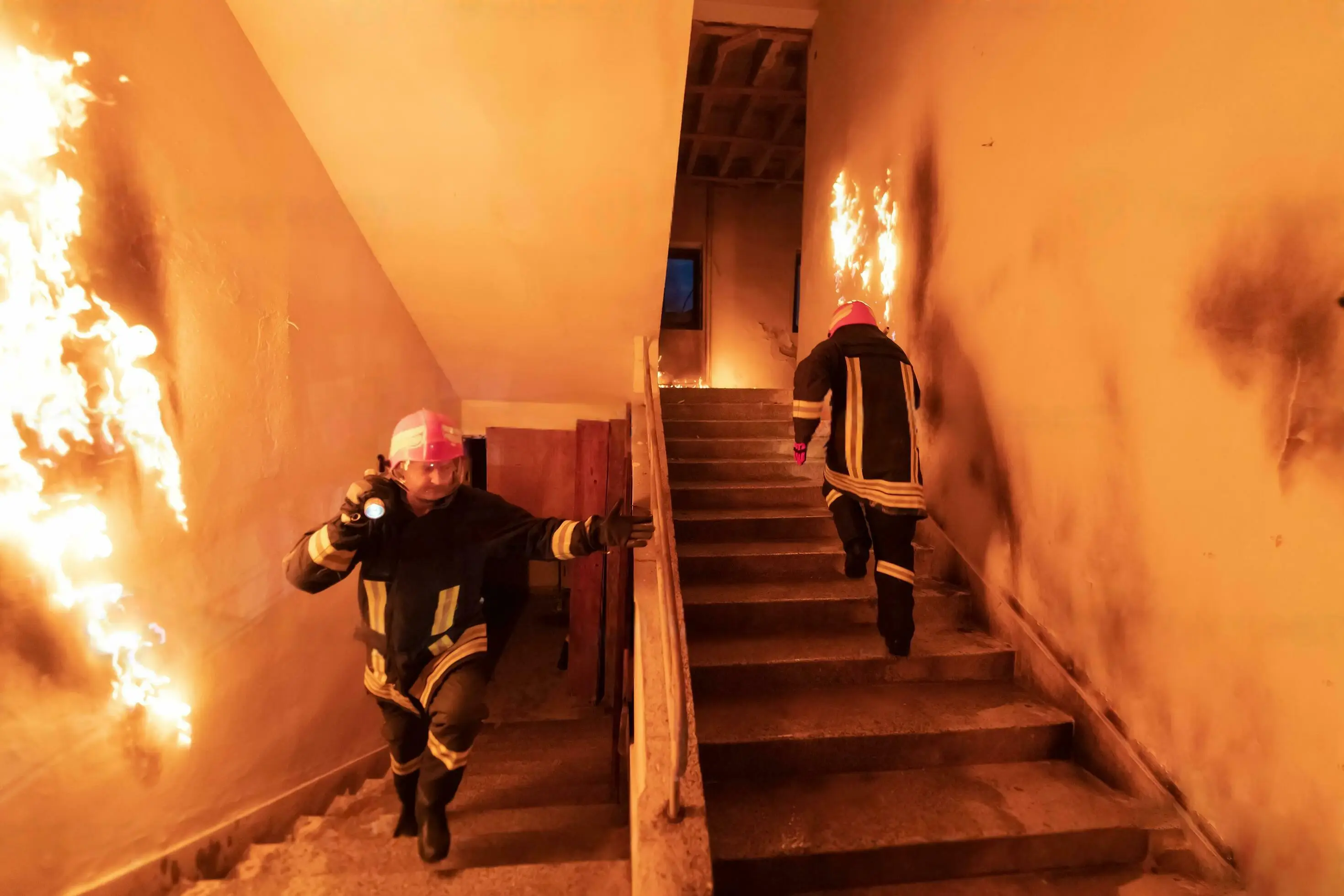
Fire Damage Restoration
Structural damage, soot, debris. We stabilize, clean, and rebuild what fire destroyed.
Learn more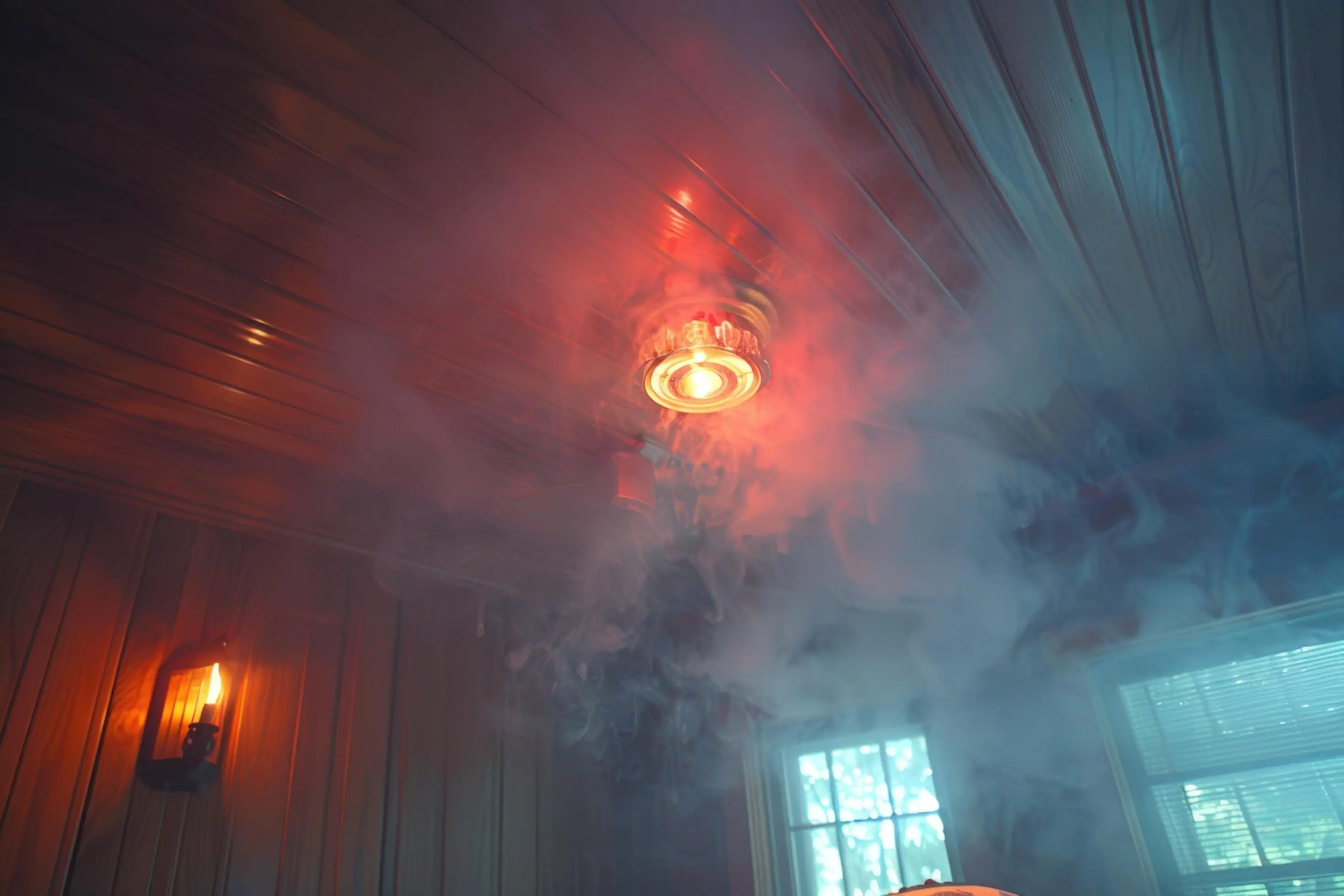
Smoke Damage Restoration
Soot residue, chemical odors, HVAC contamination. We decontaminate surfaces, eliminate odors, and restore air quality.
Learn more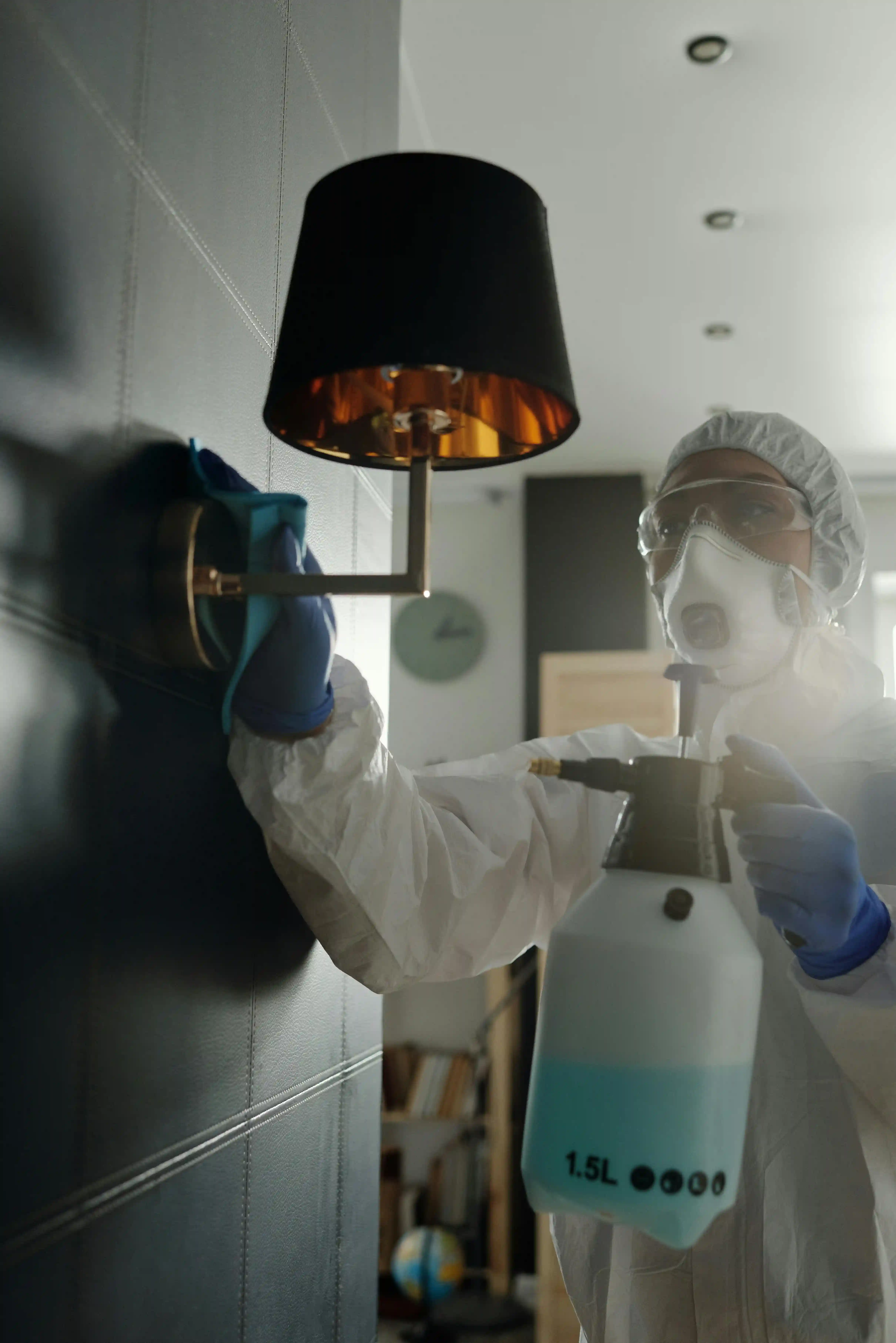
Mold Remediation
Testing, containment, removal, prevention. We find the source, eliminate the growth, and stop it from returning.
Learn more
Sewage Cleanup
Sewer backups, contaminated water, biohazard. We extract, sanitize, and restore safely.
Learn more