
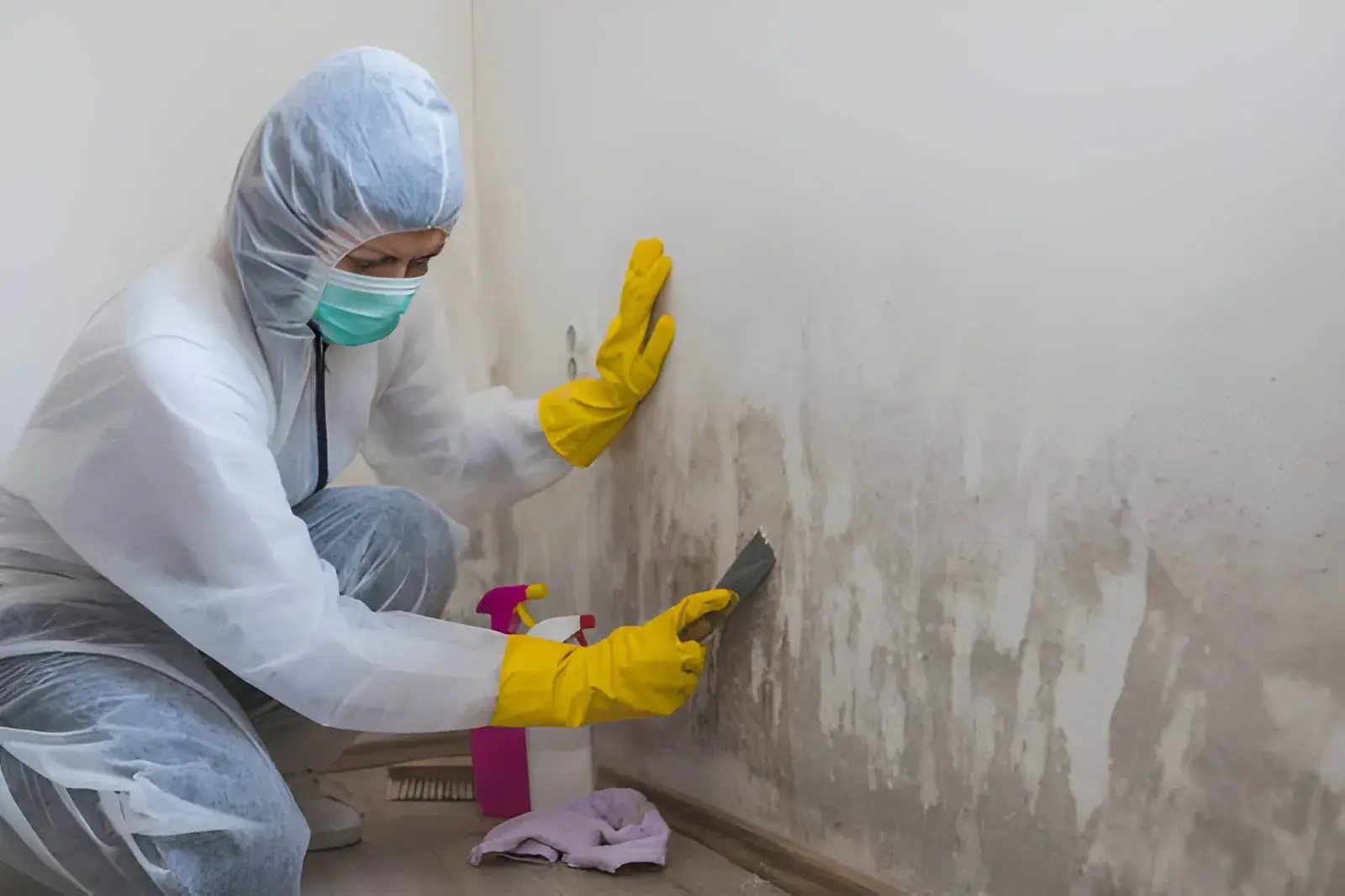
Mold Remediation in Fort Myers, FL
In Fort Myers' high year-round humidity, mold colonizes water-damaged materials within 24 hours. Our local team responds within 60 minutes to contain the problem before it spreads through your home.
What Happens When You Call
A real person answers, not a call center. We assess your mold situation, determine the urgency level, and begin coordinating your response immediately.
Your dedicated mold remediation team is dispatched from our local base serving Fort Myers and the surrounding Lee County communities.
Team arrives with air quality testing equipment, containment materials, and HEPA filtration systems. Assessment and containment begin immediately to prevent further spread.
Contamination scope mapped, containment established, remediation plan documented. You know exactly what comes next.
Mold does not wait. In Southwest Florida's heat and humidity, it colonizes damp materials faster than anywhere in the temperate United States. By the time you see it, it has already spread behind what is visible. X Response exists for exactly this moment. When you reach out, your mold remediation team is mobilized within minutes and on site within the hour. From that point forward, one team manages everything: inspection, containment, removal, air quality restoration, and prevention. You are never left guessing about the next step. Call now. Your team is standing by.
Why Fort Myers Homes Are Vulnerable to Mold
Fort Myers sits in one of the most consistently mold-favorable climates in the United States. Lee County homes experience high average relative humidity throughout the year with summer temperatures regularly exceeding 90 degrees Fahrenheit, creating conditions for mold colonization present almost every day. Even the dry season (November through April) maintains humidity levels that support mold growth on any surface with a moisture source. The combination means that the conditions for mold colonization are present almost every day in Fort Myers, not just during the wet season, and any water intrusion, from a slow leak, a failed AC drain line, or hurricane flooding, triggers visible mold growth in 24 to 48 hours rather than the 48 to 72 hours typical of cooler or drier climates. This is not a theoretical risk. It is the daily reality of maintaining a home in Southwest Florida, where the climate itself is the primary mold enabler. Fort Myers averages about 57 inches of rain a year, and about two-thirds of it falls from June through September.
Hurricane Ian in September 2022 introduced a massive, city-wide mold problem that continues to affect Fort Myers homes years later. Thousands of structures absorbed floodwater from storm surge, river overflow, and sustained rainfall, and many were not dried properly or quickly enough to prevent mold establishment. Homes that were evacuated and uninhabited for weeks after the storm sat in humid, wet conditions with no air conditioning running, which is precisely the environment mold needs to colonize entire structures. Some of these homes were remediated professionally, but many were cleaned superficially or repaired over existing mold without proper removal, meaning the contamination persists inside walls, beneath flooring, and within HVAC systems. The post-Ian mold legacy is a continuing source of remediation work in Fort Myers, as homeowners discover problems that were hidden during repairs or that have reactivated as the repaired materials re-absorb ambient moisture.
Year-Round Humidity and the 24-Hour Colonization Window
Mold requires moisture, warmth, and an organic food source to grow. Fort Myers provides all three, year-round. High humidity means the air itself carries enough moisture to sustain mold on any surface that provides a food source, which includes drywall paper, wood framing, carpet backing, dust on hard surfaces, and even the adhesive behind wallpaper. The warmth accelerates reproduction. While mold can grow at any temperature above 40 degrees Fahrenheit, the 80 to 95 degree range common in Fort Myers represents the optimal growth band for most species. The result is a colonization timeline of 24 hours or less for any water event, compared to 48 to 72 hours in temperate climates. Every hour of delay in addressing a moisture source narrows the window for prevention and expands the scope of remediation required.
Post-Hurricane Ian Hidden Mold
Hurricane Ian flooded thousands of Fort Myers homes in September 2022, and the aftermath created an enormous mold problem that is still being discovered. Many homes were repaired quickly under emergency conditions, with drywall replaced, flooring installed, and paint applied without confirming that the structural framing, slab perimeter, and wall cavities were fully dry and mold-free. In Fort Myers' climate, mold that establishes behind new drywall or beneath new flooring does not die; it continues growing in the enclosed, humid space until it eventually becomes visible, produces odor, or causes health symptoms for occupants. Homeowners who purchased Ian-damaged homes after repair, or who returned to repaired homes after extended evacuations, are now discovering mold problems that date back to 2022 but were concealed by cosmetic repairs.
Air Conditioning and Condensation Cycles
Fort Myers homes depend on air conditioning for 10 to 12 months per year, and the AC system is both the primary defense against indoor humidity and a common source of mold when it malfunctions or is improperly maintained. The evaporator coil produces condensation continuously as it cools humid air, and that condensation drains through a line to the exterior. When the drain line clogs, which happens frequently in a climate where algae and biofilm grow inside the line year-round, condensate overflows into the air handler, the drain pan, and eventually into the ceiling or wall cavity below. The result is a hidden water source feeding mold growth in a dark, enclosed space where it can spread for weeks before anyone notices. Even a properly functioning system creates temperature differentials at supply vents that can produce condensation on surrounding surfaces if the insulation or ductwork is compromised.
Slab-on-Grade Moisture Wicking
Fort Myers homes built on concrete slab-on-grade foundations face a mold risk from below. The concrete slab is porous and wicks moisture from the soil through capillary action, especially during and after the wet season when the water table rises. That moisture migrates upward through the slab and into whatever materials sit on top of it: carpet and pad, vinyl plank flooring adhesive, wood laminate, and the bottom edges of baseboards and drywall. In homes without an effective vapor barrier beneath the slab, or where the barrier has been compromised by age, root intrusion, or settling, this upward moisture provides a constant, invisible water source that feeds mold growth at the floor line. Homeowners often discover it only when baseboards are removed during renovation or when a musty odor develops without any visible water event.
Enclosed Spaces and Limited Airflow
Fort Myers' housing stock includes many homes with interior closets, utility rooms, laundry alcoves, and storage areas that receive minimal airflow from the main HVAC system. These spaces sit at the edges of the conditioned envelope, often against exterior walls where the warm, humid outdoor air meets the cooled interior surface. The temperature differential creates condensation on the cooler interior side of the wall, and the lack of air movement prevents that moisture from evaporating. Walk-in closets against exterior walls, bathroom cabinets on exterior walls, and utility rooms where the water heater provides additional warmth are the most common sites for mold growth in Fort Myers homes that have no active leak or flood history. The mold feeds on dust, drywall paper, and clothing fibers in these undisturbed, humid environments.
These factors make mold not an occasional problem in Fort Myers but a constant pressure that requires active management. The climate provides the humidity and warmth. Slab construction provides moisture from below. Air conditioning provides both the defense and, when it fails, the water source. Post-Hurricane Ian repairs concealed contamination that is still emerging. Effective mold remediation here requires understanding which moisture source is feeding the growth, removing the contamination completely rather than covering it, and addressing the conditions that will allow it to return if left unchanged. It demands a team that knows how mold behaves in Lee County's specific conditions and can verify, with testing, that the remediation is complete.
What Happens to Your Home While You Wait
Within 24 Hours
In Fort Myers' heat and humidity, mold spores begin colonizing any damp organic surface within 24 hours of water contact. Initial colonies are often invisible, forming in wall cavities, behind baseboards, beneath flooring, and on the backside of drywall. At this stage, the contamination is localized and can be addressed with targeted removal without extensive demolition.
24–72 Hours
Visible colonies appear on exposed surfaces: drywall, wood trim, carpet, and ceiling tiles. Growth accelerates as the colony matures and produces more spores. The musty odor becomes detectable. In Fort Myers' climate, the growth rate during this window is approximately double what it would be in a temperate region with lower ambient humidity. Remediation scope begins expanding beyond the original moisture contact area.
3–7 Days
Mold spreads into wall cavities, behind cabinetry, and into HVAC ductwork where the system distributes spores to every room in the home. Secondary colonies establish in areas that never had direct water contact but received airborne spores from the original site. The contamination becomes systemic rather than localized. Health symptoms may emerge for sensitive occupants.
1–4 Weeks
Extensive colonization throughout the structure. Mold penetrates deep into drywall, framing members, and subfloor materials. Building materials begin to lose structural integrity as the organism digests the cellulose in wood and paper products. What began as a surface problem becomes a structural one. Remediation now requires significant demolition and replacement rather than surface treatment.
One Month and Beyond
The entire HVAC system is contaminated and distributes spores continuously. Structural framing may be compromised. The home may become uninhabitable for sensitive individuals. Remediation becomes a major reconstruction project with costs that can exceed the original water damage many times over. Insurance carriers may dispute coverage for damage that developed due to delayed response.
In Fort Myers' climate, the difference between a targeted mold removal and a full-structure remediation is often just 48 to 72 hours of response time. Contact X Response now. Our Fort Myers team responds within 60 minutes.
How We Restore Mold-Affected Fort Myers Homes
From the moment our team arrives, every step is documented, measured, and verified. Here is exactly what the mold remediation process involves.
Inspection and Air Quality Testing
Our team conducts a comprehensive visual inspection and deploys air quality sampling to measure airborne mold spore concentrations throughout your home. We compare indoor readings against outdoor baseline levels to determine whether the indoor environment is contaminated above normal background. In Fort Myers, outdoor spore counts are naturally elevated year-round due to the climate, so we use professional judgment and comparative analysis rather than a single threshold number. We also identify the moisture source feeding the mold, because remediation without source correction guarantees recurrence. Thermal imaging identifies hidden moisture behind walls, and moisture meters map the extent of wet materials. The inspection report tells you exactly what you are dealing with and what needs to happen.
Containment and Negative Air Pressure
Before any mold is disturbed, we establish engineering controls to prevent cross-contamination to unaffected areas. This means polyethylene sheeting sealed around the work area, HEPA-filtered negative air machines that keep contaminated air from escaping containment, and decontamination procedures for workers and equipment entering and leaving the contained space. In Fort Myers homes where the HVAC system has distributed spores, we may need to isolate the system entirely during remediation. The containment prevents the remediation process itself from spreading the problem, which is the primary risk of untrained mold removal.
Mold Removal and Material Demolition
Contaminated materials are removed following industry protocols (IICRC S520). Porous materials that cannot be cleaned, including contaminated drywall, carpet, insulation, and ceiling tiles, are cut away, bagged in the containment area, and removed without passing through uncontaminated spaces. Non-porous materials such as concrete, metal, and sealed wood are cleaned with appropriate antimicrobial solutions and HEPA-vacuumed. In Fort Myers' post-Ian environment, we frequently find mold behind recently installed drywall and beneath new flooring where hidden contamination was covered during hurricane repairs. These materials must be removed to access and remediate the contamination beneath.
HVAC Decontamination and Air Cleaning
If air testing or visual inspection reveals mold within the HVAC system, the ductwork, evaporator coil, air handler, and drain system are decontaminated or replaced. In Fort Myers, where the AC runs virtually year-round, a contaminated system can recontaminate a remediated home within days. We clean or replace ductwork depending on the material and contamination level, chemically treat the evaporator coil, inspect and clear the condensate drain line that is often the original moisture source, and install upgraded filtration to capture any residual spores. The system is verified clean before it is returned to operation.
Post-Remediation Verification and Clearance Testing
After all contamination is removed and affected areas are treated, we conduct post-remediation air quality testing to verify that spore counts have returned to acceptable levels relative to the outdoor baseline. In Fort Myers, where outdoor mold counts are naturally higher than in drier regions, clearance is based on the indoor-to-outdoor ratio rather than an absolute number. Visual inspection confirms all contaminated materials have been removed and all surfaces in the work area are clean. Only after clearance testing passes do we release the containment and authorize reconstruction. The clearance report becomes part of your documentation for insurance and for any future property transactions.
The X Response Difference
When you contact X Response for mold remediation in Fort Myers, you get a team that follows a verified protocol: identify the source, contain the contamination, remove all affected materials, decontaminate the HVAC system, and prove the work with clearance testing. One team, one standard, complete remediation.
Insurance Claim Guidance for Fort Myers Homeowners
Mold damage insurance coverage in Florida is one of the most policy-specific determinations a homeowner faces. Most standard Florida homeowner's policies include some mold coverage, but it is typically capped at a sublimit, commonly $10,000 to $50,000, that is far less than the cost of a major remediation. Whether your mold claim is covered at all depends on the cause: mold resulting from a covered water loss, such as a burst pipe or storm damage, is generally covered up to the policy's mold sublimit. Mold from a maintenance issue, such as a chronically clogged AC drain line or long-term roof leak, may be denied as a maintenance failure. Mold discovered during a property purchase or resulting from pre-existing conditions prior to the policy period is typically excluded. The distinction between sudden water loss and maintenance failure is where most Fort Myers mold claims are decided.
How X Response Helps
- Document the water source that caused the mold, as coverage depends on whether it qualifies as a sudden, accidental loss under your policy
- Photograph and map all visible mold before any remediation begins so the extent is documented for your adjuster
- Preserve air quality test results showing elevated spore counts as evidence of the scope of contamination
- Document the timeline between water event and mold discovery, as policies may exclude mold from events that occurred outside the policy period
- Review your policy's mold sublimit before remediation begins so you understand your potential out-of-pocket exposure
X Response does not file claims on your behalf, adjust claims, or make coverage determinations. We provide documentation and guidance to help you make informed decisions about your property and your policy. Coverage decisions are made solely by your insurance carrier.
Certified Restoration Specialists Serving Fort Myers
When you contact X Response for mold remediation in Fort Myers, your team is drawn from certified professionals who specialize in mold assessment and removal in Southwest Florida's subtropical environment. They understand that Fort Myers' high year-round humidity means mold behaves differently here than in temperate climates: it colonizes faster, it spreads farther in the same timeframe, and it recurs more aggressively if the moisture source is not eliminated. They have remediated post-Hurricane Ian contamination hidden behind new drywall, chronic AC condensate mold in older homes, and the slab-moisture mold that develops at floor level in homes without adequate vapor barriers. They know which species thrive in Lee County's conditions and how each responds to different treatment protocols.
Every technician on your team holds current IICRC certification in mold remediation (AMRT) and carries appropriate Florida state licensing and mold-related credentials for the work being performed. Equipment includes professional air sampling systems, HEPA-filtered negative air machines, containment materials, thermal imaging for hidden moisture detection, and the antimicrobial treatment systems required for verified remediation in a climate where mold pressure never stops. When your team arrives, they bring everything needed to begin containment and assessment immediately, stopping the spread while the full remediation plan is developed.
In Fort Myers, X Response works with Florida Restoration and Platinum Air Mold Inspection, independent local restoration partners serving Lee County.
Mold Remediation FAQ for Fort Myers Homeowners
Other Emergency Services in Fort Myers
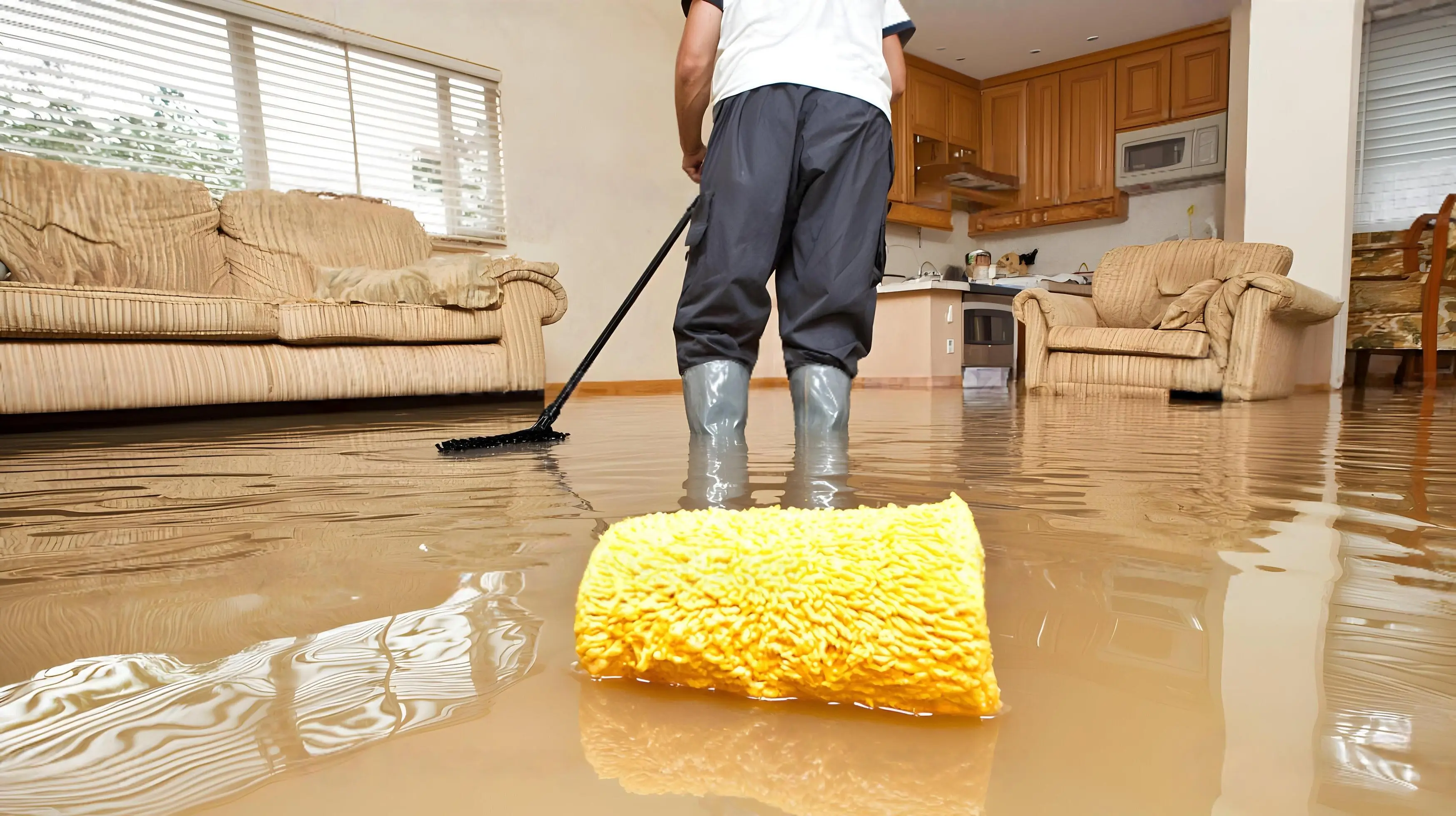
Water Damage Restoration
Burst pipes, storm flooding, standing water. We extract, dry, and restore before mold sets in.
Learn more
Fire Damage Restoration
Structural damage, soot, debris. We stabilize, clean, and rebuild what fire destroyed.
Learn more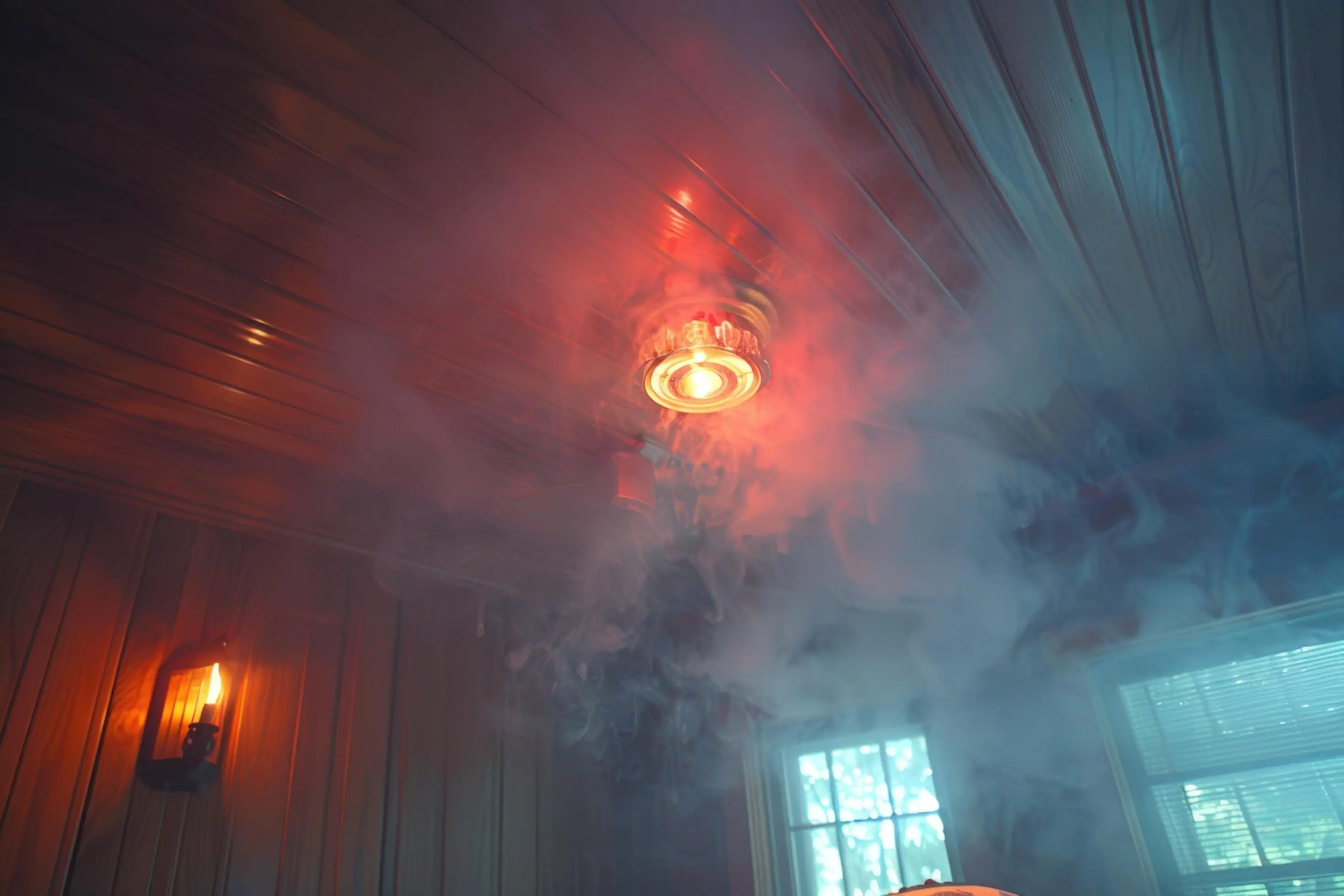
Smoke Damage Restoration
Soot residue, chemical odors, HVAC contamination. We decontaminate surfaces, eliminate odors, and restore air quality.
Learn more
Sewage Cleanup
Sewer backups, contaminated water, biohazard. We extract, sanitize, and restore safely.
Learn moreNearby Service Areas
Also serving nearby: