
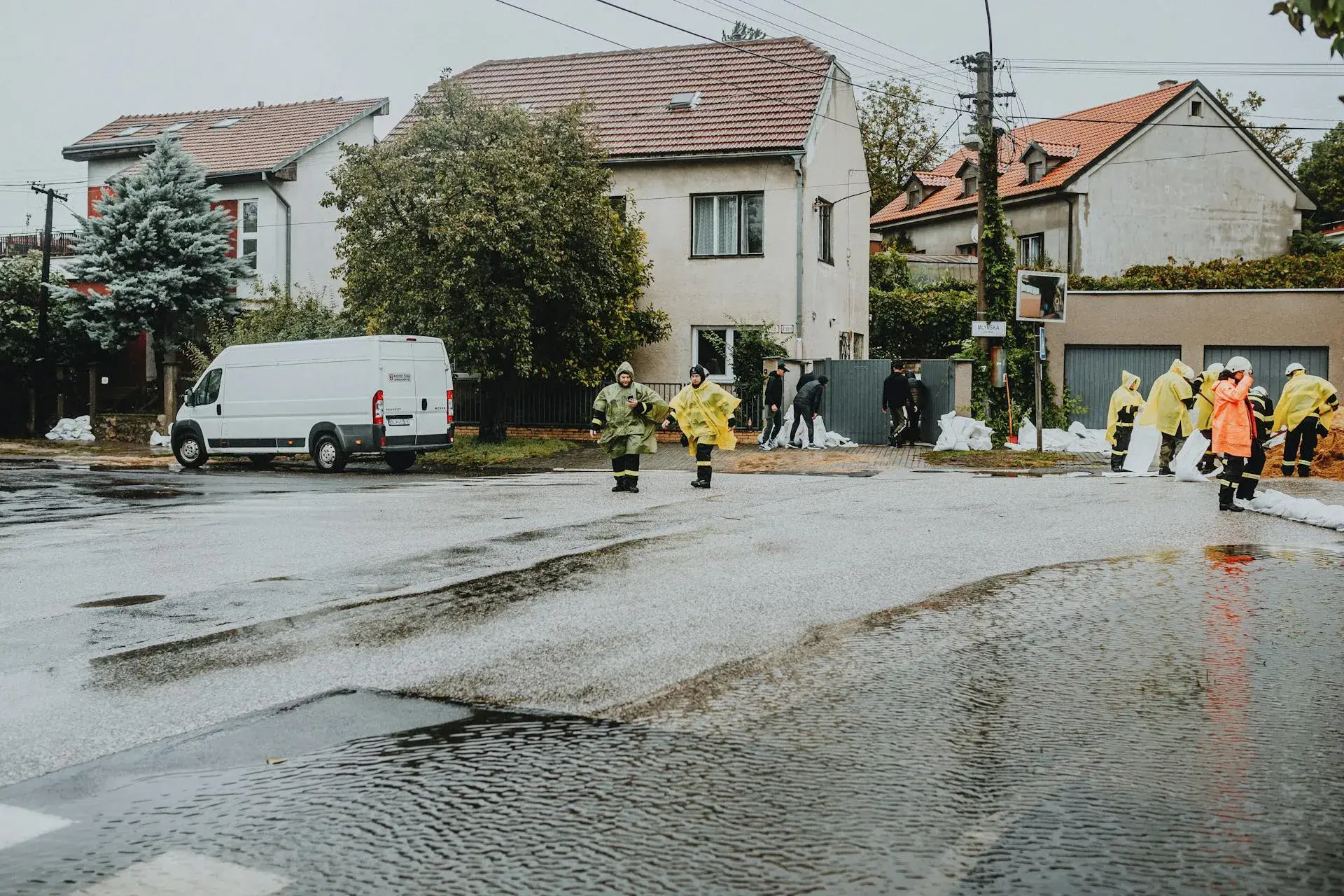
Sewage Cleanup in Fort Myers, FL
Sewage contamination is a biohazard that threatens your health with every minute of exposure. In Fort Myers' heat, bacterial growth accelerates immediately. Our local team responds within 60 minutes for emergency sewage cleanup.
What Happens When You Call
A real person answers, not a call center. We assess your sewage emergency, classify the contamination category, and begin coordinating your response immediately.
Your dedicated sewage cleanup team is dispatched from our local base serving Fort Myers and the surrounding Lee County communities.
Team arrives with protective equipment, industrial extractors, biohazard containment materials, and professional disinfection systems. Emergency extraction and containment begin immediately.
Sewage extracted, contaminated materials identified and removed, decontamination underway. You know exactly what comes next.
Raw sewage in your home is not a plumbing inconvenience. It is a biohazard that threatens the health of everyone in the structure. In Fort Myers' subtropical heat, the bacteria, parasites, and pathogens in sewage multiply far faster than in cooler climates, and the contamination penetrates porous materials rapidly. X Response exists for exactly this moment. When you reach out, your sewage cleanup team is mobilized within minutes and on site within the hour. From that point forward, one team manages everything: extraction, decontamination, material removal, sanitization, and restoration. You are never left guessing about the next step. Call now. Your team is standing by.
Why Fort Myers Homes Are Vulnerable to Sewage
Fort Myers has a documented history of sanitary sewer failures that has drawn enforcement action from the Florida Department of Environmental Protection. In March 2020, faulty equipment at a city lift station sent 183,000 gallons of raw sewage into Manuels Branch, a tributary of the Caloosahatchee River that winds through the upscale McGregor Boulevard neighborhood south of Fort Myers High School. Officials called it possibly the largest sewage spill in the city's history. The contamination flowed through backyards, Cortez Park, and eventually into the Caloosahatchee River and the Gulf of Mexico. In February 2021, the Florida DEP cited Fort Myers for repeated discharge of untreated wastewater into Billy's Creek and the Caloosahatchee River, among other violations, and negotiated a consent order requiring either a $514,450 fine or infrastructure improvements worth $768,675. By 2024, the city had asked the state to extend its compliance deadline, and reporting indicated the fix timeline had been pushed to 2032. The Calusa Waterkeeper found ongoing fecal contamination in Fort Myers waterways as recently as 2025.
The sewer system failures that produce headline spills also produce the smaller, unreported backups that affect individual homes. Fort Myers' sanitary sewer network relies on a system of lift stations, gravity mains, and force mains that must actively pump sewage uphill and across a flat landscape with a high water table. When lift stations lose power during storms, as happened extensively during Hurricane Irma in 2017 when more than 500 sanitary sewer overflows were reported across the state, the system backs up and sewage surfaces through manholes, cleanouts, and the lowest fixtures in connected homes. Even during normal operations, the city's aging infrastructure produces blockages from root intrusion, grease accumulation, and pipe deterioration that send sewage backward through the system and into the homes connected to the blocked section. In September 2022, residents reported sewage on floors and in yards after heavy pre-hurricane rain overwhelmed the system before Hurricane Ian even arrived. The flat terrain, high water table, and lift-station dependence mean Fort Myers faces sewage backup risk not just during disasters but during any sustained heavy rain that stresses the system beyond its aging capacity.
Aging Lift Stations and the 2021 DEP Consent Order
Fort Myers' sanitary sewer system depends on a network of lift stations to move sewage from low-lying collection points to the treatment plant. The city's flat topography and high water table mean gravity alone cannot move wastewater; mechanical pumping is required throughout the network. When lift stations fail, whether from equipment malfunction, power loss, or capacity exceedance, the sewage they were supposed to move has nowhere to go except backward through the system or out through the nearest relief point. The March 2020 failure that released 183,000 gallons was caused by faulty lift station equipment, and it was not an isolated incident. The DEP's 2021 consent order cited multiple violations and repeated discharges, indicating a systemic infrastructure problem rather than a single equipment failure. The city's request to extend its compliance deadline to 2032 confirms that the underlying issues have not been resolved quickly.
Storm-Driven Sewer Overflows
Fort Myers' wet season delivers roughly 57 inches of annual rainfall, with the heaviest months producing sustained rain that saturates the ground, raises the water table, and overwhelms the stormwater system. When the ground is saturated, inflow and infiltration (I&I) increases dramatically: groundwater enters the sanitary sewer through cracked pipes, deteriorated joints, and aging manholes, adding volume that the system was never designed to carry. The lift stations reach capacity, and the excess must go somewhere. During Hurricane Irma in 2017, the loss of power to lift stations combined with flooding produced sewage overflows across Lee County. In September 2022, days of pre-Ian rain pushed sewage into Fort Myers homes through floor drains, toilets, and cleanout access points before the hurricane itself made landfall. Any sustained heavy rain event in Fort Myers carries the risk of sewer system failure because the infrastructure operates near capacity under normal conditions.
Flat Terrain and High Water Table
Fort Myers sits on a coastal plain barely above sea level, with a water table that rises close to the surface during the wet season. This geography creates two problems for the sanitary sewer. First, it means gravity cannot move sewage to the treatment plant without mechanical assistance, making the system dependent on lift stations that can fail. Second, the high water table creates hydrostatic pressure on underground sewer pipes, and any crack, joint failure, or deterioration allows groundwater to enter the sanitary system, adding volume and diluting the flow in ways that stress downstream capacity. Conversely, when the sewer is pressurized during a backup event, contaminated water exits through those same defects and enters the surrounding soil and groundwater. Homes near the water table may experience sewage seepage through foundation walls and slab joints during backup events, even if they are not directly connected to the failed section of main.
Post-Hurricane Infrastructure Damage
Hurricane Ian's storm surge and flooding in September 2022 damaged sewer infrastructure throughout Fort Myers. Force mains shifted, manholes were displaced, lift station electrical systems were damaged by saltwater intrusion, and the soil supporting underground pipes was scoured and redeposited unevenly. Repairs have been ongoing since, but the system continues to operate with compromised components. Pipes that cracked during the storm allow more groundwater infiltration during wet weather. Lift stations that were partially repaired may not operate at original capacity. The cumulative effect is a sewer system that is more fragile than it was before the hurricane and more likely to fail under stress. Homeowners in Fort Myers face elevated sewage backup risk not because of any single cause but because the system that is supposed to prevent backups was damaged in 2022 and has not been fully restored.
Individual Home Vulnerabilities
Beyond the municipal system, Fort Myers homes face sewage risks from their own lateral connections and internal plumbing. The lateral line that connects each home to the city main is the homeowner's responsibility to maintain, and in older neighborhoods these lines may be clay pipe or early PVC that has deteriorated with age and root intrusion. Tree roots, attracted to the moisture inside sewer lines, penetrate joints and cracks, creating blockages that cause sewage to back up into the home through the lowest fixture. In slab-on-grade construction, the sewer lateral runs beneath the concrete slab, making inspection and repair more complex than in homes with basements or crawl spaces. A backflow preventer can protect against municipal system backups, but many older Fort Myers homes do not have one installed, leaving them vulnerable to any upstream pressure that exceeds the normal flow direction.
These factors combine to make sewage backup a recurring, documented risk in Fort Myers rather than a rare emergency. The city's aging infrastructure has drawn state enforcement action. The flat terrain and high water table make the system dependent on mechanical pumping that fails during storms. Post-Ian damage has weakened the network further. And individual homes with aging laterals and no backflow prevention sit exposed to both municipal system failures and their own internal blockages. Effective sewage cleanup here requires immediate biohazard response, professional-grade decontamination that accounts for Fort Myers' heat-accelerated bacterial growth, and the restoration expertise to make a contaminated home safe for occupancy again.
What Happens to Your Home While You Wait
Within 1 Hour
Raw sewage spreads across flooring and wicks into porous materials at floor level. In Fort Myers' heat above 80 degrees for most of the year, bacteria in the sewage begin reproducing immediately. The contamination is a Category 3 biohazard from the moment of contact: it contains human waste, bacteria, parasites, and potentially viral pathogens. Every porous material it touches, including drywall, carpet, wood baseboards, and particleboard cabinetry, becomes contaminated and cannot be cleaned, only removed.
1–24 Hours
Bacterial populations multiply rapidly in the warm, nutrient-rich environment. Sewage-contaminated water wicks up drywall and into wall cavities. The slab absorbs contaminated water through its porous surface, creating a reservoir that continues releasing contaminants even after visible sewage is removed. The odor becomes severe as decomposition accelerates in the subtropical heat. Health risk to occupants increases with every hour of exposure.
24–48 Hours
Mold colonization begins on sewage-contaminated materials, compounding the biohazard with airborne spore contamination. In Fort Myers' high humidity, this happens at the fast end of the timeline. The sewage penetrates deeper into wall cavities, beneath cabinetry, and into subfloor materials beneath the slab edge. Contamination that could have been addressed with targeted demolition begins requiring more extensive removal as it spreads through connected materials.
48–72 Hours
Extensive bacterial and mold contamination throughout the affected area. Structural materials that absorbed sewage-contaminated water begin deteriorating. The HVAC system, if it has been running, has distributed airborne contaminants throughout the home. The scope of demolition required expands significantly as more materials cross the threshold from cleanable to contaminated and must be removed.
One Week and Beyond
The affected area becomes a severe biohazard zone. Structural materials deteriorate under the combined assault of moisture, bacterial digestion, and mold. The home may become uninhabitable. Insurance claims become more complex as carriers question whether the extended timeline increased the loss beyond what immediate response would have required. What began as an extraction and decontamination becomes a major reconstruction project.
Sewage in your Fort Myers home is a health emergency that worsens rapidly in the subtropical heat. Every hour of delay expands the contamination, increases the health risk, and adds to the restoration cost. Contact X Response now. Our Fort Myers team responds within 60 minutes.
How We Restore Sewage-Damaged Fort Myers Homes
From the moment our team arrives, every step follows strict biohazard protocols. Sewage cleanup is not a normal cleaning job. It requires Category 3 contamination procedures, personal protective equipment, and verified decontamination. Here is exactly what the process involves.
Biohazard Assessment and Safety Protocol
Our team arrives in full personal protective equipment and immediately establishes the contamination boundary. We identify the sewage source, whether it is a municipal system backup, a lateral line blockage, or an internal plumbing failure, and determine whether the source is still active. In Fort Myers, where municipal system backups can continue for hours during storm events, we deploy check valves or temporary plugs to prevent additional inflow while cleanup proceeds. We also assess whether the HVAC system has distributed airborne contaminants and shut it down if necessary. The assessment establishes the Category 3 contamination zone that determines which materials must be removed and how far decontamination must extend.
Sewage Extraction and Contaminated Material Removal
All standing sewage is extracted using dedicated biohazard equipment that is not used for clean-water extraction. In Fort Myers' slab-on-grade homes, sewage spreads across the entire ground floor at once, requiring systematic extraction from every room and space the contamination reached. All porous materials that contacted sewage are removed: drywall to a height above the contamination line plus a safety margin, all carpet and pad, all baseboard trim, any particleboard cabinetry or furniture, and any insulation or soft goods at floor level. These materials are bagged and removed as biohazard waste. Non-porous surfaces that contacted sewage, including the concrete slab, tile, and metal fixtures, are retained for decontamination.
Structural Decontamination and Disinfection
Every retained surface that contacted or was exposed to sewage undergoes a multi-step decontamination protocol. The concrete slab is cleaned, treated with professional-grade antimicrobial solution, and allowed to absorb the disinfectant into the same pores that absorbed the contamination. Wall framing exposed by drywall removal is cleaned, HEPA-vacuumed, and treated. Non-porous flooring that was not removed, such as tile, is disinfected at the grout lines where contamination penetrates. In Fort Myers' heat, we apply antimicrobial treatments that remain active during the extended drying period required by the humid climate, preventing bacterial regrowth during the days between extraction and full drying.
Structural Drying and Verification
After decontamination, the remaining structure must be dried to prevent secondary mold growth. In Fort Myers' high humidity, this requires the same aggressive mechanical dehumidification used in water damage restoration. Commercial dehumidifiers and air movers dry the exposed framing, slab, and wall cavities to target moisture levels. The slab itself requires particular attention because it absorbs contaminated water and releases it slowly. We monitor moisture readings daily until all materials reach acceptable levels. In Fort Myers' climate, this phase typically takes three to five days for the structural shell, longer if the slab absorbed significant contamination.
Clearance Testing and Reconstruction Authorization
Before reconstruction begins, we conduct post-remediation testing to verify that bacterial counts have returned to safe levels and that all contaminated materials have been successfully removed or decontaminated. Surface ATP testing and air quality sampling confirm that the environment is safe for unprotected workers to begin reconstruction. In Fort Myers' climate, where warmth and humidity can cause bacterial regrowth if any contamination was missed, this verification step is essential rather than optional. Only after clearance testing passes do we authorize the space for reconstruction. The clearance report becomes part of your documentation for insurance and occupancy.
The X Response Difference
When you contact X Response for sewage cleanup in Fort Myers, you get a team trained in biohazard protocols that treats sewage contamination as the health emergency it is. Complete extraction, demolition of contaminated materials, professional decontamination, verified clearance testing, and source identification. One team, one standard, safe restoration.
Insurance Claim Guidance for Fort Myers Homeowners
Sewage damage insurance coverage in Florida depends on both the source of the backup and the specific endorsements on your homeowner's policy. Standard Florida policies typically exclude sewer and drain backup unless you have purchased a specific endorsement for it. If you have the endorsement, coverage usually applies when sewage backs up through your plumbing from the municipal system or your own lateral line. However, sewage that enters your home as part of a flood event, such as during Hurricane Ian when floodwaters mixed with sewage throughout Lee County, may be covered only under a separate flood policy rather than the sewer backup endorsement. The distinction matters because sewer backup coverage has its own sublimit, often $5,000 to $25,000, while flood coverage has different terms. Understanding which policy and which endorsement applies to your specific event is the first step toward a successful claim.
How X Response Helps
- Document the contamination immediately with photos showing the extent of sewage in your home before any cleanup begins
- Identify the source of the backup, as coverage differs between municipal system failure, your lateral line, and flood-related sewage
- Check whether your policy includes a sewer and drain backup endorsement, as standard policies typically exclude this peril
- Preserve evidence of the point of entry, whether through floor drains, toilets, cleanouts, or external flooding
- Document all contaminated materials requiring removal, as the scope of demolition drives the claim value beyond just the cleanup itself
X Response does not file claims on your behalf, adjust claims, or make coverage determinations. We provide documentation and guidance to help you make informed decisions about your property and your policy. Coverage decisions are made solely by your insurance carrier.
Certified Restoration Specialists Serving Fort Myers
When you contact X Response for sewage cleanup in Fort Myers, your team is drawn from certified professionals trained in biohazard response who work across Lee County. They understand the specific sewage risks Fort Myers faces: the aging lift station infrastructure that has drawn DEP enforcement, the storm-driven overflows that affect homes during sustained rain events, and the high water table that pressurizes the system from below during wet weather. They have cleaned homes after municipal system backups in the McGregor Boulevard corridor, lateral line failures in older neighborhoods, and the compound sewage-and-flood contamination that Hurricane Ian produced across the city. They know how Fort Myers' heat accelerates bacterial growth and why the subtropical climate demands faster and more aggressive decontamination than the same contamination would require in a cooler region.
Every technician on your team holds current IICRC certification and specialized biohazard/sewage restoration training. They arrive in full personal protective equipment with dedicated biohazard extraction equipment, professional-grade antimicrobial treatment systems, HEPA filtration for airborne contaminant capture, and the testing instruments required to verify decontamination is complete. In Fort Myers' climate, where heat and humidity accelerate bacterial reproduction and mold colonization in sewage-contaminated materials, the speed and thoroughness of the initial response determines whether the project remains a contained cleanup or becomes a major remediation.
In Fort Myers, X Response works with Florida Restoration and Platinum Air Mold Inspection, independent local restoration partners serving Lee County.
Sewage Cleanup FAQ for Fort Myers Homeowners
Other Emergency Services in Fort Myers
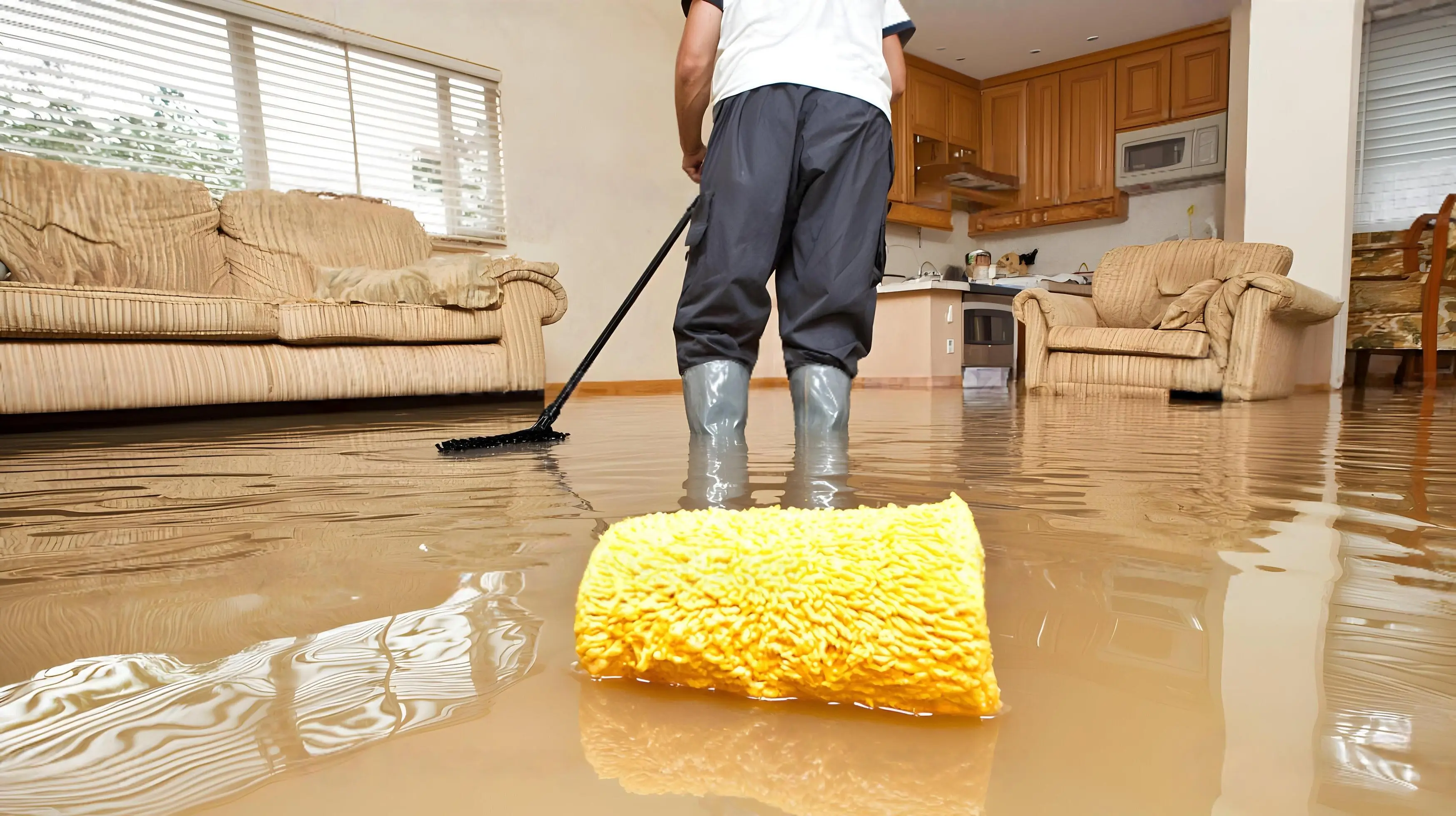
Water Damage Restoration
Burst pipes, storm flooding, standing water. We extract, dry, and restore before mold sets in.
Learn more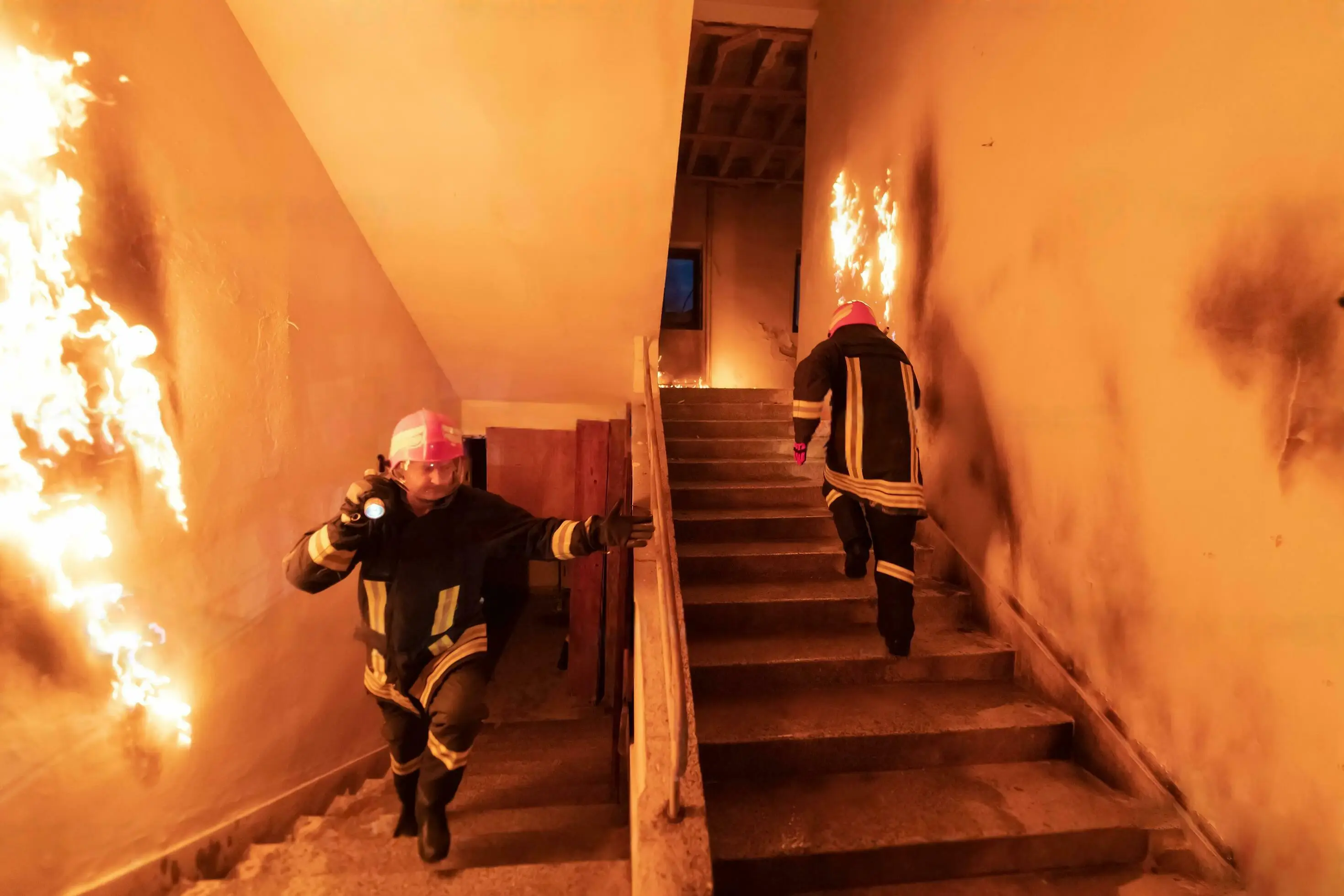
Fire Damage Restoration
Structural damage, soot, debris. We stabilize, clean, and rebuild what fire destroyed.
Learn more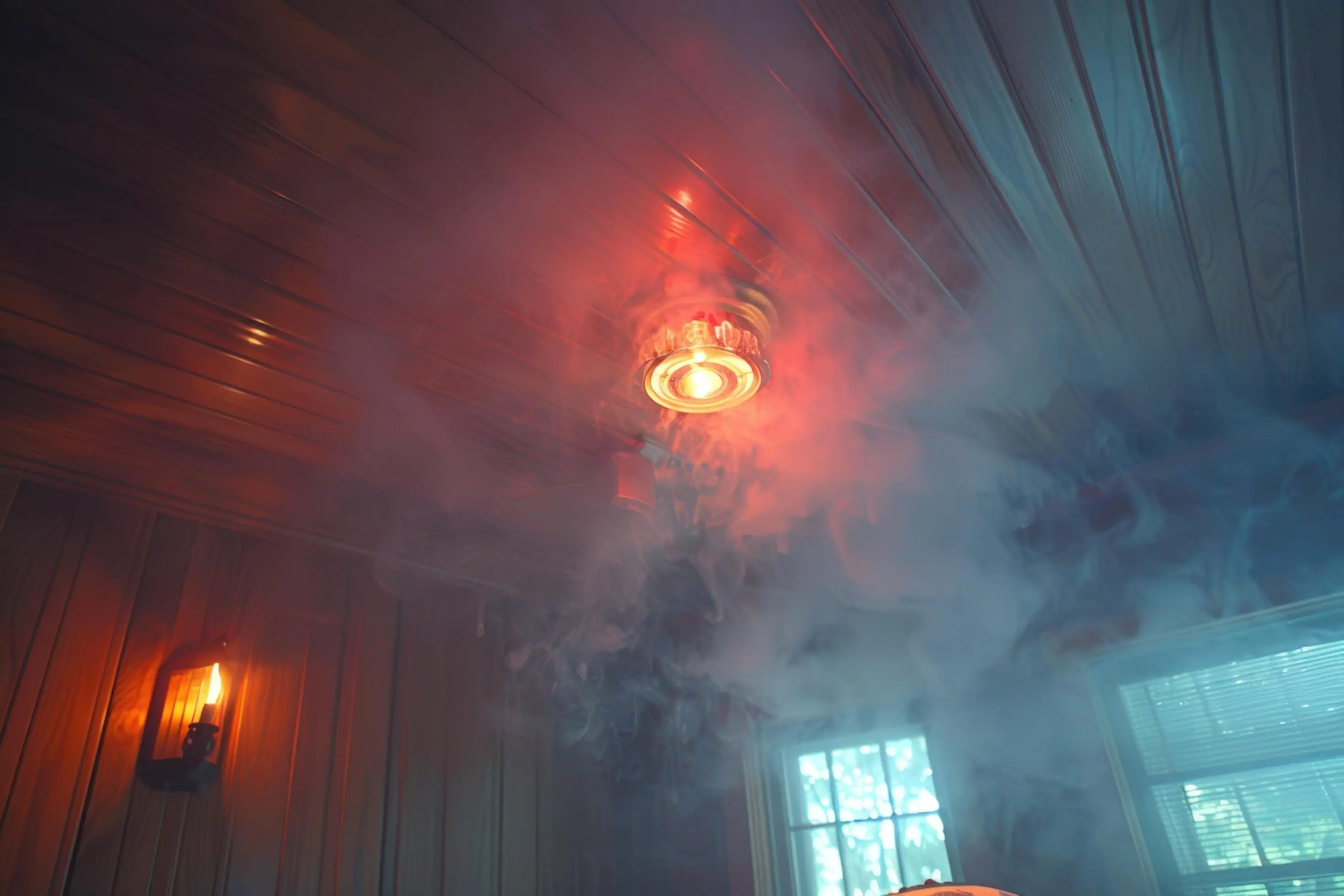
Smoke Damage Restoration
Soot residue, chemical odors, HVAC contamination. We decontaminate surfaces, eliminate odors, and restore air quality.
Learn more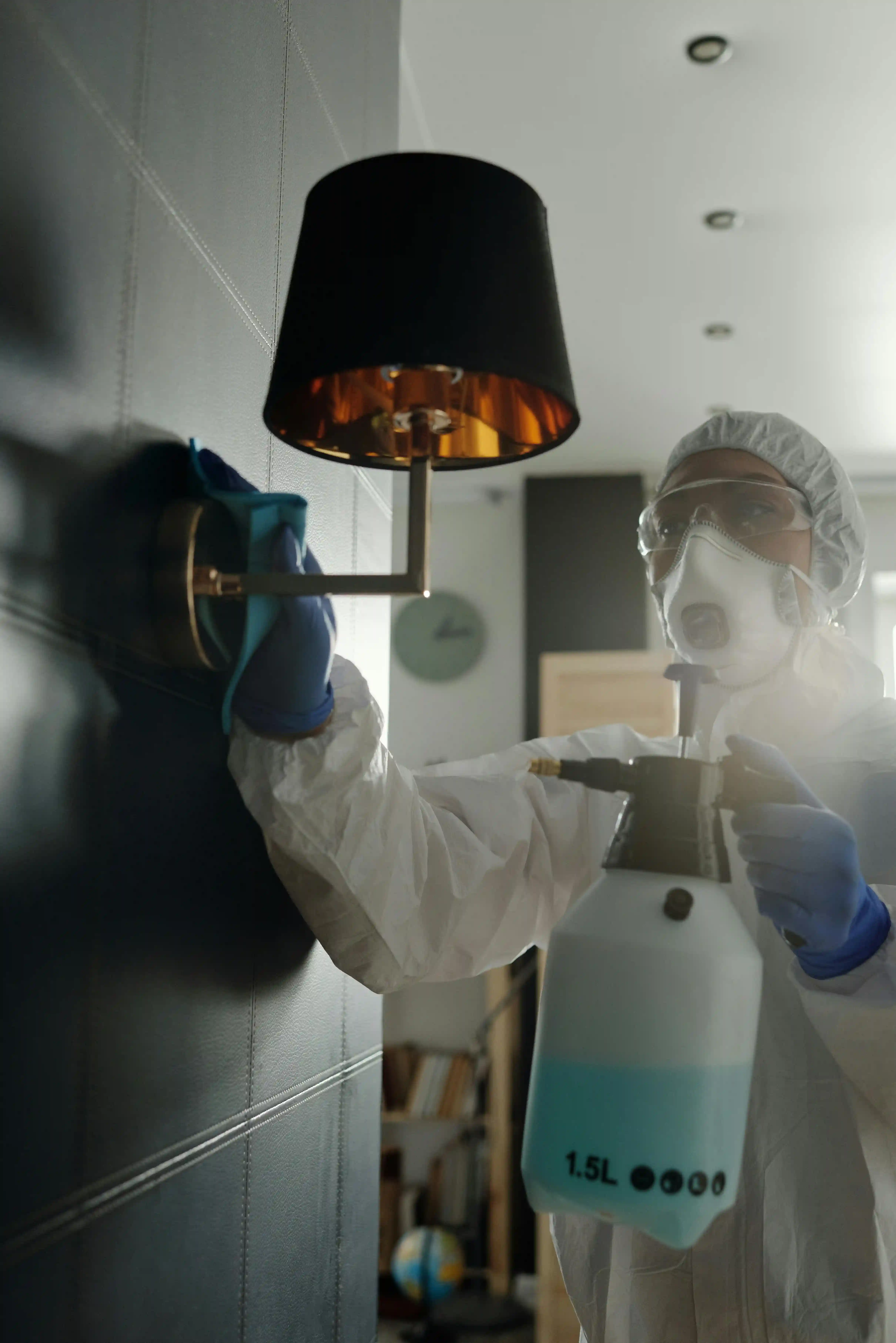
Mold Remediation
Testing, containment, removal, prevention. We find the source, eliminate the growth, and stop it from returning.
Learn moreNearby Service Areas
Also serving nearby: