
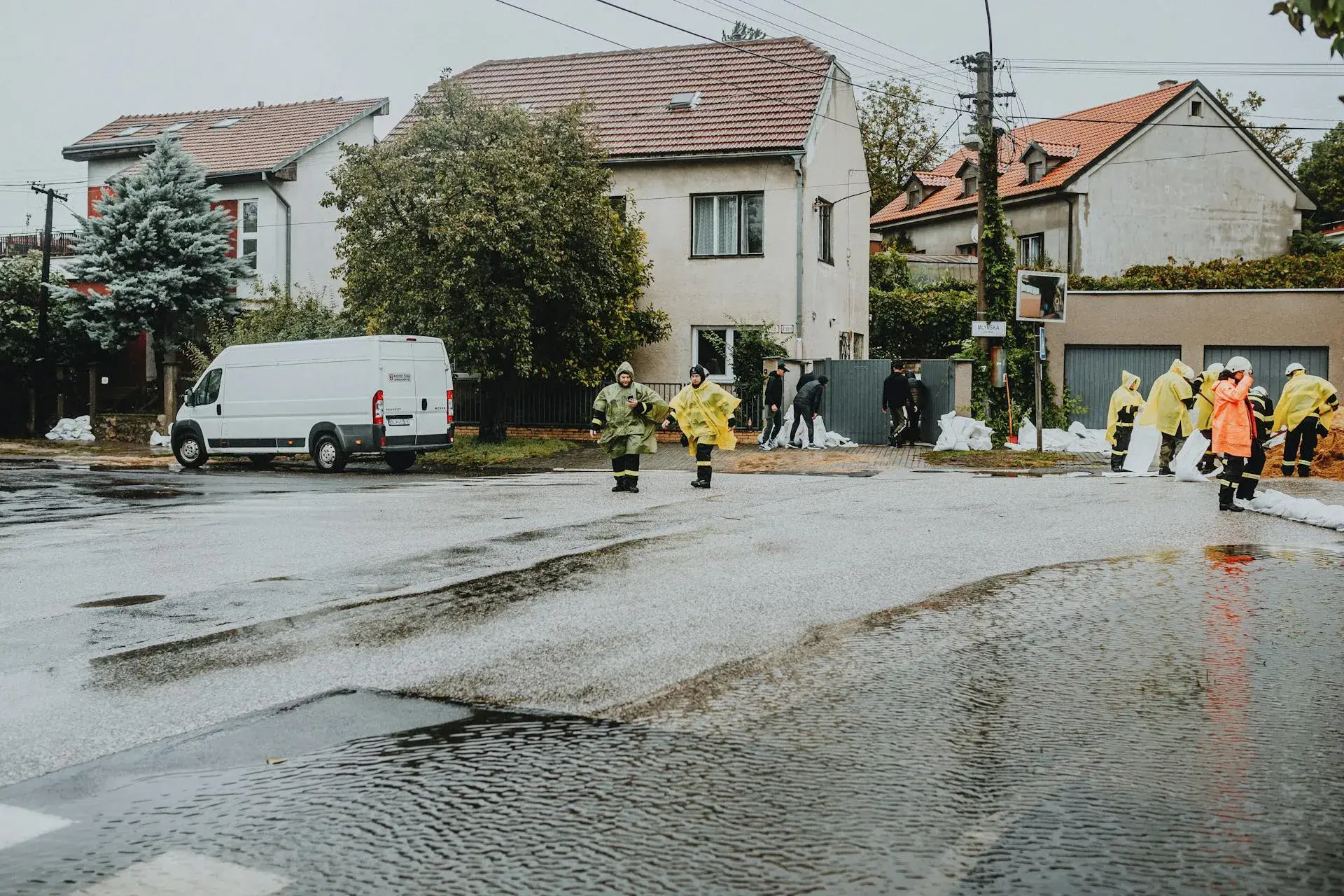
Sewage Cleanup in North Fort Myers, FL
Sewage contamination poses immediate health risks and compounds rapidly in North Fort Myers' subtropical heat. Our local team responds within 60 minutes to contain, extract, and decontaminate before bacteria and pathogens spread through your home.
What Happens When You Call
A real person answers, not a call center. We assess the contamination type, scope, and immediate safety concerns. We advise you on personal protection until our team arrives.
Your dedicated biohazard team is dispatched from our local base serving North Fort Myers and Lee County.
Team arrives with biohazard containment equipment, industrial extraction systems, and antimicrobial treatment supplies. Containment and extraction begin immediately.
Contamination contained, sewage extracted, affected materials identified, and restoration plan documented. You know exactly what your home needs and what your timeline looks like.
Sewage in your home is not a plumbing inconvenience. It is a biohazard emergency. Raw or partially treated sewage contains bacteria, viruses, parasites, and chemical contaminants that pose immediate health risks to everyone in the home. In North Fort Myers, where thousands of properties rely on aging septic systems operating in saturated soil with a shallow water table, sewage backups are not rare events. They are a predictable consequence of infrastructure that cannot function properly in the geological conditions beneath this community. You need professional biohazard response, not a plumber with a mop. Call now. Your team is standing by.
Why North Fort Myers Homes Are Vulnerable to Sewage
North Fort Myers faces a sewage contamination challenge that is fundamentally different from communities served by centralized municipal sewer systems. Large portions of the community rely on individual onsite septic systems for wastewater treatment, and the geological conditions beneath these systems make proper functioning difficult or impossible for many of them. A multi-year study by Florida Atlantic University's Harbor Branch Oceanographic Institute, with findings published in 2022 in the journal Science of the Total Environment, examined septic system performance across a North Fort Myers area containing 2,164 individual systems. The study found that groundwater and surface water in North Fort Myers are coupled and contaminated by septic system effluent, which negatively affects water quality and contributes to harmful algal blooms downstream in the Caloosahatchee estuary. The researchers measured water table depths and found that over 80 percent were too shallow to support proper septic system functioning, defined as less than 1.07 meters below grade. High concentrations of ammonia and nitrate, up to 1,094 micromolar and 482 micromolar respectively, were found in groundwater and surface water throughout the study area. These findings confirm what many North Fort Myers homeowners experience: septic systems that back up during the wet season, drain fields that saturate and fail to absorb effluent, and sewage that surfaces in yards or backs up into homes when the water table rises.
The sewage problem in North Fort Myers extends beyond individual septic failures. Hurricane Irma in 2017 demonstrated what happens when the broader utility infrastructure fails during extended power outages. Sewage lift stations operated by Lee County Utilities lost power across the community, and without generators to run pumps, sewage overflowed from manholes and lift station wet wells into streets and yards. Hurricane Ian in 2022 repeated and amplified these failures across an even wider area. The combination of individual septic system dysfunction during high water table conditions and municipal lift station failures during storms creates layered sewage exposure risk for North Fort Myers residents. During normal conditions, the failing septic systems create chronic low-level contamination. During storm events, both systems fail simultaneously, creating widespread Category 3 black water contamination that enters homes through backed-up drains, flooded yards, and storm surge carrying sewage from overwhelmed infrastructure across the community.
Septic System Dysfunction in Saturated Soil
Septic systems require a minimum depth of unsaturated soil between the drain field and the water table to function properly. As wastewater percolates through this unsaturated zone, soil microbes treat the effluent before it reaches groundwater. When the water table rises into the drain field, this treatment zone disappears. Effluent enters groundwater without adequate treatment, and the drain field becomes waterlogged, unable to absorb additional effluent from the septic tank. The tank fills, and sewage backs up through the lowest drain in the home, typically a ground-floor shower, bathtub, or toilet. In North Fort Myers, where the FAU study found over 80 percent of water table measurements too shallow for septic function, this failure mechanism is not occasional. It is the default condition during the wet season from June through September, when daily rainfall raises an already-high water table to within inches of the surface. Homeowners experience recurring backups during heavy rain events, slow drains that worsen through the summer, and sewage surfacing in yards over saturated drain fields.
Aging Septic Infrastructure
Many of North Fort Myers' septic systems were installed decades ago when the community was less developed and the water table was less affected by surrounding land use changes. Systems designed for a rural, low-density environment now operate in a more developed landscape where impervious surfaces reduce infiltration, drainage ditches alter groundwater flow, and neighboring properties' septic systems compete for the same limited treatment capacity in the soil. Concrete septic tanks installed in the 1960s through 1980s have deteriorated, with cracked walls that allow groundwater infiltration during high water table conditions. This infiltration fills the tank with clean groundwater, leaving no capacity for household wastewater and forcing backups. Older drain fields constructed with clay pipe have collapsed or root-infiltrated, reducing distribution capacity. The Lee County Commission's 2017 decision to allow a North Fort Myers development to use septic rather than connecting to the county sewer system highlighted the ongoing tension between infrastructure costs and environmental protection in the community.
Lift Station Failures During Storm Events
Portions of North Fort Myers that are connected to Lee County's centralized sewer system depend on lift stations, pumping facilities that move sewage from low points to the treatment plant against gravity. These stations require continuous electrical power to operate. During Hurricane Irma in 2017 and Hurricane Ian in 2022, widespread power outages lasting days to weeks disabled lift stations across Lee County. Without pumping, sewage accumulated in the collection system and overflowed from manholes, cleanouts, and wet wells into streets, yards, and eventually homes. The 2017 event was specifically documented as causing sewage overflows in Lee County streets due to insufficient generator backup at lift stations. For North Fort Myers residents on the county system, a hurricane does not just bring wind and water damage. It brings sewage contamination from failed infrastructure that can enter homes through backed-up floor drains, toilet overflows, and flooding that carries sewage across the landscape from overflowing manholes.
Category 3 Black Water Health Risks
Sewage contamination in a home is classified as Category 3 (black water) under IICRC standards, representing the most severe contamination level. Black water contains pathogenic bacteria including E. coli, Salmonella, and Campylobacter; viruses including hepatitis A and norovirus; parasites including Giardia and Cryptosporidium; and chemical contaminants from household and industrial sources. In North Fort Myers' subtropical heat, bacterial populations in sewage-contaminated materials double rapidly, with some species doubling every 20 to 30 minutes at temperatures above 80 degrees. This means that contamination worsens exponentially with every hour of delay. Porous materials that contact Category 3 water cannot be decontaminated and must be removed: carpet, pad, drywall below the contamination line, insulation, particleboard, and soft furnishings. The health risk is not limited to direct contact. Bacteria become airborne as contaminated surfaces dry, and occupants can inhale pathogens without ever touching a visibly contaminated surface.
Compounding Risk: Sewage Plus Flooding
In North Fort Myers, sewage contamination rarely occurs in isolation. The same conditions that cause septic backups, a high water table during heavy rainfall, also produce surface flooding from overwhelmed drainage systems. The same storms that disable lift stations also drive Caloosahatchee storm surge into waterfront neighborhoods. The result is that sewage contamination frequently arrives mixed with floodwater, making it impossible to separate clean water damage from biohazard contamination. When a home floods during a tropical event, the water entering through doors, windows, and rising through the floor is not clean rainwater. It carries sewage from every failed septic system and overflowing manhole it passed on its way to your home. All flood-affected materials must be treated as Category 3 contaminated until testing proves otherwise. This classification dramatically affects the restoration approach, the health and safety protocols required, and the scope of material removal needed.
Sewage cleanup in North Fort Myers addresses a problem rooted in geological reality. The community's shallow water table prevents proper septic function for most of its 2,164-plus systems. Aging infrastructure compounds the dysfunction. Storm events simultaneously disable both individual septic systems and municipal lift stations. And the subtropical climate accelerates bacterial growth in contaminated materials by orders of magnitude compared to temperate regions. Effective sewage cleanup here requires biohazard-level response protocols, not just water extraction, because the contamination is biological, the health risks are immediate, and the warm environment amplifies every hour of delay.
What Happens to Your Home While You Wait
Within 1 Hour
Sewage spreads across flooring and begins wicking into porous materials at ground level. Bacteria and pathogens are active and present health risk through direct contact, splashing, and early aerosolization. In North Fort Myers' heat above 80 degrees, bacterial populations begin doubling rapidly. The home is immediately unsafe for unprotected occupants. Children, elderly residents, and immunocompromised individuals face the highest risk.
1–24 Hours
Contamination wicks up drywall, saturates carpet pad and subfloor materials, and penetrates behind baseboards and beneath cabinetry. In mobile homes, sewage enters the floor cavity and contaminates insulation and belly board from above. Bacterial populations multiply exponentially in the warm, nutrient-rich environment. The affected area expands beyond the visible contamination as wicking carries sewage-laden moisture into adjacent materials. Odor intensifies as anaerobic bacteria become active in saturated zones.
24–48 Hours
All porous materials in contact with sewage are now beyond decontamination and require removal: carpet, pad, drywall to the contamination line, insulation, particleboard, and soft furnishings. Bacterial colonies produce biofilms that protect them from surface cleaning. In North Fort Myers' humidity, materials never begin drying naturally, so contamination continues spreading through capillary action indefinitely. Mold colonization begins on contaminated wet materials, adding fungal contamination to the bacterial hazard.
48–72 Hours
Structural wood framing absorbs contaminated moisture and becomes a potential pathogen reservoir even after surface cleaning. The HVAC system, if running, circulates pathogen-laden air throughout the home. Odor permeates every material in the affected area and adjacent spaces. The restoration scope expands significantly as contamination extends into wall cavities, floor systems, and areas not originally in direct contact with sewage. Health risk to occupants is severe and ongoing.
One Week and Beyond
Without professional biohazard remediation, the home becomes uninhabitable from both health and structural perspectives. Bacteria, mold, and structural deterioration compound each other. Wood framing softens from sustained contamination. Drywall disintegrates. Mobile home subfloor systems fail structurally. The contamination has become systemic rather than localized, and restoration requires gutting to the structural frame with full biohazard protocols. The property represents an ongoing public health risk to occupants and neighbors.
Sewage contamination in North Fort Myers' subtropical heat compounds faster than in any temperate environment. Bacterial doubling times measured in minutes mean that every hour of delay multiplies the contamination level. Contact X Response now. Our biohazard team responds within 60 minutes.
How We Restore Sewage-Damaged North Fort Myers Homes
From the moment our team arrives, every step follows strict biohazard protocols. Sewage cleanup is not water damage restoration with extra steps. It is a fundamentally different scope of work governed by health and safety requirements. Here is exactly what the process involves.
Biohazard Assessment and Containment
Our team arrives in full personal protective equipment and immediately establishes the contamination perimeter. We identify the sewage source, whether a septic backup through floor drains, a lift station overflow through the sewer connection, or storm-mixed sewage entering through flooding. The source is isolated if possible, such as shutting off water supply to prevent additional flow through a backed-up system. Affected areas are contained to prevent tracking contamination into clean zones. We assess which materials are contaminated, measuring the height of sewage contact on walls and mapping the spread path. In mobile homes, we inspect beneath the structure to determine if sewage has entered the floor cavity. This assessment drives the remediation scope and determines the extent of material removal required.
Sewage Extraction and Material Removal
Standing sewage is extracted using equipment dedicated to biohazard work, not the same machines used for clean water extraction. Contaminated materials that cannot be decontaminated are removed in sealed biohazard bags: carpet, pad, drywall below the contamination waterline, baseboards, insulation, particleboard, and all porous contents that made contact. In North Fort Myers' slab-on-grade homes, we remove materials back to the concrete slab and structural framing. In mobile homes, contaminated subfloor sections, insulation within the floor cavity, and belly board material are removed to expose the floor joist system for treatment. All removed materials are disposed of through licensed biohazard waste channels. We do not mix contaminated demolition with standard construction waste.
Decontamination and Antimicrobial Treatment
After contaminated materials are removed, all remaining structural surfaces receive professional-grade antimicrobial treatment registered for biohazard use. Concrete slabs are treated with enzymatic cleaners that break down organic contamination, followed by broad-spectrum antimicrobial application. Wood framing is treated on all exposed surfaces. In the subtropical environment, we apply multiple treatment cycles because warmth and humidity can allow bacterial recolonization on inadequately treated surfaces. The HVAC system is isolated and treated if contaminated air circulated through it during the event. We treat beyond the visible contamination line because wicking carries bacteria into materials above the waterline through capillary action.
Structural Drying
Once decontamination is complete, structural drying begins using commercial dehumidifiers and air movers. This step is critical in North Fort Myers because the shallow water table and subtropical humidity prevent any natural drying from occurring. Without mechanical dehumidification, treated surfaces will re-absorb atmospheric moisture and create conditions for mold growth that follows the bacterial contamination. We dry the concrete slab using specialized mat systems, dry wall cavities using injection ports, and in mobile homes, dry the floor joist system using directed airflow through the cavity. Daily moisture readings verify progress until all structural materials reach their target moisture content.
Verification and Clearance
Before we release the work area for reconstruction, we verify that decontamination was successful and the structure is safe for occupancy. This may include surface sampling for bacterial indicators depending on the scope of the original contamination. Moisture readings confirm adequate drying. Visual inspection confirms all contaminated materials were removed and treated surfaces are clean. The complete documentation package includes contamination assessment, material removal records, treatment documentation, drying records, and clearance verification. This documentation supports your insurance claim and provides a permanent health and safety record for the property.
The X Response Difference
When you contact X Response for sewage cleanup in North Fort Myers, you get a biohazard response team that follows the full protocol from containment through clearance verification. One team manages extraction, material removal, decontamination, drying, and documentation as a unified biohazard project.
Insurance Claim Guidance for North Fort Myers Homeowners
Sewage cleanup insurance coverage depends on the source of the backup and your policy type. Most homeowner's policies cover sewage damage from sudden events within your home's plumbing system, such as a backed-up sewer line or failed septic tank. Coverage for flooding that carries sewage from external sources, including overflowing municipal lift stations or storm-mixed sewage from flooded streets, typically requires a separate flood insurance policy. Many standard policies exclude damage from gradual septic system failure or deferred maintenance. Understanding the distinction between your home's plumbing backup and external flood-borne sewage determines which policy applies.
How X Response Helps
- Document the contamination source clearly, as coverage differs between internal plumbing backups and external flood-borne sewage
- Photograph all contaminated areas before removal begins, with measurements showing contamination height on walls
- Maintain biohazard waste disposal records as proof that contaminated materials were properly handled
- Document the relationship between the sewage event and any concurrent weather event, as this affects which policy applies
- Keep records of antimicrobial treatment products used and application protocols for your adjuster's review
X Response does not file claims on your behalf, adjust claims, or make coverage determinations. We provide documentation and guidance to help you make informed decisions about your property and your policy. Coverage decisions are made solely by your insurance carrier.
Certified Restoration Specialists Serving North Fort Myers
When you contact X Response for sewage cleanup in North Fort Myers, your team is drawn from certified professionals trained in biohazard response who work across Lee County. They understand the specific sewage challenges this community faces: septic systems failing in saturated soil during the wet season, lift station overflows during power outages, and storm events that mix sewage with floodwater across entire neighborhoods. They have conducted biohazard remediation in homes backed up through floor drains during high water table conditions, in properties contaminated by Hurricane Ian's sewage-laden storm surge, and in mobile homes where sewage entered the enclosed floor cavity from backed-up plumbing.
Every technician on your team holds current IICRC certification in water damage restoration with specific training in Category 3 contamination protocols. They carry bloodborne pathogen training, proper PPE for biohazard environments, and Florida state licensing for the work performed. Equipment includes dedicated biohazard extraction units, professional-grade enzymatic cleaners and antimicrobials, commercial dehumidification systems, and containment materials for isolating contaminated areas. When your team arrives, they bring everything needed to contain, extract, decontaminate, dry, and verify the remediation without waiting for additional equipment or outside contractors.
In North Fort Myers, X Response works with Florida Restoration and Platinum Air Mold Inspection, independent local restoration partners serving Lee County.
Sewage Cleanup FAQ for North Fort Myers Homeowners
Other Emergency Services in North Fort Myers
Water Damage Restoration
Burst pipes, storm flooding, standing water. We extract, dry, and restore before mold sets in.
Learn more
Fire Damage Restoration
Structural damage, soot, debris. We stabilize, clean, and rebuild what fire destroyed.
Learn more
Smoke Damage Restoration
Soot residue, chemical odors, HVAC contamination. We decontaminate surfaces, eliminate odors, and restore air quality.
Learn more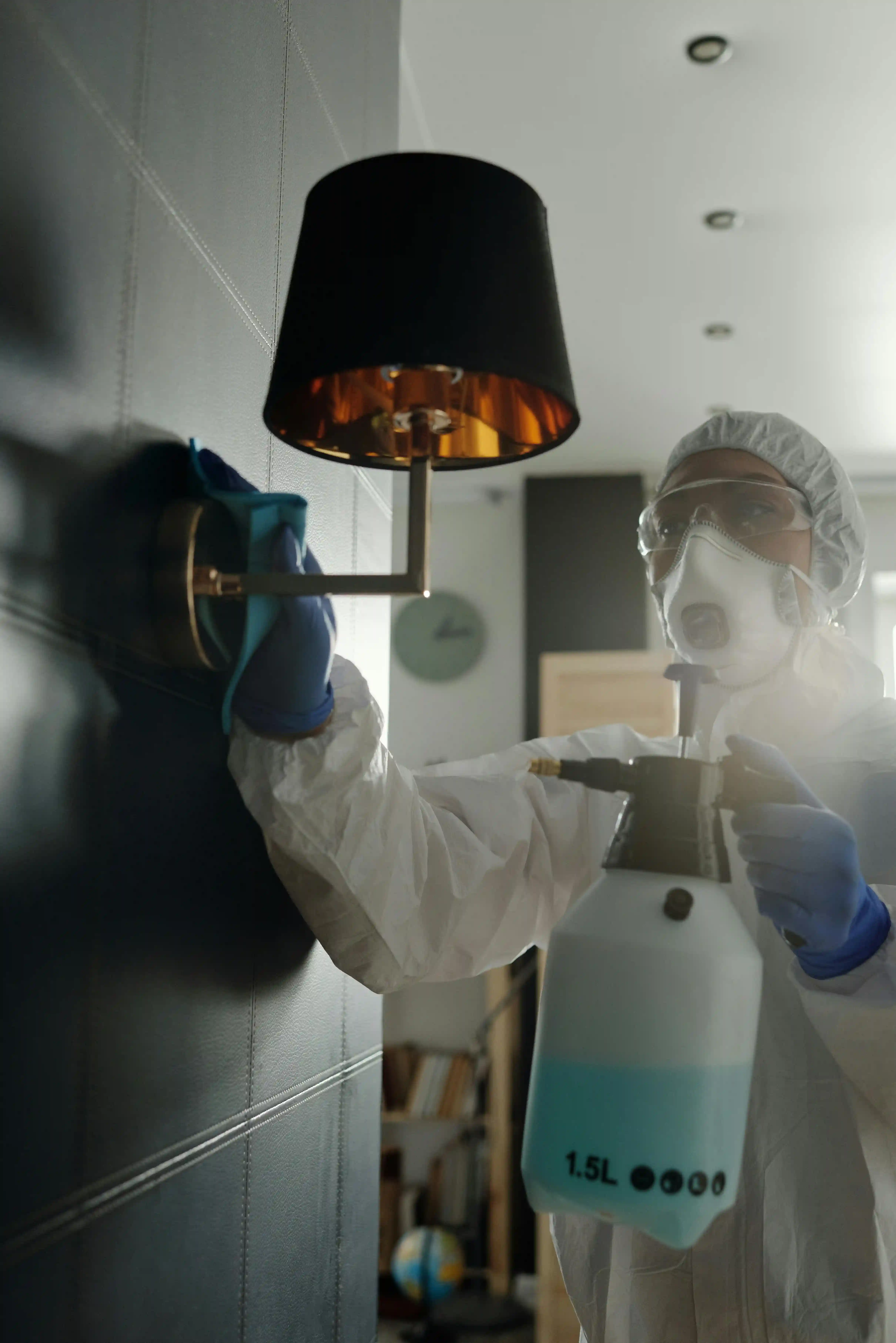
Mold Remediation
Testing, containment, removal, prevention. We find the source, eliminate the growth, and stop it from returning.
Learn moreNearby Service Areas
Also serving nearby: