
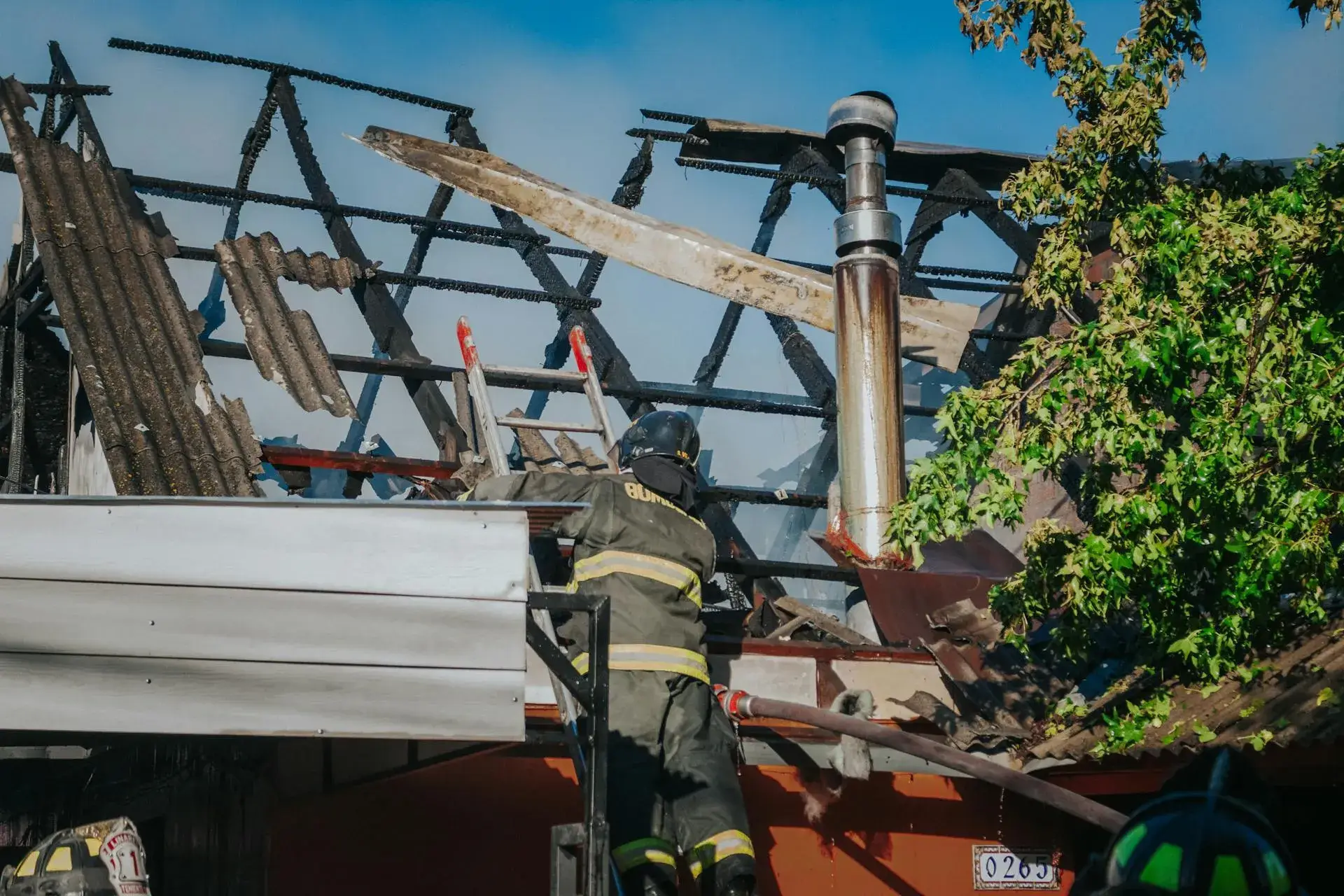
Fire Damage Restoration in Plainfield, IL
Fire damage worsens every hour as soot corrodes surfaces and smoke penetrates deeper into your home's structure. Our local team responds to Plainfield emergencies within 60 minutes.
What Happens When You Call
A real person answers, not a call center. We assess your situation, ask the right questions, and begin coordinating your response immediately.
Your dedicated restoration team is dispatched from our local base serving Plainfield and the surrounding Will County communities.
Team arrives with board-up materials, HEPA filtration, soot removal equipment, and structural assessment tools. Emergency stabilization begins immediately.
Property secured, immediate threats addressed, restoration plan documented. You know exactly what comes next.
A fire just tore through part of your home and you need someone who knows what to do next. Not a claims hotline, not a callback queue. X Response exists for exactly this moment. When you reach out, your restoration team is mobilized within minutes and on site within the hour. From that point forward, one team manages everything: stabilization, smoke removal, structural repair, and insurance documentation. You are never left guessing about the next step. Call now. Your team is standing by.
Why Plainfield Homes Are Vulnerable to Fire Damage
Plainfield is a village of approximately 46,700 residents in Will County, Illinois, located 35 miles southwest of downtown Chicago. The village spans portions of Plainfield and Wheatland townships in Will County and extends into Kendall County townships, covering a combined area of more than 25 square miles of developed residential, commercial, and industrial property. The Plainfield Fire Protection District provides fire suppression, emergency medical services, and technical rescue across approximately 54 square miles with 89 full-time employees operating from four fire stations. The district has served the community since 1935, expanding from a single volunteer station to a professional career department with front-line engines, aerials, ambulances, and specialized apparatus positioned to reach every corner of the rapidly growing district. The district participates in the Mutual Aid Box Alarm System (MABAS) Division 15, ensuring that structure fires requiring resources beyond the initial alarm bring automatic mutual aid from neighboring departments in Oswego, Joliet, Shorewood, Romeoville, and Naperville.
Between 3:15 p.m. and 3:45 p.m. CDT on August 28, 1990, an F5 tornado ripped through Kendall and Will counties on a 16.4-mile damage path through Plainfield, killing 29 people, injuring 350, destroying 470 homes, and causing $160 million in damage. The National Weather Service documented it as the only F5 tornado ever recorded during August in the United States and the only F5 to strike the Chicago metropolitan area. The tornado approached from the northwest, hidden by low clouds and rain that made it nearly invisible to observers on the ground, and no known photographs or video of the funnel exist. In addition to the 470 homes destroyed outright, more than 1,000 additional structures were damaged. The devastation transformed Plainfield overnight from a quiet village of 4,500 residents into a community defined by catastrophic loss and the rebuilding effort that followed. The tornado struck Plainfield Central High School, which was destroyed, and tore through residential neighborhoods that had to be rebuilt from the ground up. The event shaped the village's identity so profoundly that 35 years later, in August 2025, local and national media returned to mark the anniversary and interview survivors.
The 1990 F5 Tornado and Plainfield's Relationship with Catastrophic Loss
The August 28, 1990 tornado is the defining disaster event in Plainfield's history and the reason the community has a uniquely acute awareness of catastrophic property damage. The F5 rating, with estimated winds exceeding 261 mph, meant that homes along the damage path were not merely damaged but leveled, swept off foundations, and reduced to debris scattered across adjacent properties. The NWS Chicago damage survey by the late Dr. Theodore Fujita of the University of Chicago documented the path width ranging from 600 yards to a half mile. The tornado's unusual characteristics, approaching from the northwest rather than the typical southwest, hidden by rain, and striking in August when tornado risk perception is lower than spring, meant there was no effective warning for residents in its path. The community that rebuilt after 1990 grew into the modern village of nearly 47,000, but that growth occurred with an institutional memory of what catastrophic structural damage looks like and what a multi-year rebuild demands. For homeowners today, the 1990 event is not abstract history; it is the reason Plainfield takes emergency preparedness, building codes, and storm shelter provisions more seriously than communities that have never experienced a high-end tornado.
Rapid Growth and Modern Residential Construction
Plainfield's explosive population growth from 4,500 in 1990 to nearly 46,700 by 2020 produced a housing stock dominated by wood-frame construction built between 1992 and 2015. These homes are typically two-story or split-level designs with engineered-wood trusses, oriented-strand-board (OSB) sheathing, vinyl siding, and open floor plans that allow fire and smoke to travel rapidly through the structure once a blaze breaches the room of origin. Modern homes built to current energy codes feature tighter envelopes with foam insulation, house wrap, and sealed duct systems that trap smoke and combustion byproducts inside the structure even when exterior windows and doors remain intact. While these homes meet current fire codes for egress, smoke detection, and suppression where required, the open layouts with soaring two-story foyers, connected great rooms and kitchens, and continuous attic spaces above the second floor create large-volume compartments where fire can grow rapidly before occupants become aware. The engineered wood trusses that support modern roof systems are lighter and faster to erect than dimensional lumber framing but have significantly less mass and fail more quickly under fire conditions, creating collapse risk earlier in the event.
The Plainfield Fire Protection District: Coverage Across 54 Square Miles
The Plainfield Fire Protection District covers approximately 54 square miles with four fire stations and 89 full-time employees. The district's coverage area extends well beyond the village limits to include unincorporated Will and Kendall County territory, meaning that apparatus must cover a larger geographic footprint than a municipal department serving the village alone. While four strategically positioned stations provide reasonable initial response to most locations within the district, a confirmed working structure fire requiring multiple engines, an aerial, a rescue squad, and an incident commander simultaneously draws resources from multiple stations and depletes available coverage elsewhere in the district. During peak residential fire hours, evening through early morning when cooking, heating, and electrical fires are most common, multiple simultaneous calls can extend response times for the second and third incidents. The district's MABAS Division 15 agreements bring automatic mutual aid from surrounding departments on confirmed working fires, but those units travel from their own stations in neighboring communities, adding minutes to the supplemental resource arrival. The September 2023 fire that extensively damaged a commercial building in unincorporated Plainfield required mutual aid resources and demonstrated the demand that large-structure fires place on the district.
Electrical Fires in 1990s and 2000s Subdivision Homes
While Plainfield's housing stock is newer than communities with pre-war construction, homes built during the rapid growth period of the 1990s and early 2000s are now 25 to 35 years old, entering the age when original electrical components begin failing. Arc-fault circuit interrupter (AFCI) breakers, which detect dangerous arcing conditions in wiring and shut down circuits before ignition occurs, were not required by the National Electrical Code for bedroom circuits until 1999 and for most other circuits until 2014. The majority of Plainfield homes built before those requirements have standard thermal-magnetic breakers that respond only to overload and short circuits, not to the low-level arcing that precedes most electrical-origin fires. Recessed lighting installed in insulated ceilings, where IC-rated cans were sometimes omitted during the construction boom, creates hot spots against combustible framing. Aluminum wiring, used in some homes built in the early to mid-1990s when copper prices spiked, develops high-resistance connections at outlets and switches over time that generate enough heat to ignite surrounding materials. Many Plainfield homeowners have added electrical loads, including electric vehicle chargers, home generators, hot tubs, and high-draw kitchen appliances, to circuits that were designed for the original home's lighter demand.
Kitchen and Cooking Fire Risk in Open-Concept Homes
The NFPA consistently identifies cooking as the leading cause of residential structure fires nationwide, and Plainfield's housing stock amplifies the consequences of kitchen fires. Open-concept floor plans common in 1990s through 2010s construction eliminate the walls that once contained a kitchen fire to a single room. A grease fire that ignites upper cabinetry or reaches the range hood vent connects immediately to the great room, family room, and in two-story homes, the second-floor hallway above through the open staircase. Modern kitchen designs with large islands, professional-grade gas ranges, and wood-and-composite cabinetry concentrate significant fuel loads in the cooking area. When a kitchen fire escapes the cooktop and reaches overhead cabinetry, the fire has access to continuous combustible material extending along the entire cabinet run. Smoke from a kitchen fire in an open-concept Plainfield home deposits soot and odor on every surface in the connected living spaces within minutes, meaning that a fire technically contained to one room still creates a whole-home smoke damage event that requires comprehensive cleaning of walls, ceilings, soft goods, and HVAC systems throughout the structure.
These factors create a community where residential fire damage frequently extends well beyond the ignition point. Modern open floor plans allow rapid fire and smoke spread, engineered-wood construction burns faster than dimensional lumber framing, dense subdivision spacing creates exposure risk to adjacent homes, aging electrical systems in 25-to-35-year-old homes develop failure modes the original breakers cannot detect, and the geographic demand on a 54-square-mile fire district means supplemental resources take time to arrive. Effective fire damage restoration in Plainfield requires a team that understands how modern suburban construction behaves during and after a fire, where hidden smoke and soot accumulate in tight building envelopes, and how to restore a property where damage extends through HVAC systems, wall cavities, and connected spaces far from the flame origin.
What Happens to Your Home While You Wait
Within 1 Hour
The fire is out, but the damage is still progressing. Soot particles, many of which are acidic, begin settling on every surface in the home: countertops, appliances, glass, chrome fixtures, and fabrics. In Plainfield's tightly sealed modern homes, smoke that would have vented through drafty older construction remains trapped inside, concentrating soot deposition on walls, ceilings, and contents. Acidic soot begins etching metal surfaces, tarnishing fixtures, and discoloring painted and varnished finishes. Water from fire suppression pools in basements, saturates carpet and pad, and soaks through to subfloor systems. The tight building envelope that trapped smoke during the fire now traps moisture, creating conditions where both smoke damage and water damage advance simultaneously.
1–24 Hours
Soot penetrates beyond surface deposits into porous materials: fabric upholstery absorbs smoke compounds, painted walls begin showing yellowing as nicotine-like tars migrate through the finish, and HVAC systems distribute soot and odor throughout the home as the blower cycles. In Plainfield's forced-air heated and cooled homes, every supply register and return duct becomes a pathway for smoke contamination to reach rooms that never saw flame or visible smoke. Metal surfaces develop permanent etching if soot is not removed within this window. Electronics, especially circuit boards, begin corroding at connection points where acidic residue settles. Clothing, bedding, and window treatments absorb volatile organic compounds that become progressively more difficult to remove as they cross-link with fabric fibers over time.
24–48 Hours
Oxidation and corrosion accelerate. Chrome and brass fixtures develop permanent discoloration. Grout lines absorb soot that becomes nearly impossible to extract once it migrates below the surface. Unsealed concrete in garages and basements develops deep smoke staining. Water from suppression efforts that pooled in basements and wall cavities begins generating mold growth, adding biological contamination to the existing smoke and soot damage. In Plainfield homes with finished basements beneath the fire area, suppression water migrates through floor assemblies and saturates materials that were never exposed to flame but now face both water damage and mold risk simultaneously.
48–72 Hours
Permanent damage becomes widespread. Paint and varnish finishes that might have been cleaned successfully now require stripping and refinishing as smoke compounds penetrate through the film. Upholstered furniture crosses from cleanable to replacement territory as volatile compounds bond permanently with foam and fabric. Hardwood floors develop smoke staining beneath their finish coats that cannot be removed without sanding to bare wood. The scope of necessary restoration work expands significantly: what was a cleaning job at 12 hours becomes a refinishing job at 48 hours and a replacement job at 72 hours. Insurance adjusters who assess the property at this stage document higher damage levels than those who arrive within the first day.
One Week and Beyond
Corrosion completes on unprotected metal surfaces. Smoke odor becomes permanently embedded in structural wood, concrete, insulation, and HVAC ductwork, requiring sealing or replacement rather than cleaning. Mold from suppression water reaches visible colonization in wall cavities and beneath flooring. The property now requires comprehensive restoration including structural repairs, surface refinishing throughout, HVAC system cleaning or replacement, and potentially demolition of fire-adjacent areas where smoke and water damage have rendered materials unsalvageable. Total restoration cost at this point often exceeds the estimate by 40 to 60 percent compared to what timely intervention would have required.
The difference between cleaning your home's surfaces and replacing them is often just a few hours of response time after the fire is out. Contact X Response now. Our Plainfield team responds within 60 minutes.
How We Restore Fire-Damaged Plainfield Homes
From the moment our team arrives, every step is documented, measured, and verified. Here is exactly what the fire damage restoration process involves for Plainfield properties.
Emergency Stabilization and Board-Up
Our team arrives to secure the property against weather, unauthorized entry, and further damage. In Plainfield, where storms can follow fires by hours and open structures are vulnerable to rain entering through compromised roofs and walls, board-up and tarping are immediate priorities. We seal window openings, cover roof damage with heavy-duty tarps, and secure doors that were forced during firefighting operations. For homes where the fire compromised structural elements, we assess load-bearing walls and roof assemblies before entering and flag any areas requiring shoring. The property is documented with photos and video showing pre-restoration conditions from every angle, establishing the baseline your insurance adjuster will use to evaluate the claim.
Smoke and Soot Assessment
Fire produces different types of soot depending on what burned: protein-based soot from kitchen fires, oily soot from petroleum products, dry soot from wood and paper, and synthetic soot from plastics and modern furnishings. Each type requires a different cleaning approach. Our team identifies the soot type throughout the home, maps its distribution across surfaces and into HVAC systems, and documents which materials can be cleaned, which require refinishing, and which must be replaced. In Plainfield's tight modern homes where smoke was trapped inside during the event, we typically find soot deposition in every connected room even when the fire was limited to a single area, because the forced-air system distributed smoke throughout the ductwork before power was cut.
Structural Repair and Reconstruction
Once unstable structure is shored and the restoration plan is documented, our team begins the reconstruction of fire-damaged areas. This includes removing and replacing charred framing, installing new sheathing and insulation, rebuilding wall assemblies, and restoring the home to pre-loss condition. In Plainfield homes with engineered-wood truss systems, fire damage often extends along the truss chord further than visible charring suggests, because the thin OSB web members lose structural capacity at lower temperatures than solid dimensional lumber. Every piece of structural wood is inspected for char depth and residual load capacity before being cleared for retention. Electrical and plumbing systems in fire-affected areas are evaluated and replaced as needed to meet current code.
Smoke Odor Elimination
Smoke odor embeds in porous materials at a molecular level and cannot be resolved with surface cleaning alone. We deploy thermal fogging, hydroxyl generators, and ozone treatment in a controlled sequence to neutralize volatile smoke compounds in structural wood, concrete, insulation, and other materials that are being retained. HVAC ductwork is professionally cleaned or replaced depending on contamination level. Air scrubbers with activated carbon filtration run continuously to capture residual volatiles during the restoration period. For Plainfield homes where smoke penetrated through the tight building envelope into attic insulation and wall cavities, we may recommend insulation replacement in affected areas where odor treatment alone cannot achieve acceptable air quality.
Contents Cleaning and Restoration
Personal belongings, furniture, electronics, and clothing affected by smoke are inventoried, documented with photos, and either cleaned on-site or packed out to our controlled facility for specialized treatment. Soft goods undergo ultrasonic cleaning, ozone treatment, or specialized laundering depending on the material. Electronics are evaluated for corrosion damage and cleaned at the component level where viable. Hard goods are cleaned using appropriate solvents for the soot type identified during assessment. Items that cannot be restored are documented for your insurance claim with pre-loss value and replacement cost. Your inventory is returned clean, deodorized, and in the same organizational arrangement it left your home.
The X Response Difference
When you contact X Response, you get a dedicated restoration team that manages everything, from emergency board-up through structural reconstruction to final odor verification. One team, one point of contact, one standard of work from start to finish.
Insurance Claim Guidance for Plainfield Homeowners
Fire damage insurance claims in Illinois are typically covered under standard homeowner's policies as a named peril, meaning fire and smoke damage are covered regardless of the cause unless the policy specifically excludes it (arson by the insured, for example). However, the complexity of fire claims comes from documenting the full extent of damage, which in modern homes extends far beyond the visible burn area. Smoke damage throughout HVAC systems, soot corrosion on electronics and metal surfaces in distant rooms, water damage from suppression efforts in basements and lower floors, and structural compromise in areas that appear intact but have lost load capacity all must be documented and included in the claim. In Plainfield's newer homes where fire and smoke spread rapidly through open floor plans and tight building envelopes trap contamination, the documented damage footprint frequently surprises homeowners and adjusters alike. Additional living expenses (ALE) coverage provides for temporary housing while your home is being restored, but the duration of the restoration project must be realistic and documented from the outset to ensure the ALE limits are not exhausted before the work is complete.
How X Response Helps
- Document all damage with professional photos, thermal imaging, and a detailed scope of work covering fire, smoke, soot, water, and structural damage from day one
- Map the full extent of smoke distribution including HVAC systems, connected rooms, and wall cavities, not just the visible burn area
- Document suppression water damage separately, as it may trigger different coverage sections than fire damage under your policy
- Provide realistic restoration timelines to support your Additional Living Expense claim for the full duration of the project
- Inventory and document all contents damage with pre-loss condition and replacement cost for complete personal property claims
X Response does not file claims on your behalf, adjust claims, or make coverage determinations. We provide documentation and guidance to help you make informed decisions about your property and your policy. Coverage decisions are made solely by your insurance carrier.
Certified Restoration Specialists Serving Plainfield
When you contact X Response for a fire damage emergency in Plainfield, your restoration team is drawn from certified professionals who work across Will County's southwestern Chicago suburbs and understand the specific challenges of restoring fire-damaged properties in this community. They know how modern subdivision construction with engineered trusses and OSB sheathing behaves under fire conditions, how tight building envelopes trap smoke in wall cavities and attic spaces, how open floor plans allow smoke distribution throughout multi-story homes, and how the clay soils beneath Plainfield affect drying when suppression water migrates to basements. They have worked through kitchen fires in open-concept homes, electrical-origin fires in aging panels, garage fires with exposure damage to adjacent structures, and major structural fires requiring full reconstruction. This is not a crew dispatched from hours away with no local context. It is a local team with local expertise, operating under national quality standards.
Every technician on your team holds current IICRC certification in fire and smoke restoration and carries the appropriate Illinois state licensing for the work being performed. Equipment is commercial-grade and maintained to manufacturer specifications. When your team arrives, they bring everything needed to begin stabilization immediately, including board-up materials for multiple openings, heavy-duty tarps for roof damage, HEPA air scrubbers and filtration for immediate air quality improvement, thermal imaging to map heat damage in concealed structural members, and ozone and thermal fogging equipment for comprehensive smoke odor treatment.
In Plainfield, X Response works with Scene Cleaners, an independent local restoration partner serving Will County.
Fire Damage Restoration FAQ for Plainfield Homeowners
Other Emergency Services in Plainfield
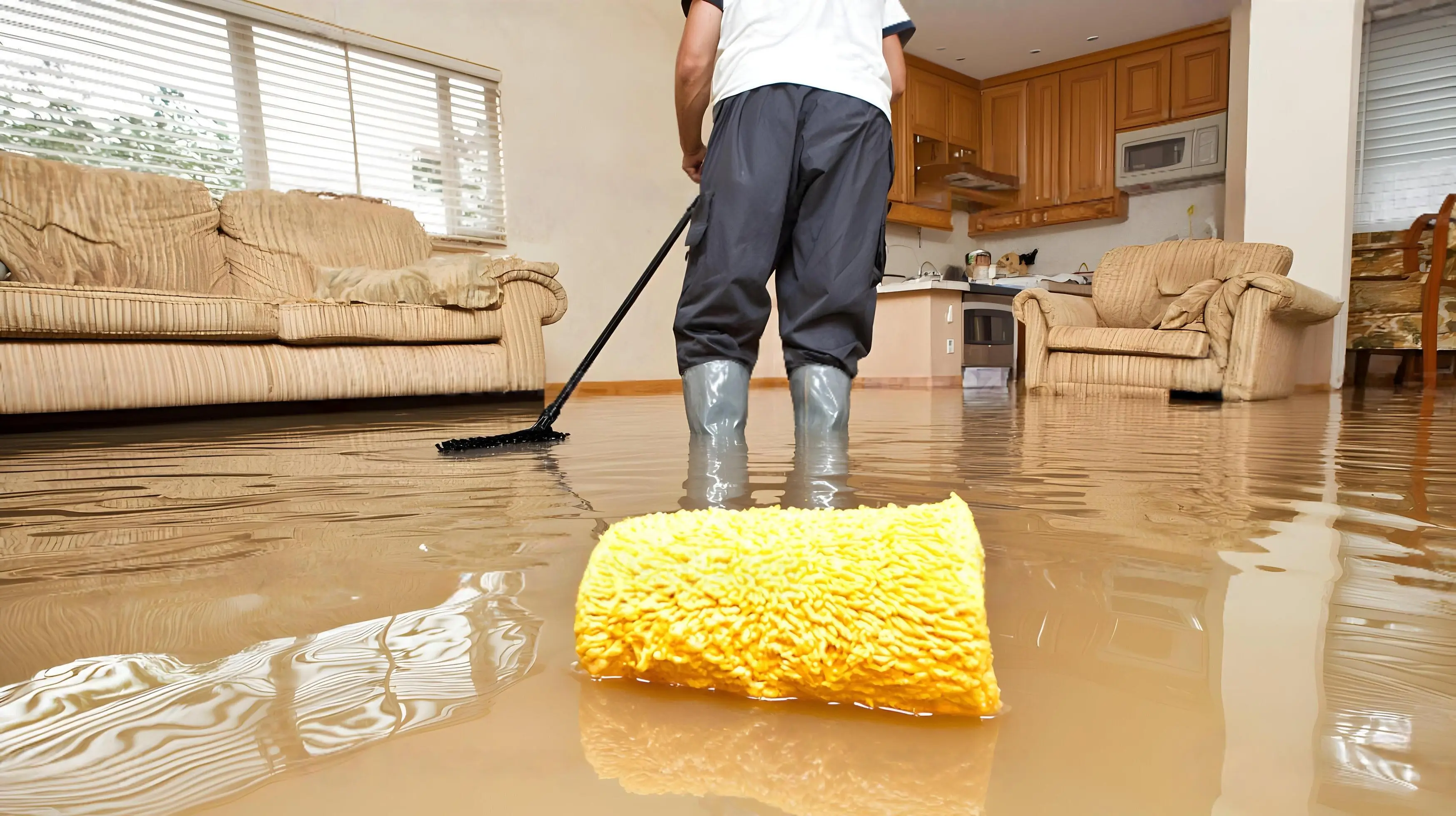
Water Damage Restoration
Burst pipes, storm flooding, standing water. We extract, dry, and restore before mold sets in.
Learn more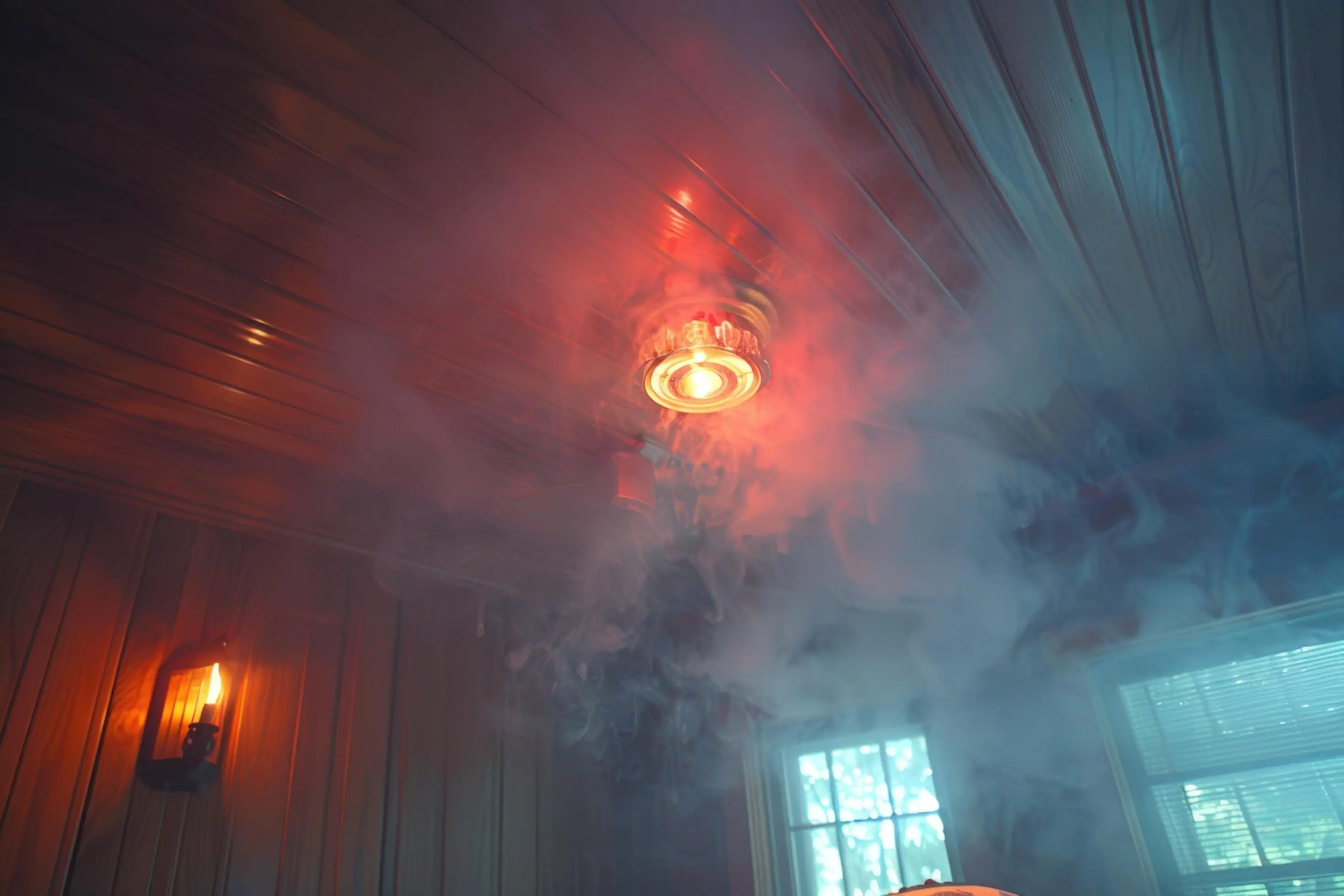
Smoke Damage Restoration
Soot residue, chemical odors, HVAC contamination. We decontaminate surfaces, eliminate odors, and restore air quality.
Learn more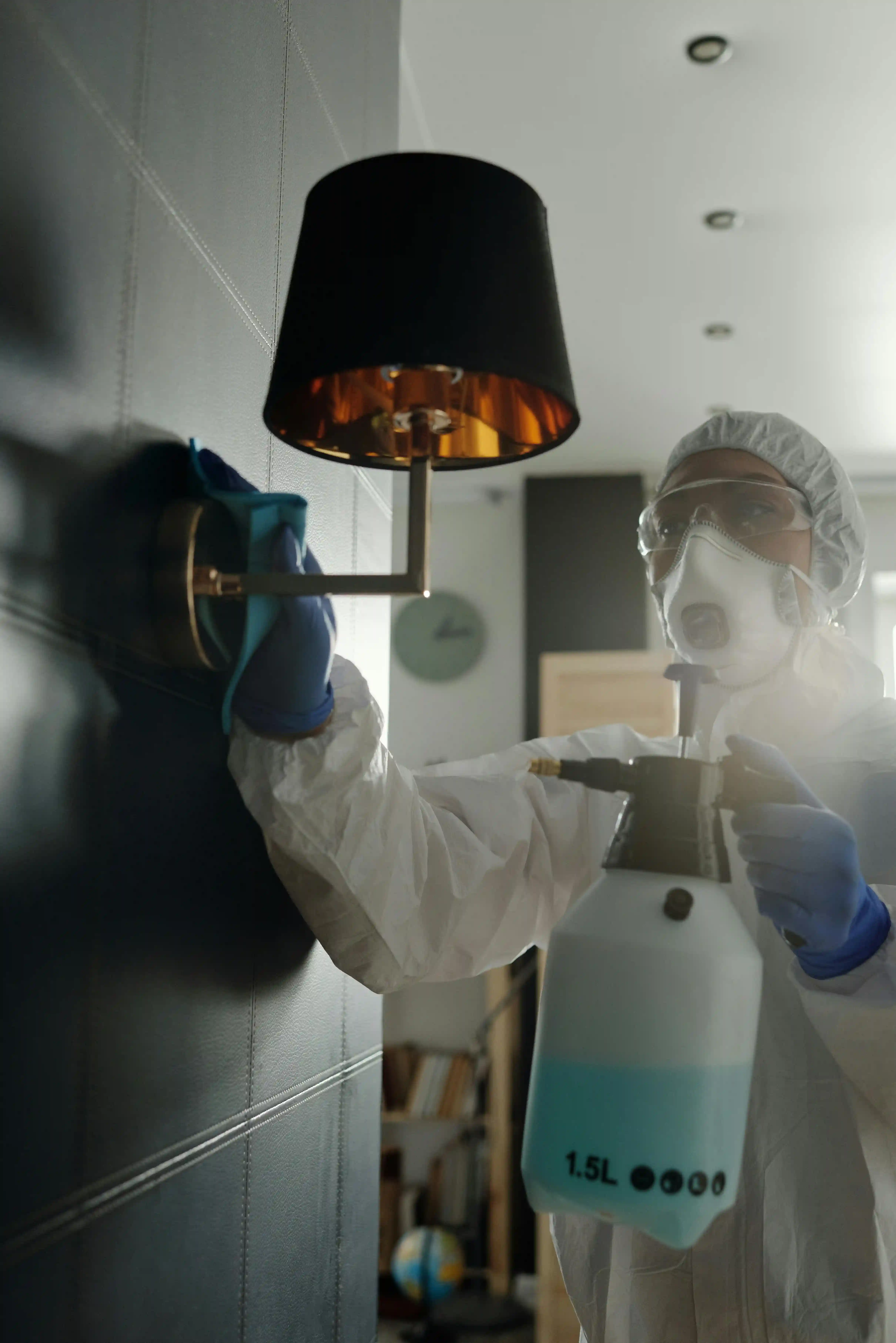
Mold Remediation
Testing, containment, removal, prevention. We find the source, eliminate the growth, and stop it from returning.
Learn more
Sewage Cleanup
Sewer backups, contaminated water, biohazard. We extract, sanitize, and restore safely.
Learn more