
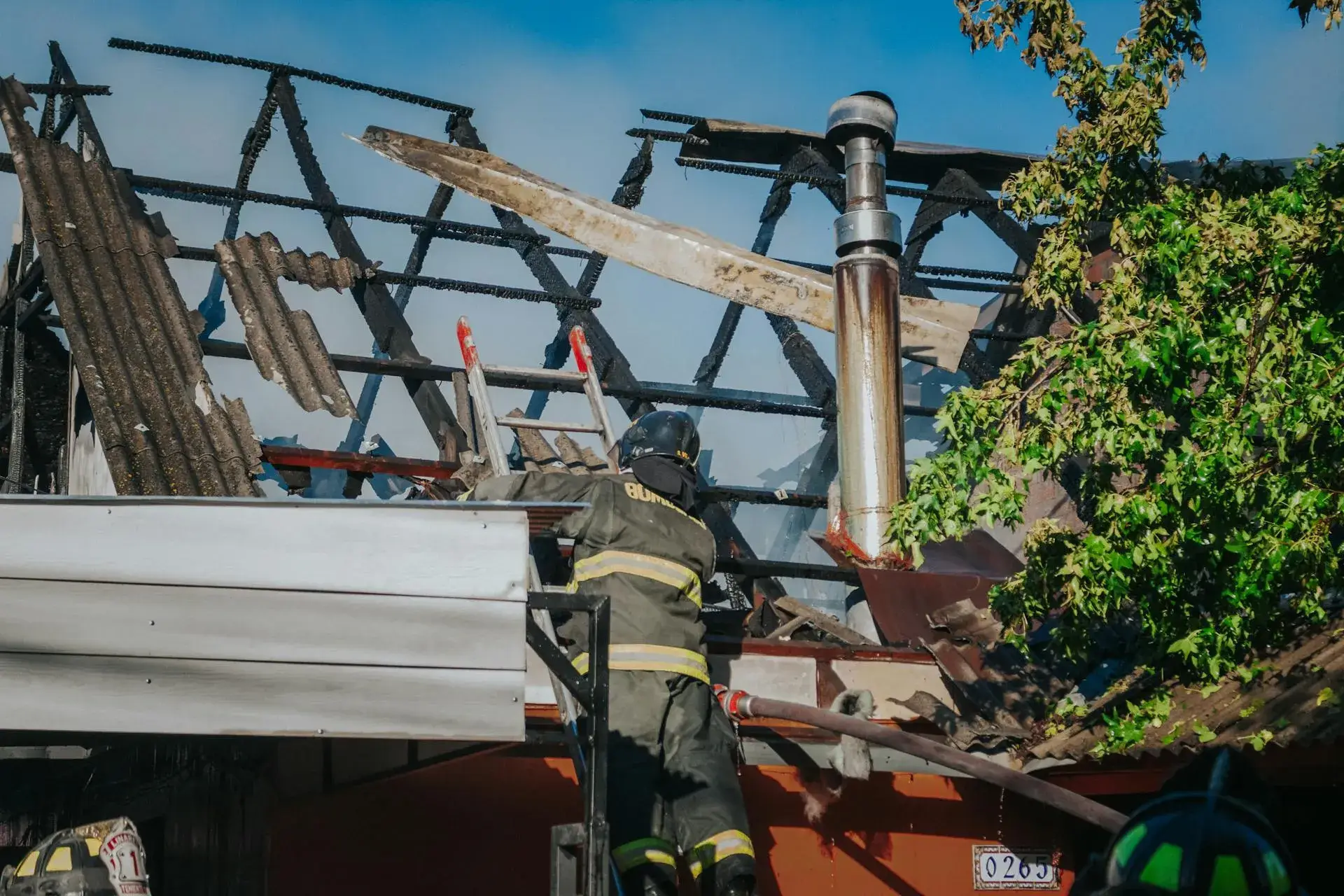
Fire Damage Restoration in Bolingbrook, IL
Fire damage worsens every hour as soot corrodes surfaces and smoke penetrates deeper into your home's structure. Our local team responds to Bolingbrook emergencies within 60 minutes.
What Happens When You Call
A real person answers, not a call center. We assess your situation, ask the right questions, and begin coordinating your response immediately.
Your dedicated restoration team is dispatched from our local base serving Bolingbrook and the surrounding Will County communities.
Team arrives with board-up materials, HEPA filtration, soot removal equipment, and structural assessment tools. Emergency stabilization begins immediately.
Property secured, immediate threats addressed, restoration plan documented. You know exactly what comes next.
A fire just tore through part of your home and you need someone who knows what to do next. Not a claims hotline, not a callback queue. X Response exists for exactly this moment. When you reach out, your restoration team is mobilized within minutes and on site within the hour. From that point forward, one team manages everything: stabilization, smoke removal, structural repair, and insurance documentation. You are never left guessing about the next step. Call now. Your team is standing by.
Why Bolingbrook Homes Are Vulnerable to Fire Damage
Bolingbrook is a village of 73,922 residents spanning Will and DuPage counties, Illinois, covering 24.6 square miles along the I-55 corridor southwest of Chicago. Incorporated in 1965, the village experienced explosive growth through the 1970s and 1980s as developers transformed northern Will County farmland and former wetlands into residential subdivisions. This rapid development created a large, relatively uniform housing stock of single-story ranch homes, split-levels, and two-story colonials built between 1965 and 1990. The Bolingbrook Fire Department operates from five stations with career firefighters providing 24-hour coverage across the village's 24.6 square miles. The department is a member of the Mutual Aid Box Alarm System (MABAS) and responds to more than 8,000 calls annually across this large service area. Despite five-station coverage, the village's geographic size means that mutual aid from Romeoville, Woodridge, Naperville, and Plainfield supplements local resources on confirmed working fires.
On May 2, 2025, a fire at the Heritage Woods senior living community on Kildeer Drive killed a 78-year-old resident and hospitalized three others. The Bolingbrook Fire Department responded at 6:55 p.m. to heavy fire conditions within a single residential unit. Crews contained the blaze to the apartment of origin, preventing it from spreading to neighboring units in the 102-apartment assisted living facility. Just months earlier, on January 4, 2024, an 85-year-old man died after a house fire on Bellflower Lane in which heavy fire consumed the basement and created holes in the first floor, complicating rescue access. Firefighters found the victim on the second floor and extracted him through a breached exterior wall. In May 2025, a fire at the Greenleaf apartment complex required fire department response, and in October 2024, a commercial dryer fire at an assisted living facility on Weber Road was largely contained by the sprinkler system before crews arrived. These incidents demonstrate the recurring fire risk across Bolingbrook's mix of single-family homes, apartment complexes, and senior living communities.
1960s-1980s Tract Housing and Fire Behavior
Bolingbrook's residential development occurred primarily between 1965 and 1990, creating thousands of homes with construction characteristics that influence fire behavior. The earliest homes, built in the mid-to-late 1960s, feature dimensional lumber framing with plywood or particle-board sheathing, asphalt shingle roofing, and minimal fire-stopping between wall cavities and attic spaces. Many of these homes were built with open floor plans or have been subsequently remodeled to remove interior walls, reducing the compartmentalization that slows fire spread. Attic spaces in ranch-style homes run continuously across the entire footprint without fire-separation walls, allowing a fire that enters the attic at any point to spread across the full structure. In two-story colonials common in 1980s subdivisions, balloon-frame or platform-frame wall cavities provide vertical pathways for fire to travel from lower floors to attic spaces. The vinyl siding that many homeowners installed as an exterior upgrade over original aluminum or hardboard melts rapidly during exterior fire exposure, providing minimal fire resistance and allowing flames to reach the structural sheathing beneath.
Basement Fire Risk in Split-Level and Ranch Construction
The January 2024 Bellflower Lane fire demonstrated a particularly dangerous scenario in Bolingbrook: a fire originating in the basement of a home with occupied upper floors. In ranch and split-level homes, basement fires burn beneath the living space and can compromise structural floor systems before occupants on upper levels are aware of the fire's severity. The Bellflower Lane incident created holes in the first floor through which fire and smoke vented into the living space, while the victim remained trapped on the second floor. Bolingbrook's 1960s and 1970s homes commonly have finished basements with wood paneling, drop ceilings, and carpet that provide fuel load in close proximity to mechanical equipment, electrical panels, stored materials, and laundry appliances. The concrete-block or poured-concrete foundation walls contain the fire horizontally but concentrate heat and gases upward through the only available path: the open stairwell, utility penetrations, and gaps between the floor system and foundation. By the time smoke detectors on upper floors activate, a basement fire may have already weakened the structural floor.
Multi-Family and Senior Living Fire Exposure
Bolingbrook contains a substantial inventory of apartment complexes, townhome developments, and senior living communities built during the village's growth decades. The May 2025 Heritage Woods fire on Kildeer Drive illustrates the unique risks in senior living environments: residents with limited mobility, cognitive impairment, or medical equipment dependencies face greater evacuation difficulty, and a fire in one unit threatens dozens of adjacent residents through shared corridors, HVAC systems, and structural connections. The October 2024 Weber Road facility fire was contained by the sprinkler system, which is exactly the designed function of those systems in licensed care facilities. In apartment complexes like Greenleaf, fires in one unit generate smoke exposure across multiple adjacent units through shared walls, attic spaces, and corridor systems even when fire crews successfully contain flames to the unit of origin. For homeowners in townhome-style developments throughout Bolingbrook, a fire in an attached neighbor's unit creates direct structural exposure through the party wall, requiring immediate assessment of fire, smoke, and water damage to the unburned unit.
Electrical Fire Risk in Aging Infrastructure
Homes built in Bolingbrook's earliest subdivisions during the mid-to-late 1960s were originally wired for electrical loads far below modern household demand. These homes were designed for a few lighting circuits, a range, and perhaps a window air conditioner. Over six decades, homeowners have added central air conditioning, multiple bathroom circuits, home offices, entertainment systems, kitchen appliance upgrades, and in some cases electric vehicle chargers to circuits never designed for those loads. Original wiring in the oldest Bolingbrook homes consists of early Romex with rubber insulation that becomes brittle and cracks after decades of heat cycling, creating potential arc faults at compromised connection points. Many homes have been partially rewired during kitchen or bathroom remodels, creating junctions between old and new wiring where resistance heating can develop. Federal Pacific Electric panels, known for failure to trip during overload conditions, remain installed in an unknown number of homes from this era that have not undergone panel replacements. Electrical fires in these aging systems often start inside wall cavities where they smolder undetected, building heat and extending along wiring paths before breaking through to visible flame.
Geographic Size and Fire Department Response
Bolingbrook's 24.6 square miles represent a significantly larger service area than typical inner-ring suburban fire departments cover. While five stations provide geographic distribution, a confirmed structure fire requiring interior attack, ventilation, search and rescue, water supply, and exposure protection simultaneously demands more apparatus and personnel than a single station's initial dispatch provides. The MABAS system ensures automatic mutual aid response from surrounding communities, but those additional units travel from their own stations, adding response time for resources beyond the first-arriving engine. The village's layout, with residential subdivisions separated by commercial corridors, the I-55 right-of-way, and the airport property, can create response time variations depending on the specific neighborhood. In the time between initial dispatch and full working-fire response, a fire in the concealed spaces of 1960s tract construction can extend beyond the room or compartment of origin. The department's five-station coverage model provides adequate initial response for most incidents, but structure fires in Bolingbrook's large single-family homes and multi-unit complexes routinely activate mutual aid to achieve the firefighter count needed for simultaneous attack and rescue operations.
These factors create a community where residential fire damage frequently extends beyond the ignition point. Tract-era construction with minimal fire-stopping, basement fires that compromise structural floors, multi-unit complexes with shared fire exposure, aging electrical systems carrying modern loads, and a large service area requiring mutual aid coordination all contribute to incidents where damage encompasses structural compromise, heavy smoke penetration, soot deposition throughout HVAC systems, and water damage from suppression across large portions of the home. Effective fire damage restoration in Bolingbrook requires a team that understands how 1960s-1980s construction behaves during and after a fire, where hidden damage accumulates in continuous attic spaces and unblocked wall cavities, and how to restore a property that may have smoke and water damage in areas untouched by flames.
What Happens to Your Home While You Wait
Within 1 Hour
Active flames are extinguished but damage continues progressing. Soot particles, which are acidic, begin etching metal surfaces, discoloring plastics, and bonding to painted walls and ceilings throughout the home. The longer soot remains on a surface, the more difficult and costly it becomes to remove without damaging the underlying finish. Water from fire suppression pools in basements and low-lying areas of Bolingbrook's homes, beginning its own damage cycle against the same vulnerable concrete and framing materials. Structural members heated during the fire may have lost load-bearing capacity without showing visible char. Windows and exterior openings broken during firefighting or ventilation leave the home exposed to weather and intrusion.
1–24 Hours
Acidic soot residue continues corroding metal fixtures, appliances, and electronics throughout the home. Smoke odor penetrates deeper into porous materials: upholstered furniture, carpet, drapery, clothing, and the paper facing of drywall. Humidity from suppression water combines with soot to form corrosive films on surfaces in rooms not directly damaged by flame. In Bolingbrook homes with forced-air HVAC systems, every room connected to the ductwork now contains soot deposits that worsen with each passing hour. Standing water from firefighting begins damaging flooring, subfloor materials, and lower wall sections. The combined fire-water damage trajectory accelerates when both processes proceed unchecked.
24–48 Hours
Permanent staining develops on surfaces where soot has been allowed to remain. Chrome and nickel fixtures pit and discolor irreversibly. Painted walls yellow and develop a sticky residue that standard cleaning cannot address. The boundary between salvageable and non-salvageable contents shifts dramatically: items that could have been professionally cleaned within the first day may now require replacement. Fire-suppression water that has pooled for over 24 hours creates secondary mold risk, particularly during warm months in Will County's humid climate. The home now experiences two concurrent damage processes: ongoing soot corrosion and active water damage from suppression.
48–72 Hours
Mold growth begins on wet materials in areas soaked by fire suppression water, especially in Bolingbrook basements where water from upper-floor firefighting drains downward and collects on the vulnerable concrete slab. Soot damage becomes increasingly permanent on porous surfaces. Structural wood that was charred or heated during the fire absorbs moisture from suppression water and humidity, accelerating deterioration at fire-weakened connections. Smoke odor saturates insulation in wall and attic cavities, making it impossible to deodorize without removal. The scope of necessary restoration continues expanding as secondary damage compounds the original fire loss.
One Week and Beyond
Corrosion damage to mechanical systems, electrical components, and metal surfaces becomes irreversible. Mold growth from suppression water establishes throughout affected areas. Structural members show accelerated decay where fire damage and moisture intersect. Smoke odor has permeated every porous material in the home, including framing lumber, subfloor sheathing, and concrete surfaces. The cost difference between restoration performed within the first 24 hours and restoration attempted after a week can be measured in tens of thousands of dollars in additional materials, labor, and contents replacement.
Every hour of delay after a fire increases the permanent damage to your home and belongings. Contact X Response now. Our Bolingbrook team responds within 60 minutes to begin stabilization and prevent secondary damage from compounding your loss.
How We Restore Fire-Damaged Bolingbrook Homes
From the moment our team arrives, every step is documented, measured, and verified. Here is exactly what the fire damage restoration process involves for Bolingbrook properties.
Emergency Stabilization and Board-Up
Our team secures the property immediately. Broken windows, compromised roofing, and openings created during firefighting or ventilation are boarded and tarped to prevent weather exposure, unauthorized entry, and further deterioration. In Bolingbrook homes where basement or attic fires have compromised floor or roof assemblies, stabilization includes temporary structural shoring to prevent collapse of weakened framing above or below. We assess whether the structure is safe for interior work and identify any immediate hazards including weakened floors, hanging debris, exposed electrical, or gas leaks. The property is secured against both the elements and the secondary damage that begins the moment a fire-damaged structure is left open and unprotected.
Damage Assessment and Scope Documentation
Once the property is stabilized, our team conducts a comprehensive assessment of fire, smoke, soot, and water damage throughout the structure. We identify the fire's point of origin and trace the path of flame spread, smoke travel, and suppression-water flow to map every affected area. In Bolingbrook's ranch and split-level homes, this means inspecting continuous attic spaces for hidden fire extension, checking wall cavities for vertical travel between levels, assessing electrical systems for heat damage, and documenting smoke penetration into ductwork and concealed spaces. Thermal imaging helps identify hot spots and hidden moisture from suppression water. Every finding is documented with photos, measurements, and a detailed scope of work that forms the foundation of your insurance claim.
Smoke and Soot Removal
Soot removal begins as soon as possible to prevent permanent surface damage. We use specialized techniques matched to each surface type: dry sponging for painted walls before wet cleaning, HEPA vacuuming for upholstery and textiles, chemical sponges for delicate finishes, and alkaline cleaners for heavy protein-based soot deposits from kitchen fires. Every surface in the smoke path receives attention, including walls, ceilings, trim, light fixtures, cabinet interiors, and closet contents in rooms far from the fire origin. HVAC ductwork is cleaned or replaced depending on the severity of smoke contamination. In Bolingbrook homes where the forced-air system distributed combustion products through the continuous ductwork into every room, comprehensive duct cleaning is essential to prevent re-contaminating cleaned spaces when the system operates.
Structural Repair and Reconstruction
Fire-damaged structural elements are removed and replaced to restore the home's integrity and safety. In Bolingbrook homes where attic or basement fires have burned through trusses, rafters, floor joists, or sheathing, we rebuild these assemblies to current code standards, often improving fire separation in the process. Charred framing that has lost structural capacity is sistered or replaced. Fire-damaged electrical wiring is removed and replaced by licensed electricians, with panel upgrades when the scope of work triggers code requirements under Village of Bolingbrook building regulations. Insulation contaminated by smoke is removed and replaced. The goal is to return the structure to pre-loss condition or better, meeting current building codes where the scope of work triggers code-upgrade requirements.
Deodorization and Air Quality Restoration
Smoke odor is the last element to resolve and requires targeted treatment beyond surface cleaning. We deploy thermal fogging, ozone generation, and hydroxyl generators depending on the severity and type of smoke odor present. In Bolingbrook homes with forced-air HVAC systems, we treat the entire duct system and mechanical closet to eliminate residual odor sources. Wall cavities, attic insulation, and subfloor assemblies that absorbed smoke during the fire receive direct treatment or removal if saturation exceeds what deodorization can resolve. Air quality testing confirms that particulate levels and odor concentrations have returned to acceptable levels before we consider the project complete. The standard is a home that smells and tests clean, not one that merely looks clean while retaining embedded smoke residue in concealed spaces.
The X Response Difference
When you contact X Response after a fire, you get a dedicated restoration team that manages the full scope of recovery: stabilization, soot removal, structural repair, contents restoration, deodorization, and insurance documentation. One team, one point of contact, one standard of work from start to finish.
Insurance Claim Guidance for Bolingbrook Homeowners
Fire damage is generally covered under standard Illinois homeowner's insurance policies as a named peril. Your policy should cover structural damage, smoke and soot damage throughout the home, water damage from fire suppression, contents loss and damage, and additional living expenses if the home is uninhabitable during restoration. However, claims become complex when multiple damage types overlap, when hidden damage in walls and attics expands the scope beyond initial estimates, or when the fire origin raises subrogation questions. In Bolingbrook, where structure fires frequently extend through continuous attic spaces, penetrate wall cavities across multiple rooms, and create suppression-water damage in basements below, the total scope of a fire loss often exceeds initial appearances significantly. Thorough documentation from the first hour is essential to support the full extent of your claim.
How X Response Helps
- Document all damage immediately with professional photos, thermal imaging, and a comprehensive scope of work
- Identify and document every affected area, including smoke and soot penetration in rooms distant from the fire origin and water damage from suppression in basements
- Separate fire, smoke, and water damage into distinct categories for clear insurance processing
- Provide your adjuster with evidence of hidden damage in wall cavities, attic spaces, and HVAC systems that may not be visible during initial inspection
- Track additional living expenses from day one if displacement is necessary during restoration
X Response does not file claims on your behalf, adjust claims, or make coverage determinations. We provide documentation and guidance to help you make informed decisions about your property and your policy. Coverage decisions are made solely by your insurance carrier.
Certified Restoration Specialists Serving Bolingbrook
When you contact X Response for fire damage restoration in Bolingbrook, your team is drawn from certified professionals who work across Will County and understand the specific challenges of restoring properties in this community. They know how 1960s-1980s tract construction behaves during a fire, where fire extends through continuous attic spaces and unblocked wall cavities in ranch and split-level homes, how basement fires compromise floor systems above, and how suppression water interacts with the high water table and clay soils that make Bolingbrook basements particularly vulnerable to secondary water damage. They have worked through attic fires in single-story ranches, basement fires in split-levels, kitchen fires in remodeled open-concept homes, and multi-unit incidents in apartment complexes. This is not a crew dispatched from hours away with no local context. It is a local team with local expertise, operating under national quality standards.
Every technician on your team holds current IICRC certification in fire and smoke restoration and carries the appropriate Illinois state licensing for the work being performed. Equipment includes board-up materials, structural shoring, HEPA filtration systems, professional soot-removal tools, thermal fogging equipment, ozone generators, hydroxyl generators, commercial dehumidifiers for suppression-water drying, and thermal imaging cameras for identifying hidden damage. When your team arrives, they bring everything needed to begin stabilization and restoration immediately.
In Bolingbrook, X Response works with Scene Cleaners, an independent local restoration partner serving Will County.
Fire Damage Restoration FAQ for Bolingbrook Homeowners
Other Emergency Services in Bolingbrook
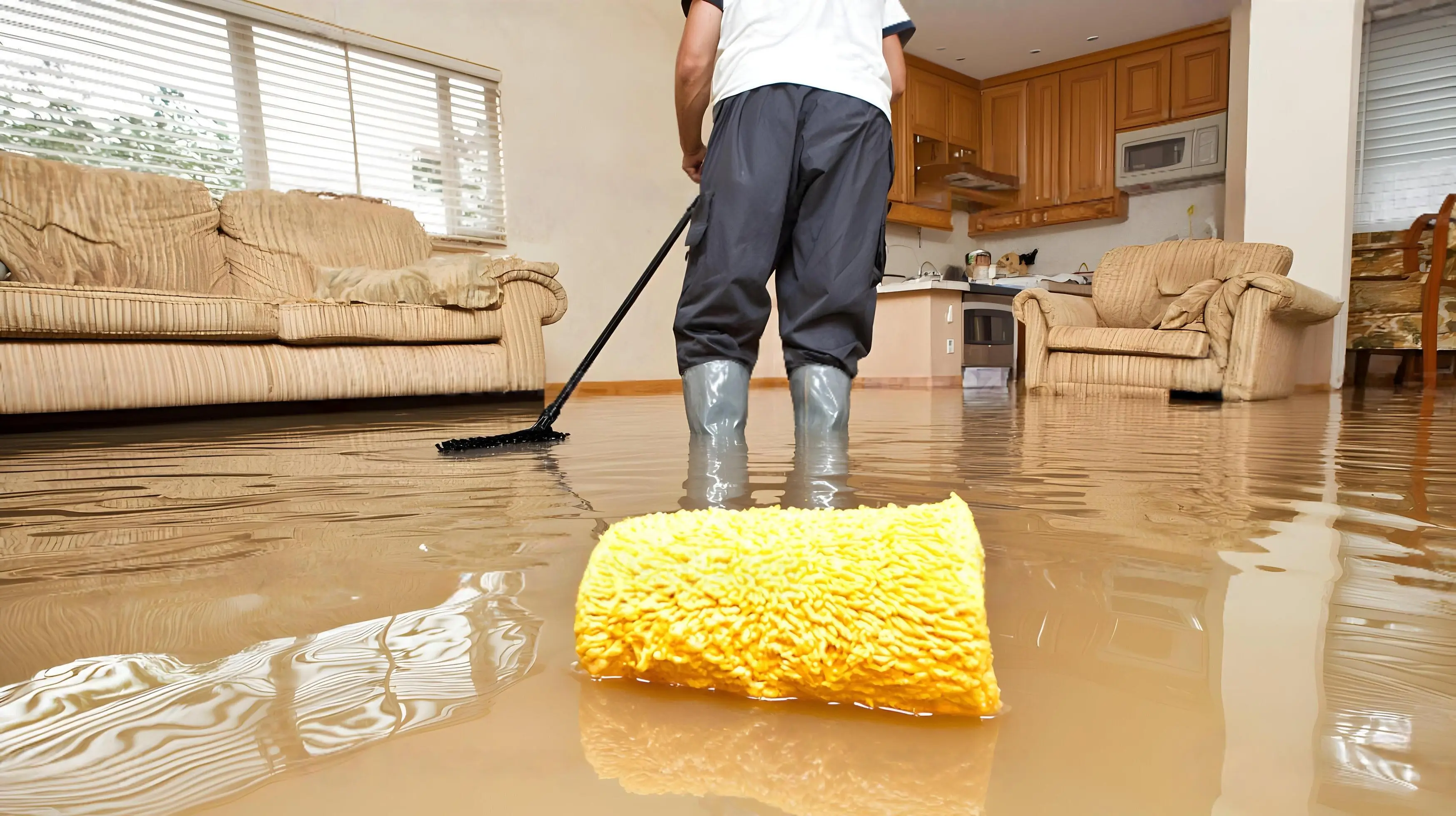
Water Damage Restoration
Burst pipes, storm flooding, standing water. We extract, dry, and restore before mold sets in.
Learn more
Smoke Damage Restoration
Soot residue, chemical odors, HVAC contamination. We decontaminate surfaces, eliminate odors, and restore air quality.
Learn more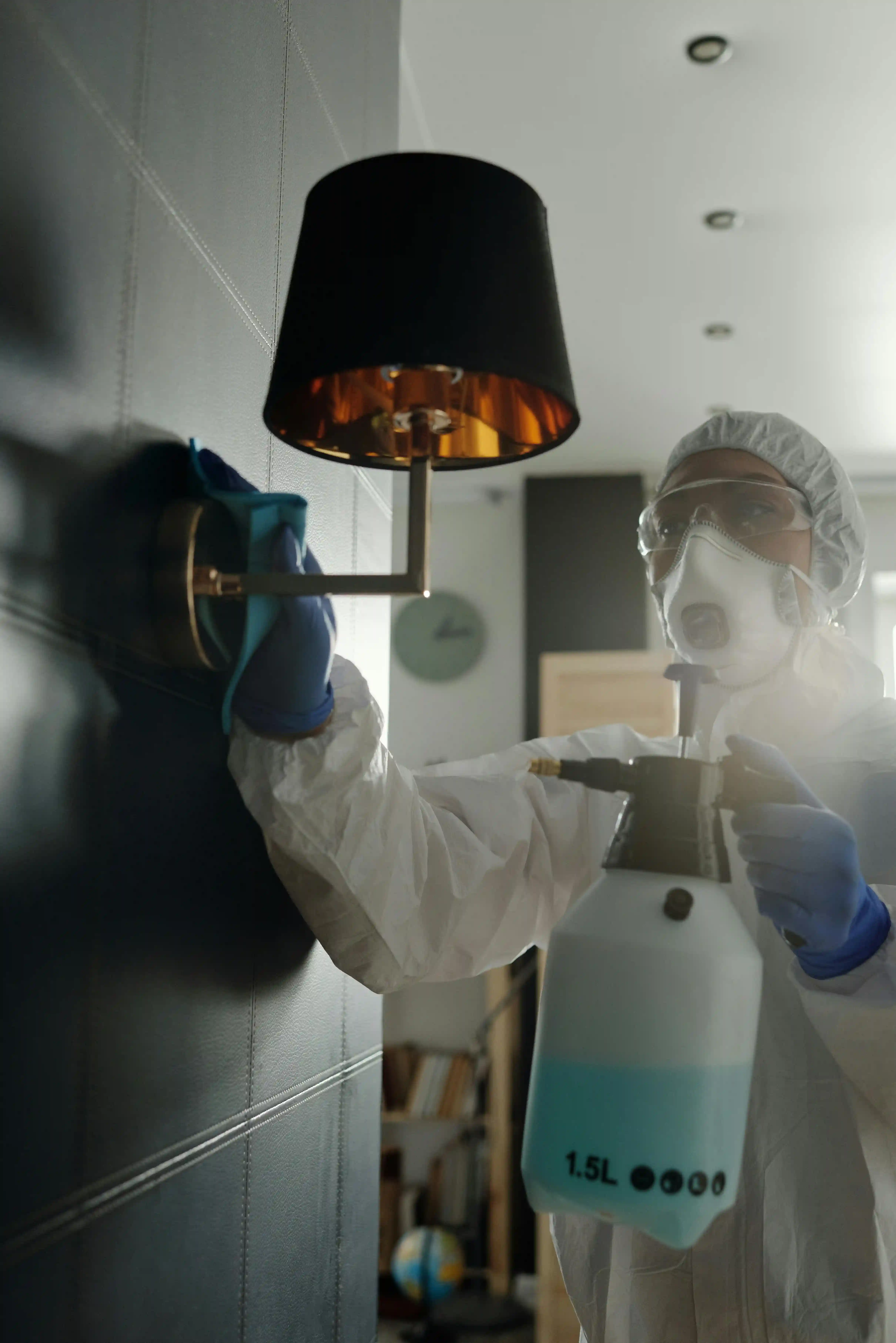
Mold Remediation
Testing, containment, removal, prevention. We find the source, eliminate the growth, and stop it from returning.
Learn more
Sewage Cleanup
Sewer backups, contaminated water, biohazard. We extract, sanitize, and restore safely.
Learn more