
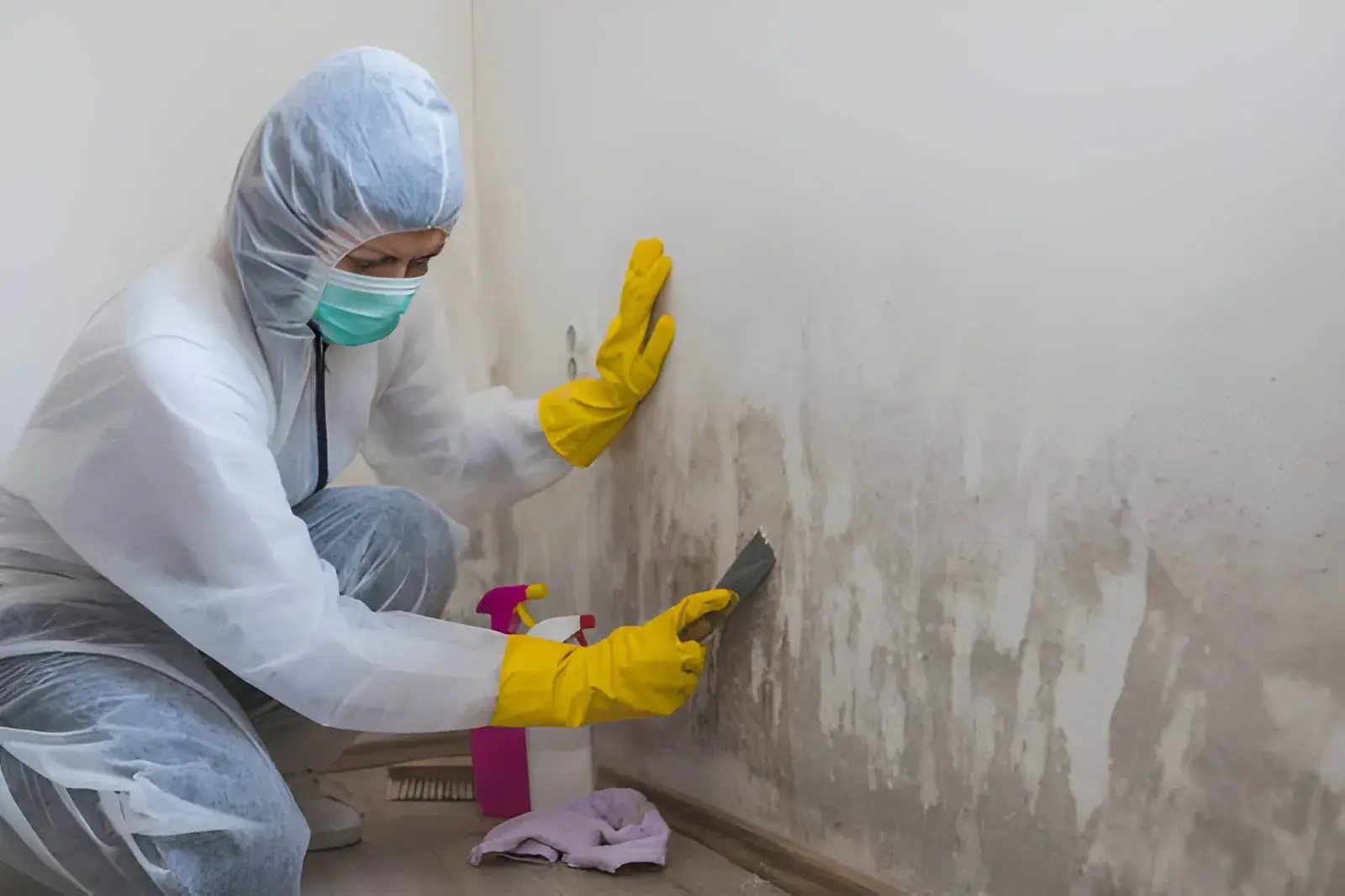
Mold Remediation in Plainfield, IL
Mold colonies double in size every 24 to 48 hours in favorable conditions. The longer you wait, the larger the affected area and the higher the remediation cost. Our local team responds to Plainfield emergencies within 60 minutes.
What Happens When You Call
A real person answers, not a call center. We assess your situation, ask the right questions, and begin coordinating your response immediately.
Your dedicated remediation team is dispatched from our local base serving Plainfield and the surrounding Will County communities.
Team arrives with moisture meters, containment materials, HEPA filtration, and PPE. Assessment begins immediately to determine the scope and moisture source.
Source identified, containment established, remediation plan documented. You know exactly what comes next.
You found mold in your home and you need it handled correctly, not by someone who will spray bleach on visible growth and call it done. X Response exists for exactly this moment. When you reach out, your remediation team is mobilized within minutes and on site within the hour. From that point forward, one team manages everything: assessment, containment, removal, moisture elimination, and post-remediation verification. You are never left guessing about the next step. Call now. Your team is standing by.
Why Plainfield Homes Are Vulnerable to Mold
Plainfield is a village of approximately 46,700 residents in Will County, Illinois, located 35 miles southwest of downtown Chicago along the DuPage River. The village grew from 4,500 residents in 1990 to nearly 45,000 by the 2020 Census, with the overwhelming majority of its housing stock built during that 30-year growth window. This rapid development transformed thousands of acres of Will County farmland into residential subdivisions, each with homes featuring poured-concrete basements, interior drain tile systems, and mechanical sump pumps designed to manage the persistent groundwater pressure created by the region's low-permeability glacial-till clay soils. The DuPage River flows through the center of Plainfield, and the village sits within the DuPage River watershed where the Will County Stormwater Management Planning Committee has documented recurring flood events and ongoing challenges managing water across approximately 900,000 residents in 40 communities. Illinois does not require a state license for mold remediation, meaning homeowners must rely on industry certifications such as IICRC S520 and AMRT to verify that the company they hire follows recognized standards for safe mold removal.
Will County soils in the Plainfield area consist primarily of glacial-till clay with extremely low permeability, requiring virtually every home built during the village's 1990-to-2020 growth period to depend on mechanical sump pump systems to manage hydrostatic pressure against basement foundations. When these systems fail, whether from power outages during storms, mechanical wear after 15 to 20 years of continuous duty, or float-switch malfunctions, groundwater enters the basement through floor-slab joints, cold joints in poured walls, and penetrations for utility lines. Even brief flooding events that are resolved within hours leave residual moisture trapped behind finished basement walls, beneath floating floors, and in the gap between concrete and framing, creating the sustained elevated humidity that mold requires to colonize. The combination of clay soils that hold water against foundations indefinitely, finished basements with concealed cavities, and a housing stock age where original sump pumps are reaching end-of-life creates a community-wide mold vulnerability that is structural rather than incidental.
Clay Soils, Hydrostatic Pressure, and Chronic Foundation Moisture
The glacial-till clay soils beneath Plainfield have infiltration rates measured in fractions of an inch per hour, meaning that rainfall and snowmelt do not drain through the soil profile but instead pool at the surface and saturate the upper soil layers surrounding home foundations. This creates persistent hydrostatic pressure against basement walls and floor slabs, especially during spring snowmelt and after heavy summer storms when the entire soil column is saturated. In poured-concrete basements, water finds entry through shrinkage cracks in walls, cold joints where the wall meets the footing, the joint between the floor slab and the wall, and any penetration for plumbing, electrical, or HVAC lines. Even when no visible water enters the basement, moisture migrates through concrete by capillary action and vapor transmission, elevating relative humidity in the basement space above the 60 percent threshold where mold growth becomes viable. Homes with finished basements where framing is placed directly against concrete walls without a drainage or vapor barrier create concealed spaces where moisture accumulates between the concrete and the drywall, providing ideal conditions for hidden mold colonization that can grow for months before producing visible signs or noticeable musty odor in the living space.
Sump Pump Dependence and Failure-Driven Mold Events
Virtually every home in Plainfield built since 1990 relies on one or more sump pumps running continuously to manage groundwater collected by the interior drain tile system. These pumps cycle multiple times per hour during wet seasons, running tens of thousands of cycles per year. Standard residential sump pumps have a mechanical lifespan of 7 to 10 years, meaning homes built during Plainfield's growth boom have already required one or two pump replacements, and those that have not been replaced are operating on borrowed time. When a sump pump fails, the drain tile system backs up, and water enters the basement from below through the sump pit and through every joint in the floor slab where the saturated soil can push water through. A nighttime failure during a storm can flood a finished basement with several inches of water before the homeowner wakes. Even when the flood is discovered quickly and water is removed within hours, residual moisture trapped behind finished walls, beneath engineered flooring, and in carpet padding creates the sustained humidity conditions that produce mold colonization within 24 to 48 hours during warm months. Many Plainfield homeowners do not realize mold is growing behind their basement walls until months after a sump pump event, when musty odor or visible growth at the base of walls reveals the hidden problem.
Finished Basements as Concealed Mold Environments
Plainfield's subdivision homes were marketed and sold with finished basements or basement-ready framing, and homeowners have invested heavily in converting these spaces into family rooms, home theaters, bedrooms, and home offices. A typical finished basement in Plainfield features 2x4 framed walls set against poured-concrete foundation walls, insulated with fiberglass batts or foam board, covered with drywall, and finished with paint or wallpaper. The floor is typically carpet over pad on concrete, engineered hardwood on a foam underlayment, or luxury vinyl plank with underlayment. These finishes create a concealed cavity between the concrete and the living space where moisture, mold, and musty air can accumulate without any visible indication in the room. Mold growing on the back side of drywall, on the paper facing pressed against damp concrete, or on the bottom plate of the framing where it contacts the slab can colonize an entire wall before a single spot appears on the finished side. When homeowners eventually notice the problem, it is typically through persistent musty odor that does not respond to cleaning, allergic reactions that worsen in the basement, or visible growth at the base of walls where moisture finally wicks through to the surface.
Seasonal Humidity Cycles and Summer Condensation
Plainfield experiences significant seasonal humidity variation that creates condensation conditions in basements during summer months. Concrete basement walls and floor slabs maintain temperatures of 55 to 60 degrees Fahrenheit year-round because they are in contact with the ground below the frost line. When warm, humid summer air, often carrying 70 to 80 percent relative humidity, enters the basement through open windows, stairwells, or the HVAC system, it contacts these cool concrete surfaces and condenses. The condensation is often invisible because it occurs on the backside of finished walls, on the concrete surface behind insulation, and beneath flooring systems, but it raises the humidity in concealed cavities to levels that support aggressive mold growth. Homeowners who open basement windows during summer to ventilate are actually introducing the moisture-laden outdoor air that creates the problem. The correct approach is keeping basements sealed and running dehumidification equipment during summer months, but many Plainfield homeowners do not learn this until after a mold problem has already developed.
No Illinois State Mold License and the Certification Gap
Illinois does not require a state license for mold remediation, meaning there is no regulatory barrier to entry for companies offering mold services. Any general contractor, cleaning company, or handyman can advertise mold remediation without demonstrating competency in containment protocols, HEPA filtration, negative air pressure management, proper disposal procedures, or post-remediation verification. The industry standard for mold remediation is the IICRC S520 Standard for Professional Mold Remediation, which establishes protocols for assessment, containment, removal, cleaning, and verification. The AMRT (Applied Microbial Remediation Technician) certification demonstrates that individual technicians have been trained in these protocols. In a community like Plainfield where mold problems are common due to the soil and construction conditions described above, the absence of state licensing means homeowners must verify credentials independently. Companies that perform remediation without proper containment risk spreading mold spores throughout the home, turning a localized problem into whole-home contamination. Companies that skip post-remediation verification leave homeowners with no assurance that the problem was actually resolved rather than merely concealed.
These factors create a community where mold is not an occasional problem but a predictable consequence of the interaction between clay soils, hydrostatic groundwater pressure, sump-dependent waterproofing, finished basements with concealed cavities, seasonal condensation dynamics, and a regulatory environment with no licensing requirements. Effective mold remediation in Plainfield requires identifying the moisture source driving the growth, establishing proper containment to prevent cross-contamination, removing affected materials following IICRC S520 protocols, eliminating the moisture condition permanently, and verifying results with post-remediation testing, because killing visible mold without resolving the water source guarantees recurrence within weeks.
What Happens to Your Home While You Wait
Within 24 Hours of Moisture Exposure
Mold spores, which are present in virtually all indoor environments at baseline levels, begin germinating on wet surfaces when relative humidity exceeds 60 percent and temperatures are above 50 degrees Fahrenheit. In Plainfield basements where a sump pump failure, plumbing leak, or condensation event has created sustained moisture on organic surfaces like drywall paper facing, wood framing, carpet backing, and cardboard storage, the 24-hour mark represents the beginning of active colonization. At this stage, no visible growth is present and no musty odor has developed. The problem is entirely hidden and can only be detected with professional moisture meters and hygrometers that identify the elevated humidity conditions preceding visible growth.
24–72 Hours
Active mold colonies establish on the wettest surfaces: the back side of drywall pressed against damp concrete, the bottom plate of framing sitting on the slab, carpet padding holding residual moisture against the concrete floor. Colonies are microscopically visible but not yet detectable by the naked eye. Musty volatile organic compounds begin accumulating in the closed basement environment but may not yet be noticeable to occupants. In Plainfield finished basements where these surfaces are concealed behind walls and beneath floors, the colonization proceeds entirely out of sight.
3–7 Days
Colonies become visible as fuzzy white, green, gray, or black patches on affected surfaces. Musty odor becomes noticeable in the basement space. Spore counts in the ambient air begin rising above outdoor baseline levels. In finished basements, growth is typically still concealed behind walls, but the odor penetrating through drywall joints and electrical outlets signals the problem. Occupants with mold sensitivity or respiratory conditions may begin experiencing symptoms: congestion, headache, eye irritation, or worsening asthma. The affected area is still relatively contained at this point, typically limited to surfaces that experienced direct moisture contact.
1–4 Weeks
Mold colonies expand across all organic surfaces within the moisture zone, consuming drywall paper facing, wood framing, carpet backing, and any stored materials in contact with damp surfaces. Elevated spore counts in the air distribute mold to adjacent areas through air movement and HVAC circulation. What began as a localized growth on one wall section has spread to adjacent studs, along the bottom plate, and potentially into adjacent rooms through shared wall cavities. The remediation scope now includes multiple wall sections, possibly ceiling areas if moisture wicked upward, and HVAC decontamination if spores entered the air handling system.
One Month and Beyond
Extensive colonization throughout connected wall cavities, beneath flooring systems, and potentially on structural wood members. The remediation scope now involves significant demolition of finished materials, structural assessment of affected wood, HVAC system cleaning, and comprehensive post-remediation verification to confirm clearance. Spore counts throughout the home may be elevated above outdoor baselines, indicating that the contamination has spread beyond the original moisture zone through air pathways. Total remediation cost at this stage frequently exceeds the cost of early intervention by a factor of three to five, because the affected area has expanded from a single wall section to an entire basement level.
The difference between treating a localized mold problem and remediating an entire basement is often just a few days of response time. Contact X Response now. Our Plainfield team responds within 60 minutes.
How We Restore Mold-Affected Plainfield Homes
From the moment our team arrives, every step is documented, measured, and verified. Here is exactly what the mold remediation process involves for Plainfield properties.
Assessment and Moisture Source Identification
Our team arrives with professional moisture meters, thermal imaging cameras, and hygrometers to map the full extent of elevated moisture and identify the source driving mold growth. In Plainfield homes, that means checking sump pump function and run frequency, measuring moisture content in finished walls at multiple heights, inspecting behind baseboards and at floor-wall junctions, checking HVAC components for condensation, and measuring relative humidity in concealed cavities using invasive probes through small access points. We identify whether the moisture source is a failed sump pump, ongoing hydrostatic pressure through the foundation, a plumbing leak, condensation from summer humidity on cool basement surfaces, or residual moisture from a past flooding event that was never fully dried. The moisture source must be identified and resolved before remediation begins, because removing mold without eliminating the water condition guarantees recurrence.
Containment and Negative Air Pressure
Before any mold is disturbed, we establish physical containment around the affected area using polyethylene sheeting sealed to walls, floor, and ceiling with tape and adhesive. A HEPA-filtered negative air machine creates negative pressure inside the containment zone, ensuring that any spores released during removal are captured by filtration rather than escaping into the rest of the home. In Plainfield finished basements where HVAC supply and return registers are present in the affected area, we seal all duct openings within the containment zone and verify that the HVAC system will not redistribute contaminated air during the remediation process. The containment remains in place throughout the entire removal and cleaning phase and is not dismantled until post-remediation air testing confirms spore levels have returned to acceptable thresholds.
Mold Removal and Material Disposal
Affected materials are removed following IICRC S520 protocols. Porous materials that cannot be adequately cleaned, including drywall, insulation, carpet, carpet padding, and paper-faced materials with visible growth, are cut out, bagged within the containment zone, and disposed of as contaminated waste. Non-porous and semi-porous materials like concrete, wood framing, and metal are cleaned with appropriate antimicrobial solutions and HEPA-vacuumed to remove residual spore deposits. Wood framing is assessed for structural integrity; if mold has consumed the wood beyond surface colonization, affected members are replaced. In Plainfield finished basements where mold has grown behind walls, we remove drywall to a height of at least 12 inches above the highest visible growth to ensure no hidden colonization remains above the demolition line. All removed materials exit the containment through sealed poly bags to prevent spore release into clean areas of the home.
Moisture Elimination and Source Correction
With mold removed, we address the moisture source permanently so the problem does not recur. For Plainfield homes where the source is hydrostatic pressure through clay soils, that may mean sump pump replacement or upgrade, battery backup installation, drain tile inspection and repair, interior drainage improvements, or vapor barrier installation between concrete and any new finished materials. For condensation-driven problems, we recommend properly sized dehumidification, sealing of basement spaces from outdoor air, and insulation strategies that prevent warm air from contacting cool concrete surfaces. We dry the exposed structure to verified dry standards before any new materials are installed, ensuring that residual moisture in concrete and framing does not create immediate mold conditions behind new finishes.
Post-Remediation Verification
After the space is dried and treated, we conduct a post-remediation verification to confirm success. This includes visual inspection under adequate lighting to confirm no visible growth remains on any surface, moisture readings to confirm the structure has dried to acceptable levels, and ambient air quality assessment comparing spore counts inside the remediated space to outdoor baseline levels. The remediation passes when visible growth is absent, moisture levels are within normal range, and indoor spore counts are at or below outdoor levels. We provide written documentation of the verification results, the scope of work completed, and recommendations for ongoing moisture management to prevent recurrence. This documentation serves both your records and any future real estate transaction where mold history disclosure is required under Illinois law.
The X Response Difference
When you contact X Response, you get a certified remediation team that manages everything, from moisture source identification through containment and removal to post-remediation verification. One team, one standard of work, one verified outcome.
Insurance Claim Guidance for Plainfield Homeowners
Mold remediation insurance coverage in Illinois depends on what caused the mold. If mold results from a covered water damage event, such as a burst pipe, failed appliance, or sump pump failure (with the appropriate endorsement), the remediation is typically covered as part of the water damage claim. However, most Illinois homeowner's policies explicitly exclude mold that results from long-term moisture conditions, deferred maintenance, or gradual water intrusion. In Plainfield, where mold commonly develops from chronic hydrostatic pressure through clay soils, condensation on cool basement surfaces, or slow foundation seepage that goes undetected behind finished walls, carriers often deny coverage on the grounds that the condition developed gradually rather than from a sudden event. Policies that do cover mold typically cap the benefit at $5,000 to $25,000, which may not cover a significant basement remediation in a finished space. The timing of your claim matters: mold discovered immediately after a documented water event (burst pipe, sump failure) has a clear causal link to a covered peril. Mold discovered months later with no documented triggering event faces coverage challenges regardless of the actual cause.
How X Response Helps
- Document the water event that preceded mold growth with photos, moisture readings, and timeline to establish the causal link to a covered peril
- Report mold to your carrier promptly once discovered, as delayed reporting can jeopardize coverage even for otherwise-covered events
- Provide detailed scope of work separating water damage restoration, mold remediation, and moisture-source correction into categories your adjuster can evaluate
- Document post-remediation verification results to demonstrate the problem has been resolved and the claim is complete
- If coverage is limited or denied, provide clear cost documentation for out-of-pocket remediation to support potential appeals or alternative coverage paths
X Response does not file claims on your behalf, adjust claims, or make coverage determinations. We provide documentation and guidance to help you make informed decisions about your property and your policy. Coverage decisions are made solely by your insurance carrier.
Certified Restoration Specialists Serving Plainfield
When you contact X Response for mold remediation in Plainfield, your team is drawn from certified professionals who work across Will County's southwestern Chicago suburbs and understand the specific mold conditions in this community. They know how clay soils create persistent hydrostatic pressure against Plainfield foundations, how sump pump failures produce the moisture events that trigger basement mold growth, how finished basements with concealed wall cavities harbor hidden colonization for months before visible signs appear, and how seasonal condensation dynamics create recurring humidity conditions behind walls and beneath floors. They have remediated mold from sump pump failures in 1990s subdivisions, from condensation in finished basements with inadequate dehumidification, from slow plumbing leaks behind walls, and from post-flood conditions where initial water damage restoration did not fully dry concealed cavities. This is not a crew dispatched from hours away with no local context. It is a local team with local expertise, operating under national quality standards.
Every technician on your team holds current IICRC AMRT (Applied Microbial Remediation Technician) certification and follows IICRC S520 protocols for every project regardless of size. Illinois does not require a state mold license, which means certification is the only assurance that your remediation will follow recognized industry standards for containment, removal, and verification. When your team arrives, they bring everything needed to begin assessment immediately, including professional moisture meters and thermal imaging to map hidden moisture, poly sheeting and tape for containment construction, HEPA-filtered negative air machines, personal protective equipment rated for mold remediation, EPA-registered antimicrobial agents, and commercial dehumidification equipment for post-remediation drying.
In Plainfield, X Response works with Scene Cleaners, an independent local restoration partner serving Will County.
Mold Remediation FAQ for Plainfield Homeowners
Other Emergency Services in Plainfield
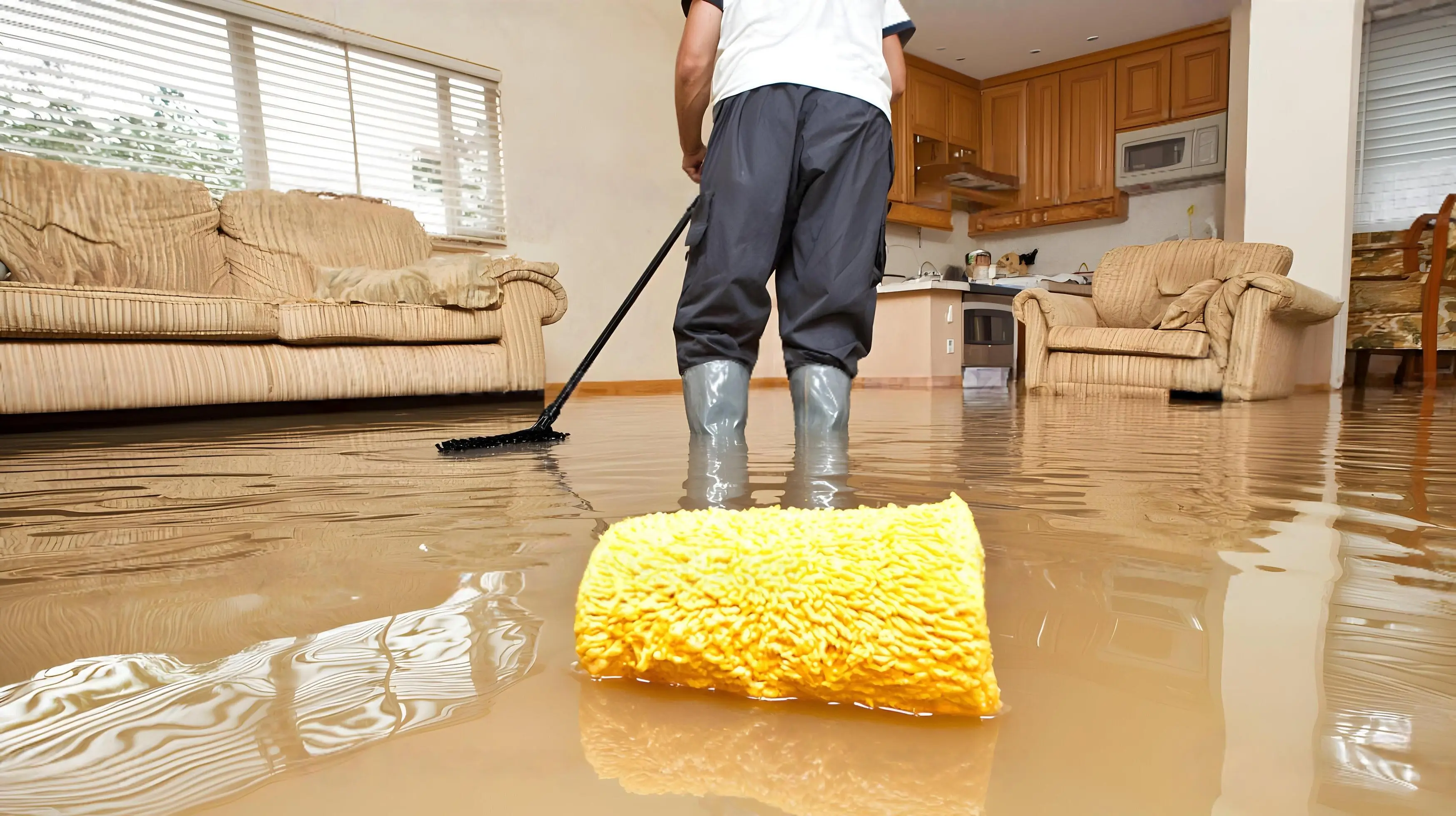
Water Damage Restoration
Burst pipes, storm flooding, standing water. We extract, dry, and restore before mold sets in.
Learn more
Fire Damage Restoration
Structural damage, soot, debris. We stabilize, clean, and rebuild what fire destroyed.
Learn more
Smoke Damage Restoration
Soot residue, chemical odors, HVAC contamination. We decontaminate surfaces, eliminate odors, and restore air quality.
Learn more
Sewage Cleanup
Sewer backups, contaminated water, biohazard. We extract, sanitize, and restore safely.
Learn more