
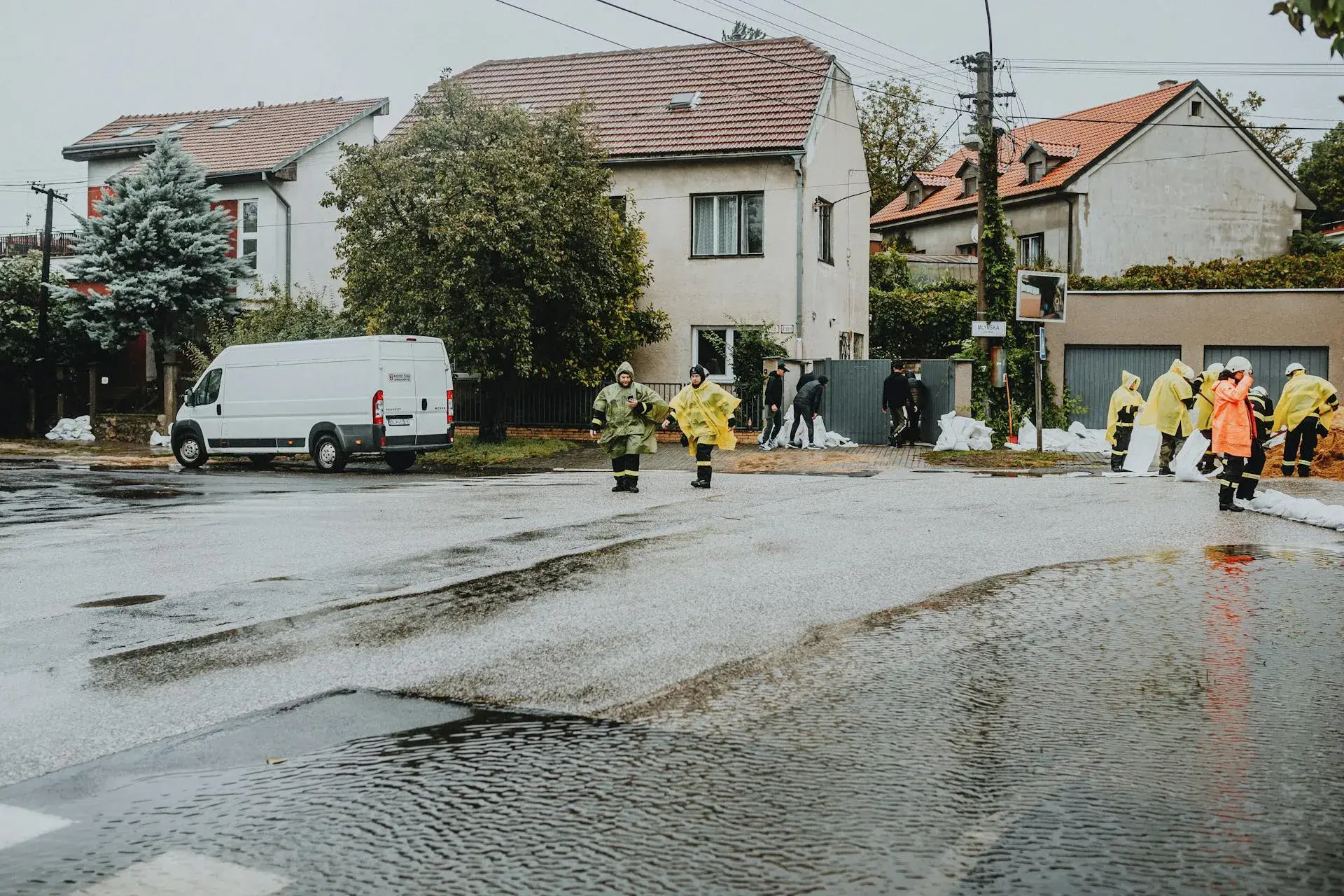
Sewage Cleanup in Plainfield, IL
Sewage in your home is a biohazard that threatens your family's health every minute it remains. Our local team responds to Plainfield emergencies within 60 minutes with Category 3 contamination protocols.
What Happens When You Call
A real person answers, not a call center. We assess your situation, ask the right questions, and begin coordinating your response immediately.
Your dedicated restoration team is dispatched from our local base serving Plainfield and the surrounding Will County communities.
Team arrives with submersible pumps, PPE rated for biohazard exposure, EPA-registered disinfectants, and HEPA filtration. Category 3 extraction and decontamination begins immediately.
Sewage extracted, contaminated materials removed, decontamination applied, drying plan established. You know exactly what comes next.
Sewage is in your home and it needs to be removed immediately. This is not a cleanup you can handle with a mop and disinfectant. Raw sewage carries bacteria, viruses, parasites, and chemical contaminants that make every surface it contacts a biohazard requiring professional-grade decontamination. X Response exists for exactly this moment. When you reach out, your restoration team is mobilized within minutes and on site within the hour with Category 3 contamination protocols. From that point forward, one team manages everything: extraction, decontamination, material removal, structural drying, and documentation. You are never left guessing about the next step. Call now. Your team is standing by.
Why Plainfield Homes Are Vulnerable to Sewage
Plainfield is a village of approximately 46,700 residents in Will County, Illinois, located 35 miles southwest of downtown Chicago along the DuPage River. Unlike the older northern suburbs of Chicago that operate combined sewer systems where stormwater and sanitary sewage share a single pipe network, Plainfield's wastewater infrastructure is a separated system: sanitary sewers carry household waste to the village's wastewater treatment facility, while a separate storm sewer system handles rainfall runoff. This separated design prevents the type of combined sewer overflow backups common in older communities during heavy rain, but it does not eliminate sewage backup risk. In Plainfield, sewage enters homes through different mechanisms: blockages in the sanitary lateral connecting the home to the main, root intrusion in older sewer lines, capacity constraints during peak-flow conditions in the collection system, and mechanical failures at lift stations that serve subdivisions built below the gravity-flow grade of the trunk sewers.
In 2008, the Village of Plainfield broke ground on a Phase II wastewater treatment improvement project to increase capacity from 4.3 million gallons per day to 7.5 million gallons per day, addressing infrastructure strain from the village's growth from 4,500 residents in 1990 to more than 40,000 by the mid-2000s. By 1999, the existing plant was already at 92 percent capacity with only 5,000 additional residents' worth of capacity remaining, despite committed development projects that would generate demand well beyond that margin. The expansion was essential to prevent sewer capacity from constraining further growth, but the collection system, meaning the network of pipes connecting homes to the treatment plant, also required ongoing investment. The Village of Plainfield completed a Village Green Utility and Roadway Improvement Program that included lining approximately 5,700 linear feet of mainline sewers and 4,000 linear feet of six-inch sanitary sewer services with cured-in-place pipe (CIPP), along with installing new private-property cleanouts and replacing deteriorated manholes. This rehabilitation work targeted the oldest sections of the village's sewer network where pipe deterioration, root intrusion, and infiltration were consuming system capacity and creating backup conditions for connected homes.
Separated Sewers and Private Lateral Responsibility
Plainfield's separated sewer system means that rainwater does not enter the sanitary network by design, reducing the storm-related surcharge events that plague combined-sewer communities during heavy rainfall. However, the separated system shifts the primary backup risk from the public main to the private lateral: the individual pipe that connects each home's plumbing to the village's sanitary main in the street. The homeowner is responsible for maintaining this lateral from the house to the main connection, typically 50 to 100 feet of buried pipe running beneath the yard. In Plainfield, laterals in the oldest sections of the village date to the 1950s through 1970s and are constructed of vitrified clay tile that becomes brittle over time, develops joint separation from soil movement, and is highly susceptible to root intrusion from trees planted in the parkway and yard. Newer laterals installed during the 1990s and 2000s growth period are PVC, which resists root intrusion better but can still develop bellies (low spots where waste accumulates), offset joints from poor installation or soil settlement, and blockages from grease buildup or non-flushable materials. When a lateral blocks, sewage has nowhere to go but back into the home through the lowest openings: basement floor drains, laundry standpipes, and low-lying toilet and shower connections.
Lift Stations and Mechanical Failure Risk
Plainfield's terrain is predominantly flat, but the village's rapid subdivision development created areas where homes were built at elevations that do not allow gravity flow to reach the trunk sewers. These areas are served by lift stations: mechanical pump facilities that collect sewage in a wet well and pump it uphill to the gravity system. The village operates multiple lift stations across its service area, each serving a cluster of homes or an entire subdivision. Lift stations introduce mechanical failure as a sewage backup vector: pump failure, float-switch malfunction, electrical outage, or capacity exceedance during peak morning and evening flows can cause the wet well to overflow or the collection system upstream to surcharge, pushing sewage back toward the homes it serves. When a lift station serving a Plainfield subdivision fails during peak demand, every home connected to that station faces potential sewage backup simultaneously, creating a multi-home emergency that overwhelms both the village's response capacity and individual homeowners' ability to find immediate restoration help. Backup generators provide redundancy for some stations, but not all lift stations have generator backup, and even those that do can experience the seconds-to-minutes gap between power failure and generator start that allows the wet well to overflow.
The Village Green Sewer Rehabilitation and System Age
The Village of Plainfield's Village Green Utility and Roadway Improvement Program rehabilitated approximately 5,700 linear feet of mainline sewers and 4,000 linear feet of service laterals using CIPP lining technology. This project targeted the Village Green subdivision, one of Plainfield's older residential developments, where original sewer pipes had deteriorated to the point of creating inflow and infiltration (I&I) problems that consumed treatment capacity and created backup conditions. The rehabilitation demonstrates both the village's awareness of aging sewer infrastructure and the scale of the problem: one subdivision required nearly two miles of combined main and lateral rehabilitation. Other older subdivisions in Plainfield built during the same era face similar pipe deterioration but have not yet received rehabilitation. Homeowners in these areas face elevated backup risk from both the public mains and their private laterals, as deteriorating pipes allow root intrusion, soil infiltration during wet weather, and joint failures that create blockage points. The CIPP lining of public mains protects against mainline failures, but the private lateral between the cleanout and the home remains the homeowner's responsibility and may still contain deteriorated pipe sections that the village program did not address.
Rapid Growth and Infrastructure Commissioning Challenges
During Plainfield's 30-year growth period from 1990 to 2020, the village approved and built dozens of subdivisions, each with its own internal sewer collection system connecting to the village's trunk mains. Infrastructure in these subdivisions was designed and built by developers, inspected by the village, and then accepted into the public system for ongoing maintenance. The speed of development during the peak years, when Plainfield was adding thousands of residents annually, created conditions where construction quality varied between developers and inspection resources were stretched. Sewer lines installed in haste during the building boom may have marginal slope, inadequate bedding, improperly sealed joints, or insufficient cover depth. These deficiencies do not cause immediate problems but manifest 20 to 30 years later as settlement creates bellies, joints separate, and pipes crack under the accumulated load of soil and traffic above them. Plainfield is now entering the era when infrastructure from the earliest years of the growth boom, late 1990s and early 2000s, reaches the age where latent construction deficiencies produce active failures. Homeowners in subdivisions built during this period face increasing sewage backup risk as both private laterals and the public collection system age into their failure-prone decades.
Basement Exposure and Category 3 Contamination
When sewage backs up in a Plainfield home, it enters through the lowest plumbing fixtures, which are invariably in the basement. In Plainfield's finished basements with family rooms, home theaters, bedrooms, and home offices, sewage contacts carpet, carpet padding, drywall, wood trim, furniture, electronics, and personal belongings that must all be treated as biohazard-contaminated once exposed. The IICRC S500 standard classifies any water containing sewage or having contacted a sewage source as Category 3, the most severe contamination level, regardless of the volume that entered. Category 3 classification means that all porous materials that contacted the water must be removed and disposed of rather than dried and salvaged. Drywall, carpet, padding, upholstered furniture, clothing, papers, and any organic material that absorbed sewage-contaminated water cannot be adequately decontaminated and must be discarded. This creates a devastating scope of loss in Plainfield's finished basements where homeowners have invested $30,000 to $80,000 in finishing materials, furnishings, and electronics in below-grade spaces that are the first point of contact during any sewage backup event.
These factors create a community where sewage backup enters homes through private lateral blockages, lift station failures, and aging infrastructure that is reaching the end of its design life, and where the consequences are amplified by the prevalence of expensive finished basements that suffer total material loss under Category 3 contamination protocols. Effective sewage cleanup in Plainfield requires immediate extraction of contaminated water, removal of all porous materials that contacted sewage, biohazard-grade decontamination of retained surfaces, structural drying to prevent mold growth, and documentation that supports insurance claims under the sewer backup endorsement, because the scope of a sewage event in a finished basement extends far beyond what homeowners expect when they first see water coming up through the floor drain.
What Happens to Your Home While You Wait
Within 1 Hour
Sewage backs up through basement floor drains, laundry connections, or low-lying plumbing fixtures and spreads across the basement floor. In Plainfield's finished basements, the water immediately contacts carpet, padding, baseboards, and the bottom edge of drywall. Every porous material the sewage touches becomes Category 3 contaminated and non-salvageable regardless of how quickly it is removed afterward. The contamination classification is immediate and irreversible for porous materials. Bacteria including E. coli, Salmonella, and other pathogens become active on every wet surface. The basement is no longer safe for unprotected entry.
1–24 Hours
Sewage-contaminated water wicks upward through drywall, absorbs into wood framing at the base of walls, saturates carpet padding that traps contamination against the concrete floor, and migrates beneath floating floors into concealed spaces. Bacterial colonies multiply rapidly in the nutrient-rich sewage water at room temperature. Hydrogen sulfide and methane gases accumulate in enclosed basement spaces, creating both odor and potential health hazards. The scope of contaminated material expands as wicking draws sewage water above the initial flood line. In Plainfield homes with HVAC returns in the basement, contaminated air begins circulating to upper floors.
24–48 Hours
Mold colonization begins on sewage-wetted surfaces, compounding the contamination with biological growth. Bacteria in the sewage reach maximum population density on wet organic surfaces. Structural wood at the base of walls, sill plates, and the bottom plate of framed walls begins absorbing contaminated water deeply enough that surface decontamination alone may not be sufficient. The remediation scope expands from material removal and surface decontamination to potentially include structural wood treatment or replacement. Odor permeates the home as volatile organic compounds and decomposition gases distribute through the structure.
48–72 Hours
Extensive mold growth compounds the sewage contamination, creating a dual remediation requirement. Drywall that might have been cut at a conservative 12-inch line above the flood mark now shows moisture wicking and contamination extending 18 to 24 inches above the original water line. Structural wood shows signs of saturation that require extended drying times and possible replacement of bottom plates and lower studs. The basement environment becomes increasingly hazardous with elevated pathogen levels, mold spore concentrations, and toxic gas accumulation. Full PPE with respiratory protection becomes necessary for any entry.
One Week and Beyond
The basement requires comprehensive gutting of all finished materials, structural wood assessment and potential replacement, full biohazard decontamination of concrete surfaces, extended structural drying, and mold remediation before any reconstruction can begin. The project timeline extends from days to weeks, and restoration costs reflect the total loss of finished materials combined with the complexity of dual sewage and mold remediation. Health risks to occupants have progressed from the initial backup to include long-term mold exposure in the home's air handling system. Insurance claims at this stage are significantly more complex and contested than those filed within the first 24 hours with immediate professional mitigation documentation.
The difference between a contained sewage cleanup and a complete basement demolition is often just a few hours of response time. Contact X Response now. Our Plainfield team responds within 60 minutes with Category 3 contamination protocols.
How We Restore Sewage-Damaged Plainfield Homes
From the moment our team arrives, every step is documented, measured, and verified. Here is exactly what the sewage cleanup process involves for Plainfield properties.
Emergency Assessment and Contamination Containment
Our team arrives in full PPE rated for biohazard exposure: Tyvek suits, nitrile gloves, rubber boots, and N95 or P100 respiratory protection. Before extraction begins, we assess the source of the backup to determine whether it is ongoing or has stopped, identify the entry point, and establish containment between the contaminated basement and the rest of the home. HVAC systems are shut down immediately to prevent contaminated air from distributing through ductwork to upper floors. We verify that children, elderly occupants, and anyone with compromised immune systems have left the contaminated area. The entire affected space is documented with photos and video before any material is removed, establishing the pre-mitigation condition for your insurance claim.
Sewage Extraction and Contaminated Material Removal
Standing sewage is extracted using submersible pumps and truck-mounted vacuum systems designed for contaminated water. Unlike clean-water extraction where materials may be dried in place, Category 3 sewage protocols require removal of all porous materials that contacted the contaminated water: carpet, padding, drywall (cut a minimum of 12 inches above the highest water mark), insulation, wood trim, and any contents that absorbed sewage water. In Plainfield finished basements, this typically means removing the entire lower portion of wall finishes around the perimeter, all floor coverings, all baseboards, and all furniture and belongings that were at or near floor level. Removed materials are bagged within the contaminated space and disposed of as biohazard waste. There is no saving carpet or drywall that contacted sewage, regardless of how quickly the response occurred.
Biohazard Decontamination
With contaminated materials removed, all retained surfaces, including concrete floors, concrete foundation walls, exposed wood framing, remaining upper drywall, and any non-porous items that contacted sewage, are treated with EPA-registered hospital-grade disinfectants effective against the full spectrum of pathogens present in sewage. Treatment is not a single application: we apply disinfectant at proper concentration, allow the required contact time (dwell time) for pathogen kill, then apply a second treatment and verify coverage. Concrete surfaces are treated with particular thoroughness because their porous nature absorbs contamination below the surface. In severe cases where sewage stood for extended periods, concrete may require multiple treatment cycles or encapsulation to prevent ongoing bacterial activity in the material's pore structure.
Structural Drying and Mold Prevention
After decontamination, the exposed structure must be dried completely before reconstruction. In Plainfield basements with concrete walls and clay soils holding moisture against the foundation, this phase requires commercial dehumidifiers and air movers running continuously for several days. We monitor moisture content in exposed wood framing, concrete walls, and the concrete slab daily with professional meters, continuing the drying cycle until all materials reach their dry standard. This step is critical because any residual moisture left in the structure will produce mold growth behind new wall finishes within weeks, creating a second remediation requirement. The antimicrobial treatments applied during decontamination also serve as a mold preventative during the drying period.
Quality Verification and Completion Documentation
Before the project is complete, we verify that all contaminated materials have been removed, all retained surfaces have been adequately decontaminated, moisture readings have returned to acceptable levels throughout the structure, and no visible contamination or odor remains. We provide comprehensive documentation including pre-mitigation photos, scope of work, materials removed, decontamination protocols applied, daily moisture readings, and final verification results. This documentation package supports your insurance claim under the sewer backup endorsement and provides the record you need for any future disclosure requirements. The space is released for reconstruction only when all verification criteria are met.
The X Response Difference
When you contact X Response, you get a certified restoration team that manages everything, from emergency sewage extraction through biohazard decontamination to verified structural drying. One team, one standard of work, one verified outcome.
Insurance Claim Guidance for Plainfield Homeowners
Sewage backup coverage in Illinois requires a specific endorsement on your homeowner's policy. Standard policies exclude sewer and drain backup as a covered peril; coverage must be purchased separately, typically at an additional annual premium of $40 to $100, and is often subject to a sub-limit of $5,000 to $25,000 rather than the full dwelling coverage amount. In Plainfield, where the separated sewer system means backups enter through the sanitary lateral rather than from combined-sewer surcharge, the coverage determination is straightforward: sewage backed up through your plumbing system from a blockage, and the endorsement either applies or it does not. However, the sub-limit creates a significant gap for homeowners with finished basements, where the total loss from a Category 3 event, including flooring, drywall, trim, contents, furniture, electronics, and restoration labor, frequently exceeds $25,000. Homeowners who discover this cap only after filing a claim face substantial out-of-pocket costs. Additionally, if the backup was caused by a failure in the homeowner's private lateral rather than the village's public main, some policies limit or exclude coverage for maintenance-related failures.
How X Response Helps
- Document the sewage backup source, entry point, and extent of contamination with professional photos and video from the moment we arrive
- Identify whether the backup originated in the private lateral or public main, as this affects coverage under some Illinois sewer backup endorsements
- Provide itemized scope of work separating extraction, material removal, decontamination, drying, and contents loss into categories your adjuster can evaluate against your endorsement limits
- Document all contents damaged by sewage contact with pre-loss condition and replacement cost to support your personal property claim
- Communicate realistic total costs early so you understand your exposure relative to your endorsement sub-limit before authorizing full restoration
X Response does not file claims on your behalf, adjust claims, or make coverage determinations. We provide documentation and guidance to help you make informed decisions about your property and your policy. Coverage decisions are made solely by your insurance carrier.
Certified Restoration Specialists Serving Plainfield
When you contact X Response for a sewage emergency in Plainfield, your restoration team is drawn from certified professionals who work across Will County's southwestern Chicago suburbs and understand the specific sewage challenges in this community. They know how Plainfield's separated sewer system routes sanitary waste through private laterals that are the homeowner's maintenance responsibility, how lift station failures can produce multi-home backup events in subdivisions built below gravity-flow grade, how the village's rapid growth period created infrastructure of varying quality that is now aging into failure-prone decades, and how finished basements with $50,000 or more in improvements face total material loss under Category 3 contamination protocols. They have worked through private-lateral blockages from root intrusion, lift station failures affecting entire streets, mainline backups during peak-flow conditions, and catastrophic sewer lateral collapses that produce ongoing sewage intrusion until the pipe is excavated and replaced. This is not a crew dispatched from hours away with no local context. It is a local team with local expertise, operating under national quality standards.
Every technician on your team holds current IICRC WRT (Water Restoration Technician) certification with specific training in Category 3 contamination protocols, and carries the appropriate Illinois state licensing for the work being performed. Equipment is commercial-grade and maintained to manufacturer specifications. When your team arrives, they bring everything needed to begin Category 3 mitigation immediately, including full biohazard PPE for the entire crew, submersible pumps and truck-mounted vacuum extraction for contaminated water, EPA-registered hospital-grade disinfectants, HEPA air scrubbers for airborne pathogen containment, commercial dehumidifiers sized for basement-volume drying, and professional moisture monitoring equipment for daily progress verification.
In Plainfield, X Response works with Scene Cleaners, an independent local restoration partner serving Will County.
Sewage Cleanup FAQ for Plainfield Homeowners
Other Emergency Services in Plainfield
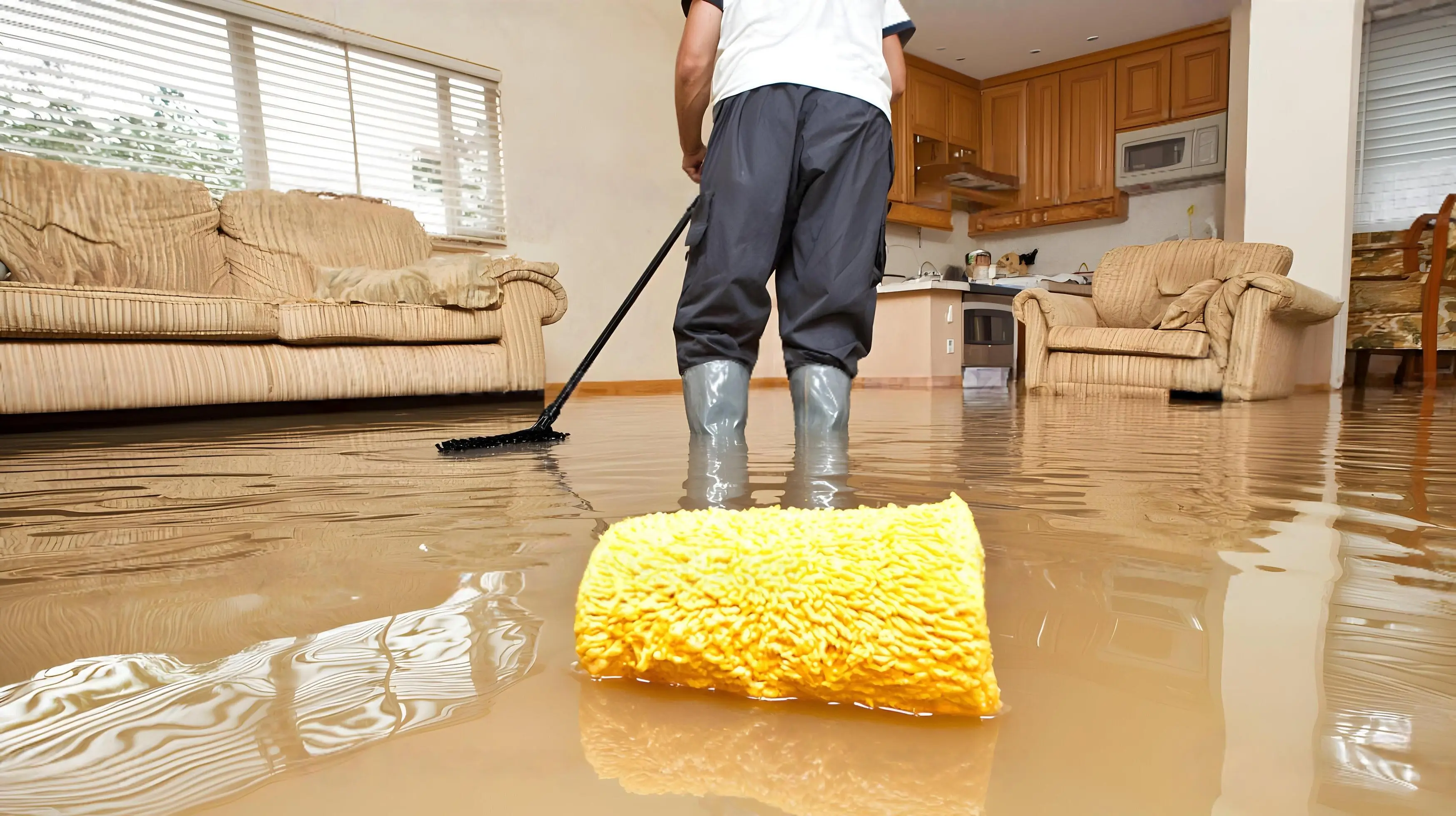
Water Damage Restoration
Burst pipes, storm flooding, standing water. We extract, dry, and restore before mold sets in.
Learn more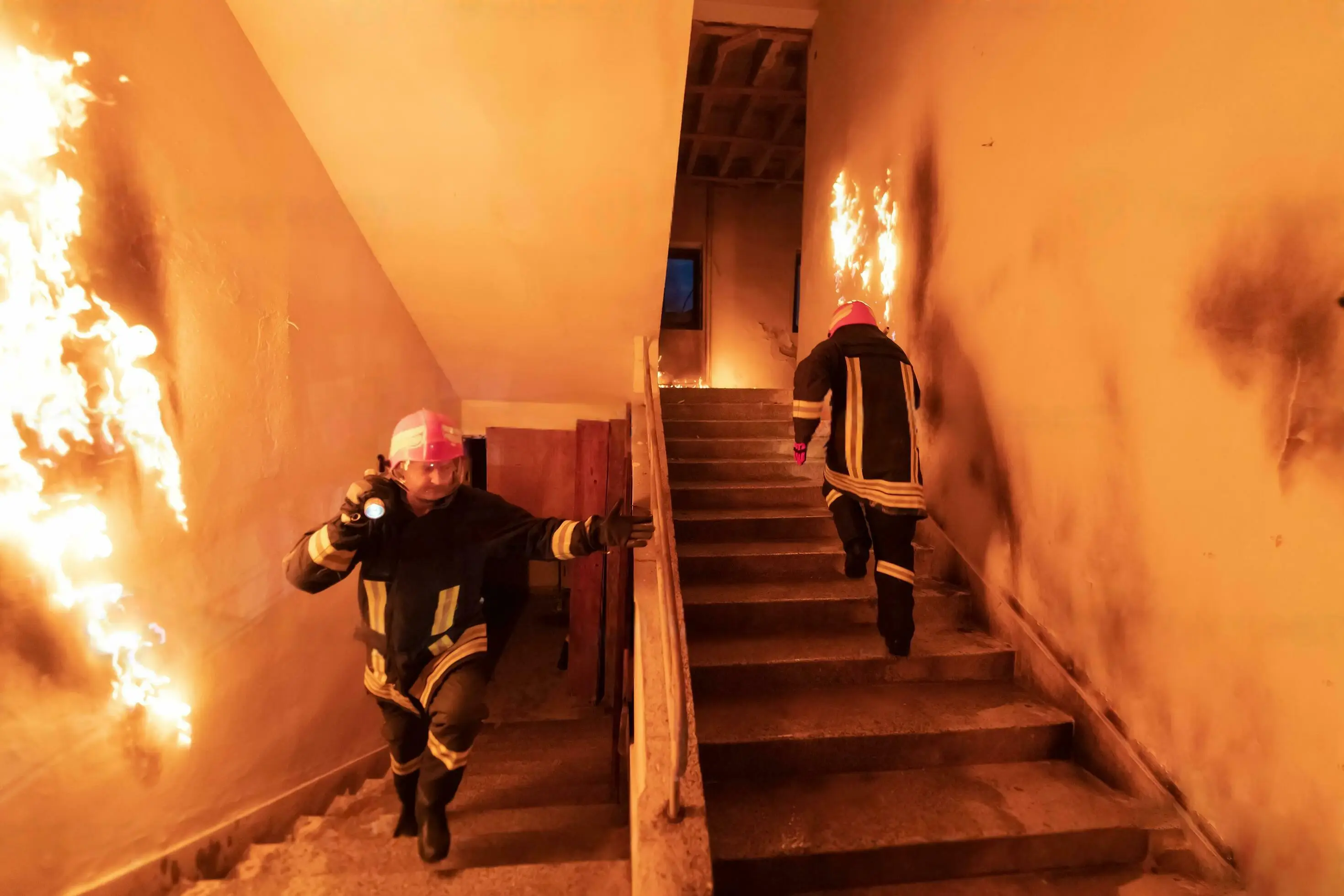
Fire Damage Restoration
Structural damage, soot, debris. We stabilize, clean, and rebuild what fire destroyed.
Learn more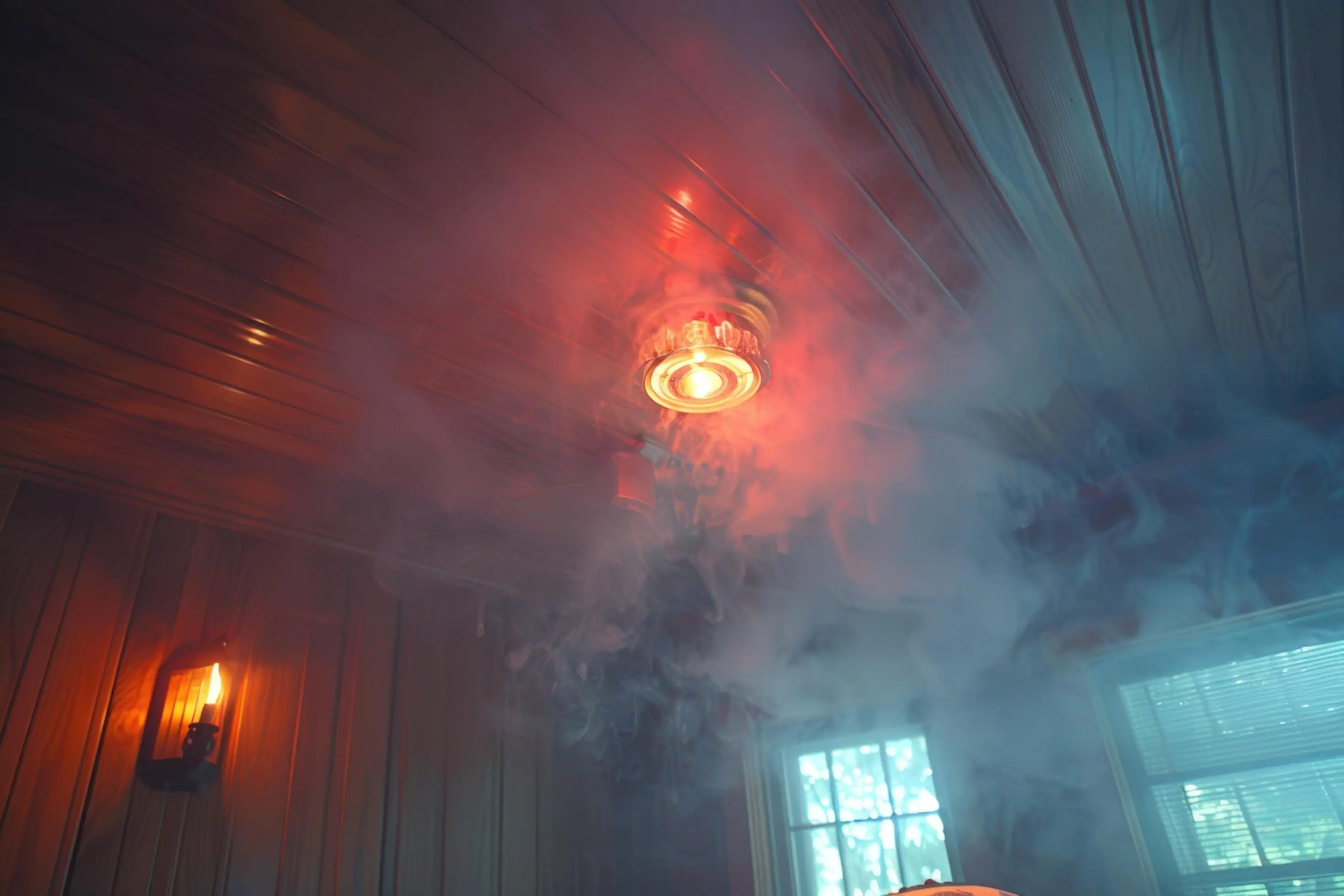
Smoke Damage Restoration
Soot residue, chemical odors, HVAC contamination. We decontaminate surfaces, eliminate odors, and restore air quality.
Learn more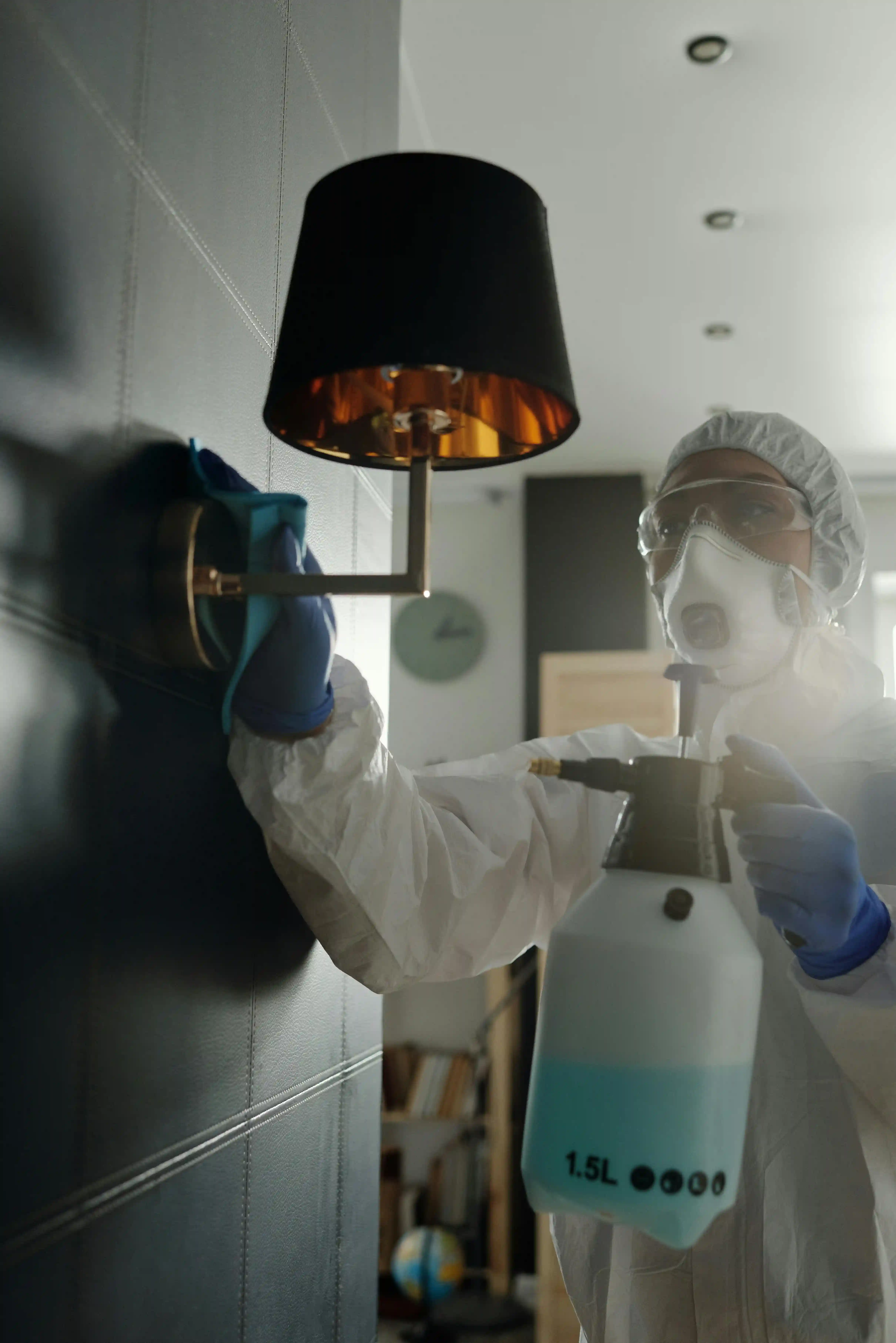
Mold Remediation
Testing, containment, removal, prevention. We find the source, eliminate the growth, and stop it from returning.
Learn more