
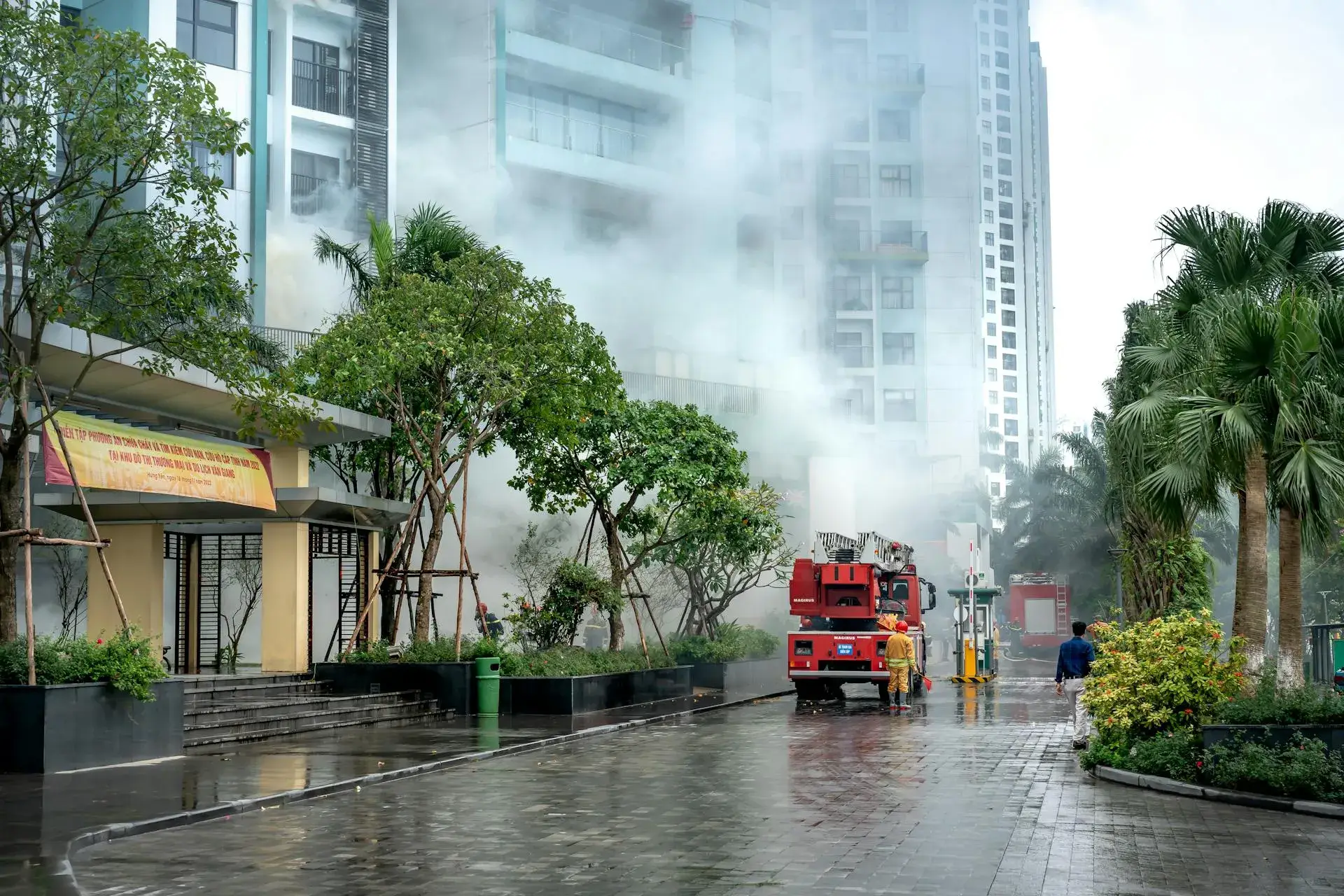
Smoke Damage Restoration in Plainfield, IL
Smoke damage worsens every hour as acidic soot corrodes surfaces and volatile compounds penetrate deeper into porous materials. Our local team responds to Plainfield emergencies within 60 minutes.
What Happens When You Call
A real person answers, not a call center. We assess your situation, ask the right questions, and begin coordinating your response immediately.
Your dedicated restoration team is dispatched from our local base serving Plainfield and the surrounding Will County communities.
Team arrives with HEPA filtration, chemical sponges, soot removal agents, and thermal fogging equipment. Assessment and emergency air quality improvement begins immediately.
Contamination mapped, cleaning protocol established, restoration plan documented. You know exactly what comes next.
Smoke has invaded your home and every surface feels wrong. The smell is everywhere, the air tastes metallic, and you can see the haze settling on countertops and furniture. X Response exists for exactly this moment. When you reach out, your restoration team is mobilized within minutes and on site within the hour. From that point forward, one team manages everything: soot removal, surface restoration, odor elimination, and HVAC decontamination. You are never left guessing about the next step. Call now. Your team is standing by.
Why Plainfield Homes Are Vulnerable to Smoke Damage
Plainfield is a village of approximately 46,700 residents in Will County, Illinois, located 35 miles southwest of downtown Chicago. The village spans portions of Will and Kendall counties across more than 25 square miles of predominantly residential development built between 1990 and 2015. Plainfield's housing stock consists primarily of two-story and split-level homes with modern forced-air HVAC systems, tight building envelopes designed to current energy codes, and open floor plans that connect living spaces across large interior volumes. These same construction characteristics that improve energy efficiency and comfort also make Plainfield homes highly susceptible to smoke damage: tight envelopes trap smoke inside the structure, HVAC systems distribute contamination to every connected room, and open layouts eliminate the compartmentalization that would limit smoke spread in older, more segmented homes. The Plainfield Fire Protection District covers approximately 54 square miles with four stations and responds to residential fires that generate interior smoke damage as well as exterior smoke events from wildfire, neighbor fires, and vehicle fires that affect adjacent properties.
On June 27, 2023, smoke from Canadian wildfires pushed air quality across the Chicago metropolitan area, including Will County, to Unhealthy and Very Unhealthy levels on the EPA Air Quality Index, with Chicago recording some of the worst air pollution of any major city in the world that day. The smoke plume from unprecedented wildfires burning across Quebec and Ontario was transported south across the Great Lakes into the upper Midwest, creating curtains of haze, reducing visibility, and triggering Air Quality Index alerts across Illinois, Indiana, Wisconsin, and Michigan. Will County residents were advised to stay indoors, limit outdoor exertion, and keep windows closed, but Plainfield homes that had windows open before the alert, or HVAC systems with fresh-air intakes drawing outdoor air, accumulated fine particulate matter (PM2.5) throughout their interior spaces. The event repeated in modified form through July 2023 as additional Canadian wildfire smoke episodes affected the region, establishing that large-scale wildfire smoke intrusion is not a once-in-a-lifetime anomaly but a recurring warm-season hazard for the Chicago metro area.
Wildfire Smoke Intrusion and Indoor Air Quality in Modern Homes
The June 2023 Canadian wildfire smoke event demonstrated a vulnerability that Plainfield homeowners had not previously considered: exterior smoke from distant wildfires penetrating the indoor environment and depositing fine particulate matter throughout the home. Fine particulate matter (PM2.5) from wildfire smoke is small enough to pass through standard HVAC filters, especially the low-MERV fiberglass filters installed in many residential systems. Once inside, these particles settle on every surface, embed in soft goods, and circulate through ductwork. Unlike structure fire smoke, which produces visible heavy soot and immediate chemical damage, wildfire smoke creates a subtler contamination that accumulates over hours or days of exposure. Homeowners may notice a persistent smoky odor, fine gray residue on horizontal surfaces, and irritation of eyes and airways without realizing that the interior of their home has accumulated measurable particulate contamination. Plainfield's modern homes with their tight envelopes can actually trap wildfire smoke once it enters: the same air-sealing that keeps conditioned air inside also prevents contaminated air from naturally venting once windows are closed and the outdoor plume passes.
Structure Fire Smoke in Tight Building Envelopes
When a structure fire occurs in a Plainfield home, the tight building envelope that characterizes post-1990 construction amplifies smoke damage throughout the entire home. Modern homes are built with house wrap, foam insulation, sealed duct connections, and weather-stripped doors and windows that minimize air exchange with the outdoors. During a fire, smoke fills the interior volume rapidly because it cannot escape through the building shell. In older, draftier homes, smoke vents through gaps around windows, through attic soffit vents, and through the porous building envelope itself. In Plainfield's modern construction, smoke remains trapped inside, concentrating soot deposition on surfaces, driving contamination deeper into porous materials, and filling HVAC ductwork that distributes it to every room in the home. The result is that a fire contained to a single room in a modern Plainfield home can produce whole-home smoke damage equivalent to what a much larger fire would cause in a leaky older structure. Soot appears on walls, ceilings, and contents in bedrooms, closets, and bathrooms far removed from the fire origin because the forced-air system acted as a distribution network for combustion byproducts.
Furnace Puffbacks and Heating-System Smoke Events
Plainfield homes are heated primarily by natural gas forced-air furnaces, with a smaller number using oil-fired systems in older properties or backup heating in newer construction. A furnace puffback occurs when fuel accumulates in the combustion chamber and ignites in an uncontrolled burst, blowing soot and combustion byproducts backward through the heat exchanger and into the supply ductwork. The resulting soot distribution is immediate and total: fine black oily residue appears on walls, ceilings, furniture, and clothing in every room connected to the forced-air system within seconds of the event. Puffbacks are particularly insidious because the soot is extremely fine, oily, and difficult to remove without professional chemical cleaning. It penetrates textiles, embeds in paint films, and cross-contaminates every supply register in the home. In Plainfield's heating season, which runs from October through April, furnace systems operate continuously for hours each day, meaning any accumulation of unburned fuel from a failed ignitor, cracked heat exchanger, or blocked flue has the potential to produce a puffback event that contaminates the entire home in moments.
Neighbor and Adjacent-Property Smoke Exposure
Plainfield's subdivision developments feature homes built on lots with setbacks of 8 to 15 feet between structures, depending on the era and developer. When a fire occurs at a neighboring property, smoke enters adjacent homes through any available pathway: open windows, dryer vents, bathroom exhaust fans, HVAC fresh-air intakes, and gaps around penetrations that are not fire-stopped. Dense smoke from a fully involved garage or exterior fire at a neighbor's property can infiltrate your home without flames ever reaching your structure, depositing soot on surfaces, contaminating soft goods, and embedding odor in porous materials. In Plainfield's newer subdivisions where homes are clustered with attached garages facing shared driveways, a neighbor's garage fire can produce lateral smoke exposure to multiple properties simultaneously. Homeowners return from work or wake in the morning to find a thin film of soot on surfaces, a persistent chemical odor, and learn that a fire occurred next door or across the street while they were away. This type of third-party smoke damage is covered under most Illinois homeowner's policies but requires proper documentation of the source, the exposure pathway, and the extent of contamination to substantiate the claim.
Vehicle and Garage Fires Generating Residential Smoke Damage
Attached garages are standard in virtually every Plainfield home built since 1990. When a vehicle fire occurs in an attached garage, from mechanical failure, lithium-ion battery thermal runaway in electric vehicles, or ignition of stored flammables, the smoke produced is a complex mixture of petroleum-based soot, synthetic compounds from burning plastics and rubber, and toxic byproducts from modern vehicle materials including polyurethane foam, fiberglass, and composite panels. This synthetic smoke is among the most difficult to remediate because it creates a greasy, adhesive residue that bonds to surfaces and produces persistent volatile organic compounds that continue off-gassing for weeks if not properly treated. In Plainfield homes where the garage shares a common wall with the kitchen or family room, smoke can breach the fire-rated separation through the service door, penetrations for electrical and plumbing runs, and any gap in the fire-stopping that was installed during construction. The HVAC return in the adjoining room then draws contaminated air into the duct system and distributes it throughout the house before occupants can react. A single vehicle fire in an attached garage can produce a whole-home smoke contamination event requiring comprehensive restoration of surfaces, contents, and HVAC systems.
These factors create a community where smoke damage occurs from multiple distinct sources: structure fires producing intense localized contamination distributed through tight building envelopes and forced-air systems, wildfire smoke events depositing fine particulates throughout homes over extended exposure periods, furnace puffbacks instantly contaminating every connected room, neighbor fires infiltrating through close-proximity construction, and vehicle fires in attached garages breaching the living space through shared walls. Effective smoke damage restoration in Plainfield requires identifying the smoke type, understanding how the building envelope and HVAC system distributed it, and applying the correct chemical cleaning and odor treatment protocol for the specific contamination, because protein soot, synthetic soot, wildfire particulates, and petroleum-based residue each demand different approaches.
What Happens to Your Home While You Wait
Within 1 Hour
Soot particles settle on horizontal surfaces throughout the home: countertops, shelves, electronics, glass, and chrome fixtures. Acidic compounds in the soot begin reacting with metal surfaces, starting the oxidation process that produces permanent tarnishing and pitting if not removed. In Plainfield's tight modern homes where smoke was trapped inside during the event, soot concentration on surfaces is higher than it would be in a drafty older structure because the contaminated air remained in contact with interior surfaces rather than venting outdoors. Fine soot particles begin migrating into the weave of upholstery, the pile of carpet, and the pores of unsealed natural stone and grout.
1–24 Hours
Soot penetrates beyond surface deposits into porous materials. Painted walls absorb volatile compounds that cause yellowing visible within days. HVAC systems that cycled during or after the event have distributed soot through the entire duct network, depositing residue at every supply register and inside the return plenum and blower housing. Fabrics absorb smoke compounds that cross-link with textile fibers over time, becoming progressively more difficult to remove. Metal fixtures, appliance handles, light switch plates, and decorative hardware develop visible tarnishing and discoloration as acid-soot corrosion progresses. Electronics with circuit boards begin corroding at connection points where conductive soot particles bridge contacts.
24–48 Hours
Chrome, brass, and stainless surfaces develop permanent etching and pitting that cannot be reversed with cleaning alone but requires polishing or replacement. Painted and varnished wood finishes show visible yellowing as smoke compounds migrate through the clear coat or paint film from beneath. Grout lines absorb soot below the surface where standard cleaning cannot reach, requiring extraction or replacement. Clothing and soft goods that were salvageable with prompt treatment begin crossing into replacement territory as volatile compounds permanently bond with synthetic and natural fibers. The scope of necessary work expands: surfaces that could have been cleaned at 6 hours now require refinishing, and contents that could have been restored at 12 hours now require replacement.
48–72 Hours
Smoke odor becomes embedded at a molecular level in structural wood, drywall paper facing, carpet padding, insulation, and concrete surfaces. At this point, surface cleaning alone cannot eliminate the odor because the volatile compounds have migrated into the material substrate. Upholstered furniture and mattresses have absorbed enough smoke compound to require replacement rather than restoration. Hardwood floors show staining beneath the finish coat that requires sanding to bare wood. The boundary between cleanable and non-salvageable surfaces has shifted dramatically compared to where it would have been with 12-hour intervention.
One Week and Beyond
Smoke odor is permanently embedded in structural materials and requires sealing, encapsulation, or replacement rather than cleaning. HVAC ductwork that was not cleaned has redistributed soot throughout the home every time the system cycles, re-contaminating surfaces that were cleaned. Corrosion on metal and electronics has progressed to the point of permanent damage. The restoration project now requires comprehensive surface treatment, odor sealing of structural materials, possible insulation replacement, full HVAC cleaning, and significant contents replacement rather than the cleaning-focused scope that would have sufficed with prompt response.
The difference between cleaning your home's surfaces and replacing them is often just a few hours of response time. Contact X Response now. Our Plainfield team responds within 60 minutes.
How We Restore Smoke-Damaged Plainfield Homes
From the moment our team arrives, every step is documented, measured, and verified. Here is exactly what the smoke damage restoration process involves for Plainfield properties.
Smoke Type Identification and Damage Mapping
Our team arrives to identify the type of smoke residue present throughout the home. Different sources produce different soot: protein soot from kitchen fires is nearly invisible but produces intense odor, synthetic soot from burning plastics is black and greasy, dry soot from wood and paper is powdery and can smear if improperly cleaned, and petroleum-based soot from vehicle fires is thick and oily. In Plainfield homes where the forced-air system distributed smoke throughout the structure, we map soot deposition in every connected room, inspect HVAC ductwork and blower housing, check behind return-air grilles, test surfaces in closets and cabinets, and document the full contamination footprint. This mapping determines the cleaning protocol, identifies which surfaces can be restored versus which require replacement, and establishes the scope of work for your insurance claim.
Emergency Air Quality Improvement
Before detailed cleaning begins, we deploy HEPA air scrubbers and activated-carbon filtration to immediately improve indoor air quality. In Plainfield's tight building envelopes where smoke is trapped inside, mechanical air filtration is essential to remove suspended particulates that continue settling on surfaces and irritating respiratory systems. The HVAC system is shut down to prevent further redistribution of contamination through ductwork. Air scrubbers run continuously throughout the restoration project, capturing airborne soot, volatile organic compounds, and odor molecules as we disturb settled contamination during the cleaning process. This step protects both the restoration crew and any occupants who remain in unaffected portions of the home.
Surface Cleaning and Soot Removal
Surfaces are cleaned using techniques specific to the soot type and substrate. Dry soot is removed with chemical sponges and HEPA-vacuum methods that lift particles without smearing. Oily soot requires solvent-based cleaners applied in specific concentrations for each surface type. Protein soot demands enzyme-based treatments that break down the organic compounds causing odor. In Plainfield homes with textured ceilings, semi-porous wall finishes, and specialty countertop materials, each surface receives the appropriate treatment without damage to the underlying material. We work systematically from ceilings down to floors, from the farthest rooms back toward the contamination source, ensuring that disturbed soot does not re-deposit on already-cleaned surfaces.
HVAC Decontamination
The forced-air HVAC system in a Plainfield home typically includes 200 to 400 linear feet of ductwork connecting supply registers, return grilles, the blower housing, evaporator coil, and filter rack. During a smoke event, soot deposits throughout this entire system. If the system is not professionally cleaned, it will redistribute residual soot every time it cycles, re-contaminating surfaces that were already cleaned and perpetuating odor throughout the home indefinitely. Our team cleans ductwork with rotary brush systems and negative-pressure collection, accesses and cleans the blower wheel and housing, inspects and cleans or replaces the evaporator coil if soot has reached it, and installs high-MERV filtration for the ongoing drying and odor treatment period. The HVAC system is not reactivated until the entire duct network tests clean.
Odor Elimination and Verification
Once surfaces are clean and the HVAC system is decontaminated, we address embedded smoke odor in structural materials using thermal fogging, hydroxyl generators, and ozone treatment applied in a controlled sequence. Thermal fog penetrates porous materials at the molecular level, reaching the same spaces smoke compounds migrated into during the event. Hydroxyl generators break down volatile organic compounds through oxidation without requiring occupant evacuation. Ozone treatment, applied in sealed unoccupied spaces, destroys residual odor compounds through direct oxidation. We verify results with calibrated air quality testing and a post-treatment inspection after the home has been sealed and then re-opened, confirming that odor does not return when the structure reaches equilibrium.
The X Response Difference
When you contact X Response, you get a dedicated restoration team that manages everything, from emergency air quality improvement through HVAC decontamination to verified odor elimination. One team, one point of contact, one standard of work from start to finish.
Insurance Claim Guidance for Plainfield Homeowners
Smoke damage insurance claims in Illinois depend on the source of the smoke and whether the contamination originated from a covered event. Smoke damage from a structure fire at your property or a neighbor's property is covered under standard homeowner's policies as part of the fire peril. Furnace puffback events are typically covered as sudden and accidental mechanical failure. Wildfire smoke intrusion from distant fires occupies a grayer area: coverage varies by carrier, and many standard policies do not explicitly cover gradual environmental contamination from outdoor sources unless it can be tied to a specific sudden event. In Plainfield, where the June 2023 Canadian wildfire smoke pushed AQI to Unhealthy levels across Will County, homeowners who experienced measurable interior contamination faced varying coverage responses depending on their carrier and policy language. Third-party smoke damage from a neighbor's fire is covered under your own policy (not the neighbor's), but requires documentation establishing the source, the exposure pathway, and the extent of contamination throughout your home.
How X Response Helps
- Document all smoke contamination with professional photos, surface testing, and air quality measurements from day one
- Identify and document the smoke source clearly, as structure fire, puffback, neighbor fire, and wildfire smoke trigger different coverage under Illinois policies
- Map the full distribution of contamination including HVAC systems and remote rooms, not just visibly affected areas
- Provide detailed scope of work separating cleaning, restoration, replacement, and odor treatment into categories your adjuster can process
- Document contents damage with individual item assessment so your personal property claim is substantiated
X Response does not file claims on your behalf, adjust claims, or make coverage determinations. We provide documentation and guidance to help you make informed decisions about your property and your policy. Coverage decisions are made solely by your insurance carrier.
Certified Restoration Specialists Serving Plainfield
When you contact X Response for smoke damage in Plainfield, your restoration team is drawn from certified professionals who work across Will County's southwestern Chicago suburbs and understand the specific challenges of restoring smoke-damaged properties in this community. They know how modern tight building envelopes trap smoke and concentrate contamination, how forced-air HVAC systems distribute soot to every room in minutes, how different soot types from structure fires, puffbacks, vehicle fires, and wildfire smoke each require distinct cleaning chemistry, and how Plainfield's subdivision-era construction with open floor plans and connected air volumes creates whole-home contamination events from single-room sources. They have worked through kitchen fires in open-concept homes, furnace puffbacks in older systems, wildfire smoke intrusion events, neighbor-fire exposures in dense subdivisions, and vehicle fires in attached garages. This is not a crew dispatched from hours away with no local context. It is a local team with local expertise, operating under national quality standards.
Every technician on your team holds current IICRC certification in fire and smoke restoration and carries the appropriate Illinois state licensing for the work being performed. Equipment is commercial-grade and maintained to manufacturer specifications. When your team arrives, they bring everything needed to begin restoration immediately, including HEPA air scrubbers for immediate air quality improvement, chemical sponges and solvent systems for all soot types, rotary brush duct cleaning equipment, thermal fogging units for molecular-level odor treatment, hydroxyl generators for occupied-space volatile compound destruction, and ozone generators for unoccupied deep-treatment applications.
In Plainfield, X Response works with Scene Cleaners, an independent local restoration partner serving Will County.
Smoke Damage Restoration FAQ for Plainfield Homeowners
Other Emergency Services in Plainfield
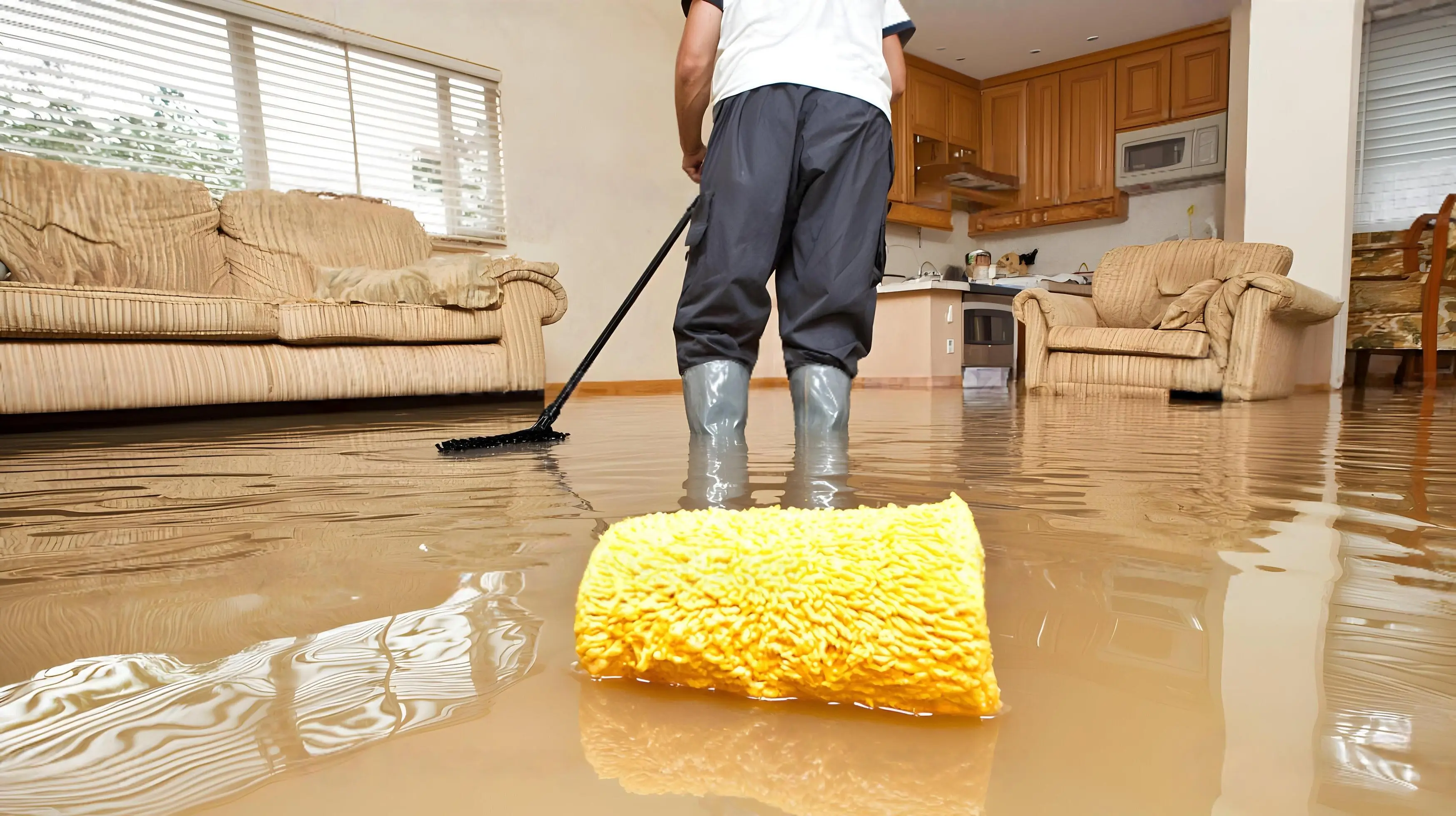
Water Damage Restoration
Burst pipes, storm flooding, standing water. We extract, dry, and restore before mold sets in.
Learn more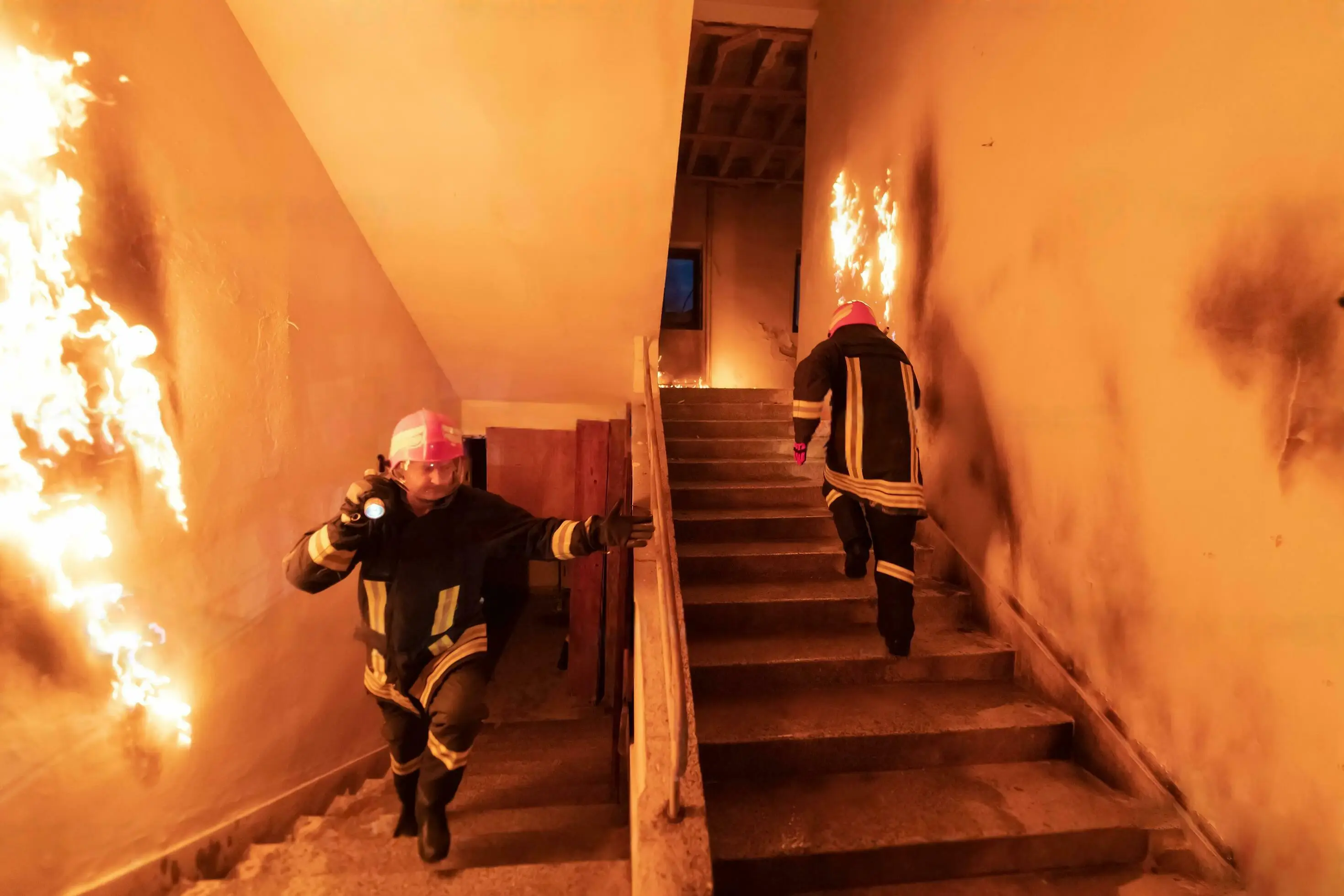
Fire Damage Restoration
Structural damage, soot, debris. We stabilize, clean, and rebuild what fire destroyed.
Learn more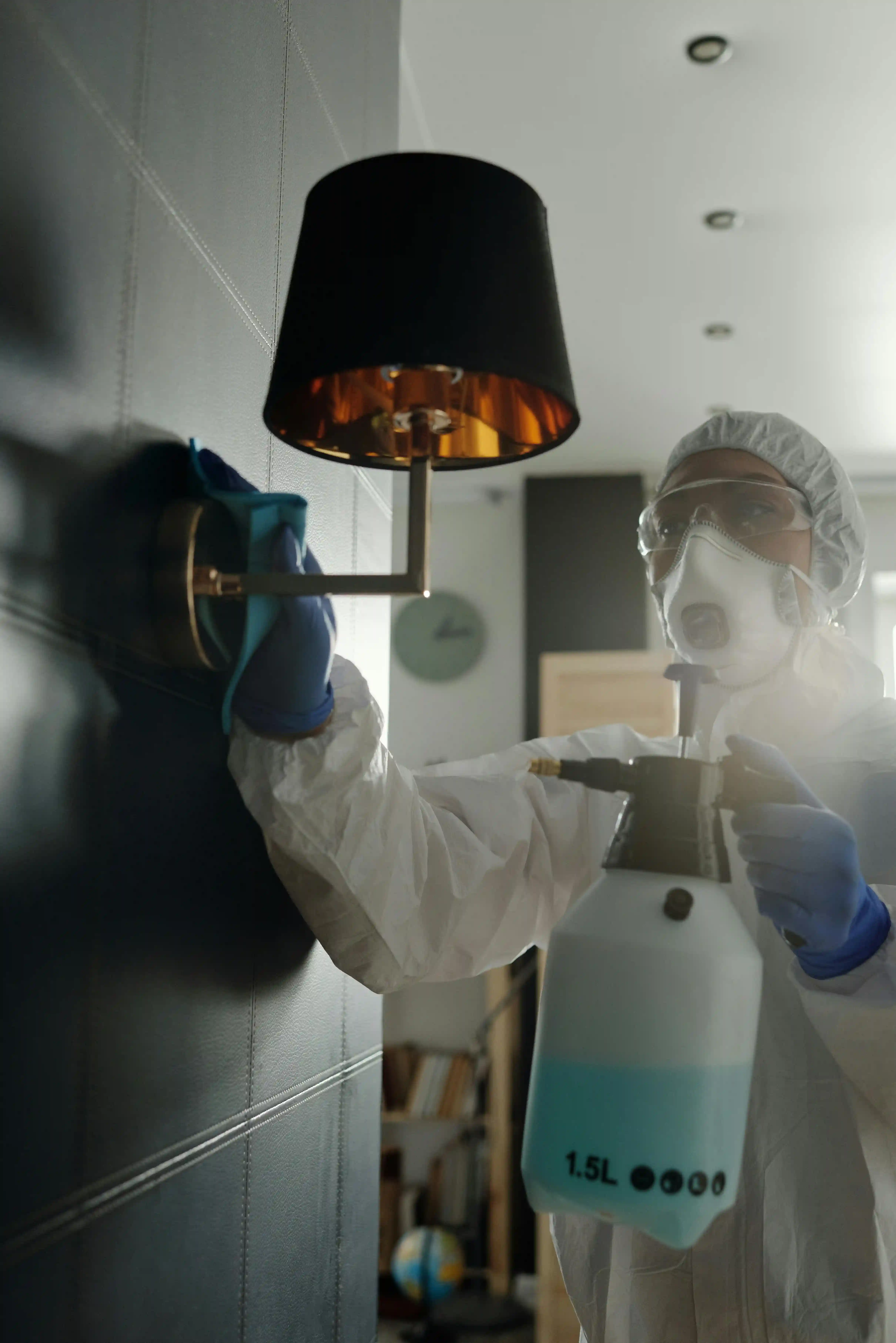
Mold Remediation
Testing, containment, removal, prevention. We find the source, eliminate the growth, and stop it from returning.
Learn more
Sewage Cleanup
Sewer backups, contaminated water, biohazard. We extract, sanitize, and restore safely.
Learn more